Dhan Ka Rate 2026: Paddy MSP, Basmati 1121 & Mandi Pricing
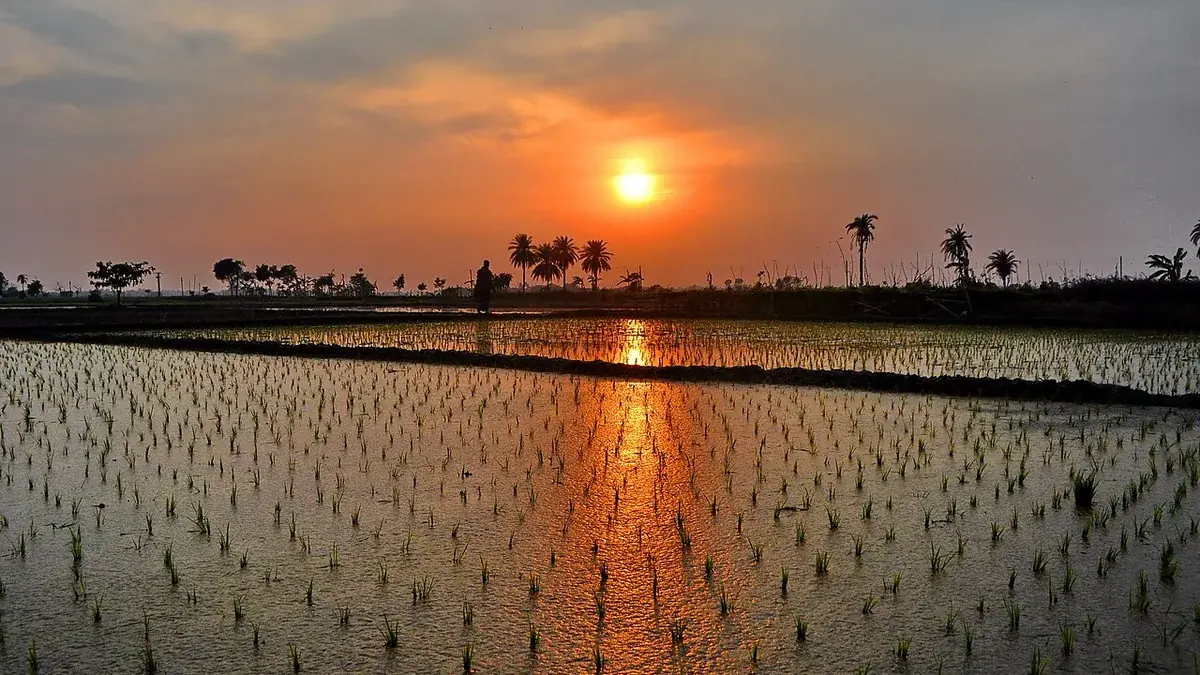
Key takeaways
- Verified Official Paddy MSP: Common Paddy ₹2,369/qtl (2025-26) -> ₹2,441/qtl (2026-27); Grade-A Paddy ₹2,389/qtl (2025-26) -> ₹2,461/qtl (2026-27) per PIB/CACP.
- Two Distinct Dhan Markets: Coarse/Hybrid non-Basmati dhan anchors closely to state PACS/FCI MSP centres (and state bonus schemes), while Pusa Basmati 1121 / 1509 / 1718 trade purely on private miller open auctions.
- Critical 17% Moisture Cutoff: Wet combine-harvested paddy at 20%–24% moisture suffers immediate steep private mandi cuts or gets turned back at FCI FAQ gates until sun-dried.
- Arize 6444 & Hybrid Clarification: High-yielding hybrid paddy (like Arize 6444) trades under non-Basmati FAQ/Common grades—read varietal yield specs on /guide/6444-dhan/.
- Track Daily Auction Centres: Check Agmarknet & e-NAM modal bids in Narela, Karnal, Kurukshetra, Gondia, Dhamtari, and Bargarh prior to bagging.
Checking the real dhan ka rate across India’s rice belts splits smoothly into two separate price lanes: statutory MSP procurement for Common and Grade-A non-Basmati paddy (including popular hybrids like Arize 6444 Dhan and state PACS lots) versus open private APMC mandi auctions led by aromatic premium varieties like Pusa Basmati 1121, 1509, 1718, and Sugandha. Under official cabinet-approved CACP declarations published via PIB (pib.gov.in) and Ministry of Agriculture, statutory Minimum Support Price sits at ₹2,369/quintal (Common) and ₹2,389/quintal (Grade-A) for Kharif Marketing Season 2025–26, stepping up cleanly to ₹2,441/quintal (Common) and ₹2,461/quintal (Grade-A) for Kharif 2026–27.
Meanwhile, open-mandi spot bids at Karnal, Taraori, Narela, Kaithal, Amritsar, Fazilka, Kota, and Raipur fluctuate daily around combine-harvest moisture (anything over 17% FAQ tolerance receives immediate weight/rate deductions), millers’ export container demand for extra-long 1121 Sella/Raw kernels, and broken-rice recovery % during milling. Track active APMC auction arrivals on Agmarknet alongside KisanPe Live Mandi Rates, compare varietal agronomy via Arize 6444 Dhan Guide, and manage rice procurement returns inside our Rice Farmers Hub.
Official CACP Paddy MSP 2025–26 & 2026–27 vs open Basmati 1121 mandi rates
Confusing non-Basmati MSP schedules with private 1121 dhan ka rate today headlines creates needless financial confusion inside rice villages every October. Government procurement corporations (FCI, Pungrain, HAFED, Odisha PACS, Chhattisgarh Markfed) procure eligible Common (short/bold kernels, length-breadth ratio <2.5) and Grade-A (long/slender non-Basmati kernels) directly at official cabinet-approved MSP floors guaranteeing at least 50% return margin above All-India weighted A2+FL cultivation cost.
Aromatic export Basmati 1121, 1718, 1401, and 1509 carry NO statutory MSP—instead, private export shellers bid fiercely inside Haryana, Punjab, Rajasthan, and Western UP mandis based on head-rice milling recovery (typically ~42%–48% whole sella/steamed rice), grain chalkiness %, aroma, and Middle-Eastern / European import orders. Note that high-yielding hybrid paddy such as Bayer Arize 6444 falls firmly inside non-Basmati Common/Grade-A procurement pools rather than Basmati trade—inspect full cultivation specs on Arize 6444 Dhan Guide and explore aromatic strains on Basmati Varieties Hub.
| Paddy Category / Variety Type | KMS 2025–26 Statutory MSP | KMS 2026–27 Statutory MSP | Pricing & Quality Benchmarks |
|---|---|---|---|
| Paddy (Common — Short / Medium / Hybrids) | ₹2,369 / quintal | ₹2,441 / quintal | Strict ≤17% moisture, ≤1% organic/inorganic foreign matter |
| Paddy (Grade A — Fine Non-Basmati) | ₹2,389 / quintal | ₹2,461 / quintal | Long/slender kernel L/B >=2.5; state FCI/PACS registration needed |
| Basmati 1121 / 1509 / 1718 (Private Auction) | No Government MSP (Market Auction) | No Government MSP (Market Auction) | Hand-reaped dry lots command crisp premium over damp combine-cut |
Why moisture %, combine vs hand-cut & immature green grains move rates by ₹400/qtl
Drive into Karnal, Narela, or Gondia anaj mandi during mid-October harvest peak and observe two trolleys from identical fields selling ₹250–₹450 per quintal apart on the very same shed platform. First culprit is moisture: giant harvester combines cutting slightly green standing stalks routinely pour wet 21%–24% paddy onto trolleys. Because excess moisture turns warm piled bags musty yellow within 48 hours and shatters kernels on rubber sheller rollers, private millers slash raw wet quotes aggressively—whereas running a tractor axial-flow thresher or sun-drying spread grain for 36 clean hours down to 14%–16% moisture restores instant dry-weight buyer premiums!
Second factor is broken/damaged/discoloured ratio and immature green chaff from mid-tillering BPH hopperburn or late-season fungal neck-blast. Checking exact moisture percentage cleanly with a portable grain meter before entering FCI gates stops embarrassing rejections—track drying schedules cleanly alongside KisanPe Weather Advisory and Live APMC Directory.
- Combine vs Hand-Harvested Basmati Split: Export millers pay crisp ₹200–₹400/qtl bonuses for traditional hand-sickle reaped & gently threshed 1121 Basmati compared to bruised high-RPM combine loads.
- Check State Bonus Top-Ups Cleanly: States like Chhattisgarh and Odisha periodically run separate direct procurement incentives—verify official notices via Farmer ID Portals.
- Compare Nearby Haryana vs UP vs Delhi Yards: Check transport economics clearly via Best Mandi Near Me.
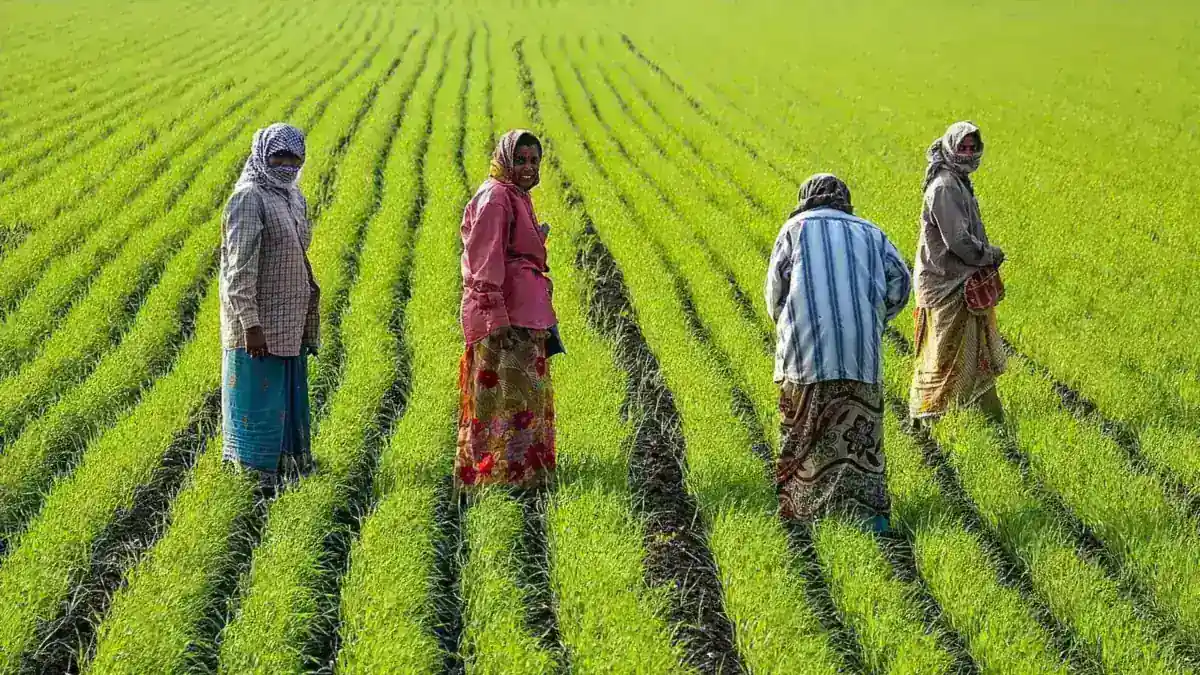
Step-by-step registration for FCI / State MSP paddy procurement centres
Securing guaranteed statutory MSP payouts (₹2,441–₹2,461/qtl KMS 2026–27) demands proactive seasonal portal compliance rather than showing up unexpectedly at market gates: complete annual Kharif Girdawari / crop-sown e-registration strictly before state closing dates (Meri Fasal Mera Byora in Haryana, Anaaj Kharid Punjab, e-Uparjan MP, FCS UP, or Krushak/PACS in Odisha/Chhattisgarh), verify Aadhaar-linked Bhulekh RoR mapping via KisanPe Bhulekh Guide, book valid weighment passes/tokens cleanly, and inspect bank passbooks ensuring active NPCI DBT status so electronic transfers arrive cleanly within 48–72 hours of lifting.
Paddy storage vs immediate auction & hedging Basmati lots into winter
Whereas wet coarse paddy practically mandates crisp dry delivery right at October harvest, financially secure farmers growing dry 13% moisture Pusa Basmati 1121 or 1718 frequently hold well-cleaned lots neatly stacked indoors or in certified warehouses past November peak harvest arrivals into January–March once winter export container loadings accelerate. Compare instant sale liquidity vs carrying cost cleanly on our Crop Income Calculator, plan working capital smoothly via Kisan Credit Card limits, check regional rates on Dhaan Mandi Hub, and track Punjab and Mandi Price Trends.
Comparing state procurement bonuses, Chhattisgarh Krishak Unnati, Odisha & Haryana systems
While the Central Government declares a single uniform statutory Dhan MSP across India (₹2,369 Common / ₹2,389 Grade-A for KMS 2025–26 stepping to ₹2,441 Common / ₹2,461 Grade-A for KMS 2026–27 per PIB / CACP), actual effective cash received per quintal at procurement gates also reflects state-level DBT input bonuses and state portal mechanics! Major rice states like Chhattisgarh and Odisha layer state farmer top-up incentives and digital PACS token verification atop statutory FCI ceilings, whereas Punjab and Haryana anchor seamless 48-hour direct DBT credit through Anaaj Kharid and Meri Fasal Mera Byora J-Forms.
Always register your exact Kharif transplanted rice Khasra/plot numbers accurately inside your respective state agricultural portal prior to October harvest windows—unregistered tenant or late-updating plots frequently lose official procurement quotas and end up forced into discounted private village sales. Verify Farmer ID links cleanly in our Odisha Farmer ID Portal Guide and inspect land seeding rules via Bhulekh Land Seeding Guide.
- Verify Variety Category Listing Early: Check whether hybrid rice like Arize 6444 clears Common vs Grade-A L/B kernel specifications locally at your primary PACS.
- Confirm Active NPCI DBT Account Status: Ensure no stale closed bank branch IFSC lingers inside procurement portal records.
- Compare Basmati Export Trends Separately: Monitor Middle-Eastern & Iranian container shipping sentiment cleanly via Mandi Price Trends.
Dhan drying costs, moisture cut arithmetic & miller outturn deductions explained
Suppose an October morning trolley reaches a private sheller yard carrying freshly combined 22% moisture paddy while dry FAQ rules specify 15%–17%: buyers do NOT merely subtract 5% moisture weight evenly—they deduct extra karda drying labour, handling risk, and yellowed-grain milling discounting costing farmers ₹180–₹320/qtl net. Sun-spreading harvested grain thinly on clean rural concrete floors or HDPE sheets for two bright afternoons with simple wooden rakes converts damp grain straight into Grade-A dry quality, recovering huge per-acre cash! Calculate drying payback cleanly via Crop Income Calculator and monitor Best Mandi Near Me.
Understanding rice milling math empowers farmers further: raw non-Basmati FAQ paddy yields ~67 kg clean rice per 100 kg dried grain under standard FCI custom-milling parameters, whereas over-heated damp stacks crack internally during parboiling/steaming, driving up broken kinki ratios and dropping miller bids cleanly into cattle-feed tiers. Checking regional harvest forecasts cleanly via KisanPe Weather Hub allows growers to stall combine entry by 48–72 hours past stray cloudy nights—adding direct quintal premiums effortlessly.
Smallholders seeking harvest storage bags, tarpaulins, or solar crop dryers should also check state agro-subsidy allocations via Agriculture Subsidy Hub and model working capital buffer needs cleanly inside our KCC Credit Hub. Additionally, never store damp newly combined rice bags tightly against mud warehouse walls—elevated wooden pallets keep bottom layers dry and free of aflatoxin heating.
- Check Gunny Sack Stitches & Tagging: Standard clean 40 kg / 50 kg stitched bags prevent spillage across high-stack mandi platforms.
- Protect Stored Dhan From Storage Weevils: Never pack sun-warm hot paddy straight into sealed bins—cool heaps overnight cleanly before bagging.
- Compare PACS vs Private Mandi Freight: Weigh shorter PACS procurement distances against distant private Basmati mill gates clearly.
Protecting panicle test weights through balanced irrigation & pest hygiene
Achieving crisp bold grains qualifying effortlessly for Grade-A and Basmati export buyers begins weeks before combine blades hit October fields. Maintaining shallow 2–5 cm continuous moisture cleanly from booting through early milk grain-fill prevents chalky half-filled white bellies caused by sudden mid-September drought cracking, while cutting water completely 12–14 days pre-harvest hardens straw stalks and prevents soggy muddy combine wheel ruts.
Equally decisive: timely protection against false smut (Luna Fungicide), neck blast (Conika Fungicide), and Brown Planthopper (Pexalon Group 4E) protects flag leaves cleanly right until physiological grain yellowing—driving steady 1000-grain weight gains worth extra quintals at APMC procurement gates.
- Avoid Excess Urea Top-Dressing Past Panicle Initiation: Late excess urea keeps rice stems weak and soft, triggering severe lodging in post-September cyclonic winds.
- Check Potassium Balance on Soil Health Card: Adequate basal potash boosts grain fullness and husk golden lustre cleanly.
Frequently asked questions
- What is the official government MSP for Dhan (Paddy) in 2025-26 and 2026-27?
- Under Cabinet-approved CACP notifications via PIB (pib.gov.in), Kharif 2025–26 MSP is ₹2,369/qtl (Common) and ₹2,389/qtl (Grade-A); for Kharif 2026–27 it stands at ₹2,441/qtl (Common) and ₹2,461/qtl (Grade-A). Explore procurement portals on Rice Farmers Hub.
- Does Basmati 1121 or 1509 Dhan have a fixed government MSP?
- No. Aromatic Basmati rice varieties (1121, 1509, 1718, 1401) are NOT covered by government FCI MSP purchases—their dhan ka rate depends cleanly on private miller export demand tracked daily via Agmarknet and KisanPe Mandi Rates.
- What moisture limit applies at government FCI/state paddy procurement centers?
- Standard FAQ procurement specification mandates a maximum moisture ceiling of 17% (up to limited state-specific tolerance rules). Combine-harvested damp loads over 19% face outright refusal until sun-dried cleanly. Monitor dry field windows via KisanPe Weather Advisory.
- How does Arize 6444 Dhan sell in mandis compared to Basmati?
- Bayer Arize 6444 is a high-yielding hybrid coarse/medium non-Basmati variety sold cleanly within statutory FCI/PACS non-Basmati procurement tiers or commercial parboiled mills, whereas Basmati carries specialised extra-long aromatic grading analyzed on Basmati Varieties Guide.
- How do I check daily Dhan mandi ka rate for Haryana, Punjab, UP, and MP yards?
- Open agmarknet.gov.in or KisanPe’s Mandi Intelligence Tool and filter Commodity = "Paddy(Dhan)(Common)" or "Paddy(Dhan)(Basmati)" to compare modal prices and daily bag arrivals side by side.
- Why does hand-harvested 1121 Basmati earn higher bids than combine-cut 1121?
- High-speed combine harvesters bruise long brittle Basmati kernels inside damp green straw, driving up broken rice percentages during hulling—hand-sickle cutting and gentle threshing preserve head-rice length.
- What documents are required to unlock MSP procurement payment in my bank?
- Ensure state Kharif crop sowing portal registration matches your Bhulekh Khasra records via Bhulekh Khasra Guide alongside an active Aadhaar-NPCI DBT bank account.
- Can BPH insect attacks reduce my paddy mandi selling grade sharply?
- Yes—uncontrolled Brown Planthopper damage shrinks kernel weight and turns rice chalky, slashing Grade-A classification; stop early outbreaks promptly using Pexalon IPM dosing.
- How much rice comes out of 1 quintal (100 kg) of dry paddy after milling?
- Standard non-Basmati custom milling averages ~67% total rice outturn under FCI norms, while premium aged Basmati yields ~42%–48% extra-long intact head rice plus broken fractions and nutrient rice bran.
- Should farmers pay mandatory commission or unloading cuts on statutory MSP paddy?
- State APMC schedules strictly regulate mandi handling/labour (palledari/cleaning), while FCI pays statutory full MSP cleanly onto verified J-Form receipts with zero arbitrary commission deductions from farmers.
This article is for general information only and is not financial advice. Loan and scheme eligibility depends on partner and government criteria.