Mentha Oil Rate Today Sambhal: MCX 360 Kg, Kosi Variety

Key takeaways
- MCX 360 Kg Benchmark (ex-Barabanki): MCX MENTHAOIL quotes in ₹/kg inclusive of mandi tax (excl. GST) across 360 kg = 2-drum physical units cleanly via mcxindia.com.
- Sambhal & Chandausi Physical Hub: Western UP buyers adjust Sambhal spot drum rates slightly beneath MCX screens factoring local moisture, drum purity, GST & haulage parity.
- CSIR-CIMAP High-Oil "Kosi" Advantage: Switching old Shivalik stocks to CSIR-CIMAP Kosi or CIM-Kranti lifts green herb oil recovery cleanly with crisp >72% crystallizable L-Menthol!
- Copper vs Stainless Coil Purity Rule: Rusty iron stills stain raw oil muddy dark amber losing hefty ₹40–₹90/kg refinery cuts vs gleaming clear pale-straw SS-distilled batches!
Tracking mentha oil rate today sambhal puts farmers right at the heart of western Uttar Pradesh’s giant aromatic mint oil hub spanning Sambhal, Chandausi, Moradabad, Budaun, and Bahjoi—supplying essential natural L-menthol oil to global toothpaste, balm, and pharma exporters! Because UP dominates global Mentha arvensis distillation (CSIR-CIMAP Lucknow), local drum traders in Sambhal & Chandausi benchmark every daily physical auction against MCX MENTHAOIL futures (360 kg lot = 2 standard 180 kg drums, priced per kg ex-Barabanki, ₹0.10 tick = ₹36, mcxindia.com). Compare western UP parity cleanly alongside Barabanki Benchmark, Rampur Mandi, and our full Mentha Agronomy Guide.
Because KisanPe strictly never fabricates artificial daily live price tickers, examine exact Sambhal vs MCX ex-Barabanki discount spreads, steam-boiler Kosi / Kushal cultivar menthol crystallization purity (L-Menthol %), and moisture testing traps explained below before selling precious stainless-steel drums.
Understanding MCX MENTHAOIL (360 kg) vs Sambhal & Chandausi physical drum trading
Walk into wholesale aromatic oil broker offices around Sambhal, Chandausi, and Gajraula during peak June–August distillation weeks and you will hear brokers checking two monitors simultaneously: 1) Live MCX MENTHAOIL futures quotes (mcxindia.com) settled physically ex-Barabanki in standard 360 kg (two 180 kg drum) contracts, and 2) Cold-chiller crystallizer L-Menthol test scores (70%–75%+) measured off farmers’ raw jerrycans!
Notice why small farmers hauling single 20 kg or 50 kg plastic cans frequently observe Sambhal cash rates trading slightly lower than distant Barabanki MCX delivery rates: buyers deduct transit freight, subtle cloudiness/moisture separation (Pani ki Matra), synthetic menthol adulteration testing, and local mandi adjustments reviewed across All-India Mentha Rate Trends and Barabanki Market Guide:
| Mentha Market Benchmark | Trading Unit & Contract Basis | Quality / Purity Standard & Farmer Impact |
|---|---|---|
| MCX MENTHAOIL Contract | 360 kg Lot (2 × 180 kg Drums) | Quoted ₹/kg ex-Barabanki | Tick size ₹0.10 = ₹36/lot; strict GLC / L-Menthol optical & density test |
| Sambhal / Chandausi Physical Cash | Per Kg raw oil (20–180 kg farmer cans & factory drums) | Reflects clean pale amber clarity, low water suspension & 72%+ natural menthol |
| Barabanki Primary Spot Hub | India’s primary delivery yard backing MCX quotes | Compare freight spreads on Barabanki Guide |
| Rampur / Moradabad / Budaun | Regional western-central UP distillery corridors | Compare closely with Rampur Mentha Hub & Mandi Rates |
CSIR-CIMAP "Kosi", "Kushal" & Early Mint Transplants boosting Sambhal yields
Across Sambhal, Chandausi, and Bahjoi potato-to-mint rotations, planting CSIR-CIMAP Kosi (cimap.res.in) or CIM-Kranti / Kushal via March raised-nursery transplanting (Paudh) rather than slow old root-sucker planting unlocks three dramatic cash advantages (Mentha Cultivation Hindi): crops establish 3–4 weeks faster, cut two blistering June hot-wind irrigations (Irrigation Savings), and harvest cleanly before monsoon floods rot lower leaves!
Crucially, cutting plants strictly around 100–115 days when tiny purple flowers just open 10%–15% along top stems maximizes leaf essential oil percentage—waiting too late sheds crispy bottom leaves onto field soil while cutting prematurely drains raw distillate sharply (40–65 kg/acre yield vs potential 70–85 kg/acre healthy oil!). Calculate input fertilization accurately on Fertilizer Calculator.
- Dry Cut Crop 24–48 Hours In Field Shade Before Boiler Loading: Wilting fresh cut mint halves water bulk without losing oil—slashing boiler firewood/tractor fuel consumption dramatically while speeding condenser steam turnover cleanly!
- Upgrade Village Field Distillation Boilers To Stainless Steel Condensers: Rust-free stainless coils keep clean water-clear golden essential oil avoiding ₹50+/kg dark-iron discolouration cuts.
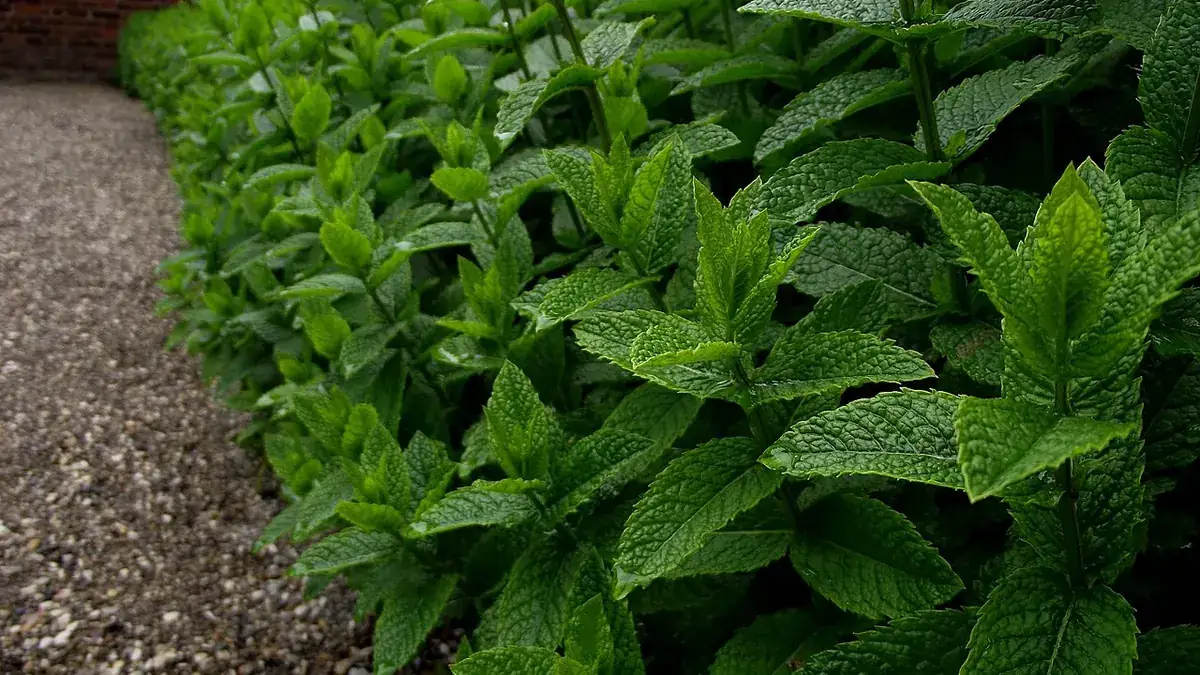
GLC Lab purity, synthetic-adulteration detection & zero-moisture separating cans
Why do honest Sambhal growers occasionally complain when refinery labs downgrade entire village aggregator drums? Greedy middlemen mixing tiny percentages of synthetic DMO or imported mint terpenes get caught within three minutes inside modern Gas-Liquid Chromatography (GLC) optical rotation scanners used across Barabanki and Sambhal industrial plants! Selling direct unadulterated oil kept dry through clean cotton-funnel decanting (skimming residual condensate bottom water drops cleanly after settling 24 hours inside tall stainless bins!) safeguards clean A-grade pricing reliably (Mandi Intelligence).
Holding Mentha drums off-season safely vs competition from synthetic chemical menthol
Unlike perishable green veggies rotting in 48 hours, cleanly sealed air-tight GI / epoxy-coated 180 kg mentha oil drums kept inside dark cool storerooms lose virtually zero chemical quality over 2 to 3 years, giving savvy Sambhal families strong seasonal leverage (Income Calculator)! Track annual synthetic-vs-natural menthol spreads carefully alongside BASF/Symrise global synthetic supply headlines: whenever synthetic feedstock firms or winter cold-flu pharma demand spikes in India/China/EU, clean natural stored drums command decisive export premiums cleanly financed smoothly via KCC Pledge Support.
Stepped harvesting, fresh wilt-curing & boiler steam economics in Sambhal & Chandausi
Farmers across Sambhal, Chandausi, Asmoli, Bahjoi, and Budaun lose thousands of rupees every single May–June harvest season right inside rural boiler yards long before buyers inspect drums in UP Mentha Market Auctions! Cutting lush green CSIR-CIMAP Kosi or Shivalik mint crops too early before lower mature leaves start turning slightly golden drops raw L-Menthol crystal purity below factory thresholds, whereas wilting freshly scythed green herb smoothly in cool open rows for 18–24 hours (partial shade air-wilt) evaporates sluggish excess sap moisture—saving nearly 25% firewood/husk boiler fuel and speeding clean tank condensation dramatically (Mentha Agronomy Guide).
Because Barabanki MCX Ex-Depot sets India’s transparent national benchmark (360 kg = 2 × 180 kg drums) alongside twin Ruhelkhand hub Rampur Mentha Mandi, monitor weekly MCX active-month futures (mcxindia.com) against local Aaj Ka Mentha Rate quotes right from transplanting via Mentha Nursery Hub.
- Zero Plastic-Drum Taint Rule: Pour separated golden oil directly from stainless separator cans strictly into fresh clean 180 kg epoxy-lined GI/SS metal barrels; recycled blue chemical plastic barrels leach nasty odour ruining aroma.
- Zero-Rain Harvesting Window: Heavy unexpected May–June rain splashes mud over sticky leaves and stalls open-sun wilting cleanly destroying oil sheen—watch Spray & Harvest Weather beforehand!
- Drip Irrigation Sucker Efficiency: Replacing wasteful May flooding with crisp Drip Scheduling boosts crisp dual/triple cut oil recovery per acre while cutting electric tube-well hours sharply.
Evaluating clean GLC purity labs & synthetic-menthol price cycles sustainably
Reputed crystal menthol refineries across Sambhal and Chandausi pull strict 5 ml syringe draws from every incoming farm drum for rapid Gas-Liquid Chromatography (GLC) scanning—instantly rejecting drums spiked with cheap DMO (dementholized oil), turpentine, or synthetic dipentene! Keep clean drum sealing slips, manage working liquidity smoothly through KCC Seasonal Credit & Nutrient Planning, and compare natural crisp L-Menthol premium recovery against synthetic chemical swings.
Second-cut sucker management & wheat-mentha relay planting across Western UP
Unlike single-cut crops, well-fed irrigated mint planted cleanly in mid-February (paired with crisp March inter-cultivation & April zinc/sulphur nutrition) yields both a lush first harvest in late May AND a profitable second summer harvest (~35%–45% extra oil) right before July monsoon transplanting of paddy! Immediately after May harvesting, flush light clean irrigation mixed smoothly with split urea and phosphorus via Soluble NPK Fertilizers so dormant underground stolon buds sprout vigorous dense foliage within 7 days cleanly while clearing summer weeds efficiently without damaging fresh leaves.
Protecting Sambhal summer Mentha fields cleanly against hairy caterpillars, rust & water stress
Even after investing thoughtfully in CSIR-CIMAP Kosi disease-free root suckers, many western Uttar Pradesh plots around Sambhal and Chandausi quietly lose 20%–30% potential essential oil every April–May to unchecked leaf-eating Bihar hairy caterpillar swarms, late scorching sandstorms, and irregular diesel irrigation cycles! Scout undersides of soft new shoot leaves at dawn twice weekly during April warming—spotting yellow hatched larval clusters on single trap leaves allows clean hand-removal or selective spot sprays BEFORE swarming caterpillars defoliate whole lush green acres in forty-eight hours.
Equally decisive is crisp final irrigation discipline before sickling: halt shallow pump watering cleanly 6 to 8 days prior to harvest cutting (especially on tight clay pockets) so leaves naturally synthesize maximum crisp concentrated terpene menthol rather than lush diluted green water!
Keep freshly boiled galvanized/stainless 180 kg drums neatly shaded away from direct May rooftop heat inside cool brick stores (avoiding leaky plastic jerrycans entirely), monitor clean GLC L-Menthol tests calmly via verified Sambhal brokers, and watch official MCX ex-Barabanki delivery screens patiently before unlocking full annual crop profits cleanly.
Maintaining accurate distillation register sheets recording drum tare weight, steam-boiler cycle timestamps, net cooled oil kilos, and buyer lab assay sheets equips Moradabad, Sambhal, and Chandausi smallholders cleanly to negotiate fair pure-lot contracts across progressive refineries and bulk exporters year after year. Always flush condenser troughs with cool clear borewell water continuously through scorching May afternoons so light volatile terpene notes condense completely rather than venting away in white boiler steam clouds. Pairing disciplined summer irrigation schedules with clean crop rotation after wheat harvest safeguards crisp mentha sucker vigor reliably across consecutive Uttar Pradesh growing seasons.
Maintaining cool clean condenser outflow temperatures across busy May afternoon distillation batches captures subtle high-value menthol fractions cleanly, turning every Sambhal harvest into crisp export-ready oil. Recording clear drum tare weights alongside clean GLC refractive purity checks protects western Uttar Pradesh growers against arbitrary buyer deductions at local mandis cleanly year after year. Timing summer pump irrigations away from harvesting keeps essential terpene percentages high and crisp. Checking sealed barrel cleanliness ahead of peak June heat protects long-term essential oil colour and fragrance across Chandausi export depots smoothly.
For broader financial, market, and crop-planning continuity alongside mentha oil rate today sambhal, farmers across India also consult KisanPe resources including KisanPe Mandi Price Trends, Best Mandi Near Me Finder, Mandi Market Intelligence Services, Crop Insights Hub.
Verify statutory notifications, official testing standards, and updated portal circulars directly on Agmarknet UP Agricultural Markets before committing input purchases or scheme applications.
Frequently asked questions
- What is the standard MCX Mentha Oil contract lot size backing Sambhal rates?
- Official MCX MENTHAOIL futures trade cleanly in 360 kg lots (equal to two standard 180 kg drums), quoted per kg ex-Barabanki inclusive of mandi tax (excl. GST) with ₹0.10 tick = ₹36.
- Why does Sambhal cash mentha oil rate differ slightly from MCX Barabanki futures?
- Local Sambhal and Chandausi physical cash drums adjust smoothly for highway haulage parity toward Barabanki, tiny condensation moisture differences, small-batch can aggregation, and GST documentation cleanly (Barabanki Guide).
- Which CSIR-CIMAP mint variety performs best for oil yield in Sambhal & Rampur?
- Famous CSIR-CIMAP cultivar Kosi (alongside Kushal and CIM-Kranti) delivers rapid early canopy closure and rich >72% crystallizable natural L-Menthol content (Mint Guide).
- How does transplanting Mentha nursery plants (Paudh) save Sambhal farmers water?
- Transplanting healthy 25-day mint seedlings right after March potato/mustard harvest establishes full cover three weeks earlier—eliminating two scorching May-June deep tubewell irrigations checked via Irrigation Tool.
- Does shading wilted cut Mentha grass cleanly for 1–2 days drop essential oil?
- No—brief 24–36 hour field wilting cleanly evaporates useless bulk moisture only, saving boiler firewood fuel & cutting steam distillation cycle times while keeping essential leaf oil intact inside glands!
- How can growers prevent rust darkening that lowers Sambhal Mentha oil quotes?
- Distil cleanly through stainless-steel (SS) coils and condensers rather than old corroded iron drums—producing transparent bright golden oil commanding top buyer rates cleanly vs dark rust-stained oil.
- How much Mentha oil yields realistically off 1 acre healthy Kosi mint in UP?
- Well-managed timely irrigated Kosi cuts typically yield 60 to 80+ kg pure raw essential oil per acre across primary summer harvest plus an optional early second monsoon cut (Farm ROI Calculator).
- How do Sambhal buyers test Mentha oil purity before paying village growers?
- Traders measure optical rotation, water separation settlement, specific gravity & GLC chemical profiling catching any cheaper oil/terpene adulteration immediately at purchase counters.
- Can sealed Mentha oil drums be stored safely waiting for better autumn winter prices?
- Yes—pure dry water-free mentha oil stored in sealed air-tight epoxy/GI drums inside cool dark storerooms holds full chemical assay steadily across 2–3 years cleanly (Rampur Guide).
- Where should farmers check broader UP grain, potato & mentha trends together?
- Monitor integrated commodity markets smoothly on KisanPe Mandi Hub, Mandi Price Watch, and Mentha Rate Hub.
This article is for general information only and is not financial advice. Loan and scheme eligibility depends on partner and government criteria.