Rice Price in India 2026: 1 Kg Retail, Basmati & Paddy MSP
Key takeaways
- Check 2026 rice price in India across Basmati 1121, Non-Basmati Sona Masoori & 1 kg retail bags alongside statutory ₹2,441 Common Paddy MSP and FCI norms.
- Covers Statutory Paddy MSP & Pan-India Wholesale vs 1 Kg Retail Rice Prices (2026) with government-linked benchmarks and practical Indian farm guidance.
- Covers Paddy-to-Milled Rice Recovery Math (Why 1 Kg Rice Beats 1 Kg Paddy Cost) with government-linked benchmarks and practical Indian farm guidance.
- Covers Moisture Rules, Procurement Deductions & Export Basmati Timing with government-linked benchmarks and practical Indian farm guidance.
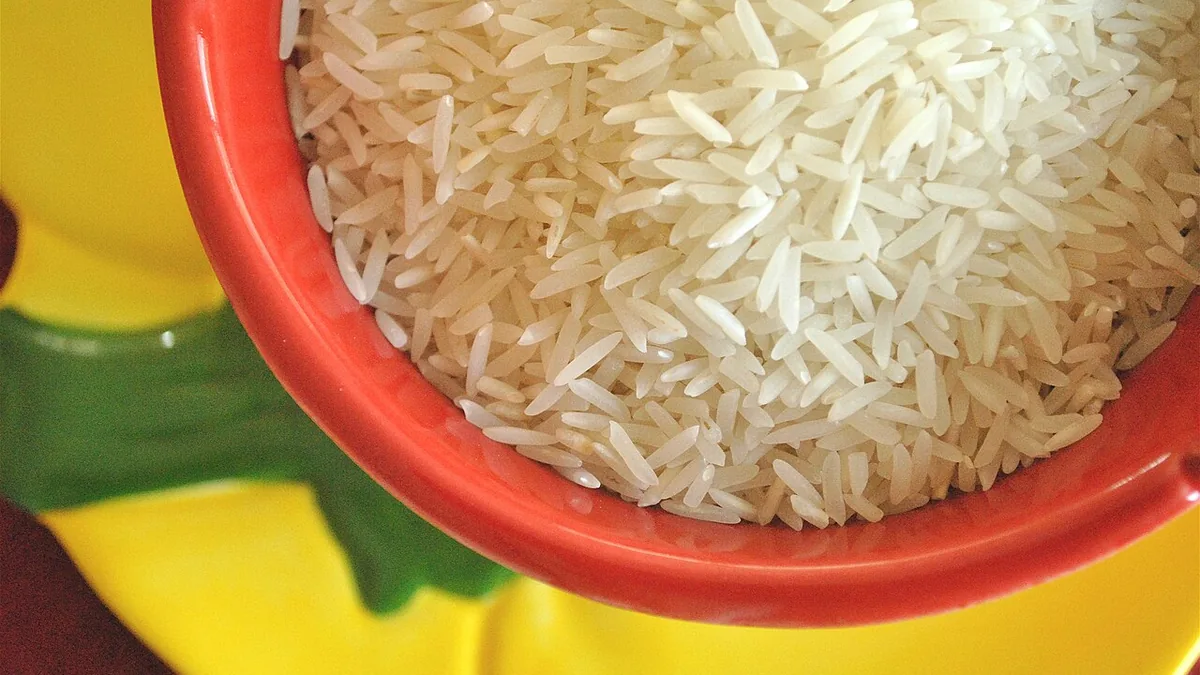
Tracking the rice price across Indian farms, huller mills, and urban grocery stores requires cleanly separating raw paddy grain harvested off the combine (Dhan / Unmilled Paddy) from de-husked milled table rice (Chawal / Milled Rice)! While Punjab, Haryana, Chhattisgarh, Andhra Pradesh, and Odisha farmers sell bulk farm-gate paddy anchored to the Government of India's statutory Minimum Support Price (₹2,441/qtl Common Paddy and ₹2,461/qtl Grade-A Paddy for KMS 2026–27, up ₹72 from KMS 2025–26's ₹2,369 & ₹2,389!), urban households shopping for 1 kg rice price choose widely between everyday parboiled Parmal, fragrant southern Sona Masoori / Ponni, and extra-long aged export 1121 Basmati.
Cross-verified against PIB KMS Paddy MSP releases, Agmarknet wholesale mandi arrivals, and DoCA Consumer Affairs retail indices, explore complete farm paddy-to-milled conversion ratios, Karnal/Amritsar Basmati export drivers, and storage profit steps below! Visit our dedicated Rice Farmers Hub, Rice Mill Business Economics, Paddy Nursery Seed Rates, and KisanPe Mandi Rates.
1. Statutory Paddy MSP & Pan-India Wholesale vs 1 Kg Retail Rice Prices (2026)
Because state grain corporations procure bulk non-Basmati Parmal / IR-64 varieties cleanly at MSP while private export millers bid openly for aromatic PB-1121, PB-1509, PB-1718, and Pusa 1401 Basmati in Karnal, Taraori, and Amritsar mandis, farmer paddy auctions span distinct bands reflected straight into grocery shelf tags:
| Rice / Paddy Grade Category | Primary Hubs / Regulatory Body | Indicative Raw Paddy / Wholesale Milled Band | Urban 1 Kg Retail Rice Parity |
|---|---|---|---|
| Common Paddy MSP (KMS 2025–26 -> 2026–27) | FCI / State Agencies (PIB Govt MSP) | ₹2,369/qtl (2025–26) -> ₹2,441/qtl (2026–27) raw paddy | Converted Fair Price / Open Non-Basmati ~₹36–₹46 / kg |
| Grade-A Paddy MSP (KMS 2025–26 -> 2026–27) | FCI / Punjab, Haryana, MP, Chhattisgarh Procurement | ₹2,389/qtl (2025–26) -> ₹2,461/qtl (2026–27) raw paddy | Cleaned Retail Parmal / Kolam / Swarna ~₹42–₹58 / kg |
| Southern Fine Non-Basmati (Sona Masoori / BPT-5204 / HMT) | Sindhanur, Raichur, Vijayawada, Warangal Mandis | ₹4,600 – ₹6,200 / qtl milled wholesale rice | Aged Retail Steamed Sona Masoori ~₹55 – ₹78 / kg |
| Early aromatic Basmati (PB-1509 / PB-1692) | Karnal, Narela, Kota, Rudrapur APMCs | ₹2,750 – ₹3,450/qtl raw paddy | ₹6,200–₹7,600 milled | Everyday Steam / Creamy Sella Retail ~₹75 – ₹98 / kg |
| Extra-Long Export Basmati (PB-1121 / PB-1718 Aged) | Taraori, Amritsar, Tarn Taran Export Yards | ₹3,300 – ₹4,400+/qtl raw paddy | ₹7,800–₹10,800 milled | Branded 1–2 Year Aged 1121 Retail ~₹95 – ₹155+ / kg |
Source: Official KMS 2026–27 MSP circulars via PIB India (₹1,627/qtl est. production cost + 50% return), Agmarknet arrivals, and DoCA Retail Dashboard. Always check today's live local auction bulletin before transporting grain trucks.
2. Paddy-to-Milled Rice Recovery Math (Why 1 Kg Rice Beats 1 Kg Paddy Cost)
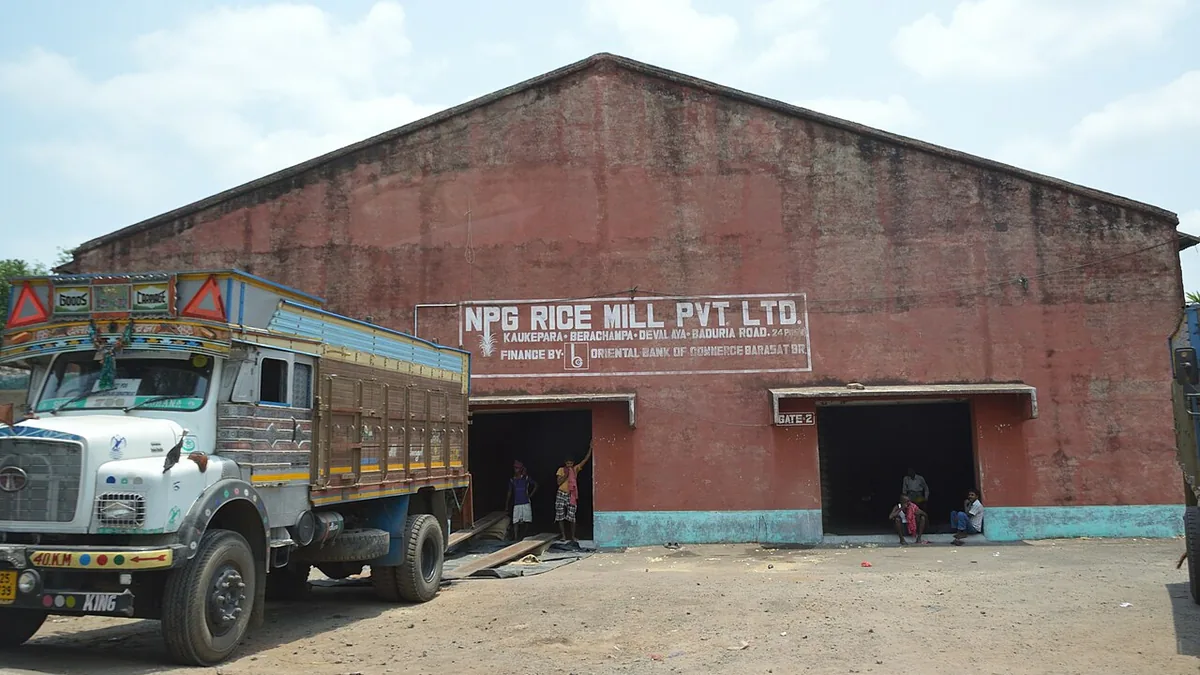
A common misconception among non-farming shoppers comparing ₹24.41/kg paddy MSP against ₹45–₹55/kg retail Parmal rice assumes double retail markups—yet basic modern rice milling physics (FCI 67% Custom Milled Rice standard) reveals how raw husk weight converts downward during shelling:
- 100 Kg Clean Dry Raw Paddy Yields ~64–67 Kg Head + Broken Rice: De-husking paddy removes 20%–22% inedible silica paddy husk (~used as boiler fuel!), 7%–9% oily rice bran (~pressed into edible rice-bran cooking oil & cattle cake), plus moisture dry-down—leaving roughly 67 kg FCI-standard milled non-Basmati rice (or ~55–62 kg delicate extra-long Basmati whole head grains after sorting Tibar / Dubar / Mogra broken fragments!).
- Parboiling / Steaming Boosts Whole Head Recovery: Soaking and lightly steaming raw paddy inside boiler tanks (Sella / Steamed conversion) seals micro-fissures inside starch kernels—cutting broken rice cracking sharply from ~18% down below 6% and making firm aromatic grains cook smoothly without sticky clumping!
- Co-Product Recovery Subsidizes Mill Margins: High-tech mills profiled in our Rice Mill Economics Guide sell nutritious rice bran (₹2,000–₹3,200/qtl), clean silica ash, and broken brewers grits separately—letting urban mills price staple bulk sacks competitively.
3. Moisture Rules, Procurement Deductions & Export Basmati Timing
Whether selling regulated non-Basmati Parmal onto FCI/State Procurement counters (Punjab Anaj Kharid, Haryana Meri Fasal Mera Byora, Chhattisgarh Dhan Kharidi) OR unloading fragrant dry 1509 / 1121 Basmati privately before open Amritsar commission agents, grain moisture percentage at trolley arrival swings net payout by ₹200–₹450 per quintal instantly!
| Paddy Arrival Metric | Statutory FCI Clean Limit | Open Market Impact If Exceeded |
|---|---|---|
| Moisture Content (%) | Max 17.0% (Ideal harvest 15%–17%) | Combine-wet >19% paddy heats rapidly in bags; buyers shave ₹150–₹350/qtl instantly |
| Discolored / Immature / Weathered Grains | Max 3.0% – 5.0% Tolerance | Lodged neck-blast damaged heads turn chalky black when steamed |
| Red Rice Admixture & Foreign Chaff | Under 1.0% Organic / Inert | Mechanical winnowing removes dusty green leaf bits boosting buyer bids cleanly |
| Basmati Middle East Export Shifts (MEP / Freight) | Clean Pesticide-Free MRL Limits | Strict Tricyclazole / Buprofezin compliance earns steady ₹300–₹600+/qtl export demand |
Source: Official Fair Average Quality procurement standards published by Food Corporation of India (FCI) & PIB Ministry of Consumer Affairs. Compare auction floor processes inside our e-NAM vs Local Mandi Guide.
4. Boosting Rice Profits: Nursery Balance, Blast Defense & Godown Holding
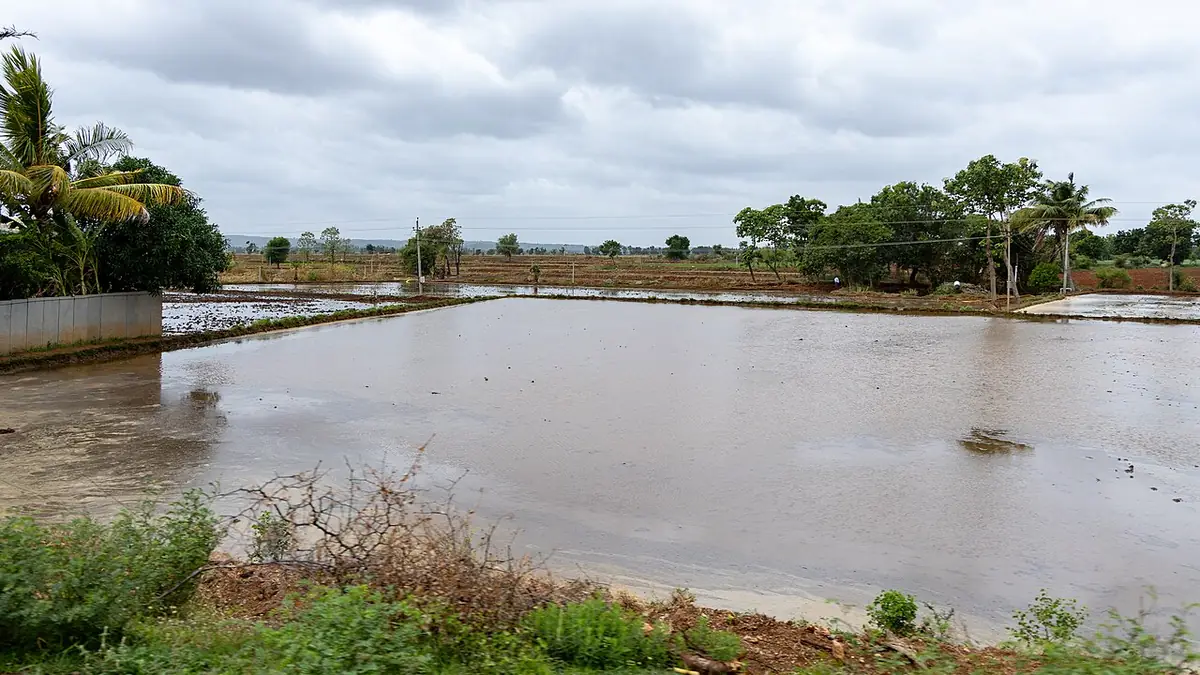
Smart paddy cultivators capture extra margins cleanly from both field yield savings AND smarter selling schedules! Use direct-seeded DSR drills or line-transplanted spacing verified via our Seed Rate Calculator (paddy nursery norms) instead of overcrowded clumps, stop excessive late Urea top-dressing that sparks devastating fungal neck-blast and brown planthoppers (Fertilizer Calculator NPK balance & paddy blast schedule), and check harvest harvesting budgets in our paddy reaper guide.
Especially for private Basmati PB-1121 / PB-1509 growers NOT bound to fixed October procurement slots, drying dry 14% moisture unmilled Basmati cleanly inside rural accredited storage (Gramin Bhandaran warehouse scheme) backed by ~4% net-interest KCC / e-NWR pledge working loans routinely lets growers ride past cramped October combine gluts into crisp January–April off-season miller replenishment rallies! Monitor companion regional pricing across Mandi Price Trends, compare neighbouring buyers on our mandi finder, cover flooding/lodging risk cleanly via PMFBY crop coverage, and review central subsidies on KisanPe Subsidy Hub and KisanPe Schemes.
5. Choosing Between Dry Aged Sona Masoori, Steamed Rice & Boiled Parboiled
Urban home buyers comparing rice price 1 kg labels across supermarkets often notice identical grain cultivars carrying wildly different prices depending strictly on post-milling thermal age and storage curing! Freshly harvested 2-month new crop paddy cooks noticeably stickier and softer (sold widely at discounted prices for idli/dosa wet batter grinding!), whereas rice paddy cured calmly inside clean aerated concrete godowns for 10 to 18 months naturally oxidizes starch chains so grains elongate 2x cleanly without breaking into porridge! Similarly, Brown unpolished whole-grain rice keeps nutritious bran oils intact—giving slightly higher retail niche health pricing alongside much shorter 3-to-4 month household pantry shelf life compared to thoroughly milled white aromatic sacks.
6. Export Compliance & Residue-Free Pesticide Rules for Punjab/Haryana Growers
Why do progressive Karnal, Patiala, and Amritsar Basmati exporters actively inspect field spray logs before signing bonus contract rates? Because Gulf, European, and American food safety authorities enforce strict Maximum Residue Limits (MRL) targeting late-season paddy fungicides and insecticides—especially Tricyclazole, Buprofezin, Acephate, and Carbendazim applied within 30 days of combine harvesting! Following clean state agricultural university advisories (ICAR / PAU) and swapping out restricted export molecules strictly ahead of boot-leaf initiation protects global export brand credibility cleanly, keeping multi-crore foreign buyer orders bidding aggressively inside regional Indian Basmati auctions season after season. Additionally, home buyers and hostel mess operators ordering bulk 25-kg or 50-kg rice sacks ahead of summer should always inspect raw grain surfaces carefully for clean natural chalk-free polish rather than excessive artificial mineral oil sheen or dusty weevil webbing inside stitching seams: transferring freshly purchased dry Sona Masoori or aged Basmati sacks immediately into clean dry airtight steel kothis / galvanized bins topped with dried neem leaves protects prized grain elongation cleanly across humid July–September monsoon months without chemical tablet odors. Checking daily wholesale arrivals across KisanPe Mandi Rates alongside state KMS MSP calendars keeps both rice farmers and commercial rice buyers accurately informed year-round! Remember also that tracking state-level bonus procurement notices and timely e-Samridhi / Mandi portal registration deadlines ahead of autumn combining prevents stressful harvest-gate storage queues while protecting guaranteed MSP realizations seamlessly into Aadhaar bank accounts. Matching clean nursery spacing, early fungal blast spraying, and controlled harvest moisture below 17% builds resilient per-acre income across both Basmati export corridors and southern fine paddy belts nationwide. Grain farmers and aggregators organizing crop rotations can benchmark winter cereal spreads via national wheat mandi bhav, proven high-yield paddy farming manuals, daily APMC commodity prices, mandi checking steps, split Urea scheduling, and basal DAP root nutrition.
7. Frequently Asked Questions on Rice Price, 1 Kg Rates & Paddy MSP
Get crisp verified answers covering 2026 Common & Grade-A Paddy MSP (₹2,441 / ₹2,461), 1 kg retail non-Basmati vs 1121 Basmati prices, 67% FCI milling recovery, and moisture rules.
Frequently asked questions
- What is the official Government MSP for Paddy (Common & Grade-A) in India?
- Confirmed by PIB India KMS approvals, central statutory Minimum Support Price rose from ₹2,369/qtl (Common) and ₹2,389/qtl (Grade-A) in KMS 2025–26 to ₹2,441/qtl (Common) and ₹2,461/qtl (Grade-A) in KMS 2026–27—explore state schedules in our Rice Farmers Hub.
- What is the indicative 1 kg rice price in Indian markets in 2026?
- Tracked via DoCA Retail Price Indices and urban kirana shelves, everyday 1 kg non-Basmati Parmal / Kolam rice retails broadly between ₹38 and ₹58/kg, aged southern Sona Masoori sells near ₹55–₹78/kg, and aged extra-long 1121 Basmati spans ₹95 to ₹155+/kg.
- How much white rice is recovered from 100 kg of raw farm paddy?
- Under standard FCI custom milling benchmarks, 100 kg clean dry raw paddy mills down into approximately 64 to 67 kg clean milled rice alongside ~20%–22% silica husk and ~7%–9% oily rice bran—explaining why milled rice sits noticeably above unmilled paddy per-kg costs.
- Why do Basmati 1121 paddy rates differ sharply between Karnal/Amritsar and MP mandis?
- Grain length, traditional agro-climatic aroma, low moisture, and strict compliance with pesticide residue norms for Gulf/EU importers shift regional buyer premiums sharply—check daily district arrival volumes directly on KisanPe Mandi Rates.
- What moisture level does FCI require to pay 100% Paddy MSP without deductions?
- Fair Average Quality (FAQ) procurement accepts paddy safely up to 17.0% grain moisture; freshly combined soggy green-grain trolleys testing above 18%–19% must be spread and sun-dried cleanly on mandi platforms before auction weighment.
- Why is aged 1-to-2 year Basmati or Sona Masoori rice priced higher than new crop rice?
- Natural godown aging dries excess free kernel water cleanly, firms starch granules, prevents mushy breaking inside pressure cookers, and enhances unmistakable cooked elongation and aroma cherished by households and caterers (rural godown storage schemes).
- What is Sella (Parboiled) rice and how does it help farmers and millers?
- Soaking and gently steaming un-husked paddy before drying hardens fragile internal kernels cleanly—reducing mill grain breakage by half while preserving natural B-vitamins inside creamy-golden grains.
- How can Basmati growers capture higher open auction offers instead of October gluts?
- Spray crop-protection cycles well before flowering intervals using balanced NPK fertilization to guarantee MRL-compliant export paddy, sun-dry lots neatly down below 14.5% moisture, and sell graded stacks transparently onto e-NAM digital mandis rather than congested farmgate middlemen.
This article is for general information only and is not financial advice. Loan and scheme eligibility depends on partner and government criteria.