Mandi Bhav Today: Daily APMC Krishi Upaj Rates in India
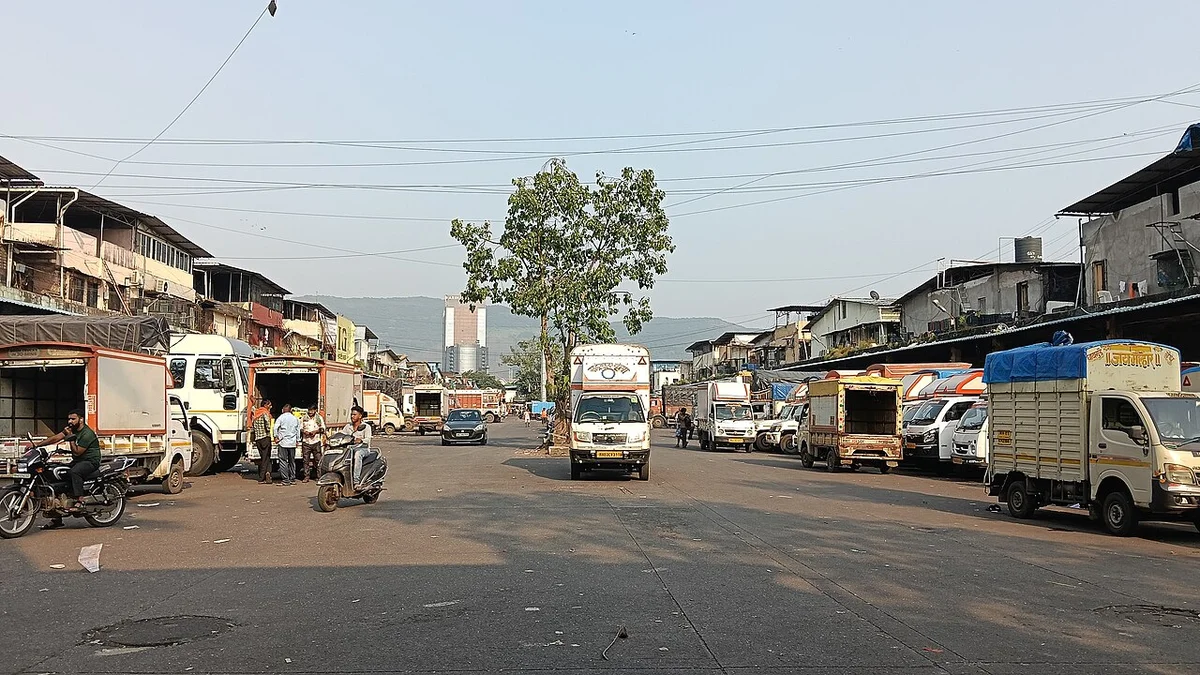
In the daily economic rhythm of rural India, Mandi Bhav (मंडी भाव / Agricultural Market Prices) represents the vital price discovery mechanism that dictates the earnings of over 140 million farming households and steers the national agribusiness supply chain. Across more than 2,400 principal regulated Agricultural Produce Market Committee (APMC) market yards and 4,500 sub-market yards nationwide, daily mandi bhav figures reflect the real-time interaction of crop harvest arrivals, consumer food demand, agro-industrial processing margins, and central Minimum Support Price (MSP) benchmarks established by the Commission for Agricultural Costs and Prices (CACP). Monitored dynamically through the central Directorate of Marketing & Inspection (Agmarknet) and the electronic National Agriculture Market (e-NAM), tracking verified mandi rates empowers cultivators to bypass exploitative village middlemen and secure maximum value for their produce.
1. Mandi Bhav Today: All-India Crop Benchmark Price Table (2026)
Agricultural commodity prices vary across geographical regions based on local harvest supply volumes, transport freight costs, moisture content, and crop quality parameters. Below is the comprehensive daily benchmark rate table across major cereal, pulse, oilseed, cash crop, and perishable commodity categories traded across India's premier wholesale mandis.
| Commodity Category | Representative Crop Variety | Major National Trading Mandis | Central MSP (₹/Q) | Prevailing Modal Mandi Bhav (₹/Q) |
|---|---|---|---|---|
| Food Grains (Cereals) | Wheat (Gehu - Mill Quality) | Khanna (PB), Karnal (HR), Indore (MP) | ₹2,275 | ₹2,380 - ₹2,550 / Quintal |
| Food Grains (Cereals) | Paddy (Basmati 1121 / 1509) | Narela (DL), Sirsa (HR), Amritsar (PB) | Market Driven | ₹3,400 - ₹4,400 / Quintal |
| Oilseeds | Mustard (Sarson - 42% Oil) | Jaipur (RJ), Alwar (RJ), Hisar (HR) | ₹5,650 | ₹5,600 - ₹5,950 / Quintal |
| Oilseeds | Soyabean (Yellow - FAQ) | Latur (MH), Ujjain (MP), Kota (RJ) | ₹4,892 | ₹4,650 - ₹4,880 / Quintal |
| Pulses (Legumes) | Chana (Bengal Gram / Desi) | Bikaner (RJ), Akola (MH), Delhi APMC | ₹5,440 | ₹5,600 - ₹5,900 / Quintal |
| Pulses (Legumes) | Moong Dal (Green Gram) | Merta City (RJ), Harda (MP), Latur (MH) | ₹8,682 | ₹7,800 - ₹8,800 / Quintal |
| Cash Crops | Cotton (Kapas - Medium Staple) | Rajkot (GJ), Dhamnod (MP), Bathinda (PB) | ₹7,121 | ₹6,900 - ₹7,450 / Quintal |
| Perishables (Vegetables) | Red Onion (Nashik Quality) | Lasalgaon (MH), Kalapipal (MP), Azadpur (DL) | Market Driven | ₹1,400 - ₹2,200 / Quintal |
Source: Official benchmark data compiled from Ministry of Agriculture & Farmers Welfare, ICAR research bulletins, State Agricultural Marketing Boards, and Agmarknet official market records (Updated 2026).
2. How Mandi Bhav is Formed: The Three Price Discovery Systems
Across Indian agricultural markets, daily prices are established through three primary institutional mechanisms: 1. Open Outcry Auction (Kulla Nilam): Traditional oral bidding where licensed commission agents (arhtiyas) solicit escalating bids from gathered buyers around grain heaps, finalizing sales to the highest bidder in the presence of the farmer. 2. Electronic e-NAM Bidding: Modern digital auctions where quality assaying labs test grain moisture and foreign matter, uploading lot details to an electronic portal where licensed buyers nationwide submit closed digital bids. 3. Government MSP Procurement: Statutory procurement conducted by agencies like FCI, NAFED, and state civil supplies corporations when open-market rates dip below government-mandated price floors.
3. The Role of e-NAM in Unifying Agricultural Markets
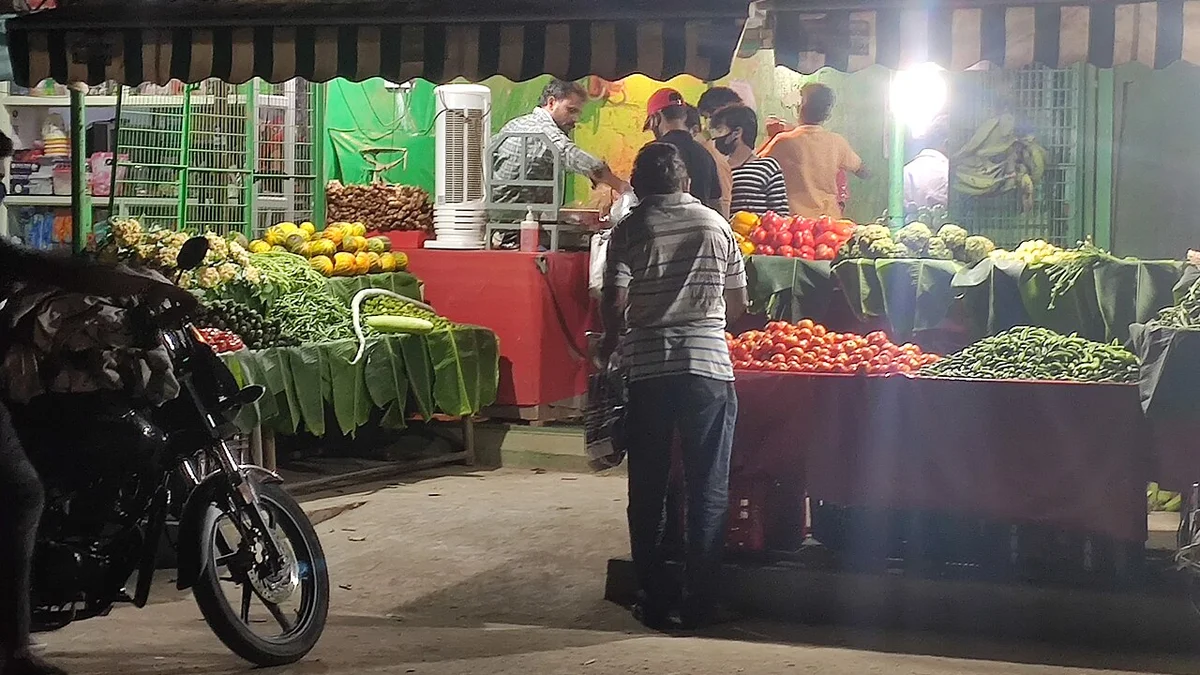
To dismantle localized trader cartels and eliminate regional price disparities, the Ministry of Agriculture and Farmers Welfare (MoA&FW) launched the electronic National Agriculture Market (e-NAM). Currently linking over 1,360 regulated wholesale mandis across 23 states and 4 union territories, e-NAM provides unified single-window licensing for traders, automated assaying parameters, and direct online bank settlement (DBT) into farmer bank accounts within 24 to 48 hours of sale confirmation.
| State / Region | Total Regulated Mandis | e-NAM Integrated Yards | Key Dominant Agricultural Commodities | Official State Mandi Portal |
|---|---|---|---|---|
| Madhya Pradesh | 259 Principal Mandis | 136 e-NAM Mandis | Soyabean, Wheat, Garlic, Chana, Mustard | mpmandiboard.co.in |
| Maharashtra | 305 Principal Mandis | 133 e-NAM Mandis | Soyabean, Cotton, Onion, Tur Dal, Pomegranate | msamb.com |
| Rajasthan | 146 Principal Mandis | 144 e-NAM Mandis | Mustard, Guar, Cumin, Wheat, Moong | rajkisan.rajasthan.gov.in |
| Haryana | 113 Principal Mandis | 81 e-NAM Mandis | Wheat, Basmati Paddy, Mustard, Cotton | hsamb.org.in |
| Punjab | 152 Principal Mandis | 79 e-NAM Mandis | Wheat, Paddy, Cotton, Maize, Kinnow | mandiboard.nic.in |
| Gujarat | 224 Principal Mandis | 122 e-NAM Mandis | Cotton, Groundnut, Cumin, Castor, Sesame | gsamb.gujarat.gov.in |
4. Factors Driving Daily Mandi Bhav Fluctuations
Daily mandi prices are governed by an intricate web of agro-economic variables: 1. Arrival Volumes: Sudden post-harvest supply surges (mandi gluts) during the first 30 days of harvest routinely depress prices by 10% to 20%. 2. Moisture & Fair Average Quality (FAQ): Grain lots exceeding statutory moisture limits (e.g., >12% for wheat, >10% for soyabean) face immediate price dockage. 3. Government Trade Policies: Revisions to Minimum Support Prices, export bans (e.g., non-basmati rice or onion export duties), and import tariff adjustments on edible oils immediately reverberate through physical mandi auction floors.
5. How Farmers Can Use Agmarknet & Mobile Apps to Track Rates
To avoid distress selling at the farm gate, agriculturalists can track daily verified mandi rates through several official digital platforms: First, the central Agmarknet.gov.in portal provides historical and real-time modal prices across every commodity and market yard in India. Second, state-specific applications like the MP Mandi Board 'Sauda Patrak' app, Haryana's 'Meri Fasal Mera Byora' portal, and KisanPe's live mandi rate tracker provide localized, district-level updates sent via SMS or mobile notifications, allowing farmers to select the most profitable mandi yard before loading tractor trolleys.
6. Warehouse Storage & Post-Harvest Pledge Financing
Rather than liquidating their entire crop harvest during post-harvest supply gluts, progressive cultivators utilize accredited warehouses registered under the Warehousing Development and Regulatory Authority (WDRA). Farmers receive an electronic Negotiable Warehouse Receipt (e-NWR) against their stored grain, which commercial banks accept as collateral for low-interest 7% agricultural working capital loans. This financial liquidity allows growers to hold inventory for 3 to 6 months and sell when mandi bhav peaks during off-season demand.
7. Seasonal Marketing Strategies for Farm Realization
Empirical price analysis across two decades of APMC mandi transactions shows that selling commodities in a phased, staggered schedule yields 15% to 22% higher average revenue than dumping the entire harvest immediately after threshing. Farmers are advised to sell only 30% of their harvest during the initial post-harvest month to cover immediate operational and labor expenses.
The remaining 70% should be stored in clean bags in accredited godowns, monitoring Agmarknet daily price trends to liquidate stock during pre-sowing festival surges when crushing mills and grain aggregators bid aggressively to secure dwindling supplies.
8. Agricultural Inputs, Mechanization & Allied Farm Operations
Maximizing farm gate returns in mandi bhav begins with strong agronomic management, calibrated soil nutrition, clean irrigation, and efficient harvesting machinery. Growers systematically coordinate crop care through Triple Super Phosphate (TSP) root nutrition guide, Bayer Solomon broad-spectrum insect control, cumin seed (jeerige) pricing and grading, Single Super Phosphate (SSP) sulphur and phosphorus nutrition, melon seed (magaz) wholesale market trends, sesame seed (ellu) agronomy and market rates. Modern field execution and transport rely heavily on comparing specs and subsidies across hydraulic tipping and non-tipping tractor trolley prices, Agrimachinery DBT SMAM tractor and implement portal, John Deere 5310 4x4 55 HP CRDi tractor specs, Farmtrac 45 Classic Supermaxx tractor review, Swaraj 855 FE 4x4 heavy-duty 52 HP specs, dual-purpose tractor gadi haulage models, John Deere India tractor lineup and pricing, Swaraj 735 FE 39 HP utility tractor review, full Swaraj tractor HP lineup and pricing. For specialized tillage, haulage, and water distribution, cultivators also evaluate Swaraj 744 FE and XT torque and fuel economy, Mahindra 575 DI 45 HP workhorse mileage guide, Mahindra 575 DI XP Plus 47 HP torque and review, New Holland 3630 TX Plus 4x4 55 HP tractor specs, Powertrac Euro diesel-saver tractor models and prices, VST Shakti and Kubota 12-15 HP power tiller prices, Farmtrac heavy tractor series and diesel saver specs, Solis 4515 E Yanmar-tech tractor specifications, field tractor power testing and safety buying checks, sprinkler irrigation layout and PMKSY subsidy.
9. Regional Mandi Networks, Credit Schemes & Official Data Sources
Across India's regulated market ecosystem, farmers compare live realizations across state trading yards and tap formal welfare and institutional financing. Growers benchmark regional supply arrivals and MSP procurement across Jakhal Mandi Fatehabad grain auction rates, soyabean mandi bhav and MSP rates, Mangoli & Sangli regional fruit mandi bhav, Dhamnod Mandi cotton and soyabean arrivals, Kalapipal Mandi onion and garlic auction rates, wheat (gehu) cultivation varieties and grain nomenclature, moong dal wholesale and split green gram rates, daily Neemuch Krishi Upaj Mandi garlic and herb prices, chana dal procurement and wholesale market rates, wheat (gehu) mandi auction and FCI procurement rates, Mandsaur APMC lahsun and soybean market rates, Neemuch Mandi medicinal spice and grain rates. Key grain, oilseed, and pulse realization corridors additionally track Piplia Mandi wholesale garlic auctions, Narela Anaj Mandi paddy and wheat arrivals, daily UP and Maharashtra sugar mill chini bhav, guar seed APMC & NCDEX prices, arhar (tur) dal wholesale and MSP realizations.
Agricultural diversification and specialty value chains spanning spices, plantation crops, dairy, and poultry offer steady cash flow—tracked via Byadgi red chilli oleoresin grading and APMC rates, Sangli and Nashik golden kismis (raisin) rates, copra milling and coconut oil wholesale rates, Arunachal Pradesh organic kiwi and Azadpur rates, dairy butter fat economics and Amul retail prices, Barabanki mint wholesale mandi and MCX benchmarks, wholesale mushroom prices across urban mandis, NCDEX Turmeric Price Today, Rashi, Bette, and Chali arecanut grade pricing, Bangalore wholesale egg tray prices and retail spreads, all-India NECC egg rate directory. Operational working capital, DBT cash transfers, and subsidized farm solar or e-KYC infrastructure can be accessed via Haryana Meri Fasal Mera Byora MSP procurement registration, Madhya Pradesh e-Uparjan and Kisan Kalyan portal, CSC Aadhaar biometric e-KYC verification workflow. Primary regulatory notifications, technical bulletins, and statutory benchmark portals are published by Ministry of Agriculture & Farmers Welfare, Agmarknet Mandi Price Portal, Ministry of Consumer Affairs, Food & Public Distribution, Central Farm Machinery Training & Testing Institute (CFMTTI), CACP, e-NAM, and WDRA.
Frequently asked questions
- What is the meaning of 'Mandi Bhav' in Indian agriculture?
- Mandi Bhav refers to the daily wholesale commodity prices discovered through auctions at regulated APMC Krishi Upaj Mandis across India.
- What is the difference between Minimum, Maximum, and Modal Price in a mandi?
- Minimum price is the lowest bid, Maximum is the highest bid for top-quality lots, and Modal price is the most frequently occurring average transaction rate. Official regulatory guidelines can also be verified on the Ministry of Agriculture & Farmers Welfare.
- What is e-NAM, and how does it help farmers get better prices?
- e-NAM is a pan-India electronic trading portal integrating over 1,360 APMC mandis, enabling nationwide online bidding and higher competitive price realization.
- Where can I check verified daily mandi rates online?
- Farmers can check verified daily rates on the central government portal Agmarknet.gov.in, state mandi board websites, and the KisanPe platform.
- What is Fair Average Quality (FAQ) in mandi trading?
- FAQ represents statutory quality benchmarks (cleanliness, moisture limits, grain size) established by the government for MSP procurement and fair trading. Explore related mandi benchmarks and farmer support guides in our Byadgi red chilli oleoresin grading and APMC rates.
- Why do commodity prices drop during the first month of harvest?
- High arrival volumes flood market yards simultaneously, exceeding local processing and storage capacity and causing temporary downward price pressure.
- Can a farmer from one state sell produce in another state's mandi?
- Yes, under national agricultural marketing reforms and e-NAM unified licenses, farmers can legally sell produce at any registered APMC market in India.
- What documents are required to sell grain at an APMC mandi?
- Farmers typically require their Aadhaar Card, Land Revenue Record (Khasra/Jamabandi), bank passbook copy, and registered farmer ID/gate pass.
- How soon are payments credited to farmers after selling at a mandi?
- Under statutory APMC regulations, payments must be settled within 24 to 48 hours via direct online bank transfer (RTGS/NEFT/DBT).
- What is an electronic Negotiable Warehouse Receipt (e-NWR)?
- An e-NWR is a digital proof of stored grain deposited in a WDRA-accredited warehouse that farmers can pledge for low-interest bank loans.
- What role do commission agents (arhtiyas) play in mandi auctions?
- Licensed arhtiyas act as facilitators who arrange lot display, conduct open auctions, ensure accurate weighment, and guarantee payment to the farmer.
- What is the MSP of wheat and soyabean for 2025-26?
- The official MSP is ₹2,275 per quintal for wheat and ₹4,892 per quintal for yellow soyabean, providing a guaranteed floor price.
This article is for general information only and is not financial advice. Loan and scheme eligibility depends on partner and government criteria.