Kismis Price per Kg Today: Wholesale Raisin Mandi Rates
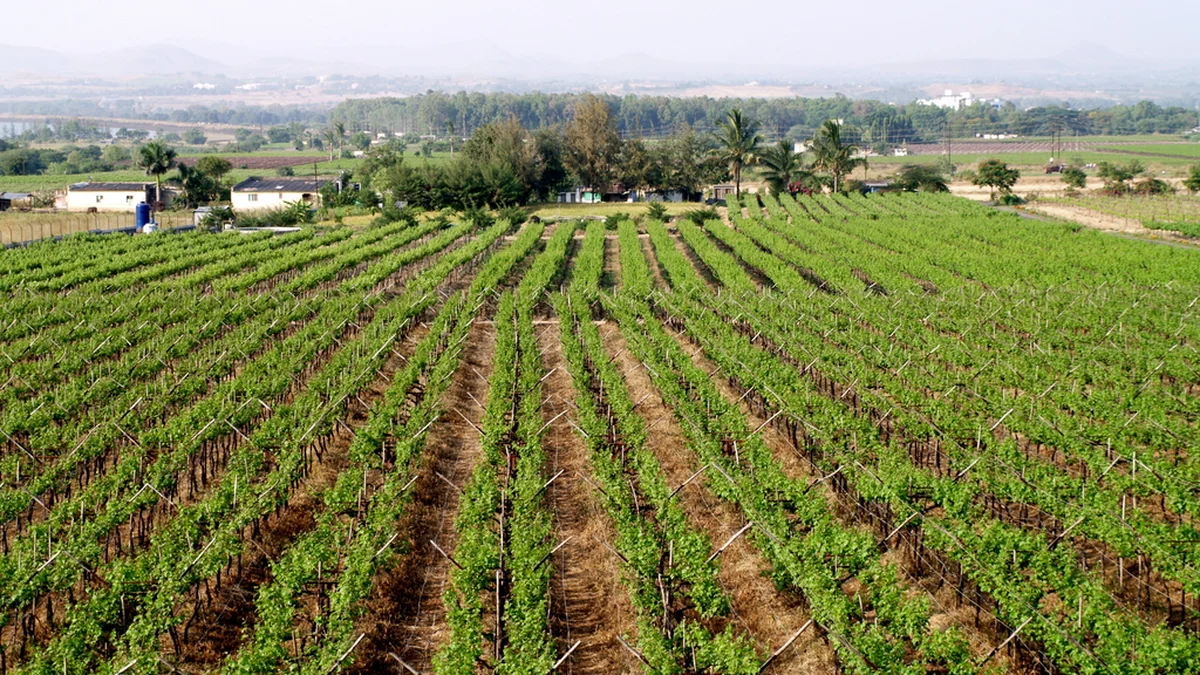
Kismis (raisins / dried grapes) is one of India’s most commercially valuable horticultural commodities, representing a thriving dry fruit processing industry centered predominantly in Maharashtra and Karnataka. Grown from premium Thompson Seedless, Manik Chaman, and Sonaka grape varieties, Indian kismis is celebrated globally for its natural sweetness, high dietary fiber, concentrated iron reserves, and uniform golden-green amber hues. Monitored systematically by the National Horticulture Board (NHB) under the Ministry of Agriculture and tracked on the daily agricultural mandi portal (Agmarknet), wholesale kismis trading forms the economic lifeblood of major APMC market yards such as Sangli, Tasgaon, and Nashik.
1. Kismis Price per Kg Today Across Major Indian Mandis
Wholesale kismis prices in India fluctuate according to berry size (ranging from regular to jumbo 14mm+), color uniformity, sulfur treatment quality, and moisture content (optimal between 14% and 16%). Today, wholesale mandi rates for standard commercial grade green and golden kismis range from ₹160 to ₹280 per kilogram (₹16,000 to ₹28,000 per quintal) at primary APMC yards in Sangli and Tasgaon. Super-premium, extra-long export quality green kismis fetches between ₹320 and ₹420 per kg, while retail consumer packaged brands (1 kg, 500g, 250g pouches) in metropolitan supermarkets range from ₹380 to ₹580 per kg depending on sorting and cleaning standards.
| Kismis Grade & Type | Physical Berry Attributes | Primary Production Hubs | Wholesale Mandi Rate (₹/kg) | Wholesale Rate (₹/Quintal) |
|---|---|---|---|---|
| Indian Green Kismis (Super Jumbo) | Extra long (>14mm), bright olive green, tender skin | Tasgaon, Sangli (Maharashtra) | ₹320 - ₹420 / kg | ₹32,000 - ₹42,000 |
| Golden Kismis (Grade A) | Uniform golden yellow, sulfur cured, medium-large | Sangli, Pandharpur, Bijapur | ₹220 - ₹290 / kg | ₹22,000 - ₹29,000 |
| Regular Yellow Kismis (Commercial) | Standard size (8-10mm), slight color variation | Nashik, Solapur, Ahmednagar | ₹160 - ₹210 / kg | ₹16,000 - ₹21,000 |
| Black Raisins (Kali Kismis with Seeds) | Plump dark purple/black, rich in antioxidants | Nashik, Baramati | ₹240 - ₹340 / kg | ₹24,000 - ₹34,000 |
| Industrial / Bakery Grade (Tukda) | Broken berries, uneven color, high brix | Sangli, Vashi Terminal | ₹110 - ₹150 / kg | ₹11,000 - ₹15,000 |
Source: Official benchmark data compiled from Ministry of Agriculture & Farmers Welfare, ICAR research bulletins, State Agricultural Marketing Boards, and Agmarknet official market records (Updated 2026).
2. Production Hubs: The Dominance of Sangli, Tasgaon & Nashik
Maharashtra accounts for over 85% of total Indian raisin production, with the Sangli-Tasgaon belt affectionately known as the 'Raisin Capital of India'. The unique agro-climatic conditions of southern Maharashtra—characterized by hot, arid, rain-free spring weather (March to May) with relative humidity below 30%—provides the ideal natural environment for solar shade drying. Thousands of specialized shade-net drying sheds (kismis sheds) line the countryside, where grape bunches are harvested, dipped in an approved cold dip emulsion (potassium carbonate and food-grade Australian dipping oil) to accelerate cuticle wax drying, and dehydrated over 10 to 14 days into premium raisins.
3. Quality Grading Parameters: Color, Size & Chemical Residue Norms
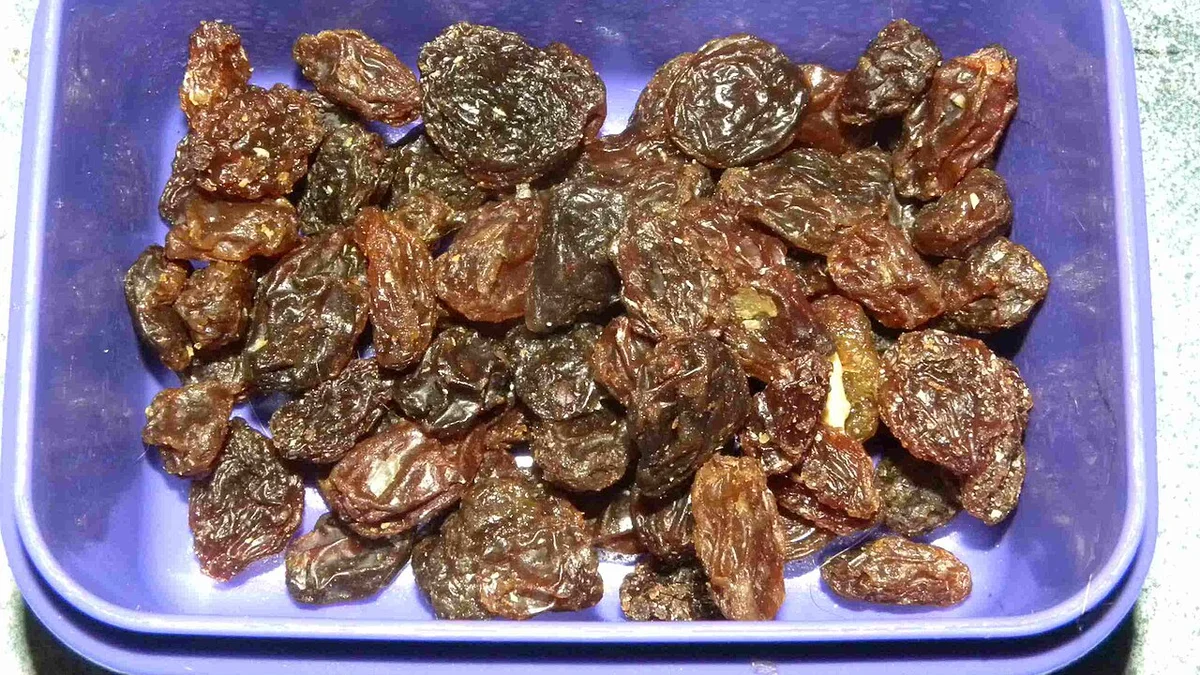
Commercial buyers and export aggregators grade kismis against strict physical and phytosanitary parameters: 1. Berry Count & Length: Premium grades count under 250 berries per 100 grams, whereas commercial grades range between 300 and 450 berries. 2. Moisture Level: Moisture must not exceed 16.0% by weight to prevent microbial spoilage while maintaining chewiness. 3. Sulfur Dioxide (SO2) Limits: FSSAI and international export standards mandate that residual sulfur dioxide used for preserving golden color must remain strictly below 2,000 ppm for domestic sales and below 1,000 ppm for European consignments. Organic green kismis processed without any sulfur dipping commands a 30% market premium among health-conscious urban consumers.
4. Cold Storage Management & Off-Season Price Realization
Because raw kismis contains high concentrations of natural fructose and glucose, exposure to temperatures above 25°C in normal warehouses causes rapid Maillard reaction browning, making bright green raisins turn dark brown or black within 90 days. Progressive farmers immediately pack graded kismis in food-grade polyethylene-lined 15 kg cartons and deposit them in accredited cold storage warehouses maintained at 2°C to 4°C and 55% relative humidity. Stored stock retains its vibrant color, natural aroma, and moisture for up to 18 months, allowing growers to avoid the seasonal March-April supply glut and sell stock during peak Diwali and New Year confectionery demand when prices typically surge by 30% to 50%.
| Nutrient Component | Amount per 100g Kismis | Daily Recommended Value (DV%) | Core Health Benefit |
|---|---|---|---|
| Energy (Calories) | 299 kcal | 15% | Instant natural stamina for athletes & children |
| Carbohydrates (Natural Sugars) | 79.2 g (Fructose & Glucose) | 26% | Clean unrefined energy without processed sucrose |
| Dietary Fiber | 3.7 g | 15% | Stimulates healthy peristalsis and digestion |
| Iron (Fe) | 1.88 mg | 23% | Prevents anemia, boosts hemoglobin formation |
| Potassium (K) | 749 mg | 16% | Regulates electrolyte balance and blood pressure |
| Calcium & Boron | 50 mg + Trace Boron | 5% | Promotes bone mineral density and joint health |
5. Strategic Market Outlook & Procurement Guide for Bulk Buyers
For commercial confectioneries, sweet manufacturers, and dry fruit wholesalers, the optimal procurement window runs from late February to mid-April when new crop arrivals flood Sangli and Tasgaon mandis, creating maximum price competition among stockists. When procuring bulk consignments, buyers should always verify test certificates for moisture, residual sulfur, and pesticide residue levels from NABL-accredited analytical laboratories. Farmers can utilize electronic warehouse receipts (e-NWR) registered on the NeSL / WDRA portal to access quick bank liquidity while awaiting optimal off-season auction quotes.
6. Export Quality Processing, Cleaning & Phytosanitary Compliance
Transforming farm-level shade-dried raisins into international export-grade kismis requires multi-stage industrial processing. Commercial processing plants in Sangli and Nashik employ computerized optical color sorters, high-speed destemming drums, and x-ray foreign body detectors to clean raw berries. First, berries pass through rotating cylindrical screens that remove residual woody pedicels (stalks) and capstems. Second, pneumatic air aspirators separate light, shrivelled, or immature berries from plump, dense fruit. Third, high-resolution bichromatic optical laser sorters inspect every individual raisin at a rate of 5,000 berries per second, instantly ejecting discolored, sunburned, or bird-pecked berries with precision pneumatic air blasts.
Cleaned raisins are coated with a micro-thin layer of food-grade refined sunflower or paraffin oil (under 0.5% by weight) to prevent berry clumping and preserve natural moisture flexibility. Finished lots undergo comprehensive laboratory screening for organophosphate and triazole pesticide residues, ensuring strict compliance with European Union Maximum Residue Limits (MRLs) and FSSAI standards. Packaged in vacuum-sealed food-grade cartons, Indian kismis delivers unmatched shelf stability, commanding top prices in international retail chains.
7. Agricultural Inputs, Mechanization & Allied Farm Operations
Maximizing farm gate returns in kismis price begins with strong agronomic management, calibrated soil nutrition, clean irrigation, and efficient harvesting machinery. Growers systematically coordinate crop care through Triple Super Phosphate (TSP) root nutrition guide, Bayer Solomon broad-spectrum insect control, cumin seed (jeerige) pricing and grading, Single Super Phosphate (SSP) sulphur and phosphorus nutrition, melon seed (magaz) wholesale market trends, sesame seed (ellu) agronomy and market rates. Modern field execution and transport rely heavily on comparing specs and subsidies across hydraulic tipping and non-tipping tractor trolley prices, Agrimachinery DBT SMAM tractor and implement portal, John Deere 5310 4x4 55 HP CRDi tractor specs, Farmtrac 45 Classic Supermaxx tractor review, Swaraj 855 FE 4x4 heavy-duty 52 HP specs, dual-purpose tractor gadi haulage models, John Deere India tractor lineup and pricing, Swaraj 735 FE 39 HP utility tractor review, full Swaraj tractor HP lineup and pricing. For specialized tillage, haulage, and water distribution, cultivators also evaluate Swaraj 744 FE and XT torque and fuel economy, Mahindra 575 DI 45 HP workhorse mileage guide, Mahindra 575 DI XP Plus 47 HP torque and review, New Holland 3630 TX Plus 4x4 55 HP tractor specs, Powertrac Euro diesel-saver tractor models and prices, VST Shakti and Kubota 12-15 HP power tiller prices, Farmtrac heavy tractor series and diesel saver specs, Solis 4515 E Yanmar-tech tractor specifications, field tractor power testing and safety buying checks, sprinkler irrigation layout and PMKSY subsidy.
8. Regional Mandi Networks, Credit Schemes & Official Data Sources
Across India's regulated market ecosystem, farmers compare live realizations across state trading yards and tap formal welfare and institutional financing. Growers benchmark regional supply arrivals and MSP procurement across Jakhal Mandi Fatehabad grain auction rates, soyabean mandi bhav and MSP rates, Mangoli & Sangli regional fruit mandi bhav, Dhamnod Mandi cotton and soyabean arrivals, Kalapipal Mandi onion and garlic auction rates, wheat (gehu) cultivation varieties and grain nomenclature, moong dal wholesale and split green gram rates, daily Neemuch Krishi Upaj Mandi garlic and herb prices, live APMC Krishi Upaj mandi auction trends, chana dal procurement and wholesale market rates, wheat (gehu) mandi auction and FCI procurement rates, Mandsaur APMC lahsun and soybean market rates. Key grain, oilseed, and pulse realization corridors additionally track Neemuch Mandi medicinal spice and grain rates, Piplia Mandi wholesale garlic auctions, Narela Anaj Mandi paddy and wheat arrivals, daily UP and Maharashtra sugar mill chini bhav, guar seed APMC & NCDEX prices, arhar (tur) dal wholesale and MSP realizations.
Agricultural diversification and specialty value chains spanning spices, plantation crops, dairy, and poultry offer steady cash flow—tracked via Byadgi red chilli oleoresin grading and APMC rates, copra milling and coconut oil wholesale rates, Arunachal Pradesh organic kiwi and Azadpur rates, dairy butter fat economics and Amul retail prices, Barabanki mint wholesale mandi and MCX benchmarks, wholesale mushroom prices across urban mandis, NCDEX Turmeric Price Today, Rashi, Bette, and Chali arecanut grade pricing, Bangalore wholesale egg tray prices and retail spreads, all-India NECC egg rate directory. Operational working capital, DBT cash transfers, and subsidized farm solar or e-KYC infrastructure can be accessed via Haryana Meri Fasal Mera Byora MSP procurement registration, Madhya Pradesh e-Uparjan and Kisan Kalyan portal, CSC Aadhaar biometric e-KYC verification workflow. Primary regulatory notifications, technical bulletins, and statutory benchmark portals are published by Ministry of Agriculture & Farmers Welfare, Agmarknet Mandi Price Portal, Ministry of Consumer Affairs, Food & Public Distribution, Central Farm Machinery Training & Testing Institute (CFMTTI), and NHB.
Frequently asked questions
- What is the average wholesale price of kismis per kg today?
- Wholesale kismis rates in Sangli and Nashik mandis range between ₹160 and ₹280 per kg for commercial grades, and ₹320 to ₹420 per kg for jumbo green export grades. Official regulatory guidelines can also be verified on the Ministry of Agriculture & Farmers Welfare.
- Which district in India is the largest producer of kismis?
- Sangli district (especially Tasgaon taluka) in Maharashtra is India’s largest raisin producer, accounting for over 70% of total national output. Official regulatory guidelines can also be verified on the Agmarknet Mandi Price Portal.
- What is the difference between green kismis and golden kismis?
- Green kismis is dried naturally in shade nets without sulfur bleaching, while golden kismis undergoes mild food-grade sulfur curing to preserve bright yellow color.
- How many kilograms of fresh grapes are needed to produce 1 kg of kismis?
- Approximately 4.0 to 4.5 kilograms of fresh seedless grapes are required to produce 1 kilogram of finished dried kismis. Explore related mandi benchmarks and farmer support guides in our Byadgi red chilli oleoresin grading and APMC rates.
- What grape variety is primarily used to make Indian kismis?
- Thompson Seedless, along with clonal selections like Sonaka, Manik Chaman, and Tas-A-Ganesh, is the predominant grape variety used for kismis. Explore related mandi benchmarks and farmer support guides in our Haryana Meri Fasal Mera Byora MSP procurement registration.
- What is the optimal storage temperature for kismis?
- Kismis should be stored in cold storages maintained at 2°C to 4°C with 55% relative humidity to prevent browning and moisture absorption. Explore related mandi benchmarks and farmer support guides in our Jakhal Mandi Fatehabad grain auction rates.
- What is the retail price of 1 kg kismis in Indian grocery markets?
- Retail packaged kismis typically sells between ₹380 and ₹580 per kg depending on brand packaging, cleaning, and berry size grades.
- Are black raisins healthier than green raisins?
- Black raisins (made from dark grapes) contain higher concentrations of anthocyanin antioxidants and natural iron, offering exceptional cardiovascular benefits.
- What is dipping oil used in kismis processing?
- A food-grade dipping emulsion made of potassium carbonate and ethyl ester (Australian dipping oil) is used to accelerate natural moisture evaporation.
- What causes kismis to turn sugary or crystallized during storage?
- Fluctuating storage temperatures or high moisture levels cause natural fructose to migrate to the berry surface, forming fine white sugar crystals.
- What is the shelf life of well-stored kismis?
- When kept in cold storage at 2°C to 4°C in sealed plastic-lined cartons, kismis retains full quality and color for 12 to 18 months.
- Can kismis be exported to European and Gulf markets?
- Yes, Indian kismis is exported heavily to the UAE, Saudi Arabia, Russia, and the EU, provided it meets strict residue and sulfur standards.
This article is for general information only and is not financial advice. Loan and scheme eligibility depends on partner and government criteria.