Agrimachinery Portal: SMAM Scheme Registration & Subsidy
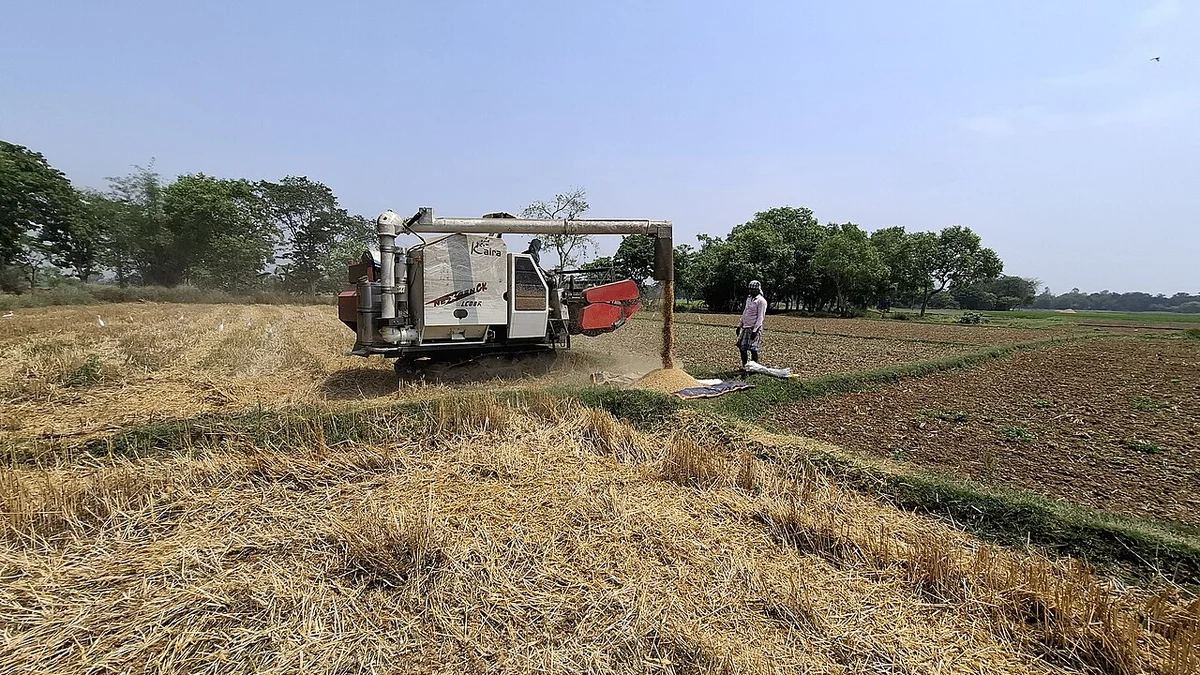
The Agrimachinery portal (agrimachinery.nic.in), officially known as the Direct Benefit Transfer in Agricultural Mechanization portal, is the central digital hub operated by the Mechanization and Technology Division of the Ministry of Agriculture and Farmers Welfare (MoA&FW). Designed to promote modern farm technology and eliminate manual drudgery across rural India, the portal administers the Sub-Mission on Agricultural Mechanization (SMAM Scheme) along with state-specific farm equipment subsidy programs. Through this unified online architecture, individual farmers, cooperative societies, Farmer Producer Organizations (FPOs), and rural entrepreneurs can directly apply for 40% to 80% capital subsidies on tractors, laser levellers, rotavators, power tillers, drone sprayers, and Custom Hiring Centers (CHCs).
1. Key Subsidy Categories & Equipment Coverage Under SMAM
The Agrimachinery platform categorizes mechanization interventions into distinct project components designed to benefit various strata of the agricultural community: First, Individual Farmer Subsidies provide 40% financial assistance for general category farmers and up to 50% assistance (with higher financial ceilings) for small/marginal farmers, women cultivators, and SC/ST landholders on equipment such as MB ploughs, seed drills, multi-crop threshers, and zero-till seeders. Second, Custom Hiring Centers (CHCs) establish rural machinery banks with up to 40% project subsidies (maximum project ceiling ₹10 lakh to ₹25 lakh) to provide affordable rental equipment to smallholders. Third, Hi-Tech Hubs and Farm Machinery Banks set up by FPOs receive up to 80% capital grants (up to ₹10 lakh) in priority agro-climatic zones.
| Equipment Category | Eligible Implements | General Farmer Subsidy | Small/Marginal/Women/SC/ST Subsidy | Max Financial Ceiling (Indicative) |
|---|---|---|---|---|
| Primary Tillage | MB Plough, Disc Harrow, Subsoiler | 40% of benchmark cost | 50% of benchmark cost | ₹20,000 - ₹45,000 |
| Secondary Tillage | Rotavator (6 ft / 7 ft), Cultivator | 40% of benchmark cost | 50% of benchmark cost | ₹35,000 - ₹55,000 |
| Sowing & Planting | Super Seeder, Happy Seeder, Zero-Till Drill | 40% - 50% | 50% - 60% | ₹60,000 - ₹1,05,000 |
| Harvesting Machinery | Self-Propelled Reaper, Multi-Crop Thresher | 40% of cost | 50% of cost | ₹75,000 - ₹1,50,000 |
| Custom Hiring Center (CHC) | Complete Tractor + Implement Package | 40% of Project Cost | 40% of Project Cost | Up to ₹10,00,000 |
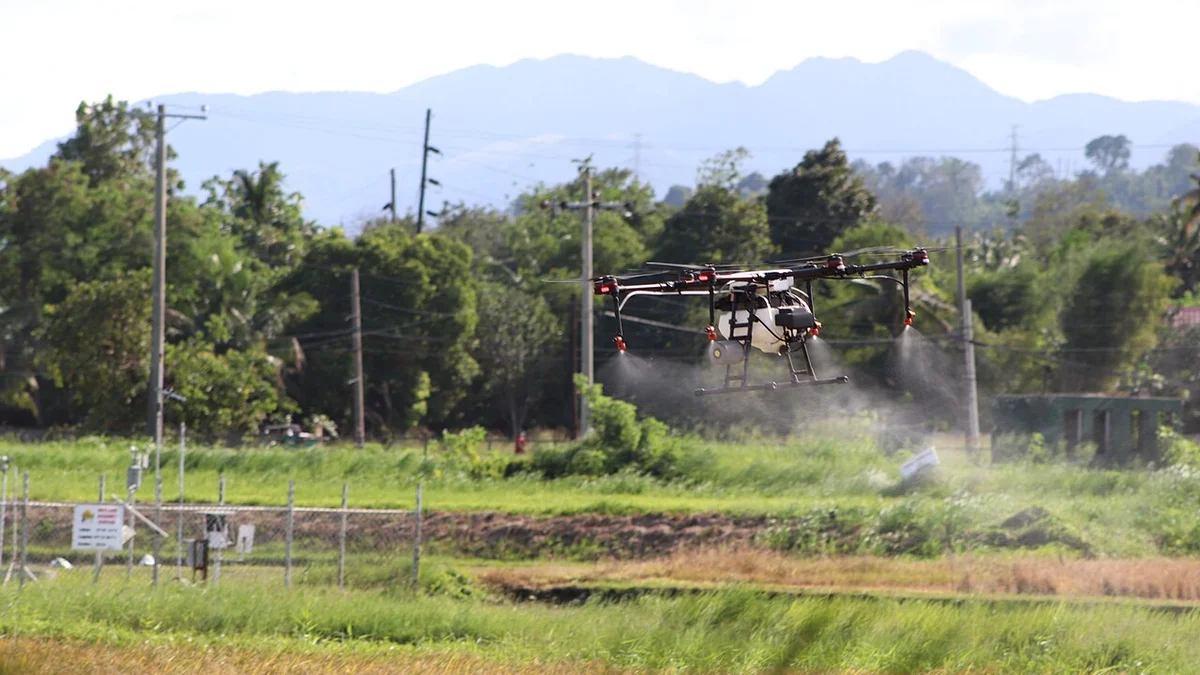
| Agricultural Kisan Drones | 10-16 Liter Battery Spray Drones | 40% - 50% (Farmers) | Up to 100% (ICAR/KVKs/FPOs) | ₹4,00,000 - ₹10,00,000 |
Source: Official benchmark data compiled from Ministry of Agriculture & Farmers Welfare, ICAR research bulletins, State Agricultural Marketing Boards, and Agmarknet official market records (Updated 2026).
2. Step-by-Step Registration Guide for Farmers on agrimachinery.nic.in
Applying for a machinery subsidy on the Agrimachinery portal is straightforward and requires no physical visit to government offices until physical verification. Follow these steps: Step 1: Navigate to agrimachinery.nic.in and click on 'Registration' > 'Farmer'. Step 2: Select your home state and enter your 12-digit Aadhaar number for biometric or OTP verification. Step 3: Enter demographic details, landholding category (Small, Marginal, or Large), bank account details (Bank Name, Account Number, and IFSC code), and upload digitized copies of your land revenue record (RoR / Khasra-Khatauni). Step 4: Choose the specific implement category, manufacturer, and authorized local dealer. Step 5: Submit the application to generate an instant Application Tracking ID.
3. Application Verification, Dealer Purchase & DBT Disbursal
Once submitted, the application undergoes automated scrutiny at the District Agriculture Office (DAO). When sanctioned (based on state budgetary allocations and transparent lottery or first-come-first-served queues), an official e-Permit / Purchase Order is issued to the farmer. The beneficiary visits the empanelled machinery dealer, purchases the approved equipment (paying either the full invoice or the farmer-share depending on state payment modalities), and secures the commercial invoice and chassis/engine serial numbers. An agricultural extension engineer conducts an on-site physical inspection, takes geo-tagged photographs of the farmer with the machine, and uploads the inspection certificate. The DBT subsidy is directly disbursed into the farmer’s Aadhaar-linked bank account within 15 to 30 days via PFMS.
4. Establishing Custom Hiring Centers (CHC) & Hi-Tech Machinery Hubs
Recognizing that over 86% of Indian farmers are small and marginal landholders unable to afford expensive capital machinery like combine harvesters, laser land levellers, and pneumatic planters, the SMAM scheme heavily promotes Custom Hiring Centers (CHCs). Rural youth, agricultural engineering graduates, registered cooperative societies, and FPOs can submit comprehensive project reports (DPR) ranging from ₹10 lakh to ₹50 lakh. Upon approval by the State Level Executive Committee (SLEC), the government grants a direct capital subsidy of 40% (up to ₹10 lakh for basic CHCs and up to ₹20 lakh for high-tech clusters), with remaining project costs funded through low-interest bank loans under the Agriculture Infrastructure Fund (AIF) at a 3% interest subvention.
| Stage of Workflow | Responsible Agency | Action Required by Farmer | Documentation Needed | Expected Timeline |
|---|---|---|---|---|
| Online Application | Farmer / CSC | Submit Aadhaar & Land Record | Aadhaar, Land RoR, Bank Passbook, Photo | Day 1 |
| Desk Scrutiny | District Agriculture Office | None (Track status online) | Automated digital verification | 7 - 10 Days |
| Issue of e-Permit | State Nodal Agency | Receive SMS notification | Approved e-Sanction letter | 10 - 15 Days |
| Machinery Purchase | Authorized Dealer | Purchase certified implement | Tax Invoice, Warranty Card, Serial No | Within 30 Days of Permit |
| Physical Inspection | Block Tech Officer | Present machine for inspection | Geo-tagged photo with implement | 7 Days post-purchase |
| DBT Disbursal | PFMS / Central Ministry | Receive funds in bank account | Aadhaar-seeded bank account | 15 - 20 Days post-inspection |
5. Common Rejection Reasons & Practical Tips for Success
To guarantee application approval without bureaucratic delays, applicants must prevent common mistakes: 1. Ensure the name on the Aadhaar card matches the land revenue record (Khasra-Khatauni) precisely. 2. Verify that your bank account is active, Aadhaar-seeded, and compatible with NPCI mapper for Direct Benefit Transfer. 3. Select only certified machinery models that have passed rigorous performance testing at CFMTTI Budni or designated state testing centers. 4. Never purchase machinery before receiving the official digital purchase permit, as retrospective purchases are strictly ineligible for government subsidy grants.
6. Financial Planning, Bank Loan Sanctions & AIF Interest Subvention
Establishing a modern farm machinery custom hiring center or acquiring capital-intensive agricultural implements through the Agrimachinery portal requires coordinated financial planning. While the SMAM scheme provides a 40% to 50% capital grant, the remaining 50% to 60% of the project capital is typically financed through agricultural term loans. Prospective entrepreneurs can leverage the Agriculture Infrastructure Fund (AIF), which offers an attractive 3% annual interest subvention on term loans up to ₹2 crore for a period of up to 7 years.
Furthermore, loans up to ₹2 crore under AIF are eligible for credit guarantee coverage under the Credit Guarantee Fund Trust for Micro and Small Enterprises (CGTMSE), eliminating the requirement for third-party collateral or agricultural land mortgages. Commercial banks (including State Bank of India, Punjab National Bank, and Bank of Baroda) maintain streamlined processing desks for SMAM-sanctioned machinery proposals. Preparing a comprehensive Detailed Project Report (DPR)—highlighting projected rental demand from local cropping cycles, seasonal cash flows, fuel running costs, and maintenance reserves—ensures rapid bank credit approval within 14 working days of permit issuance.
7. Implement Compatibility, SMAM Subsidies & Fleet Comparison
Selecting the optimal mechanization setup alongside agrimachinery means comparing competing tractor horsepower segments, heavy-duty implements, and capital subsidy options. Growers systematically coordinate crop care through Triple Super Phosphate (TSP) root nutrition guide, Bayer Solomon broad-spectrum insect control, cumin seed (jeerige) pricing and grading, Single Super Phosphate (SSP) sulphur and phosphorus nutrition, melon seed (magaz) wholesale market trends, sesame seed (ellu) agronomy and market rates. Modern field execution and transport rely heavily on comparing specs and subsidies across hydraulic tipping and non-tipping tractor trolley prices, John Deere 5310 4x4 55 HP CRDi tractor specs, Farmtrac 45 Classic Supermaxx tractor review, Swaraj 855 FE 4x4 heavy-duty 52 HP specs, dual-purpose tractor gadi haulage models, John Deere India tractor lineup and pricing, Swaraj 735 FE 39 HP utility tractor review, full Swaraj tractor HP lineup and pricing, Swaraj 744 FE and XT torque and fuel economy. For specialized tillage, haulage, and water distribution, cultivators also evaluate Mahindra 575 DI 45 HP workhorse mileage guide, Mahindra 575 DI XP Plus 47 HP torque and review, New Holland 3630 TX Plus 4x4 55 HP tractor specs, Powertrac Euro diesel-saver tractor models and prices, VST Shakti and Kubota 12-15 HP power tiller prices, Farmtrac heavy tractor series and diesel saver specs, Solis 4515 E Yanmar-tech tractor specifications, field tractor power testing and safety buying checks, sprinkler irrigation layout and PMKSY subsidy.
8. Crop Haulage, Institutional Credit & Mandi Market Linkages
Reliable rural machinery directly lowers post-harvest haulage losses and connects farmers efficiently to major commodity trading yards. Growers benchmark regional supply arrivals and MSP procurement across Jakhal Mandi Fatehabad grain auction rates, soyabean mandi bhav and MSP rates, Mangoli & Sangli regional fruit mandi bhav, Dhamnod Mandi cotton and soyabean arrivals, Kalapipal Mandi onion and garlic auction rates, wheat (gehu) cultivation varieties and grain nomenclature, moong dal wholesale and split green gram rates, daily Neemuch Krishi Upaj Mandi garlic and herb prices, live APMC Krishi Upaj mandi auction trends, chana dal procurement and wholesale market rates, wheat (gehu) mandi auction and FCI procurement rates, Mandsaur APMC lahsun and soybean market rates. Key grain, oilseed, and pulse realization corridors additionally track Neemuch Mandi medicinal spice and grain rates, Piplia Mandi wholesale garlic auctions, Narela Anaj Mandi paddy and wheat arrivals, daily UP and Maharashtra sugar mill chini bhav, guar seed APMC & NCDEX prices, arhar (tur) dal wholesale and MSP realizations.
Agricultural diversification and specialty value chains spanning spices, plantation crops, dairy, and poultry offer steady cash flow—tracked via Byadgi red chilli oleoresin grading and APMC rates, Sangli and Nashik golden kismis (raisin) rates, copra milling and coconut oil wholesale rates, Arunachal Pradesh organic kiwi and Azadpur rates, dairy butter fat economics and Amul retail prices, Barabanki mint wholesale mandi and MCX benchmarks, wholesale mushroom prices across urban mandis, NCDEX Turmeric Price Today, Rashi, Bette, and Chali arecanut grade pricing, Bangalore wholesale egg tray prices and retail spreads, all-India NECC egg rate directory. Operational working capital, DBT cash transfers, and subsidized farm solar or e-KYC infrastructure can be accessed via Haryana Meri Fasal Mera Byora MSP procurement registration, Madhya Pradesh e-Uparjan and Kisan Kalyan portal, CSC Aadhaar biometric e-KYC verification workflow. Primary regulatory notifications, technical bulletins, and statutory benchmark portals are published by Ministry of Agriculture & Farmers Welfare, Agmarknet Mandi Price Portal, Ministry of Consumer Affairs, Food & Public Distribution, Central Farm Machinery Training & Testing Institute (CFMTTI), MoA&FW, and SMAM Scheme.
Frequently asked questions
- What is the official URL of the Agrimachinery portal?
- The official central portal is agrimachinery.nic.in, administered by the Ministry of Agriculture and Farmers Welfare. Official regulatory guidelines can also be verified on the Ministry of Agriculture & Farmers Welfare.
- What is the maximum subsidy available under the SMAM scheme?
- Individual farmers receive 40% to 50% subsidies on implements, while Custom Hiring Centers (CHCs) and FPOs receive up to 40% to 80% project grants. Official regulatory guidelines can also be verified on the Agmarknet Mandi Price Portal.
- Are small and women farmers eligible for higher machinery subsidies?
- Yes, small, marginal, women, and SC/ST farmers receive an enhanced 50% subsidy rate with higher financial grant caps compared to general categories. Review comparable machinery specifications and subsidy norms in our hydraulic tipping and non-tipping tractor trolley prices.
- How can I check my subsidy application status on agrimachinery.nic.in?
- Go to the portal, navigate to 'Tracking' > 'Track Application Status', enter your Application ID or Aadhaar number, and click 'Search'. Review comparable machinery specifications and subsidy norms in our Haryana Meri Fasal Mera Byora MSP procurement registration.
- Can I buy machinery from any dealer under the scheme?
- No, machinery must be purchased exclusively from government-empanelled manufacturers and authorized dealers listed on the portal. Review comparable machinery specifications and subsidy norms in our John Deere 5310 4x4 55 HP CRDi tractor specs.
- What documents are required to register on the Agrimachinery portal?
- Key documents include Aadhaar Card, Land Revenue Record (Khasra-Khatauni), Bank Passbook copy, Caste Certificate (if applicable), and Passport Photo.
- Is a tractor mandatory to establish a Custom Hiring Center?
- Yes, establishing a standard CHC typically requires at least one heavy-duty tractor along with 4 to 6 compatible implements like a rotavator, seeder, and trailer.
- How long does it take to receive the subsidy amount in the bank?
- Following successful physical inspection and invoice verification, the DBT subsidy is credited via PFMS within 15 to 30 days.
- Can I apply for subsidies on agricultural drone sprayers on this portal?
- Yes, Kisan Drones for precision spraying are subsidized under SMAM, offering up to 50% assistance for farmers and 100% grants for KVKs and FPOs.
- What should I do if my application is put on waitlist?
- Waitlisted applications are cleared sequentially as additional state budgetary allocations are released or when previous applicants forfeit permits.
- Is physical verification conducted before subsidy disbursal?
- Yes, an agriculture extension officer conducts an on-site physical inspection to verify machine serial numbers, chassis plates, and take geo-tagged photos.
- Can I apply for multiple agricultural implements simultaneously?
- Generally, guidelines permit an individual farmer to apply for one primary implement per financial year to ensure equitable distribution across beneficiaries.
This article is for general information only and is not financial advice. Loan and scheme eligibility depends on partner and government criteria.