Kiwi Price per Kg in India: Wholesale Mandi Rates 2026
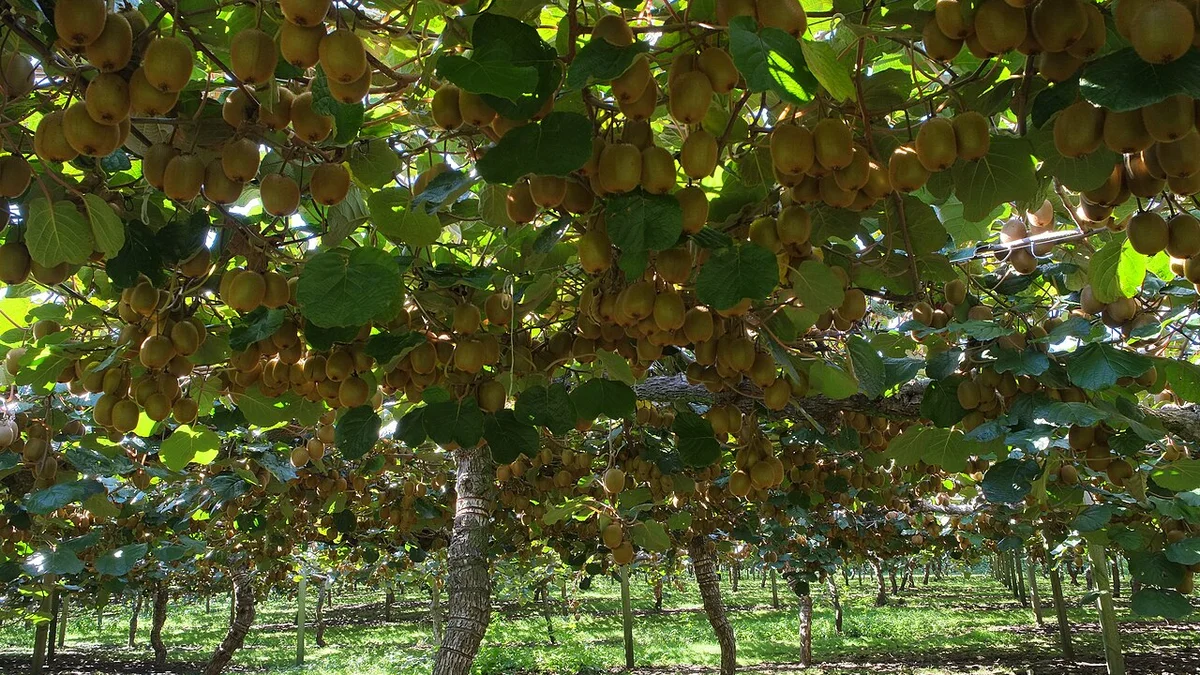
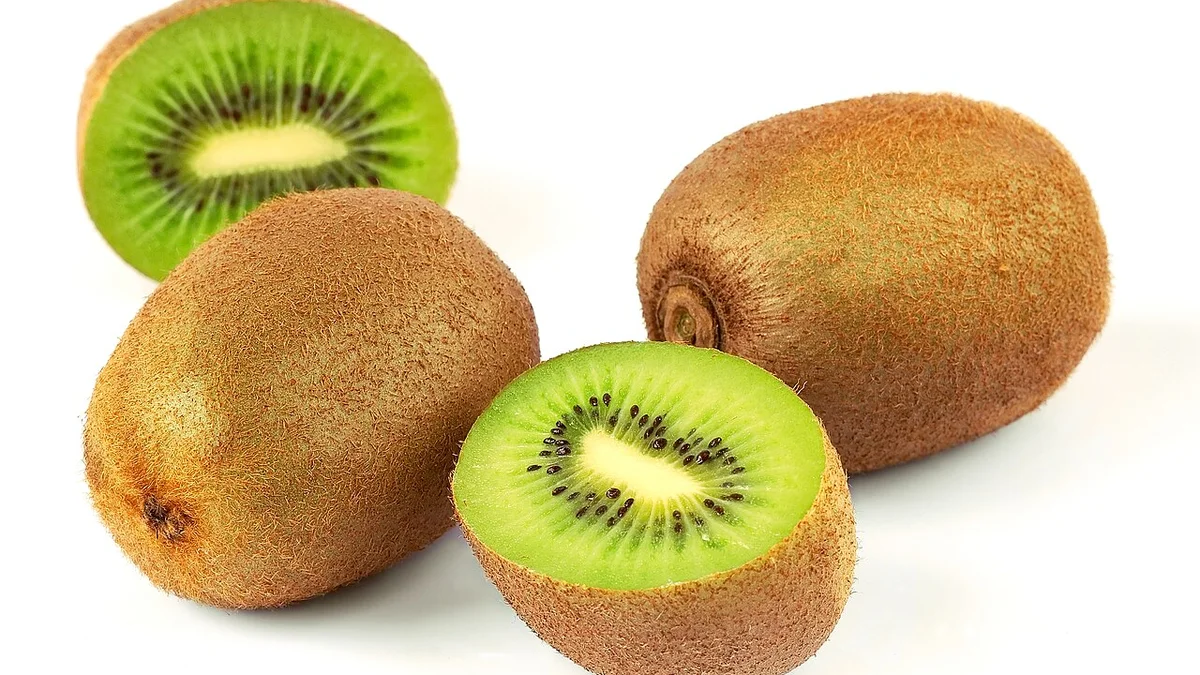
Kiwi Fruit (Chinese Gooseberry / Actinidia deliciosa) has transformed from an exotic luxury delicacy into one of the most high-demand, health-centric commercial fruits in India. Celebrated for its unique sweet-tangy emerald pulp, edible tiny black seeds, and exceptionally dense nutritional profile—boasting twice the Vitamin C of an orange and rich natural potassium—kiwi consumption has surged across tier-1 and tier-2 urban centers. Monitored systematically by the Agricultural and Processed Food Products Export Development Authority (APEDA) under the Ministry of Commerce & Industry and tracked on wholesale market portals (Agmarknet), the Indian kiwi market represents a dynamic multi-million-dollar convergence of imported fruit consignments and rapidly expanding domestic orchards in the Himalayan northeast.
1. Kiwi Price per Kg Today Across Indian Wholesale Mandis
Wholesale kiwi fruit prices in India are quoted primarily by crate or master carton (typically containing 30 to 36 pieces in a 3 kg to 3.5 kg box, or 10 kg bulk boxes). Today, wholesale mandi rates at premier terminal markets—including Azadpur Mandi in Delhi, APMC Vashi in Mumbai, and Yeshwanthpur in Bengaluru—range from ₹120 to ₹220 per kilogram for standard commercial grades (₹350 to ₹650 per 3.3 kg single-layer tray box). In retail grocery supermarkets, consumer prices range from ₹25 to ₹45 per individual fruit, or ₹240 to ₹380 per kilogram depending on brand sorting and organic certification.
| Kiwi Variety / Origin | Packaging Format | Wholesale Box Rate (₹) | Wholesale Rate (₹/kg) | Retail Price per Fruit (₹) |
|---|---|---|---|---|
| Imported Green Kiwi (Chile / Greece) | Single Layer Box (30-36 pcs / 3.3 kg) | ₹420 - ₹550 | ₹130 - ₹170 / kg | ₹25 - ₹35 / pc |
| Zespri Green Kiwi (New Zealand) | Premium Carton (30 pcs / 3.3 kg) | ₹580 - ₹720 | ₹180 - ₹220 / kg | ₹35 - ₹45 / pc |
| Zespri SunGold Kiwi (Golden Pulp) | Master Tray (25-30 pcs / 3.3 kg) | ₹850 - ₹1,100 | ₹260 - ₹340 / kg | ₹50 - ₹65 / pc |
| Arunachal Organic Kiwi (Ziro Valley) | Wooden Crate / Box (5 kg) | ₹600 - ₹850 | ₹120 - ₹170 / kg | ₹25 - ₹35 / pc |
| Himachal / Uttarakhand Green Kiwi | Bulk Corrugated Box (10 kg) | ₹1,100 - ₹1,500 | ₹110 - ₹150 / kg | ₹20 - ₹30 / pc |
Source: Official benchmark data compiled from Ministry of Agriculture & Farmers Welfare, ICAR research bulletins, State Agricultural Marketing Boards, and Agmarknet official market records (Updated 2026).
2. Imported vs. Indigenous Kiwi: Seasonal Windows & Origins
The Indian kiwi market maintains continuous year-round availability by balancing counter-seasonal global imports with domestic harvests: 1. Southern Hemisphere Window (May to November): Consignments arrive from Chile and New Zealand (Zespri), providing fresh firm green (Hayward) and golden (SunGold) varieties. 2. Northern Hemisphere Window (November to April): Shipments arrive from Greece, Italy, and Iran. 3. Domestic Indian Season (October to January): Fresh organic harvests from Arunachal Pradesh (Ziro Valley), Nagaland, Himachal Pradesh, and Sikkim enter metropolitan mandis, offering ultra-fresh, pesticide-free alternatives that undercut imported shipping freight costs.
3. The Rise of Arunachal Pradesh & Northeast Organic Kiwi Farming
Arunachal Pradesh has emerged as the pioneer of domestic commercial kiwi farming in India, accounting for over 50% of the country’s indigenous production. The sub-temperate climate of the Ziro Valley in Lower Subansiri district (elevations of 1,500 to 2,200 meters, 1,000+ chilling hours, and acidic sandy-loam soils) is ideally suited for cultivars like Hayward, Allison, and Bruno. In 2020, Arunachal Pradesh’s Ziro Valley kiwi was awarded India's first official Organic Certification for Kiwi Fruit under the Mission Organic Value Chain Development for North Eastern Region (MOVCD-NER), enabling grower cooperatives to supply clean, residue-free fruit to domestic and export markets.
| Kiwi Cultivar | Fruit Shape & Attributes | Taste & Sweetness (Brix) | Chilling Requirement (Hours) | Commercial Utilization |
|---|---|---|---|---|
| Hayward (Premier Commercial) | Large, broad oval, uniform brown fuzz | 13 - 15° Brix (Sweet-tangy balance) | 700 - 900 Hours (<7°C) | Dominates 85% of global & Indian trade |
| Allison (Early Season) | Oblong, slightly tapered, dense fuzz | 12 - 14° Brix (Higher acidity) | 600 - 750 Hours (<7°C) | Excellent for processing, jam, wine |
| Bruno (Elongated) | Cylindrical, long, dark brown hair | 14 - 16° Brix (Very sweet) | 650 - 800 Hours (<7°C) | Fresh table fruit, highest vitamin C |
| SunGold (Hort16A / Gold) | Smooth hairless skin, vibrant golden flesh | 16 - 18° Brix (Intense tropical sweet) | 300 - 500 Hours (Low chill) | Super-premium luxury retail segment |
4. Cold Chain Storage, Controlled Atmosphere & Ripening Dynamics
Kiwi is a climacteric fruit that is harvested commercially at physiological maturity when soluble solids reach 6.2% to 6.5% Brix, while the fruit remains rock-hard. Post-harvest, kiwi can be stored for 4 to 6 months in Controlled Atmosphere (CA) cold storages maintained strictly at 0°C (±0.5°C), 90% to 95% relative humidity, 2% oxygen, and 4.5% carbon dioxide, with ethylene scrubbing systems (as trace ethylene levels as low as 10 ppb cause rapid premature softening). To prepare fruit for retail distribution, wholesalers transfer boxes to forced-air ripening chambers, exposing fruit to 100 ppm ethylene at 18°C to 20°C for 24 hours to achieve perfect consumer softness.
5. Health Benefits & Immunity Driving Urban Consumer Demand
Urban demand for kiwi fruit in India has exploded largely due to medical and Ayurvedic awareness of its potent therapeutic properties. Medical practitioners widely recommend kiwi consumption to patients recovering from dengue fever, viral infections, and chemotherapy, as clinical studies show that kiwi extract significantly promotes platelet count regeneration and red blood cell proliferation. Containing over 92 mg of Vitamin C per 100 grams, a single kiwi fruit delivers 100% of the adult daily recommended intake, strengthening cellular immunity, boosting collagen synthesis, and providing actinidain, a unique proteolytic enzyme that aids protein digestion.
6. Orchard Economics & Government Subsidies Under MIDH
For farmers in mid-hill Himalayan regions (Himachal Pradesh, Uttarakhand, Kashmir, and the Northeast), kiwi farming offers exceptional returns. Commercial vines begin bearing in the 4th year and achieve full commercial yields (8 to 12 tonnes per acre) from year 7 onwards, maintaining productive lifespans exceeding 35 years. The National Horticulture Board (NHB) and Mission for Integrated Development of Horticulture (MIDH) provide capital subsidies of 40% to 50% for T-bar trellis installation, drip irrigation networks, and certified virus-free rootstock planting.
7. Agricultural Inputs, Mechanization & Allied Farm Operations
Maximizing farm gate returns in kiwi price begins with strong agronomic management, calibrated soil nutrition, clean irrigation, and efficient harvesting machinery. Growers systematically coordinate crop care through Triple Super Phosphate (TSP) root nutrition guide, Bayer Solomon broad-spectrum insect control, cumin seed (jeerige) pricing and grading, Single Super Phosphate (SSP) sulphur and phosphorus nutrition, melon seed (magaz) wholesale market trends, sesame seed (ellu) agronomy and market rates. Modern field execution and transport rely heavily on comparing specs and subsidies across hydraulic tipping and non-tipping tractor trolley prices, Agrimachinery DBT SMAM tractor and implement portal, John Deere 5310 4x4 55 HP CRDi tractor specs, Farmtrac 45 Classic Supermaxx tractor review, Swaraj 855 FE 4x4 heavy-duty 52 HP specs, dual-purpose tractor gadi haulage models, John Deere India tractor lineup and pricing, Swaraj 735 FE 39 HP utility tractor review, full Swaraj tractor HP lineup and pricing. For specialized tillage, haulage, and water distribution, cultivators also evaluate Swaraj 744 FE and XT torque and fuel economy, Mahindra 575 DI 45 HP workhorse mileage guide, Mahindra 575 DI XP Plus 47 HP torque and review, New Holland 3630 TX Plus 4x4 55 HP tractor specs, Powertrac Euro diesel-saver tractor models and prices, VST Shakti and Kubota 12-15 HP power tiller prices, Farmtrac heavy tractor series and diesel saver specs, Solis 4515 E Yanmar-tech tractor specifications, field tractor power testing and safety buying checks, sprinkler irrigation layout and PMKSY subsidy.
8. Regional Mandi Networks, Credit Schemes & Official Data Sources
Across India's regulated market ecosystem, farmers compare live realizations across state trading yards and tap formal welfare and institutional financing. Growers benchmark regional supply arrivals and MSP procurement across Jakhal Mandi Fatehabad grain auction rates, soyabean mandi bhav and MSP rates, Mangoli & Sangli regional fruit mandi bhav, Dhamnod Mandi cotton and soyabean arrivals, Kalapipal Mandi onion and garlic auction rates, wheat (gehu) cultivation varieties and grain nomenclature, moong dal wholesale and split green gram rates, daily Neemuch Krishi Upaj Mandi garlic and herb prices, live APMC Krishi Upaj mandi auction trends, chana dal procurement and wholesale market rates, wheat (gehu) mandi auction and FCI procurement rates, Mandsaur APMC lahsun and soybean market rates. Key grain, oilseed, and pulse realization corridors additionally track Neemuch Mandi medicinal spice and grain rates, Piplia Mandi wholesale garlic auctions, Narela Anaj Mandi paddy and wheat arrivals, daily UP and Maharashtra sugar mill chini bhav, guar seed APMC & NCDEX prices, arhar (tur) dal wholesale and MSP realizations.
Agricultural diversification and specialty value chains spanning spices, plantation crops, dairy, and poultry offer steady cash flow—tracked via Byadgi red chilli oleoresin grading and APMC rates, Sangli and Nashik golden kismis (raisin) rates, copra milling and coconut oil wholesale rates, dairy butter fat economics and Amul retail prices, Barabanki mint wholesale mandi and MCX benchmarks, wholesale mushroom prices across urban mandis, NCDEX Turmeric Price Today, Rashi, Bette, and Chali arecanut grade pricing, Bangalore wholesale egg tray prices and retail spreads, all-India NECC egg rate directory. Operational working capital, DBT cash transfers, and subsidized farm solar or e-KYC infrastructure can be accessed via Haryana Meri Fasal Mera Byora MSP procurement registration, Madhya Pradesh e-Uparjan and Kisan Kalyan portal, CSC Aadhaar biometric e-KYC verification workflow. Primary regulatory notifications, technical bulletins, and statutory benchmark portals are published by Ministry of Agriculture & Farmers Welfare, Agmarknet Mandi Price Portal, Ministry of Consumer Affairs, Food & Public Distribution, Central Farm Machinery Training & Testing Institute (CFMTTI), APEDA, and NHB.
Frequently asked questions
- What is the wholesale price of kiwi fruit per kg in India in 2026?
- Wholesale kiwi prices range from ₹120 to ₹220 per kg for standard green varieties, and ₹260 to ₹340 per kg for golden varieties. Official regulatory guidelines can also be verified on the Ministry of Agriculture & Farmers Welfare.
- How much does a single kiwi fruit cost in retail stores in India?
- In retail supermarkets, individual green kiwi fruits sell between ₹25 and ₹40, while premium golden kiwis sell between ₹50 and ₹65 per piece. Official regulatory guidelines can also be verified on the Agmarknet Mandi Price Portal.
- Which state in India is the largest producer of kiwi fruit?
- Arunachal Pradesh is India's leading producer, renowned for its certified organic kiwi orchards in the Ziro Valley. Explore related mandi benchmarks and farmer support guides in our Byadgi red chilli oleoresin grading and APMC rates.
- What countries export kiwi fruit to India?
- India primarily imports kiwi fruit from Chile, New Zealand (Zespri), Greece, Italy, and Iran across complementary seasonal windows. Explore related mandi benchmarks and farmer support guides in our Haryana Meri Fasal Mera Byora MSP procurement registration.
- Why is kiwi fruit recommended for dengue patients?
- Kiwi is packed with bioavailable vitamin C, potassium, and antioxidants that help stimulate platelet regeneration and strengthen immune response. Explore related mandi benchmarks and farmer support guides in our Sangli and Nashik golden kismis (raisin) rates.
- What is the difference between Green Kiwi and Gold Kiwi?
- Green kiwi (Hayward) has fuzzy skin and sweet-tart green flesh, while Gold kiwi has smooth hairless skin and sweeter tropical golden pulp. Explore related mandi benchmarks and farmer support guides in our Jakhal Mandi Fatehabad grain auction rates.
- How can you tell if a kiwi fruit is ripe and ready to eat?
- A ripe kiwi yields slightly to gentle thumb pressure. Rock-hard kiwis can be ripened at home in a paper bag with an apple or banana in 2-3 days.
- How long can kiwi fruit be stored in cold storage?
- In controlled atmosphere (CA) cold storage at 0°C with ethylene scrubbing, hard kiwi fruit can be safely stored for 4 to 6 months.
- Can kiwi fruit be cultivated in northern Indian plains?
- No, commercial kiwi varieties require 600 to 900 chilling hours below 7°C, making them suitable only for temperate mid-hill regions.
- What is the weight of a standard single-layer wholesale kiwi box?
- A standard commercial single-layer master box weighs between 3.0 kg and 3.5 kg, typically containing 30, 33, or 36 graded fruits.
- Is the skin of the kiwi fruit edible?
- Yes, kiwi skin is completely edible and contains high concentrations of insoluble dietary fiber and polyphenolic antioxidants.
- What subsidies are available for planting kiwi orchards in India?
- The National Horticulture Board (NHB) offers 40% to 50% capital subsidies for commercial kiwi orchard establishment under MIDH schemes.
This article is for general information only and is not financial advice. Loan and scheme eligibility depends on partner and government criteria.