NCDEX Turmeric Price Today: Futures & Nizamabad Rates
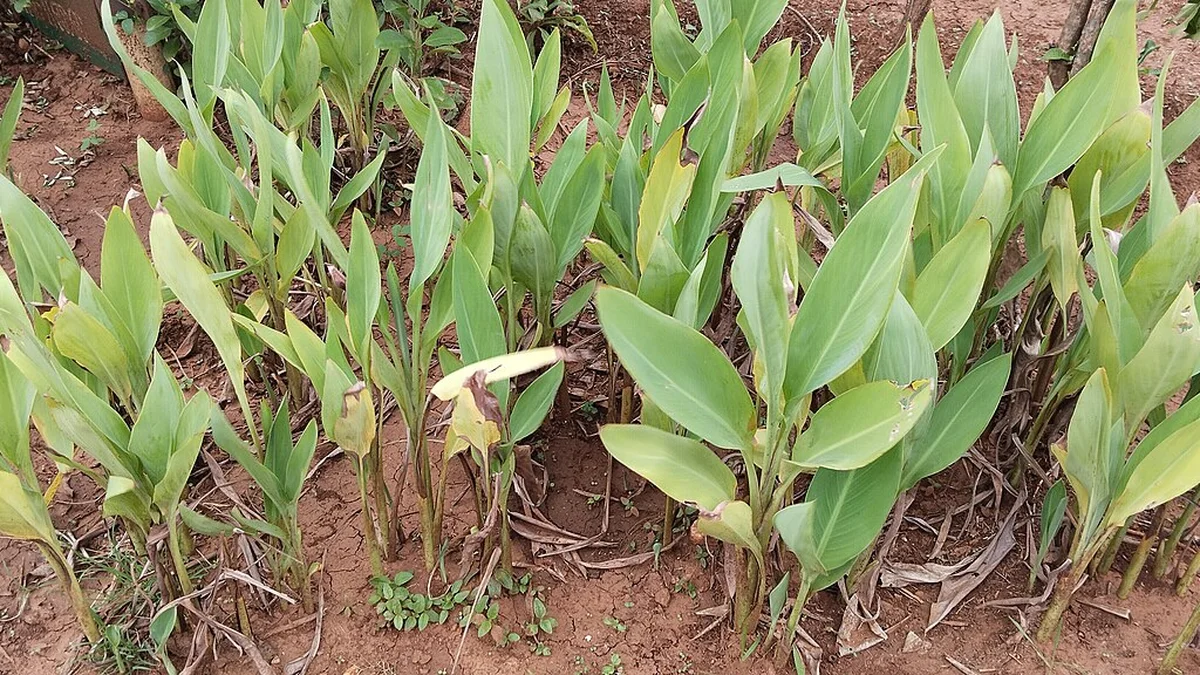
Turmeric (haldi, Curcuma longa), affectionately known as India’s ’Golden Spice’, represents a globally preeminent commercial spice commodity in which India controls over 75% of total worldwide production and 80% of global export trade. Price discovery in the domestic turmeric sector is anchored on the National Commodity & Derivatives Exchange (NCDEX Portal) via active futures benchmark contracts, closely coupled with daily vocal and electronic auctions across premier physical APMC terminal mandis including Nizamabad in Telangana, Sangli and Basmat in Maharashtra, and Erode in Tamil Nadu. Governed by export quality protocols from the Spices Board of India (Spices Board), supported by crop development research from the ICAR-Indian Institute of Spices Research (ICAR-IISR Kozhikode) and daily arrival logs on Agmarknet (Agmarknet Network), turmeric rates fluctuate based on active curcumin percentages, finger length, export demand, and warehouse stock levels.
1. Indicative NCDEX Turmeric Futures & Spot Mandi Price Benchmarks
Wholesale turmeric quotations in India are quoted in Rupees per quintal, distinguishing between polished fingers (the long cylindrical primary mother-branch rhizomes) and round bulbs (gatha, the secondary spherical rhizomes). Prices command substantial premiums when laboratory gas chromatography assays confirm curcumin concentrations exceeding 3.5% to 4.5%. The following table summarizes indicative modal wholesale benchmarks recorded during recent trading cycles:
| Market Center / Product Tier | Physical Form & Curing Standard | Min Rate (Rs/Qtl) | Modal Rate (Rs/Qtl) | Max Rate (Rs/Qtl) | Primary Buyer / Export Market |
|---|---|---|---|---|---|
| Nizamabad APMC (Farmer Finger) | Double Polished Bold Golden Fingers | Rs 12,400 | Rs 13,800 | Rs 15,200 | Domestic Grinding & Middle East Export |
| Sangli Mandi (Rajapore Quality) | Thick Bold Deep Orange Rhizomes | Rs 13,500 | Rs 14,800 | Rs 16,500 | Pharmaceutical & Oleoresin Extraction |
| Erode Mandi (Salem Curcumin) | High Curcumin (> 4.0%) Finger Lots | Rs 13,000 | Rs 14,400 | Rs 15,800 | US & European Whole Spice Packaging |
| NCDEX Active Futures Contract | Standard Quality Mandi Delivery | Rs 13,200 | Rs 14,250 | Rs 15,600 | Pan-India Processor & Exporter Hedging |
| Bulb / Gatha Quality (Round) | Machine Cleaned Mother Rhizomes | Rs 11,200 | Rs 12,400 | Rs 13,500 | Industrial Extraction & Bulk Masala Blends |
| Organic Lakadong Turmeric (Meghalaya) | Super-High Curcumin (> 7.5%) Finger | Rs 28,000 | Rs 35,000 | Rs 45,000 | Gourmet Nutraceutical & Curcumin Supplements |
2. Physical Grading: Salem Finger, Nizamabad Quality, Bulbs & Curcumin Assay
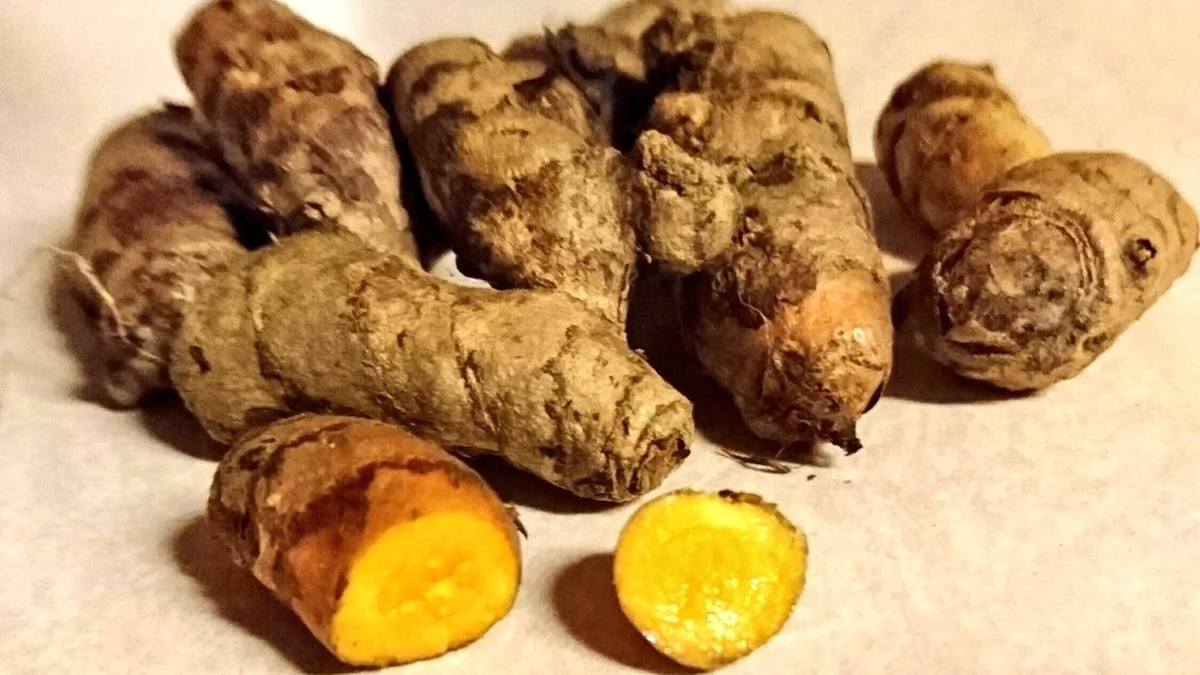
Physical grading and biochemical assaying form the twin pillars of commercial turmeric valuation. In APMC terminal yards, buyers visually classify lots into ’Finger’ (long primary fingers with smooth surfaces and minimal side wrinkles) and ’Bulb / Gatha’ (central spherical mother rhizomes). Premium commercial varieties—such as Salem, Prathiba, Rajapore, and Nizamabad Bold—must exhibit a hard, crisp fracture that snaps cleanly when broken, revealing an intense deep orange-yellow internal core free from white starchiness or insect hollows.
In modern commercial trade, laboratory testing for curcumin—the principal bioactive polyphenolic compound responsible for turmeric’s potent anti-inflammatory, antioxidant, and therapeutic properties—dictates transaction values. Standard commercial turmeric contains 2.5% to 3.2% curcumin. However, lots assaying above 3.5% curcumin command a direct price premium of ₹800 to ₹1,500 per quintal from pharmaceutical oleoresin processors, who extract pure curcumin crystals and volatile turmeric essential oil for global nutraceutical supplements.
| Quality Attribute | Salem / Erode Quality | Nizamabad Standard | Rajapore / Sangli Grade | Commercial Impact |
|---|---|---|---|---|
| Curcumin Concentration | 3.5% - 4.5% Active Curcumin | 2.8% - 3.4% Active Curcumin | 3.8% - 4.8% Active Curcumin | Direct premium paid by oleoresin extractors |
| Rhizome Geometry | Long, Thin, Elegant Fingers | Medium Length, Uniform Thick | Extra-Thick, Bold Heavy Fingers | Salem preferred for visual retail consumer packaging |
| Polishing Finish | Double Polished Brilliant Yellow | Single / Double Polished | Hard Polished Deep Saffron Core | Double polishing removes rough skin and dirt |
| Moisture Content Limit | Moisture <= 10.0% Standard | Moisture <= 10.5% Standard | Moisture <= 9.5% Standard | Low moisture prevents fungal mold during sea transit |
| Primary Export Markets | USA, UK, Germany, Japan | UAE, Iran, Bangladesh, Sri Lanka | Pharmaceutical Units & Domestic Retail | Stringent compliance with European pesticide MRLs |
3. Post-Harvest Curing: Steam Boiling, Sun Drying & Mechanical Drum Polishing
Transforming freshly harvested raw green turmeric rhizomes into finished commercial spice requires meticulous post-harvest curing. Fresh rhizomes contain over 75% moisture and possess an unappealing earthy odor. In modern processing sheds, washed rhizomes are loaded into perforated galvanized steel boiling tubs and immersed in steam boiling cauldrons for 45 to 60 minutes. Proper boiling is signaled by the emergence of white steam frothing and the release of characteristic turmeric aroma; a blunt needle or matchstick should penetrate the boiled rhizome without resistance.
Boiling gelatinizes the rhizome’s natural starch, destroys vegetative plant enzymes, and disperses curcumin uniformly throughout the cell matrix. The boiled rhizomes are then spread in 5-to-7 centimeter layers on clean cement drying aprons, undergoing 10 to 15 days of intensive sun curing until moisture drops below 10% and the rhizomes produce a sharp metallic ring when struck together. Finally, rotary mechanical polishing drums tumble the dry fingers against wire mesh for 45 minutes, buffing off rough scaly skins to reveal radiant golden-yellow fingers.
4. Price Hedging on NCDEX: How Farmers and FPOs Protect Against Price Crashes
The National Commodity & Derivatives Exchange (NCDEX) plays a transformative role in managing market risk across the Indian turmeric value chain. Standardized turmeric futures contracts (with 5 MT trading lots and delivery terminals located at Nizamabad, Sangli, and Basmat) provide real-time forward price visibility extending 3 to 6 months into the future. During harvest arrival spikes between March and May—when mandi physical arrivals can exceed 50,000 bags daily and cause cash prices to soften—progressive Farmer Producer Organizations (FPOs) and stockists execute short hedges on NCDEX, effectively locking in remunerative minimum prices.
When market sentiment improves in late autumn due to festive Diwali and wedding season spice demand, stockists liquidate futures hedges and sell physical inventory into the cash market. Furthermore, NCDEX daily closing prices serve as an authoritative, transparent benchmark referenced by overseas spice import agencies in London, New York, and Dubai when negotiating long-term physical procurement contracts.
5. Global Spice Trade: Oleoresin Demand, Phytosanitary Compliance & Storage
Preserving cured turmeric quality requires strict warehouse discipline. Dry turmeric is highly vulnerable to the cigarette beetle (Lasioderma serricorne) and coffee bean weevil, which bore into rhizomes and reduce them to dust. Warehousing in modern WDRA-accredited dry storage godowns or cold storage facilities (maintained at 10°C to 12°C with relative humidity below 65%) completely prevents insect proliferation, allowing cured fingers to be preserved for 2 to 3 years without color fading or loss of volatile essential oils.
Farmers and FPOs depositing produce in certified warehouses receive electronic Negotiable Warehouse Receipts (e-NWRs) issued by CCRL or NERL repositories. Public sector and cooperative banks disburse instantaneous pledge credit up to 70% of the commodity’s market value against these electronic receipts at concessional agricultural interest rates, providing vital liquidity while empowering farmers to hold inventory until seasonal supply tightening lifts cash prices.
Comprehensive Directory & Government Resource Links
6. Agricultural Inputs, Mechanization & Allied Farm Operations
Maximizing farm gate returns in ncdex turmeric price today begins with strong agronomic management, calibrated soil nutrition, clean irrigation, and efficient harvesting machinery. Growers systematically coordinate crop care through NPK fertilizer grade selection and NBS pricing, DAP 50 kg bag subsidy and application rates, Saaf systemic and contact fungicide dosage, Roko (Thiophanate Methyl) disease control schedule, Coragen stem borer and caterpillar control, selective and pre-emergent herbicide management, commercial flower seed varieties, certified seeds policy and germination standards, rajgira amaranth seed farming, sesame seed (ellu) agronomy and market rates. Modern field execution and transport rely heavily on comparing specs and subsidies across field tractor power testing and safety buying checks, Solis 4515 E Yanmar-tech tractor specifications, Swaraj 744 FE and XT torque and fuel economy, Swaraj 735 FE 39 HP utility tractor review, full Swaraj tractor HP lineup and pricing, Mahindra 575 DI 45 HP workhorse mileage guide, Mahindra 575 DI XP Plus 47 HP torque and review, New Holland 3630 TX Plus 4x4 55 HP tractor specs, Powertrac Euro diesel-saver tractor models and prices. For specialized tillage, haulage, and water distribution, cultivators also evaluate VST Shakti and Kubota 12-15 HP power tiller prices, Farmtrac heavy tractor series and diesel saver specs, sprinkler irrigation layout and PMKSY subsidy.
7. Regional Mandi Networks, Credit Schemes & Official Data Sources
Across India's regulated market ecosystem, farmers compare live realizations across state trading yards and tap formal welfare and institutional financing. Growers benchmark regional supply arrivals and MSP procurement across Narela Anaj Mandi paddy and wheat arrivals, Neemuch Mandi medicinal spice and grain rates, Piplia Mandi wholesale garlic auctions, Mandsaur APMC lahsun and soybean market rates, all-India APMC mandi bhav directory, Maharashtra sugar mill ex-factory and APMC rates, domestic S-30 and M-30 sugar mill pricing, sugar release quota and FRP economics, ethanol blending and sugar wholesale trends, retail and wholesale chini rate benchmarks, daily UP and Maharashtra sugar mill chini bhav, arhar (tur) dal wholesale and MSP realizations. Key grain, oilseed, and pulse realization corridors additionally track guar seed APMC & NCDEX prices, castor seed GCH hybrid prices, cotton market CCI MSP rates, cold-pressed mustard oil economics, onion storage life and wholesale arrivals, Lasalgaon and metro onion mandi quotations, water-soluble NPK 19-19-19 foliar spray dosage. Agricultural diversification and specialty value chains spanning spices, plantation crops, dairy, and poultry offer steady cash flow—tracked via Shivalik mentha oil MCX and distillation yields, daily crude mentha oil spot rates, mentha herb agronomic cultivation and boiler distillation, Barabanki mint wholesale mandi and MCX benchmarks, Spices Board cardamom auction prices, small green cardamom e-auction grades, Kashmiri Mongra saffron prices and GI purity, raw cashew nut (RCN) processing realizations, processed cashew kernel export grades, W180 and W240 cashew wholesale pricing, California and Mamra almond wholesale rates, Kashmiri walnut giri and shell-out grades.
Other specialized horticulture and livestock enterprises include dried fig (anjeer) cultivation and mandi prices, Hass avocado commercial orchard economics, red and white dragon fruit per-kg realizations, Karnataka supari and arecanut auction prices, Rashi, Bette, and Chali arecanut grade pricing, Shivamogga and TUMCOS adike mandi rates, daily NECC wholesale egg price movements, all-India NECC egg rate directory, Namakkal poultry belt NECC dispatch rates, Barwala layer farm paper rates and margins, Bangalore wholesale egg tray prices and retail spreads, commercial button and oyster mushroom cultivation, wholesale mushroom prices across urban mandis. Operational working capital, DBT cash transfers, and subsidized farm solar or e-KYC infrastructure can be accessed via CSC Aadhaar biometric e-KYC verification workflow, Kisan Credit Card 4% subvention loan and KRP application, PM-KISAN installment status and PFMS verification, PM-KUSUM solar irrigation pump capital subsidy. Primary regulatory notifications, technical bulletins, and statutory benchmark portals are published by National Commodity & Derivatives Exchange (NCDEX), Spices Board of India (Ministry of Commerce and Industry), ICAR-Indian Institute of Spices Research (IISR Kozhikode), and Agmarknet Agricultural Marketing Information Network.
Frequently asked questions
- What is the current indicative price of turmeric on NCDEX and physical mandis?
- Indicative modal wholesale rates for quality double-polished turmeric fingers range between ₹12,400 and ₹15,200 per quintal in physical mandis (Nizamabad, Sangli), with active NCDEX futures trading between ₹13,200 and ₹15,600 per quintal. Official regulatory guidelines can also be verified on the National Commodity & Derivatives Exchange (NCDEX).
- What is curcumin and why is it important in turmeric pricing?
- Curcumin is the principal active medicinal compound in turmeric. High curcumin lots (> 3.5% to 4.5%) command a direct price premium of ₹800 to ₹1,500 per quintal from pharmaceutical and oleoresin exporters. Official regulatory guidelines can also be verified on the Spices Board of India (Ministry of Commerce and Industry).
- Where are the major wholesale turmeric mandis in India?
- The premier wholesale turmeric markets are Nizamabad in Telangana, Sangli and Basmat in Maharashtra, and Erode in Tamil Nadu. Explore related mandi benchmarks and farmer support guides in our Narela Anaj Mandi paddy and wheat arrivals.
- How does NCDEX futures trading benefit turmeric farmers?
- NCDEX provides transparent future price discovery and hedging mechanisms, enabling FPOs and farmers to lock in profitable prices and protect against post-harvest market crashes. Explore related mandi benchmarks and farmer support guides in our Neemuch Mandi medicinal spice and grain rates.
- Why is raw turmeric boiled before drying?
- Boiling gelatinizes rhizome starch, distributes curcumin uniformly, eliminates earthy odors, and kills fungal spores, ensuring crisp, shiny, uniform fingers upon sun-drying. Explore related mandi benchmarks and farmer support guides in our Piplia Mandi wholesale garlic auctions.
- What is the difference between turmeric finger and bulb (gatha)?
- Fingers are the long cylindrical primary rhizomes preferred for whole spice retail export. Bulbs (gatha) are the round mother rhizomes, widely used in commercial grinding and extraction. Explore related mandi benchmarks and farmer support guides in our Mandsaur APMC lahsun and soybean market rates.
- What is Lakadong turmeric and why does it command such a high price?
- Lakadong turmeric from the Jaintia Hills of Meghalaya contains an extraordinary 7% to 9% curcumin (compared to 2.5-3.5% in standard turmeric), commanding premium prices exceeding ₹30,000/Qtl.
- How long does it take to cure turmeric from harvest to market?
- The post-harvest curing cycle takes approximately 12 to 18 days: washing, 1 hour steam boiling, 10 to 14 days sun-drying, and 45 minutes mechanical drum polishing.
- How should dry turmeric be stored to prevent beetle pests?
- Store dry polished turmeric (moisture below 10%) in poly-lined gunny bags in cool, dry WDRA warehouses, with regular prophylactic fumigation to protect against cigarette beetles.
- What is the average yield of dry cured turmeric per acre?
- An acre of irrigated turmeric yields approximately 80 to 100 quintals of fresh raw rhizomes, which converts to 16 to 22 quintals of cured dry polished turmeric (approx 20% recovery).
- What export standards are enforced by the Spices Board of India?
- The Spices Board enforces stringent limits on moisture (max 10%), total ash, foreign matter (max 1%), and tests against banned synthetic dyes like lead chromate and pesticide residues.
- How can farmers get pledge loans against stored turmeric?
- Farmers store certified lots in WDRA-accredited warehouses to receive electronic Negotiable Warehouse Receipts (e-NWRs), against which banks advance up to 70% of market value.
This article is for general information only and is not financial advice. Loan and scheme eligibility depends on partner and government criteria.