NPK Fertilizer Guide: 19-19-19, Bag Prices & Soil Nutrition
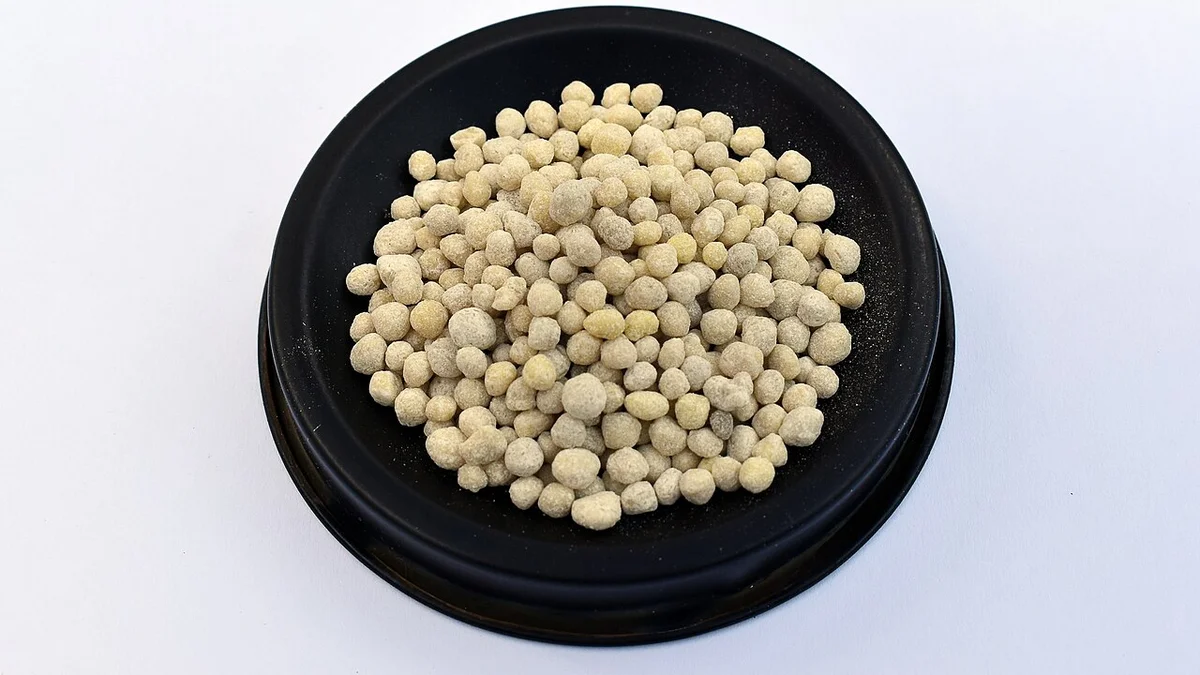
Balanced soil fertilization through NPK complexes (Nitrogen, Phosphorus, and Potassium) represents the cornerstone of modern Indian agronomy and sustainable agricultural productivity. While traditional Indian farming has historically over-relied on straight urea (leading to distorted N:P:K ratios exceeding 8.2:3.2:1 against the ideal 4:2:1 benchmark), targeted complex NPK fertilizers provide pre-homogenized, chemically granulated macro-nutrients that eliminate nutrient stratification in the soil. Supervised under the central Nutrient Based Subsidy (NBS) policy administered by the Department of Fertilizers (Department of Fertilizers Portal) and guided by the Soil Health Card Scheme (National Soil Health Portal) alongside the Indian Council of Agricultural Research (ICAR Agronomy Division), complex NPK grades and bio-NPK consortia enhance crop yields, bolster disease resistance, and optimize fertilizer investment returns.
1. Major Complex NPK Fertilizer Grades Traded in India
The Fertilizer (Inorganic, Organic or Mixed) (Control) Order (FCO) recognizes several standardized multi-nutrient complex formulations manufactured and distributed by major cooperatives and commercial fertilizer corporations such as IFFCO, KRIBHCO, Coromandel International (Gromor), Deepak Fertilisers (Mahadhan), and Paradeep Phosphates:
- NPK 12-32-16 (High Phosphate Complex): Contains 12% total Nitrogen, 32% available Phosphate (P2O5), and 16% soluble Potash (K2O). Formulated specifically as a high-potency basal fertilizer for deep root establishment, vigorous early tillering, and enhanced node count in wheat, paddy, sugarcane, and potato.
- NPK 10-26-26 (Equal Phosphate & Potash Complex): Contains 10% Nitrogen, 26% Phosphate, and 26% Potash. Highly favored for potash-loving crops like banana, potato, oil palm, cotton, onion, and pulses, where high potassium reinforces cell walls, minimizes lodging, and expands fruit size.
- NPK 20-20-0-13 (Ammonium Phosphate Sulphate): Contains 20% Nitrogen, 20% Phosphate, and 13% elemental Sulphur. Indispensable for oilseed crops (mustard, groundnut, soybean) and pulses, where sulphur acts as a vital catalyst for oil synthesis and protein crystallization.
- NPK 19-19-19 (100% Water Soluble Fertilizer - WSF): Completely soluble crystal powder engineered for drip fertigation and foliar spraying during rapid vegetative flushes and floral bud initiation, ensuring immediate nutrient absorption without soil fixation.
| NPK Grade & Formulation | Physical State & Method | N-P-K-S Ratio (%) | Subsidized 50 Kg Bag Price | Primary Recommended Crops |
|---|---|---|---|---|
| NPK 12-32-16 (IFFCO/KRIBHCO) | Granular (Basal Soil) | 12 : 32 : 16 : 0 | Rs 1,470 – Rs 1,550 | Wheat, Paddy, Sugarcane, Potato |
| NPK 10-26-26 (Gromor/IFFCO) | Granular (Basal / Top) | 10 : 26 : 26 : 0 | Rs 1,470 – Rs 1,550 | Cotton, Banana, Onion, Groundnut |
| NPK 20-20-0-13 (Sulphur) | Granular (Basal Soil) | 20 : 20 : 0 : 13 | Rs 1,250 – Rs 1,350 | Mustard, Soybean, Pulses, Garlic |
| NPK 14-35-14 (Gromor) | Granular (Root Booster) | 14 : 35 : 14 : 0 | Rs 1,520 – Rs 1,600 | Maize, Paddy, Vegetable Transplants |
| NPK 19-19-19 (WSF Drip Grade) | 100% Water Soluble Powder | 19 : 19 : 19 : 0 | Rs 130 – Rs 170 / 1 Kg Pouch | Greenhouses, Drip Fertigation, Foliar |
| Bio-NPK Liquid Consortia | Liquid Bacterial Consortium | Microbial Inoculant | Rs 180 – Rs 260 / 1 Litre Bottle | All Crops (Seed Treatment & Drip) |
2. Nutrient Based Subsidy (NBS) Policy and 50 Kg Bag Pricing
Unlike straight urea (which operates under a statutory maximum retail price regime), phosphatic and potassic (P&K) complex fertilizers fall under the decontrolled Nutrient Based Subsidy (NBS) scheme. Under NBS, the central government announces fixed per-kilogram subsidy rates for Nitrogen (N), Phosphorus (P), Potassium (K), and Sulphur (S) bi-annually for Kharif and Rabi cropping seasons.
Fertilizer manufacturers deduct this subsidy directly from production or import costs, making subsidized 50 kg bags available through licensed retail Point of Sale (PoS) terminals at uniform prices across India. Standard 50 kg bags of 12-32-16 and 10-26-26 retail between ₹1,470 and ₹1,550 per bag, while sulphur-enriched 20-20-0-13 retails between ₹1,250 and ₹1,350 per bag. Farmers must authenticate through Aadhaar biometric or OTP verification at authorized retail outlets (IFFCO Cooperative Portal).
3. Physiological Roles: Why Nitrogen, Phosphorus & Potassium Matter
Each component within the NPK triumvirate fulfills unique biological functions within the plant vascular system:
- Nitrogen (N): Essential building block of amino acids, proteins, and chlorophyll molecules. Drives rapid vegetative canopy expansion, leaf area index (LAI), and vigorous shoot biomass. Deficiency symptoms manifest as premature chlorosis (yellowing) of older lower leaves.
- Phosphorus (P): Structural backbone of adenosine triphosphate (ATP), nucleic acids (DNA/RNA), and phospholipids. Drives primary root elongation, early seedling vigor, profuse flowering, and synchronized grain setting. Deficiency leads to purplish-red anthocyanin pigmentation on lower leaf surfaces and stunted root systems.
- Potassium (K): Regulates stomatal aperture mechanics, translocates photosynthates from leaves to reproductive storage sinks (tubers, grain heads, fruit clusters), and activates over 60 enzymatic processes. Enhances plant drought tolerance, cold hardiness, and resistance to fungal blights. Deficiency exhibits characteristic marginal leaf scorch and tip burn on mature foliage.
4. Bio-NPK Consortia: Cutting Chemical Dependency by 25%
To restore deteriorating soil microbiological health and reduce chemical fertilizer bills, the National Centre for Organic Farming (NCOF) and ICAR strongly advocate integrating liquid Bio-NPK consortia into standard nutrient management regimens. Bio-NPK is a synergistic multi-strain bacterial formulation containing:
- Nitrogen-Fixing Bacteria (Azotobacter chroococcum / Azospirillum brasilense): Non-symbiotic and associative bacteria that convert atmospheric dinitrogen into plant-available ammonium ions in the rhizosphere (fixing 20–30 kg N/ha).
- Phosphate Solubilizing Bacteria (Bacillus megaterium / Pseudomonas striata): Secrete organic acids (gluconic, citric, and lactic acids) that dissolve insoluble tricalcium phosphate and iron-aluminum complexes in alkaline and acidic soils, liberating 15–25 kg P2O5/ha.
- Potash Mobilizing Bacteria (Frateuria aurantia): Solubilize insoluble silicates and locked soil feldspar minerals into absorbable potassium ions (mobilizing 10–15 kg K2O/ha).
- Economic Benefits: Applying 1 liter of liquid Bio-NPK consortia via seed treatment, root dipping, or drip fertigation allows farmers to safely cut synthetic chemical fertilizer doses by 20% to 25% without sacrificing crop yields.
5. Best Application Practices: Basal vs Foliar Fertigation
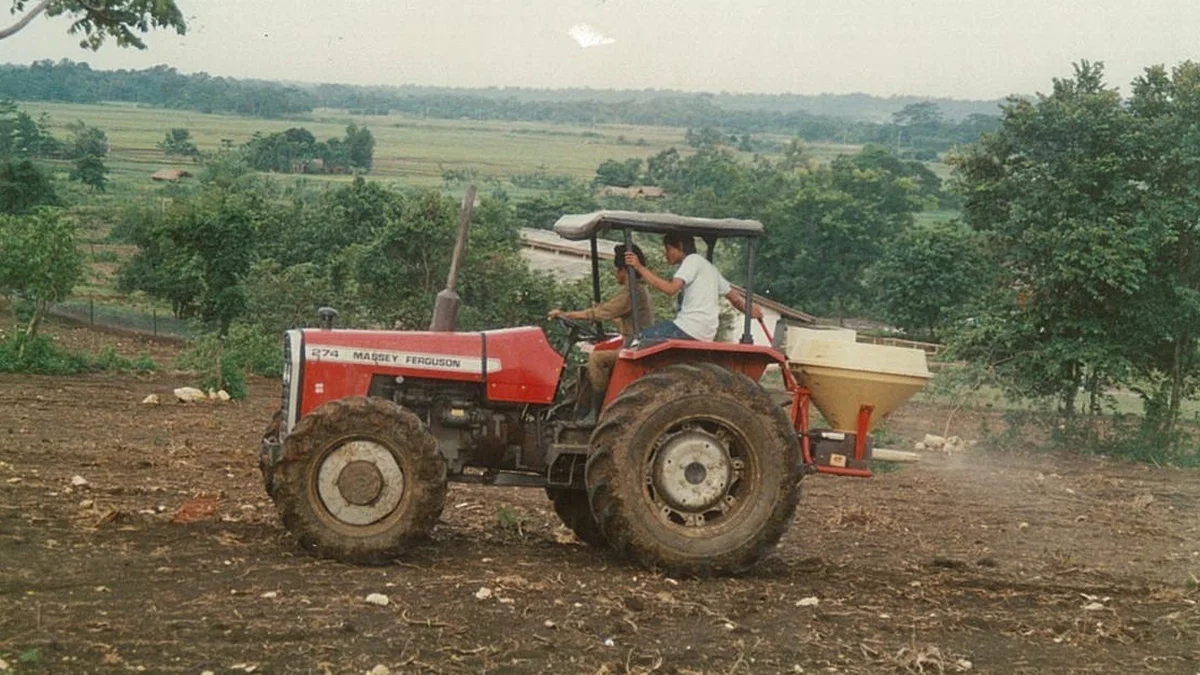
Proper application timing dictates fertilizer use efficiency (FUE). Granular complex fertilizers (such as 12-32-16 and 10-26-26) should be applied strictly as basal dressings placed 5 cm below and 5 cm to the side of the seed line using seed-cum-fertilizer drills. Surface broadcasting leads to heavy ammonia volatilization and phosphate fixation in upper soil layers.
For standing horticultural crops and greenhouse cultivation, 100% water-soluble 19-19-19 should be delivered via drip irrigation at a concentration of 1.0 to 1.5 grams per liter of water, or applied as foliar sprays at 0.5% (5 grams per liter) during the early vegetative and flower-initiation stages.
6. Crop Nutrition, Mechanized Spraying & Protected Farming Integration
Optimizing yields for growers adopting npk requires aligning balanced crop inputs, timely pest protection, and reliable mechanical application. Growers systematically coordinate crop care through DAP 50 kg bag subsidy and application rates, Saaf systemic and contact fungicide dosage, Roko (Thiophanate Methyl) disease control schedule, Coragen stem borer and caterpillar control, selective and pre-emergent herbicide management, commercial flower seed varieties, certified seeds policy and germination standards, rajgira amaranth seed farming. Modern field execution and transport rely heavily on comparing specs and subsidies across field tractor power testing and safety buying checks, Solis 4515 E Yanmar-tech tractor specifications, Swaraj 744 FE and XT torque and fuel economy.
7. Institutional Credit, APMC Realizations & Allied Commodity Trends
Financing seasonal crop inputs through institutional banking and selling into transparent wholesale markets safeguards per-acre profitability. Growers benchmark regional supply arrivals and MSP procurement across water-soluble NPK 19-19-19 foliar spray dosage, castor seed GCH hybrid prices, Maharashtra sugar mill ex-factory and APMC rates, domestic S-30 and M-30 sugar mill pricing, sugar release quota and FRP economics, ethanol blending and sugar wholesale trends, retail and wholesale chini rate benchmarks, sarso ka bhav APMC updates, regional sarso mandi rates, mustard seed wholesale benchmarks, cold-pressed mustard oil economics, mill-quality wheat realizations. Key grain, oilseed, and pulse realization corridors additionally track state wheat procurement benchmarks, APMC wheat arrivals and central buffer MSP, onion storage life and wholesale arrivals, Lasalgaon and metro onion mandi quotations, cotton market CCI MSP rates, all-India APMC mandi bhav directory, Piplia Mandi wholesale garlic auctions, Neemuch Mandi posta dana and ashwagandha benchmarks, Ramganj Mandi coriander trading yard, Bhawani Mandi Rajasthan commodity rates, Betul Mandi oilseed and maize auctions, Bhattu Mandi Haryana mustard and wheat auctions, Gazipur Sabji Mandi wholesale vegetable rates. Agricultural diversification and specialty value chains spanning spices, plantation crops, dairy, and poultry offer steady cash flow—tracked via commercial button and oyster mushroom cultivation, Spices Board cardamom auction prices, small green cardamom e-auction grades, Kashmiri Mongra saffron prices and GI purity, processed cashew kernel export grades, W180 and W240 cashew wholesale pricing, raw cashew nut (RCN) processing realizations, California and Mamra almond wholesale rates, Kashmiri walnut giri and shell-out grades, dried fig (anjeer) cultivation and mandi prices, Hass avocado commercial orchard economics, red and white dragon fruit per-kg realizations.
Other specialized horticulture and livestock enterprises include Karnataka supari and arecanut auction prices, Shivamogga and TUMCOS adike mandi rates, Rubber Board RSS-4 sheet quotations, Kottayam natural rubber spot rates, Arabica and Robusta coffee curing benchmarks, daily NECC wholesale egg price movements, all-India NECC egg rate directory, Namakkal poultry belt NECC dispatch rates, Barwala layer farm paper rates and margins. Operational working capital, DBT cash transfers, and subsidized farm solar or e-KYC infrastructure can be accessed via Kisan Credit Card 4% subvention loan and KRP application, PM-KISAN installment status and PFMS verification, PM-KUSUM solar irrigation pump capital subsidy. Primary regulatory notifications, technical bulletins, and statutory benchmark portals are published by Department of Fertilizers (Ministry of Chemicals & Fertilizers), National Soil Health Card Portal (DAC&FW), Indian Farmers Fertiliser Cooperative (IFFCO), and Indian Council of Agricultural Research (ICAR).
Frequently asked questions
- What does NPK stand for on a fertilizer bag?
- NPK stands for Nitrogen (N), Phosphorus (P, expressed as P2O5), and Potassium (K, expressed as K2O). The three numbers indicate the exact percentage by weight of these primary macronutrients in the fertilizer.
- What is the price of an IFFCO 50 kg NPK fertilizer bag in India?
- Under the central government Nutrient Based Subsidy (NBS) scheme, a 50 kg bag of granular NPK 12-32-16 or NPK 10-26-26 retails at an indicative subsidized price between ₹1,470 and ₹1,550 at authorized cooperative and retail PoS terminals. Official regulatory guidelines can also be verified on the Department of Fertilizers (Ministry of Chemicals & Fertilizers).
- What is the difference between NPK 19-19-19 and granular NPK 12-32-16?
- NPK 19-19-19 is a 100% water-soluble powder used for drip fertigation and foliar spraying with equal nutrient ratios. Granular NPK 12-32-16 is a high-phosphate soil-applied basal fertilizer designed for slow nutrient release and deep root establishment.
- Why is NPK 10-26-26 recommended for cash crops like onion and potato?
- NPK 10-26-26 contains 26% potassium (K2O), which promotes sugar and starch translocation into developing bulbs and tubers, strengthens plant cell walls against fungal blights, and extends post-harvest shelf life. Official regulatory guidelines can also be verified on the National Soil Health Card Portal (DAC&FW).
- What is the role of Sulphur in NPK 20-20-0-13 fertilizer?
- Sulphur is an essential macronutrient for oilseed crops (mustard, soybean, groundnut) and pulses. It acts as a catalyst for amino acid synthesis (cysteine and methionine) and significantly enhances seed oil concentration.
- What is Bio-NPK and how does it save fertilizer costs?
- Bio-NPK is a liquid microbial consortium containing nitrogen-fixing bacteria, phosphate-solubilizing bacteria (PSB), and potash-mobilizing bacteria (KMB). Applying Bio-NPK enables farmers to cut chemical fertilizer application by 20% to 25%.
- How should farmers calculate their custom NPK fertilizer requirements?
- Farmers should test their field soil via the official Soil Health Card scheme (soilhealth.dac.gov.in). Soil test reports specify available N, P, and K status and provide crop-specific balanced fertilizer dosage recommendations.
- Can NPK 19-19-19 be mixed with insecticides or fungicides in foliar sprays?
- Yes, water-soluble NPK 19-19-19 is generally compatible with most non-alkaline insecticides and fungicides. However, a small jar compatibility test is advised before tank-mixing, and it should never be combined with copper fungicides or calcium nitrates.
- What is the Nutrient Based Subsidy (NBS) scheme?
- NBS is a central government policy under which fixed per-kilogram subsidy rates are allocated to Nitrogen, Phosphorus, Potassium, and Sulphur, allowing manufacturers to sell complex fertilizers to farmers at affordable, uniform rates.
- What happens when farmers apply excess nitrogen (urea) without NPK balance?
- Excess nitrogen causes rapid, succulent vegetative growth with weak stems prone to lodging, increases susceptibility to insect pests and fungal blights, delays crop maturity, and impairs flowering and fruit set.
- What is the recommended application depth for granular NPK fertilizers?
- Granular NPK should be placed 5 cm below the seed and 5 cm to the side using a seed-cum-fertilizer drill. Surface broadcasting should be avoided because phosphorus and potassium move very slowly through the soil profile.
- Where can farmers verify official subsidized NPK bag prices in India?
- Farmers can verify subsidized retail prices on the Department of Fertilizers portal (fert.nic.in), the IFFCO cooperative portal (iffco.in), and via the DBT Fertilizer Point of Sale (PoS) dashboard.
This article is for general information only and is not financial advice. Loan and scheme eligibility depends on partner and government criteria.