NPK 19 19 19 Price 2026: Fertilizer Dose, Uses & Guide

NPK 19:19:19 (commonly known among farmers as 19:19:19 or simply 19-19) is one of India’s most widely utilized 100% Water-Soluble Fertilizers (WSF). Specifically formulated under statutory specifications of the Fertilizer Control Order (FCO 1985), NPK 19:19:19 delivers an exact balanced ratio of 19% Total Nitrogen (N), 19% Available Phosphorus (P2O5), and 19% Water-Soluble Potassium (K2O). Indicative retail prices in 2026 range between ₹140 and ₹185 per 1 kg pouch, while commercial 25 kg bags for drip fertigation retail between ₹3,100 and ₹3,850 depending on brand manufacturer (such as IFFCO, Mahadhan, Coromandel, or Yara) as of November 2026.
Unlike standard granular soil fertilizers like Urea or DAP which exhibit slower dissolution and significant leaching losses in soil profiles, 100% water-soluble NPK 19:19:19 dissolves completely in water without leaving gritty insoluble residue. This micro-fine solubility makes it the gold standard for precision foliar spraying and micro-drip fertigation across horticultural crops, vegetables, cotton, sugarcane, and high-yielding cereal grain crops. Understanding correct application timing, dosage calculations (grams per liter or kilograms per acre), and chemical compatibility prevents leaf scorch and maximizes input return on investment.
NPK 19 19 19 Price List 2026: 1kg Pouch & 25kg Bag Rates Across Brands
The market price of NPK 19:19:19 is determined by raw material import costs (ammonia, phosphoric acid, and potassium nitrate/chloride), purification quality, brand accreditation, and packaging size. The table below presents prevailing indicative retail and wholesale prices across leading manufacturers in India:
| Manufacturer / Brand | Grade & Formulation | 1kg Pouch Price (₹) | 25kg Bag Price (₹) | Key Agronomic Feature |
|---|---|---|---|---|
| IFFCO 19:19:19 WSF | 100% Water-Soluble FCO Grade | ₹140 – ₹160 | ₹3,100 – ₹3,500 | Lowest salt index, readily available at PACS & IFFCO eBazar |
| Mahadhan 19:19:19 (Deepak Fertilisers) | Imported Technical Grade WSF | ₹155 – ₹185 | ₹3,400 – ₹3,850 | Acidic pH, rapid foliar absorption, EDTA micronutrient compatibility |
| Coromandel Gromor 19:19:19 | WSF Horticultural Special | ₹150 – ₹175 | ₹3,300 – ₹3,750 | Enhanced root-stimulating phosphorus polyphosphates |
| YaraTera Kristalon 19:19:19 | Premium Global Grade with Micro Mix | ₹210 – ₹260 | ₹4,500 – ₹5,200 | Fully chelated trace minerals, zero sodium, zero chlorine |
| RCF Suphala WSF 19:19:19 | Public Sector Technical WSF | ₹145 – ₹168 | ₹3,200 – ₹3,600 | Standard FCO compliant, economical broad-acre farming |
| Tata Paras 19:19:19 | Water-Soluble Crop Nutrition | ₹148 – ₹172 | ₹3,250 – ₹3,650 | Balanced nitrate and ammoniacal nitrogen ratio |
| Generic State Agro / Private WSF | Standard Domestic WSF | ₹130 – ₹150 | ₹2,950 – ₹3,350 | Economical bulk fertigation for open-field field crops |
Source: Department of Fertilizers (DoF), Fertilizer Control Order (FCO) & ICAR agronomy price bulletins. Indicative retail and wholesale market prices, November 2026. Spot prices may vary by state transport cess, local dealer margins, and GST rates (5% HSN 3105).
Nutritional Composition & Chemical Architecture of 19:19:19
What makes NPK 19:19:19 uniquely effective is its balanced tripartite chemical composition. Under FCO standards, the 19% Nitrogen is split across three distinct forms to ensure both immediate and sustained nitrogen nutrition:
- Nitrate Nitrogen (NO3-N, ~4.0%): Readily absorbed by plant roots and foliage within 2 to 4 hours of application without requiring biological transformation. Provides an immediate greening surge.
- Ammoniacal Nitrogen (NH4-N, ~4.5%): Positively charged cations that bind to soil clay-humus complexes, resisting rapid leaching and providing sustained nitrogen over 7 to 10 days.
- Urea Nitrogen (Amide-N, ~10.5%): Highly soluble non-ionic nitrogen that diffuses effortlessly through leaf cuticles during foliar spraying, converted internally into plant amino acids.
- Water-Soluble Phosphate (P2O5, 19.0%): Derived from monopotassium phosphate (MKP) or monoammonium phosphate (MAP), providing ortho-phosphate ions (H2PO4-) that power ATP cellular energy synthesis and vigorous root branching.
- Water-Soluble Potash (K2O, 19.0%): Derived from potassium nitrate or low-chloride potassium sources, facilitating stomatal regulation, osmotic pressure balance, and active sugar transport from leaves to growing sinks.
Dosage Guide: Foliar Spray vs Drip Fertigation Application Rates
Applying the proper dosage of NPK 19:19:19 is critical. Under-dosing fails to stimulate growth, while excessive concentration can trigger leaf scorch (osmotic plasmolysis). Recommended application schedules developed by ICAR agricultural research institutes include:
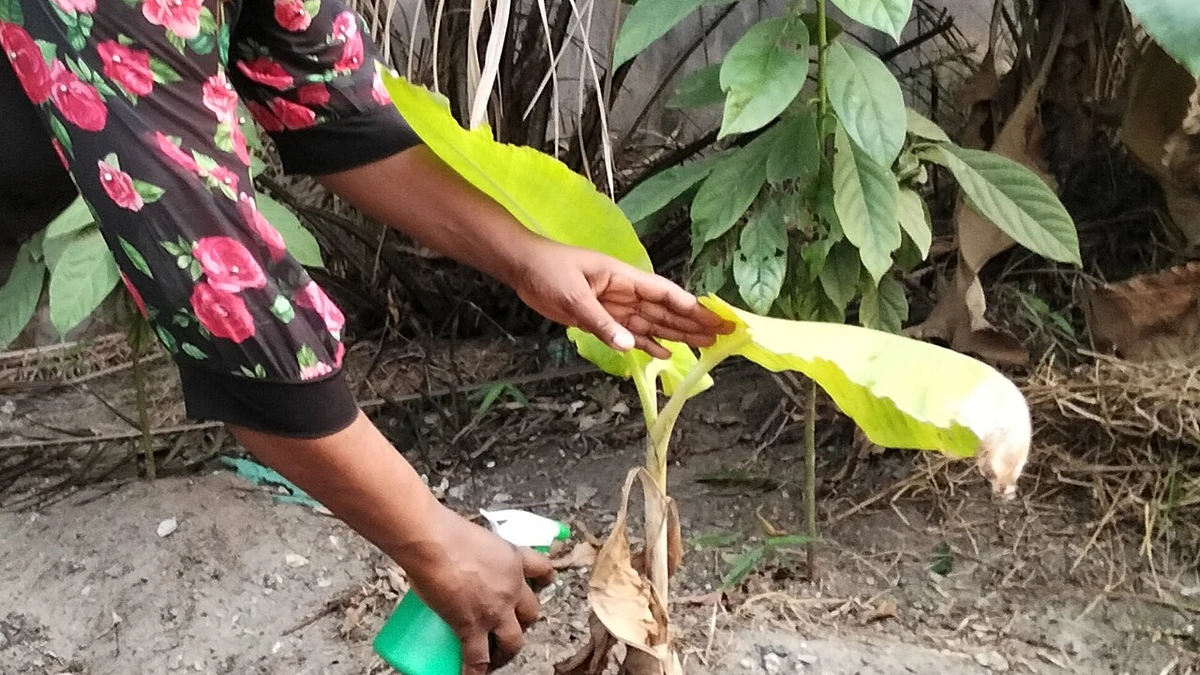
1. Foliar Spray Application Protocol
Foliar feeding delivers nutrients directly through leaf stomata and micro-pores, bypassing soil root binding or alkaline pH locks:
- Standard Concentration: 4.0 to 5.0 grams per liter of clean water (0.4% to 0.5% concentration).
- Per 15-Litre Knapsack Sprayer Pump: Mix 60 to 75 grams of NPK 19:19:19 thoroughly in the tank.
- Per 16-Litre Battery / Power Sprayer Pump: Mix 65 to 80 grams per tank.
- Per Acre Water Volume: Dissolve 1.0 kg to 1.25 kg in 200 to 250 liters of water per acre.
- Drone Spraying (Ultra-Low Volume): Mix 800g to 1.0 kg per acre in 10 to 12 liters of water, combined with a certified silicon non-ionic surfactant / spreader.
- Optimal Spray Timing: Spray early in the morning (07:00 AM – 10:30 AM) or late afternoon (04:00 PM – 06:30 PM) when humidity is high and stomata are fully open. Never spray during blistering midday heat.
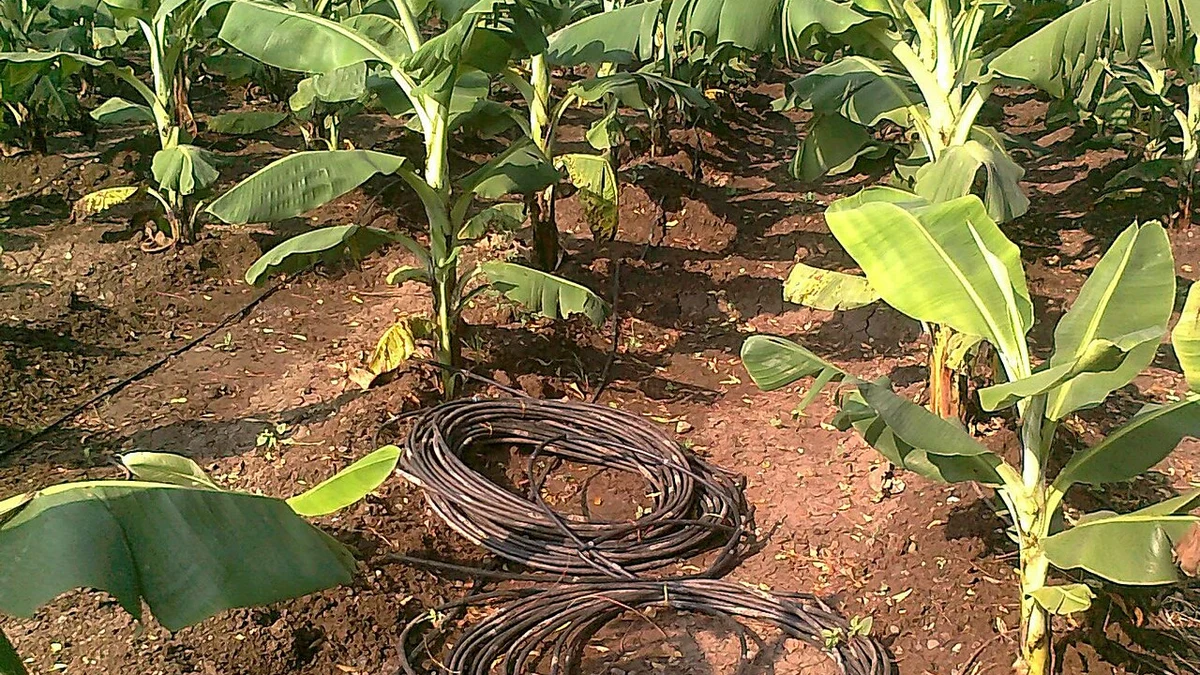
2. Drip Fertigation Application Protocol
Drip fertigation injects dissolved nutrients through Venturi injectors or fertilizer dosing pumps directly into the localized root zone:
- Per-Acre Dosage: 2.5 kg to 4.0 kg per acre per irrigation run.
- Application Frequency: Apply once every 7 to 10 days during the vegetative and active tillering/branching growth stages.
- Dissolution Technique: Always pre-dissolve the fertilizer in a clean plastic bucket with water (1 kg fertilizer in 5 liters water) before pouring it into the Venturi suction tank.
- Flushing Protocol: Run clean irrigation water for 15 minutes before fertigation to pressurize the system, inject the fertilizer solution over 30 to 45 minutes, and flush with clean water for another 15 minutes to clear lateral drippers of chemical deposits.
Crop-Specific Application Stages & Field Recommendations
NPK 19:19:19 is engineered as an all-purpose starter and vegetative booster. Key crop stages where 19:19:19 produces the highest yield response include:
- Paddy (Rice): First spray at active tillering stage (25–30 days after transplanting). Stimulates productive tiller formation and accelerates canopy closure.
- Wheat: Apply at Crown Root Initiation (CRI) and tillering stage (21–45 days after sowing) to promote deep root system establishment and strong culm thickness; growers can track market realization via our gehu rate today guide.
- Cotton (Narma): Spray at 35–40 days after sowing (vegetative squaring) and repeat at 55–60 days (early boll formation) to prevent square drop and encourage sympodial branching.
- Sugarcane: Apply via drip or drenching during formative and grand tillering phases (45 to 90 days after cane sett planting).
- Vegetables (Tomato, Chili, Capsicum, Brinjal): Drip feed 3 kg/acre weekly starting 15 days after seedling transplanting until flower bud differentiation.
- Onion & Garlic: Spray @ 5g/L at 30 and 45 days after transplanting to accelerate leaf area index before bulb initiation begins.
- Fruit Orchards (Mango, Citrus, Guava, Pomegranate): Apply during post-pruning vegetative shoot flush to nourish newly emerged leaf flushes.
Tank Mix Compatibility, Precautions & Mixing Rules
While NPK 19:19:19 possesses high chemical purity, violating basic fertilizer tank-mixing rules can result in clogged drip emitters and spray nozzle blockages:
- DO NOT Mix with Calcium Nitrate: Mixing 19:19:19 (which contains phosphate) with Calcium Nitrate creates insoluble Calcium Phosphate (Ca3(PO4)2) precipitates—a milky white sludge that permanently plugs drip emitters.
- Compatible with Most Crop Protection Chemicals: NPK 19:19:19 can be safely tank-mixed with standard insecticides featured in our broad spectrum insecticide guide and systemic fungicides like Saaf fungicide, Nativo fungicide, and modern broad spectrum fungicides when diluted in full spray tanks powered by high-pressure agricultural spray machines.
- Avoid Copper & Sulfur Fungicides: Do not combine with Bordeaux mixture, copper oxychloride, or elemental sulfur, as alkaline chemical reactions induce severe leaf phytotoxicity.
- Conduct Jar Test: Before mixing new chemical combinations in a 200-liter drum, mix proportional quantities in a 1-liter glass jar. Shake and observe for 15 minutes. If curdling, sedimentation, or excessive gas evolution occurs, do not mix.
Frequently asked questions
- What is the current price of NPK 19 19 19 fertilizer in India?
- In 2026, 1 kg pouches of 100% water-soluble NPK 19:19:19 retail between ₹140 and ₹185 across reputable brands like IFFCO, Mahadhan, and Coromandel. Commercial 25 kg bags for drip fertigation retail between ₹3,100 and ₹3,850 per bag.
- What is the recommended foliar spray dose for NPK 19 19 19?
- The standard foliar spray dose is 4.0 to 5.0 grams per liter of water (60 to 75 grams per 15-litre knapsack sprayer pump using calibrated agricultural spray machines). For broad-acre spraying, dissolve 1.0 kg to 1.25 kg in 200 to 250 liters of water per acre.
- Can NPK 19 19 19 be given through drip irrigation?
- Yes. NPK 19:19:19 is 100% water-soluble and engineered specifically for drip fertigation. The standard recommended fertigation rate is 2.5 kg to 4.0 kg per acre per application, delivered at 7 to 10-day intervals during vegetative growth.
- At what crop growth stage should NPK 19 19 19 be applied?
- NPK 19:19:19 is best applied during the early vegetative, branching, and tillering stages (15 to 45 days after planting or transplanting). It builds strong root architecture, accelerates vegetative foliage development, and enhances tillering.
- Can NPK 19 19 19 be mixed with insecticides and fungicides?
- Yes. NPK 19:19:19 is chemically compatible with most neutral insecticides and crop protectors like Saaf fungicide and broad spectrum fungicides. However, it must never be mixed with Calcium Nitrate or copper/sulfur based agrochemicals.
- What is the difference between NPK 19:19:19 and granular NPK 12:32:16 or DAP?
- NPK 19:19:19 is a 100% water-soluble fertilizer designed for foliar spraying and drip irrigation, absorbing within hours. Granular DAP fertilizer and NPK 12:32:16 are basal soil-applied fertilizers that require weeks to dissolve and undergo soil microbial transformation.
- Why should NPK 19 19 19 not be mixed with Calcium Nitrate?
- Mixing NPK 19:19:19 with Calcium Nitrate produces insoluble Calcium Phosphate precipitate. This chalky sediment clogs spray nozzles, filters, and drip irrigation emitters, rendering the nutrients unavailable to plants.
- Does NPK 19 19 19 contain chlorine or heavy metals?
- High-grade 100% water-soluble NPK 19:19:19 manufactured under FCO standards is virtually chlorine-free (chloride content <1.5%) and free from harmful heavy metals, making it safe for salt-sensitive crops like grapes, pomegranate, and greenhouse vegetables.
- What are the main benefits of spraying NPK 19 19 19 on crops?
- Benefits include: rapid greening within 48 hours, accelerated vegetative shoot growth, profuse tillering in cereals, enhanced drought tolerance via potassium stomatal regulation, and balanced replenishment of depleted primary nutrients.
- Can NPK 19 19 19 be used for agricultural drone spraying?
- Yes. For agricultural drone spraying, dissolve 800g to 1.0 kg of NPK 19:19:19 per acre in 10 to 12 liters of water. Always incorporate an approved non-ionic silicon spreader to ensure uniform micro-droplet adhesion.
- What is the shelf life of NPK 19 19 19 fertilizer?
- When stored in its original sealed moisture-proof packaging in a cool, dry warehouse away from direct sunlight, NPK 19:19:19 has an effective shelf life of 2 to 3 years. Reseal partially used bags tightly to prevent ambient moisture absorption.
- How does NPK 19 19 19 compare with NPK 13 00 45 or 00 52 34?
- NPK 19:19:19 is a balanced vegetative fertilizer. In contrast, NPK 00:52:34 (MKP) is applied during flowering to stimulate bloom initiation, while NPK 13:00:45 is used during grain filling; plan your complete crop cycle using our fertilizer calculator and Department of Fertilizers guidelines.
This article is for general information only and is not financial advice. Loan and scheme eligibility depends on partner and government criteria.