Saaf Fungicide: Carbendazim Mancozeb Dose & Price 2026
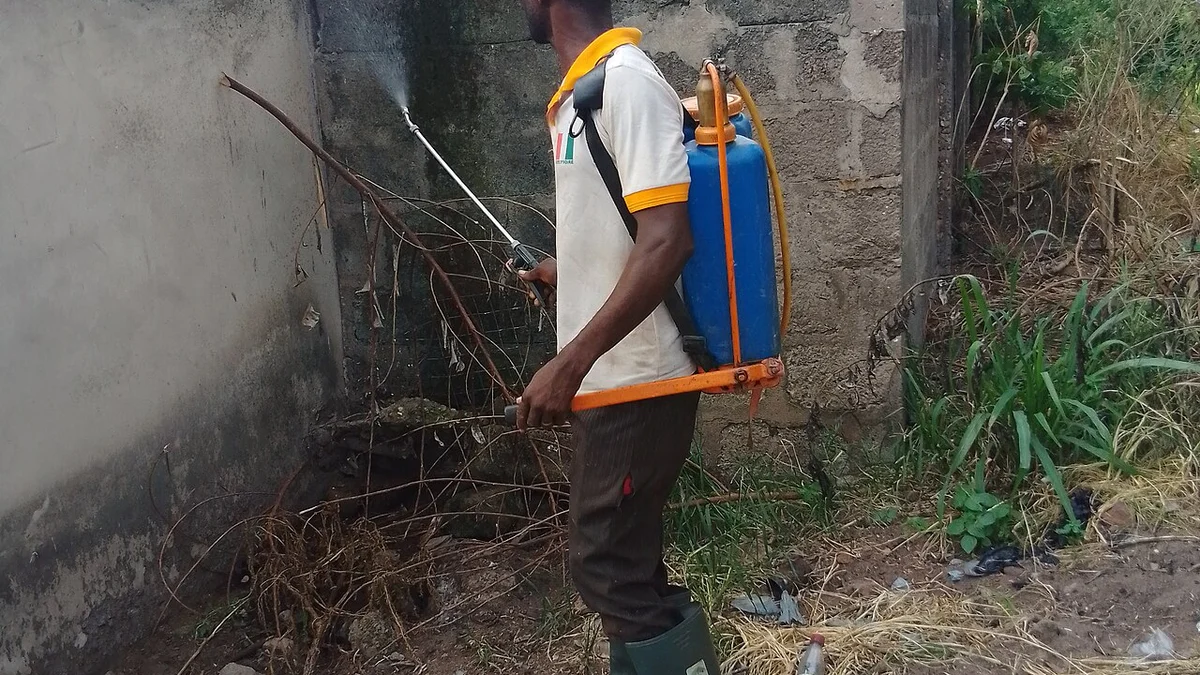
Key takeaways
- Saaf fungicide is a proven dual-action broad-spectrum fungicide manufactured by UPL Limited, combining systemic Carbendazim 12% with contact Mancozeb 63% WP (wettable powder).
- The combination provides both curative systemic action (inhibiting fungal nuclear division) and preventive surface shield protection (inactivating multi-site respiratory enzymes).
- Standard foliar spray dosage is 1.5 to 2.0 grams per litre of water (300 to 400 grams per acre in 200 litres of water) for paddy blast, potato early blight, and groundnut tikka spot.
- Highly effective for seed treatment at 2.0 to 2.5 grams per kg of seed, protecting emerging seedlings against damping-off, collar rot, and seed-borne anthracnose.
- Indicative retail market prices range from ₹95 to ₹115 for a 100g pouch, ₹190 to ₹220 for 250g, ₹360 to ₹410 for 500g, and ₹680 to ₹760 for a 1kg pack as of November 2026.
Fungal infections account for significant yield depressions across Indian agriculture, frequently causing between 25% and 60% harvest losses in staple cereals, oilseeds, commercial horticulture, and vegetable crops. Among the most trusted crop protection formulations used by Indian farmers for over three decades is Saaf fungicide (widely searched simply as saaf or upl saaf fungicide). Combining the potent systemic active carbendazim (12%) with the broad-spectrum contact protectant mancozeb (63%) in a wettable powder (WP) matrix, carbendazim mancozeb delivers dual-barrier defense against both surface spore germination and deep-tissue mycelial invasion.
Whether managing blast and sheath blight in high-yield basmati paddy, fighting severe early and late blight in potato fields, treating groundnut kernels against devastating tikka leaf spot, or protecting young vegetable nurseries from damping-off rot, carbendazim + mancozeb provides an economical, versatile, and highly reliable treatment. With competitive saaf fungicide price levels compared to newer triazole or strobilurin chemistries, Saaf remains the cornerstone of integrated disease management (IDM) programs recommended by agricultural universities and Krishi Vigyan Kendras (KVKs). This comprehensive guide breaks down the active technical biochemistry, recommended dosage per acre, crop-specific spray timing, seed treatment protocols, retail price benchmarks, tank-mix compatibility, and vital safety standards.
What is Saaf fungicide? Technical composition & chemical profile
Saaf fungicide is a scientifically balanced premix wettable powder fungicide developed and marketed by UPL Limited (United Phosphorus Limited). Its registered technical formulation contains Carbendazim 12% + Mancozeb 63% WP by weight, alongside 25% inert formulation adjuvants and wetting agents that ensure rapid dispersion in spray water and uniform leaf adherence.
The strength of the Saaf formulation lies in pairing two distinct chemical classes with non-overlapping biochemical targets:
- Carbendazim (12% WP - Methyl benzimidazol-2-ylcarbamate): Belongs to the benzimidazole group (FRAC Code 1). It is an acropetally translocated systemic fungicide absorbed rapidly by green leaves, stems, and roots. Once absorbed, it travels upward through the xylem vascular bundle, arresting fungal tubulin polymerization and stopping mitosis (cell division).
- Mancozeb (63% WP - Zinc and manganese ethylenebisdithiocarbamate): Belongs to the dithiocarbamate group (FRAC Code M03). It is a non-systemic, contact protective fungicide that forms a persistent physical layer over plant surfaces. Mancozeb possesses multi-site activity, reacting with and inactivating sulphydryl (-SH) groups of amino acids and enzymes in fungal cells, halting cellular respiration and spore germination.
- Anti-Resistance Synergy: Because single-site systemic fungicides (like carbendazim alone) carry moderate to high risks of pathogen resistance evolution, co-formulating it with multi-site contact mancozeb prevents resistant pathogen strains from proliferating, sustaining long-term field efficacy.
Crops and target diseases controlled by Saaf fungicide
Registered under Central Insecticides Board & Registration Committee (CIBRC) standards, Saaf fungicide provides broad-spectrum curative and preventive control across an extensive spectrum of field, plantation, and vegetable crops. The table below outlines the primary registered crops, specific fungal pathogens controlled, and critical application windows:
| Crop Category | Target Fungal Diseases | Scientific Pathogen Name | Recommended Window |
|---|---|---|---|
| Paddy (Rice) | Blast (Neck & Leaf), Sheath Blight | Pyricularia oryzae, Rhizoctonia solani | Maximum tillering & panicle emergence |
| Groundnut | Tikka Leaf Spot, Collar Rot | Cercospora personata, Aspergillus niger | 35-40 days after sowing or first spot |
| Potato | Early Blight, Late Blight | Alternaria solani, Phytophthora infestans | Foliage canopy closure, preventive pre-rain |
| Tomato & Chilli | Fruit Rot (Anthracnose), Damping Off | Colletotrichum capsici, Pythium spp. | Nursery drenching & flowering onset |
| Grapes & Mango | Anthracnose, Powdery Mildew | Elsinoe ampelina, Colletotrichum gloeosporioides | New vegetative flush & post-pruning |
| Tea & Commercial | Black Rot, Blister Blight | Corticium invisum, Exobasidium vexans | Onset of monsoon rains in pruned bushes |
Recommended dosage & application methods: foliar, drenching & seed treatment
Accurate dosing is essential to ensure complete disease eradication while preventing phytotoxicity or chemical residue buildup. Saaf fungicide can be applied through three primary agronomic techniques:
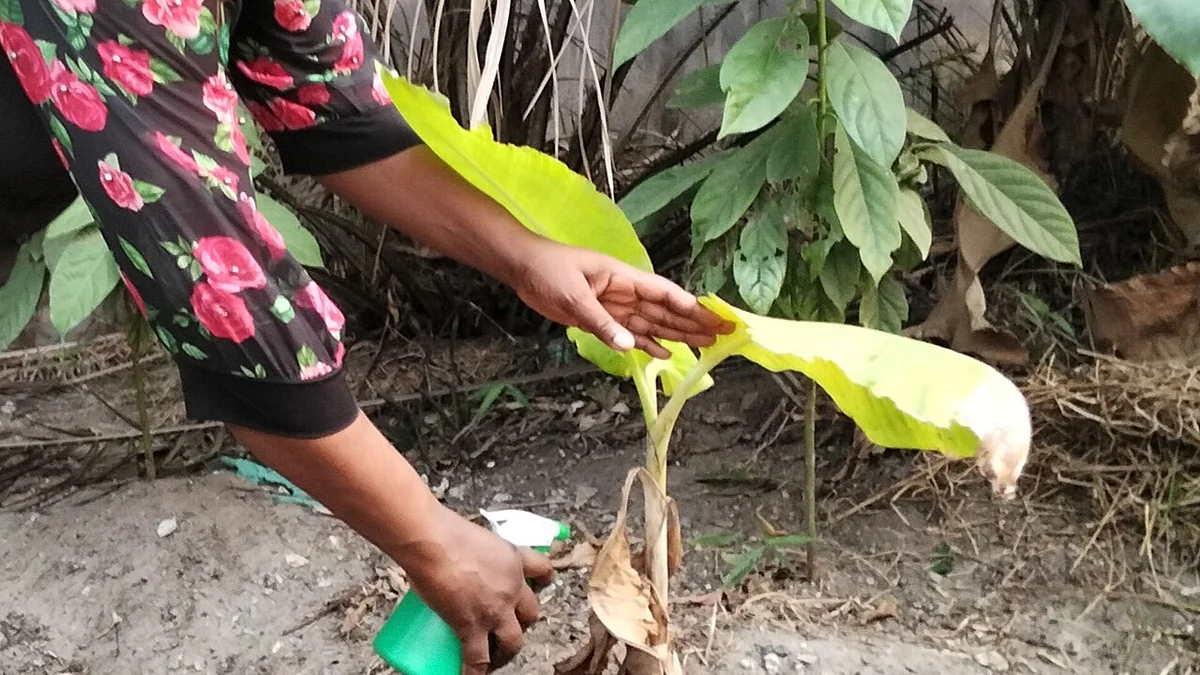
- 1. Foliar Spray Application: For standing crops, dissolve 1.5 to 2.0 grams of Saaf powder per 1 litre of clean water. For one acre of field crops (such as paddy, wheat, or groundnut), mix 300 to 400 grams of Saaf into 150 to 200 litres of water. Use hollow-cone spray nozzles to achieve fine mist droplets that coat both upper and lower leaf surfaces uniformly.
- 2. Seed Treatment (Dry & Wet Slurry): Treating seeds before sowing creates an antifungal protective zone around the germinating seed. Use 2.0 to 2.5 grams of Saaf powder per 1 kilogram of certified seed. For wet slurry treatment, mix the required quantity of Saaf with 15-20 ml of water per kg of seed, thoroughly coat the seeds, and dry in shade for 30 minutes before field planting.
- 3. Soil Drenching & Nursery Bed Protection: To protect high-value vegetable nurseries (tomato, onion, capsicum, cabbage) from damping-off, pythium root rot, or rhizoctonia wilt, prepare a drenching solution of 2.5 to 3.0 grams per litre of water. Saturate the seedbed root zone evenly using a rose-can or nozzle-less knapsack lance.
Saaf fungicide retail price list (Indicative ranges, November 2026)
The retail price of UPL Saaf fungicide varies slightly across Indian states based on distributor freight, local agricultural dealer margins, and state GST concessions. Below are the current indicative retail market prices across standard commercial pack sizes as of November 2026:
| Pack Size | Formulation Type | Indicative Retail Price Range (₹) | Average Treatment Coverage |
|---|---|---|---|
| 100 Grams Pouch | Wettable Powder (WP) | ₹95 – ₹115 | 50 to 65 Litres spray solution |
| 250 Grams Pouch | Wettable Powder (WP) | ₹190 – ₹220 | 125 to 150 Litres spray solution |
| 500 Grams Pack | Wettable Powder (WP) | ₹360 – ₹410 | 1 to 1.25 Acres field foliar coverage |
| 1.0 Kilogram Box | Wettable Powder (WP) | ₹680 – ₹760 | 2.5 to 3.0 Acres complete foliar protection |
Source: Indicative ranges, November 2026. Sourced from wholesale agrochemical distribution networks, state seed corporations, and registered APMC farmer service cooperatives. Always check the hologram, batch code, and manufacturing date on UPL packaging to avoid counterfeit products.
Saaf vs Nativo vs Bavistin: fungicide comparison matrix
Farmers frequently evaluate Saaf against alternatives like Bavistin (pure Carbendazim 50% WP) or premium strobilurin premixes like Nativo (Tebuconazole 50% + Trifloxystrobin 25% WG). The following comparative matrix highlights key technical trade-offs:
| Feature / Attribute | UPL Saaf Fungicide | Bavistin (Carbendazim 50%) | Bayer Nativo Fungicide |
|---|---|---|---|
| Active Composition | Carbendazim 12% + Mancozeb 63% WP | Carbendazim 50% WP | Tebuconazole 50% + Trifloxystrobin 25% WG |
| Mode of Action | Systemic + Contact (Multi-site) | Pure Systemic (Single-site) | Systemic + Mesostemic (Dual curative/preventive) |
| Resistance Risk | Low (buffered by multi-site Mancozeb) | Moderate to High | Low to Moderate |
| Cost Per Acre | ₹280 – ₹340 per application | ₹180 – ₹240 per application | ₹850 – ₹1,100 per application |
| Best Suited For | Cost-effective broad-spectrum control | Basic seed treatment & early vegetative | High-value fruit finishing & export horticulture |
For in-depth analysis on premium strobilurin crop protection alternatives, explore our complete agronomic breakdown of nativo fungicide.
Step-by-step mixing, spray preparation & safety guidelines
Improper mixing can cause powder clumping, nozzle clogging, and uneven chemical distribution. Follow these best-practice steps when preparing a Saaf spray solution:
- Slurry Preparation (Pre-mixing): Never pour dry Saaf powder directly into a full 200-litre spray barrel. Instead, measure the required dosage in a clean plastic bucket with 5 litres of water. Stir thoroughly with a wooden paddle until a smooth, lump-free slurry is formed.
- Tank Filling: Fill the spray tank or barrel halfway with clean, particulate-free water (avoid muddy canal water that binds to active molecules). Pour the premixed slurry into the tank while stirring continuously.
- Top-up & Wetting Agent Addition: Fill the remaining volume of water. Adding a non-ionic agricultural silicon spreader/sticker (at 0.5 ml per litre of water) enhances droplet spreading and rainfastness, especially during the monsoon season.
- Weather & Wind Timing: Spray during early morning (6:00 AM to 9:30 AM) or late afternoon (4:00 PM to 6:30 PM) when atmospheric temperatures are moderate and relative humidity aids absorption. Avoid spraying during intense midday heat or when wind speeds exceed 10 km/h.
- Personal Protective Equipment (PPE): Always wear rubber gloves, eye goggles, and a protective mask covering nose and mouth during mixing and application. Wash hands, face, and clothing thoroughly with soap after finishing the spray operation.
- Pre-Harvest Interval (PHI): Observe a statutory pre-harvest interval of 15 to 20 days between the final Saaf application and harvesting food crops to guarantee safe, residue-free produce for mandis and consumers.
Integrated crop protection, input economics & farm mechanization
Cultivators can balance disease management with broader farm agronomy. Compare dual-action protection against strobilurin chemistry in our Nativo fungicide guide, integrate balanced plant nutrition via our DAP fertilizer application guide, and structure field operations with our paddy cultivation guide. Cash-crop realisations can be tracked through our market analyses on cotton market rates and wholesale onion prices.
For efficient field spraying and soil tillage, examine machinery specs across our rotavator price guide, the versatile mini tractor price list, and high-performance tractors like the Mahindra tractor range and Swaraj 855 FE. Plan seasonal equipment purchases with our tractor loan EMI calculator.
Regulatory label specifications, maximum residue limits (MRLs), and crop protection advisories can be accessed through the Central Insecticides Board & Registration Committee (CIBRC), agronomic trials from the Indian Council of Agricultural Research (ICAR), farm welfare initiatives via the Ministry of Agriculture & Farmers Welfare, and terminal arrivals on Agmarknet.
Frequently asked questions
- What is Saaf fungicide and what is its technical composition?
- Saaf fungicide is a dual-action broad-spectrum wettable powder fungicide manufactured by UPL Limited. Its technical composition consists of Carbendazim 12% (a systemic benzimidazole) and Mancozeb 63% (a contact dithiocarbamate), providing combined curative and preventive disease management registered by the CIBRC.
- What is the recommended dosage of Saaf fungicide per acre for paddy and vegetables?
- For field crops like paddy, groundnut, and vegetables (potato, tomato, chilli), the recommended foliar dosage is 1.5 to 2.0 grams per litre of water, which translates to approximately 300 to 400 grams of Saaf powder per acre diluted in 150 to 200 litres of clean water.
- Can Saaf fungicide be used for seed treatment?
- Yes, Saaf is highly effective for dry or wet seed treatment at 2.0 to 2.5 grams per kg of certified seed. It eliminates seed-borne fungal spores and shields emerging radicles and plumules from soil pathogens causing collar rot and damping-off.
- What are the primary plant diseases controlled by Saaf fungicide?
- Saaf controls a broad array of fungal pathogens including paddy blast (leaf and neck blast), sheath blight, groundnut tikka leaf spot, potato early and late blight, tomato fruit rot (anthracnose), powdery mildew, and seedling damping-off. Compare disease spectrums with our Nativo fungicide guide.
- What is the retail price of Saaf fungicide in India in 2026?
- As of November 2026, indicative retail market prices for UPL Saaf are approximately ₹95–₹115 for 100g, ₹190–₹220 for 250g, ₹360–₹410 for 500g, and ₹680–₹760 for a 1kg commercial box. Compare with fertilizer expenses on our DAP fertilizer price guide.
- Is Saaf fungicide systemic or contact in action?
- Saaf fungicide is both systemic and contact. The Carbendazim 12% component enters the plant vascular system to eliminate established fungal hyphae curatively, while Mancozeb 63% remains on leaf surfaces as a multi-site protective barrier preventing new spore germination.
- Can Saaf fungicide be mixed with chemical insecticides or fertilizers?
- Saaf is compatible with commonly used non-alkaline insecticides (such as imidacloprid, thiamethoxam, or chlorantraniliprole) and neutral foliar micronutrients. However, it should never be tank-mixed with lime sulphur, Bordeaux mixture, copper fungicides, or strongly alkaline chemical solutions. Scientific guidelines are detailed by ICAR.
- What is the pre-harvest interval (PHI) for Saaf fungicide?
- The recommended statutory pre-harvest interval (PHI) for Saaf fungicide is generally 15 to 20 days depending on the crop. Harvest should not occur until the PHI period has elapsed to ensure produce meets maximum residue limit (MRL) safety standards.
- How many days does Saaf fungicide provide protective residual control?
- Saaf provides residual fungicidal protection for 10 to 14 days under standard conditions. If heavy rain occurs within 2 hours of application or under high disease pressure, a repeat application may be necessary after 10 to 12 days.
- Is Saaf effective against downy mildew or bacterial blight?
- Saaf is specifically formulated for fungal diseases like blast, blights, anthracnose, and leaf spots. It is not effective against bacterial leaf blight (Xanthomonas), which requires copper bactericides or validamycin/streptomycin formulations, as documented in our paddy crop protection guide.
- Can Saaf fungicide be used for soil drenching in nursery beds?
- Yes, prepare a solution of 2.5 to 3.0 grams of Saaf per litre of water and drench nursery beds thoroughly around the root zone to eliminate damping-off and rhizoctonia root rot in young seedlings.
- Where can farmers purchase genuine UPL Saaf fungicide?
- Farmers can purchase genuine UPL Saaf from authorized agricultural input dealers, primary agricultural credit societies (PACS), state agro-centers, and verified e-commerce platforms. Always inspect the UPL brand security hologram and batch QR code before purchase.
This article is for general information only and is not financial advice. Loan and scheme eligibility depends on partner and government criteria.