Sugar Today Rate: Maharashtra Ex-Mill & APMC Price Guide
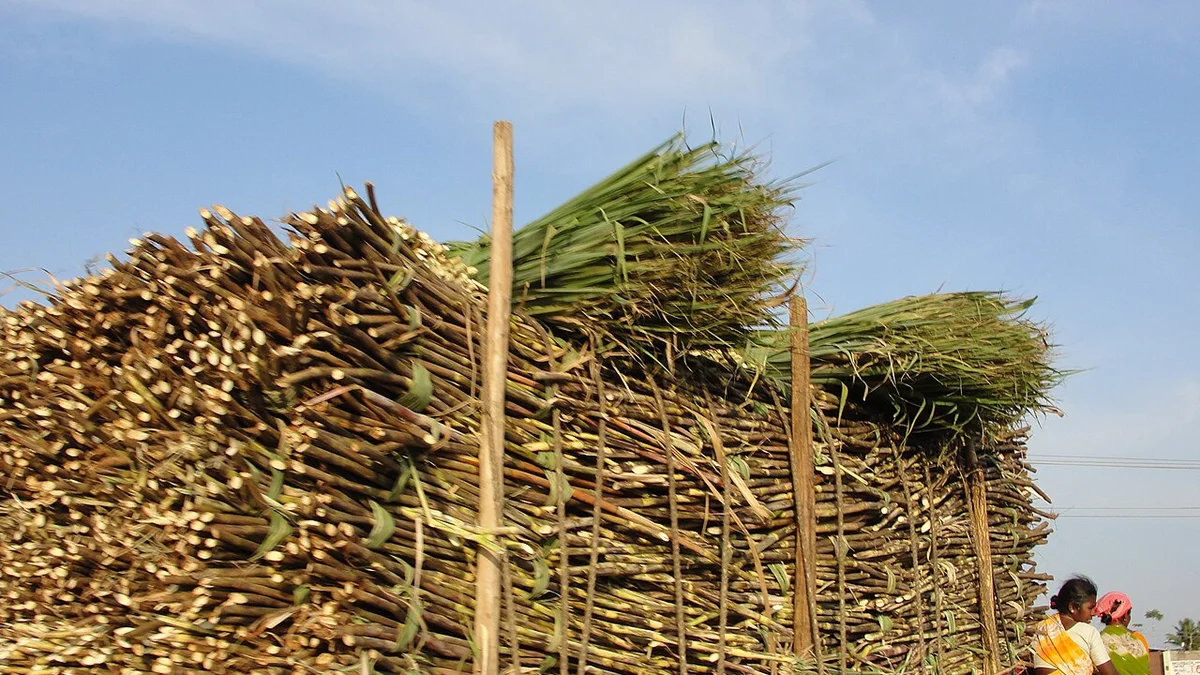
Sugar today rate dynamics across India are anchored predominantly by Maharashtra’s cooperative sugar mills and the premier wholesale distribution terminal at the Vashi APMC market in Navi Mumbai. As India’s top sugarcane and refined white sugar manufacturing hub alongside Uttar Pradesh, Maharashtra produces over one-third of the nation’s annual sugar output through more than 200 operational cooperative and private mills across Kolhapur, Sangli, Solapur, Ahmednagar, and Pune districts. Governed under the Essential Commodities Act and regulated by the Department of Food and Public Distribution (DFPD Official Portal) alongside the National Federation of Cooperative Sugar Factories (NFCSF Sugar Federation), wholesale sugar quotations dictate procurement economics for bulk confectioneries, beverage conglomerates, and domestic retail consumers nationwide.
1. Indicative Wholesale Sugar Rates across Key Commercial Centers
Wholesale sugar pricing in Maharashtra is split between factory gate (ex-mill) prices quoted directly by cooperative mills and wholesale spot prices recorded at consumption mandis like Vashi Navi Mumbai, Pune Market Yard, and Nagpur Kalamna Mandi. The following table highlights indicative modal benchmarks recorded during recent trading sessions:
| Market Center & Grade | Packaging Type | Min Price (Rs/Qtl) | Modal Price (Rs/Qtl) | Max Price (Rs/Qtl) | Retail Equivalent (Rs/Kg) |
|---|---|---|---|---|---|
| Kolhapur Ex-Mill (M-30 Grade) | 50 Kg Jute/PP Bag | Rs 3,680 | Rs 3,750 | Rs 3,820 | Rs 42.00 – Rs 44.00 |
| Pune / Ahmednagar (S-30 Grade) | 50 Kg Jute/PP Bag | Rs 3,580 | Rs 3,640 | Rs 3,710 | Rs 40.00 – Rs 42.50 |
| Vashi APMC Navi Mumbai (M-30) | Spot Delivery Lot | Rs 3,840 | Rs 3,920 | Rs 4,020 | Rs 43.50 – Rs 46.00 |
| Vashi APMC Navi Mumbai (S-30) | Spot Delivery Lot | Rs 3,720 | Rs 3,800 | Rs 3,890 | Rs 42.00 – Rs 44.50 |
| Solapur Cooperative Mill Gate | Bulk Mill Dispatch | Rs 3,620 | Rs 3,680 | Rs 3,740 | Rs 41.50 – Rs 43.00 |
| Nagpur APMC Wholesale Yard | Commercial Rake Delivery | Rs 3,880 | Rs 3,960 | Rs 4,050 | Rs 44.00 – Rs 46.50 |
| Retail Consumer Packaged (Branded) | 1 Kg Pouch (FMCG) | Rs 4,400 | Rs 4,600 | Rs 4,800 | Rs 44.00 – Rs 48.00 |
2. Understanding Sugar Commercial Grading: M-30 vs S-30
In the Indian domestic trade, white refined crystal sugar is classified strictly under Bureau of Indian Standards (BIS) specifications based on two parameters: crystal grain dimension and color brightness (ICUMSA value). The two dominant commercial grades traded across Maharashtra mandis are:
- M-30 Grade Sugar: The letter “M” designates Medium crystal grain size (calibrated between 1.2 mm and 1.7 mm), while the number “30” denotes superior optical luster and low ICUMSA color score (below 100 to 150 units). M-30 is the premium grade preferred by household consumers, premium mithai manufacturers, and carbonated soft drink bottlers due to its sparkling white visual appeal and rapid dissolution.
- S-30 Grade Sugar: The letter “S” designates Small crystal grain size (between 0.8 mm and 1.2 mm), with the identical “30” high-whiteness index. S-30 sells at an indicative discount of ₹50 to ₹100 per quintal compared to M-30, making it the choice of commercial bakeries, institutional biscuit makers, pharmaceutical syrup blenders, and traditional halwais.
3. Factors Influencing Sugar Rates in Maharashtra
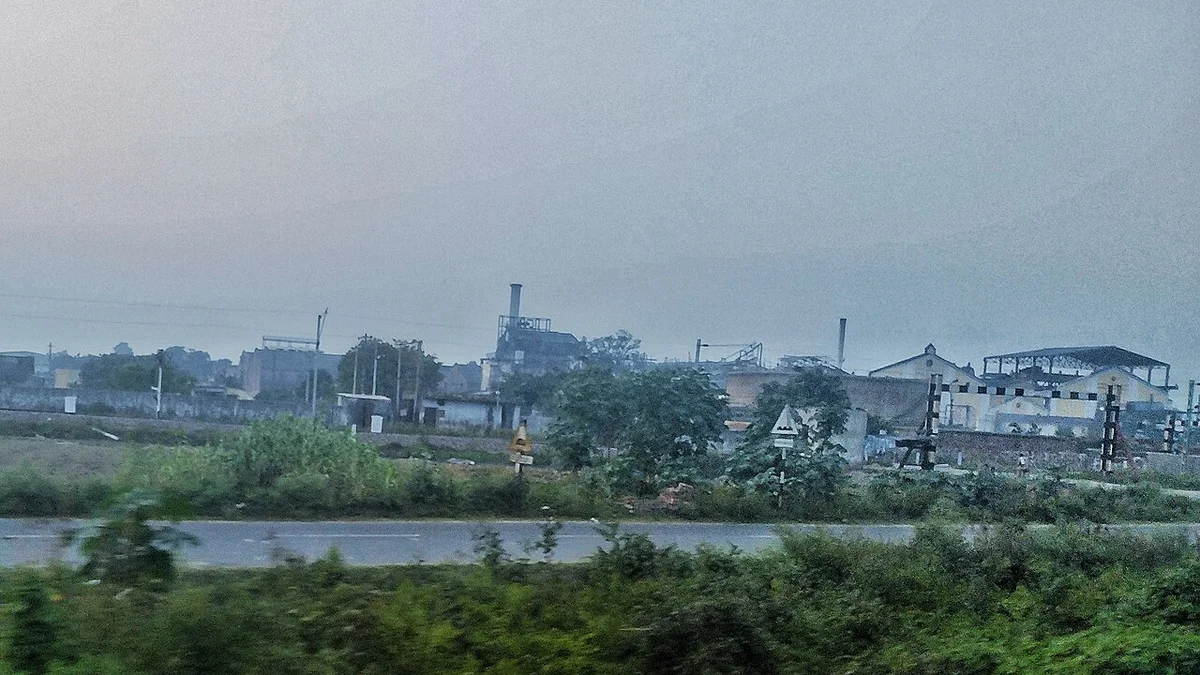
Wholesale sugar values do not move in isolation; rather, they reflect a tightly calibrated equilibrium between state agricultural policies, international trade dynamics, and domestic consumption quotas:
- Monthly Domestic Sales Quota: The Directorate of Sugar under DFPD issues strict monthly sugar release quotas to every operating factory in India. By regulating the precise volume of sugar each mill can dispatch into the free market, the central government prevents gluts, curbs speculative hoarding, and stabilizes wholesale retail prices.
- Statutory Minimum Selling Price (MSP): Established by the central government at ₹3,100 per quintal, the MSP acts as a legal floor price below which no sugar mill is permitted to liquidate stock. This statutory floor protects factories from insolvency and ensures funds remain available for cane arrears settlement.
- Ethanol Blending Programme (EBP) Diversion: Under the National Biofuel Policy, mills divert significant quantities of sugarcane juice, syrup, and B-Heavy molasses into bioethanol production for 20% blending with petrol. Increased ethanol diversion diminishes white sugar output, supporting domestic wholesale rates while generating immediate distillery cash flows for factories.
- Fair and Remunerative Price (FRP) of Sugarcane: The Union Cabinet determines the baseline FRP (fixed at ₹340 per quintal at a basic recovery rate of 10.25%). Because cane cost represents over 70% of sugar manufacturing expenditure, changes in FRP directly influence ex-mill breakeven costs.
4. The Role of Vashi APMC Mandi in Mumbai Consumer Pricing
The Agricultural Produce Market Committee (APMC) at Vashi in Navi Mumbai serves as the primary commercial transit bottleneck through which over 65% of the Mumbai Metropolitan Region’s (MMR) domestic and commercial sugar passes. Operating hundreds of licensed wholesale trading houses (Vyaparis) and broker firms, Vashi receives daily road consignments from sugar factories in Kolhapur, Satara, Sangli, and Solapur via the Mumbai-Pune Expressway and NH 48 corridor.
Wholesale rates published daily by the Bombay Sugar Merchants Association (BSMA) at Vashi incorporate freight charges (averaging ₹90 to ₹140 per quintal from southern Maharashtra mills), loading/unloading mathadi labor charges, local APMC mandi cess, and merchant margins. Retail kirana stores, supermarket chains (such as DMart and Reliance Fresh), and e-commerce platforms calculate consumer retail prices by tacking on packaging, distribution overhead, and retail margins to Vashi wholesale base bids.
5. Warehousing Guidelines, Bagging & Moisture Management
Refined crystal sugar is highly hygroscopic, meaning it absorbs ambient moisture readily from humid air. When stored improperly in tropical coastal environments like Mumbai or Konkan ports, moisture causes crystal clumping (caking), molasses leaching, discoloration, and microbial inversion of sucrose into non-crystallizable reducing sugars (glucose and fructose).
Commercial wholesalers follow strict WDRA warehousing guidelines: bags must be stacked on elevated wooden pallets at least 30 cm above concrete flooring and 60 cm away from exterior walls to prevent damp absorption. Modern mills pack sugar in 50 kg laminated polypropylene (BOPP) woven bags with heat-sealed food-grade polyethylene inner liners that maintain moisture below 0.04% throughout long-distance transit and monsoon storage.
6. Navigating Festive Demand Swings and Price Cycles
Domestic sugar consumption exhibits sharp cyclical surges corresponding to India’s festival calendar. Wholesale off-take peaks sharply between August and November, driven successively by Raksha Bandhan, Ganesh Chaturthi, Durga Puja, Dussehra, and Diwali. A secondary demand surge occurs during the winter wedding season (December to February) and early summer (March to May) when commercial beverage, ice cream, and juice manufacturers ramp up production.
To cushion consumer budgets against festive inflation, the Ministry of Consumer Affairs coordinates with DFPD to allocate additional monthly release quotas to mills during festive months, ensuring adequate pipeline liquidity and preventing speculative retail price spikes above ₹45 per kilogram.
7. Sugarcane Crop Economics, Mill Logistics & Agro-Commodities
Wholesale sugar pricing directly governs cane arrears payments and farmer realizations across premier sugarcane belts in Maharashtra, Uttar Pradesh, and Karnataka. Commercial sugar mill realizations can be cross-referenced with mill-level price updates in our chini ka rate today guide alongside national APMC market trends. Because sugarcane farming involves high working capital and extensive land commitments, growers monitor complementary commercial cash crop indices—including daily onion mandi rates, spot mustard seed prices, and regional sarso mandi bhav.
In southern plantation belts, cultivators track wholesale Shivamogga adike rate today, all-India arecanut price today, wholesale cashew kernel price benchmarks, and raw cashew nut farm-gate rates. For direct selling of agricultural produce, growers utilize Kisan Mandi direct trade platforms and regional trade terminals like Muhana Mandi Jaipur. Diversified cash flow can also be assessed through high-value dragon fruit cultivation profits, amaranth seed production, NECC wholesale egg rates, and the Barwala egg market price.
8. Agri-Logistics, Farm Mechanization, Credit & Government Support
Sugarcane harvesting and transport to mill collection centers requires rugged haulage vehicles. Farmers can optimize rural transport using versatile carriers like the Mahindra Supro mini truck or clean transport subsidized under the PM E-DRIVE electric vehicle subsidy. High-tonnage field haulage relies on heavy-duty tractors such as the Swaraj 744 FE tractor, the Mahindra 575 DI, the Eicher 380, and modern John Deere tractors, subsidized under the PM Kisan tractor subsidy program and combine harvester price benchmarks.
Sugarcane cultivation inputs and harvesting labor can be financed through concessional institutional working capital via the Kisan Credit Card (KCC) scheme. Farmers mitigate weather risks and localized pest damage through PMFBY crop insurance tracking, direct income transfers through PM Kisan beneficiary verification, state welfare under CM Kisan Odisha DBT, and labour registration on UPLMIS shramik labour card.
Water management in water-intensive sugarcane ratoon crops is optimized via automated drip irrigation funded under the PM Krishi Sinchayee Yojana, guided by soil fertility assessments through Soil Health Card soil testing. Destructive sugarcane insect pests like pyrilla and borers are controlled with imidacloprid insecticide dosage, while red rot and smut are suppressed using certified treatments from our broad spectrum fungicide guide and Roko fungicide, discovered on Farm Search. In integrated farming, growers maintain indigenous Gir cow dairy units, Murrah buffalo dairy farming, and commercial goat farming to utilize sugarcane tops as nutritious cattle fodder.
Official statutory Fair and Remunerative Price (FRP) notifications, Minimum Selling Price (MSP) directives, and monthly mill sales quotas are administered by the Department of Food and Public Distribution (DFPD), the Commission for Agricultural Costs & Prices (CACP), the Indian Sugar & Bio-Energy Manufacturers Association (ISMA), and the Food Safety and Standards Authority of India (FSSAI).
Frequently asked questions
- What is the current wholesale sugar rate today in India in 2026?
- The wholesale ex-mill price of commercial sugar (M-30 and S-30 grades) ranges from ₹3,750 to ₹3,950 per quintal (₹37.50 to ₹39.50 per kg) in Maharashtra and Uttar Pradesh mills, governed by monthly release quotas from the Department of Food & Public Distribution (DFPD).
- What is the difference between M-30 and S-30 sugar grades in Indian mandis?
- M-30 (Medium crystal size, 30 color ICUMSA units) features larger crystals and is preferred in northern Indian household markets. S-30 (Small crystal size, 30 color units) has finer crystals and is preferred by commercial confectionery and beverage industries.
- What is the statutory Minimum Selling Price (MSP) of sugar set by the Government?
- The central statutory Minimum Selling Price (MSP) of white sugar is set at ₹3,100 per quintal, ensuring sugar mills do not sell below operational production costs to guarantee cane FRP settlement to farmers.
- How does the Fair and Remunerative Price (FRP) protect sugarcane farmers?
- The Fair and Remunerative Price (FRP) fixed by the Commission for Agricultural Costs & Prices (CACP) is the legally mandated minimum price that sugar mills must pay sugarcane farmers, linked to basic sucrose recovery rates.
- Why are sugar rates in Vashi Navi Mumbai and Kolhapur significant benchmarks?
- Vashi Navi Mumbai is western India's largest wholesale terminal market, and Kolhapur is Maharashtra's primary sugar-producing cluster. Prices discovered in these hubs set baseline trading rates across central and southern India.
- Can sugarcane farmers get subsidized working capital loans through KCC?
- Yes, sugarcane cultivators can access crop loans and working capital assistance through the Kisan Credit Card (KCC) scheme at 4% effective interest with timely repayment subvention.
- How does ethanol blending (E20) support domestic sugar prices?
- The national ethanol blending program diverts surplus sugarcane juice and B-heavy molasses to biofuel distilleries under ISMA industry initiatives, preventing domestic sugar market gluts and stabilizing mill cash flows.
- How can commercial food manufacturers verify sugar purity standards?
- Commercial sugar consignments must comply with FSSAI quality regulations and Indian Standards (IS 5982), ensuring minimum 99.5% polarization, maximum 0.08% moisture, and zero harmful bleaching residues.
- How does transporting sugarcane in modern vehicles reduce weight loss?
- Transporting fresh sugarcane promptly using reliable carriers like the Mahindra Supro commercial vehicle minimizes moisture loss and inversion of sucrose into non-crystallizable reducing sugars.
- How does drip irrigation in sugarcane cultivation reduce production costs?
- Drip fertigation saves 40% to 50% irrigation water and increases sugarcane yield by 20 to 30 tonnes per acre, supported by capital subsidies under the PM Krishi Sinchayee Yojana.
- Where can farmers find comprehensive tools for equipment and mandi search?
- Cultivators can utilize our dedicated Farm Search equipment and mandi tool to evaluate local market trends, transport options, and implement specifications.
- What should a farmer do if a sugar mill delays cane FRP payment beyond 14 days?
- Under the Sugarcane (Control) Order 1966, sugar mills must settle payment within 14 days of cane delivery. If delayed, farmers are entitled to 15% annual penal interest, recoverable through the State Cane Commissioner.
This article is for general information only and is not financial advice. Loan and scheme eligibility depends on partner and government criteria.