UPLMIS Portal Guide: UP Shramik Labour Card Registration
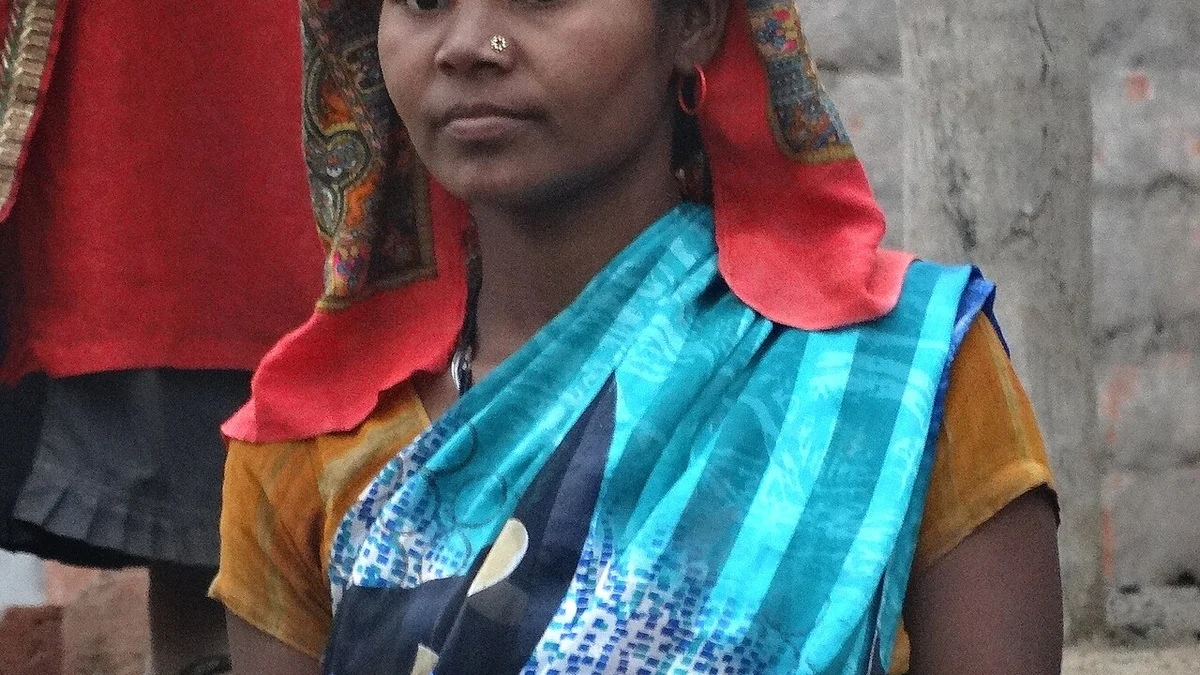
The unorganized labor force constitutes the foundational backbone of India’s economic productivity, encompassing agricultural laborers, rural construction workers, farm-gate loading crews, brick kiln operators, canal diggers, carpentry hands, and seasonal migrant harvesters. In the state of Uttar Pradesh—home to over 4 crore unorganized workers—the Department of Labour manages social security and welfare delivery through dedicated digital frameworks: the UP Labour Management Information System (UPLMIS) and the Uttar Pradesh Building and Other Construction Workers Welfare Board (UP BOCW). Together, these portals empower workers to complete labour panjiyan, obtain an official shramik card, and unlock a wide spectrum of statutory welfare entitlements.
Through the UPLMIS portal and UP BOCW online infrastructure, the state has eliminated bureaucratic delays, middlemen commissions, and physical paperwork. Eligible workers can apply for a labour card online, monitor their registration verification in real time, download digital identity credentials, and directly receive government assistance for housing construction, marriage assistance, maternity benefits, child education scholarships, toolkits, and retirement pensions directly via Direct Benefit Transfer (DBT). This operational guide explains the full functionality of UPLMIS, provides step-by-step registration instructions, details statutory BOCW UP welfare schemes, and outlines procedures for loan assistance and renewal.
1. What Is UPLMIS and How Does It Connect with UP BOCW?
The UP Labour Management Information System (UPLMIS) is an integrated governance software platform deployed by the Labour Department of Uttar Pradesh. It functions alongside the official UP BOCW board portal to centralize worker census data, verify employer muster rolls, track labor compliance, manage factory inspections, and administer state-sponsored welfare programs.
While UPLMIS provides comprehensive institutional and administrative oversight across factories, commercial establishments, and registered contract laborers, the UP BOCW portal handles individual worker welfare registrations under the Building and Other Construction Workers (Regulation of Employment and Conditions of Service) Act, 1996. A registered worker holding a verified labour card (also termed Majdoor Card or Shramik Card) gains legal recognition and entitlement to welfare funds financed through statutory construction cess collections.
2. Eligibility Criteria for UP Shramik Labour Card Registration
To register on UPLMIS / UP BOCW and qualify for a valid labour card, applicants must satisfy statutory employment benchmarks established under state labor rules:
- Age Requirement: The applicant must be between 18 and 60 years of age on the date of application submission.
- Mandatory Work Days: The applicant must have performed at least 90 days of eligible unorganized or construction work during the preceding 12 months. Proof is submitted via an Employer Certificate, Village Pradhan Certificate, or Trade Union Attestation.
- Eligible Trades & Occupations: Over 40 distinct manual and artisanal categories qualify, including: building masons (Rajmistri), brick kiln workers, earthwork excavators, farm irrigation drain workers, well diggers, centering and shuttering carpenters, painters, electricians, tile layers, road rollers, sanitary fitters, blacksmithy hands, and stone crushers.
- Residency: The applicant must be a permanent resident of Uttar Pradesh with a valid domicile or long-term residential address.
- Exclusion: Individuals enrolled in EPFO (Employees' Provident Fund), ESIC (Employees' State Insurance Corporation), or those paying income tax are strictly excluded from BOCW unorganized benefits.
3. Major Welfare Schemes and Financial Assistance Under UP BOCW
Holding a verified shramik card entitles the registered worker and their immediate dependent family members to more than a dozen targeted financial schemes funded by the welfare board:
| Scheme Name (Yojana) | Target Beneficiary | Financial Benefit / Scale of Assistance | Eligibility / Conditions |
|---|---|---|---|
| Awas Sahayata Yojana (Housing Grant / Loan) | Registered Cardholders without pucca house | ₹1,00,000 for new house construction; ₹15,000 for home renovation / repair | Minimum 3 years continuous registration; own land / patta required |
| Kanya Vivah Sahayata Yojana | Daughters of registered shramiks | ₹55,000 to ₹65,000 per daughter (up to 2 daughters); ₹61,000 in mass wedding events | Girl age 18+, boy age 21+; minimum 1 year card validity |
| Matritva, Shishu Evam Bal Sahayata | Female cardholders & wives of male workers | ₹20,000 for male child birth; ₹25,000 for female child birth (lump-sum grant) | Up to first two living children; hospital birth certificate required |
| Sant Ravidas Shiksha Protsahan Yojana | School & college-going children of workers | ₹100 to ₹5,000 per month from Class 1 through Post-Graduation / Engineering / Medical | Regular attendance; passing marks in recognized institutions |
| Mrityu, Viklangta Sahayata & Daah Sanskar | Family in event of accidental/natural death | ₹5,00,000 for work-site accidental death; ₹2,00,000 for natural death + ₹25,000 funeral aid | Immediate filing of claim with death certificate & post-mortem |
| Kaushal Vikas Evam Takniki Unnayan | Workers seeking skill upgradation | Free vocational training + daily wage compensation during training period | Certified by UP Skill Development Mission (UPSDM) |
| Solar Lighting & Bicycle Grant Scheme | Active shramik cardholders | Free bicycle or subsidy of ₹3,000; free solar lighting kit for rural homes | Minimum 2 years verified card registration |
| Pension Sahayata Yojana | Registered workers attaining age 60 | ₹1,000 per month lifetime pension; ₹1,000/mo family pension to spouse upon demise | Active cardholder for at least 10 consecutive years prior to age 60 |
Source: Uttar Pradesh Building and Other Construction Workers Welfare Board (upbocw.in) and Department of Labour, Government of UP (November 2026).
4. Step-by-Step Online Registration Process on UPLMIS / UP BOCW
Applying for a labour card online can be completed through a personal smartphone, laptop, or through a nearby Common Service Centre (CSC Jan Seva Kendra). Follow these sequential steps:
- Step 1: Access the Portal: Navigate to the official UP BOCW website (upbocw.in) or access the citizen registration portal via uplmis.in.
- Step 2: Initiate Shramik Panjiyan: Click on "Shramik Panjiyan Aavedan" (Worker Registration Application) on the homepage navigation banner.
- Step 3: Enter Aadhaar & Mobile Number: Input your 12-digit Aadhaar number, applicant name in Hindi and English, and active mobile number. Complete OTP authentication.
- Step 4: Fill Personal & Family Details: Enter marital status, father/husband name, category (SC/ST/OBC/General), current address, permanent native village address, and nominee details.
- Step 5: Provide 90-Day Work Certificate: Upload the work experience self-declaration or certificate issued by your contractor, employer, or Gram Pradhan confirming 90 days of labor in the last 12 months.
- Step 6: Bank Account & IFSC Details: Enter applicant bank account number, bank name, branch, and IFSC code. The bank account must be Aadhaar-linked (DBT-enabled) to receive financial payouts.
- Step 7: Upload Documents: Upload scanned passport-size photograph, bank passbook front page copy, and Aadhaar card (JPEG/PNG format under 100 KB).
- Step 8: Pay Registration Fee: Submit the nominal registration fee (₹20 to ₹50). Save the generated Application Reference Number (Panjiyan Aavedan Sankhya) for tracking.
5. How to Check UPLMIS Application Status & Download Shramik Card
Once submitted, labor inspectors and municipal/block officers review the application within 7 to 15 working days. You can track verification progress online at any time:
- Visit upbocw.in and select "Shramik" from the primary menu bar.
- Click on "Panjiyan Ki Sthiti" (Registration Status).
- Enter your Application Number (Aavedan Sankhya) or 12-digit Aadhaar Card number.
- Solve the security captcha and click "Search" (Khoje).
- Review the displayed workflow status: Pending Verification, Approved, or Query Raised.
- Once status reflects "Approved", click "Shramik Certificate Download" to save your high-resolution digital labour card featuring QR code and registration number.
6. Annual Renewal (Navinikaran) Rules for Labour Card
A common pitfall among registered workers is failing to complete annual renewal (Navinikaran). A UP Shramik Card remains valid for 1, 2, or 3 years depending on the duration paid during initial enrollment. If the card lapses without timely renewal, all welfare scheme benefits, insurance coverages, and loan eligibility are temporarily suspended.
- Renewal Grace Period: Workers should submit renewal requests within 30 days prior to the expiration date.
- Renewal Fee: The renewal fee is modest—typically ₹20 per year or ₹60 for a 3-year extension.
- Online Renewal Process: Visit the "Shramik Navinikaran" section on upbocw.in, enter your registration number, confirm your 90-day active work declaration for the current year, and pay the renewal fee online or through CSC.
- Auto-Renewal for Active Workers: Workers who have active MGNREGA muster rolls or verified construction cess records often receive direct digital renewal reminders on their registered mobile numbers.
7. Linkage with e-Shram Portal and National Portals
The Ministry of Labour and Employment Government of India operates the national e-Shram Portal to create a unified national database of unorganized workers (NDUW). While UPLMIS and UP BOCW are state-specific welfare bodies providing direct cash grants and localized social security, the national e-Shram card assigns a 12-digit Universal Account Number (UAN).
Workers are advised to register on both platforms: UP BOCW provides state construction cess welfare grants (housing, marriage, education, tools), while e-Shram ensures nationwide portability of social security and accidental insurance cover under the Pradhan Mantri Suraksha Bima Yojana.
8. Integrated Rural Welfare & Farmer Support Services
Rural unorganized workers and smallholder cultivators often navigate interconnected government welfare platforms. In addition to labor department benefits, agrarian households can track crop insurance relief under our PMFBY status guide, check seasonal vegetable produce rates on our onion rate today tracker, or monitor oilseed auctions through our mustard rate guide and sarso rate today.
For households managing farm-gate commodity sales, explore current wholesale pricing via our sugar mill price tracker, layer poultry trends in the Delhi egg price guide, and discover local trading yards through our kisan mandi directory. Cultivators expanding primary operations can also consult our comprehensive paddy cultivation guide, check small commercial vehicles with our Mahindra Supro evaluation, or verify welfare disbursements using the PM Kisan status check guide and Kisan Credit Card loan guide.
Official regulatory portals consulted for this guide include the official UPLMIS Portal (Labour Department, Government of Uttar Pradesh), state construction board rules on upbocw.in, central welfare registration on the National e-Shram Portal, and policy standards from the Ministry of Labour and Employment.
Frequently asked questions
- What is UPLMIS and what is its primary purpose in Uttar Pradesh?
- UPLMIS stands for Uttar Pradesh Labour Management Information System. It is the official digital portal managed by the Labour Department of UP on uplmis.in to coordinate unorganized worker registrations, track welfare schemes, manage factory compliance, and administer BOCW board benefits.
- Who is eligible to apply for a UP Shramik Labour Card?
- Any unorganized or construction worker aged between 18 and 60 years who has worked for at least 90 days in the preceding 12 months in an eligible trade (masonry, carpentry, digging, painting, plumbing, brick kilns, farm irrigation work) and is a resident of UP can apply. Rural households can also review agricultural insurance under our PMFBY status guide.
- What documents are required to apply for a labour card online in UP?
- Required documents include: Aadhaar card, active mobile number linked with Aadhaar, bank passbook copy (Aadhaar-seeded account for DBT), passport-sized photograph, and a 90-day work experience certificate issued by an employer, contractor, or Gram Pradhan.
- What financial benefits can a worker get through the Awas Sahayata Yojana?
- Under the UP BOCW Awas Sahayata Yojana, eligible registered workers who do not own a pucca home receive up to ₹1,00,000 for constructing a new house, and up to ₹15,000 for repair and renovation of an existing kutcha dwelling. Check related rural welfare in our PM Kisan status guide.
- What is the Kanya Vivah Sahayata Yojana under UP BOCW?
- Under this scheme, registered workers receive financial assistance of ₹55,000 to ₹65,000 per daughter (up to two daughters) for marriage expenses. If participating in government-organized mass wedding ceremonies, an additional bonus is provided.
- How can a worker track their labour card panjiyan status?
- Workers can visit the official upbocw.in or uplmis.in portal, click on "Panjiyan Ki Sthiti", enter their Application Number (Aavedan Sankhya) or Aadhaar number, and immediately check whether the application is under inspection or approved.
- Is it necessary to renew the UP Labour Card every year?
- Yes, a labour card must be renewed annually (or for 3 years) by paying a nominal fee of ₹20 to ₹60 and reaffirming 90 days of eligible work. If not renewed, active welfare benefits and insurance claims are put on hold.
- What is the difference between UP BOCW Shramik Card and national e-Shram Card?
- UP BOCW is a state-specific construction worker card offering direct cash grants for housing, marriage, child education, and toolkits. The national e-Shram Card on eshram.gov.in provides a 12-digit UAN number for national portable identity and accidental insurance under central schemes like PMSBY.
- How much does it cost to apply for a labour card online in UP?
- The government registration fee is nominal, ranging between ₹20 and ₹50 depending on tenure. Common Service Centres (CSCs) may charge a small statutory service fee for scanning and biometric authentication.
- Can agricultural laborers apply for a UP Shramik Labour Card?
- Agricultural workers engaged in allied rural construction activities—such as digging irrigation channels, farm-gate godown construction, leveling, fencing, centering, or brick making—qualify under the BOCW manual labor classification for a Shramik Card. Farmers managing grain harvesting can also check our paddy cultivation guide.
- What assistance is provided in case of accidental death of a registered worker?
- In the unfortunate event of an on-site accidental death, the registered worker's family receives ₹5,00,000 as immediate financial compensation, ₹25,00,000 for funeral rites (Daah Sanskar), and eligibility for monthly widow or dependent family pension under state norms.
- Can a registered worker avail tool grants or bicycle assistance?
- Yes, registered workers with at least two years of active, renewed membership can apply for toolkit purchase grants (up to ₹3,000 to ₹5,000) or bicycle distribution schemes to facilitate safe daily commuting to work sites.
This article is for general information only and is not financial advice. Loan and scheme eligibility depends on partner and government criteria.