Kisan Mandi Guide: Kisan Bazar, APMC Direct Rates & Rules
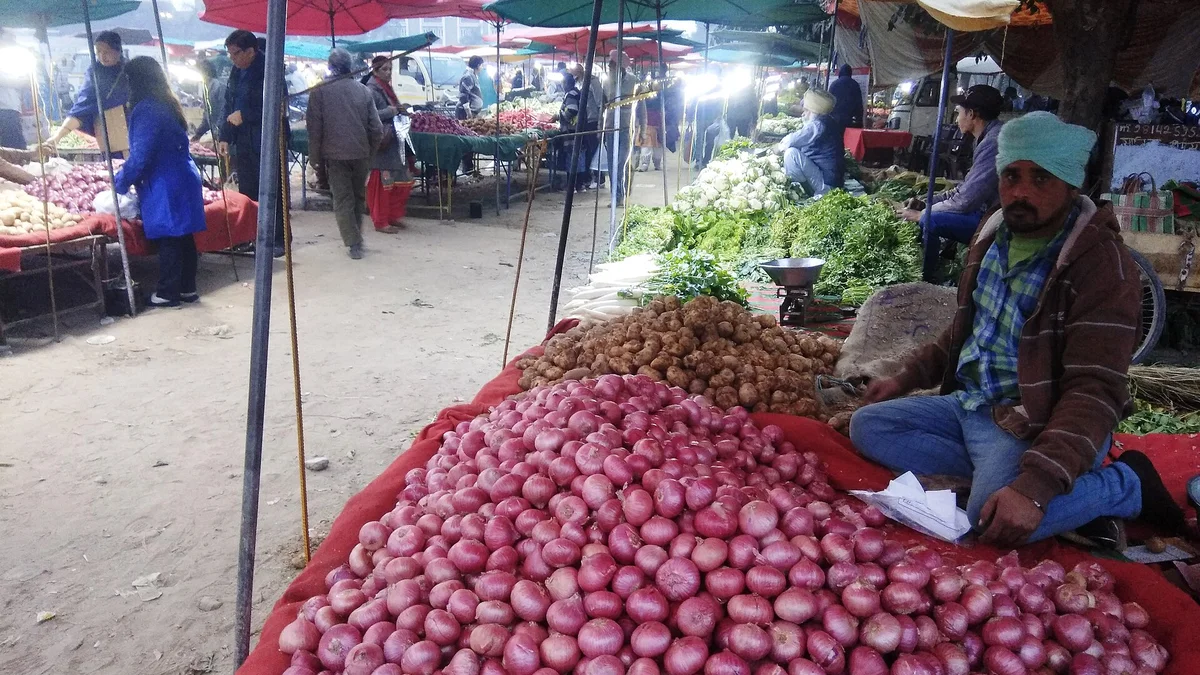
Agricultural market intermediaries have traditionally consumed between 20% and 40% of the retail price paid by urban consumers in India. To dismantle entrenched multi-tier brokerage channels and empower cultivators with direct price realization, state agricultural marketing boards, the Small Farmers Agribusiness Consortium (SFAC), and the Ministry of Agriculture (Department of Agriculture & Farmers Welfare) conceptualized and expanded specialized Kisan Mandis and Kisan Bazars. Designed as disintermediated farmer-to-consumer and farmer-to-retailer wholesale hubs, Kisan Mandis provide dedicated physical selling platforms where registered farmers, Farmer Producer Organizations (FPOs), and agricultural self-help groups can sell fresh horticultural and grain commodities without paying exploitative arhatiya commissions.
Under national initiatives like the National Agriculture Market (e-NAM Portal) and market surveillance by Agmarknet (Agmarknet Market Information System), modern Kisan Mandis have integrated certified electronic weighbridges, scientific assaying laboratories, cold storage buffer rooms, and cashless direct-to-bank settlement systems. Whether operating as Apni Mandi in Punjab and Haryana, Rythu Bazaars in Andhra Pradesh and Telangana, Uzhavar Sandhai in Tamil Nadu, Shetkari Bazars in Maharashtra, or the Delhi Kisan Mandi in Alipur, these specialized trading floors ensure transparent modal pricing and rapid turnover for perishable produce. This operational guide explores the mechanics of Kisan Mandis across India, detailing registration protocols, statutory farmer rights, stall allocation rules, and comparative mandi rate trends.
1. What Is a Kisan Mandi / Kisan Bazar? Structural Concept and Purpose
In conventional APMC (Agricultural Produce Market Committee) regulated market yards, agricultural commodities pass through licensed commission agents (arthiyas), sub-brokers, weighmen, and secondary wholesalers before reaching institutional retailers or consumers. Each handling touchpoint adds statutory market fees, user cesses, and private handling markups, often leaving smallholder farmers with less than half of the terminal market price.
A Kisan Mandi (or Kisan Bazar) is a specialized regulated market yard or urban farmers’ market where non-farmer middlemen are legally barred from trading. Key structural pillars include:
- Zero Farmer Commission: Under state APMC Model Act reforms, farmers pay 0% commission to sell in designated Kisan Mandi stalls, retaining 100% of the negotiated selling price.
- Producer Identity Verification: Sellers must possess a valid Farmer Identity Card, Krushak ID, or land revenue record (RoR / Khasra-Khatauni) proving bona fide cultivator status, preventing commercial traders from posing as farmers.
- Direct Access for Bulk Buyers: Large institutional buyers—including supermarket chains, hotels, restaurants, food processing companies, and residential consumer cooperatives—can purchase directly from FPOs and individual growers in bulk lot sizes.
- Real-Time Price Discovery: Electronic digital bulletin boards prominently display daily maximum, minimum, and modal rates prevailing across adjacent district wholesale markets, preventing price gouging.
2. Regional Models: Apni Mandi, Rythu Bazaar, Uzhavar Sandhai & Shetkari Bazar
Various Indian states have pioneered localized direct marketing models that function as successful prototypes of the modern Kisan Mandi ecosystem:
| State / Region | Scheme / Market Name | Governing Body | Target Produce / Commodities | Key Operational Feature |
|---|---|---|---|---|
| Punjab & Haryana | Apni Mandi | Punjab / Haryana Mandi Boards | Vegetables, Fruits, Pulses, Dairy | Rotating weekly town squares; farmers assigned temporary numbered stalls based on lottery or roster. |
| Andhra Pradesh & Telangana | Rythu Bazaar | Department of Agricultural Marketing | Perishable vegetables, leafy greens, onions | Permanent urban structures equipped with computerized electronic scales and daily price fixing committees. |
| Tamil Nadu | Uzhavar Sandhai | Tamil Nadu State Agricultural Marketing Board | Horticultural produce, flowers, coconut, banana | Established in major district headquarters; offers free bus passes for farmers transporting produce. |
| Maharashtra | Shetkari Athavadi Athawadi Bazar | MSAMB (Maharashtra State Agri Marketing Board) | Organic produce, grains, seasonal fruits (grapes/pomegranate) | Weekly weekend markets organized inside residential housing societies and municipal sports complexes. |
| Delhi NCR | Kisan Mandi (Alipur & Vashi models) | SFAC (Small Farmers Agribusiness Consortium) | Bulk FPO produce, potato, onion, apple, citrus | Direct wholesale electronic terminal linking FPOs from Himachal, UP, Rajasthan, and MP with NCR bulk buyers. |
Source: State Agricultural Marketing Boards and SFAC Institutional Reports (Indicative Overview, 2026).
To compare daily auction trends in established physical market yards, explore our detailed regional reports on Muhana Mandi Jaipur, Neemuch Mandi Bhav, Betul Mandi Bhav, and Bhattu Mandi.
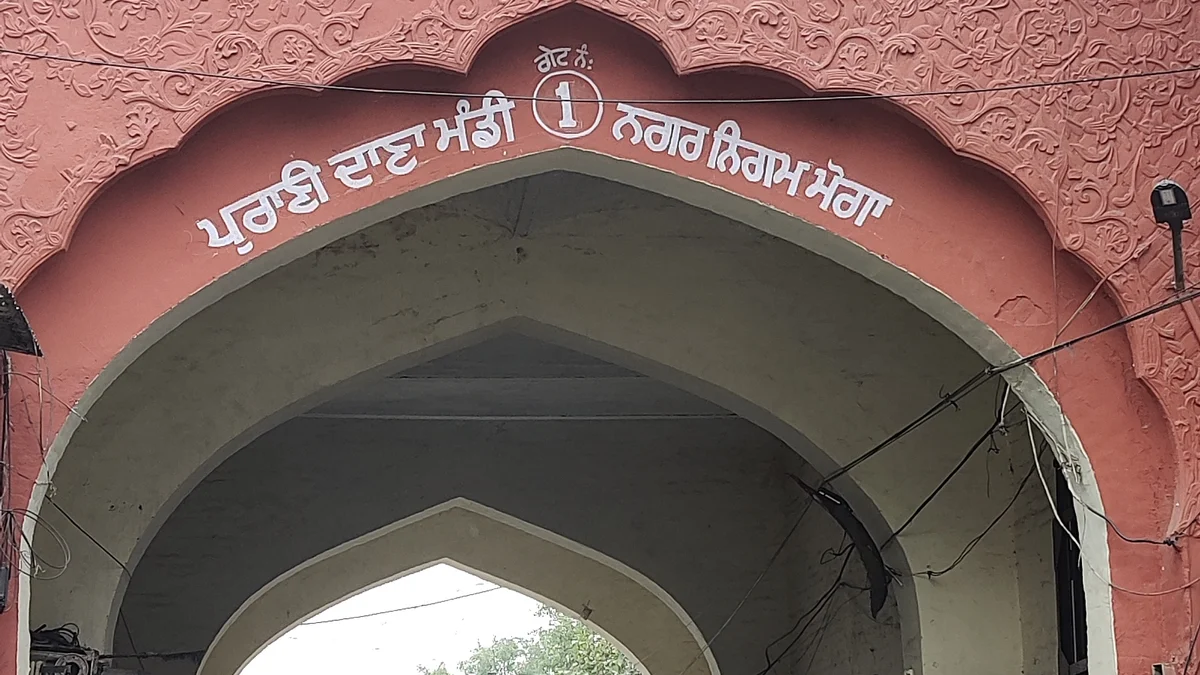
3. Daily Price Discovery and Comparison with Conventional APMC Mandis
Commodity pricing at Kisan Mandis strikes a fair balance: farmers receive 10% to 20% higher rates than conventional farm-gate APMC wholesale auctions, while urban consumers and retailers purchase fresh produce at 10% to 15% below supermarket or neighborhood kirana store prices.
| Commodity | Traditional APMC Farmer Net Realization (Rs/kg) | Kisan Mandi Direct Farmer Price (Rs/kg) | Retail City Market Price (Rs/kg) | Farmer Margin Advantage (%) |
|---|---|---|---|---|
| Tomato (Hybrid Desi) | Rs 14 - Rs 18 / kg | Rs 22 - Rs 26 / kg | Rs 30 - Rs 40 / kg | +35% to +45% higher farmer realization |
| Onion (Nashik / Rajasthan Red) | Rs 22 - Rs 26 / kg | Rs 30 - Rs 34 / kg | Rs 42 - Rs 50 / kg | +30% to +35% higher farmer realization |
| Potato (Chipsona / Jyoti) | Rs 12 - Rs 15 / kg | Rs 18 - Rs 22 / kg | Rs 25 - Rs 32 / kg | +40% to +50% higher farmer realization |
| Cauliflower / Cabbage | Rs 10 - Rs 14 / kg | Rs 18 - Rs 22 / kg | Rs 28 - Rs 35 / kg | +45% to +60% higher farmer realization |
| Wheat (Sharbati / Lokwan) | Rs 26 - Rs 28 / kg | Rs 32 - Rs 36 / kg | Rs 40 - Rs 48 / kg | +20% to +30% higher farmer realization |
Source: Directorate of Marketing & Inspection (DMI) and State Mandi Price Bulletins (Indicative Trends, November 2026).
For in-depth market analyses of specific crops, consult our guides to Gehu Rate Today, Gehu Ka Rate, Paddy Mandi Bhav, Sarso Ka Bhav, and Cardamom Price Today.
4. How Farmers and FPOs Can Register and Book Stalls in a Kisan Mandi
Securing selling privileges in a Kisan Mandi requires formal accreditation to maintain the integrity of direct-marketing platforms.
- Document Requirements: An applicant must present an Aadhaar card, proof of active farming status (land ownership document, Record of Rights / Khasra-Khatauni, or tenant verification certificate certified by the local Patwari / Village Agriculture Worker), and active bank passbook details.
- FPO Registration: Farmer Producer Organizations (registered under the Companies Act or Cooperative Societies Act) must submit their Certificate of Incorporation, list of active shareholder member farmers, and GST registration (if applicable for processed goods).
- Stall Allocation Protocol: Stalls are allocated on a first-come, first-served basis or through weekly computerized roster draws conducted by the Mandi Secretary. Stalls are strictly non-transferable and cannot be subleased to commercial traders.
- Weighing Equipment Compliance: All sellers must utilize government-stamped electronic weighing scales certified annually by the Department of Legal Metrology. Mechanical spring balances or uncalibrated weights are prohibited.
To discover government digital agriculture portals and machinery options, check our guides on Farm Search Portals, Mahindra Supro Commercial Agri Vehicle, Swaraj 744, and Sonalika Tractor.
5. Infrastructure and Facilities Available at Modern Kisan Mandis
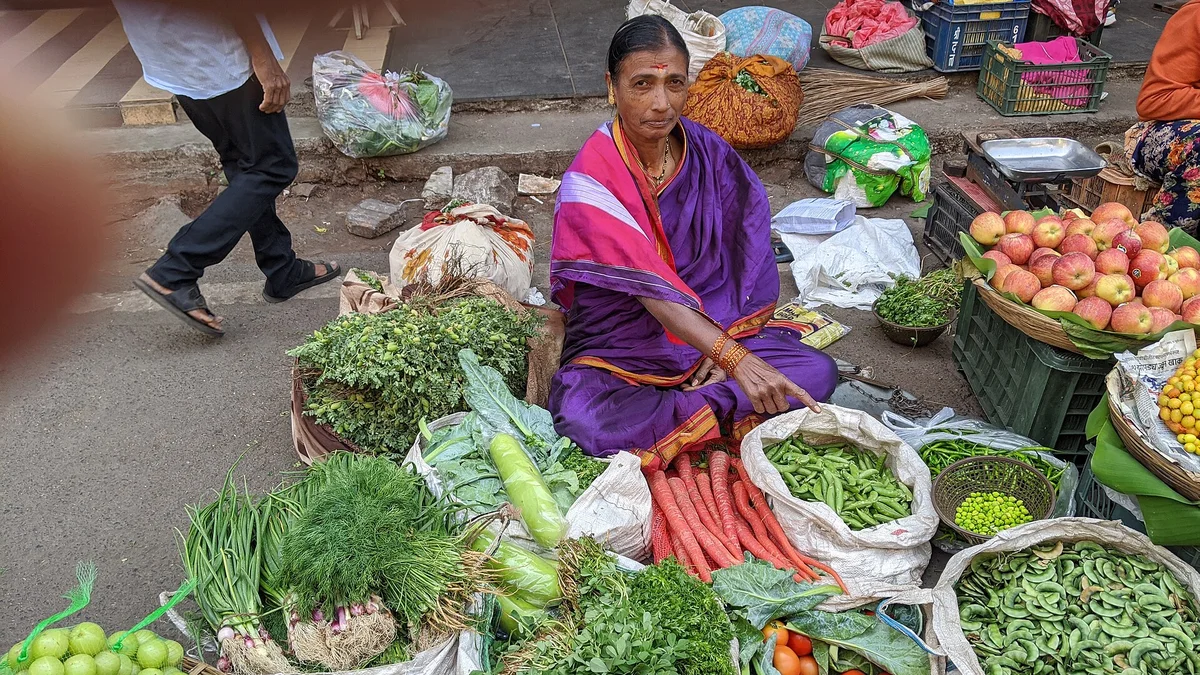
Modern Kisan Mandis have transformed from basic open-air roadside clusters into well-equipped agrilogistic centers funded under the Agriculture Infrastructure Fund (AIF) and National Horticulture Mission (NHM).
- Pre-Cooling & Cold Storage Units: Zero-energy cool chambers and refrigerated micro-cold rooms allow farmers to store unsold evening produce safely overnight at 2°C to 8°C, eliminating distress fire sales.
- Scientific Assaying & Grading Kiosks: Rapid electronic moisture meters, refractometers for fruit Brix sweetness testing, and automated sorting tables help FPOs grade commodities into Premium (A-grade) and Standard (B-grade) lots, fetching premium prices.
- Waste Bio-Gas & Composting Plants: Biodegradable vegetable and fruit market waste is processed on-site using anaerobic bio-methanation digesters or vermicomposting beds, generating organic manure returned to growers. Learn more in our Organic Manure Guide.
- Farmer Rest Houses (Kisan Vishram Grah): Clean dormitory accommodations with subsidized canteen meals and charging facilities are provided for growers arriving overnight from distant tehsils.
6. Digital Kisan Mandi: e-NAM Integration and Online Trading
The physical Kisan Mandi model has merged with digital public infrastructure through the National Agriculture Market (e-NAM). Farmers bringing commodities to a physical Kisan Mandi can opt to list their electronic assaying certificate on e-NAM, opening their lot to thousands of institutional buyers nationwide.
When a competitive electronic bid is accepted, payment is routed automatically through the e-NAM clearing house directly to the farmer’s bank account via the Public Financial Management System (PFMS). Furthermore, under the FPO-Module on e-NAM, farmer groups can execute farm-gate trades without physically hauling produce to the market yard, uploading pictures and lab test parameters directly from rural collection centers.
For financial credit support to fund working capital and transit vehicles, review our calculators and scheme guides on Kisan Credit Card (KCC) Calculator, Fertilizer Dosage Calculator, and CM Kisan Odisha Scheme.
7. Comparing Kisan Mandi Direct Marketing with Traditional APMCs
Farmers deciding between selling at a direct Kisan Bazar or dispatching bulk truckloads to traditional APMC principal yards should weigh transaction costs, transport freight, and immediate payment timelines. While bulk field crops like grain and oilseeds are traditionally routed through regulated wholesale yards like Neemuch Mandi, Betul Mandi, and Bhattu Mandi, perishable horticultural crops yield far higher margins in urban direct marketing yards.
For instance, growers tracking daily wholesale price trends across essential commodities can monitor our dedicated benchmarks for Gehu Rate Today, Sarso Rate Today, Mustard Rate Today, Chini Ka Rate Today, and Onion Rate Today. Direct marketing enables farmers transporting produce using small commercial vehicles like the Mahindra Supro Commercial Mini-Truck or trailers driven by Swaraj 744 tractors to capture the full retail margin.
To verify official daily arrivals, minimum support prices (MSP), and wholesale auction records, growers should regularly consult the Agmarknet Marketing Network, the central e-NAM National Agriculture Market, and the Department of Agriculture & Farmers Welfare. Institutional collective sales can also be accelerated through programs supported by the Small Farmers Agribusiness Consortium (SFAC).
Frequently asked questions
- What is a Kisan Mandi or Kisan Bazar?
- A Kisan Mandi or Kisan Bazar is a specialized direct marketing agricultural yard where farmers and FPOs sell fresh produce directly to consumers, retailers, and bulk buyers without paying commissions to licensed brokers (arthiyas). Check daily benchmarks on our APMC Mandi Rates Directory.
- Do farmers have to pay commission in a Kisan Mandi?
- No. Under state agricultural marketing board regulations and model APMC reforms, farmers enjoy zero commission (0%) in designated Kisan Mandis and Rythu Bazaars, allowing them to keep 100% of their selling revenue.
- How does pricing work in a Kisan Mandi compared to a regular APMC?
- In a Kisan Mandi, prices are determined through direct negotiation or daily price monitoring committees. Farmers generally earn 15% to 30% higher than traditional wholesale auctions, while consumers buy 10% to 15% cheaper than retail markets.
- What are the popular regional names for Kisan Mandis across India?
- Regional direct farmers’ markets include Rythu Bazaars in Andhra Pradesh and Telangana, Apni Mandi in Punjab and Haryana, Uzhavar Sandhai in Tamil Nadu, and Shetkari Athavadi Bazar in Maharashtra. They operate alongside major regional wholesale terminal markets such as Neemuch Mandi and Muhana Mandi Jaipur.
- Who is eligible to get a stall in a Kisan Mandi?
- Only bona fide agricultural producers possessing valid farmer identity cards, land revenue records (Khasra-Khatauni/RoR), or registered Farmer Producer Organizations (FPOs) can obtain stalls. Commercial traders and brokers are strictly barred.
- How are stall spaces allocated to farmers in a Kisan Bazar?
- Stalls are allocated on a daily or weekly rotation basis through computerized token systems, rosters, or transparent lotteries conducted by the Mandi Secretary to ensure equal opportunity for all arriving farmers.
- What facilities are available for farmers at modern Kisan Mandis?
- Modern yards offer electronic weighbridges, scientific assaying/grading kiosks, micro cold rooms for overnight storage, clean drinking water, farmer rest sheds (Kisan Vishram Grah), and organic waste composting units.
- Can Farmer Producer Organizations (FPOs) participate in Kisan Mandis?
- Yes. FPOs receive priority stall space and bulk loading bays in Kisan Mandis, allowing them to aggregate member produce, execute bulk B2B deliveries to supermarket chains, and sell packaged farm goods. FPO formation and market linkage support is facilitated by the Small Farmers Agribusiness Consortium (SFAC).
- How is commodity weight verified in a Kisan Mandi?
- All sellers are required to use certified digital electronic scales stamped annually by the Department of Legal Metrology. APMC officials conduct random weight verifications to protect consumers.
- Can consumers buy produce directly in small quantities at a Kisan Mandi?
- Yes. Most urban Kisan Bazars and Rythu Bazaars cater directly to household consumers purchasing fresh fruits, vegetables, pulses, and spices by the kilogram or bunch.
- How are Kisan Mandis integrated with e-NAM?
- Many Kisan Mandis are connected to the central National Agriculture Market (e-NAM Portal), allowing farmers to list their graded produce online, receive competitive bids from distant out-of-state buyers, and settle payments electronically via direct bank transfer.
- What should a farmer do if asked to pay illegal commission in a Kisan Mandi?
- Demanding commission from farmers in designated direct Kisan Bazars is a statutory offense. Farmers should report violations to the APMC Mandi Secretary, verify statutory rates on the Agmarknet Portal, or call the state agricultural marketing board helpline.
This article is for general information only and is not financial advice. Loan and scheme eligibility depends on partner and government criteria.