Bhattu Mandi Bhav Today: Haryana Fatehabad Rate Guide
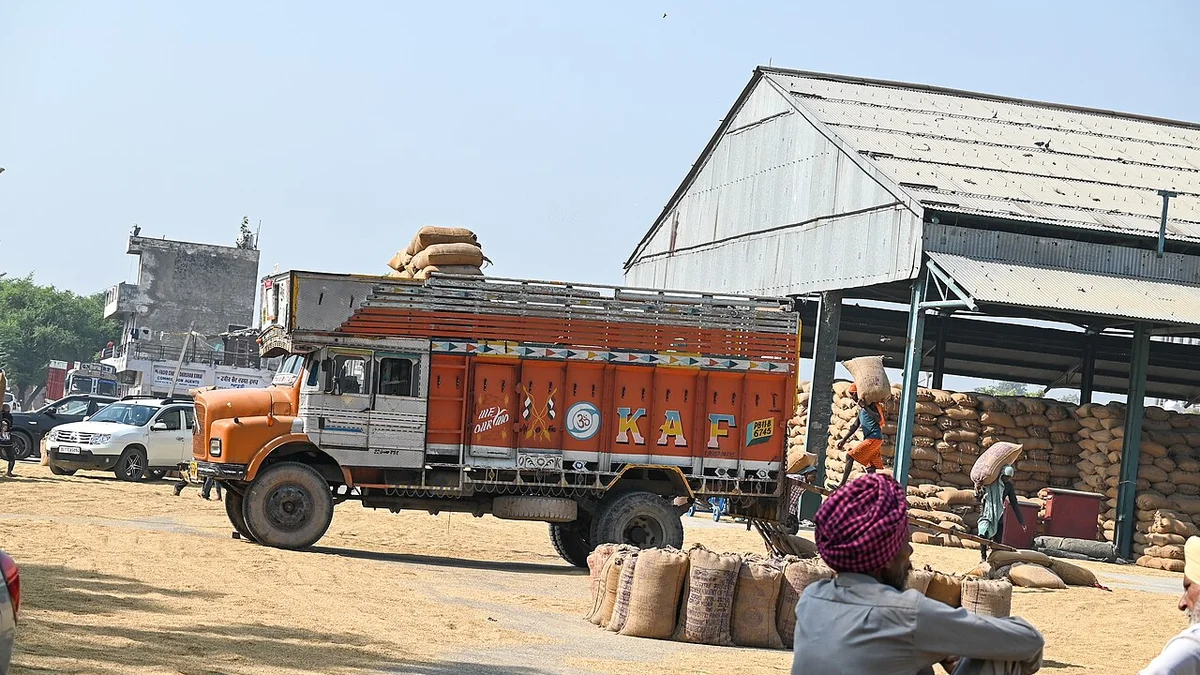
Bhattu Mandi (Krishi Upaj Mandi Samiti Bhattu Kalan), located in Fatehabad district of western Haryana, is one of northern India’s premier agricultural trading hubs for white gold (narma cotton), high-oil mustard seed, guar, and wheat. Operating under the statutory oversight of the Haryana State Agricultural Marketing Board (HSAMB) and linked to the National Agriculture Market (e-NAM) platform, Bhattu Mandi handles over 3.5 lakh metric tonnes of agricultural arrivals annually. Indicative November 2026 modal rates range between ₹6,800–₹7,850 per quintal for medium-long staple Narma cotton, ₹5,400–₹5,950 per quintal for mustard seed (42% oil benchmark), and ₹5,100–₹5,450 per quintal for commercial gum-grade guar.
Krishi Upaj Mandi Samiti Bhattu Kalan—widely recognized across agricultural commerce simply as Bhattu Mandi—is an indispensable lifeline for thousands of progressive cultivators spanning Fatehabad, Sirsa, Hisar, and northern Rajasthan border tehsils. Positioned in the fertile semi-arid agro-ecological belt of western Haryana, Bhattu has earned a stellar reputation as a benchmark pricing center for cash crops including Bt cotton (narma), bold mustard (sarson), cluster bean (guar seed), rabi wheat (gehu), and kharif coarse grains.
With the comprehensive modernization of agricultural market yards across Haryana under the Haryana State Agricultural Marketing Board (HSAMB), Bhattu Mandi offers state-of-the-art infrastructure. This includes computerized multi-axle electronic weighbridges, scientific assaying and moisture testing laboratories, expansive covered auction sheds (chabutras), electronic display price tickers, and direct e-NAM auction terminals. Understanding daily auction trends, peak arrival timings, moisture deductions, and statutory farmer payment rules ensures that agricultural producers command maximum value for their harvest without falling victim to middleman arbitrations.
Bhattu Mandi Bhav Today: Indicative Commodity Rates & Price Trends
Commodity rates at Bhattu Mandi fluctuate daily depending on domestic mill demand, international oilseed and cotton export indicators, daily mandi arrival volumes, and quality attributes such as staple length, oil content percentage, and moisture levels. Below is the indicative wholesale price spectrum across primary commodities traded at Bhattu Kalan APMC:
| Commodity (Fasal) | Variety / Grade | Min Rate (₹/Qtl) | Max Rate (₹/Qtl) | Modal Bhav (₹/Qtl) | Daily Arrival (Bags/Qtl) |
|---|---|---|---|---|---|
| Narma (Bt Cotton) | Long Staple (28-30mm) | ₹6,800 | ₹7,850 | ₹7,420 | 3,500 Quintals |
| Desi Cotton (Kapas) | Medium Coarse Staple | ₹6,400 | ₹7,100 | ₹6,850 | 650 Quintals |
| Mustard (Sarson) | Bold Seed (41-42% Oil) | ₹5,400 | ₹5,950 | ₹5,780 | 2,200 Bags |
| Guar Seed (Gwar) | Commercial Gum Grade | ₹5,100 | ₹5,450 | ₹5,310 | 1,800 Bags |
| Wheat (Gehu) | Milling FAQ (HD 2967/3086) | ₹2,425 | ₹2,680 | ₹2,540 | 1,100 Bags |
| Basmati Paddy (Dhan) | PB-1121 Hand-Picked | ₹4,100 | ₹4,750 | ₹4,480 | 2,800 Bags |
| Paddy (1509 Basmati) | Machine Harvested Clean | ₹3,200 | ₹3,750 | ₹3,520 | 3,200 Bags |
| Barley (Jau) | Feed & Malt Grade | ₹1,950 | ₹2,250 | ₹2,120 | 400 Bags |
| Gram (Chana) | Desi Brown FAQ | ₹5,600 | ₹6,200 | ₹5,950 | 350 Bags |
| Bajra (Pearl Millet) | Hybrid Feed Grade | ₹2,150 | ₹2,350 | ₹2,280 | 850 Bags |
Source: Haryana State Agricultural Marketing Board (HSAMB) & Agmarknet daily price bulletin. Indicative farmgate and wholesale market ranges, November 2026. Spot mandi rates vary based on real-time open auction bidding, clean staple purity, and physical moisture assaying.
Key Cash Crops Traded at Bhattu Mandi & Quality Price Determinants
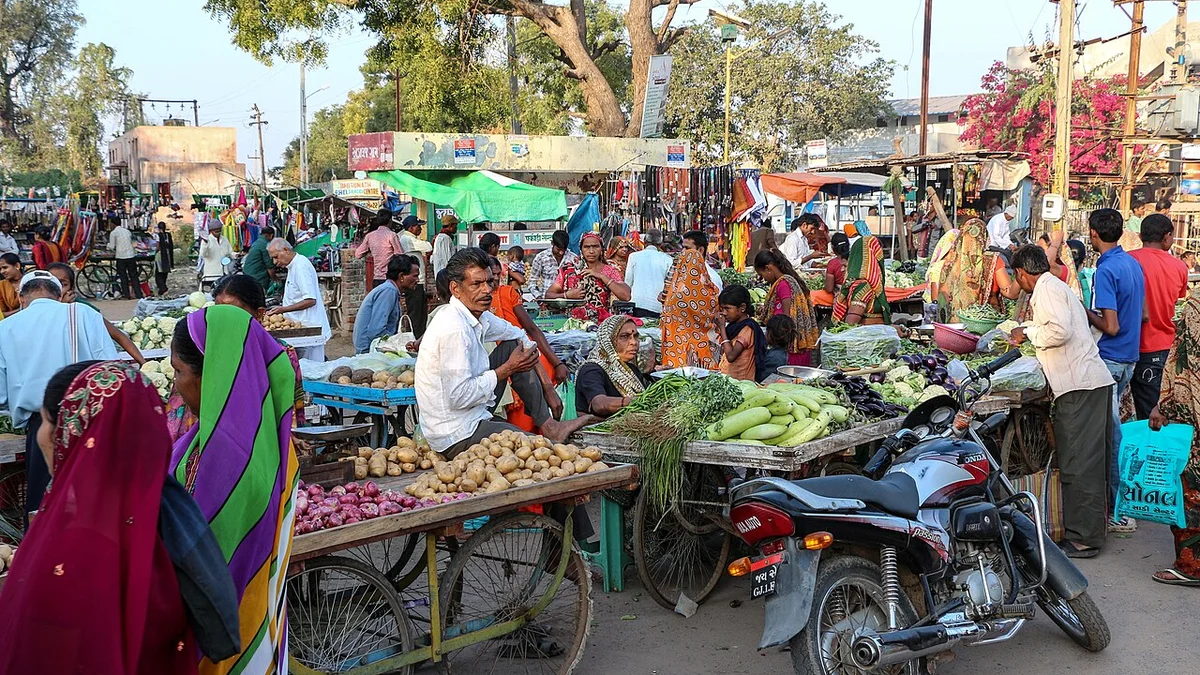
Bhattu Mandi is widely acknowledged as one of Haryana’s prime price-setting yards for four foundational crops that drive the rural agrarian economy of Fatehabad district:
1. Narma (Bt Cotton) & Desi Kapas Trading
During the peak kharif marketing window (October to February), Bhattu Mandi transforms into a sea of white gold. Thousands of tractor-trolleys loaded with freshly picked seed cotton arrive from villages like Bhattu Kalan, Bhattu Khurd, Banawali, Dhangar, and neighboring Rajasthani borders like Bhadra. Commercial ginning and pressing mill representatives bid aggressively for premium lots. Rates depend heavily on: (a) Staple length (28mm to 31mm earns top premiums), (b) Trash and leaf content (clean hand-picked cotton without bract contamination fetches ₹150–₹250/qtl extra), and (c) Moisture percentage (must be under 8–10% to prevent discoloration and gin-choking).
2. High-Oil Mustard (Sarson)
Mustard is the premier rabi oilseed crop traded at Bhattu from late February through May. Solvent extraction plants and expeller mills from Sirsa, Hisar, and Rajasthan actively participate in daily open auctions. Mandi traders evaluate sarson lots using digital oil refractometers. The benchmark oil content is 42%; lots testing above 42% receive prompt price bonuses, while moisture above 8% leads to proportional weight deductions.
3. Cluster Bean (Guar Seed)
Owing to its drought-resilient characteristics, guar is cultivated extensively in the sandy loam soils surrounding Bhattu. Guar splits and guar gum powder are vital industrial exports used in oilfield hydraulic fracturing, food texturing, and pharmaceuticals. When export orders surge from North American shale formations or global food conglomerates, guar seed prices in Bhattu Mandi experience sharp bullish rallies.
4. Wheat & Basmati Paddy Marketing
In April, Bhattu serves as a critical government procurement center where state procurement agencies (HAFED, Haryana Food & Supplies, and FCI) buy wheat directly from registered farmers at the statutory Minimum Support Price (MSP of ₹2,425/quintal for RMS 2026-27). In October-November, aromatic Basmati paddy varieties (PB-1121, PB-1718, and PB-1509) are actively auctioned by private rice millers.
Bhattu Mandi Daily Auction Timings & Operational Schedule
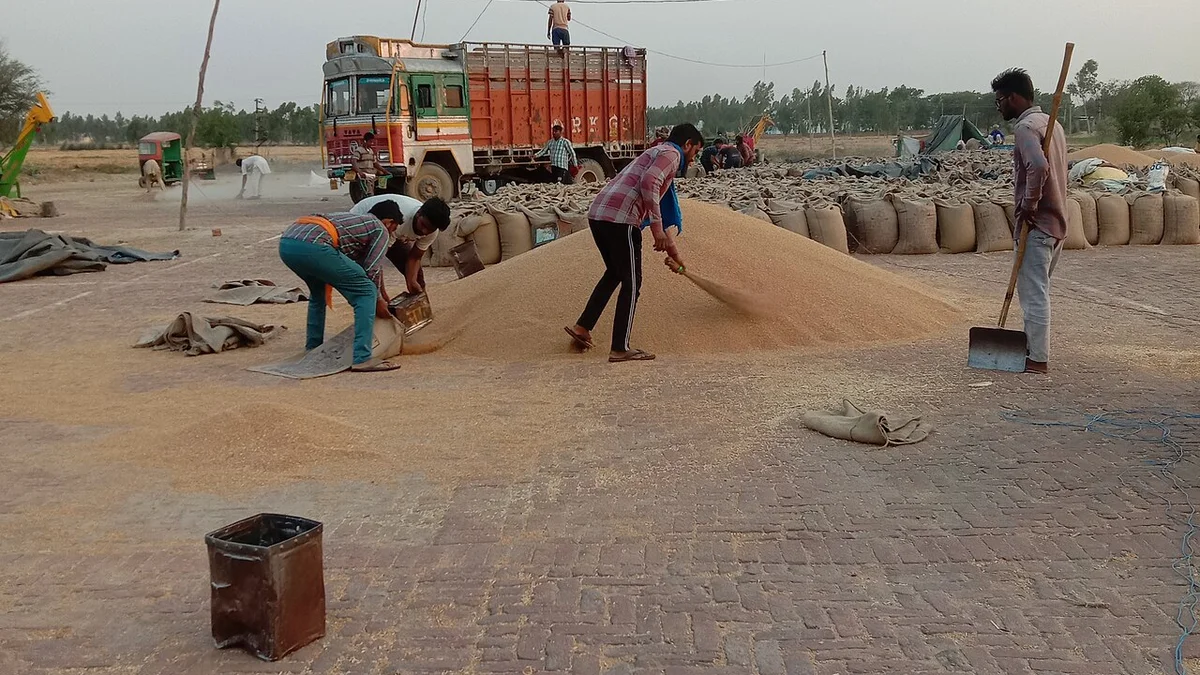
To avoid traffic congestion on State Highway 10 and ensure smooth unloading inside the market yard, Bhattu Mandi operates on a structured operational timetable:
- 05:00 AM – 08:30 AM (Gate Pass & Tractor Entry): Farmers enter through the main security gate where computerized entry slips (gate passes) are generated recording vehicle number, commodity name, estimated bag count, and assigned Commission Agent (Arhatiya).
- 08:30 AM – 09:30 AM (Sample Assaying & Heaping): Trolleys are unloaded onto designated auction chabutras. Arhatiya staff create clean conical display heaps, and laboratory technicians draw composite samples for moisture and foreign matter assessment.
- 09:30 AM – 01:30 PM (Morning Open Cry & e-NAM Bidding): Official mandi committee auctioneers, licensed commission agents, and registered corporate buyers conduct rapid open-cry bids or submit electronic bids on the e-NAM terminal.
- 01:30 PM – 02:30 PM (Midday Break): Administrative pause for bank payment reconciliations, buyer invoice preparation, and market committee fee logging.
- 02:30 PM – 06:30 PM (Weighment & J-Form Issuance): Winning lots are weighed on certified electronic platform scales. The statutory electronic J-Form is generated and transmitted to the farmer’s registered mobile phone.
- 06:30 PM – 09:00 PM (Loading & Dispatch): Purchased commodities are bagged, stitched, and loaded onto multi-axle freight carriers for transport to ginning mills, solvent plants, and warehouses.
Farmer Statutory Rights & Direct Payment Protocols in Haryana
The Government of Haryana and HSAMB have instituted strict statutory regulations under the Punjab Agricultural Produce Markets (Haryana) Act to protect cultivators against commercial exploitation. Key statutory rights every farmer selling produce at Bhattu Mandi must understand include:
- Zero Farmer Commission (100% Free Selling): By law, the commission fee (Arhat fee of 2.5%) is payable exclusively by the commercial purchaser. No commission agent or trader can deduct even a single rupee from the farmer’s agreed auction price as "commission," "dami," or "clerical charge."
- Mandatory Electronic J-Form (J-Parwana): The commission agent is legally obligated to issue an official computerized J-Form within 24 hours of auction finalization. The J-Form serves as legal proof of sale, exact weight, agreed rate, and net payable amount. It is recognized by commercial banks as verified income documentation for KCC loan limits.
- Direct Bank Account Transfer (DBT via PFMS): For government procurement (wheat, mustard under MSP, and paddy), payments are remitted directly into the farmer’s Aadhaar-linked bank account within 48 to 72 hours via the Public Financial Management System (PFMS). Any delay beyond 72 hours entitles the farmer to statutory interest at 12% per annum.
- Free Certified Weighment: Multi-axle weighbridges inside Bhattu Mandi yard are calibrated quarterly by the Department of Weights & Measures. In case of any dispute regarding platform scale accuracy, farmers can request free test weighment at the Central Market Committee Weighbridge.
How to Sell Produce at Bhattu Mandi via Meri Fasal Mera Byora & e-NAM
To participate seamlessly in both MSP government procurement and private electronic auctions at Bhattu Mandi, cultivators must complete mandatory portal registrations:
- Step 1: Meri Fasal Mera Byora (MFMB) Registration: Before the harvest season, log into fasal.haryana.gov.in. Register land revenue records (Khasra/Murabba numbers), sown crop acreage, and bank account details (IFSC code, bank passbook).
- Step 2: Gate Pass Generation: Upon arriving at Bhattu Mandi, present your MFMB registered mobile number or Farmer ID at the entrance gate. The automated barrier logs entry and issues a barcode gate pass.
- Step 3: Quality Assaying & Lot Numbering: Mandi staff inspect the crop for moisture content and issue an official Lot Tag displayed prominently on the produce heap.
- Step 4: Open Auction & Rate Approval: Once the auctioneer reaches your lot, buyers shout their highest bids. If you are satisfied with the final bid price, sign the auction register; if unsatisfied, you have the legal right to reject the bid and retain your produce.
- Step 5: Electronic Payment & Receipt: Confirm weighment on the digital scale, receive the electronic J-Form on SMS, and verify direct credit into your bank account.
Bhattu vs Neighboring Haryana Mandis: Strategic Marketing Advantages
Cultivators in western Haryana have multiple APMC market options within a 35 to 60 km radius. Comparing modal prices between Bhattu, Fatehabad main yard, Sirsa, and Tohana can unlock significant profit margins:
- Cotton (Narma) Premium: Bhattu often trades ₹50 to ₹100 per quintal higher than Fatehabad city yard for narma due to its dense cluster of modern spinning mills and rapid rail-wagon loading facilities.
- Guar Seed Liquidity: Bhattu has one of the highest buyer turnouts for guar seed in Haryana, competing head-to-head with Rajasthan’s Bhadra and Hanumangarh markets.
- Transit Distance & Logistics: Situated directly along the Rewari–Bhatinda railway line and interconnected with State Highway 10, Bhattu offers hassle-free access with wide dual-lane approach roads that prevent multi-hour tractor idling queues common in older, cramped city center yards.
Official regulatory portals and verified market references
Growers and commission agents operating across western Haryana can track verified statutory arrivals, electronic tenders, and market cess rules on official portals. State-level APMC administration is governed by the Haryana State Agricultural Marketing Board (HSAMB), while daily modal arrival trends across Indian mandis are maintained on the Agmarknet Directorate of Marketing & Inspection Mandi Portal. To participate in government procurement and receive direct DBT transfers, cultivators must complete crop self-declarations on the Meri Fasal Mera Byora Haryana Farmer Portal. Transparent inter-state commodity auctions are facilitated through the National Agriculture Market (e-NAM) Live Trading Dashboard.
Related mandi rates, farmer tools, and machinery guides on KisanPe
To compare regional market prices and plan agricultural dispatches, explore our live commodity tools including the live mandi rates & APMC price checker, sarso ka bhav & mustard mandi price guide, gehu rate today wheat guide, and major regional market benchmarks such as Neemuch mandi bhav, Bhawani Mandi Rajasthan daily rates, Betul mandi bhav today, and statutory MSP terms under paddy procurement guidelines.
Improving field productivity and crop margins requires balanced agronomy and timely mechanization. Access our fertilizer calculator & NPK nutrient planner, verify bag rates in our DAP fertilizer bag rate & subsidy guide, consult crop timings on the crop calendar & sowing seasons directory, and review certified seed standards via the seeds certification guide. For crop protection and specialized equipment, consult the agricultural spray machine price list, rotavator price & subsidy guide, Saaf fungicide dosage guide, and commercial processing machinery in the sugarcane juice machine price list.
For mechanization investments, evaluate reliable tractors including the Swaraj 855 FE tractor specs & price, mini tractor price list, Eicher tractor models guide, and heavy harvesting machinery in the Kubota harvester price guide. Cultivators can also explore diversified enterprise returns in our mango varieties guide, Indian cow breeds & milk yield guide, mushroom farming setup cost guide, high-value spice tracking in the cardamom price today guide, poultry farm setup cost guide, and commercial dairy planning via the dairy farm business plan.
Farmers can safeguard family income and working capital by utilizing the Kisan Credit Card (KCC) limit & interest rates guide, solar irrigation grants under PM Kusum solar pump subsidy scheme, accidental death and disability cover through Pradhan Mantri Suraksha Bima Yojana, and online verification via PM Kisan beneficiary status check.
Frequently asked questions
- Where is Bhattu Mandi located in Haryana?
- Bhattu Mandi (Krishi Upaj Mandi Samiti Bhattu Kalan) is situated in the town of Bhattu Kalan within Fatehabad district, western Haryana. It is located approximately 32 km southwest of Fatehabad city, 40 km from Hisar, and 45 km from Sirsa, connected directly by State Highway 10 and the Rewari–Bhatinda railway line.
- What are the main agricultural commodities traded at Bhattu Mandi?
- The primary crops traded at Bhattu Mandi include Bt cotton (narma), desi cotton (kapas), mustard seed (sarson), cluster bean (guar seed), rabi wheat (gehu), basmati paddy (PB-1121 and 1509), feed barley (jau), and desi gram (chana).
- What is the modal price of narma (cotton) at Bhattu Mandi today?
- Indicative modal wholesale rates for medium-long staple Narma cotton at Bhattu Mandi range between ₹6,800 and ₹7,850 per quintal as of November 2026, depending on fiber staple length, trash purity, and physical moisture percentage.
- Are farmers required to pay any commission fee to arhatiyas at Bhattu Mandi?
- No. Under the Punjab Agricultural Produce Markets (Haryana) Act and regulations framed by the Haryana State Agricultural Marketing Board (HSAMB), the 2.5% commission fee (Arhatiya charge) must be paid entirely by the commercial buyer. It is legally prohibited to deduct any commission from the farmer’s sale proceeds.
- What is the daily auction timing at Bhattu Kalan APMC yard?
- Open auction bidding at Bhattu Mandi commences at 08:30 AM for mustard, guar, and wheat, followed by narma cotton auctions starting at 09:30 AM. Gate pass entry begins early at 05:00 AM, and weighment continues through 06:30 PM.
- How can farmers receive payment for their crop sold at Bhattu Mandi?
- For private open auctions, commission agents issue an electronic J-Form and make payment via RTGS/NEFT or cheque within 24 to 48 hours. For MSP government procurement (wheat, mustard, and paddy), payments are credited directly into the farmer’s bank account via DBT PFMS within 48 to 72 hours.
- What is a J-Form and why is it important for farmers selling at Bhattu Mandi?
- The J-Form (J-Parwana) is an official computerized sale voucher generated by the mandi board recording the farmer’s name, vehicle number, exact net weight, auction price, and total amount payable. It serves as legal income proof for income tax exemption, agricultural loan applications, and bank credit evaluations under our Kisan Credit Card (KCC) guide.
- Is Bhattu Mandi connected to the central e-NAM platform?
- Yes. Bhattu Kalan Krishi Upaj Mandi is an integrated trading hub on the central e-NAM platform. Farmers and traders can view live electronic price tickers, participate in transparent digital bidding, and access inter-state buyers across India.
- What is the maximum permissible moisture limit for mustard at Bhattu Mandi?
- The standard commercial moisture benchmark for mustard (sarson) is 8.0% (see our detailed sarso ka bhav & mustard mandi price guide). Lots containing moisture within 8% receive full market value. Mustard exceeding 8% moisture incurs proportional weight deductions or price discounts to compensate for moisture evaporation.
- How does Meri Fasal Mera Byora (MFMB) registration help farmers selling at Bhattu?
- Registering on Haryana’s Meri Fasal Mera Byora portal is mandatory for selling agricultural produce at Minimum Support Price (MSP) in Bhattu Mandi. It enables automated gate pass entry, smooth MSP procurement scheduling via SMS, and direct DBT subsidy and payment credits.
- Why do cotton prices at Bhattu Mandi often exceed neighboring mandis?
- Bhattu is located close to large ginning, oilseed crushing, and cotton spinning clusters in western Haryana and northern Rajasthan. Intense buyer competition among corporate yarn mills and ginners often drives Bhattu’s modal narma prices ₹50 to ₹100 per quintal higher than smaller sub-yards.
- Where can farmers find daily official rates for Bhattu Mandi online?
- Farmers can check real-time daily commodity rates on the Agmarknet portal, the official HSAMB portal, and through our KisanPe live mandi rates dashboard.
This article is for general information only and is not financial advice. Loan and scheme eligibility depends on partner and government criteria.