Betul Mandi Bhav Today: Soyabean, Maize & MP Rate Guide
Key takeaways
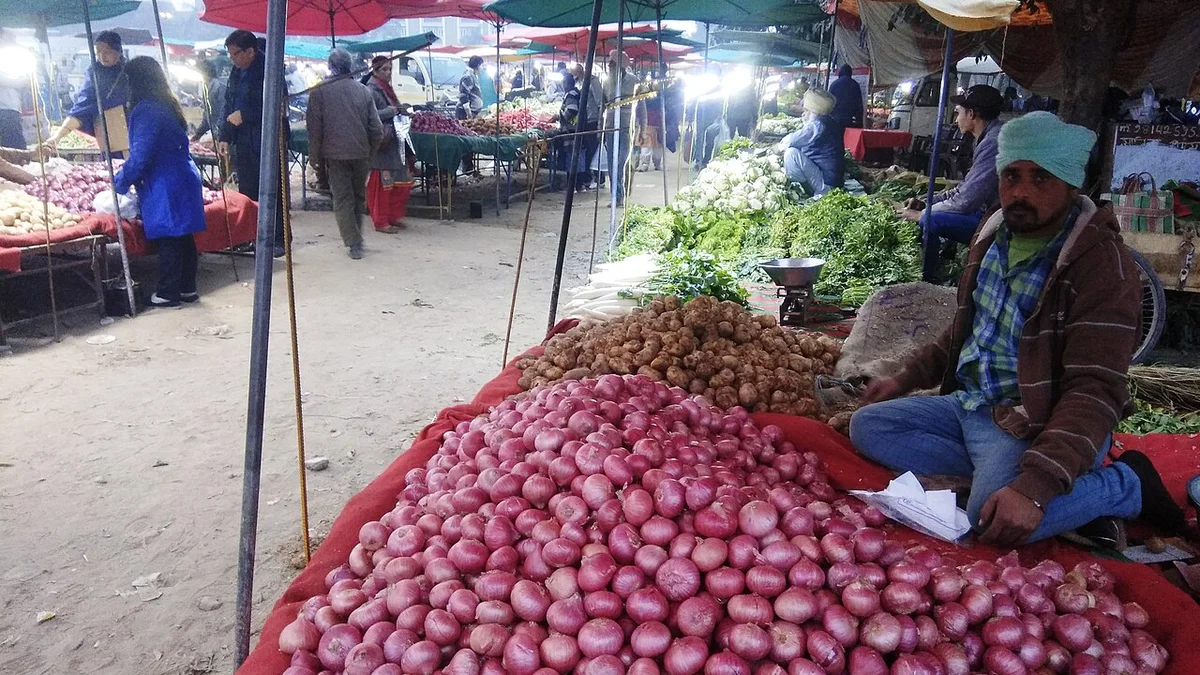
- Krishi Upaj Mandi Samiti Betul (Badora yard) in Madhya Pradesh is a premier agricultural aggregation terminal in the Satpura belt for soybean, maize, wheat, and pulses.
- Indicative wholesale auction rates in November 2026 show Yellow Soyabean trading between ₹4,300 and ₹4,850 per quintal, while Hybrid Maize (Makka) trades actively between ₹1,850 and ₹2,320 per quintal.
- Lokwan and mill-quality wheat benchmark between ₹2,480 and ₹2,750 per quintal, comfortably above the Central Government Minimum Support Price (MSP) of ₹2,425 per quintal.
- Under the Madhya Pradesh Krishi Upaj Mandi Adhiniyam, 1972, farmers pay 0% commission on auctions; licensed wholesale buyers bear all mandi fees (1.5%) and welfare cess.
- Betul Mandi operates under the unified National Agriculture Market (e-NAM) framework, featuring computerized weighbridges (Dharamkanta), laboratory assaying, and direct bank transfer (DBT) settlements.
Krishi Upaj Mandi Samiti Betul, situated in the fertile Satpura plateau of southern Madhya Pradesh, operates as one of the state’s key agricultural commodity aggregation and price discovery hubs. As of 23 November 2026, the primary market yard located at Badora (Betul) handles substantial daily arrivals of major Kharif and Rabi crops, serving thousands of farming households across Betul, Multai, Bhainsdehi, Shahpur, Amla, and Athner tehsils, as well as adjoining agrarian tracts along the Maharashtra border. In current trading sessions, commercial auction rates for Fair Average Quality (FAQ) yellow soybean range between ₹4,300 and ₹4,850 per quintal, while commercial hybrid maize (Makka) records high-volume physical arrivals trading between ₹1,850 and ₹2,320 per quintal depending on moisture levels and grain cleanliness.
For cultivators, grain traders, and agro-processing units monitoring betul mandi bhav today, understanding daily terminal rate movements requires insight into the mandi’s operational structure, commodity arrivals, grain assaying standards, and price discovery mechanisms. Governed by the Madhya Pradesh State Agricultural Marketing Board (MP Mandi Board), Betul APMC provides organized auction platforms, digital weighment through computerized Dharamkantas, electronic bidding via the e-NAM platform, and a legally enforced 0% commission policy for farmers. This detailed guide covers official commodity price benchmarks, quality specifications, auction shed schedules, e-NAM lot management, and practical strategies for farmers seeking to maximize their crop sale realizations at Betul Mandi.
Betul Mandi bhav today: indicative wholesale commodity price list 2026
Wholesale prices at Krishi Upaj Mandi Betul fluctuate daily based on spot arrival quantities, moisture percentages, grain luster, domestic oil mill demand, poultry feed processing procurement, and central government MSP benchmarks. The matrix below reflects prevailing indicative wholesale auction price ranges per quintal (100 kg) recorded across standard commercial grades at Betul APMC as of November 2026.
| Commodity (Fasal) | Variety / Grade | Min Rate (₹/Qtl) | Max Rate (₹/Qtl) | Modal Rate (₹/Qtl) | Daily Arrivals (Bags/Qtl) |
|---|---|---|---|---|---|
| Soyabean (Yellow) | JS-9560 / NRC-86 / FAQ | ₹4,300 | ₹4,850 | ₹4,620 | 8,500 - 12,000 bags |
| Maize (Makka) | Yellow Hybrid / Starch Grade | ₹1,850 | ₹2,320 | ₹2,100 | 14,000 - 20,000 bags |
| Wheat (Gehun) | Lokwan / Mill Quality FAQ | ₹2,480 | ₹2,750 | ₹2,580 | 3,500 - 5,000 bags |
| Wheat (Sharbati) | Sehore / Satpura Premium Bold | ₹3,200 | ₹3,850 | ₹3,520 | 800 - 1,200 bags |
| Gram (Chana Desi) | Desi Medium / Bold | ₹5,800 | ₹6,450 | ₹6,150 | 1,200 - 2,000 bags |
| Gram (Kabuli / Dollar) | Dollar Chana / 42-44 Count | ₹9,500 | ₹12,400 | ₹11,100 | 400 - 750 bags |
| Pigeon Pea (Tuvar / Arhar) | Red / White Desi FAQ | ₹7,200 | ₹8,100 | ₹7,650 | 600 - 1,100 bags |
| Mustard (Sarson) | Black Mustard / 40%+ Oil | ₹5,200 | ₹5,750 | ₹5,480 | 350 - 650 bags |
| Moong (Green Gram) | Desi Shiny Green | ₹6,800 | ₹7,600 | ₹7,250 | 250 - 500 bags |
| Urad (Black Gram) | Medium Black / FAQ | ₹6,400 | ₹7,350 | ₹6,900 | 300 - 600 bags |
| Jowar (Sorghum) | Maldandi / Hybrid White | ₹2,300 | ₹2,950 | ₹2,600 | 400 - 800 bags |
Source: Agmarknet portal daily market bulletins and MP State Agricultural Marketing Board (MP Mandi Board) Betul APMC physical auction records, November 2026. Disclaimer: All displayed figures are indicative auction ranges. Exact lot prices depend on laboratory physical assaying, dockage, grain moisture, and buyer bidding competition during open auction hours.
Major commodity trade dynamics at Betul Mandi: Soybean and Maize hubs
The agro-climatic profile of Betul district, distinguished by black cotton soil interspersed with undulating plateau terrain, makes it an intensive cultivation zone for oilseeds and coarse cereals. Two crops dominate physical turnover at Betul Mandi throughout the agricultural calendar:
1. Yellow Soyabean (Pili Soyabean)
Soybean represents the lifeblood of Kharif cash income for farmers across Betul. Harvested between late September and November, popular varieties traded include JS-9560, JS-2034, NRC-86, and Samrat. Solvent extraction plants (SEPs) located across Betul, Nagpur, Itarsi, and Indore deploy licensed procurement agents to Betul Mandi to purchase crushing-grade seed.
Key factors driving the soybean rate at Betul Mandi include moisture content (statutory benchmark is 10% to 12%), oil percentage (typically 18% to 19%), and seed luster. Lots with moisture exceeding 14% or high foreign matter (kachra, mitti) face deductions or lower open outcry bids. During peak post-harvest arrivals, 10,000 to 18,000 quintals arrive daily at Badora yard.
2. Commercial Maize (Makka)
Betul, along with neighboring Chhindwara district, forms the powerhouse maize corridor of Central India. Due to expansion in poultry feed manufacturing plants in Maharashtra (Nagpur, Nashik, Pune) and starch processing industries, demand for Betul maize remains robust year-round.
Commercial hybrid maize varieties such as Pioneer, DKC, and Syngenta hybrids command keen competitive bidding. Bids are heavily influenced by kernel moisture; industrial distillers and feed millers demand moisture below 13% for long-term silo storage. Sun-dried, uniform yellow grain free from aflatoxin or mold consistently achieves the upper price boundary in the auction shed.
3. Wheat, Gram (Chana), and Pulses
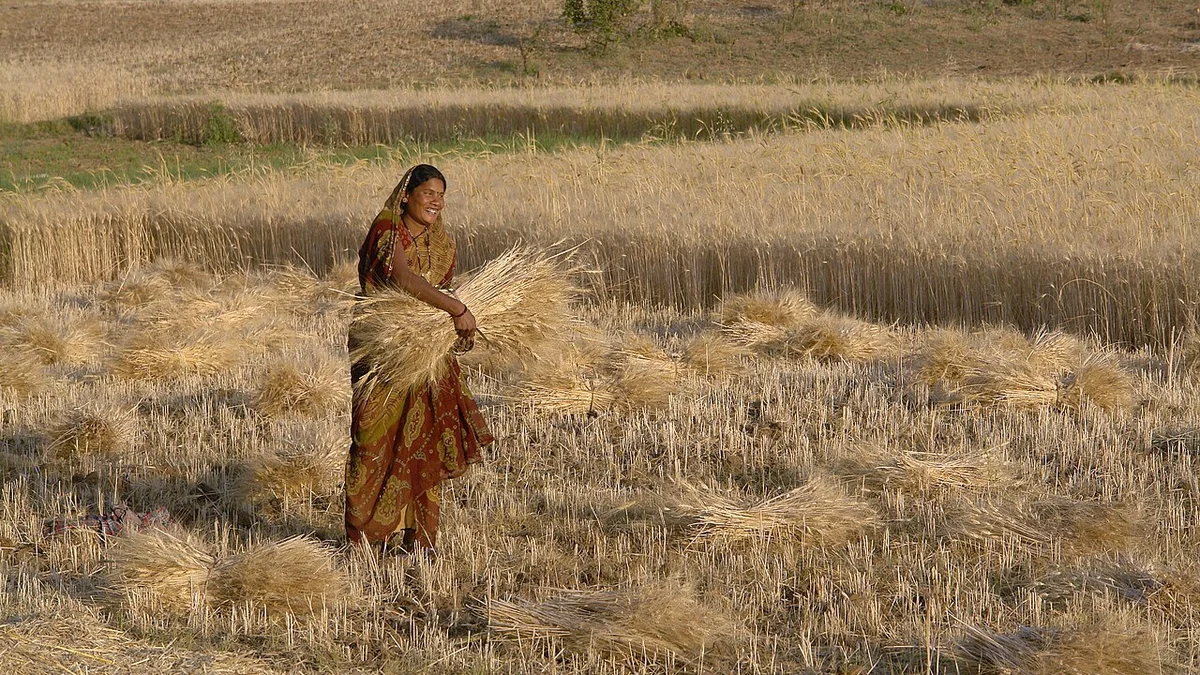
During the Rabi marketing season (March through June), Betul Mandi transitions into an active wheat and pulse trading yard. Farmers market Lokwan, Mill-quality wheat, and premium Sharbati grains. Bengal gram (Chana) and Kabuli (Dollar) chana are widely grown in the black soil pockets of Amla and Multai. Pulse millers from Jabalpur and Katni actively procure Desi chana and Tuvar from the Betul market.
Step-by-step auction process at Krishi Upaj Mandi Betul
Navigating Krishi Upaj Mandi Betul (Badora yard) efficiently ensures cultivators avoid unnecessary middleman deductions and obtain correct electronic weighment. The mandi follows a transparent 4-stage operational process governed by state APMC regulations:
- Gate Entry and Entry Pass Issuance (06:00 AM - 09:30 AM): Farmers arriving in tractor-trolleys, pick-up vans, or bullock carts enter through the main Badora yard gate. Mandi staff record vehicle details, crop type, estimated bags, and farmer Aadhaar/Kisan ID on the computer terminal. A barcoded entry pass (Parchi) is issued.
- Initial Weighment (Gross Weight): The loaded tractor passes over the computerized weighbridge (Dharamkanta) to record gross tare weight. Digital sensors prevent manual weight manipulation.
- Lot Formation and Assaying (08:30 AM - 10:30 AM): Produce is unloaded at designated open or covered auction sheds (Kisan Sheds) according to commodity classification (Soybean shed, Maize yard, Grain platform). Mandi board assaying personnel collect representative samples to test moisture, cleanliness, and grain grade.
- Open Outcry and e-NAM Auction (10:30 AM - 02:30 PM): Commission agents (Kachha Arhatiyas) and licensed wholesale traders (Pukka Vyaparis) assemble around lots. The mandi auctioneer announces starting bids. Bidding proceeds via open outcry and electronic terminals. Once the highest bid is reached, the farmer has the statutory right to accept or decline the price.
- Final Weighment and Settlement (01:00 PM - 05:00 PM): Accepted lots are weighed electronically on platform scales. The empty tractor is re-weighed (tare weight) to verify net bulk weight. A computer-generated payment voucher (Tol Parchi / Bhugtan Patrak) is issued immediately.
Statutory 0% farmer commission: Madhya Pradesh Mandi Act protections
A foundational legal right for every cultivator selling produce at Betul Mandi is the statutory exemption from commission deductions. Under the Madhya Pradesh Krishi Upaj Mandi Adhiniyam, 1972, farmers are completely exempt from paying brokerage, arhat, or cleaning cuts inside the APMC market premises.
Key legal and operational protections guaranteed to farmers include:
- Zero Farmer Brokerage: Licensed commission agents (Arhatiyas) are strictly prohibited by law from deducting any commission percentage from the farmer’s sale proceeds. The commission fee is charged directly to the buyer/trader.
- Buyer-Paid Mandi Tax: Mandi fee (Mandi Shulk of 1.5%) and Nirashrit Shulk (0.2%) are statutory levies paid exclusively by the purchasing trader to the Mandi Board, not by the grower.
- Mandatory Same-Day / 24-Hour Payment: Under Section 37 of the MP Mandi Act, the purchaser must settle payment within 24 hours of weighing. Cash payments up to statutory limits (₹200,000) or direct RTGS/NEFT bank transfers must be executed without arbitrary discounts.
- Standard Tare Deductions Only: Deductions for empty gunny bags (Bardana) are standardized (typically 1 kg per 50 kg jute/HDPE bag). Indiscriminate sample deductions (Dhalta or sample katauti) are illegal and subject to trader license suspension.
- Dispute Redressal Committee: In case of weight disagreement, payment delays, or price disputes, farmers can immediately appeal to the Mandi Secretary (Sachiv) or the Mandi Disputes Sub-Committee located at the APMC administrative building.
e-NAM digital platform implementation at Betul Mandi
Krishi Upaj Mandi Samiti Betul is fully integrated into the National Agriculture Market (e-NAM) network (APMC Code: MP_BET01). The e-NAM portal connects Betul yard with wholesale agro-traders, food processors, and millers across India, breaking local cartelization and expanding competition.
Through e-NAM integration at Betul Mandi:
- Electronic Lot Assaying: Mandi laboratories upload moisture percentages, foreign matter count, and test weight directly to the online lot register before auctions commence.
- Interstate and Remote Bidding: Solvent plants from Nagpur (Maharashtra) and millers from Bhopal can bid electronically on Betul lots without physical presence, boosting price discovery.
- Direct Benefit Transfer (DBT): Sale proceeds can be credited directly into the farmer’s Aadhaar-linked bank account, eliminating intermediary payment risks.
- Transparent Digital Records: Farmers receive SMS notifications detailing lot number, final modal rate per quintal, total weight, and credited payout amount.
Comparison: Betul Mandi versus neighboring market yards
Farmers in Betul district often evaluate prices across nearby APMC market yards before transporting truckloads of harvest. The table below compares trading characteristics, primary crops, and logistical factors across key neighboring agricultural markets:
| Mandi Yard | District / State | Primary Focus Crops | Distance from Betul | Key Market Advantage |
|---|---|---|---|---|
| Betul APMC (Badora) | Betul, MP | Soyabean, Maize, Wheat, Chana | 0 km (Central) | Highest local maize & soybean volume; modern infrastructure |
| Multai APMC | Betul, MP | Soyabean, Wheat, Vegetables, Gram | 48 km East | Strategic gateway to Nagpur; high vegetable & pulse trading |
| Athner Sub-Mandi | Betul, MP | Soyabean, Tuvar, Jowar, Maize | 42 km South | Convenient aggregation center for border southern tehsils |
| Chhindwara APMC | Chhindwara, MP | Maize, Potato, Garlic, Soyabean | 125 km East | Major industrial corn hub; aggressive feed manufacturer bidding |
| Hoshangabad (Narmadapuram) | Narmadapuram, MP | Paddy (Basmati), Wheat, Gram | 120 km North | Premier canal-irrigated wheat and 1509/1121 paddy market |
| Harda APMC | Harda, MP | Soyabean, Moong, Wheat, Chana | 110 km West | Intensive summer moong and high-oil soybean trading center |
Source: MP State Agricultural Marketing Board regional yard network data and comparative transport logistics surveys, November 2026.
Practical tips for farmers to secure maximum rates at Betul Mandi
Achieving the highest auction bid at Betul Mandi requires strategic post-harvest preparation. Experienced growers maximize profit margins by adopting these practical field practices:
- Optimal Sun Drying: Ensure soybean moisture remains between 10% and 12%, and maize moisture below 13.5%. Excessive moisture leads to heavy trader price discounting or delayed bids.
- Thorough Winnowing and Cleaning: Remove stems, weed seeds (kachra), split pods, and dirt before bagging. Clean, lustrous grain lots consistently attract upper-bracket bids during open outcry.
- Grade Sorting: Segregate bold, uniform kernels from small or discolored grains. Selling mixed lots forces the entire vehicle load to be priced at the lower grade benchmark.
- Arrive Early During Peak Hours: Reaching Badora yard between 06:00 AM and 08:00 AM ensures priority computerized weighment and favorable shed placement before peak congestion.
- Verify Electronic Weight Slips: Always inspect the gross and tare weight printouts from the digital Dharamkanta to ensure zero discrepancy between weighbridge records and payment vouchers.
- Monitor Agmarknet and e-NAM Prior to Dispatch: Compare daily modal rates on the e-NAM portal or KisanPe market intelligence before loading vehicles to avoid selling on market dip days.
Official agricultural portals and market intelligence links
Farmers and commercial aggregators trading at Betul Mandi can monitor official arrivals and regulatory benchmarks through certified public channels. The Agmarknet Portal (Directorate of Marketing & Inspection, GoI) tracks daily modal rates across APMC yards nationwide, while electronic auction facilities are accessible on the e-NAM National Agriculture Market Portal. State-level regulatory oversight, trader licensing, and mandi fee schedules are administered by the Madhya Pradesh State Agricultural Marketing Board (MP Mandi Board), complemented by digital farmer advisories on the national Farmer Portal - Department of Agriculture & Farmers Welfare.
Related mandi rates, farmer schemes, and machinery guides on KisanPe
To benchmark commodity realizations across Madhya Pradesh and neighboring regional markets, explore our extensive commodity guides including Neemuch mandi bhav, sarso ka bhav oilseed rates, gehu ka rate wheat mandi guide, and gehu rate today UP & MP guide. For broader grain trade insights, consult the anaj mandi trading directory, Ramganj mandi coriander rates, Bhawani Mandi Rajasthan APMC overview, and statutory grain support terms under paddy procurement guidelines.
Optimizing farm gate margins requires strategic input management and equipment deployment. Review regulatory norms in our DAP fertilizer subsidy guide, crop disease protection using Saaf fungicide, and certified seed selection via the certified seeds quality guide. For mechanization planning, evaluate current quotes in our Mahindra tractor price list, Sonalika tractor models & price guide, versatile mini tractor price guide, and custom hiring incentives under the farm equipment subsidy & CHC mechanization guide.
Cultivators in Betul can also unlock vital government welfare benefits and credit resources. Register land parcels on the MP Kisan portal, obtain a digital identity through the farmer ID registration guide, and download the KisanPe mobile app for real-time market alerts. Stay updated on central income support with our PM Kisan status check, PM Kisan 19th installment details, and mandatory PM Kisan eKYC online verification. Safeguard family livelihoods through the PM Kusum solar subsidy guide, Pradhan Mantri Suraksha Bima Yojana, concessional working capital via Kisan Credit Card (KCC) loans, soil testing via the Soil Health Card portal, and multi-peril risk coverage under PM Fasal Bima Yojana (PMFBY).
Frequently asked questions about Betul Mandi bhav and trading rules
Frequently asked questions
- What is the current indicative rate of soybean at Betul Mandi today?
- As of November 2026, indicative auction prices for standard yellow soybean at Krishi Upaj Mandi Betul range from ₹4,300 to ₹4,850 per quintal for FAQ-grade produce, with average modal rates settling around ₹4,620 per quintal as recorded on the Agmarknet portal. Cultivators comparing oilseed returns can also monitor sarso ka bhav oilseed rates. High-oil, well-cleaned lots with moisture below 11% command top-tier bids from solvent extraction plants.
- Where is Krishi Upaj Mandi Betul located and what are its entry timings?
- The main commercial yard of Krishi Upaj Mandi Samiti Betul is situated at Badora on the outskirts of Betul city, Madhya Pradesh. Gate entry and vehicle weighment operate from 06:00 AM to 09:30 AM daily from Monday to Saturday, while open auction sessions commence at 10:30 AM.
- Do farmers have to pay commission (arhat) at Betul Mandi?
- No. Under statutory regulations framed by the Madhya Pradesh State Agricultural Marketing Board (MP Mandi Board) under the MP Krishi Upaj Mandi Act, 1972, farmers enjoy statutory 0% commission on produce sold in the mandi yard. All commission agent fees, mandi cess (1.5%), and labor handling charges are legally borne by licensed buyers and traders.
- What is the average price of maize (Makka) in Betul APMC?
- Commercial hybrid maize at Betul Mandi currently trades between ₹1,850 and ₹2,320 per quintal, with modal transactions hovering near ₹2,100 per quintal. Grain moisture levels under 13% are essential to secure maximum bids from poultry feed and starch industrial buyers.
- What documents must a farmer bring to sell crops at Betul Mandi?
- Farmers should carry a valid Government ID (Aadhaar Card or Voter ID), active bank account passbook details (for direct DBT electronic payment), and preferably land ownership records (Khasra/B-1 or Samagra ID) registered on the MP Kisan portal or through a verified farmer ID registration for official e-NAM registration and MSP verification.
- Is Betul Mandi connected to the e-NAM digital trading portal?
- Yes. Krishi Upaj Mandi Betul is an active electronic marketplace on the e-NAM portal (Mandi Code: MP_BET01). Farmers can monitor digital lots using the KisanPe mobile app. Farmers can have their produce assayed in the yard’s testing lab and participate in transparent digital electronic bidding open to registered buyers statewide and across India.
- How is wheat priced at Betul Mandi compared to MSP?
- Standard mill-quality Lokwan wheat trades at indicative wholesale levels of ₹2,480 to ₹2,750 per quintal at Betul Mandi (see our comprehensive gehu ka rate wheat price guide), maintaining a firm premium above the Central Government Minimum Support Price (MSP) of ₹2,425 per quintal. Premium Sharbati wheat trades between ₹3,200 and ₹3,850 per quintal.
- How quickly do farmers receive payment after auction sale at Betul yard?
- According to MP Mandi Board regulations, purchasers must complete payment on the same day or within 24 hours of weighment. Payments are disbursed either via immediate bank transfer (NEFT/RTGS) or cash up to the permissible legal limit, backed by official computerized payment receipts.
- Which days is Betul Mandi open for crop auctions?
- Betul Mandi conducts auctions six days a week from Monday through Saturday. The mandi remains closed on Sundays, gazetted national holidays, and designated local festivals (such as Diwali, Holi, and Mahashivratri). Farmers should confirm operating schedules during holiday weeks prior to travel.
- What facilities are available for farmers inside the Badora mandi yard?
- Badora yard features wide covered auction platforms (Kisan Sheds), computerized electronic weighbridges (Dharamkanta), certified grain assaying and moisture testing laboratories, farmer rest house (Kisan Vishram Griha), canteen services, drinking water kiosks, and bank branch counters.
- How does grain moisture impact auction prices at Betul Mandi?
- Grain moisture is the single most critical quality determinant. Soybean with moisture above 12% or maize above 14% is subject to price discounts of ₹100 to ₹250 per quintal because excess moisture triggers fungal spoilage and increases drying costs for storage silos.
- What should a farmer do if a trader disputes the price or delays payment?
- If a buyer refuses to honor an accepted auction bid or delays payment beyond 24 hours, the cultivator should immediately file a complaint with the Mandi Secretary (Sachiv) or the APMC Inspector at the central yard office. The Mandi Board holds security deposits and can suspend trader licenses to enforce immediate settlement.
This article is for general information only and is not financial advice. Loan and scheme eligibility depends on partner and government criteria.