Ramganj Mandi Bhav: Coriander Rates, Timings & Guide
Key takeaways
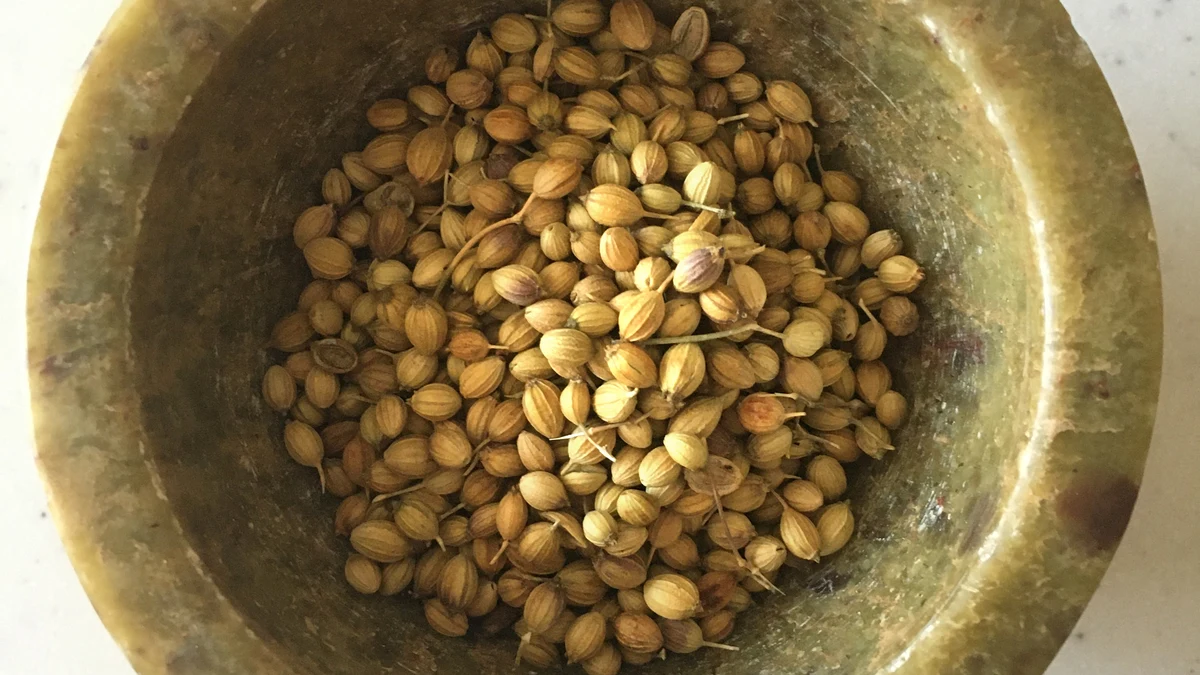
- Ramganj Mandi, situated in Kota district of Rajasthan, is internationally recognized as Asia’s largest coriander (dhaniya) wholesale trading and aggregation terminal, commanding over 60% of regional coriander seed turnover.
- Under the Rajasthan Agricultural Produce Markets Act, 1961, farmers selling at Krishi Upaj Mandi Ramganj Mandi enjoy a statutory 0% farmer commission guarantee; all mandi cess and commission agent fees are paid exclusively by buyers.
- Coriander arrivals are graded into distinct commercial categories: Badami (standard brown for domestic spice grinding), Eagle (uniform greenish-brown with high volatile oil), Scooter / Green Export (shade-dried, whole green seed), and Extra Green / Rangdar.
- Mandi gate entry and computerized weighbridge gross pass issuance operate from 05:00 AM to 08:30 AM daily Monday through Saturday, with open outcry auctions and e-NAM digital bidding running from 09:30 AM to 02:00 PM.
- In addition to coriander, Ramganj Mandi handles significant trading volumes of yellow soybean (Kharif), black mustard seed (Rabi), garlic, Bengal gram (Chana), and wheat, supported by direct West Central Railway freight siding loading facilities.
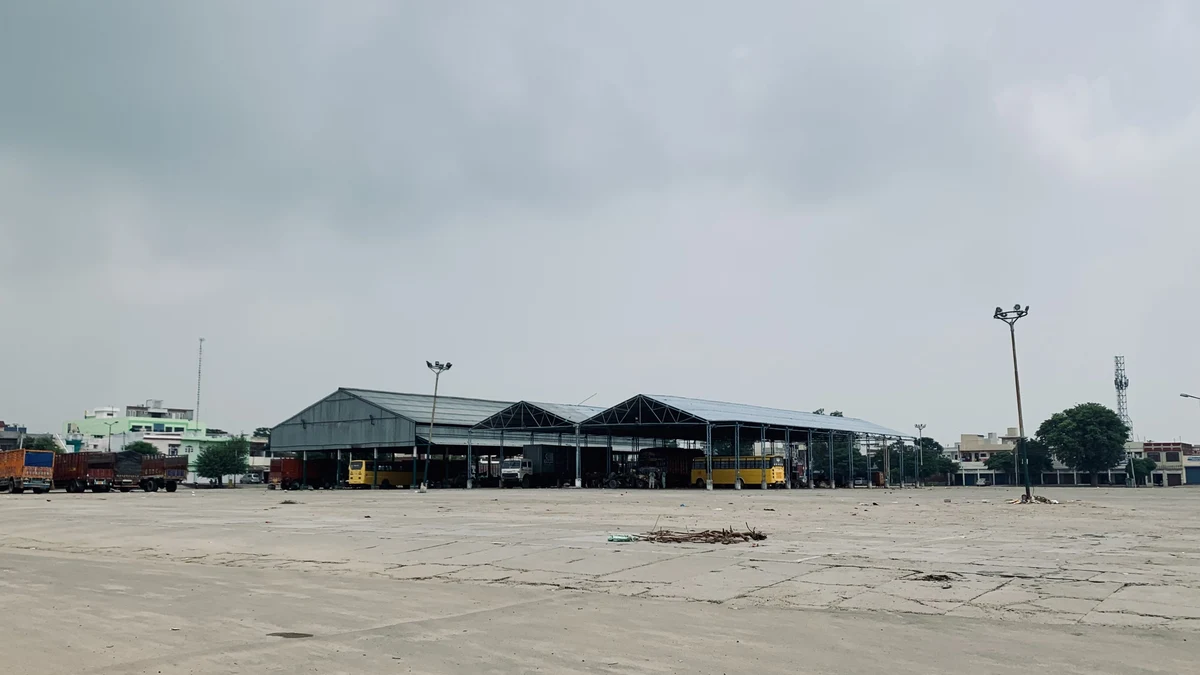
Ramganj Mandi, situated in the southern quadrant of Kota district in Rajasthan, is widely celebrated across global agricultural commodity markets as Asia’s largest wholesale aggregation and trading center for coriander seed (Coriandrum sativum), locally known as dhaniya. Spanning extensive modern yard facilities under the administration of the Krishi Upaj Mandi Samiti (APMC Ramganj Mandi) and the Rajasthan State Agricultural Marketing Board (rsamb.rajasthan.gov.in), this terminal market serves as the undisputed price discovery benchmark for coriander across the Indian subcontinent and international export destinations.
Every year, between February and July, the mandi grounds transform into a sprawling ocean of fragrant coriander seeds as hundreds of tractor-trolleys and commercial trucks powered by reliable machinery like Swaraj 744 FE tractors and heavy-duty Mahindra tractors arrive daily from agricultural villages across the Hadoti region—encompassing Kota, Baran, Bundi, and Jhalawar districts—as well as adjacent farming tracts of Madhya Pradesh including Mandsaur, Neemuch, Rajgarh, and Guna. While coriander represents the defining signature commodity of Ramganj Mandi, the yard is also a vital commercial exchange for major seasonal cash crops including yellow soybean, black mustard seed (Sarson), white garlic (Lahsun), Bengal gram (Chana), and premium Sharbati wheat. For growers, stockists, spice millers, and agribusiness entrepreneurs, navigating daily auction procedures, understanding standard quality grades, and exercising statutory seller rights are key to maximizing market returns.
Strategic Significance and Geography of Krishi Upaj Mandi Ramganj Mandi
The commercial ascendancy of Ramganj Mandi is rooted in its privileged geographical positioning and superior logistical connectivity. Located roughly 75 kilometers south of Kota city, the town lies squarely in the heart of the fertile Hadoti basin. The surrounding agricultural landscape is dominated by rich black cotton soils (Vertisols) enriched by the Chambal and Mukundara drainage basins. This unique combination of deep, moisture-retentive clay loam, intense winter sunshine, and regulated canal irrigation creates an ideal microclimate for spice crops, endowing locally grown coriander with exceptionally high essential oil concentration (linalool content exceeding 0.40% to 0.65%), robust aroma, and distinctive seed luster. Cultivators can explore complete agronomic protocols in our detailed coriander seeds cultivation and disease management guide.
From a logistical perspective, Ramganj Mandi boasts an advantage matched by few agricultural yards in northern and western India. The mandi complex is positioned directly adjacent to the West Central Railway (WCR) Kota Division mainline connecting New Delhi and Mumbai. The Krishi Upaj Mandi Samiti operates dedicated railway freight sidings capable of handling full rake wagon dispatches. Consignments loaded directly at Ramganj Mandi siding reach western coastal ports—such as Kandla, Mundra, and Jawaharlal Nehru Port Trust (JNPT)—within 24 to 36 hours for containerized shipping to consumer markets across the Middle East, Southeast Asia, Europe, and North America. Simultaneously, access to National Highway 52 (Jaipur-Kota-Indore national transit highway) facilitates round-the-clock movement of multi-axle freight carriers connecting industrial spice processing clusters in Gujarat, Maharashtra, Delhi NCR, and Uttar Pradesh. Real-time official benchmarks across all regional markets are compiled through the Directorate of Marketing & Inspection on Agmarknet (agmarknet.gov.in).
Commercial Coriander Grades at Ramganj Mandi: Specifications and Pricing Dynamics
Coriander pricing at Ramganj Mandi is strictly governed by physical quality, seed morphology, color preservation, essential oil percentage, and moisture retention. Unlike generalized grain auctions, buyers at Ramganj Mandi include master blenders from premier Indian spice brands, international export houses, oleoresin extractors, and wholesale spice merchants. Recognizing trade nomenclature and grading parameters allows farmers to prepare and sort their harvests to target the most lucrative buying segments.
1. Badami Grade Coriander (Domestic Grinding Benchmark)
Badami represents the largest commercial volume segment traded at Ramganj Mandi, accounting for roughly 45% to 55% of total annual arrivals. The seeds exhibit a pale, warm light-brown or almond hue (hence "Badami") resulting from field drying in ambient sunlight. While lacking vivid green coloration, high-quality Badami coriander retains potent aromatic qualities and strong volatile oil content. It serves as the primary raw material for domestic spice processing corporations producing packaged coriander powder and blended curry powders (Garam Masala, Sambhar Masala). Statutory quality norms require moisture content below 9.0%, with foreign matter (stalks, chaff, dust) capped at 2.0% maximum.
2. Eagle Grade Coriander (Standard Whole Spice & Premium Processing)
Eagle grade is a higher-tier commercial classification characterized by uniform, greenish-brown seeds that have undergone careful post-harvest threshing and primary machine cleaning. The seeds are intact, spherical, and free from insect infestation, split grains, or discoloration. Eagle grade coriander is highly sought after by commercial repackers, regional spice wholesalers, and industrial catering suppliers. It commands a noticeable price premium of Rs 800 to Rs 1,500 per quintal over standard Badami lots, reflecting lower cleaning losses and superior flavor retention.
3. Scooter / Special Green Grade (Semi-Export and Premium Retail)
Scooter grade coriander features a distinct, vibrant olive-green or pale green coloration achieved by harvesting the crop slightly ahead of complete field desiccation and drying the umbrellas in shaded, well-ventilated threshing sheds. The seeds retain delicate, floral citrus aromatic notes and high visual appeal. Packed in moisture-resistant HDPE or vacuum-sealed multiwall bags, Scooter grade lots supply premium urban supermarket brands across southern and western India as well as traditional Gulf export markets where whole green coriander is prized in regional culinary traditions.
4. Extra Green / Rangdar / Parrot Green Grade (Super-Premium Export)
Extra Green, often called "Parrot Green" or "Rangdar", represents the pinnacle of coriander cultivation craftsmanship. Cultivators harvest the crop by hand during early morning hours, manually separate the crop umbrellas, and dry the seeds inside covered drying sheds or poly-tunnels to completely protect the chlorophyll from direct solar bleaching. The resultant seeds boast a radiant emerald-green hue, robust essential oil content exceeding 0.60%, and pristine surface uniformity. These boutique lots are traded in specialized auction sessions and frequently fetch premiums 50% to 100% higher than baseline Badami prices, supplying high-end overseas spice importers in the United Arab Emirates, Saudi Arabia, the United Kingdom, and the European Union.
Daily Wholesale Rates & Indicative Price Ranges at Ramganj Mandi
Wholesale prices at Ramganj Mandi change daily based on seasonal arrival volumes, moisture assays, national commodity futures fluctuations, and export shipment orders. The table below outlines representative modal price ranges and quality specifications for major agricultural commodities traded at the yard.
| Commodity | Grade / Commercial Description | Moisture Limit | Indicative Modal Rate (Rs/Qtl) | Primary Seasonal Window |
|---|---|---|---|---|
| Coriander (Dhaniya) | Badami Grade (Domestic Grinding) | Max 9.0% | Rs 6,400 - Rs 7,450 | Feb - July (Peak Arrival) |
| Coriander (Dhaniya) | Eagle Grade (Machine Cleaned) | Max 8.5% | Rs 7,800 - Rs 9,800 | Feb - July (Peak Arrival) |
| Coriander (Dhaniya) | Scooter / Green Export Lot | Max 8.0% | Rs 10,500 - Rs 14,200 | March - May (Flush Harvest) |
| Coriander (Dhaniya) | Rangdar / Parrot Green Premium | Max 7.5% | Rs 15,000 - Rs 24,000 | March - April (Specialist Lots) |
| Yellow Soybean | JS-9560 / JS-335 Commercial Grade | Max 10.0% | Rs 4,100 - Rs 4,850 | Oct - Jan (Kharif Season) |
| Black Mustard (Sarson) | Hadoti High-Oil (41-42% Oil) | Max 8.0% | Rs 5,400 - Rs 6,100 | March - June (Rabi Season) |
| Garlic (Lahsun) | Desi Medium to Bold White | Cured Dry | Rs 8,500 - Rs 16,000 | Feb - May (Peak Arrival) |
| Bengal Gram (Chana) | Desi Brown Graded | Max 9.5% | Rs 5,600 - Rs 6,350 | March - June (Rabi Season) |
| Wheat (Gehun) | Mill Quality / Sharbati Select | Max 10.0% | Rs 2,450 - Rs 3,100 | April - July (Rabi Season) |
Mandi Operational Timetable: Gate Entry, Assaying & Auction Hours
To avoid traffic delays and secure prime auction platform placement, cultivators and transport operators should plan their arrivals around the APMC daily operating schedule. Ramganj Mandi adheres to a structured timetable designed to accommodate thousands of quintals of spices and grains seamlessly.
1. Inward Gate Entry and Electronic Weighpass (05:00 AM to 08:30 AM)
Loaded tractor-trolleys and trucks enter the mandi perimeter through the main northern gate on NH-52 link road. Mandi staff scan driver credentials, verify the commodity type, and direct the vehicle to automated weighbridges. A computerized inward pass is issued recording the gross vehicle weight, time of entry, and designated auction shed platform number (phad). Growers investing in robust haulage can check top-rated transport machinery such as Sonalika tractors or compare modern field equipment in our comprehensive farm equipment catalog.
2. Lot Arrangement and Assaying Sampling (07:00 AM to 09:30 AM)
Vehicles unhitch or discharge produce onto designated covered auction platforms. Sacks are stacked in identifiable lot formations, or coriander is spread out in clean lots. Licensed APMC assaying staff extract composite samples from top, middle, and bottom sections. The laboratory tests moisture content using digital moisture meters and issues a quality test slip noting foreign matter, split grains, and moisture percentage. These parameters are uploaded to the e-NAM digital platform (enam.gov.in) for nationwide bidding visibility.
3. Open Outcry Auctions and e-NAM Digital Bidding (09:30 AM to 02:00 PM)
The principal commercial bidding takes place in two concurrent modes. Traditional open outcry auctions (khuli boli) proceed platform by platform, conducted by licensed commission agents (arhtiyas) under the supervision of APMC auction officers. Wholesalers and millers gather around each lot, placing progressive bids per quintal. Simultaneously, e-NAM registered buyers from spice hubs like Unjha, Delhi, and Mumbai submit electronic bids based on verified assaying certificates. Once the highest bid is announced, the farmer can accept or decline.
4. Tare Weighment, Form J Issuance, and Payment Settlement (01:00 PM to 06:00 PM)
Upon accepting the bid, the lot is weighed on certified digital platform scales. The empty vehicle is weighed on the weighbridge to calculate the exact net weight. The commission agent generates an official Form J settlement receipt displaying net weight, agreed price per quintal, legitimate labor deductions, and net payable proceeds. Under APMC rules, buyers must complete payment settlement on the very same day.
Farmer Rights and Mandi Regulations: 0% Commission Guarantee
Farmers visiting Krishi Upaj Mandi Ramganj Mandi enjoy strong statutory protection under the Rajasthan Agricultural Produce Markets Act, 1961. The core legal safeguards include:
Zero Percent (0%) Farmer Commission: Under Rajasthan state law, no commission agent is legally permitted to deduct commission charges (aadat) from a farmer’s sale proceeds. The commission agent fee (fixed at 2.0% for agricultural crops) and the statutory mandi cess (1.60%) are paid exclusively by the purchasing trader or processing factory. Any arhtiya demanding commission from a farmer commits a punishable regulatory offence.
Standardized Labor Rates (Hamali): Loading and unloading charges are strictly regulated by APMC notifications (typically Rs 4.50 to Rs 7.00 per standard 50 kg gunny bag). No unofficial deductions or unaccounted cuts (karda or sample deductions) are permitted.
Right of Bid Refusal: If auction bids fall below a farmer’s production cost, the grower has the absolute legal prerogative to refuse the sale. Produce cannot be sold or held against the farmer’s consent. In such instances, farmers can deposit their coriander into accredited Central Warehousing Corporation (CWC) or Rajasthan State Warehousing Corporation (RSWC) warehouses near the siding, obtaining Electronic Negotiable Warehouse Receipts (e-NWR) to secure pledge financing through low-cost Kisan Credit Card (KCC) scale of finance loans.
Allied Agricultural Economics & Farm Enterprise Planning
Maximizing farm profitability in the Hadoti and Malwa agro-climatic belts requires balancing high-value spice cultivation with cost optimization and enterprise diversification. Progressive spice growers regularly cross-evaluate regional mandi bhavs, comparing Ramganj Mandi coriander prices with orange and soybean auctions at Bhawani Mandi Rajasthan, or metropolitan vegetable rates at Gazipur Sabji Mandi.
To protect farm income against volatile weather patterns, cultivators rely on digital planning tools including our interactive crop income calculator and institutional risk coverage via the crop insurance premium calculator. To cut high diesel irrigation costs, thousands of farmers in Rajasthan have transitioned to solar-powered micro-irrigation systems under the PM KUSUM solar pump subsidy scheme.
Furthermore, agricultural households should regularly monitor key central support programs, including their PM Kisan beneficiary status check, completing mandatory biometric authentication on the PM Kisan eKYC portal, tracking DBT fund releases via PM Kisan payment status, and securing essential input supplies with transparent benchmarks on DAP fertilizer prices and application rates. Producers diversifying into livestock husbandry can also explore high-yield commercial enterprises like Gir cow dairy farming supported by dairy farming loans and NABARD capital subsidies, alongside commercial poultry rate updates like today egg rates, Barwala egg rates, and official NECC egg rates.
Frequently asked questions
- Where is Ramganj Mandi located and why is it globally famous?
- Ramganj Mandi is situated in the southern part of Kota district in Rajasthan, approximately 75 km from Kota city along NH-52. It is globally famous as Asia’s largest wholesale aggregation and trading center for coriander seed (dhaniya), handling over 60% of regional coriander turnover and supplying international spice markets. Growers also cross-reference neighboring terminals like Bhawani Mandi Rajasthan for multi-commodity pricing.
- What are the main coriander (dhaniya) grades traded at Ramganj Mandi?
- Coriander is classified into Badami (light brown standard grade for domestic spice grinding), Eagle (uniform greenish-brown cleaned whole seed), Scooter / Special Green (shade-dried pale green seed for premium retail), and Parrot Green / Extra Green (super-premium hand-picked whole green seed commanding top export prices). Cultivators can study complete agronomic guidelines in our coriander seeds cultivation guide.
- What other major agricultural commodities are traded at Ramganj Mandi?
- Beyond coriander, Ramganj Mandi handles high daily volumes of yellow soybean (Kharif oilseed), black mustard seed (Sarson), Desi white garlic (Lahsun), Bengal gram (Chana), and Sharbati wheat, backed by dedicated West Central Railway goods siding connectivity. Farmers hauling heavy grain loads frequently utilize durable haulage equipment like Swaraj tractors and Mahindra tractors.
- What are the daily gate entry hours and auction timings at Ramganj Mandi?
- The mandi gates open for vehicle entry and electronic weighbridge pass issuance at 05:00 AM and operate until 08:30 AM Monday through Saturday. Open outcry auctions and digital e-NAM bidding commence at 09:30 AM and run until 02:00 PM, with weighment and payments completed by the evening. Growers planning equipment upgrades can explore incentives under the state tractor subsidy scheme.
- Do farmers have to pay any commission (arhatiya adat) at Ramganj Mandi?
- No. Under the Rajasthan Agricultural Produce Markets Act, 1961, farmer commission is strictly 0%. All mandi fees (cess) and commission agent brokerage charges are legally mandated to be paid entirely by the purchasing buyer or processing mill. Farmers preserve complete margins calculated via our crop income calculator.
- How does digital e-NAM trading work at Ramganj Mandi?
- Ramganj Mandi is fully integrated with the national e-NAM portal (enam.gov.in). Lot samples are tested at the on-site APMC assaying laboratory for moisture, purity, and grain size. Test certificates and sample photos are uploaded online, allowing registered buyers across India to submit competitive electronic bids.
- Can farmers reject a bid if they are not satisfied with the price?
- Yes. Under APMC statutory regulations, every farmer retains the absolute legal right of lot refusal. If the top bid during the auction does not meet the farmer’s price expectation, the farmer can decline the sale, retain the produce, or store it in an accredited warehouse while accessing pledge finance through a Kisan Credit Card (KCC).
- What documents should a farmer bring to receive direct bank payment at the mandi?
- Farmers should carry a copy of their Aadhaar card, bank passbook or cancelled cheque (with legible bank account number and IFSC code), and land revenue record (Jamabandi or Khasra). Cultivators should ensure bank account details match their central direct benefit records used for PM Kisan status check.
- Where can farmers check official daily mandi bhav for Ramganj Mandi?
- Official daily modal rates, minimum and maximum prices, and total arrival quantities are updated on the Directorate of Marketing & Inspection portal at agmarknet.gov.in, the Rajasthan State Agricultural Marketing Board at rsamb.rajasthan.gov.in, and via KisanPe mandi reports.
- What warehousing facilities exist for storing coriander at Ramganj Mandi?
- Accredited scientific warehouses operated by the Central Warehousing Corporation (CWC) and Rajasthan State Warehousing Corporation (RSWC) are available near the railway siding. Depositors receive Electronic Negotiable Warehouse Receipts (e-NWR) eligible for low-interest bank pledge loans.
- Are specialized cold storage facilities available for green coriander?
- Yes. Several climate-controlled private cold storage units operate within a 10 km radius of Ramganj Mandi. These facilities maintain 10°C to 12°C temperature and controlled humidity, preserving the vibrant green chlorophyll color of Scooter and Extra Green coriander for up to 8 to 10 months.
- Is Ramganj Mandi open on Sundays and government holidays?
- Regular commercial auctions and e-NAM trading sessions are closed on Sundays and gazetted public holidays. However, during the peak coriander arrival season between March and May, temporary vehicle holding yards remain accessible for transit convenience.
This article is for general information only and is not financial advice. Loan and scheme eligibility depends on partner and government criteria.