Egg Price in Delhi Today: NECC Wholesale Mandi Rate Guide
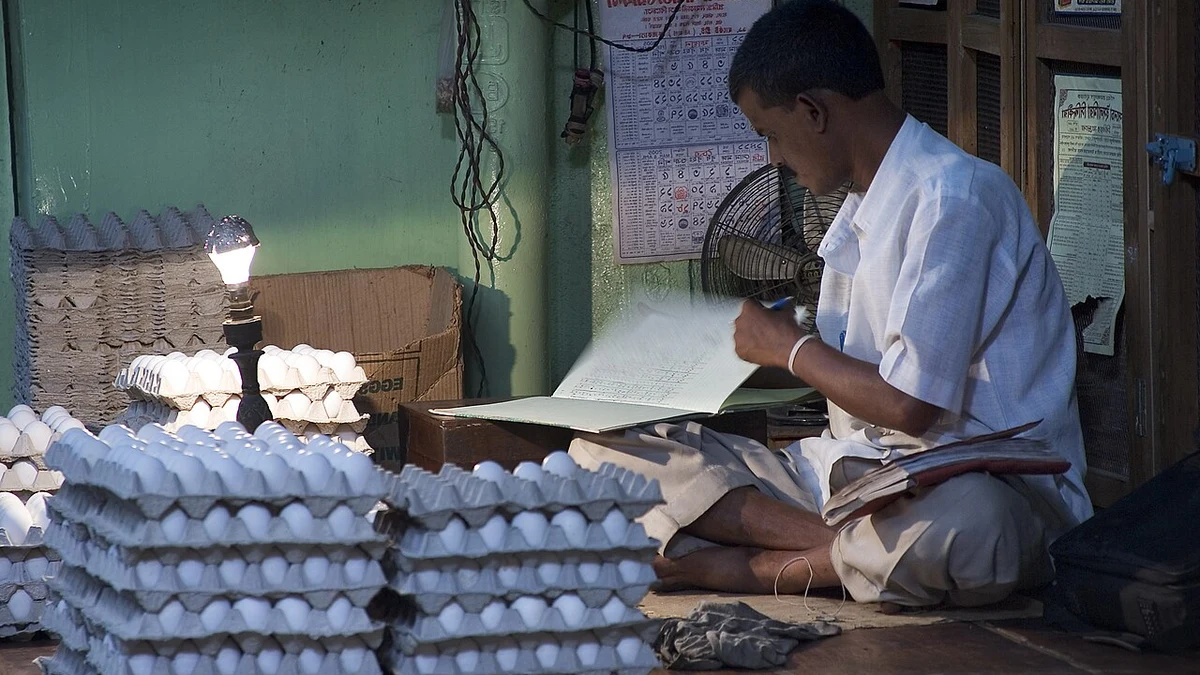
Delhi NCR is the single largest egg consumption terminal market in South Asia, absorbing over 1.5 crore (15 million) table eggs every single day across household kitchens, street food vendors, commercial bakeries, cloud kitchens, and institutional caterers. Wholesale and retail egg rates across the capital are steered by daily benchmark price declarations issued by the National Egg Coordination Committee (NECC) Delhi Zonal Committee and physical open auctions conducted at the Gazipur Murga & Anda Mandi under the Delhi Agricultural Marketing Board (DAMB). Traders and buyers routinely compare these quotes against the Delhi wholesale egg rate and our national today egg rate directory. Indicative wholesale rates in 2026 range from ₹5.20 to ₹6.10 per piece (₹520 to ₹610 per 100 eggs, or ₹1,092 to ₹1,281 per 210-egg commercial peti), while neighborhood retail stores sell table eggs at ₹6.50 to ₹8.00 per piece as of November 2026.
Because eggs are perishable biological commodities with an ambient summer shelf life of barely 7 to 10 days, daily wholesale prices respond with extreme sensitivity to interstate supply arrivals from Haryana (monitored via the Barwala egg rate today), Punjab, and western Uttar Pradesh, feed input price surges (maize and soya DOC traded at the anaj mandi), and seasonal climatic shifts tracked on our egg rate market trends and egg price today guides. Understanding how NECC sets the daily benchmark rate (anda ka rate / aaj ka ande ka rate) enables commercial food operators and poultry farmers to make informed financial decisions.
Egg Price in Delhi Today: NECC Wholesale & Retail Packaging Breakdown
Commercial egg pricing in Delhi follows a standardized multi-tier packaging structure. Wholesalers at Gazipur trade primarily in 210-egg wooden crates (petis) or 100-egg century counts, sub-wholesalers distribute in 30-egg molded pulp trays, and neighborhood retail kirana stores sell by the dozen or individual unit. The table below outlines the prevailing indicative price spectrum across all packaging sizes in Delhi NCR:
| Packaging Unit | Quantity (Eggs) | Wholesale Rate (₹) | Semi-Wholesale Rate (₹) | Retail Market Rate (₹) | Per-Egg Effective Rate (₹) |
|---|---|---|---|---|---|
| Single Egg (Ek Anda) | 1 Piece | ₹5.30 – ₹5.60 | ₹5.80 – ₹6.20 | ₹6.50 – ₹8.00 | ₹6.50 – ₹8.00 |
| Standard Half-Dozen Box | 6 Pieces | ₹32.00 – ₹34.00 | ₹36.00 – ₹38.00 | ₹42.00 – ₹48.00 | ₹7.00 – ₹8.00 |
| Standard One-Dozen Box | 12 Pieces | ₹64.00 – ₹68.00 | ₹72.00 – ₹76.00 | ₹84.00 – ₹96.00 | ₹7.00 – ₹8.00 |
| Standard Farm Tray | 30 Pieces | ₹159.00 – ₹168.00 | ₹174.00 – ₹186.00 | ₹195.00 – ₹220.00 | ₹6.50 – ₹7.33 |
| Century Wholesale Unit | 100 Pieces | ₹530.00 – ₹560.00 | ₹580.00 – ₹610.00 | ₹650.00 – ₹720.00 | ₹6.50 – ₹7.20 |
| Commercial Small Peti | 210 Pieces | ₹1,113.00 – ₹1,176.00 | ₹1,218.00 – ₹1,280.00 | ₹1,380.00 – ₹1,500.00 | ₹6.57 – ₹7.14 |
| Commercial Corrugated Box | 300 Pieces | ₹1,590.00 – ₹1,680.00 | ₹1,740.00 – ₹1,830.00 | ₹1,950.00 – ₹2,150.00 | ₹6.50 – ₹7.17 |
| Commercial Master Crate | 350 Pieces | ₹1,855.00 – ₹1,960.00 | ₹2,030.00 – ₹2,135.00 | ₹2,275.00 – ₹2,480.00 | ₹6.50 – ₹7.08 |
Source: National Egg Coordination Committee (NECC) Delhi Zonal Committee & Delhi Agricultural Marketing Board (DAMB) Gazipur price bulletins. Indicative wholesale and retail market prices, November 2026. Spot rates vary by neighborhood transit costs, refrigeration availability, and daily supply inflows.
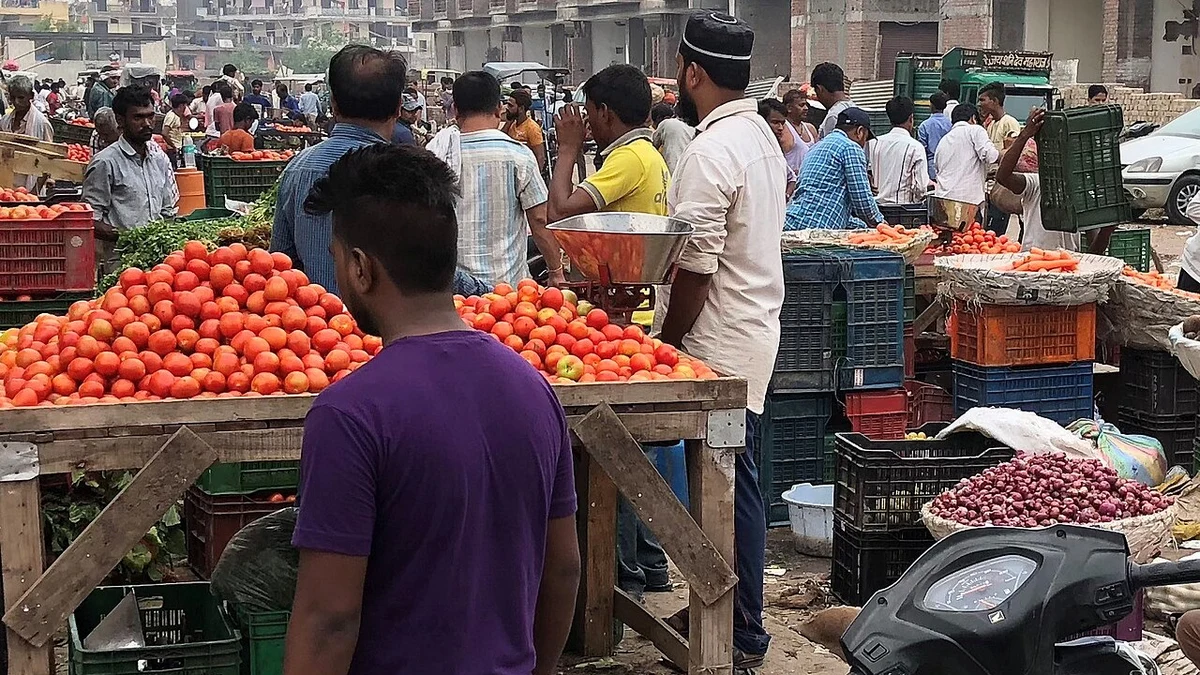
The Interstate Supply Pipeline: Where Do Delhi’s Eggs Come From?
Because the National Capital Territory of Delhi has virtually zero commercial poultry production within its borders, the city is completely dependent on an intricate 24-hour logistics supply chain stretching across north and south India:
- Barwala–Panchkula Layer Belt (Haryana, ~45% to 50% Share): Located 260 km north along the Grand Trunk Road (NH-44), Barwala houses Asia’s largest single concentration of commercial layer farms (over 1.5 crore layer birds). Insulated trucks leave Barwala each evening and reach Gazipur, Okhla, and Azadpur by 03:00 AM, making Barwala the decisive supply lifeline of the capital.
- Punjab Layer Clusters (Ludhiana, Sangrur, Patiala, ~20% to 25% Share): High-technology environmentally controlled (EC) poultry houses in Punjab dispatch heavy multi-axle trailers of grade-A eggs daily, primarily supplying institutional bakery and fast-food restaurant chains.
- Western Uttar Pradesh (Muzaffarnagar, Meerut, Shamli, ~15% Share): Smaller commercial layer farms within a 100 km radius supply fresh table eggs directly to East Delhi, Noida, and Ghaziabad retail markets.
- Southern Express Inflows (Namakkal, Tamil Nadu & Hyderabad, ~10% Seasonal Inflow): During extreme north Indian winter peaks (December to January) when local production cannot keep pace with surging consumption, refrigerated rail parcel vans and specialized road reefer trucks bring eggs 2,400 km north from Namakkal and Andhra Pradesh to stabilize Delhi prices.
How NECC Sets the Daily Egg Rate (Anda Ka Rate) in Delhi
The National Egg Coordination Committee (NECC) operates a structured democratic price discovery mechanism to prevent predatory price manipulation by commission agents. Every evening at 05:00 PM, the NECC Delhi Zonal Committee convenes with representatives from layer farmer associations, wholesale traders at Gazipur, and cold storage operators:
- Daily Stock Arrival Metrics: Tracking the exact number of commercial trucks entering Gazipur and private cold store inventories across Kundli, Sonipat, and Sahibabad.
- Upstream Farmgate Production Benchmarks: Comparing prevailing farmgate rates at Barwala, Ajmer, and Punjab mandis against local clearance rates.
- Daily Closing Price Announcement: At approximately 05:30 PM, NECC announces the official benchmark rate (e.g. ₹550 per 100 eggs). This rate is broadcasted via SMS, the e2necc portal, and WhatsApp bulletins to thousands of traders and poultry farmers nationwide.
- Farmer Protection Purpose: Before NECC’s establishment, powerful trader syndicates forced distress sales upon farmers during summer heatwaves; NECC’s benchmark pricing provides a transparent price floor that safeguards farmer remuneration.
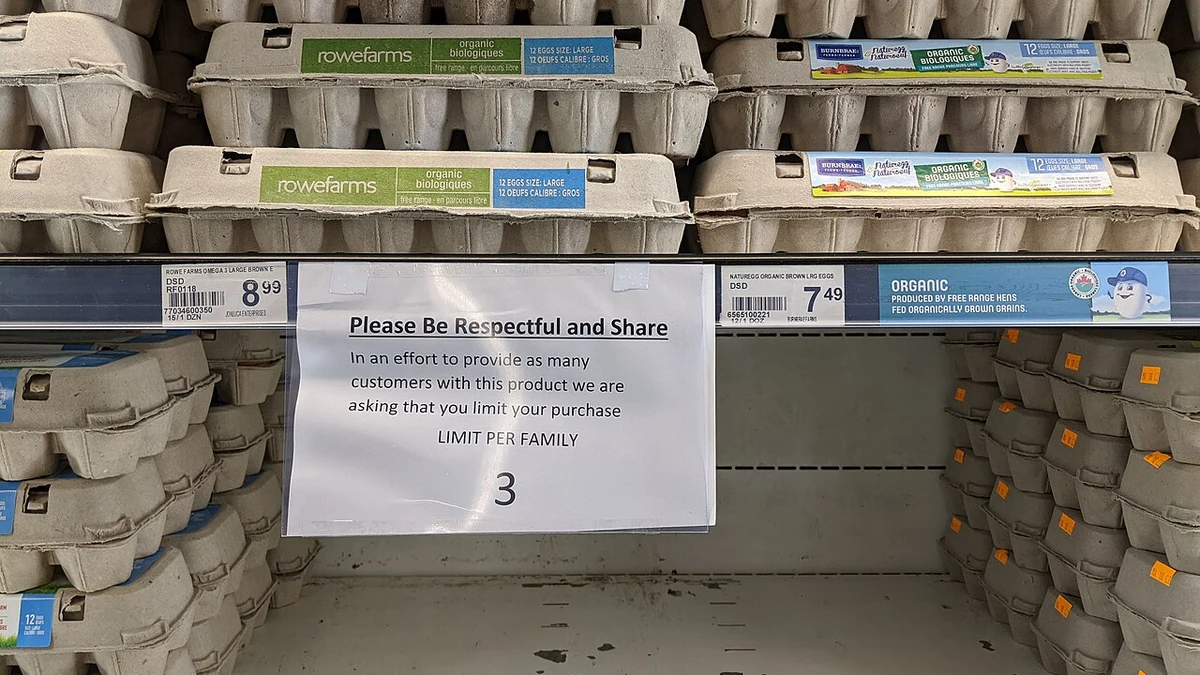
Poultry Feed Economics: Why Egg Production Costs Are Rising
Feed expenses constitute 70% to 75% of the total recurring cost of producing an egg. When key poultry feed commodity prices rise on agricultural commodity exchanges, egg production costs surge proportionately:
- Maize (Makka, 52%–55% of Layer Ration): Provides metabolic energy. Prevailing maize prices in northern mandis range from ₹2,150 to ₹2,450 per quintal. Increased ethanol blending diversion has created intense commercial competition for feed-grade maize.
- Soybean De-Oiled Cake (DOC, 22%–26% of Layer Ration): The foundational vegetable protein source (46%–48% crude protein). Soya DOC trades at ₹3,800 to ₹4,300 per quintal in central and northern processing hubs.
- Calcite & Shell Grit (8%–10% of Layer Ration): Provides calcium carbonate necessary for strong eggshell crystallization. Deficiencies result in thin-shelled breakage during transit.
- Cost of Production Floor: In 2026, the weighted cost of producing a single egg at north Indian farmgate stands between ₹4.40 and ₹4.85. Consequently, when wholesale egg prices fall below ₹4.50, layer farmers suffer cash losses, leading to early culling of layer birds and subsequent supply shortages that trigger sharp price rebounds.
Seasonal Demand Swings & Consumer Purchasing Strategies in Delhi
Egg consumption in Delhi exhibits extreme seasonal volatility compared to southern Indian metro markets:
- Winter Boom (November to February): Chilly northern temperatures boost egg consumption by nearly 60% as households consume boiled eggs, omelettes, and warm egg curries. Wholesale prices historically reach annual peaks (₹5.60 to ₹6.50/egg).
- Summer Softening (May to July): 44°C+ summer heat reduces egg shelf life and consumer appetite, causing retail demand to soften by 20% to 30%. Rates typically soften to annual lows (₹4.20 to ₹4.90/egg).
- Religious Fasting Dips (Shravan & Navratri): During annual 9-day Navratri festivals and the month of Shravan, vegetarian dietary shifts temporarily contract local demand by 30% to 40%, forcing traders to divert consignments to cold stores or eastern states.
- Bulk Buying Advice: Families and commercial food vendors can save 20% to 25% on egg expenses by purchasing 30-egg trays or 210-egg petis directly from wholesale distributors or mandi stockists rather than paying single-piece retail rates.
Frequently asked questions
- What is the current egg price in Delhi today per piece and per tray?
- In 2026, the wholesale egg price in Delhi ranges from ₹5.20 to ₹6.10 per piece (₹156 to ₹183 per 30-egg tray); check real-time mandi spreads on the Delhi egg rate report. At neighborhood retail shops, eggs sell at ₹6.50 to ₹8.00 per piece depending on location and quality grade.
- What is the wholesale egg rate per 100 eggs in Delhi today?
- The wholesale century rate (100 eggs) at Gazipur Mandi ranges between ₹520 and ₹610 as of November 2026, determined by daily benchmark price announcements on the NECC portal.
- How many eggs are there in a commercial peti (crate) in Delhi?
- In northern India including Delhi, a standard commercial egg peti contains 210 eggs (arranged in 7 molded pulp trays of 30 eggs each). Larger corrugated shipping cartons contain 300 or 350 eggs.
- Where is the main wholesale egg market located in Delhi?
- The central wholesale egg clearinghouse is the Gazipur Murga & Anda Mandi, operated under the Delhi Agricultural Marketing Board (DAMB) in East Delhi near the Anand Vihar border.
- At what time does NECC announce the daily egg rate in Delhi?
- The NECC Delhi Zonal Committee announces the official benchmark rate daily at approximately 05:30 PM, reflecting daily auction clearance, stock arrivals, and regional supply conditions.
- Where do most of Delhi’s fresh eggs come from?
- Nearly 50% of Delhi’s eggs originate from the massive Barwala poultry belt in Haryana (tracked via our Barwala egg rate today), with secondary volumes arriving from Punjab and rail consignments from Tamil Nadu benchmarked against the Namakkal egg rate today.
- Why do egg prices in Delhi increase sharply during winter?
- Winter cold weather triggers a 50% to 60% surge in consumer demand across north India for hot breakfasts, tea stalls, and bakeries. Higher seasonal feed consumption by layer birds to maintain body warmth also elevates production costs.
- How can consumers test whether an egg purchased in Delhi is fresh?
- Perform the simple water float test: place the egg in a bowl of water. A fresh egg sinks to the bottom and lies flat on its side. An egg that tilts upward is several days old but safe to eat. An egg that floats completely to the surface is spoiled due to enlarged air cells and should be discarded.
- What is the difference between white eggs and brown eggs in Delhi?
- White eggs are laid by White Leghorn commercial layer hens, representing over 95% of market volume. Brown eggs are laid by heavier dual-purpose breeds like Rhode Island Red or BV-380. Nutritively, both have virtually identical protein and calorie content; brown eggs command higher prices due to consumer perception and higher hen feed intake.
- How should eggs be stored in Delhi to maximize shelf life?
- Store eggs pointed end down inside a refrigerator at 4°C to 7°C to preserve freshness for up to 30 to 45 days. Keep eggs in their original carton rather than the open refrigerator door to prevent temperature fluctuations and odor absorption.
- What causes sudden egg price drops in Delhi during certain months?
- Egg prices soften during extreme peak summer (May–June) when high ambient heat accelerates spoilage and reduces appetite, as well as during religious festivals like Shravan and Navratri when millions of consumers adopt strictly vegetarian diets.
- Where can consumers and traders check daily verified egg prices in Delhi?
- Daily verified rates are accessible on the official NECC website, the DAMB portal, national poultry advisories from the DAHD, and our real-time today egg rate directory.
This article is for general information only and is not financial advice. Loan and scheme eligibility depends on partner and government criteria.