Goat Farming Guide: Business Plan, Breeds & NLM Subsidy
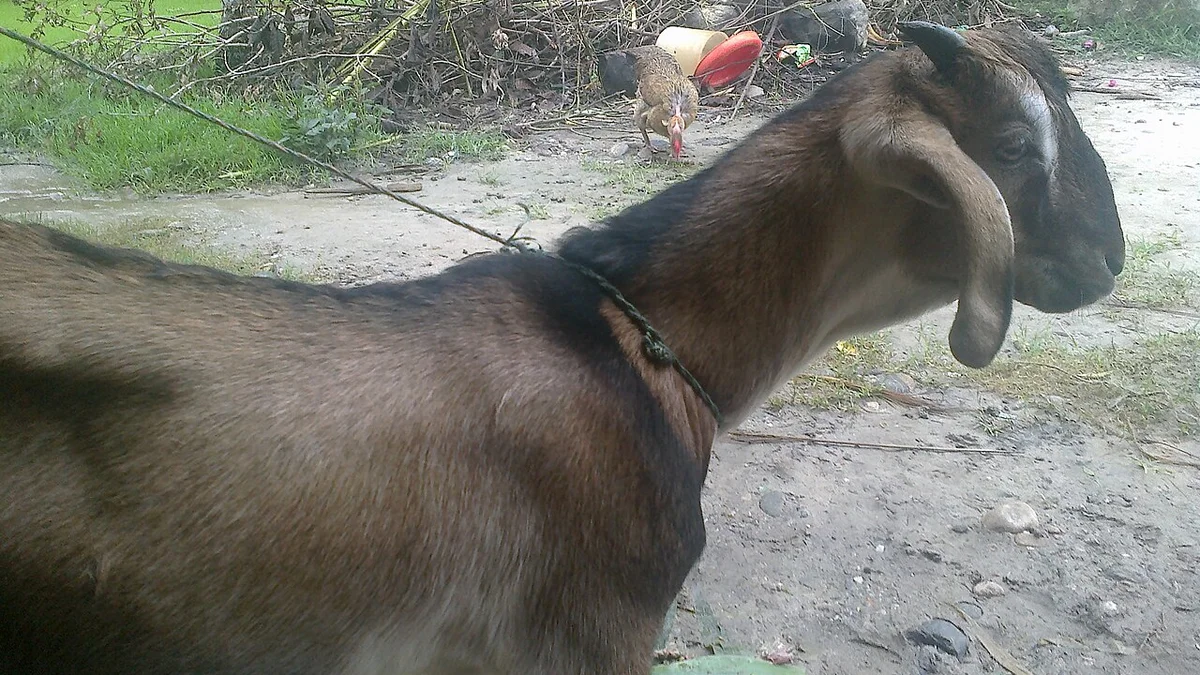
Goat farming (Capra hircus), affectionately hailed by agricultural economists as the "poor man’s cow," has undergone a profound structural metamorphosis across rural and peri-urban India. Once regarded merely as a low-input, extensive grazing subsistence activity for landless rural households, commercial goat farming has emerged into an organized, highly profitable agribusiness. India possesses the world’s second-largest goat inventory—surpassing 14.88 crore (148.8 million) animals according to the 20th Livestock Census administered by the Department of Animal Husbandry and Dairying (DAHD Portal). With domestic demand for chevon (goat meat) expanding continuously alongside robust export demand across Middle Eastern nations, launching a structured goat business offers outstanding return on capital, rapid cash flow cycles, and high climate resilience.
Modern commercial operators are transitioning from vulnerable free-range grazing towards intensive, biosecure, stall-fed (zero-grazing) shed architectures. Backed by transformative breeding research from the ICAR-Central Institute for Research on Goats (ICAR-CIRG Makhdoom), 50% capital subsidies under the National Livestock Mission (NLM Portal), and collateral-free working capital via Pashu Kisan Credit Cards from NABARD (NABARD Rural Development Bank), setting up a commercial goat form has never been more financially viable. This in-depth operations blueprint covers commercial breed selection, modern elevated shed engineering, balanced Total Mixed Ration (TMR) feeding protocols, statutory disease immunization calendars, comprehensive 50-doe unit economics, and subsidy application pathways.
1. Why Commercial Goat Farming Outperforms Conventional Livestock
Compared to dairy cattle, buffaloes, or broiler poultry, commercial goat husbandry offers distinct operational, agronomic, and financial advantages:
- Low Initial Capital Investment: A commercial foundation breeding unit (such as 50 does and 2 bucks) requires a fraction of the land, infrastructure, and stock acquisition capital demanded by a commercial dairy cattle herd.
- High Prolificacy & Short Generation Interval: Goats reach sexual maturity within 8 to 12 months. With a gestation period of just 150 days (5 months) and a rapid postpartum estrus, female goats achieve three kiddings every two years, frequently delivering twins, triplets, or quadruplets.
- Superb Feed Conversion & Versatility: Goats are natural browsers rather than simple grazers. They digest diverse fibrous biomass—including thorny acacia, crop stubble, agro-industrial byproducts, dry leaves, and tree loppings—converting coarse cellulose into high-protein lean meat with superior feed efficiency.
- Guaranteed Market Liquidity: Unlike cow or buffalo milk that requires daily cold-chain collection logistics, live meat goats can be monetized instantly at farm-gate to local butchers, livestock aggregators, or during high-premium festive windows (such as Eid-ul-Adha / Bakrid).
2. Top Commercial Meat and Dual-Purpose Goat Breeds in India
Selecting the optimal breed determines over 60% of commercial enterprise profitability. Indian agro-climatic zones support indigenous champions as well as high-performance international meat crosses:
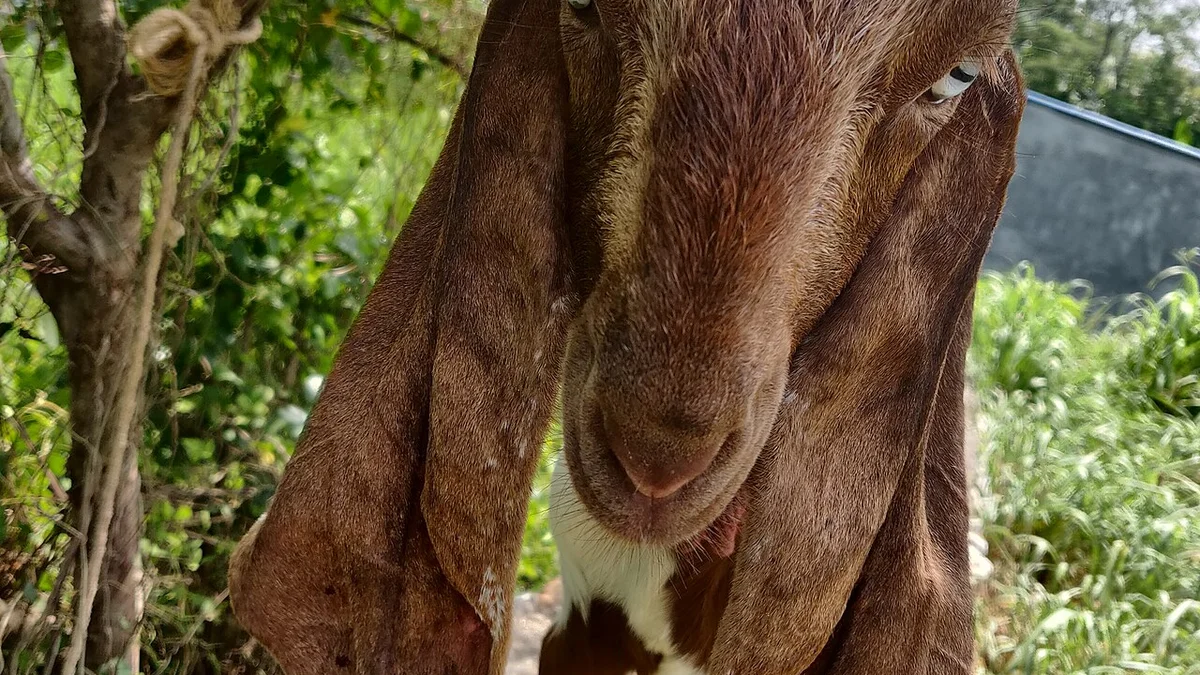
| Goat Breed | Native Origin / Zone | Primary Commercial Utility | Adult Body Weight (Buck / Doe) | Kidding Rate & Twinning % | Suitability for Stall-Feeding |
|---|---|---|---|---|---|
| Boer | South Africa (Global Exotic) | Heavy Commercial Meat Terminal Sire | 90 – 130 kg / 65 – 85 kg | Twins common (160% – 180%) | Excellent (Cross-breeding powerhouse) |
| Sirohi | Rajasthan (Ajmer, Sirohi, Pali) | Dual-Purpose (Meat & Milk), Arid Hardy | 50 – 70 kg / 35 – 45 kg | Single & Twins (120% – 130%) | Very Good (Tolerates extreme heat) |
| Black Bengal | West Bengal, Bihar, Assam | World's Best Chevon Meat & Leather | 25 – 35 kg / 18 – 25 kg | High Prolificacy (Twins/Triplets 80%+) | Moderate (Requires semi-range or dry shed) |
| Osmanabadi | Maharashtra (Marathwada) | Hardy Chevon Meat, High Disease Defense | 45 – 60 kg / 32 – 40 kg | High Twinning Rate (140% – 160%) | Excellent (Top choice for Deccan stall feeding) |
| Barbari | UP (Agra, Mathura, Etah) | Compact Dual-Purpose, Peri-Urban Meat | 35 – 48 kg / 25 – 35 kg | High Prolificacy (Twins/Triplets 150%+) | Outstanding (Ideal zero-grazing city breed) |
| Jamunapari | UP (Chambal Ravines, Etawah) | Giant Dual-Purpose (High Milk Yield) | 65 – 85 kg / 45 – 60 kg | Singles predominantly (110% – 120%) | Fair (Requires ample browsing space) |
| Tellicherry (Malabari) | Kerala (Malabar Coast) | Meat & Dairy, Humid Coastal Resilience | 45 – 55 kg / 30 – 40 kg | High Prolificacy (Twins/Triplets 150%+) | Very Good (High moisture resistance) |
3. Production Systems: Grazing vs Intensive Stall-Fed (Zero-Grazing)
Commercial operations choose between three recognized husbandry production systems:
- Extensive Grazing System: Traditional methodology where goats roam open pastures, commons, or forest fringes for 8 to 10 hours daily. While feed expenditure is near zero, drawbacks include high parasite loads (worms), exposure to feral predators, weather stress, unpredictable daily weight gain, and lack of selective breeding control.
- Semi-Intensive System: A balanced hybrid approach where goats graze pasture for 4 to 5 hours during the morning and return to sheltered sheds in the evening to receive supplementary concentrate feed, mineral licks, and harvested green fodder. Highly practical for farmers with 2 to 5 acres of dedicated grazing land.
- Intensive Stall-Fed (Zero-Grazing) System: The gold standard for modern commercial entrepreneurship. Goats remain housed continuously inside engineered sheds and are fed cut cultivated green fodder, silage, dry roughage, and balanced concentrates. Key benefits include: rapid daily weight gains (150g to 250g/day in Boer crosses), zero predator risk, 90% reduction in internal parasite burdens, controlled pedigree breeding, and complete biosecurity.
4. Shed Design and Elevated Slatted Floor Engineering
In stall-fed operations, housing engineering directly determines herd health. Traditional mud floors harbor dampness, leading to respiratory pneumonia and foot rot—the two primary causes of kid mortality. Progressive farms build elevated slatted floor sheds:
- Floor Elevation & Slats: The shed floor is raised 1.5 to 2.0 meters (5 to 6 feet) above natural ground level on steel pillars or concrete stilts. The flooring consists of treated wooden battens, bamboo strips, or modular heavy-duty virgin polypropylene plastic slats with 12mm to 15mm gaps. Fecal pellets and urine drop directly onto the ground below, keeping the animals clean, dry, and parasite-free.
- Manure Harvesting Under-Floor: The ground beneath the slats is sloped toward a central drainage channel, allowing laborers to shovel dry goat manure pellets daily without disturbing resting animals. Goat manure contains 3% nitrogen, 1% phosphorus, and 2% potassium (NPK), making it a high-value organic fertilizer fetching ₹4 to ₹6 per kg.
- Space Allocation Standards: Adult does require 12 to 15 square feet of covered shed floor plus 20 square feet of open paddock run. Breeding bucks require 20 to 25 square feet of solitary partitioned space. Growing kids (3 to 12 months) require 6 to 8 square feet each.
- Ventilation & Roofing: Gable or semi-monitor roofs built with GI sheets or insulated sandwich panels (minimum height 12 to 14 feet at ridge) allow convective heat escape. Wire mesh perimeter walls ensure continuous natural airflow while keeping out wild carnivores and stray dogs.
5. Scientific Nutrition: Fodder Planning and Concentrate Rations
Feed represents 65% to 70% of total operational expenditure in stall-fed enterprises. A scientifically formulated daily ration for an adult 40 kg goat consists of:
- Green Fodder (3 to 4 kg/day): A 2:1 combination of perennial cereal grass and leguminous fodder. Cultivate high-yielding fodder varieties such as Super Napier (CO-4 / CO-5), Sorghum (SSG-59-3), Guinea grass alongside protein-dense legumes like Lucerne (Alfalfa), Berseem, Cowpea, and tree loppings (Subabul, Moringa, Sesbania).
- Dry Roughage (0.5 to 1.0 kg/day): Cured cereal straws (wheat straw, paddy straw, maize stover, or groundnut haulms) to provide essential scratch factor for active rumen rumination.
- Concentrate Feed (250g to 450g/day): Balanced pelleted or mash ration formulated with crushed yellow maize (40%), wheat/rice bran (25%), soybean meal or mustard cake (25%), mineral mixture (2%), bypass fat (2%), and common salt (1%). Pregnant and lactating does receive an additional 200g steaming-up allowance.
- Clean Water & Mineral Licks: Goats require 3 to 6 liters of clean drinking water daily per head. Mineral salt lick blocks suspended in each pen prevent trace mineral deficiencies (copper, selenium, zinc).
6. Veterinary Healthcare & Statutory Vaccination Calendar
Biosecurity and strict adherence to vaccination schedules prevent catastrophic epidemic losses. Farm managers must maintain the following mandatory veterinary calendar:
| Disease / Infection | Vaccine Type / Name | Primary Age of First Dose | Booster / Annual Schedule | Season of Administration |
|---|---|---|---|---|
| PPR (Goat Plague) | Live Attenuated PPR Vaccine | 3 Months of age | Revaccinate every 3 years | Pre-monsoon (March – April) |
| Enterotoxemia (ET) | ET Inactivated Alum Precipitated | 3 Months of age | Annual revaccination | Pre-monsoon (May – June) |
| Foot and Mouth (FMD) | FMD Polyvalent Inactivated | 4 Months of age | Biannual (every 6 months) | September and March |
| Goat Pox | Live Attenuated Goat Pox Vaccine | 3 Months of age | Annual revaccination | December – January |
| Hemorrhagic Septicemia (HS) | HS Alum Adjuvanted | 6 Months of age | Annual revaccination | May – June (Pre-monsoon) |
| Internal Parasites (Worms) | Broad-Spectrum Dewormer | 1 Month (Kids) | Rotate Albendazole / Ivermectin every 3–4 months | Post-monsoon and Spring |
7. Commercial Unit Economics: 50 Does + 2 Bucks Business Plan
Below is a realistic, conservative 2-year financial model for a commercial 50-Doe + 2-Buck foundation breeding unit operating under intensive stall-fed conditions:
| Cost / Revenue Component | Unit Specification / Scale | Year 1 (Capex + Opex) | Year 2 (Opex & Revenue) |
|---|---|---|---|
| Breeding Stock Purchase | 50 Does (@ ₹9,000) + 2 Superior Bucks (@ ₹18,000) | ₹4,86,000 | — (Replacements from herd) |
| Shed Construction (Elevated Slats) | 900 sq.ft covered shed + 1,200 sq.ft open yard | ₹3,50,000 | — (Depreciation only) |
| Equipment & Fodder Chaff Cutter | Motorized chaff cutter, feeders, drinkers, fencing | ₹75,000 | ₹5,000 (Maintenance) |
| Green Fodder Cultivation (1 Acre) | Seeds, land prep, drip fertigation, lease | ₹45,000 | ₹30,000 (Recurring) |
| Concentrate Feed & Mineral Mixture | Commercial mash ration for does, bucks & growing kids | ₹1,40,000 | ₹2,20,000 |
| Veterinary Care, Vaccines & Insurance | Health covers, dewormers, annual livestock insurance | ₹45,000 | ₹55,000 |
| Labor Wages (1 Dedicated Caretaker) | 1 Permanent farm attendant @ ₹12,000/month | ₹1,44,000 | ₹1,44,000 |
| TOTAL OUTLAY (Expenditure) | Combined Capital and Operational Costs | ₹12,85,000 | ₹4,54,000 |
| Sale of Male Kids (Meat / Bakrid) | 65 Male kids @ 30kg live wt (₹400/kg) or festival premium | ₹2,50,000 (Initial batch) | ₹7,80,000 (Full 65 head batch) |
| Sale of Surplus Female Breeding Does | 35 Female kids sold as breeding stock @ ₹8,500/head | ₹1,20,000 | ₹2,97,500 |
| Organic Goat Manure Sales | 20 tonnes of dry pellets @ ₹4,500/tonne | ₹45,000 | ₹90,000 |
| GROSS REVENUE | Total Commercial Cash Realization | ₹4,15,000 | ₹11,67,500 |
| NET OPERATING PROFIT (Year 2) | Gross Revenue minus Year 2 Operating Expenditure | — | ₹7,13,500 (Annual Net Profit) |
Source: Field commercial feasibility trials compiled from NABARD Model Bankable Projects and ICAR-CIRG data. By Year 2, when full kidding cycles materialize, a 50-doe stall-fed unit generates over ₹7 lakh in net operating annual profit, enabling complete capital payback within 24 to 30 months.
8. Government Subsidies & Financing Under National Livestock Mission
The Department of Animal Husbandry and Dairying administers the landmark National Livestock Mission (NLM) entrepreneurship scheme, designed specifically to foster commercial sheep and goat farming enterprises:
- 50% Capital Subsidy Scale: Under the Sub-Mission on Breed Development, individuals, FPOs, SHGs, and private companies establishing breeding farms can receive a 50% capital back-ended subsidy: up to ₹25 lakh for a 100 Does + 5 Bucks unit, up to ₹37.5 lakh for 200 Does + 10 Bucks, up to ₹40 lakh for 300+15, and up to ₹50 lakh for 500 Does + 25 Bucks.
- Subsidy Disbursement Modality: The subsidy is released in two equal 50% installments into the borrower’s Subsidy Reserve Fund Account: the first tranche upon sanction and civil construction verification, and the second upon complete stocking and operational commissioning.
- Pashu Kisan Credit Card (Pashu KCC): Commercial goat farmers are eligible for collateral-free working capital loans of up to ₹1,60,000 (and up to ₹3,00,000 with simple land hypothecation) at an effective subsidized interest rate of just 4% per annum under prompt repayment incentives.
- How to Apply: Applications must be submitted through the centralized National Livestock Mission online portal (nlm.udyamimitra.in) alongside a Detailed Project Report (DPR), bank appraisal letter, land title documents, and training certification from CIRG Makhdoom or a State Veterinary University.
9. Livestock Inter-Linkages & Farm Economics
Livestock entrepreneurs and progressive smallholders often integrate small ruminants with commercial dairy and organic manure production. Cultivators can compare dairy cattle and buffalo profitability in our Gir cow dairy farming guide and Murrah buffalo management review, or monetize farmyard waste using protocols from our cow dung organic fertilizer guide.
For comprehensive agricultural business planning, explore capital assistance programs in our Kisan Credit Card loan guide, review seasonal crop insurance via our PMFBY status tracker, and find local livestock trading points in our kisan mandi directory. Smallholders transporting livestock and fodder can also examine utility vehicles in our Mahindra Supro evaluation.
Official regulatory portals consulted for this guide include the Department of Animal Husbandry and Dairying (DAHD), scientific breeding research from ICAR-Central Institute for Research on Goats (CIRG Makhdoom), capital subsidy application processing on the National Livestock Mission (NLM) Portal, and institutional refinance standards from NABARD.
Frequently asked questions
- How much profit can a farmer earn from a 50-doe commercial goat farm?
- Under intensive stall-fed management with healthy twinning rates, a 50 Does + 2 Bucks foundation unit generates gross revenues of ₹11 to ₹12 lakh in Year 2. After deducting recurring fodder, concentrate, veterinary, and labor costs (approx. ₹4.5 lakh), net annual profit reaches ₹6.5 to ₹7.2 lakh. Project financing can be modeled with our Kisan Credit Card guide.
- Which goat breed is most profitable for commercial meat production in India?
- For pure intensive stall-fed meat production, Boer crosses (Boer buck crossed with Sirohi, Osmanabadi, or Black Bengal does) achieve the fastest daily weight gain (180g to 250g/day). Among indigenous breeds, Sirohi, Osmanabadi, and Barbari documented by CIRG Makhdoom are top commercial performers.
- What is the benefit of elevated slatted floor goat sheds over traditional dirt floors?
- Elevated slatted flooring (raised 1.5 to 2 meters with 12-15mm gaps) ensures fecal pellets and urine drop through immediately, keeping goats completely clean and dry. This eliminates dampness, reducing kid mortality from pneumonia and foot rot by over 80%. Dry manure pellets can be monetized via guidelines in our organic manure guide.
- What government subsidy is available for commercial goat farming under the National Livestock Mission (NLM)?
- Under the National Livestock Mission (NLM Portal) administered by DAHD, entrepreneurs receive a 50% capital back-ended capital subsidy: up to ₹25 lakh for a 100 Does + 5 Bucks parent breeding farm, and up to ₹50 lakh for a 500 Does + 25 Bucks unit.
- How much space is needed to house goats in a stall-fed system?
- Adult female does require 12 to 15 square feet of covered shed floor space, breeding bucks need 20 to 25 square feet of separate pen space, and growing kids need 6 to 8 square feet each. An open paddock run of 1.5 to 2.0 times the covered area is recommended.
- What is the gestation period of a goat and how many kids does a doe give per year?
- The gestation period of a goat is approximately 150 days (5 months). With a fast recovery cycle, does can achieve 3 kiddings every two years. In prolific breeds like Black Bengal, Barbari, and Osmanabadi, twinning and triplets occur in 60% to 80% of births.
- What is the daily feeding requirement for a stall-fed adult goat?
- An adult 40 kg goat requires approximately 3 to 4 kg of green fodder (Super Napier, Lucerne, Cowpea), 0.5 to 1.0 kg of dry roughage (straw/stover), and 250 to 450 grams of balanced concentrate grain mash or pellets containing 14% to 16% crude protein.
- What are the most critical vaccines required in commercial goat farming?
- Mandatory vaccinations include PPR (Peste des Petits Ruminants, given at 3 months and repeated every 3 years), Enterotoxemia (ET, annually before monsoon), Foot and Mouth Disease (FMD, every 6 months), and Goat Pox (annually in winter).
- Can farmers get a Pashu Kisan Credit Card (Pashu KCC) for goat rearing?
- Yes, commercial goat farmers can avail collateral-free working capital loans of up to ₹1,60,000 (and up to ₹3,00,000 with basic land hypothecation) under Pashu KCC at an effective subsidized annual interest rate of 4% per NABARD refinance rules. Review loan limits in our KCC loan guide.
- At what age and weight are male kids sold for maximum profit?
- Male meat kids are typically raised to 9 to 12 months of age, reaching a prime live body weight of 30 to 38 kg. Selling during festive peaks like Bakrid fetches premium prices of ₹450 to ₹600 per kg of live weight at registered terminals found in our kisan mandi directory.
- How much land is required to cultivate green fodder for a 50-goat unit?
- Under high-yielding perennial fodder systems (like Super Napier CO-5 intercropped with Lucerne under drip irrigation), 1 to 1.5 acres of irrigated agricultural land is sufficient to supply round-the-year fresh green fodder for 50 does and their progeny.
- Where can an aspiring entrepreneur receive official commercial goat farming training?
- The ICAR-Central Institute for Research on Goats (CIRG Makhdoom) at Mathura (UP), State Veterinary Universities (KVAFSU, TANUVAS, MAFSU), and Krishi Vigyan Kendras (KVKs) conduct regular certified commercial training programs.
This article is for general information only and is not financial advice. Loan and scheme eligibility depends on partner and government criteria.