Sarso Rate Today: Mandi Bhav, Per Quintal Price & MSP
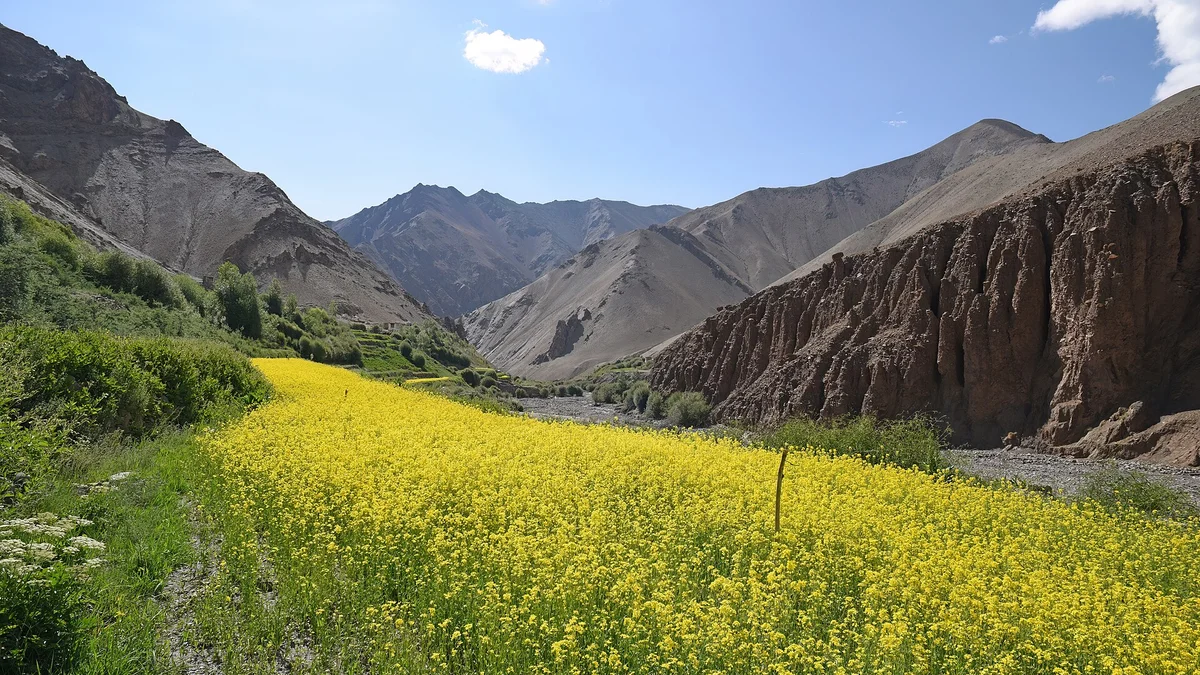
Mustard seed, universally known across the Hindi heartland as Sarso (or Rai / Sarson), is the cornerstone of northern and central India’s rabi agricultural economy. From the alluvial plains of eastern Rajasthan and western Uttar Pradesh to the Chambal ravines of Madhya Pradesh and the irrigated tracts of southern Haryana, millions of farmers look to the daily sarso rate today (sarso ka bhav) to make critical harvesting, storage, and selling decisions. Because mustard is an oil-rich commodity yielding both premium pungent kacchi ghani mustard oil and protein-dense cattle meal (sarso khali), its wholesale mandi trading price is shaped by domestic vegetable oil consumption patterns, import tariffs on foreign edible oils, and localized mill crushing parity.
Tracked transparently through the Directorate of Marketing & Inspection (Agmarknet) and the National Agriculture Market (e-NAM Portal), physical auction rates for sarso in 2026 fluctuate between Rs 5,650 and Rs 6,300 per quintal across major APMC wholesale markets, underpinned by the central government’s Minimum Support Price (MSP) declared via the Commission for Agricultural Costs and Prices (CACP) and executed through NAFED. This comprehensive market manual examines per-quintal price determinants, compares regional auction bhav across key mandi yards, details oil mill extraction arithmetic, and outlines actionable trading strategies for producers and FPOs.
1. What Factors Determine the Sarso Rate Today?
Wholesale mustard trading in India follows strict commercial grading standards. Rather than buying crops purely on visual appearance, commercial crushing millers and institutional stockists price individual sarso consignments based on five measurable scientific parameters:
- Lab Oil Percentage (Condition 42%): The universal standard for domestic trade is 42.0% oil recovery. Consignments testing above 42% earn an automatic price markup (usually 1.25% premium per 1% additional oil), while lots yielding below 40% oil suffer steep price deductions (katouti).
- Moisture Content (8% Statutory Maximum): The ideal moisture level for long-term storage and efficient mechanical crushing is between 6.5% and 8.0%. Seeds with moisture exceeding 8.5% face heavy weight deductions or outright auction refusal because wet seeds ferment, build internal mold, and generate rancid free fatty acids (FFA).
- Foreign Matter & Refraction (Dirt, Dust & Chaff): Clean machine-cleaned sarso with refraction below 1.5% commands top-tier bidding. Consignments containing soil clods, weed seeds (such as Argemone mexicana / satyanashi), or broken chaff face dockage cuts.
- Domestic Crushing Disparity & DOC Realization: When wholesale edible mustard oil prices surge in urban centers (Delhi, Kolkata, Kanpur) or cattle feed manufacturers aggressively purchase mustard de-oiled cake (DOC), millers bid aggressively in local mandis.
- Central MSP Floor & NAFED Procurement: Whenever private open-market auctions dip below the declared MSP, government agencies step in to buy FAQ-grade mustard, establishing an effective price support floor.
2. Regional Mandi Bhav Comparison: Major Sarso Markets Across India
Mustard prices vary across states due to proximity to mega oil processing clusters, freight costs, and local state mandi cess charges. Below is the indicative per-quintal price spectrum across prominent APMC trading centers:
| Mandi / APMC Yard | State / Belt | Quality Specification | Indicative Price Range (Rs/Quintal) | Daily Modal Bhav (Rs/Quintal) |
|---|---|---|---|---|
| Bharatpur APMC Mandi | Rajasthan (Braj Belt) | Condition 42% Bold Seed | Rs 5,850 - Rs 6,180 | Rs 6,020 |
| Alwar APMC Mandi | Rajasthan (Mewat Belt) | Standard Commercial Sarso | Rs 5,800 - Rs 6,120 | Rs 5,980 |
| Kota APMC Mandi | Rajasthan (Hadoti Belt) | Clean Expeller Quality | Rs 5,750 - Rs 6,080 | Rs 5,920 |
| Sri Ganganagar APMC | Rajasthan (Canal Belt) | High-Yield Bold Black Sarso | Rs 5,700 - Rs 6,040 | Rs 5,880 |
| Jaipur (Muhana / Surajpole) | Rajasthan (Central Hub) | Mill Delivery Condition | Rs 5,920 - Rs 6,260 | Rs 6,100 |
| Morena APMC Mandi | Madhya Pradesh (Chambal) | High Pungency Expeller Grade | Rs 5,720 - Rs 6,020 | Rs 5,890 |
| Gwalior APMC Mandi | Madhya Pradesh (Gird) | Standard FAQ Grade | Rs 5,680 - Rs 5,980 | Rs 5,840 |
| Agra APMC Mandi | Uttar Pradesh (Western UP) | Kacchi Ghani Processing Grade | Rs 5,880 - Rs 6,220 | Rs 6,050 |
| Mathura APMC Mandi | Uttar Pradesh (Braj) | FAQ Grade Black Sarso | Rs 5,760 - Rs 6,080 | Rs 5,930 |
| Rewari APMC Mandi | Haryana (Ahirwal Belt) | Condition 42% High Oil | Rs 5,820 - Rs 6,140 | Rs 5,990 |
| Hisar / Bhattu Mandi | Haryana (Western Belt) | Standard Commercial Grade | Rs 5,740 - Rs 6,060 | Rs 5,910 |
Source: Agmarknet Directorate of Marketing & Inspection and State APMC Daily Price Bulletins (Indicative Trends, November 2026).
For comprehensive price intelligence across related crops and regional markets, explore our guides on Mustard Rate Today, Sarso Ka Bhav, Bhattu Mandi, Neemuch Mandi Bhav, and Muhana Mandi Jaipur.
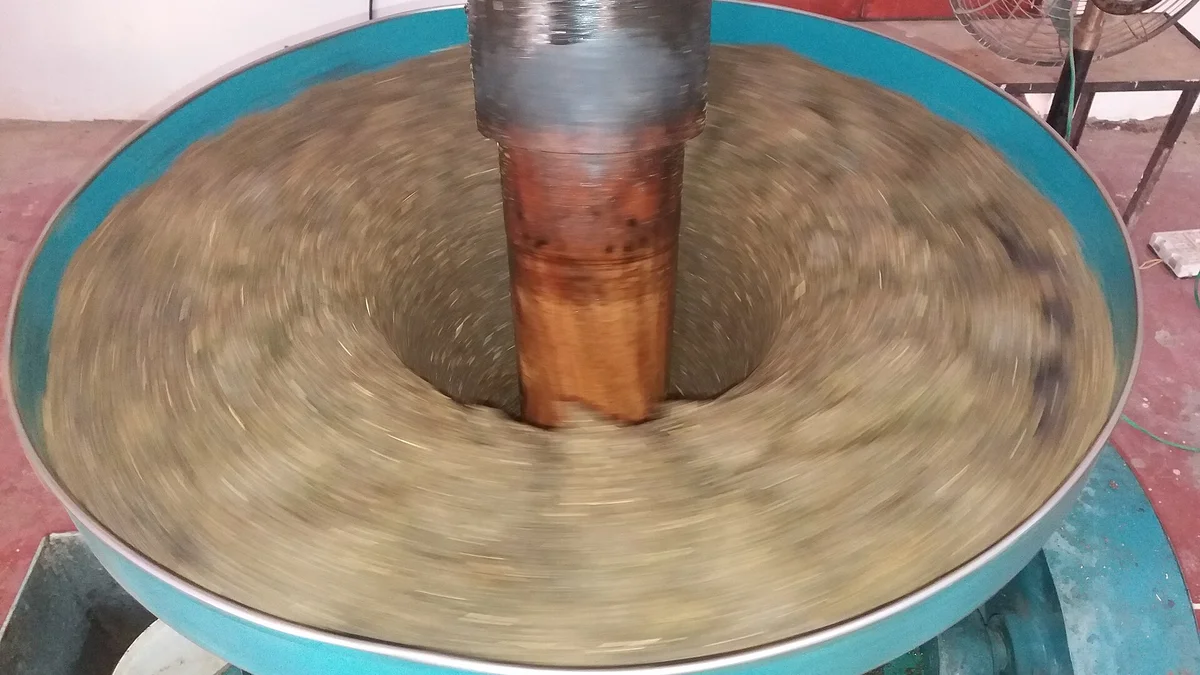
3. Oil Mill Processing Arithmetic: How Crushers Calculate Bids
When commercial mustard crushers participate in morning APMC auctions, their maximum bid limit is strictly derived from the combined resale value of mustard oil and mustard meal (khali). Understanding this arithmetic allows farmers to evaluate whether a trader’s offer is fair or suppressed:
| Commodity Output | Expected Yield (%) | Extracted Weight (kg) | Wholesale Selling Rate (Rs/kg) | Processor Revenue (Rs) |
|---|---|---|---|---|
| Mustard Oil (Kacchi Ghani / Expeller) | 36.5% - 37.5% | 37.0 kg | Rs 138 - Rs 146 / kg | Rs 5,254 |
| Mustard Meal / Cake (Sarso Khali) | 60.0% - 61.0% | 60.5 kg | Rs 29 - Rs 33 / kg | Rs 1,875 |
| Moisture / Processing Loss | 2.0% - 2.5% | 2.5 kg | Rs 0.00 | Rs 0.00 |
| Total Gross Revenue from 100 kg Seed | 100.0% | 100.0 kg | Combined Sales Realization | Rs 7,129 |
| Less: Crushing, Labor, Electricity & Transport | - | - | Operating Overhead per Quintal | - Rs 210 |
| Less: Crusher Commercial Net Margin | - | - | Expected Miller Profit Margin | - Rs 150 |
| Maximum Affordable Raw Seed Bid Price | - | 100.0 kg | Net Mandi Bid Ceiling | Rs 6,769 / quintal |
Source: Central Organization for Oil Industry & Trade (COOIT) Crushing Parity Models (2026).
To evaluate cattle feeding economics utilizing nutritious mustard oil cake, review our specialized guides on Gir Cow Dairy Management, Indigenous Indian Cows, and Organic Manure Economics.
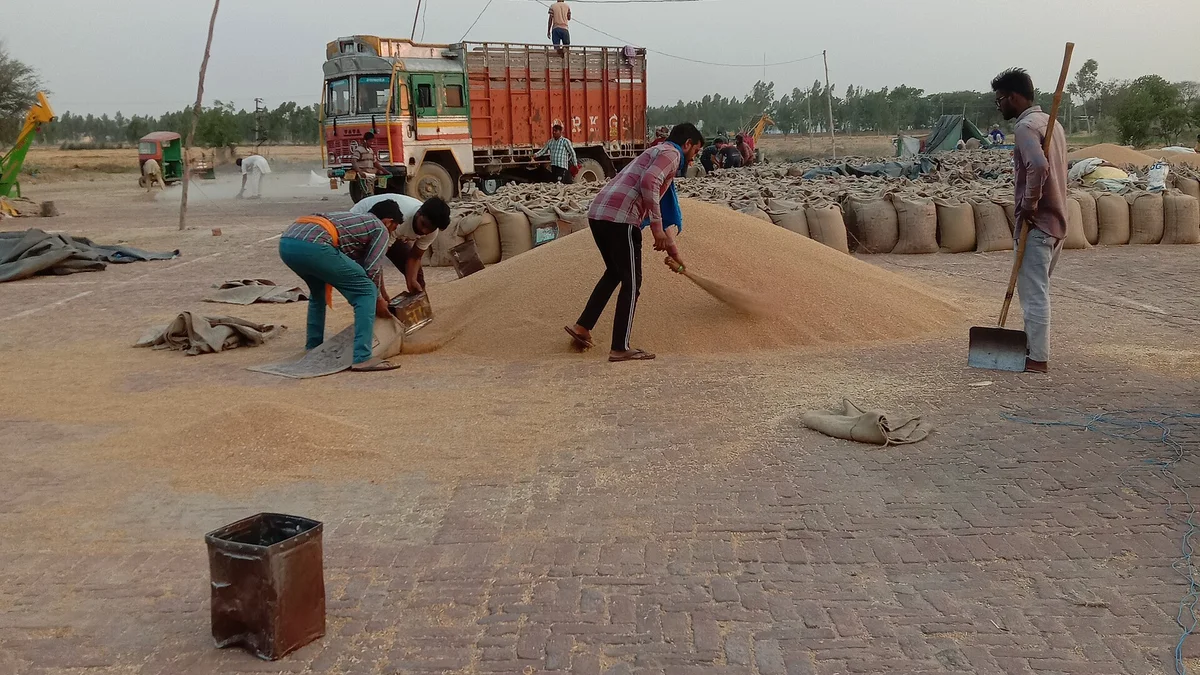
4. Selling Sarso at Government MSP vs. Private Mandi Auctions
A common strategic question confronting mustard growers is whether to sell their crop to government procurement agencies (NAFED, RAJFED, HAFED, MP-Markfed) at MSP or accept spot cash bids from private traders in APMC yards.
- Government MSP Channel Advantages: Guarantees a legally mandated price floor regardless of market supply gluts. Payment is transferred directly to the farmer’s Aadhaar-linked bank account without intermediary brokerage cuts.
- Government MSP Constraints: Requires advance online portal registration (Meri Fasal Mera Byora, Raj-Kisan, or e-Uparjan), strict adherence to the 8.0% moisture ceiling, physical delivery slot waiting times, and payment settlement timelines of 3 to 10 working days.
- Private Mandi Channel Advantages: Immediate same-day payment settlement, acceptance of slightly higher moisture lots (with negotiated discounts), flexible lot sizes, and no mandatory prior registration queues.
- Private Mandi Constraints: Prices are subject to sharp downward pressure during the harvest arrival surge in March and April, and smallholder farmers may face unmonitored deductions (dami, tulai, and katouti) from unscrupulous middlemen.
For direct farmer marketing options without middleman commissions, explore our detailed breakdown on Kisan Mandi & Kisan Bazar Direct Marketing and Farm Search Portals.
5. Pre-Harvest and Post-Harvest Practices to Maximize Sarso Rates
Securing the top modal rate at the mandi auction requires agronomic discipline during both the crop maturation phase and post-harvest handling.
- Balanced Sulfur Nutrition: Applying 20 to 25 kg of elemental sulfur or 200 kg of gypsum per acre during field preparation directly increases seed oil synthesis by 1.5% to 2.5%, ensuring your crop easily surpasses the 42% oil benchmark. Calculate exact fertilizer requirements using our Fertilizer Dosage Calculator and NPK 19 19 19 Guide.
- Harvesting at Physiological Maturity: Avoid harvesting too early when pods are green, as immature shriveled seeds have low oil content and high moisture. Harvest when 75% to 80% of the siliquae (pods) on the main raceme turn golden brown, and seeds turn dark.
- Early Morning Sickle Harvesting: Cut plants during early morning hours when night dew softens the dry pods, preventing shattering losses that can reach up to 15% during hot midday harvesting.
- Clean Sun Drying: Sun-dry harvested bundles on clean tarpaulins for 4 to 6 days. Thresh only when moisture drops to 7.5% to 8.0%. Never heap damp threshing piles directly on wet soil.
- Crop Protection & Aphid Control: Shield flowering mustard crops from devastating mustard aphids (Lipaphis erysimi) using recommended agrochemicals. Review safety and dosages in our Imidacloprid Guide, Broad-Spectrum Insecticide Guide, and Broad-Spectrum Fungicide Guide.
6. Agricultural Equipment, Transport, and Storage Financing
Efficient mustard farming relies on modern mechanization and swift transit to competitive wholesale yards:
- Agricultural Tractors: High-torque 45 to 55 HP tractors power multi-crop threshers and laser land levelers. Review specifications and pricing in our guides to Swaraj 744 Price, Swaraj 744 XT, Sonalika Tractor, and Kubota Tractor.
- Farm-to-Mandi Transit Vehicles: Small commercial vehicles like the Mahindra Supro Commercial Truck allow farmers to haul 20 to 25 bags of sarso directly to terminal mandis, bypassing expensive local freight contractors.
- Warehouse Receipt Loans: Farmers who choose to store sarso in government or WDRA-approved warehouses can obtain low-interest pledge credit up to 75% of produce value. Evaluate credit limits using our Kisan Credit Card (KCC) Calculator.
7. Comparing Regional Sarso Mandi Bhav and Trading Centers
Sarso growers should track spot auctions across prominent North Indian oilseed belts to identify optimal delivery points. While Bharatpur and Alwar serve as primary price discoveries, neighboring marketing yards like Bhattu Mandi in Haryana, Neemuch Mandi, Betul Mandi, and Muhana Mandi handle heavy regional farmer arrivals.
For broad agribusiness planning across key winter crops, producers can monitor our daily benchmarks for Mustard Rate Today, Sarso Ka Bhav, Gehu Rate Today, Gehu Ka Rate, and Kisan Mandi Direct Sales. Implementing timely seed treatments and foliar sprays using Agricultural Spray Machines, Saaf Fungicide, and Imidacloprid Insecticide safeguards harvest tonnage and seed oil concentration.
Real-time arrival statistics, APMC auction prices, and NAFED procurement center lists are systematically published by the Agmarknet Portal, the e-NAM National Agriculture Market, NAFED, and the Commission for Agricultural Costs and Prices (CACP).
Frequently asked questions
- What is the sarso rate today per quintal in major mandis?
- The indicative sarso rate across major trading mandis like Bharatpur, Alwar, Kota, Jaipur, and Morena ranges from Rs 5,680 to Rs 6,260 per quintal for Condition 42% oil benchmark seed as of November 2026. Check comprehensive live market reports in our APMC Mandi Rates Directory and Mustard Rate Today Guide.
- What is the meaning of Condition 42% in sarso trading?
- Condition 42% refers to the commercial contract benchmark where sarso seed must yield 42% lab-tested oil. Lots with higher oil content receive a price premium, while lots below 40% face price deductions (katouti).
- What is the government Minimum Support Price (MSP) for sarso?
- The central government declares the MSP for sarso annually based on recommendations from the Commission for Agricultural Costs and Prices (CACP) to provide farmers an assured minimum profit of at least 50% over their comprehensive cost of production (A2+FL).
- What is the maximum moisture allowed for sarso in APMC mandis?
- The maximum permissible moisture content for sarso is 8.0%. Seeds with moisture exceeding 8.0% are rejected at NAFED MSP Procurement Centers or face substantial weight deductions from private millers.
- How much oil is extracted from 1 quintal (100 kg) of sarso?
- One quintal of good quality sarso yields approximately 36 to 38 kg of raw unrefined expeller mustard oil, 60 to 62 kg of mustard oil cake (khali), and about 2 kg of moisture evaporation loss.
- Why is Bharatpur Mandi famous for sarso rates?
- Bharatpur in eastern Rajasthan is the primary price-setting spot market for mustard in India, hosting major expeller mills and handling large daily arrivals that establish national benchmark rates.
- When does the new sarso crop arrive in mandis?
- New sarso crop arrivals begin in late February, peak between March 15 and May 15, and taper off by June across Rajasthan, Madhya Pradesh, Uttar Pradesh, and Haryana.
- Can farmers get loans against stored sarso in warehouses?
- Yes. Farmers can store dried sarso in WDRA-registered warehouses and receive electronic Negotiable Warehouse Receipts (e-NWR) to obtain post-harvest pledge credit up to 75% of produce value from commercial banks.
- How can farmers increase the oil content in sarso seeds?
- Farmers can increase seed oil percentage by applying 20 to 25 kg of elemental sulfur or 200 kg of gypsum per acre during field preparation, as sulfur is an essential precursor for oil and glucosinolate synthesis.
- What is the difference between sarso (black mustard) and peeli sarso (yellow mustard)?
- Black/brown sarso has high pungency and is the primary industrial oilseed. Peeli sarso (yellow mustard) has milder pungency, larger seeds, and commands a 15% to 25% price premium for confectionery and export uses; see also our detailed analysis of Sarso Ka Bhav.
- How do international palm oil prices affect sarso rates in India?
- Because India imports over 55% of its edible oil requirements, cheap crude palm oil imports depress domestic crushing margins for mustard, lowering the prices private millers are willing to pay for raw sarso.
- How can I check daily sarso mandi bhav online?
- Official daily arrival figures, modal prices, and terminal market transactions are updated continuously on the Agmarknet Portal and e-NAM Network.
This article is for general information only and is not financial advice. Loan and scheme eligibility depends on partner and government criteria.