Electric Vehicle Subsidy India: PM E-DRIVE & State Guide
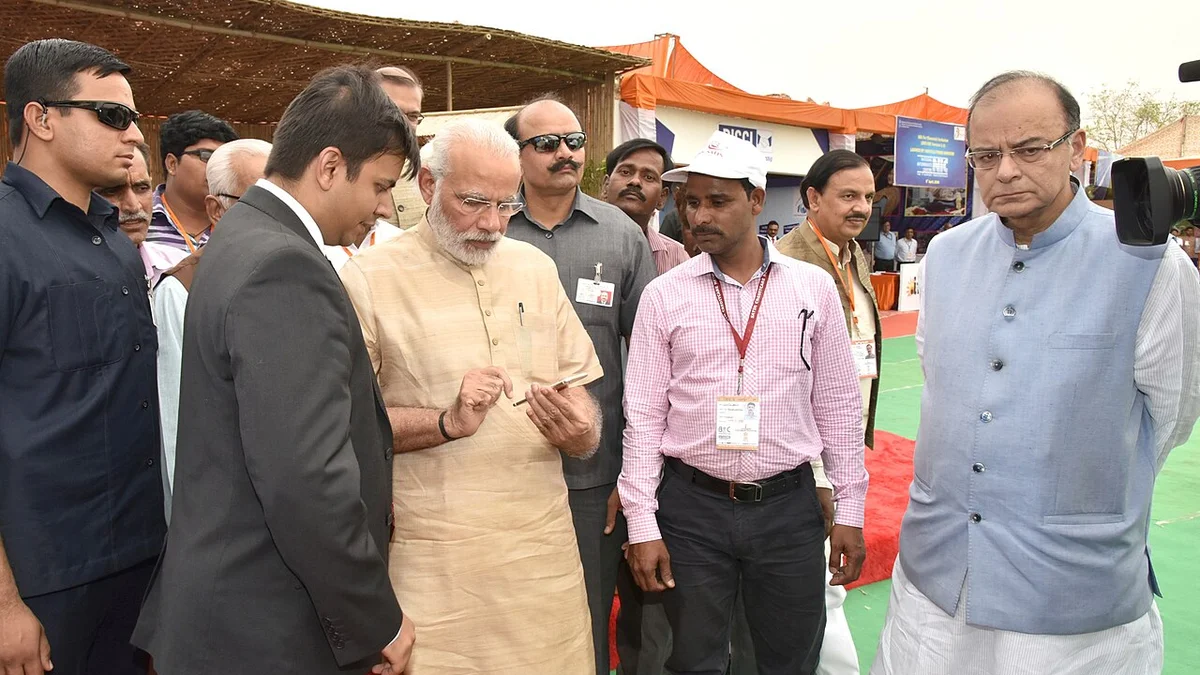
India is undergoing a historic structural transition toward clean mobility, driven by rising crude oil import costs, severe urban air quality concerns, and ambitious national climate targets aimed at achieving net-zero carbon emissions by 2070. To catalyze electric vehicle (EV) adoption across passenger and commercial segments, the Government of India, through the Ministry of Heavy Industries, has rolled out landmark financial frameworks—most prominently succeeding the Faster Adoption and Manufacturing of Hybrid and Electric Vehicles (FAME) scheme with the comprehensive PM Electric Drive Revolution in Innovative Vehicle Enhancement (PM E-DRIVE) scheme with an overall outlay exceeding ₹10,900 crore.
For rural entrepreneurs, farmers, transport operators, and daily commuters, understanding the exact operational architecture of the electric vehicle subsidy in 2026 is critical. Subsidies operate on a dual-layer structure: direct capital demand incentives disbursed at point of sale under central Ministry of Heavy Industries programs such as PM E-DRIVE, paired alongside state-specific EV policies that provide additional direct-benefit transfers (DBT), complete motor vehicle road tax exemptions, and zero registration fee mandates managed through the Ministry of Road Transport and Highways Parivahan Portal. Furthermore, rural farm mechanization programs now offer specialized 40% to 50% capital subsidies for zero-emission electric tractors under the Sub-Mission on Agricultural Mechanization.
1. Central EV Subsidy Landscape: PM E-DRIVE Scheme Outlay & Norms
Launched to provide sustained momentum following the conclusion of FAME-II and the interim Electric Mobility Promotion Scheme (EMPS), the PM E-DRIVE initiative allocates dedicated budgetary resources targeting mass public transport, commercial three-wheelers (L5), commercial light trucks (N1), electric ambulances, and popular two-wheelers (e-2W). Unlike past frameworks that prioritized private four-wheelers, central subsidy policies now focus intensely on high-mileage public and commercial segments that maximize urban air quality improvements and diesel displacement.
| Vehicle Category | Central Scheme | Incentive Metric (₹ / kWh) | Max Subsidy Cap | Target Volume / Beneficiaries |
|---|---|---|---|---|
| Electric Two-Wheelers (e-2W) | PM E-DRIVE | ₹5,000 / kWh (FY 2025) → ₹2,500 / kWh (FY 2026) | ₹10,000 per vehicle (tapering to ₹5,000) | 24.79 Lakh Units |
| Electric Three-Wheelers (L5 Registered) | PM E-DRIVE | ₹5,000 / kWh (FY 2025) → ₹2,500 / kWh (FY 2026) | ₹25,000 to ₹50,000 per auto | 3.16 Lakh Passenger & Cargo E-Autos |
| E-Buses (State Transport Undertakings) | PM E-DRIVE (CESL) | Capital Outlay ₹4,391 Crore Allocation | Gross Cost Contract (GCC) Subsidy | 14,028 Public Transit Buses |
| Electric Ambulances | PM E-DRIVE | Dedicated Outlay ₹500 Crore | Targeted Fleet Support | Certified Emergency Medical Vehicles |
| E-Trucks (Heavy / Medium Commercial) | PM E-DRIVE Incentive Pool | Scrapping Incentive Linked | Up to ₹1.5 Lakh to ₹3.0 Lakh | Scrappage Certificate Linked Upgrades |
Source: Ministry of Heavy Industries (MHI), PM E-DRIVE Scheme Operational Guidelines and Notification Gazettes, 2025-2026. Indicative financial caps vary based on battery testing certification and battery capacity.
2. State-Wise EV Policy Incentives, Road Tax & Registration Waivers
In India’s federal regulatory framework, motor vehicle taxation is a state subject. Progressive states have notified dedicated Electric Vehicle Policies (2021-2027) that dramatically lower upfront on-road acquisition costs by combining state DBT top-ups with complete waivers of road tax and registration fees.
| State / UT | Direct Purchase Subsidy (DBT) | Road Tax Exemption | Registration Fee Exemption | Special Scrappage Bonus |
|---|---|---|---|---|
| Delhi (EV Policy 2.0) | ₹5,000/kWh up to ₹30,000 (Two-wheelers); ₹30,000 (E-Autos) | 100% Full Waiver | 100% Free Registration | ₹5,000 to ₹7,500 Old ICE Scrappage Bonus |
| Maharashtra | Up to ₹10,000 (Early Bird 2W) + ₹25,000 (Scrappage) | 100% Exemption for all registered EVs | 100% Free on Parivahan | Up to ₹25,000 for Commercial Fleet Owners |
| Gujarat | ₹10,000 / kWh (Max ₹20,000 for 2W; ₹50,000 for 3W) | 50% to 100% Tax Relief | Standard Nominal Fee | State Portal DBT Directly Credited to Buyer |
| Karnataka | Capital Subsidy for EV Manufacturers & Charging Units | 100% Road Tax Waiver on all EVs | 100% Free Registration | Zero Green Cess on Electric Commercial Fleet |
| Uttar Pradesh | ₹5,000/unit (2W) to ₹1 Lakh (Four-wheelers / Commercial) | 100% Exemption on First 2 Lakh EVs | 100% Exemption across all segments | Special Incentives for Bundelkhand / Purvanchal |
| Tamil Nadu | 100% Motor Vehicle Tax Waiver up to Dec 2025 | 100% Exemption for Transport / Non-Transport | Zero Registration Charges | Capital Investment Subsidy for Charging Stations |
Source: State Transport Departments and EV Policy Gazettes (Delhi Transport Department, GoM Industry Directorate, UP Transport Commissionerate), November 2026. State quotas and budgetary limits apply.
3. Electric Tractors & Rural Agriculture Mechanization Subsidies
In the agricultural sector, internal combustion diesel tractors represent the single largest variable operating cost on Indian farms, consuming an average of 4 to 6 liters of diesel per hour of tilling or rotavating. The introduction of 20 HP to 45 HP electric tractors (such as the AutoNxt Hulk, Celestial Mobility, and Sonalika Tiger Electric) offers extraordinary operational savings—reducing energy running expenses by 70% to 80% per operating hour.
Under the Sub-Mission on Agricultural Mechanization (SMAM) administered by the Ministry of Agriculture and Farmers Welfare, electric tractors and zero-emission farm utility equipment qualify for capital subsidies structured as follows:
- Individual Small and Marginal Farmers (Women, SC/ST, and North-Eastern States): Eligible for up to 50% capital subsidy on tractor cost, capped at ₹3.0 lakh to ₹3.5 lakh depending on PTO horsepower test certification.
- General Category Farmers: Eligible for 40% capital subsidy, capped at ₹2.5 lakh.
- Custom Hiring Centers (CHC) and Farmer Producer Organizations (FPOs): Subsidies up to 40% to 50% for setting up farm machinery banks with electric implements and solar micro-grid charging sheds, with financial assistance up to ₹10 lakh to ₹24 lakh.
- Electricity Tariff Concessions: Several states (including Andhra Pradesh, Punjab, and Haryana) permit farmers to charge electric farm equipment using agricultural power feeder connections, bringing effective charging costs down to under ₹2 per unit (kWh).
4. Step-by-Step Guide: How EV Subsidies Are Applied & Claimed
One of the most user-friendly features of central schemes like PM E-DRIVE is that retail buyers do not need to submit complex paper reimbursement forms to central ministries. The operational workflow functions seamlessly through certified original equipment manufacturers (OEMs) and dealership portals:
- Point-of-Sale Upfront Deduction: The OEM or authorized dealership automatically deducts the central PM E-DRIVE subsidy amount from the ex-showroom retail invoice at the time of purchase.
- Aadhaar Authentication & e-Voucher Generation: The buyer completes biometric or OTP-based Aadhaar authentication. The PM E-DRIVE portal generates a digital e-voucher signed by both the customer and dealer.
- Vehicle Registration on Vahan: The dealership uploads vehicle chassis numbers, battery serial codes, and customer credentials to the national Vahan portal, automatically applying the road tax waiver where applicable.
- State DBT Claims (Where Applicable): For states with additional DBT top-ups (such as Gujarat or UP), the buyer logs into the respective State EV Subsidy Portal, enters the Vahan registration number, uploads the purchase invoice, and the state subsidy is directly credited to the buyer’s bank account via Aadhaar DBT within 45 to 60 days.
5. Commercial Economics: Total Cost of Ownership (TCO) Comparison
When calculating the commercial feasibility of transitioning from conventional internal combustion engine (ICE) vehicles to electric vehicles, commercial operators must analyze the total cost of ownership across a 5-year operating window. Below is a comparative financial breakdown between a commercial diesel cargo vehicle and an equivalent battery electric cargo vehicle (L5 category) covering 80 kilometers per day.
| Financial Parameter | Conventional Diesel Commercial Vehicle | Electric Commercial Vehicle (Post-Subsidy) | Net Operational Advantage |
|---|---|---|---|
| Initial Acquisition Cost | ₹3,40,000 (Ex-showroom + Taxes) | ₹3,90,000 (Net of PM E-DRIVE Subsidy) | Diesel initial cost ₹50,000 lower |
| Road Tax & Registration | ₹28,000 to ₹35,000 | ₹0 (100% State Tax Waiver) | EV saves ₹30,000 upfront |
| Daily Fuel / Charging Cost (80 km) | ₹320 (3.2 Liters Diesel @ ₹100/L) | ₹64 (8 kWh electricity @ ₹8/unit) | EV saves ₹256 per working day |
| Annual Energy Expense (300 Days) | ₹96,000 | ₹19,200 | EV saves ₹76,800 annually in fuel |
| Scheduled Maintenance & Oil Changes | ₹22,000 per year | ₹6,000 per year | EV saves ₹16,000 annually |
| 5-Year Cumulative Operating Savings | Baseline Expenditure | ₹4,64,000 Total Cash Savings | EV pays back initial price gap in 7 months |
Source: Central and State Commercial Transport Economics Benchmark, November 2026. Fuel and electricity tariffs reflect prevailing state utility rates.
6. Public EV Charging Infrastructure & Bureau of Energy Efficiency (BEE) Guidelines
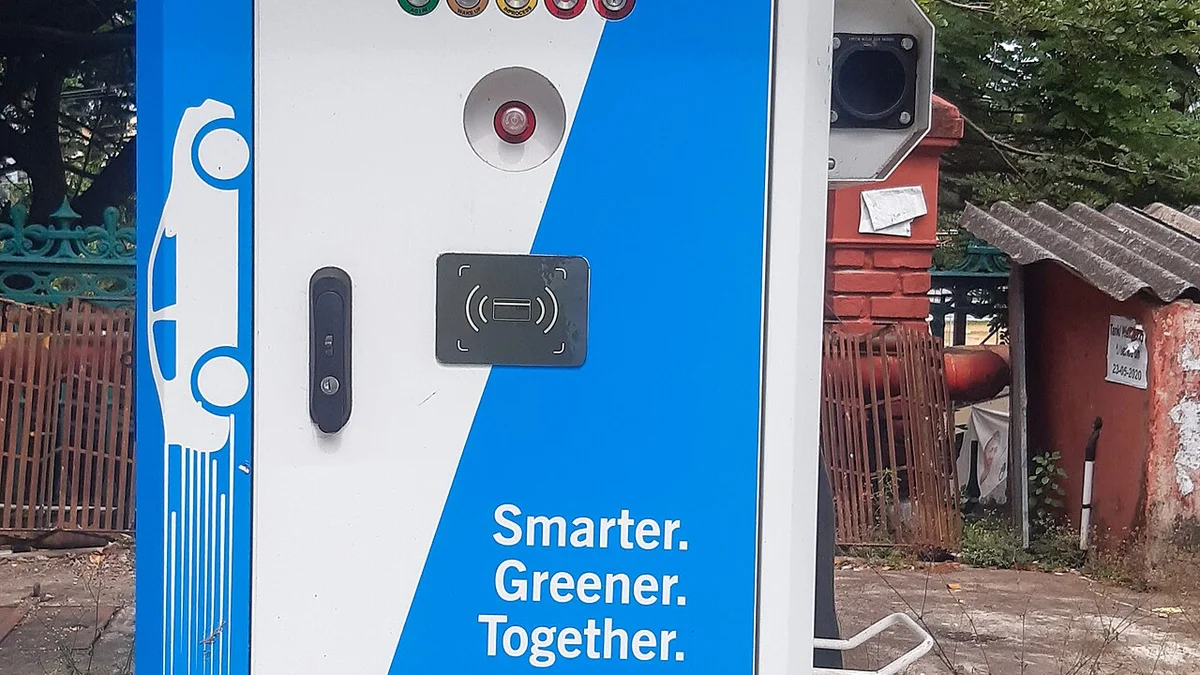
Range anxiety remains a prominent consideration for rural and inter-city EV drivers. Under PM E-DRIVE, the government has allocated ₹2,000 crore specifically for the installation of 72,300 public charging stations (PCS) across high-density traffic corridors, state highways, and municipal centers. Governed by the technical standards of the Bureau of Energy Efficiency, public EV charging networks adhere to standardized open protocols including CCS-2 for four-wheelers and commercial trucks, and Type 6 / Bharat DC-001 for two- and three-wheelers.
7. Rural Clean Mechanization, Farm Vehicles & Equipment Upgrades
The transition to zero-emission mobility extends beyond passenger scooters into heavy agricultural applications and rural cargo haulage. Farmers evaluating modern equipment can review tractor subsidy programs alongside nationwide combine harvester price benchmarks under the Sub-Mission on Agricultural Mechanization (SMAM). For daily rural transport, multi-purpose carriers like the Mahindra Supro commercial vehicle offer dependable farm-to-mandi haulage, while traditional diesel stalwarts such as the Swaraj 744 FE tractor, the Mahindra 575 DI workhorse, the Eicher 380 tractor, and premium John Deere tractor models continue to serve as baseline comparisons against emerging electric tractors.
To plan comprehensive farm equipment investments, growers utilize the Farm Search machinery tool to assess implement compatibility with soil requirements defined in their Soil Health Card soil testing reports and subsidized micro-irrigation systems funded under the PM Krishi Sinchayee Yojana.
8. Agri-Logistics, Mandi Distribution & Rural Credit Linkages
Adopting electric transport enables farmers to slash haulage expenditures when transporting produce to major wholesale trading yards. Commercial growers frequently cross-reference produce logistics with real-time commodity indices—including daily onion mandi rates, APMC mustard seed price updates, regional sarso mandi bhav, and wholesale sugar mill prices. In southern commercial plantation belts, growers monitor the Shivamogga adike rate today, all-India arecanut price today, wholesale cashew kernel price benchmarks, and raw cashew nut farm-gate rates.
Capital requirements for commercial EV fleets and agricultural implements can be structured through the Kisan Credit Card (KCC) credit line, supported by financial safety nets like PMFBY crop insurance tracking and direct income support through the PM Kisan beneficiary verification portal or state-level CM Kisan Odisha DBT benefits. Rural farm laborers and drivers can also access formal welfare via UPLMIS shramik labour registration. Farm diversification into commercial goat farming, indigenous Gir cow dairy units, or high-yield Murrah buffalo management further enhances cash flow to finance clean mobility investments.
For direct mandi sales without intermediary deductions, growers leverage Kisan Mandi direct trading platforms and regional hubs like Jaipur's Muhana Mandi auction terminal. In poultry and specialty agriculture, keeping tabs on NECC daily egg rates, the Barwala poultry belt prices, commercial dragon fruit cultivation profits, and rajgira amaranth seed cultivation ensures robust margins, supported by scientific pest control using imidacloprid systemic insecticide and broad spectrum crop protection fungicides.
Official scheme updates, portal guidelines, and battery technical compliance standards are published by the PM E-DRIVE Scheme Official Portal, the Ministry of Heavy Industries (MHI), the Bureau of Energy Efficiency (BEE), and the MoRTH Parivahan Portal.
Frequently asked questions
- What is the PM E-DRIVE scheme and how does it replace FAME-II?
- PM E-DRIVE is the central government flagship electric vehicle promotion scheme launched by the Ministry of Heavy Industries with an outlay of ₹10,900 crore. As detailed on the PM E-DRIVE Scheme Official Portal, it succeeds FAME-II, focusing on demand incentives for electric two-wheelers, three-wheelers, e-ambulances, e-buses, and expanding national charging networks.
- How much subsidy is available on an electric two-wheeler in 2026?
- Under PM E-DRIVE, electric two-wheelers receive direct subsidies of ₹5,000 per kWh of battery capacity (capped at ₹10,000 per vehicle) in early phases, tapering to ₹2,500 per kWh (capped at ₹5,000). State subsidies and full road tax exemptions provide additional savings.
- Do private electric cars receive a central subsidy under PM E-DRIVE?
- No, PM E-DRIVE does not offer direct cash purchase subsidies for personal four-wheeler electric cars. However, buyers benefit from central GST concessions (5% GST compared to 28%+ for ICE cars) and 100% state road tax waivers in states like Delhi, Maharashtra, and UP.
- How does a buyer receive the electric vehicle subsidy when purchasing?
- The central PM E-DRIVE subsidy is deducted upfront from the dealer invoice. The customer completes Aadhaar e-KYC at the dealership, generating an official e-voucher, and pays only the net discounted price.
- Are electric tractors eligible for government subsidies in India?
- Yes, electric agricultural tractors are eligible for 40% to 50% capital subsidies under the Sub-Mission on Agricultural Mechanization (SMAM) as outlined in our tractor subsidy guide, with financial assistance ranging from ₹2.5 lakh to ₹3.5 lakh depending on farmer category.
- Which Indian states offer the highest electric vehicle subsidies?
- Delhi, Maharashtra, Gujarat, and Uttar Pradesh offer some of the most comprehensive EV incentives under MoRTH Parivahan guidelines, combining direct bank transfer (DBT) purchase incentives, full road tax waivers, and scrap bonuses for retiring old petrol or diesel vehicles.
- What documents are required to claim state EV subsidies?
- Buyers typically need their Aadhaar card, Vahan registration certificate (RC), dealer tax invoice, canceled bank cheque or passbook copy, and active mobile number linked to Aadhaar for OTP verification.
- Is road tax completely waived on electric vehicles across India?
- Most major states including Delhi, Maharashtra, Karnataka, Tamil Nadu, Uttar Pradesh, and Rajasthan provide a 100% waiver of motor vehicle road tax and registration fees for battery electric vehicles.
- What is the commercial electric three-wheeler (auto) subsidy under PM E-DRIVE?
- L5 category commercial electric three-wheelers receive incentives of ₹5,000 per kWh (up to ₹25,000 for standard autos and ₹50,000 for cargo e-rickshaws), delivering operating costs far below traditional diesel mini trucks like the Mahindra Supro commercial vehicle.
- Can Farmer Producer Organizations (FPOs) get subsidies for EV farm equipment?
- Yes, FPOs and Custom Hiring Centers (CHCs) can access 40% to 50% project subsidies under SMAM and finance equipment using concessional working capital via the Kisan Credit Card (KCC) scheme to purchase electric machinery and rural solar charging points.
- How much does it cost to charge an electric vehicle compared to running on petrol or diesel?
- Operating an electric two-wheeler costs approximately ₹0.25 to ₹0.40 per kilometer, compared to ₹2.20 to ₹2.60 per kilometer for a petrol scooter. Commercial fleet operators can compare operational savings using our Farm Search equipment portal.
- What safety and testing standards must subsidized electric vehicles meet?
- All subsidized electric vehicles must undergo rigorous AIS-156 and AIS-038 Rev 2 battery safety testing (thermal runaway protection, overcharge cutoff, waterproof immersion) certified by accredited agencies such as ARAI or ICAT.
This article is for general information only and is not financial advice. Loan and scheme eligibility depends on partner and government criteria.