Mustard Rate Today: Sarso Mandi Bhav, MSP & Oil Content
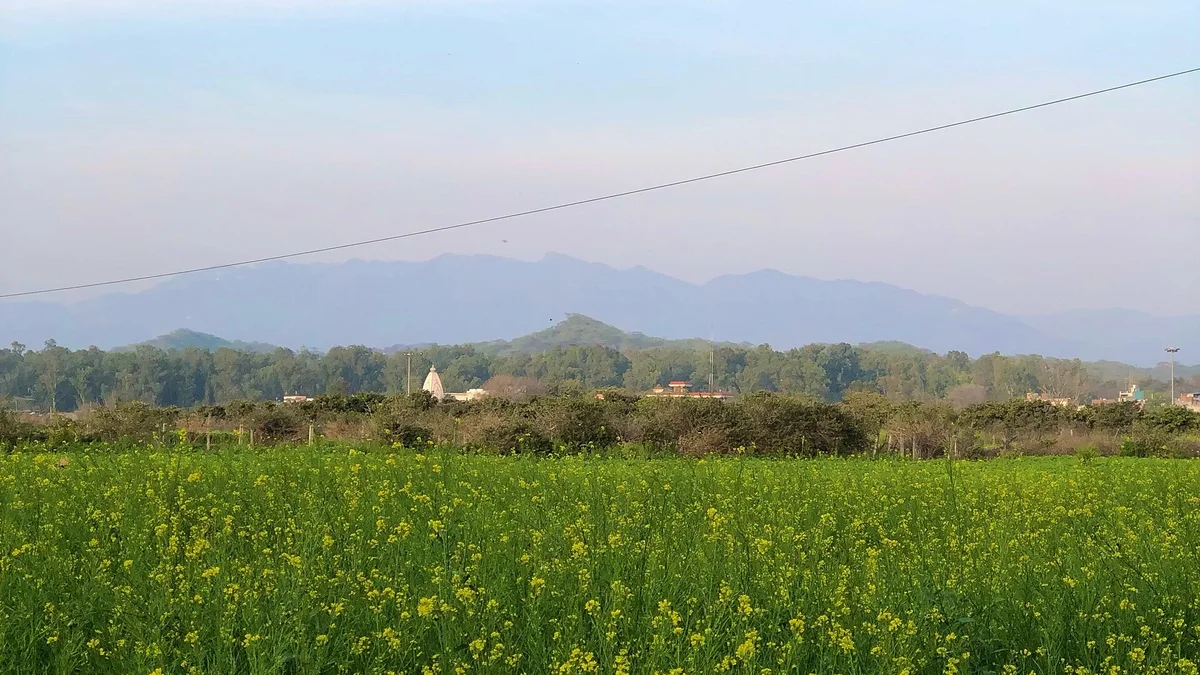
Mustard seed (Brassica juncea and Brassica napus), universally traded across north, central, and western India as Sarso or Rai, is India’s most important rabi oilseed crop. Accounting for nearly 28% of domestic vegetable oil output, mustard cultivation directly supports more than 6.5 million agrarian families across Rajasthan, Madhya Pradesh, Uttar Pradesh, Haryana, and Gujarat. In wholesale commodity trading, the mustard rate today (sarso bhav) is dictated by a dynamic combination of domestic crushing parity, solvent extraction margins for mustard cake (DOC), international edible oil import duty structures (palm, soy, and sunflower oils), and government procurement operations managed by NAFED and NCCF under Price Support Schemes.
Regulated under the Directorate of Marketing & Inspection (Agmarknet), the National Agriculture Market (e-NAM Portal), and the Commission for Agricultural Costs and Prices (CACP), the official Minimum Support Price (MSP) for mustard seed is fixed by the central government. In commercial physical spot markets, however, modal auction rates fluctuate based on scientific quality parameters—most critically, the base 42% oil content benchmark, moisture percentages below 8%, and foreign matter refraction limits. This comprehensive economic guide breaks down regional mandi pricing patterns across prime production belts, explains commercial oil-percentage valuation formulas, analyzes mill crushing economics, and outlines farmer selling strategies.
1. Major Drivers Influencing Mustard Rates in Indian Mandis
Unlike cereal grains whose market rates generally stay anchored close to government procurement centers, mustard seed pricing exhibits significant intraday volatility. The four core structural drivers governing wholesale sarso rates include:
- Oil Content (42% Lab Benchmark): Commercial oil millers price mustard seed on a standard 42% oil extraction basis. Lots testing above 42% receive a statutory premium (typically 1.25% of the base price per 1% extra oil), whereas lots testing below 40% suffer heavy discount deductions (katouti).
- International Edible Oil Import Duties: India imports over 55% of its total edible oil consumption, primarily crude palm oil (CPO) from Indonesia and Malaysia, and degummed soybean and sunflower oil from Argentina and Ukraine. Changes in basic customs duty (BCD) and agriculture infrastructure development cess (AIDC) directly impact domestic mustard oil crushing margins.
- Crushing Spread & By-Product Realization: A quintal (100 kg) of high-grade mustard yields approximately 36 to 38 kg of pungent kacchi ghani / expeller oil and 60 to 62 kg of mustard meal / oil cake (sarso khali). The price of mustard oil cake (heavily demanded by cattle feed and poultry feed compounders) contributes over 28% of total processor revenue.
- Government MSP & NAFED PSS Buffer Procurement: When market rates dip below the declared MSP, public agencies (NAFED, HAFED, RAJFED) open procurement counters, effectively establishing a rigid price floor across terminal APMC mandis.
2. Regional Mandi Rates: Rajasthan, Madhya Pradesh, Uttar Pradesh & Haryana
North-western India represents the heartland of Indian mustard production. Below is the indicative wholesale price spectrum observed across major regional APMC trading hubs:
| Mandi / APMC Yard | State / Region | Quality Grade / Oil % | Indicative Modal Rate (Rs/Quintal) | Indicative Daily Arrivals (Bags of 85 kg) |
|---|---|---|---|---|
| Bharatpur APMC Mandi | Rajasthan | Condition 42% Oil Benchmark | Rs 5,850 - Rs 6,150 | 8,000 - 12,000 Bags |
| Alwar APMC Mandi | Rajasthan | Standard Bold Black Sarso (40-42%) | Rs 5,800 - Rs 6,100 | 6,500 - 9,500 Bags |
| Kota APMC Mandi | Rajasthan | Clean Expeller Grade | Rs 5,750 - Rs 6,050 | 5,000 - 8,000 Bags |
| Jaipur (Muhana / Surajpole) | Rajasthan | Local Mill Delivery Grade | Rs 5,900 - Rs 6,250 | 10,000 - 15,000 Bags |
| Morena APMC Mandi | Madhya Pradesh | Chambal Pungent Bold Seed (42%+) | Rs 5,700 - Rs 6,000 | 4,500 - 7,000 Bags |
| Gwalior APMC Mandi | Madhya Pradesh | FAQ Standard Grade | Rs 5,650 - Rs 5,950 | 3,500 - 5,500 Bags |
| Agra APMC Mandi (Kuberpur) | Uttar Pradesh | Refined & Kacchi Ghani Grade | Rs 5,900 - Rs 6,200 | 7,000 - 11,000 Bags |
| Mathura APMC Mandi | Uttar Pradesh | Standard Commercial Mustard | Rs 5,750 - Rs 6,050 | 4,000 - 6,500 Bags |
| Rewari APMC Mandi | Haryana | High Oil Bold Seed (41-42%) | Rs 5,800 - Rs 6,120 | 3,000 - 5,000 Bags |
| Hisar / Bhattu Mandi | Haryana | Commercial Clean Mustard | Rs 5,750 - Rs 6,050 | 4,000 - 6,000 Bags |
Source: Agmarknet Directorate of Marketing & Inspection and State APMC Daily Price Bulletins (Indicative Trends, November 2026).
For local mandi rates across neighboring agricultural hubs, check our dedicated reports on Bhattu Mandi Haryana, Neemuch Mandi MP, Betul Mandi Bhav, and Muhana Mandi Jaipur.
3. Understanding the 42% Oil Content Formula and Price Discounts (Katouti)
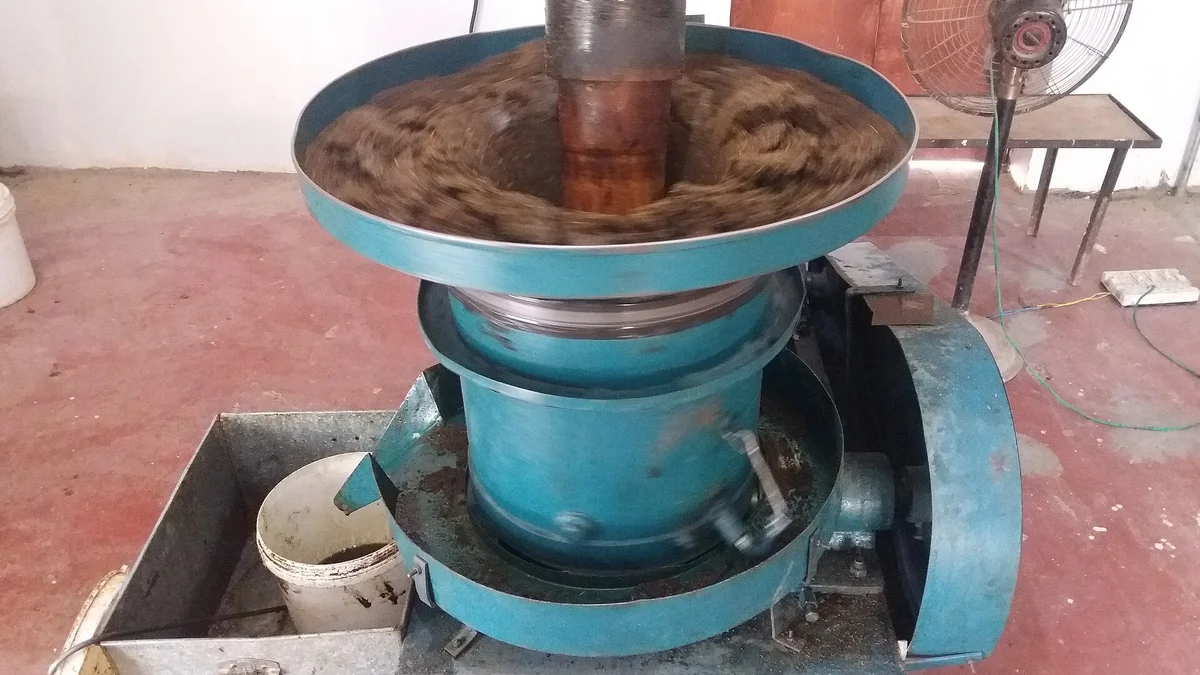
In physical spot trade, contracts are established based on "Condition" (42% oil basis, 8% moisture basis). When a farmer delivers a lot to an oil mill or mandi auction platform, samples are tested using handheld Near-Infrared (NIR) or Nuclear Magnetic Resonance (NMR) analyzers.
- Bonus for High Oil Content: If a lot tests at 43.5% oil (1.5% above benchmark), the farmer is credited with a price bonus calculated as:
Bonus = Base Rate x (Actual Oil % - 42%) x 1.25. On a Rs 6,000/quintal base rate, this yields an extra Rs 112.50 per quintal. - Penalty for Low Oil Content (Katouti): If the seed tests below 40%, the deduction formula doubles:
Deduction = Base Rate x (42% - Actual Oil %) x 1.50. For a 39% lot, the farmer loses Rs 270 per quintal. - Moisture Penalties: The statutory maximum safe moisture limit is 8.0%. Seeds with moisture exceeding 9.0% are rejected or subject to weight cuts (1.0% weight deduction per 1.0% excess moisture) because damp seeds rot rapidly in silo storage.
- Foreign Matter & Dust (Refraction): Stones, dirt, chaff, and damaged grains exceeding 2.0% are sieved out or deducted from gross weight at the weighbridge.
4. Oil Mill Crushing Economics: From Seed to Kacchi Ghani Oil
To understand why mustard rates fluctuate, farmers must grasp the oil mill crushing parity formula. Below is the simplified commercial crushing balance sheet for 100 kg (1 quintal) of seed:
| Output Component | Recovery Percentage (Yield) | Recovered Weight (kg) | Indicative Realization Rate (Rs/kg) | Total Realization Value (Rs) |
|---|---|---|---|---|
| Mustard Oil (Kacchi Ghani / Expeller) | 36.5% - 37.5% | 37.0 kg | Rs 135 - Rs 145 / kg | Rs 5,180 |
| Mustard Oil Cake (Sarso DOC / Khali) | 60.0% - 61.0% | 60.5 kg | Rs 28 - Rs 32 / kg | Rs 1,815 |
| Processing Loss / Moisture Evaporation | 2.0% - 2.5% | 2.5 kg | Rs 0.00 | Rs 0.00 |
| Gross Realization from 100 kg Seed | 100.0% | 100.0 kg | Combined Output Value | Rs 6,995 |
| Less: Processing, Electricity & Labor Cost | - | - | Rs 180 - Rs 220 / quintal | - Rs 200 |
| Less: Miller Net Operating Margin | - | - | Rs 120 - Rs 150 / quintal | - Rs 140 |
| Maximum Parity Raw Seed Purchase Price | - | 100.0 kg | Net Affordable Raw Cost | Rs 6,655 / quintal |
Source: Central Organization for Oil Industry & Trade (COOIT) Processing Parity Benchmarks (2026).
To discover how mustard meal is utilized in balanced cattle nutrition, read our specialized livestock reports on Gir Cow Dairy Feeding and Indian Cow Breeds.
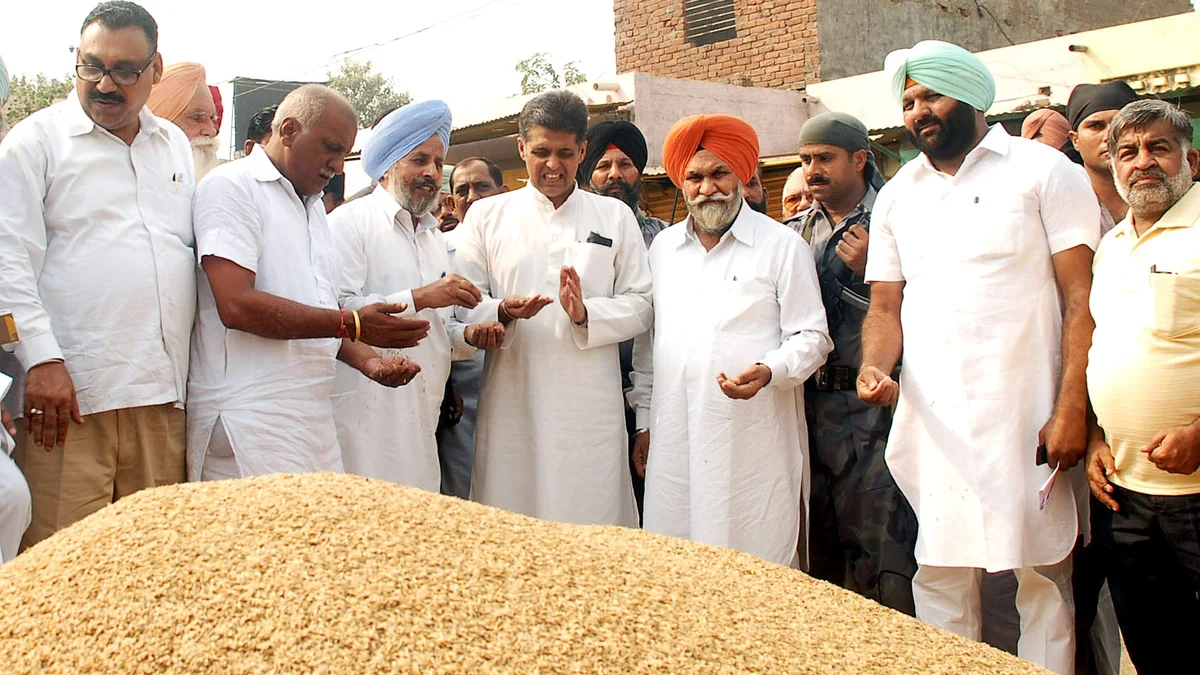
5. Government MSP Procurement: NAFED Fair Average Quality (FAQ) Norms
Under the Price Support Scheme (NAFED) and state cooperative federations, the government purchases mustard seed directly from registered farmers at MSP. To sell produce at MSP counters, farmers must comply with Fair Average Quality (FAQ) standards:
- Pre-Registration on State Portals: Farmers must register on state agricultural procurement portals (e-Uparjan in MP, Raj-Kisan in Rajasthan, Meri Fasal Mera Byora in Haryana) linking Aadhaar, land revenue records (Khasra-Khatauni), and bank passbooks.
- Moisture Ceiling: Maximum permissible moisture is strictly 8.0%. Crops exceeding 8.0% moisture are rejected at gate entry.
- Foreign Matter: Inorganic matter (stones, dirt) must not exceed 0.5%; total foreign matter must not exceed 2.0%.
- Damaged and Discolored Grains: Grains damaged by insects, fungal rot, or immature shriveling must not exceed 2.0%.
- Direct Bank Payouts: Payment is credited directly to the farmer’s Aadhaar-seeded NPCI bank account within 3 to 7 working days via Public Financial Management System (PFMS).
Learn how to verify government procurement lists and welfare grants in our comprehensive guides on PM-Kisan Status Check and CM Kisan Odisha Scheme.
6. Strategic Selling Advice: Spot vs. Future vs. Warehouse Holding
Maximizing farm profitability requires timing market sales rather than unloading the entire crop during the post-harvest glut in March and April when prices are seasonally depressed.
- Post-Harvest Glut Avoidance: Historically, 60% of all mustard arrives in mandis between March 15 and May 15, causing short-term price drops of 8% to 15%. Farmers with holding capacity should store clean seed until festival demand spikes between August and November.
- Warehouse Receipt Financing (e-NWR): Farmers can deposit dried mustard in WDRA-accredited warehouses and receive electronic Negotiable Warehouse Receipts (e-NWR). Commercial banks disburse post-harvest pledge loans up to 75% of produce value at subsidized 7% interest, providing immediate cash flow while preserving the crop for higher off-season prices.
- Quality Seed Storage: Ensure seeds are dried to 7.0% to 7.5% moisture and packed in HDPE or hermetic bags with fumigation to prevent mustard sawfly or storage beetle infestation. Review crop protection protocols in our Broad-Spectrum Insecticide Guide, Broad-Spectrum Fungicide Guide, and Imidacloprid Usage Guide.
7. Monitoring Mandi Price Benchmarks and Oilseed Market Intelligence
Growers tracking day-to-day mustard price swings should closely follow regional market trends in north and western India. High-volume trading centers like Bhattu Mandi in Haryana, Neemuch Mandi in Madhya Pradesh, Betul Mandi, and Muhana Mandi Jaipur provide early signals on physical buying appetite from regional expellers.
For cross-commodity price comparison across rabi crops, farmers can check our daily benchmarks for Sarso Rate Today, Gehu Rate Today, Gehu Ka Rate, and Kisan Mandi Direct Sales Guide. Farm mechanization planning—from harvesting with Swaraj 744 FE tractors to haulage via Mahindra Supro Mini-Trucks—can significantly trim field-to-mandi handling overheads.
Authoritative data on daily physical arrivals, minimum support prices, and grading norms are published by the Agmarknet Portal, the e-NAM National Agriculture Market, NAFED, and the Commission for Agricultural Costs and Prices (CACP).
Frequently asked questions
- What is the current mustard rate in major Indian mandis?
- Indicative wholesale mustard rates in major mandis (such as Bharatpur, Alwar, Kota, Jaipur, and Morena) range between Rs 5,750 and Rs 6,250 per quintal for Condition 42% oil benchmark lots as of November 2026. Review daily spot auction reports in our APMC Mandi Rates Directory and Sarso Ka Bhav Guide.
- What is the official government MSP for mustard seed?
- The central government announces the Minimum Support Price (MSP) for mustard annually based on recommendations from the Commission for Agricultural Costs and Prices (CACP), ensuring a guaranteed safety net for growers.
- How does oil percentage affect the mustard seed rate?
- Mustard is commercially traded on a 42% oil content benchmark. For every 1% oil content above 42%, farmers receive an additional premium (approx. 1.25% of base price), whereas lots testing below 40% face price deductions (katouti).
- What is the maximum moisture allowed for mustard in government MSP purchase?
- Under NAFED (National Agricultural Cooperative Marketing Federation) Fair Average Quality (FAQ) norms, the maximum permissible moisture content for mustard seed is strictly 8.0%. Lots exceeding 8.0% moisture are rejected at procurement centers.
- Which state in India produces the most mustard?
- Rajasthan is the undisputed leader in Indian mustard production, contributing over 45% of national output, followed by Madhya Pradesh, Uttar Pradesh, Haryana, and Gujarat.
- How much oil and oil cake (khali) does 1 quintal of mustard yield?
- One quintal (100 kg) of high-grade mustard seed yields approximately 36 to 38 kg of pungent expeller oil, 60 to 62 kg of mustard oil cake (sarso khali), and approximately 2 kg of processing evaporation loss.
- What is the difference between black mustard (sarso) and yellow mustard (peeli sarso)?
- Black/brown mustard (Brassica juncea) has smaller dark seeds with high pungency and 38% to 42% oil content, primarily used for edible oil. Yellow mustard (peeli sarso) commands a 10% to 20% price premium for pickling and culinary uses; see also our detailed analysis of Sarso Rate Today.
- Why do mustard prices fall during March and April?
- March and April mark peak harvesting and arrival periods across north India, creating a temporary market glut where over 60% of annual crop volume enters mandis simultaneously, depressing spot prices.
- How can farmers get loans against stored mustard produce?
- Farmers can store dried mustard in WDRA-registered warehouses and obtain electronic Negotiable Warehouse Receipts (e-NWR) to secure post-harvest pledge loans up to 75% of produce value from commercial banks at subsidized interest rates.
- What international factors influence domestic mustard prices?
- Domestic mustard prices are heavily correlated with landed import parity of palm oil and soy oil, import tariff structures set by the central government, and global oilseed futures. Official daily arrival data can be tracked directly on the Agmarknet Portal and e-NAM National Agriculture Market.
- How can farmers check real-time mustard mandi rates online?
- Farmers can check daily mandi arrival volumes and modal prices on the Agmarknet portal (agmarknet.gov.in), the e-NAM mobile app, or dedicated state marketing board portals.
- What documents are required to sell mustard to NAFED at MSP?
- Selling to NAFED requires pre-registration on state procurement portals (e-Uparjan, Raj-Kisan, or Meri Fasal Mera Byora) with an Aadhaar card, bank passbook with NPCI DBT mapping, and state land revenue Record of Rights (Khasra-Khatauni).
This article is for general information only and is not financial advice. Loan and scheme eligibility depends on partner and government criteria.