Coragen Insecticide: Uses, Dosage & FMC Price Guide
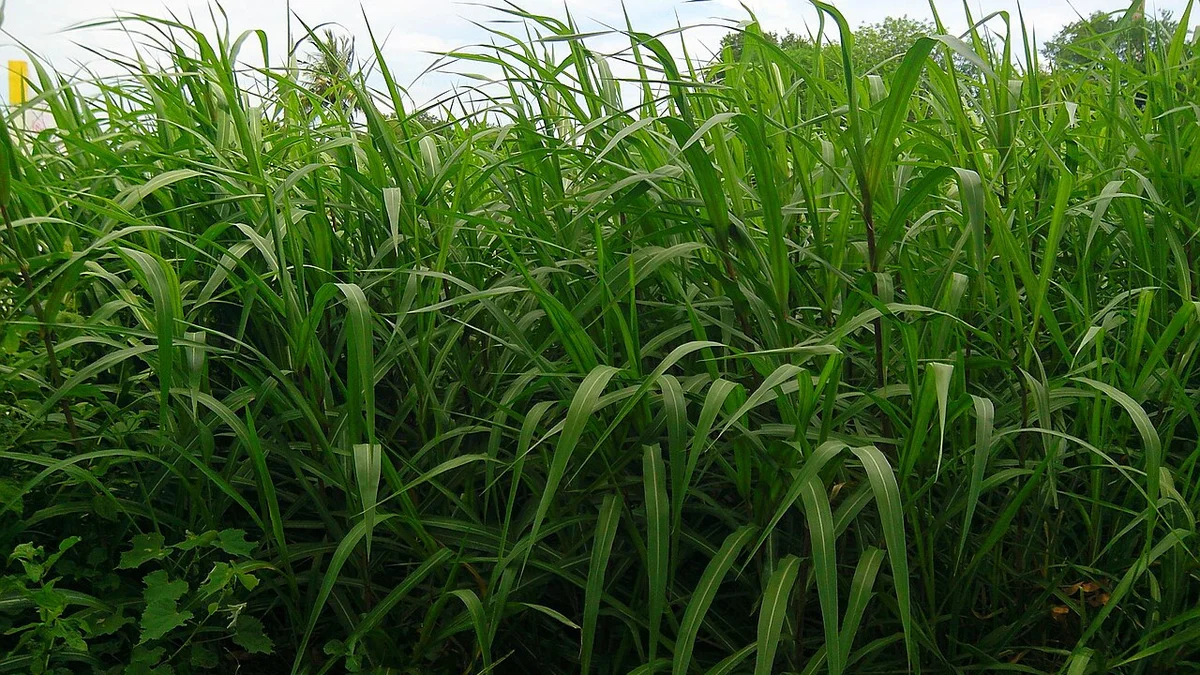
Among modern agricultural crop protection chemistries, Coragen insecticide (manufactured and marketed globally by FMC Corporation) stands as a breakthrough technological benchmark in selective pest eradication. Powered by the active chemical ingredient Chlorantraniliprole 18.5% SC (Suspension Concentrate)—commercially branded under the pioneering Rynaxypyr active molecule—Coragen has transformed pest management protocols against destructive Lepidopteran borers and caterpillars across sugarcane, paddy, maize, cotton, and commercial horticultural crops.
Approved by the Central Insecticides Board & Registration Committee (CIB&RC Official Portal) and validated through multi-location field trials by the Directorate of Plant Protection, Quarantine & Storage (DPPQS Portal) and the Indian Council of Agricultural Research (ICAR Crop Health Directorate), Coragen represents an entirely novel mode of action belonging to the Anthranilic Diamide chemical class (IRAC Group 28). This comprehensive agronomic guide explores its ryanodine receptor mode of action, provides crop-wise dosage calculations per liter and acre, analyzes its remarkable rainfastness and pollinator safety, details indicative retail price packs, and explains resistance management protocols.
1. Mode of Action: How Chlorantraniliprole (Rynaxypyr) Eradicates Pests
Unlike conventional organophosphate, synthetic pyrethroid, or neonicotinoid pesticides that target insect nervous systems, Chlorantraniliprole operates through a distinct physiological pathway:
- Ryanodine Receptor Activation: Coragen selectively binds to ryanodine receptors located in insect muscle cells. This activation causes an uncontrolled, massive release of internal calcium ion (Ca2+) stores from the sarcoplasmic reticulum into the cytoplasm.
- Immediate Feeding Cessation: Within 7 to 15 minutes of ingesting or contacting Coragen, the target caterpillar suffers muscle paralysis, jaw cramping, and immediate feeding cessation. Crop damage halts almost instantaneously, even before the insect fully expires.
- Lethargy & Complete Mortality: Over the subsequent 24 to 72 hours, affected larvae suffer dehydration, regurgitation, paralysis, and complete mortality. Coragen exhibits remarkable efficacy across all larval instars, from freshly hatched neonates to mature borers.
- Ovi-Larvicidal Efficacy: In addition to killing active larvae, Coragen penetrates egg shells (ovicidal action) and eliminates young larvae as they chew their way out of treated eggs.
2. Target Crops, Registered Pests & Recommended Application Dosage
Because Chlorantraniliprole 18.5% SC is exceptionally concentrated, precise measuring is critical. Under-dosing leads to inadequate protection, while over-dosing wastes expensive chemical without agronomic gain:
| Target Crop | Target Pest / Insect | Foliar Spray Dosage (per 15L Pump) | Dosage per Acre (in 150-200L Water) | Recommended Application Timing |
|---|---|---|---|---|
| Paddy (Rice) | Yellow Stem Borer (Scirpophaga incertulas), Leaf Folder | 6 ml / 15 Liter pump | 60 ml / Acre | Foliar spray at 20-25 days after transplanting (tillering) |
| Sugarcane | Early Shoot Borer (Chilo infuscatellus), Top Borer | N/A (Soil Drench) | 150 ml / Acre (Soil Application) | Drench sets at planting or spray furrow base within 30-45 days |
| Maize (Corn) | Fall Armyworm (Spodoptera frugiperda), Stem Borer | 8 ml / 15 Liter pump | 80 ml / Acre | Directed foliar spray into the central crop whorl at V3-V6 stage |
| Tomato & Chilli | Fruit Borer (Helicoverpa armigera), Spodoptera | 6 ml / 15 Liter pump | 60 ml / Acre | Spray at early flower initiation and first fruit set |
| Cotton | American Bollworm, Spotted Bollworm, Spodoptera | 6 ml / 15 Liter pump | 60 ml / Acre | Spray at square initiation and early boll development |
| Soybean & Pulses | Semilooper, Pod Borer, Tobacco Caterpillar | 6 ml / 15 Liter pump | 60 ml / Acre | Foliar spray during active vegetative and early podding stage |
Source: CIB&RC Label Approvals, FMC Agricultural Solutions Technical Manuals, and ICAR-IARI Plant Protection Guidelines, November 2026. Always calibrate spray nozzles before field application.
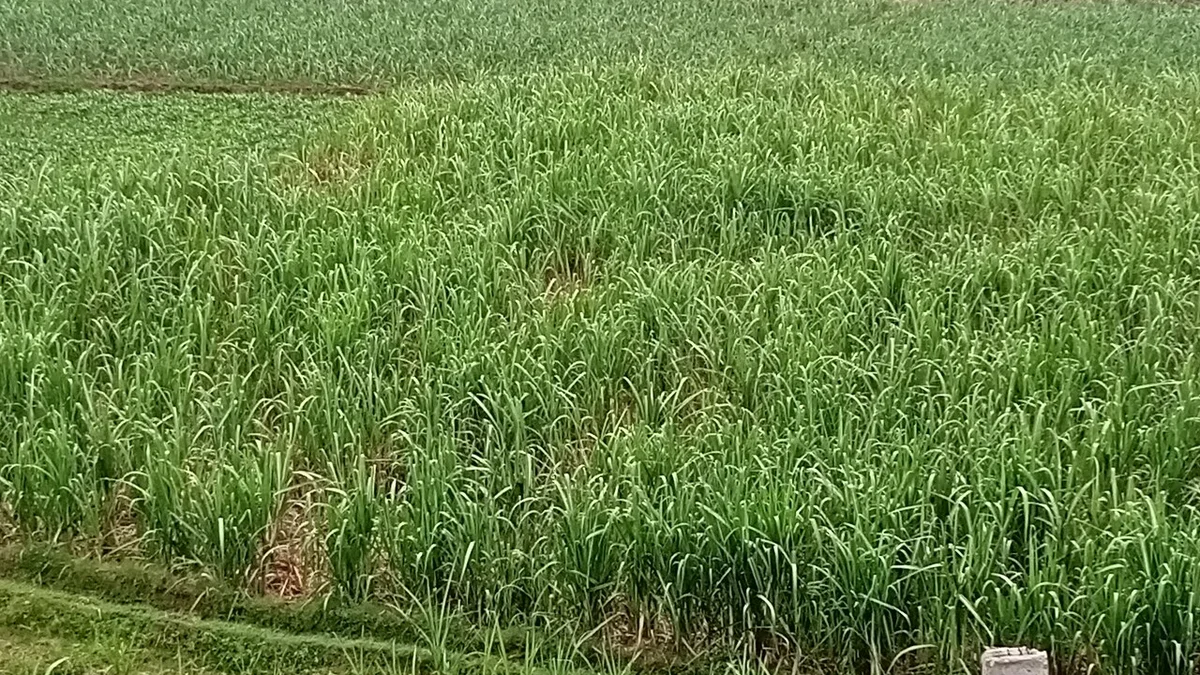
3. Application Techniques: Sugarcane Furrow Drenching vs Foliar Spray
The application methodology for Coragen varies fundamentally between sugarcane and other row crops:
- Sugarcane Soil Drenching (Furrow Application): In sugarcane, foliar sprays are ineffective against subterranean early shoot borers. Mix 150 ml of Coragen in 400 liters of water per acre. Remove the spray nozzle cone to deliver a pencil-thin stream directly onto the sugarcane setts in open furrows during planting, or drench the soil root zone along plant rows within 30 to 45 days of germination followed by immediate irrigation. This root-absorbed systemic barrier shields canes for up to 90 days.
- Foliar Spraying in Paddy and Vegetables: For rice, maize, and horticultural crops, dissolve 60 ml of Coragen in 150 to 200 liters of water per acre using a hollow cone or flat fan nozzle. Ensure uniform foliar coverage of both upper and lower leaf surfaces.
- Targeting Maize Fall Armyworm: When spraying corn against invasive Fall Armyworm, direct the spray nozzle straight down into the central plant whorl where young caterpillars hide behind protective frass.
4. Rainfastness, Safety Profile & Environmental Stewardship
One of the most extraordinary commercial attributes of Coragen is its rapid translaminar absorption. Within two hours of application, the active chemical is absorbed into the leaf cuticle, rendering it completely rainfast—a torrential monsoon downpour two hours after spraying will not wash away the treatment.
- Honeybee & Pollinator Safety: Mammalian and beneficial insect ryanodine receptors have structural binding differences compared to Lepidopteran receptors. Consequently, Coragen exhibits minimal acute toxicity toward adult honeybees, Trichogramma egg parasitoids, and predatory ladybird beetles when applied at agronomic label rates.
- Pre-Harvest Interval (PHI): The waiting period between final spray and crop harvest is remarkably favorable: 3 days for tomatoes, 14 days for paddy, 21 days for cotton, and 45 days for sugarcane.
- Insecticide Resistance Action Committee (IRAC) Strategy: Because Coragen is a Group 28 diamide, farmers should avoid applying more than two consecutive applications per cropping season. Rotate sprays with non-diamide chemistries (such as Emamectin Benzoate, Spinetoram, or Flubendiamide) to preserve chemical susceptibility.
5. Packaging Sizes, Indicative Market Price & Hologram Verification
FMC Coragen is commercially packed in specialized tamper-evident plastic bottles across multiple sizes to cater to varying acreage requirements:
| Commercial Pack Size | Indicative Retail Price Range (₹) | Field Coverage Area | Primary Target Use Case |
|---|---|---|---|
| 10 ml Vial | ₹130 – ₹160 | 1 to 2 Knapsack Sprayers (0.16 Acre) | Kitchen gardens & small vegetable patches |
| 30 ml Bottle | ₹350 – ₹410 | 0.5 Acre field crop treatment | Smallholder pulses & tomato plots |
| 60 ml Bottle | ₹680 – ₹760 | 1.0 Acre standard field crop dose | Single-acre paddy, maize or cotton treatment |
| 150 ml Bottle | ₹1,580 – ₹1,750 | 1.0 Acre sugarcane soil drench / 2.5 Acres foliar | Sugarcane planting drench & large holdings |
| 500 ml Commercial Can | ₹4,900 – ₹5,400 | 8.3 Acres foliar / 3.3 Acres sugarcane | Commercial estate farms & FPO spray operations |
Source: Indicative all-India retail agrochemical market prices, November 2026. Genuine FMC Coragen features a distinctive 3D security hologram, color-shifting cap seal, and verifiable QR authentication code on every bottle.
7. Integrated Pest Management (IPM), Resistance & Complementary Chemistries
While Coragen (Chlorantraniliprole 18.5% SC) provides exceptional, long-lasting control against destructive lepidopteran insect borers by targeting ryanodine receptors in insect muscle cells, sustainable pest control requires a holistic Integrated Pest Management (IPM) strategy. Sucking pest infestations that frequently coincide with stem borers—such as brown plant hoppers in paddy, aphids, and whiteflies—require alternation or targeted tank-mixes with systemic neonicotinoid chemistries like imidacloprid insecticide formulations.
Similarly, preventing fungal co-infections such as sheath blight in rice or red rot in sugarcane necessitates rotation with certified fungicides described in our broad spectrum fungicide guide, along with benzimidazole protectants like Roko fungicide. Crop health and natural pest tolerance can be optimized by tailoring basal nutrition through Soil Health Card soil testing, while efficient foliar uptake is maximized when crops receive calibrated moisture via installations under the PM Krishi Sinchayee Yojana. Growers can discover boom sprayers and calibration tools via Farm Search.
8. Agricultural Economics, Input Credit & Mandi Market Linkages
Protecting cash crops from devastating borer attacks protects farm profits. In sugarcane cultivation, controlling early shoot borer and top borer directly safeguards cane sucrose recovery and farm realizations, tied closely to chini ka rate today mill prices and wholesale benchmarks for sugar today rate. In grain and oilseed cultivation, pest management sustains output of rajgira amaranth seeds, while guarding against pod borers protects mustard seed market prices and regional sarso mandi rates. In vegetable and fruit farming, managing lepidopteran larvae prevents damage to daily onion mandi harvests and premium dragon fruit cultivation profits.
High-value plantation growers also protect yields to capture peak rates in southern markets—including Shivamogga adike mandi rates, all-India arecanut price today, wholesale cashew kernel price benchmarks, and raw cashew nut farm-gate pricing. Certified agrochemicals and quality fertilizers can be financed through concessional institutional working capital via the Kisan Credit Card (KCC) facility. Agricultural risk is cushioned by PMFBY crop insurance tracking, direct income transfers through PM Kisan beneficiary verification, state support via CM Kisan Odisha DBT, and labour registration on UPLMIS shramik labour card.
For efficient large-scale chemical application, tractor-mounted power sprayers can be paired with utility tractors like the Swaraj 744 FE tractor, the Mahindra 575 DI, the Eicher 380, or modern John Deere tractors, subsidized under the PM Kisan tractor subsidy program alongside combine harvester price benchmarks. Transporting healthy harvest to market is made economical with mini trucks like the Mahindra Supro or clean commercial vehicles under the PM E-DRIVE electric vehicle subsidy, fetching top rates at Kisan Mandi direct trading points or Jaipur's Muhana Mandi auction terminal. Farm cash flow can be further diversified through Gir cow dairy units, Murrah buffalo dairy farming, commercial goat farming, NECC egg market sales, and Barwala poultry belt operations.
Statutory pesticide regulations, approved label claims, and chemical safety guidelines are published by the Central Insecticides Board & Registration Committee (CIBRC), the Directorate of Plant Protection, Quarantine & Storage (PPQS), the Indian Council of Agricultural Research (ICAR), and the Ministry of Agriculture & Farmers Welfare.
Frequently asked questions
- What is the active chemical ingredient in Coragen insecticide?
- Coragen contains Chlorantraniliprole 18.5% SC (Suspension Concentrate), a novel anthranilic diamide insecticide registered by the CIBRC Central Insecticides Board that activates insect ryanodine receptors, causing rapid muscle contraction, cessation of feeding, and insect mortality.
- Which insect pests does Coragen control in sugarcane and paddy crops?
- Coragen provides exceptional control against stem borers, leaf folders, early shoot borer, top borer, and internode borer in sugarcane, paddy, maize, and vegetable crops. For broader comparative data, review our broad spectrum fungicide guide.
- What is the recommended dosage of Coragen per acre for sugarcane and paddy?
- For paddy, the recommended dosage is 60 ml per acre mixed in 150 to 200 liters of water as a foliar spray. For sugarcane early shoot borer, drench the plant base using 150 ml of Coragen per acre in 400 to 500 liters of water at 20 to 30 days after planting.
- Can Coragen be mixed with sucking pest insecticides or fungicides?
- Yes, Coragen exhibits broad physical tank-mix compatibility with most neutral insecticides like imidacloprid insecticide and standard fungicides like Roko fungicide, provided a small-scale jar test is performed before large-scale tank mixing.
- How long does the protective efficacy of Coragen last after application?
- Coragen provides an extended residual protection period of 21 to 28 days in foliar spray, and up to 45 to 60 days when applied via root drenching in sugarcane. Farmers can finance agricultural inputs using the Kisan Credit Card (KCC) scheme.
- Is Coragen rainfast after spraying on crops?
- Yes, Coragen becomes highly rainfast within 2 hours of application once the spray deposit dries, remaining effective even if rainfall occurs thereafter due to rapid translaminar absorption into leaf tissues.
- What is the pre-harvest interval (PHI) for Coragen in rice and vegetables?
- The statutory pre-harvest interval for Coragen is 14 days in paddy and 3 to 7 days in cabbage and tomato. Ongoing crop nutrition can be monitored using Soil Health Card recommendations.
- What are the indicative market prices of Coragen 10ml, 30ml, 60ml, and 150ml in 2026?
- Indicative retail prices for genuine FMC Coragen are approximately ₹170 to ₹210 for 10ml, ₹480 to ₹550 for 30ml, ₹850 to ₹950 for 60ml, and ₹1,900 to ₹2,150 for 150ml bottles, subject to regional taxes.
- How can farmers detect counterfeit Coragen bottles in the market?
- Genuine FMC Coragen bottles feature a unique tamper-proof holographic seal, embossed 3D logo, and a scannable QR verification code registered with PPQS Plant Protection Directorate.
- Is Coragen safe for beneficial predatory insects and honeybees?
- Coragen exhibits a favorable environmental safety profile with low toxicity toward non-target beneficial arthropods, parasitoids, and honeybees when applied according to label recommendations.
- What is the best application timing for Coragen in sugarcane cultivation?
- The optimum window for sugarcane is soil drenching at the base of the cane sets between 20 to 35 days after planting when adequate soil moisture is present, ensuring systematic uptake through the developing roots.
- What personal protective equipment (PPE) should farmers wear when spraying Coragen?
- Applicators must wear chemical-resistant gloves, a face mask, protective goggles, long-sleeved clothing, and boots. Never spray against the wind or eat or drink during application.
This article is for general information only and is not financial advice. Loan and scheme eligibility depends on partner and government criteria.