Saffron Price: 1 Kg Rates, Kashmir Mongra & Mandi Guide
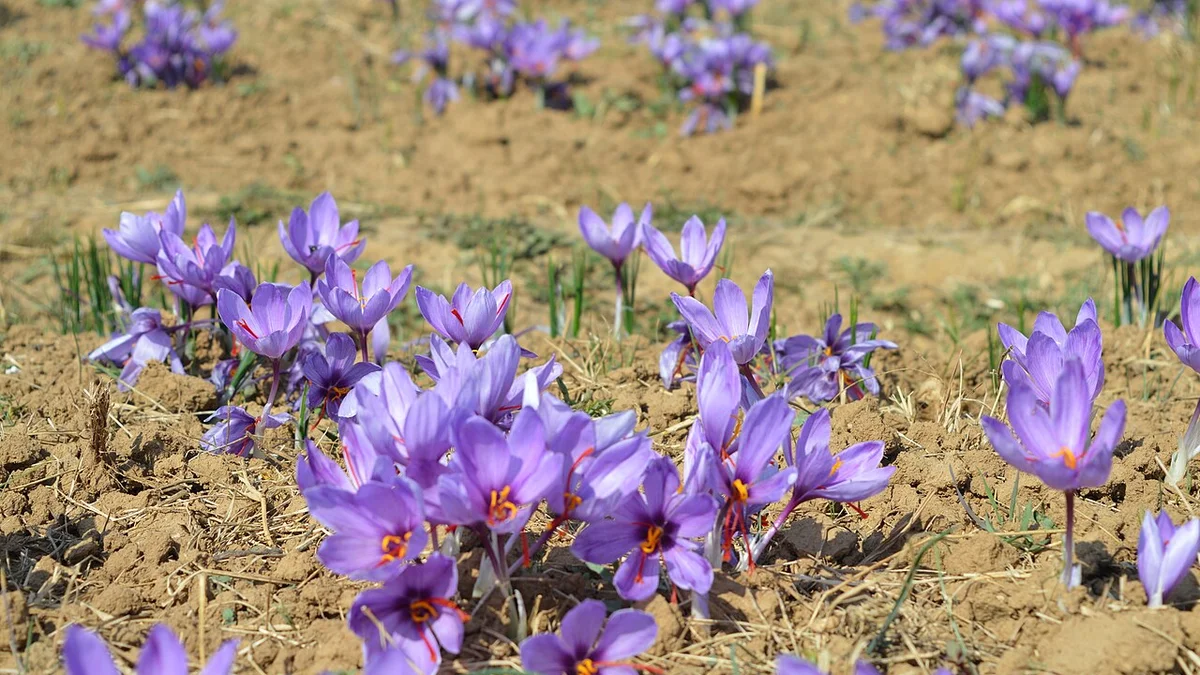
Revered globally as "Red Gold" and scientifically derived from the delicate trifid stigmas of Crocus sativus, saffron (kesar) represents the world’s most precious agricultural commodity by weight. In India, saffron cultivation is deeply anchored in the unique karewa plateaus of Jammu & Kashmir—most famously across the historic saffron capital of Pampore (Pulwama district), alongside Kishtwar, Budgam, and Srinagar. With over 1,50,000 crimson flowers hand-plucked and meticulously dissected to produce just one single kilogram of dried stigmas, understanding the prevailing saffron price is essential for wholesale spice merchants, Ayurvedic pharmaceutical manufacturers, high-end culinary establishments, and prospective growers.
Saffron prices are dictated by strict biochemical quality indices: primarily crocin (natural coloring strength), picrocrocin (characteristic bitter aromatic taste), and safranal (rich floral aroma). Kashmiri saffron holds a prestigious Geographical Indication (GI) certification, distinguishing it from lower-cost imported Iranian or Spanish varieties due to its exceptionally high crocin concentration (exceeding 8% to 10% by mass) and distinct dark crimson hue. Under modern marketing reforms led by the Directorate of Agriculture Kashmir (Directorate of Agriculture Kashmir) and the Spices Board of India (Spices Board Portal), transparent e-auctions at the India International Kashmir Saffron Trading Centre (IIKSTC Pampore) have revolutionized farmer price discovery.
1. Saffron Price in India: 1 Kg & Per Gram Wholesale Benchmarks
Saffron is traded commercially across three primary processed grades: Mongra (pure stigma tips), Lacha (stigmas attached with yellowish style bases), and Zarda (yellow/white base strands). Indicative market prices across wholesale and retail channels reflect biochemical purity and origin certification.
| Saffron Grade & Origin | Indicative 1 Kg Price (₹) | Indicative 1 Gram Price (₹) | Crocin Strength & Quality Spec | Primary Market / Processing Hub |
|---|---|---|---|---|
| Kashmir Mongra (GI Certified Grade 1) | ₹2,60,000 – ₹3,20,000 / kg | ₹280 – ₹350 / g | Crocin > 220 (Highest Purity, No Styles) | IIKSTC Pampore & Srinagar APMC |
| Kashmir Lacha (Grade 2 with Styles) | ₹1,90,000 – ₹2,35,000 / kg | ₹210 – ₹260 / g | Crocin 170 – 200 (Stigma with 20% Style) | Pampore, Kishtwar & Delhi Khari Baoli |
| Kashmir Zarda (Style Base Strands) | ₹45,000 – ₹70,000 / kg | ₹55 – ₹80 / g | Low Crocin, Yellow Herbal Base | Ayurvedic Extract Hubs & Confectionery |
| Iranian Sargol (Imported Premium) | ₹1,50,000 – ₹1,90,000 / kg | ₹165 – ₹215 / g | Crocin 190 – 210 (Clean Cut Red Stigma) | Khari Baoli (Delhi), Mumbai APMC |
| Iranian Pushal (Standard Imported) | ₹1,10,000 – ₹1,40,000 / kg | ₹125 – ₹160 / g | Crocin 140 – 170 (Includes Yellow Tail) | Commercial Bakery & Flavor Blends |
Source: IIKSTC Pampore E-Auction Reports, Agmarknet Spice Bulletins, and Khari Baoli Wholesale Dry Fruit & Spice Association, November 2026. Indicative ranges vary based on harvest moisture, packaging, and laboratory certification.
2. Understanding Saffron Grades: Mongra vs Lacha Quality Standards
Commercial valuation of saffron is governed by ISO 3632 international quality standards and the Bureau of Indian Standards (BIS IS:5453). Buyers must recognize the physical distinctions between commercial grades:
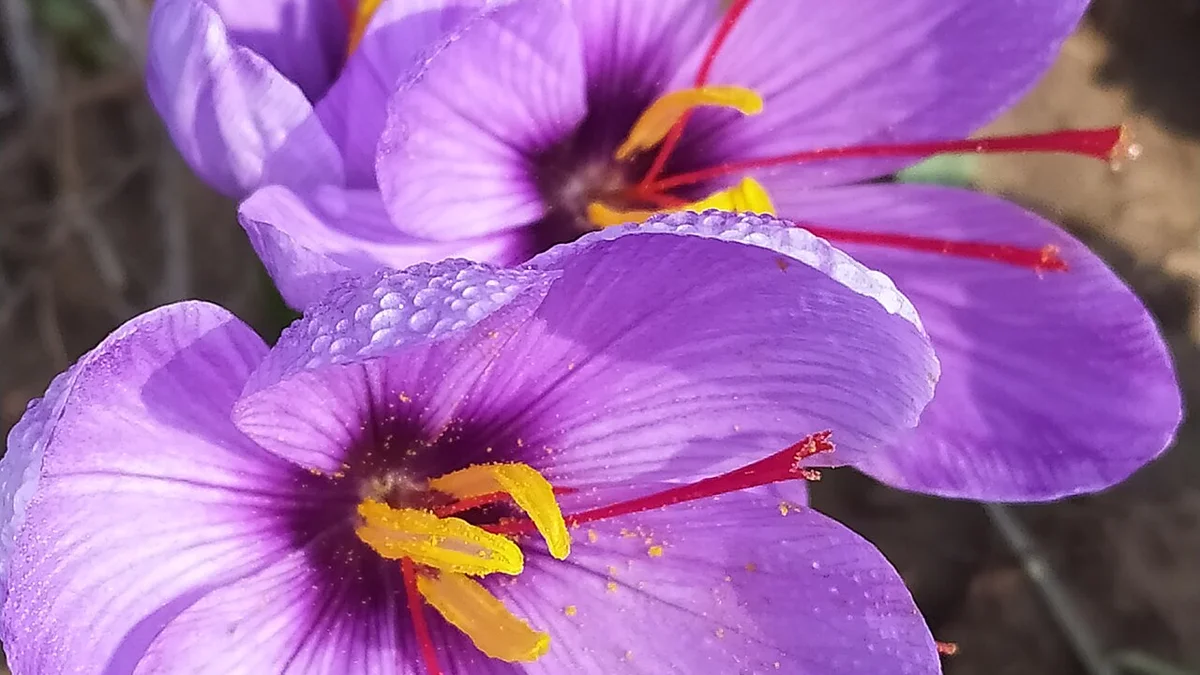
- Mongra Grade: Consists exclusively of the deep dark-red tips of the dried trifid stigma, with the yellow style completely removed by hand. Mongra represents the top 8% of the harvest, commanding the highest premium for export, medicinal tinctures, and royal culinary preparations.
- Lacha Grade: Comprises the intact three-branched stigmas connected to the natural yellowish-white style base (typically 20% to 30% by weight). Lacha preserves traditional processing integrity, preferred in traditional home cooking and cultural festivities.
- Guchhi / Bundle Saffron: Traditional presentation where Lacha threads are neatly aligned and bound into small bundles with red thread. While aesthetically pleasing, modern industrial buyers prefer loose, vacuum-sealed Mongra to avoid paying spice rates for inert binding thread.
- Moisture Thresholds: Authentic grade 1 saffron must maintain moisture levels below 8% to 10%. Exceeding 12% moisture degrades volatile essential oils, promotes microbial spoilage, and artificially inflates weight.
3. Identifying Pure Saffron: Laboratory Tests & Home Purity Checks
Because raw saffron commands upwards of ₹2.5 lakh per kilogram, adulteration with dyed corn silk, safflower (kardi), shredded beet pulp, or plastic filaments is widespread in unorganized markets. Here is how genuine kesar is authenticated:
- The Water Diffusion Test: Place a single thread in warm water. Genuine saffron releases a brilliant, clear golden-yellow hue slowly over 10 to 15 minutes. Adulterated dyed threads turn water deep crimson-red immediately as artificial dyes bleed out.
- Thread Integrity After Extraction: After soaking for 30 minutes, real saffron threads retain their physical shape, elasticity, and crimson color. Fake dyed fibers disintegrate into mush when rubbed between fingertips.
- The Taste vs Aroma Paradox: Pure saffron has a wonderfully rich, sweet, hay-like aroma, but tastes decidedly bitter and medicinal on the tongue. If saffron tastes sweet, it has been adulterated with sugar syrup or honey to artificially inflate weight.
- Baking Soda Alkaline Test: Mix saffron with a small pinch of baking soda in water. Pure saffron maintains a clean yellow-orange liquid, whereas chemically dyed threads react and turn murky reddish-pink.
4. Saffron Farming Economics & National Saffron Mission Support
To revitalize historical saffron fields, the central government executed the National Saffron Mission (NSM) with an investment exceeding ₹400 crore. The mission introduced micro-irrigation drip sprinkler systems, high-density corm planting protocols, and subsidized corm procurement:
| Farming Parameter | Traditional Saffron Farming | National Saffron Mission (NSM) Protocol | Commercial Impact |
|---|---|---|---|
| Planting Corm Density | 1.5 – 2.0 Tonnes Corms / Hectare | 4.0 – 5.0 Tonnes Corms / Hectare | 2.5x Increase in flower-bearing density |
| Average Yield per Hectare | 1.8 – 2.2 Kilograms dried saffron | 4.5 – 5.5 Kilograms dried saffron | Yield more than doubled with drip sprinklers |
| Irrigation Mode | Rain-dependent (Monsoon drought risk) | Automated Sprinkler / Drip Arrays | Ensures uniform pre-flowering corm sprouting |
| Gross Revenue per Hectare | ₹4,50,000 – ₹5,50,000 | ₹11,000,000 – ₹14,000,000 | Significantly higher farm household income |
| Input Subsidies Available | None | Up to ₹2.25 Lakh / Hectare Assistance | Rejuvenation assistance provided by DA&FW |
Source: Directorate of Agriculture Kashmir, National Saffron Mission Evaluation Report, 2025-2026.
5. Sourcing Channels: IIKSTC E-Auction, APMC Markets & Direct Buy
For institutional buyers, pharmaceutical companies, and confectionery manufacturers, buying saffron through certified channels guarantees quality and traceability. The India International Kashmir Saffron Trading Centre (IIKSTC) at Pampore houses state-of-the-art NABL-accredited testing laboratories, standardized drying facilities, and secure cold-storage vaults. Every lot traded at IIKSTC comes with QR-code verifiable testing certificates documenting exact crocin levels, moisture percentages, and pesticide residue clearances before electronic auction bidding.
6. Therapeutic Applications & Commercial Utilization of High-Crocin Saffron
Beyond its revered status in luxury gourmet confectionery and traditional Mughlai culinary preparations, saffron is a prized bioactive constituent in Ayurvedic formulations, Unani pharmacopeia, and contemporary nutritional medicine. The principal carotenoid, crocin, functions as a potent natural antioxidant that neutralizes cellular free radicals, improves memory retention, and exhibits pronounced neuroprotective properties in clinical research.
In high-end pharmaceutical extraction and traditional skincare cosmetics, standardized Kashmir Mongra saffron is processed into facial serums and skin rejuvenation formulations due to safranal's anti-inflammatory and micro-vascular circulatory stimulation. Industrial food processors and dairy corporations source accredited GI-tagged Kashmiri saffron under annual supply contracts to maintain authentic flavor profiles and golden hues in saffron milk (kesar badam milk), festive sweets, and royal herbal infusions without reliance on artificial synthetic food dyes.
7. High-Value Horticultural Economics, Allied Crops & Spices
Kashmiri saffron represents one of the world's most lucrative commercial crops, commanding extraordinary value per unit of land. Commercial growers managing spice, plantation, and specialty horticulture frequently benchmark saffron realizations against other high-value commodities. In southern and western plantation zones, cultivators track wholesale cashew kernel price grades, raw cashew nut farm-gate pricing, the daily Shivamogga adike rate today, and all-India arecanut price today.
In diversified horticulture, exotic crops like commercial dragon fruit farming and specialty grains like rajgira amaranth seed cultivation offer compelling per-acre margins. Farmers also follow conventional cash crop benchmarks including spot mustard seed market prices, regional sarso mandi bhav, daily onion rate today trends, and wholesale mill prices for chini ka rate today. For direct wholesale marketing without intermediary deductions, growers leverage Kisan Mandi direct trading platforms and major regional exchanges like Muhana Mandi Jaipur.
8. Agri-Financing, Crop Protection & Farm Mechanization Infrastructure
High-value spice production requires disciplined capital planning and advanced agronomic protection. Growers can finance corm purchases, micro-irrigation, and processing equipment through concessional credit via the Kisan Credit Card (KCC) scheme. Weather vulnerabilities in high-altitude valleys are buffered through PMFBY crop insurance tracking, backed by direct welfare support via PM Kisan beneficiary status verification, regional welfare through CM Kisan Odisha DBT, and social security registration on UPLMIS shramik labour card.
Protecting saffron corms from debilitating soil-borne pathogens like Fusarium oxysporum and Rhizoctonia requires prophylactic treatments detailed in our broad spectrum fungicide guide, while sucking insect vectors can be controlled with targeted imidacloprid insecticide dosage. Optimum corm development is guided by soil balancing through Soil Health Card soil testing, combined with drip and sprinkler automation supported under the PM Krishi Sinchayee Yojana.
For mechanized land preparation, raised-bed formation, and harvest transport, growers rely on utility tractors such as the Swaraj 744 FE tractor, the Mahindra 575 DI, the Eicher 380, and modern John Deere tractors, eligible for capital subsidies under the PM Kisan tractor subsidy program and combine harvester price benchmarks. Produce logistics can be managed with commercial carriers like the Mahindra Supro or clean transport subsidized under the PM E-DRIVE electric vehicle subsidy. Tools, equipment, and market intelligence can be explored on Farm Search, while allied enterprises like Gir cow dairy units, Murrah buffalo farming, commercial goat farming, daily NECC egg production, and the Barwala poultry market ensure sustained year-round farm cash flow.
Official saffron auction prices, GI testing certifications, and quality standards are published by the IIKSTC Jammu & Kashmir Saffron Portal, the Spices Board of India, the National Saffron Mission (MoA&FW), and the Food Safety and Standards Authority of India (FSSAI).
Frequently asked questions
- What is the current price of 1 kg pure Kashmiri saffron in 2026?
- Pure GI-tagged Kashmiri Mongra saffron commands ₹2,80,000 to ₹3,50,000 per kilogram in primary wholesale markets like the IIKSTC Saffron E-Auction Portal, while retail consumer prices range from ₹350 to ₹450 per gram.
- Why is Kashmiri saffron significantly more expensive than Iranian saffron?
- Kashmiri saffron boasts a crocin (color intensity) concentration exceeding 220 to 270 units, exceptionally high safranal (aroma), and thick deep-crimson stigmas, compared to Iranian saffron which typically tests at 180 to 210 crocin units.
- What is the difference between Mongra saffron and Lacha saffron?
- Mongra saffron consists exclusively of the detached, deep-red stigma tips without any yellow style attached, offering maximum potency. Lacha saffron contains the red stigmas attached to their natural yellowish-white floral base style.
- How does the GI tag protect authentic Kashmiri saffron buyers?
- The Geographical Indication (GI) tag issued under Spices Board of India and IIKSTC oversight includes security hologram seals and alpha-numeric tracking codes that certify harvest origin in Kashmir and confirm chemical purity.
- How much saffron does one acre of land yield annually in India?
- Under scientific drip-irrigated cultivation and high-density corm planting, an acre yields approximately 2.0 to 3.5 kilograms of dry saffron. Corm purchases and micro-irrigation can be financed through the Kisan Credit Card (KCC) scheme.
- How can consumers test pure saffron at home without laboratory equipment?
- Place a few strands in warm water or milk: genuine saffron slowly releases a golden-yellow color over 10 to 15 minutes while the strands retain their crimson structure. Fake adulterated threads turn red instantly and dissolve or turn white.
- What are the permissible moisture and foreign matter limits under FSSAI standards?
- Under FSSAI quality regulations and ISO 3632 standards, Grade-1 saffron must contain maximum 10% to 12% moisture, less than 1% floral waste, and zero synthetic azo dyes.
- How many saffron flowers are needed to produce 1 gram of dry saffron?
- Approximately 150 to 180 Crocus sativus flowers are hand-picked to harvest the 450 to 540 fresh stigmas required to yield just 1 single gram of dried commercial saffron.
- Which fungal diseases affect saffron corms and how are they managed?
- Corm rot caused by Fusarium and Rhizoctonia is the primary fungal threat. Corms must be treated with systemic fungicides as detailed in our broad spectrum fungicide guide before planting.
- What soil and climatic conditions are essential for saffron cultivation?
- Saffron requires well-drained, neutral-to-slightly-alkaline sandy loam soil (pH 6.8 to 7.8) verified via Soil Health Card testing, high altitudes of 1,600 to 2,200 meters, cool sub-temperate winters, and calibrated micro-irrigation funded under the PM Krishi Sinchayee Yojana.
- Where can buyers participate in official e-auctions of Kashmiri saffron?
- Buyers can register on the India International Kashmir Saffron Trading Centre (IIKSTC) e-auction platform located at Dusso, Pampore, to purchase laboratory-certified, vacuum-packed batches.
- What is the best way to store pure saffron to preserve color and aroma?
- Store dry saffron in airtight dark glass jars or tin containers away from direct sunlight, moisture, and high temperatures. Well-sealed saffron retains full culinary and medicinal potency for over 2 to 3 years.
This article is for general information only and is not financial advice. Loan and scheme eligibility depends on partner and government criteria.