Cashew Nut Price: Raw RCN Rates, Grades & Kerala Market
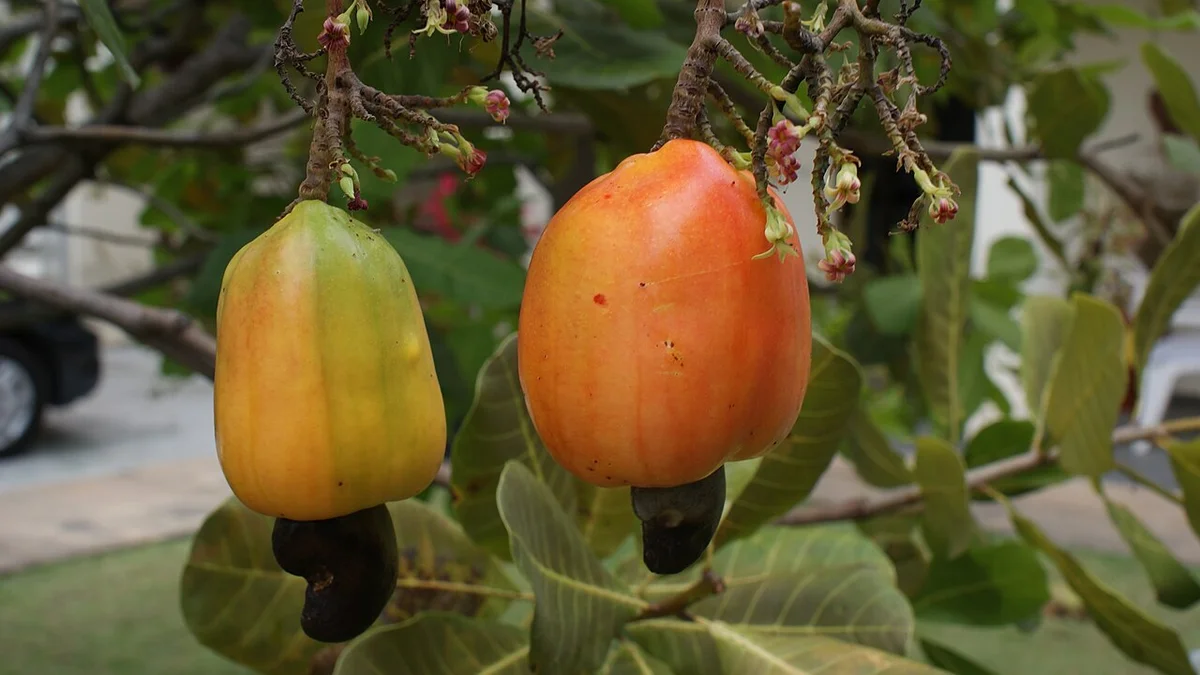
Cashew (Anacardium occidentale) is one of India's premier high-value horticultural export crops and a pillar of the coastal rural economy across Kerala, Goa, coastal Karnataka, Maharashtra's Konkan belt, Tamil Nadu, Andhra Pradesh, and Odisha. India operates the world’s largest commercial cashew processing sector, transforming domestically cultivated and imported Raw Cashew Nuts (RCN) into edible whole and broken kernels prized globally for their delicate texture, heart-healthy monounsaturated fats, and rich culinary versatility. Consequently, monitoring the cashew nut price—both at the raw farm-gate level (per 80 kg bag or per kg) and at the processed factory-gate level (per kg or per 50 lb export tin)—is essential for plantation growers, processors, dry fruit wholesalers, and retail buyers.
Centering around historic processing capitals like Kollam (Quilon) in Kerala—frequently hailed as the Cashew Capital of the World—the domestic marketplace reflects a dynamic interplay between local harvest yields, African import arrivals, peeling labor availability, and festival demand. Whether you are tracking the cashew nut price in kerala, evaluating the wholesale 1 kg cashew price in kerala, or comparing processed kernel grades from King-size W-180 down to dessert pieces, official benchmarks from the Directorate of Cashewnut and Cocoa Development (DCCD Kochi) and the Cashew Export Promotion Council of India (CEPCI Portal) provide definitive market guidance. This guide details raw RCN price structures, kernel grading benchmarks, processing margins, by-product economics, and storage guidelines.
1. Raw Cashew Nut (RCN) Price Trends & Regional Mandi Rates
Unlike processed dry fruit kernels sold in grocery stores, raw cashew nuts harvested from cashew apples consist of an outer fibrous leathery exocarp, a caustic honeycomb mesocarp containing Cashew Nut Shell Liquid (CNSL), and a hard endocarp encasing the edible kernel in a protective brown testa skin. In Indian mandis, RCN is traded on the basis of Out-Turn (cutting yield measured in pounds of edible kernel per 80 kg bag, typically ranging from 44 to 52 lbs) and moisture content (ideal under 8% to 9%).
| Producing State | Primary Trading Hub / Mandi | Dominant Variety / Origin | Out-Turn (lbs/80kg) | Farm-Gate RCN (₹/kg) | Wholesale RCN (₹/80kg Bag) |
|---|---|---|---|---|---|
| Kerala | Kollam / Kannur / Kasaragod | Dharashree, Priyanka, Local Desi | 48 – 52 lbs | ₹115 – ₹138 | ₹9,200 – ₹11,040 |
| Goa | Bicholim / Sanquelim / Ponda | Goa-1, Balli Local, Vengurla Hybrid | 46 – 50 lbs | ₹110 – ₹132 | ₹8,800 – ₹10,560 |
| Maharashtra | Vengurla / Sindhudurg / Ratnagiri | Vengurla-4, Vengurla-7 Bold | 48 – 53 lbs | ₹120 – ₹145 | ₹9,600 – ₹11,600 |
| Karnataka | Mangalore / Puttur / Udupi | Ullal-1, Ullal-3, Chintamani-1 | 46 – 50 lbs | ₹108 – ₹128 | ₹8,640 – ₹10,240 |
| Tamil Nadu | Panruti / Cuddalore | VRI-1, VRI-3 Red Soil Desi | 44 – 48 lbs | ₹102 – ₹122 | ₹8,160 – ₹9,760 |
| Andhra Pradesh | Palasa / Srikakulam | BPP-4, BPP-8 Coastal Red | 44 – 48 lbs | ₹98 – ₹118 | ₹7,840 – ₹9,440 |
| Odisha | Brahmapur / Koraput / Puri | Bhubaneswar-1, Local Forest | 42 – 46 lbs | ₹92 – ₹112 | ₹7,360 – ₹8,960 |
| Import Parity | Cochin / Tuticorin Ports | Ivory Coast, Benin, Ghana (CFR) | 46 – 50 lbs | ₹105 – ₹125 | ₹8,400 – ₹10,000 |
Source: Directorate of Cashewnut and Cocoa Development (DCCD), Agmarknet, and CEPCI market intelligence (November 2026). Indicative raw cashew nut (RCN) spot rates. Actual transactional rates vary with moisture testing, nut count per kilogram (typically 170 to 210 nuts/kg), and shell integrity.
2. Processed Cashew Kernel Grading Matrix: W-180 to Broken Pieces
Once raw cashew nuts undergo thermal conditioning (steam roasting or drum roasting), mechanical deshelling, borma drying (hot air dehumidification at 70°C to 80°C), manual peeling of the reddish testa skin, and electronic sorting, they are graded into globally recognized commercial categories based on count per pound, color, and physical completeness:
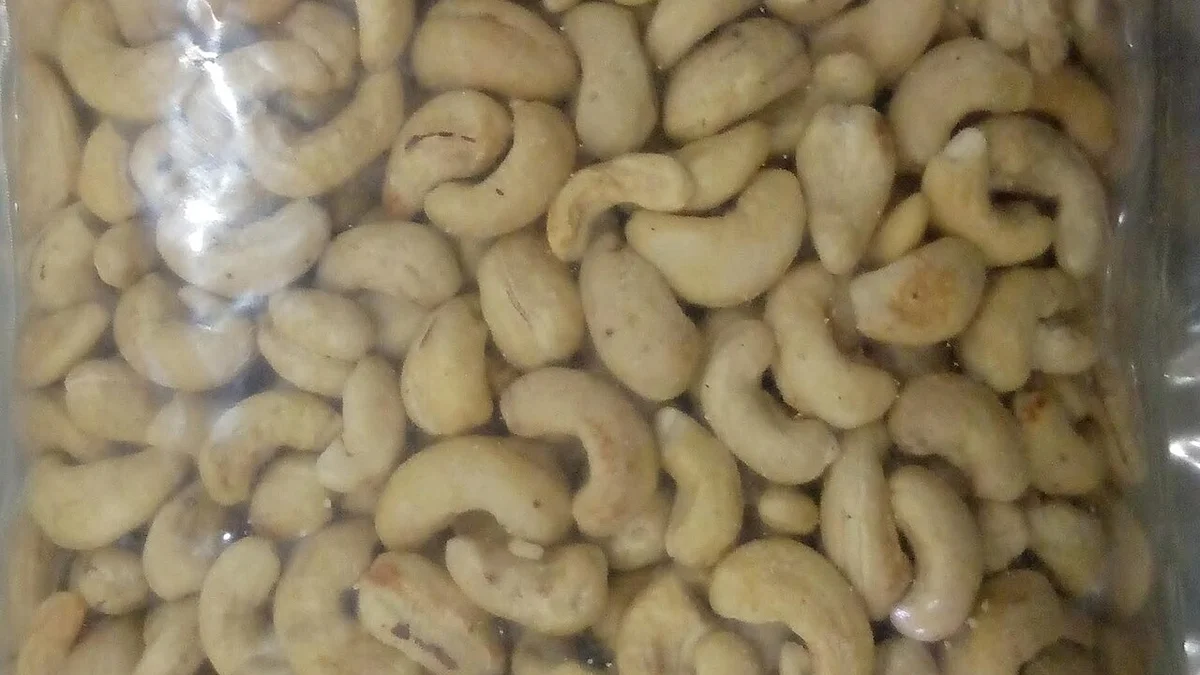
| Kernel Grade | Commercial Trade Name | Kernel Count (per lb) | Visual Description | Wholesale Factory (₹/kg) | Retail Market (₹/kg) |
|---|---|---|---|---|---|
| W-180 | King of Cashews | 140 – 180 kernels/lb | Massive, pristine ivory white, premium luxury gift boxes | ₹1,050 – ₹1,250 | ₹1,300 – ₹1,550 |
| W-210 | Jumbo Wholes | 180 – 210 kernels/lb | Extra large, plump, high premium confectionery standard | ₹920 – ₹1,080 | ₹1,150 – ₹1,350 |
| W-240 | Standard Large Wholes | 220 – 240 kernels/lb | Large attractive wholes, premier retail grocery packaging | ₹820 – ₹940 | ₹1,000 – ₹1,180 |
| W-320 | Universal Standard Grade | 300 – 320 kernels/lb | Medium size, benchmark of global trade, daily snacking | ₹720 – ₹840 | ₹880 – ₹1,050 |
| W-400 | Small Wholes | 380 – 400 kernels/lb | Smaller whole kernels, budget-friendly whole nut packs | ₹650 – ₹750 | ₹780 – ₹920 |
| JH (Jumbo Halves) | Split Cashews | Split along natural suture | Perfect halves, sweet shops, kaju katli, biryani garnishing | ₹620 – ₹720 | ₹750 – ₹880 |
| Pieces (Large Pieces / LWP) | Broken Kernels | Kernels broken into 4–8 fragments | Commercial bakery, confectionery fillings, dry fruit gravies | ₹520 – ₹620 | ₹640 – ₹750 |
| Baby Bits (BB) / Granules | Minced / Crushed Nut | Granular fragments under 2mm | Ice cream toppings, chocolate pastes, industrial biscuits | ₹420 – ₹510 | ₹520 – ₹620 |
Source: CEPCI (cashewindia.org), Kollam Cashew Manufacturers Association, and retail market surveys (November 2026). Wholesalers typically package kernels in nitrogen-flushed 10 kg vacuum pouches or 50 lb export tins to safeguard against oxidative rancidity.
3. Cashew Processing Economics: From RCN to Edible Kernel
Understanding how the raw farm-gate price translates into the kaju rate per kg paid by the consumer requires examining the physical mass balance and labor economics of a standard commercial processing mill:
- Kernel Yield (22% to 24% Recovery): Out of 1,000 kg of raw cashew nuts processed, only 220 to 240 kg of saleable kernel is recovered. The remaining 760 to 780 kg consists of hard shells (approx. 700 kg), brown peel/testa (approx. 30 kg), and processing moisture loss.
- Grade Distribution: Of the 230 kg of recovered kernels, approximately 60% to 65% are intact Whole White Kernels (W-180 through W-400), 20% to 25% are Splits and Halves (JH), and 10% to 15% are Pieces and Bits.
- Processing & Peeling Labor Costs (₹35 to ₹55 per kg of RCN): Cashew shelling and delicate testa peeling require skilled manual labor or automated vision-guided machinery. In Kerala, statutory minimum wages and welfare board levies represent significant operational costs.
- By-Product Value (Cashew Nut Shell Liquid - CNSL): Cashew shells yield 8% to 10% of high-grade CNSL, rich in cardanol and anacardic acid. Sold at ₹55 to ₹75 per liter, CNSL is widely used in automotive brake linings, marine paints, epoxy resins, and polymer manufacturing, providing crucial cost offsets for millers.
- De-Oiled Shell Biomass: The residual pressed shell cake serves as high-calorific biofuel pellets (approx. 4,500 kcal/kg) for industrial boilers, fetching ₹4 to ₹7 per kg.
4. The Kerala Cashew Market: Why Kollam Sets the National Tone
The historic port city of Kollam in southern Kerala occupies a legendary status in the global cashew trade. Introduced by Portuguese explorers in the 16th century initially for soil conservation on coastal slopes, commercial cashew processing was industrialized in Kollam in the early 20th century.
Today, the cashew nut price in kerala is shaped by distinctive market dynamics:
- Import Processing Hub: Because domestic Indian RCN production (approx. 7.5 to 8.5 lakh MT) satisfies less than half of India’s processing capacity (over 18 to 20 lakh MT), Kollam processors import massive volumes of raw nuts through Cochin and Tuticorin ports from West and East African nations (Ivory Coast, Ghana, Guinea-Bissau, Tanzania).
- State Agencies (KSCDC and CAPEX): The Kerala State Cashew Development Corporation (KSCDC) and Kerala State Cashew Workers Apex Industrial Cooperative Society (CAPEX) operate dozens of state-run factories employing thousands of women workers, establishing ethical wage standards and certified pesticide-free processing.
- GI-Tagged Konkan & Goan Varieties: In neighboring Goa and Maharashtra, GI-tagged Goan Cashew and Vengurla Cashew command distinct regional premiums due to superior natural sweetness, larger kernel size, and rich buttery mouthfeel.
5. Key Factors Influencing Cashew Nut Price Volatility
Wholesale and retail cashew kernel price today responds to several macroeconomic and agronomic variables:
- Monsoon Timing and Flowering Flush: Unseasonal rain or cloudy weather during the primary flowering period (December to February) encourages tea mosquito bug (Helopeltis antonii) infestations, damaging panicles and slashing domestic fruit set.
- African Export Bans & Domestic Processing Mandates: West African producing nations frequently adjust minimum export prices or levy raw nut export bans to encourage local value-added peeling, altering global RCN availability for Indian mills.
- Currency Exchange Fluctuations (USD/INR): Because substantial raw cashew is imported in US Dollars while finished kernels are re-exported or sold domestically, currency movements directly impact landed costs.
- Domestic Festive Demand: The August-November festive corridor (Raksha Bandhan, Ganesh Chaturthi, Diwali) triggers explosive domestic demand from sweetmakers for Kaju Katli, premium gift hampers, and institutional gifting, lifting wholesale prices by 10% to 20%.
6. Storage, Packaging & Preventing Rancidity in Stored Cashews
Because cashew kernels contain high levels of delicate polyunsaturated and monounsaturated fatty acids (approx. 46% to 48% oil content), improper storage leads to oxidative rancidity, yellowing, and stale off-flavors:
- Moisture Control: Finished kernels must maintain a moisture content below 4.5% to 5.0%. Excess moisture invites mold growth (Aspergillus flavus) and loss of crispness.
- Modified Atmosphere Vacuum Packing: Wholesalers utilize multilayer barrier pouches flushed with a nitrogen-carbon dioxide gas blend (90% N2, 10% CO2) or hermetic vacuum sealing to eliminate oxygen.
- Cold Storage Temperature: For bulk storage beyond 3 months, kernels should be kept at 10°C to 15°C with relative humidity below 65%. For retail consumers, storing kernels in airtight glass jars or refrigerated containers preserves fresh crunchiness for up to 9 to 12 months.
7. Market Intelligence & Cash Crop Inter-Linkages
Plantation growers and dry fruit traders in southern and western India frequently monitor adjacent high-value horticultural commodities. Farmers managing spice and plantation blocks can check daily auction realizations through our cardamom price today guide, track arecanut markets via our adike rate today Karnataka tracker and arecanut price today, or review retail consumer trends in our detailed cashew price guide.
For diversified orchard planning, explore exotic fruit commercial viability in our dragon fruit price guide, organic fertilizer enrichment with cow dung manure, or discover local wholesale trading terminals using our kisan mandi directory and state-level registration protocols under UPLMIS labour portal. Cultivators expanding mechanization can also check orchard tractors via our mini tractor price list and evaluate subsidized credit on our Kisan Credit Card guide.
Official regulatory portals consulted for this guide include the Directorate of Cashewnut and Cocoa Development (DCCD Kochi), export standards and quality grading benchmarks from the Cashew Export Promotion Council of India (CEPCI), daily APMC trade arrivals on Agmarknet, and horticulture mission subsidies from the National Horticulture Board (NHB).
Frequently asked questions
- What is the current average cashew nut price per kg in India?
- Wholesale processed cashew kernel prices generally range from ₹720 to ₹840 per kg for standard W-320 grade, reaching ₹1,050 to ₹1,250 per kg for king-size W-180 wholes, as detailed in our cashew price in India report. Broken dessert pieces trade between ₹520 and ₹720 per kg.
- What is Raw Cashew Nut (RCN) and what is its typical farm-gate price?
- Raw Cashew Nut (RCN) is the harvested nut in its hard shell prior to deshelling and peeling. Farm-gate prices in major producing belts (Kerala, Goa, Maharashtra, Karnataka) typically range between ₹105 and ₹145 per kg depending on cutting out-turn (48 to 52 lbs/bag) and moisture levels, as recorded on Agmarknet.
- What makes Kollam in Kerala the historic capital of the cashew industry?
- Kollam possesses over a century of specialized processing infrastructure, skilled artisans for delicate manual peeling, proximity to international shipping ports (Cochin and Tuticorin), and leading cooperative and state bodies (CAPEX, KSCDC) that handle both domestic harvests and African RCN imports.
- What is the meaning of cashew grades like W-180, W-240, and W-320?
- The 'W' stands for White Wholes, and the accompanying number denotes the maximum kernel count per pound (453.6 grams) per CEPCI grading standards. Lower numbers signify larger nuts: W-180 (140-180 nuts/lb) are jumbo luxury nuts, while W-320 (300-320 nuts/lb) is the international standard trade grade.
- How many kilograms of raw cashew nuts are required to produce 1 kg of edible cashew kernel?
- Because the hard shell and outer peel represent over 75% of the total raw nut weight, it takes approximately 4.2 to 4.5 kilograms of quality RCN to yield 1 kilogram of finished edible cashew kernels (a recovery rate of roughly 22% to 24%).
- What is Cashew Nut Shell Liquid (CNSL) and how does it contribute to processor margins?
- CNSL is a natural viscous reddish-brown oil extracted from the pericarp of the cashew nut shell. Rich in cardanol and anacardic acid, it sells for ₹55 to ₹75 per liter to manufacturers of brake linings, marine paints, friction dust, and synthetic resins, offsetting processing costs.
- Why are broken cashew grades (JH, Splits, Pieces) significantly cheaper than whole nuts?
- Broken grades suffer structural fracturing during mechanical shelling or peeling. While their nutritional profile and taste are identical to whole nuts, lack of visual uniformity lowers their appeal for direct table snacking, pricing them at a 25% to 40% discount for use in sweets (Kaju Katli), bakeries, and gravies.
- What causes cashew nuts to turn rancid or stale, and how can it be prevented?
- Cashews contain delicate unsaturated oils susceptible to oxidative rancidity when exposed to heat, light, and oxygen. Millers use nitrogen-flushed vacuum barrier tins or pouches. Consumers should store kernels in airtight glass containers in cool, dark pantries or refrigerators.
- Where can buyers verify official daily cashew prices and market trends?
- Verified wholesale rates, export statistics, and cutting out-turn reports are published by the Directorate of Cashewnut and Cocoa Development (dccd.gov.in) and the Cashew Export Promotion Council of India (cashewindia.org).
- How does festive season timing affect cashew kernel price in India?
- The Indian festive season running from Raksha Bandhan and Ganesh Chaturthi through Diwali and New Year drives enormous confectionary and gifting consumption. Processors typically experience a 10% to 20% price surge in wholesale kernel values between August and November.
- Are Goan and Konkan cashews different from regular imported cashews?
- Yes, GI-tagged Goan Cashews and Maharashtra Vengurla varieties are grown in mineral-rich coastal laterite soils. They possess higher natural sugar content, distinct creaminess, and lower astringency compared to bulk commercial imports, earning a regional price premium.
- What government subsidies support cashew plantation expansion in India?
- The Directorate of Cashewnut and Cocoa Development (DCCD) under the Mission for Integrated Development of Horticulture (NHB MIDH) provides 40% to 50% capital subsidies for high-density cashew planting, drip irrigation setup, and establishing modern clonal nurseries. Compare fruit orchard schemes in our dragon fruit cultivation guide.
This article is for general information only and is not financial advice. Loan and scheme eligibility depends on partner and government criteria.