SSP Fertilizer Uses, Composition & 50kg Bag Price 2026
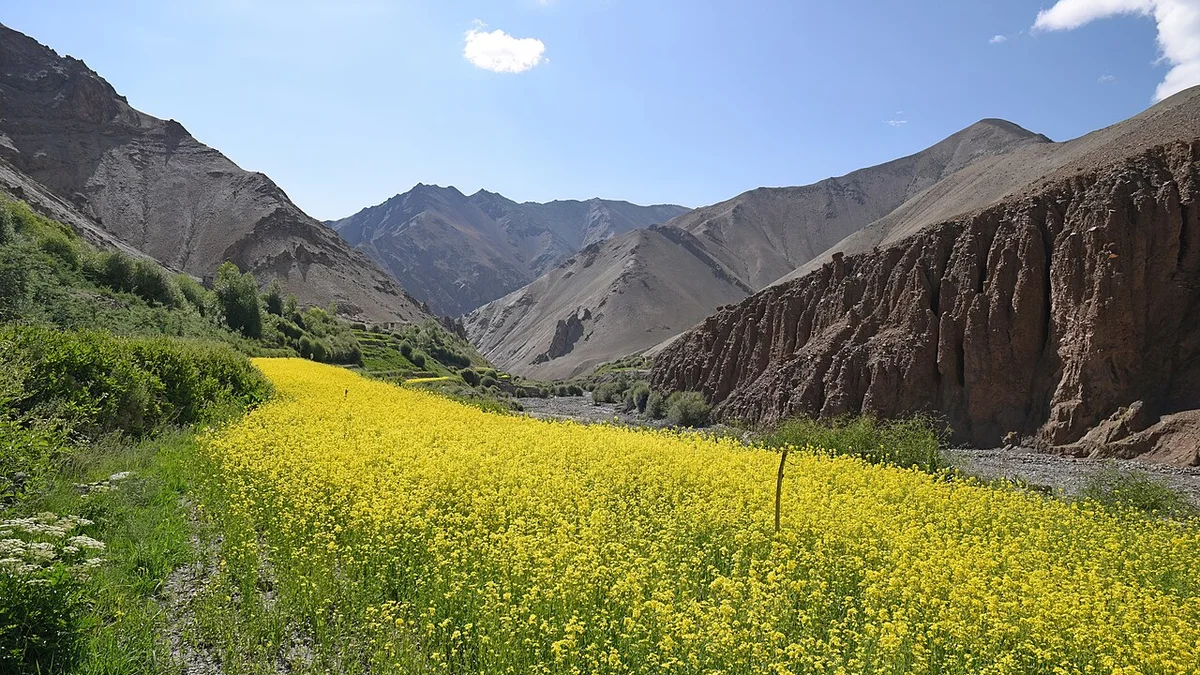
Single Super Phosphate (SSP), commonly known across rural India as SSP Khad, is one of the oldest, most affordable, and multi-nutrient phosphatic fertilizers in Indian agriculture. Produced by reacting finely ground rock phosphate with concentrated sulphuric acid, SSP delivers an indispensable multi-element nutritional package: 16% available water-soluble phosphorus (P2O5), 11% elemental sulphur (S), and 19% bioavailable calcium (Ca). Governed by strict quality benchmarks defined under the Fertilizer Control Order (FCO 1985) administered by the Department of Fertilizers (DoF) under the Ministry of Chemicals & Fertilizers, SSP is uniquely positioned as the premier fertilizer for oilseeds, pulses, and sulphur-deficient agricultural soils across India.
1. Multi-Nutrient Composition & Statutory FCO Specifications of SSP
Unlike Di-Ammonium Phosphate (DAP) or Triple Super Phosphate (TSP), which supply only primary macronutrients, Single Super Phosphate functions as a potent multi-nutrient fertilizer delivering three vital elements in a single granule. Under FCO standards, powdered or granulated SSP must contain: 1. Phosphorus: Minimum 16.0% total available P2O5, with at least 14.5% in neutral ammonium citrate soluble form and a minimum of 12.0% water-soluble P2O5. 2. Sulphur: Minimum 11.0% elemental sulphur in sulphate form, immediately absorbable by plant roots. 3. Calcium: Approximately 19.0% to 21.0% calcium, which acts as a natural soil conditioner, improving soil structure and neutralising excess soil acidity.
| Nutrient Component | Percentage in SSP (% w/w) | Chemical Form | Primary Agronomic Function in Crops |
|---|---|---|---|
| Available Phosphorus (P2O5) | 16.0% (Min 12% water soluble) | Monocalcium Phosphate | Accelerates root growth, early tillering, energy ATP synthesis |
| Elemental Sulphur (S) | 11.0% (Sulphate form) | Calcium Sulphate (Gypsum) | Synthesizes amino acids (cysteine, methionine), boosts oil content |
| Bioavailable Calcium (Ca) | 19.0% - 21.0% | Calcium Oxide / Sulphate | Strengthens plant cell walls, enhances soil aggregation & aeration |
| Moisture Content (Max) | 12.0% by weight | Residual Moisture | Prevents hygroscopic caking during warehouse storage |
| Free Phosphoric Acid (Max) | 4.0% by weight | Free Acid | Maintains low acidity to protect bag fabrics and root hairs |
Source: Official benchmark data compiled from Ministry of Agriculture & Farmers Welfare, ICAR research bulletins, State Agricultural Marketing Boards, and Agmarknet official market records (Updated 2026).
2. Agronomic Superiority in Oilseeds & Pulses: Why Sulphur Matters
Extensive soil fertility mapping conducted by the Indian Council of Agricultural Research (ICAR) reveals that over 43% of Indian agricultural soils suffer from severe sulphur deficiency, caused by decades of intensive cropping and heavy reliance on sulphur-free high-analysis fertilizers like urea and DAP. In oilseed crops such as mustard, groundnut, soyabean, and sesame, sulphur is an essential constituent of the enzyme systems responsible for synthesizing plant fatty acids and aromatic glucosinolates. Field trials demonstrate that applying 3 bags of SSP per acre in place of DAP increases mustard and groundnut oil content by 2.5% to 4.0%, while elevating overall crop yields by 15% to 22%.
3. Single Super Phosphate (SSP) vs. Di-Ammonium Phosphate (DAP)
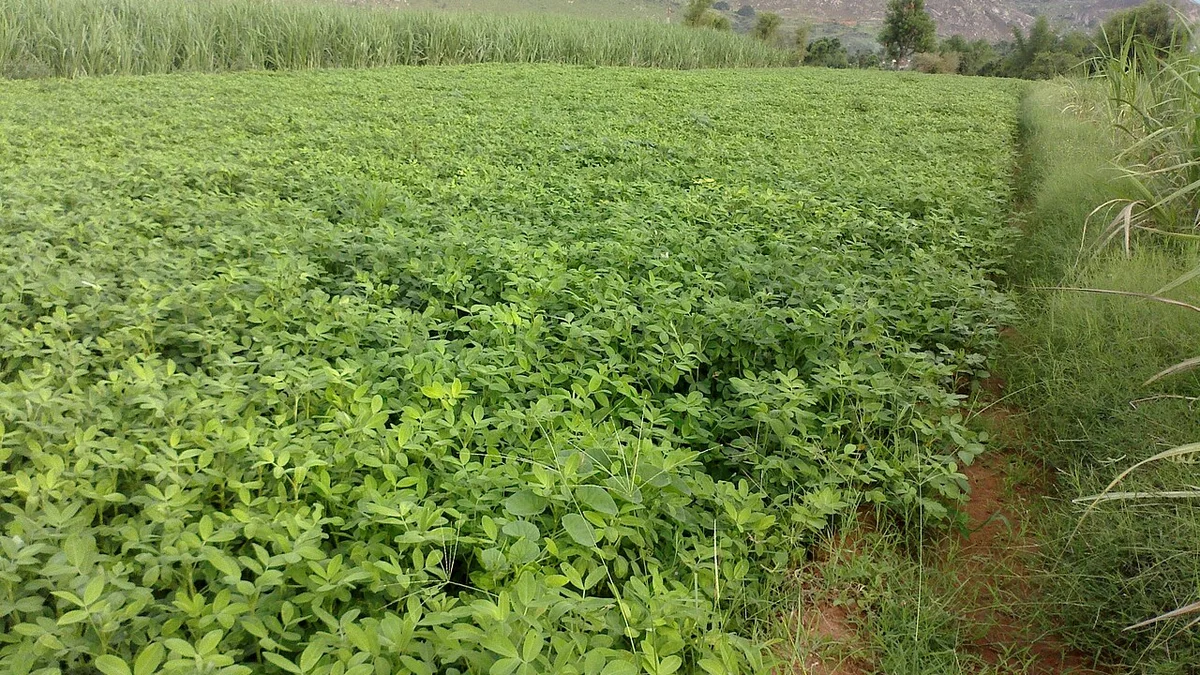
A persistent debate among Indian farmers is whether to use DAP or SSP for basal application. While DAP (18:46:0) delivers a higher concentration of phosphorus per bag, it contains zero sulphur and zero calcium. Agronomists calculate that applying 3 bags of SSP (150 kg) plus 1 bag of Urea (45 kg) supplies 24 kg of phosphorus, 20.7 kg of nitrogen, 16.5 kg of sulphur, and 28.5 kg of calcium at a total input cost significantly lower than 1 bag of DAP (which supplies 23 kg P and 9 kg N, but 0 kg S). For groundnut and potato cultivators, the high calcium content in SSP prevents 'pops' (empty pods) in groundnuts and eliminates internal brown spot disorders in potato tubers.
| Fertilizer Combination | Nitrogen (N) Supplied | Phosphorus (P2O5) Supplied | Sulphur (S) Supplied | Calcium (Ca) Supplied | Comparative Input Cost (Approx) |
|---|---|---|---|---|---|
| 1 Bag DAP (50 kg) | 9.0 kg | 23.0 kg | 0.0 kg (Deficient) | 0.0 kg | ₹1,350 (Subsidized MRP) |
| 3 Bags SSP (150 kg) + 1 Bag Urea (45 kg) | 20.7 kg | 24.0 kg | 16.5 kg (Rich) | 28.5 kg (Rich) | ₹1,900 - ₹2,100 (Total for all 4 bags) |
| Yield Impact on Mustard / Groundnut | Standard growth | Baseline yield | Adds 3-4% more oil | Eliminates empty pods | +18% Higher Net Farmer Profit |
4. SSP 50kg Bag Price List & Nutrient Based Subsidy (NBS)
Under the Nutrient Based Subsidy (NBS) regime administered through the central DBT e-Urvarak portal, the Government of India provides specific per-kilogram fiscal subsidies on phosphorus and sulphur. Consequently, retail prices for a standard 50-kg bag of Single Super Phosphate are exceptionally affordable: Powdered SSP typically retails between ₹480 and ₹550 per bag, while Granular SSP (G-SSP) ranges from ₹540 to ₹620 per bag across major manufacturing brands including Khaitan, Coromandel, Rama Phosphates, and Jubilant Agri. Farmers purchase subsidized bags through biometric Aadhaar authentication at local authorized cooperative Point of Sale (PoS) retailers.
5. Granular vs. Powdered SSP: Which is Better for Your Farm?
SSP is manufactured in two physical forms: 1. Granular SSP (G-SSP): Formulated as uniform, hard, dust-free spherical granules (1mm to 4mm diameter). G-SSP is ideal for mechanical application through tractor-operated seed-cum-fertilizer drills, as it flows smoothly without clogging chutes and dissolves slowly, reducing phosphorus fixation in high-clay soils. 2. Powdered SSP (P-SSP): Fine, meal-like powder suitable for manual broad-acre broadcasting and for enriching farmyard manure (FYM) in compost pits. Powdered SSP reacts more rapidly in alkaline soils but tends to absorb atmospheric moisture if stored in humid conditions.
6. Recommended Application Dosages & Best Agronomic Practices
For maximum nutrient use efficiency, Single Super Phosphate must always be applied as a basal dressing at or immediately before sowing: 1. Mustard & Rapeseed: Apply 120 to 150 kg (2.5 to 3 bags) per acre drilled 4 to 5 cm below the seed line. 2. Groundnut: Apply 150 kg (3 bags) per acre at final land preparation, ensuring adequate calcium for pegging and pod fill. 3. Paddy & Wheat: Apply 100 to 125 kg (2 to 2.5 bags) per acre during final puddling or seed drilling. Never top-dress SSP on standing crop foliage, as phosphorus is immobile in soil and must be placed directly in the rhizosphere for root absorption.
7. Crop Nutrition, Mechanized Spraying & Protected Farming Integration
Optimizing yields for growers adopting ssp fertilizer requires aligning balanced crop inputs, timely pest protection, and reliable mechanical application. Growers systematically coordinate crop care through Triple Super Phosphate (TSP) root nutrition guide, Bayer Solomon broad-spectrum insect control, cumin seed (jeerige) pricing and grading, melon seed (magaz) wholesale market trends, sesame seed (ellu) agronomy and market rates. Modern field execution and transport rely heavily on comparing specs and subsidies across hydraulic tipping and non-tipping tractor trolley prices, Agrimachinery DBT SMAM tractor and implement portal, John Deere 5310 4x4 55 HP CRDi tractor specs, Farmtrac 45 Classic Supermaxx tractor review, Swaraj 855 FE 4x4 heavy-duty 52 HP specs, dual-purpose tractor gadi haulage models, John Deere India tractor lineup and pricing, Swaraj 735 FE 39 HP utility tractor review, full Swaraj tractor HP lineup and pricing. For specialized tillage, haulage, and water distribution, cultivators also evaluate Swaraj 744 FE and XT torque and fuel economy, Mahindra 575 DI 45 HP workhorse mileage guide, Mahindra 575 DI XP Plus 47 HP torque and review, New Holland 3630 TX Plus 4x4 55 HP tractor specs, Powertrac Euro diesel-saver tractor models and prices, VST Shakti and Kubota 12-15 HP power tiller prices, Farmtrac heavy tractor series and diesel saver specs, Solis 4515 E Yanmar-tech tractor specifications, field tractor power testing and safety buying checks, sprinkler irrigation layout and PMKSY subsidy.
8. Institutional Credit, APMC Realizations & Allied Commodity Trends
Financing seasonal crop inputs through institutional banking and selling into transparent wholesale markets safeguards per-acre profitability. Growers benchmark regional supply arrivals and MSP procurement across Jakhal Mandi Fatehabad grain auction rates, soyabean mandi bhav and MSP rates, Mangoli & Sangli regional fruit mandi bhav, Dhamnod Mandi cotton and soyabean arrivals, Kalapipal Mandi onion and garlic auction rates, wheat (gehu) cultivation varieties and grain nomenclature, moong dal wholesale and split green gram rates, daily Neemuch Krishi Upaj Mandi garlic and herb prices, live APMC Krishi Upaj mandi auction trends, chana dal procurement and wholesale market rates, wheat (gehu) mandi auction and FCI procurement rates, Mandsaur APMC lahsun and soybean market rates. Key grain, oilseed, and pulse realization corridors additionally track Neemuch Mandi medicinal spice and grain rates, Piplia Mandi wholesale garlic auctions, Narela Anaj Mandi paddy and wheat arrivals, daily UP and Maharashtra sugar mill chini bhav, guar seed APMC & NCDEX prices, arhar (tur) dal wholesale and MSP realizations.
Agricultural diversification and specialty value chains spanning spices, plantation crops, dairy, and poultry offer steady cash flow—tracked via Byadgi red chilli oleoresin grading and APMC rates, Sangli and Nashik golden kismis (raisin) rates, copra milling and coconut oil wholesale rates, Arunachal Pradesh organic kiwi and Azadpur rates, dairy butter fat economics and Amul retail prices, Barabanki mint wholesale mandi and MCX benchmarks, wholesale mushroom prices across urban mandis, NCDEX Turmeric Price Today, Rashi, Bette, and Chali arecanut grade pricing, Bangalore wholesale egg tray prices and retail spreads, all-India NECC egg rate directory. Operational working capital, DBT cash transfers, and subsidized farm solar or e-KYC infrastructure can be accessed via Haryana Meri Fasal Mera Byora MSP procurement registration, Madhya Pradesh e-Uparjan and Kisan Kalyan portal, CSC Aadhaar biometric e-KYC verification workflow. Primary regulatory notifications, technical bulletins, and statutory benchmark portals are published by Ministry of Agriculture & Farmers Welfare, Agmarknet Mandi Price Portal, Ministry of Consumer Affairs, Food & Public Distribution, Central Farm Machinery Training & Testing Institute (CFMTTI), DoF, ICAR, and DBT e-Urvarak portal.
Frequently asked questions
- What is the nutrient composition of Single Super Phosphate (SSP)?
- SSP contains 16% available phosphorus (P2O5), 11% elemental sulphur (S), and 19% bioavailable calcium (Ca) in a single bag.
- What is the price of a 50kg bag of SSP fertilizer in India in 2026?
- A 50kg bag of SSP retails between ₹480 and ₹550 for powdered form and ₹540 to ₹620 for granular form across authorized dealers. Official regulatory guidelines can also be verified on the Ministry of Agriculture & Farmers Welfare.
- Why is SSP fertilizer better than DAP for mustard and groundnut?
- SSP provides 11% sulphur and 19% calcium, which DAP lacks. Sulphur directly increases oil synthesis in mustard, while calcium prevents empty pods in groundnut.
- Can SSP fertilizer be applied through a seed drill machine?
- Yes, Granular SSP (G-SSP) is specifically manufactured for smooth, clog-free application through tractor seed-cum-fertilizer drills. Official regulatory guidelines can also be verified on the Agmarknet Mandi Price Portal.
- What is the difference between granular and powdered SSP?
- Granular SSP consists of hard uniform pellets with slow-release properties, while powdered SSP is fine meal suitable for manual broadcasting and composting. Explore related soil health and crop protection protocols in our Triple Super Phosphate (TSP) root nutrition guide.
- Is SSP fertilizer water soluble?
- Yes, at least 12.0% of the total 16.0% phosphorus in SSP is completely water-soluble, ensuring rapid root absorption during seedling growth.
- How does SSP help condition acidic and alkaline soils?
- The 19% calcium sulphate (gypsum) in SSP acts as a soil amendment, improving water infiltration in clay soils and replacing sodium in sodic soils.
- Can SSP be mixed with urea prior to sowing?
- Granular SSP can be mixed with urea immediately before sowing, but the mixture should be applied promptly to prevent hygroscopic moisture absorption.
- How much SSP should be applied per acre for wheat?
- Agronomists recommend 100 to 125 kg (2 to 2.5 bags) of SSP per acre placed into the seed furrow during basal sowing.
- Is SSP fertilizer covered under government subsidy?
- Yes, SSP is subsidized under the central Nutrient Based Subsidy (NBS) scheme, with retail prices regulated through PoS machines.
- What is the shelf life of stored SSP fertilizer bags?
- When stored in moisture-proof HDPE bags on elevated wooden pallets in a dry warehouse, SSP retains chemical efficacy for over 2 years.
- Does SSP help reduce fertilizer costs for farmers?
- Yes, substituting DAP with a combination of SSP and Urea provides a balanced 3-in-1 nutrient profile at a significantly lower overall cost per acre.
This article is for general information only and is not financial advice. Loan and scheme eligibility depends on partner and government criteria.