Moong Dal Rate Today: Wholesale Mandi Price per Kg 2026
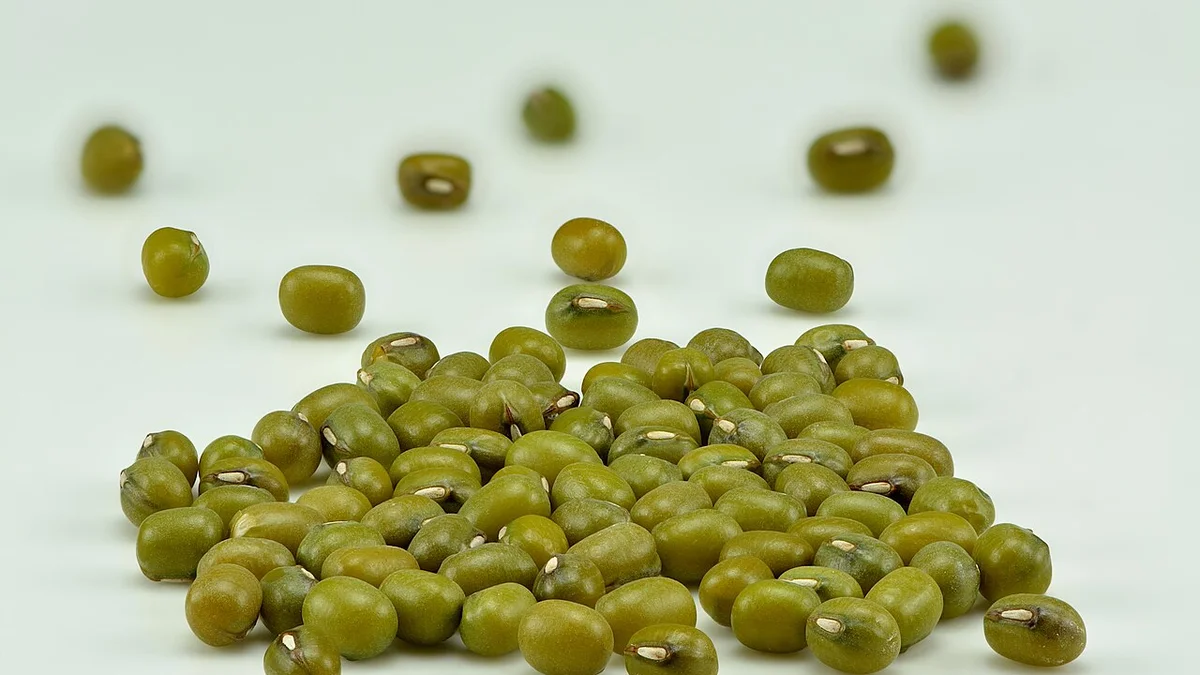
Moong Dal (Green Gram / Yellow Split Gram) is one of India's most cherished and essential pulse staples, revered for its light digestibility, high plant-based protein content, and rapid culinary cooking time. Derived from the botanical legume Vigna radiata, moong is cultivated across both Kharif and Summer (Zaid) seasons in Rajasthan (the largest producer in India), Madhya Pradesh, Maharashtra, Karnataka, and Uttar Pradesh. Regulated by the Ministry of Consumer Affairs, Food & Public Distribution (DoCA) and monitored dynamically through the national agricultural market portal (Agmarknet), wholesale moong dal prices dictate consumer food inflation and household kitchen budgets across India.
1. Moong Dal Rate Today Across Indian Wholesale Mandis
Wholesale prices for raw whole green gram (Sabut Moong) and processed dal varieties fluctuate based on seasonal arrivals, mill processing margins, and central Minimum Support Price (MSP) benchmarks established by the Commission for Agricultural Costs and Prices (CACP). For the current marketing season, the central government has announced the official MSP for raw moong at ₹8,682 per quintal. In wholesale dal mill markets, processed yellow split moong (Moong Dhuli) trades between ₹98 and ₹118 per kg (₹9,800 to ₹11,800 per quintal), while green split dal (Moong Chilka) ranges from ₹90 to ₹105 per kg. Below is the comprehensive daily rate table across leading pulse mandis.
| Moong Product / Variety | Processing Level | Wholesale Mandi Rate (₹/kg) | Wholesale Rate (₹/Quintal) | Retail Consumer Price (₹/kg) |
|---|---|---|---|---|
| Raw Green Gram (Sabut Moong - FAQ) | Whole unhusked clean grain | ₹78 - ₹88 / kg | ₹7,800 - ₹8,800 / Q | ₹95 - ₹110 / kg |
| Moong Dal Dhuli (Yellow Split) | Dehulled, split, unpolished | ₹98 - ₹112 / kg | ₹9,800 - ₹11,200 / Q | ₹115 - ₹130 / kg |
| Moong Dal Chilka (Green Split) | Split with green outer husk | ₹90 - ₹104 / kg | ₹9,000 - ₹10,400 / Q | ₹105 - ₹122 / kg |
| Moong Mogar (Bold Whole Hulled) | Whole dehulled yellow berry | ₹102 - ₹118 / kg | ₹10,200 - ₹11,800 / Q | ₹120 - ₹140 / kg |
| Polished / Sortex Premium Grade | Double laser sortexed, oil shine | ₹105 - ₹122 / kg | ₹10,500 - ₹12,200 / Q | ₹125 - ₹145 / kg |
Source: Official benchmark data compiled from Ministry of Agriculture & Farmers Welfare, ICAR research bulletins, State Agricultural Marketing Boards, and Agmarknet official market records (Updated 2026).
2. Production Centers: Rajasthan, MP & Maharashtra Pulse Hubs
Rajasthan dominates Indian green gram production, accounting for over 45% of total national output, with major trading mandis located in Merta City, Nagaur, Bikaner, and Jodhpur. In Madhya Pradesh, the Narmadapuram and Harda belts have revolutionized summer (Zaid) moong cultivation, harvesting bumper crops in May between the rabi wheat harvest and kharif paddy transplanting. Large modern dal mills located in Bikaner, Indore, and Delhi process raw green gram into standardized packaged dal distributed nationwide.
3. Dal Milling Economics: From Raw Moong to Finished Yellow Dal
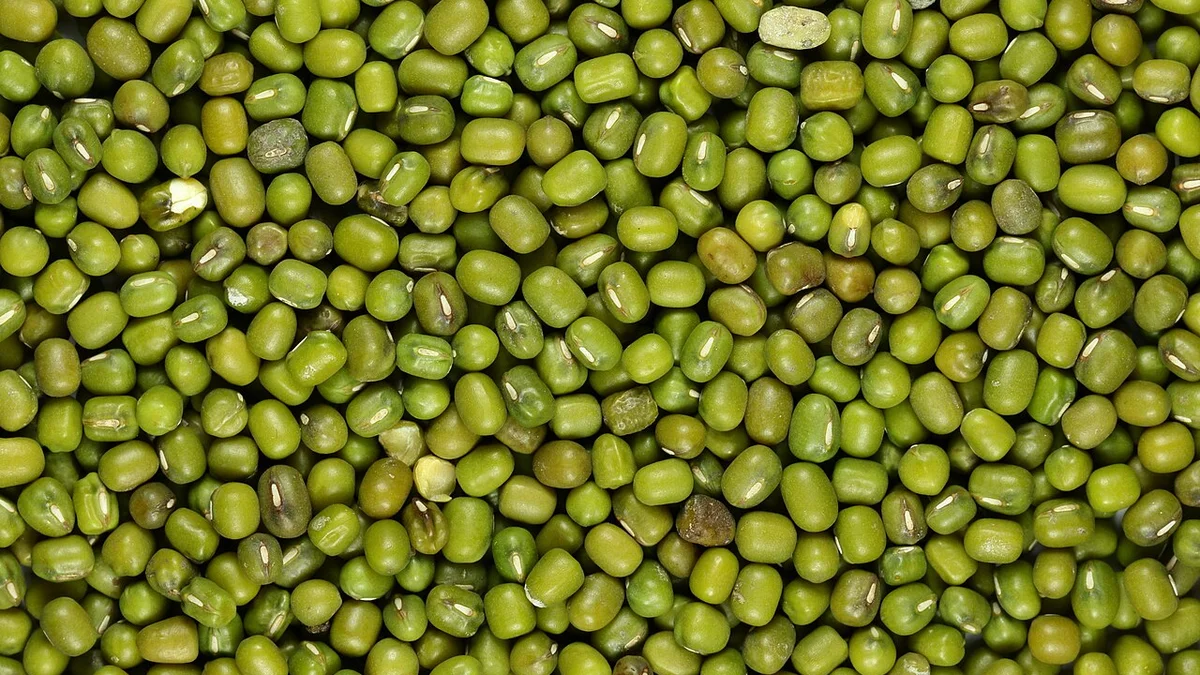
Understanding the spread between raw farm-gate moong prices and finished dal prices requires examining commercial milling economics: 1. Milling Recovery Yield: From 100 kg of raw green gram, modern pulse mills recover approximately 72% to 75% finished edible dal (55% yellow split dhuli and 18% broken dal / chuni). 2. Milling By-Products: The remaining 25% to 28% consists of fibrous outer green husk (chilkha) and fine flour (khanda), which is sold as high-protein cattle feed at ₹20 to ₹25 per kg. Adding energy costs, sortex machinery depreciation, packaging bags, and transport freight accounts for the typical ₹20 to ₹30 per kg margin between raw grain and packaged dal.
| Milling Stage / Fraction | Output Percentage (% w/w) | Commercial Value | Primary Commercial Utilization |
|---|---|---|---|
| Moong Dhuli (First Grade) | 52% - 56% | ₹100 - ₹115 / kg | Prime edible yellow split dal for retail markets |
| Moong Broken / Tukda | 16% - 18% | ₹65 - ₹75 / kg | Khichdi manufacturing, institutional catering |
| Outer Husk (Chilka Chuni) | 18% - 22% | ₹22 - ₹26 / kg | Nutritious protein roughage for dairy cattle feed |
| Flour Dust (Khanda / Churi) | 5% - 7% | ₹18 - ₹22 / kg | Commercial animal feed compounders |
| Milling Moisture / Dust Loss | 2% - 3% | Zero Value | Evaporation and physical cleaning shrinkage |
4. Nutritional Supremacy & Ayurvedic Digestibility
Among all cultivated legumes in India, moong dal is uniquely distinguished in Ayurveda as Tridoshic—balancing Vata, Pitta, and Kapha energies without causing abdominal gas or flatulence. Clinical nutritional profiling reveals that 100 grams of boiled moong dal delivers 24 grams of bioavailable plant protein rich in essential amino acids (lysine, leucine, and phenylalanine). Moong dal khichdi is the universal recuperative diet prescribed across Indian hospitals and households for convalescing patients, infants starting solid foods, and elders requiring gentle, nutrient-dense nourishment.
5. Government Price Stabilization & Bharat Dal Interventions
To protect urban households from sudden retail price surges, the Ministry of Consumer Affairs maintains strategic pulse buffer stocks through the Price Stabilisation Fund (PSF). When open retail market rates surge beyond ₹130 per kg, the government releases subsidized milled pulses under the 'Bharat Dal' consumer brand at heavily discounted rates through Kendriya Bhandar, NAFED, and NCCF retail outlets and mobile distribution vans across tier-1 and tier-2 cities.
6. Strategic Selling & Quality Preservation Guidelines for Growers
Farmers cultivating green gram can maximize their returns by harvesting when 80% of crop pods turn black or dark brown, avoiding pod-shattering losses during high midday heat. Thoroughly dry harvested grain to a safe storage moisture level below 9.5% before bagging in clean hermetic grain bags. Treat stored grain with edible vegetable oil coating (5 ml per kg) or neem leaf layers to prevent destructive pulse beetle (Callosobruchus maculatus) infestations during monsoon storage.
7. Organic & Unpolished Moong Dal: Consumer Health Preferences
In metropolitan retail markets across India, consumer preferences have shifted decisively away from heavily oiled, artificially polished yellow dal toward raw, unpolished, organic moong dal. Traditional water-polished or oil-polished dal undergoes mechanical friction that strips away the outer dietary fiber and micro-nutrients, whereas unpolished dal preserves natural enzymes, vitamins, and minerals.
Health-conscious consumers willingly pay premiums of 25% to 45% for certified organic, sortex-cleaned unpolished moong dal packaged in eco-friendly paper bags. Modern pulse processing mills are increasingly dedicating separate processing lines for unpolished pulses, empowering agricultural cooperatives and FPOs to market their harvest directly to premium organic retail chains with enhanced profit margins.
8. Agricultural Inputs, Mechanization & Allied Farm Operations
Maximizing farm gate returns in moong dal rate begins with strong agronomic management, calibrated soil nutrition, clean irrigation, and efficient harvesting machinery. Growers systematically coordinate crop care through Triple Super Phosphate (TSP) root nutrition guide, Bayer Solomon broad-spectrum insect control, cumin seed (jeerige) pricing and grading, Single Super Phosphate (SSP) sulphur and phosphorus nutrition, melon seed (magaz) wholesale market trends, sesame seed (ellu) agronomy and market rates. Modern field execution and transport rely heavily on comparing specs and subsidies across hydraulic tipping and non-tipping tractor trolley prices, Agrimachinery DBT SMAM tractor and implement portal, John Deere 5310 4x4 55 HP CRDi tractor specs, Farmtrac 45 Classic Supermaxx tractor review, Swaraj 855 FE 4x4 heavy-duty 52 HP specs, dual-purpose tractor gadi haulage models, John Deere India tractor lineup and pricing, Swaraj 735 FE 39 HP utility tractor review, full Swaraj tractor HP lineup and pricing. For specialized tillage, haulage, and water distribution, cultivators also evaluate Swaraj 744 FE and XT torque and fuel economy, Mahindra 575 DI 45 HP workhorse mileage guide, Mahindra 575 DI XP Plus 47 HP torque and review, New Holland 3630 TX Plus 4x4 55 HP tractor specs, Powertrac Euro diesel-saver tractor models and prices, VST Shakti and Kubota 12-15 HP power tiller prices, Farmtrac heavy tractor series and diesel saver specs, Solis 4515 E Yanmar-tech tractor specifications, field tractor power testing and safety buying checks, sprinkler irrigation layout and PMKSY subsidy.
9. Regional Mandi Networks, Credit Schemes & Official Data Sources
Across India's regulated market ecosystem, farmers compare live realizations across state trading yards and tap formal welfare and institutional financing. Growers benchmark regional supply arrivals and MSP procurement across Jakhal Mandi Fatehabad grain auction rates, soyabean mandi bhav and MSP rates, Mangoli & Sangli regional fruit mandi bhav, Dhamnod Mandi cotton and soyabean arrivals, Kalapipal Mandi onion and garlic auction rates, wheat (gehu) cultivation varieties and grain nomenclature, daily Neemuch Krishi Upaj Mandi garlic and herb prices, live APMC Krishi Upaj mandi auction trends, chana dal procurement and wholesale market rates, wheat (gehu) mandi auction and FCI procurement rates, Mandsaur APMC lahsun and soybean market rates, Neemuch Mandi medicinal spice and grain rates. Key grain, oilseed, and pulse realization corridors additionally track Piplia Mandi wholesale garlic auctions, Narela Anaj Mandi paddy and wheat arrivals, daily UP and Maharashtra sugar mill chini bhav, guar seed APMC & NCDEX prices, arhar (tur) dal wholesale and MSP realizations.
Agricultural diversification and specialty value chains spanning spices, plantation crops, dairy, and poultry offer steady cash flow—tracked via Byadgi red chilli oleoresin grading and APMC rates, Sangli and Nashik golden kismis (raisin) rates, copra milling and coconut oil wholesale rates, Arunachal Pradesh organic kiwi and Azadpur rates, dairy butter fat economics and Amul retail prices, Barabanki mint wholesale mandi and MCX benchmarks, wholesale mushroom prices across urban mandis, NCDEX Turmeric Price Today, Rashi, Bette, and Chali arecanut grade pricing, Bangalore wholesale egg tray prices and retail spreads, all-India NECC egg rate directory. Operational working capital, DBT cash transfers, and subsidized farm solar or e-KYC infrastructure can be accessed via Haryana Meri Fasal Mera Byora MSP procurement registration, Madhya Pradesh e-Uparjan and Kisan Kalyan portal, CSC Aadhaar biometric e-KYC verification workflow. Primary regulatory notifications, technical bulletins, and statutory benchmark portals are published by Ministry of Agriculture & Farmers Welfare, Agmarknet Mandi Price Portal, Ministry of Consumer Affairs, Food & Public Distribution, Central Farm Machinery Training & Testing Institute (CFMTTI), and CACP.
Frequently asked questions
- What is the today moong dal rate per kg in Indian wholesale markets?
- Wholesale yellow split moong dal (dhuli) trades between ₹98 and ₹112 per kg, while moong chilka ranges between ₹90 and ₹104 per kg. Official regulatory guidelines can also be verified on the Ministry of Agriculture & Farmers Welfare.
- What is the official MSP for moong in 2025-26?
- The Government of India has fixed the Minimum Support Price (MSP) for raw green gram (moong) at ₹8,682 per quintal. Official regulatory guidelines can also be verified on the Agmarknet Mandi Price Portal.
- Which Indian state is the largest producer of moong?
- Rajasthan is India's largest moong-producing state, accounting for over 45% of total national green gram harvest. Explore related mandi benchmarks and farmer support guides in our Byadgi red chilli oleoresin grading and APMC rates.
- What is the difference between Moong Dhuli and Moong Chilka?
- Moong Dhuli is completely dehulled, yellow split dal, while Moong Chilka retains its green outer husk, offering higher dietary fiber. Explore related mandi benchmarks and farmer support guides in our Haryana Meri Fasal Mera Byora MSP procurement registration.
- What is the recovery percentage when milling raw moong into dal?
- Modern pulse mills achieve an average dal recovery rate of 72% to 75%, with the remaining 25% sold as cattle feed husk.
- Why is moong dal considered easy to digest compared to other pulses?
- Moong dal contains low concentrations of complex oligosaccharides that cause gas, making it light on the gastrointestinal tract.
- What is the retail price of 1 kg moong dal in grocery stores?
- Retail packaged moong dal typically retails between ₹115 and ₹135 per kg depending on brand packaging and sortex cleaning quality.
- What is Bharat Dal?
- Bharat Dal is a central government consumer initiative selling subsidized pulses through cooperative outlets to stabilize retail prices.
- How can stored moong dal be protected from pulse beetles?
- Store grains at moisture below 9.5% in sealed hermetic bags; mix with small amounts of edible mustard oil or dry neem leaves.
- What is Summer (Zaid) Moong, and where is it grown?
- Summer moong is a 60-day short-duration crop grown in April-May between wheat and paddy, widely cultivated in Madhya Pradesh and UP.
- Is moong dal rich in protein?
- Yes, raw moong dal contains approximately 24% protein by weight, making it a premier protein source in vegetarian diets.
- What is Moong Mogar?
- Moong Mogar refers to whole dehulled yellow moong berries without split cotyledons, widely used in traditional Rajasthani sweets and snacks.
This article is for general information only and is not financial advice. Loan and scheme eligibility depends on partner and government criteria.