Melon Seeds Price per Kg: Magaz Wholesale Rates & Farming
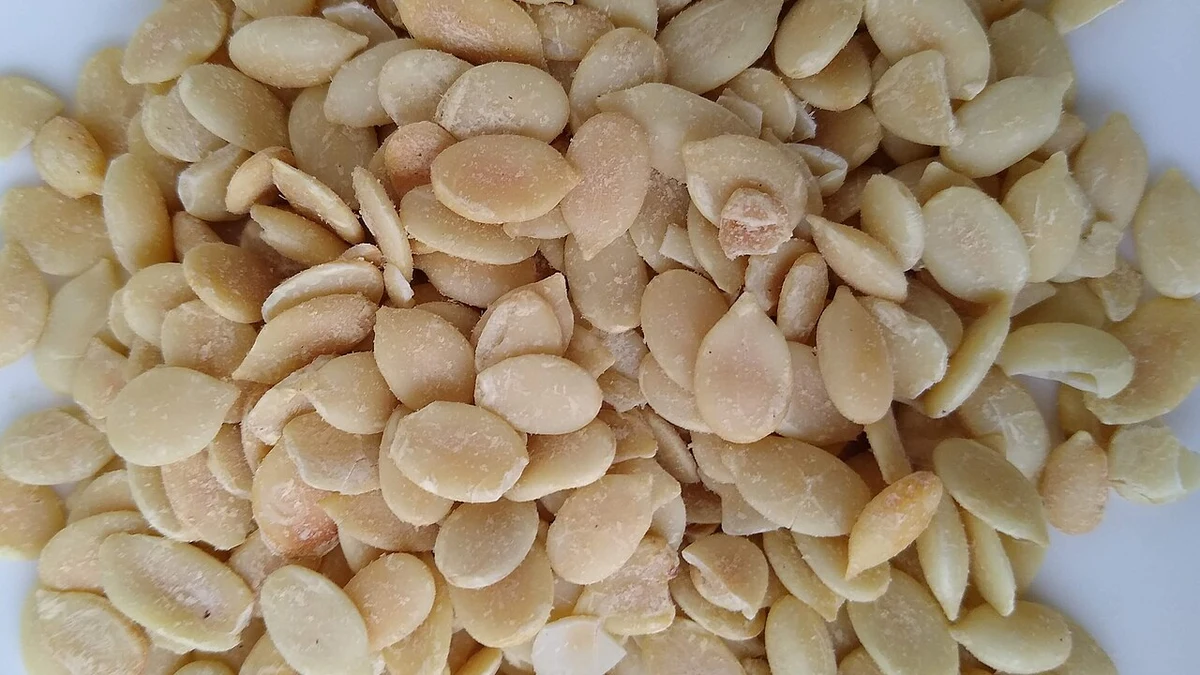
Key takeaways
- As of November 2026, indicative wholesale dehulled watermelon magaz ranges between ₹420 and ₹540 per kg, while muskmelon magaz trades at ₹380 to ₹480 per kg.
- Commercial F1 hybrid planting seeds for watermelon and muskmelon retail at indicative rates of ₹1,800 to ₹4,200 per 100-gram packet with >90% germination.
- Rajasthan's arid districts (Bikaner, Barmer, Nagaur) supply the bulk of raw desert melon seeds processed at centrifugal dehulling plants in Bikaner and Ahmedabad.
- Nutritional profiles show 28.3 g plant protein, 47.4 g unsaturated fats, 515 mg magnesium, and 7.3 mg zinc per 100g of dehulled melon kernels.
- Commercial drip-mulched melon cultivation reaches maturity in 75 to 85 days, delivering high seasonal turnover when paired with SATHI-verified F1 seeds.
Melon Seeds (known across Indian wholesale markets as Magaz / Tarbooz & Kharbuja Beej) occupy a distinctive dual role in Indian agriculture: functioning both as high-value F1 hybrid planting seeds for horticultural farmers and as nutrient-dense culinary kernels (char magaz) powering food processing, confectionery, and Ayurvedic nutrition. Derived primarily from watermelon (Citrullus lanatus) and muskmelon (Cucumis melo), melon seeds are rich in plant protein, omega-6 fatty acids, magnesium, and zinc. Monitored across wholesale mandis on Agmarknet and backed by planting seed standards from the National Seeds Corporation (NSC) and the SATHI Seed Traceability Portal, melon seeds deliver strong margins across both cultivation and value-added trade. Growers can also explore broader seed standards in our certified seeds in India guide.
1. Indicative Melon Seeds (Magaz) Price per Kg Across Indian Mandis
The Indian melon seed market is split into two commercial tiers: 1. Culinary Dehulled Magaz Kernels: Clean, hulled white watermelon and muskmelon kernels purchased by sweet makers, bakeries, and households. As of November 2026, indicative wholesale magaz prices range between ₹380 and ₹550 per kilogram (₹38,000 to ₹55,000 per quintal) across primary dry fruit and spice terminals in Delhi (Khari Baoli), Rajasthan (Bikaner, Jodhpur), and Gujarat (Ahmedabad). 2. Commercial F1 Hybrid Planting Seeds: Disease-resistant certified hybrid seeds for fruit cultivation, retailing at an indicative ₹1,800 to ₹4,200 per 100-gram packet (₹18,000 to ₹42,000 per kg) depending on brix sweetness and shipping firmness. Traders monitoring confectionery kernels often compare rates against almond 1kg wholesale rates, cashew nut grades, walnut prices, and raisin (kismis) mandi benchmarks.
| Product Category / Variety | Processing Grade | Indicative Wholesale Rate (₹/kg) | Indicative Wholesale Rate (₹/Quintal) | Indicative Retail Price (₹/kg) |
|---|---|---|---|---|
| Watermelon Magaz (Dehulled Clean) | Machine hulled, sortex cleaned, ivory white | ₹420 - ₹540 / kg | ₹42,000 - ₹54,000 / Q | ₹580 - ₹720 / kg |
| Muskmelon Magaz (Kharbuja Kernels) | Split/whole hulled kernels, cream color | ₹380 - ₹480 / kg | ₹38,000 - ₹48,000 / Q | ₹520 - ₹650 / kg |
| Unhusked Raw Watermelon Seeds | Sun-dried black/brown seeds from farm | ₹85 - ₹125 / kg | ₹8,500 - ₹12,500 / Q | ₹140 - ₹190 / kg |
| Char Magaz Blend (4-Seed Confectionery) | Melon, pumpkin, cucumber & cantaloupe | ₹460 - ₹580 / kg | ₹46,000 - ₹58,000 / Q | ₹620 - ₹780 / kg |
| F1 Hybrid Watermelon Planting Seeds | Certified germination >90%, treated seed | ₹22,000 - ₹38,000 / kg | ₹2,200 - ₹3,800 / 100g | ₹2,400 - ₹4,200 / 100g |
| F1 Hybrid Muskmelon Planting Seeds | Certified high-brix hybrid (Kundan/Bobby) | ₹25,000 - ₹42,000 / kg | ₹2,500 - ₹4,200 / 100g | ₹2,800 - ₹4,500 / 100g |
Source: Indicative price ranges, November 2026. Compiled from Agmarknet wholesale records (agmarknet.gov.in), National Seeds Corporation (indiaseeds.com), and regional Rajasthan/Delhi APMC trade bulletins.
2. Production Belts: Rajasthan, Gujarat & Riverbed Cultivation
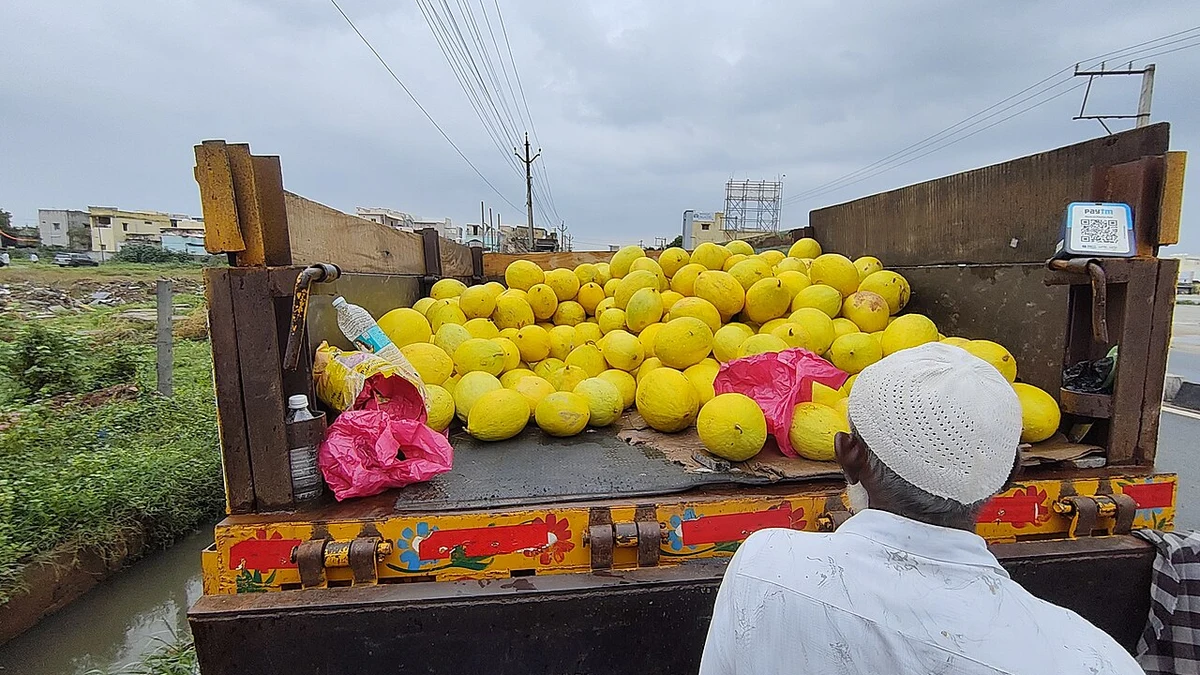
Commercial harvesting of raw melon seeds for dehulling is concentrated in the semi-arid tracts of Rajasthan (Bikaner, Barmer, Jaisalmer, Nagaur) and northern Gujarat, where drought-hardy desert melon cultivars (Mateera and Kachri) thrive. Thousands of tonnes of desert melons are sliced open primarily to collect the seeds, while the pulp serves as livestock fodder. Extracted seeds are washed, sun-dried on clean tarpaulins, and shipped to dehulling plants in Bikaner and Ahmedabad. Growers in Rajasthan also monitor Raj Kisan Sathi subsidies alongside dryland crops like guar seed rates, castor seed markets, amaranth seeds, and cumin seed grades, while checking wholesale market data on KisanPe mandi rates and Narela Mandi.
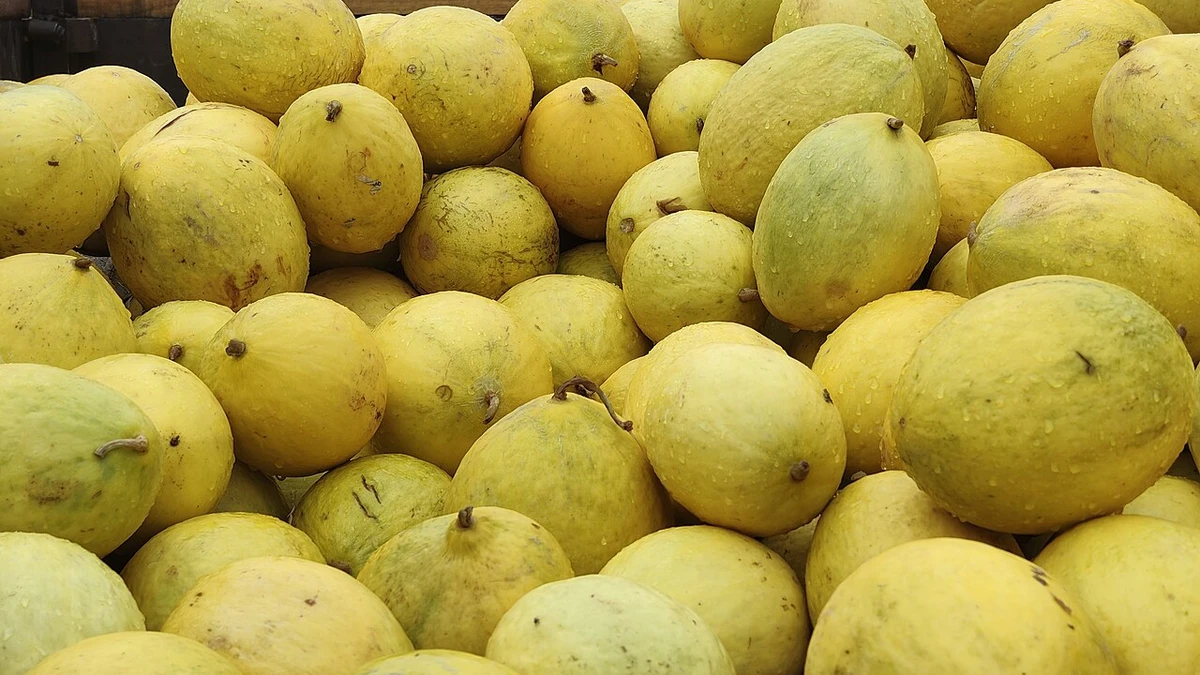
3. The Mechanical Dehulling Process: From Black Seed to White Magaz
Converting hard, outer black or brown watermelon seeds into delicate, ivory-white edible kernels requires multi-stage industrial processing: 1. Pre-Cleaning & Size Grading: Vibratory sieves remove sand, dust, and immature empty seeds. 2. Moisture Conditioning: Seeds undergo controlled steam conditioning to loosen the woody fibrous hull from the internal cotyledon without breaking the tender kernel. 3. Centrifugal Impact Dehulling: High-speed centrifugal impeller machines crack the outer hulls against steel stator rings. 4. Air Aspiration & Optical Sorting: Pneumatic separators blow away light husk fragments, while bichromatic optical sorters isolate unhulled seeds and broken pieces, delivering 99.5% pure white magaz kernels. Cultivators diversifying into high-value specialty crops also explore commercial flower seeds, coriander seeds, sesame seeds, and certified cotton seeds.
| Nutrient Component | Amount per 100g Melon Seeds (Magaz) | Daily Value (DV%) | Physiological Health Benefit |
|---|---|---|---|
| Plant Protein | 28.3 g | 57% | Superior amino acid profile (arginine, lysine), muscle repair |
| Healthy Dietary Fats | 47.4 g (Rich in Omega-6 / Linoleic) | 61% | Reduces LDL cholesterol, supports cardiovascular health |
| Magnesium (Mg) | 515 mg | 129% | Regulates cellular metabolism, nerve impulse & blood pressure |
| Zinc (Zn) | 7.3 mg | 66% | Strengthens immune defense, cellular repair & metabolism |
| Dietary Iron (Fe) | 7.28 mg | 40% | Supports hemoglobin synthesis and helps prevent fatigue |
| Phosphorus (P) | 755 mg | 76% | Strengthens bone mineral matrix and cellular energy (ATP) |
Source: Nutritional composition profiles sourced from ICAR-National Institute of Nutrition food databases and USDA FoodData Central references (Reviewed November 2026).
4. Culinary & Confectionery Applications in India
Magaz is an indispensable foundational ingredient across the Indian culinary landscape: 1. Mughlai & Shahi Gravies: Blended with soaked cashews and poppy seeds (tracked at Neemuch Mandi and Mandsaur Mandi), melon seeds form the rich, velvety base for Shahi Paneer, Malai Kofta, and Korma without heavy dairy cream. 2. Traditional Mithai & Halwa: Roasted magaz adds crisp texture to Besan Ladoo, Gond Ladoo, Panjiri, and Sohan Halwa. 3. Thandai & Festive Beverages: Ground melon seed paste is a classic coolant component in traditional festive Thandai drinks, alongside other dry fruits like dried figs (anjeer) and specialty orchard fruits.
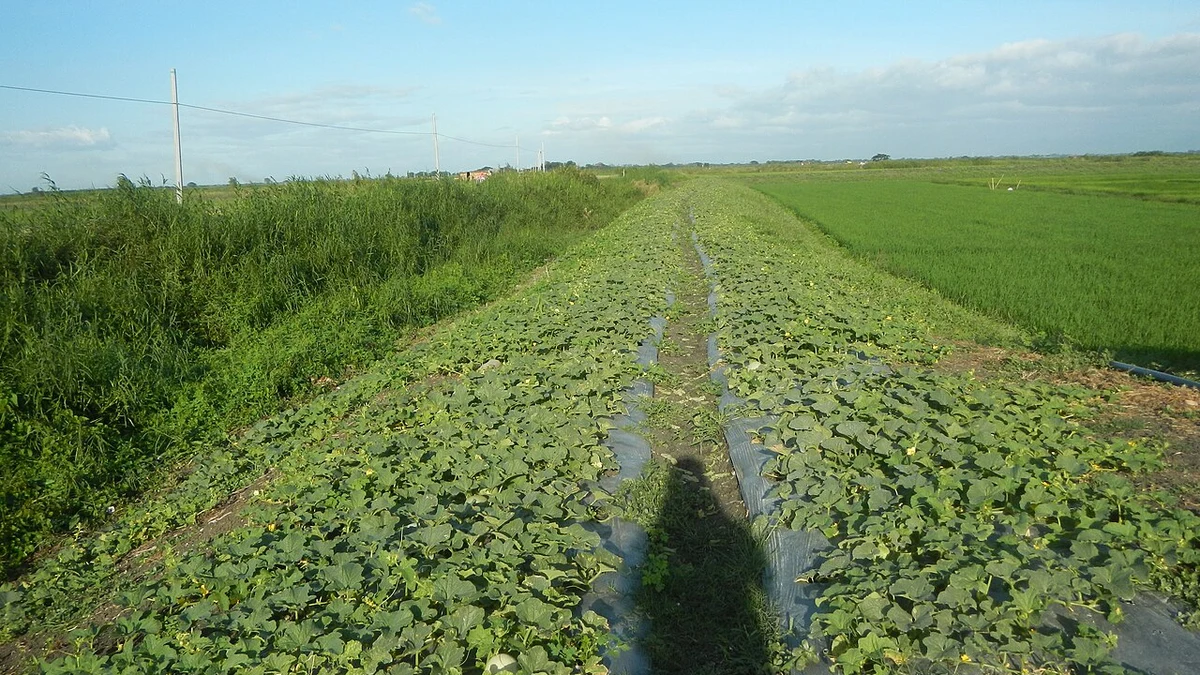
5. Commercial Farming Guide: Cultivating Melons for High Profit
For horticultural growers, commercial melon farming delivers fast capital turnaround within 70 to 90 days from sowing under guidance from the Indian Council of Agricultural Research (ICAR) and the Department of Agriculture & Farmers Welfare: 1. Nursery Pro-Tray Sowing: Sow certified F1 hybrid seeds in 104-cavity pro-trays filled with sterilized cocopeat in January–February per our seasonal crop calendar. 2. Plastic Mulching & Drip Fertigation: Transplant onto raised beds with 25-micron silver-black mulch and inline drip pipes. Optimize basal nutrition using our fertilizer calculator, DAP fertilizer schedule, water-soluble NPK 19:19:19, humic acid root boosters, and flowering biostimulants like Syngenta Isabion. 3. Crop Protection & Finance: Prevent downy mildew and thrips using calibrated nozzles from our spray machine guide and treatments like Roko fungicide. Growers can plan seasonal working capital via our KCC calculator, farmer loans, loan eligibility checker, horticulture subsidy schemes, crop insurance, and mandi intelligence platform.
6. Safe Storage & Rancidity Prevention Guidelines
Because dehulled melon kernels contain over 47% unsaturated fatty acids, exposure to heat, oxygen, and direct sunlight accelerates lipid oxidation (rancidity), imparting a bitter off-flavor. Wholesalers and households should store magaz in airtight food-grade poly-lined bags or sealed glass jars in a cool, dark room or refrigerator (below 15°C), preserving crisp texture and nutritional integrity for up to 12 months.
7. Riverbed (Diara) Cultivation & Post-Harvest Seed Washing Standards
Beyond intensive plastic-mulched drip farms, thousands of smallholder farmers across Uttar Pradesh, Bihar, Madhya Pradesh, and Rajasthan cultivate watermelons and muskmelons along receding riverbeds (known traditionally as Diara or Kachhar land) from December through May. Sandy riverbanks retain subsurface moisture while offering warm daytime root temperatures ideal for deep taproot establishment. Growers dig shallow trenches along the sandbars, incorporate decomposed farmyard cow dung manure into the root zone, and plant soaked seeds directly as winter river levels drop, harvesting sweet fruit with minimal synthetic irrigation expenditure.
When harvesting open-pollinated desert melons specifically for the raw seed trade, proper washing and drying directly govern mandi grading prices. Extracted wet seeds must be rinsed thoroughly in clean water screens to strip away sugary fruit pulp residues that otherwise promote fungal staining and mold inside storage sacks. Spread washed seeds in thin 2-centimeter layers over elevated tarpaulins or woven mats—turning them gently three times daily—until moisture drops safely below 8.0%. Clean, bright-colored, plump raw seeds free of sand and chaff consistently command top buyer grades from dehulling units in Bikaner, Jodhpur, and Ahmedabad.
Frequently asked questions
- What is meant by 'Magaz' in Indian grocery markets?
- Magaz refers to the dehulled, edible ivory-white kernels extracted from watermelon and muskmelon seeds, widely used in Indian gravies, mithai, and thandai.
- What is the indicative wholesale price of watermelon seeds (magaz) per kg?
- As of November 2026, indicative wholesale dehulled watermelon magaz ranges between ₹420 and ₹540 per kg across dry fruit mandis in Delhi and Rajasthan. Track real-time spice and seed rates on Agmarknet and our KisanPe mandi rates page.
- What is Char Magaz?
- Char Magaz is a traditional four-seed culinary and Ayurvedic blend combining watermelon, muskmelon/cantaloupe, cucumber, and pumpkin kernels.
- What are the health benefits of eating melon seeds?
- Melon seeds provide roughly 28.3 g plant protein per 100g along with omega-6 fatty acids, magnesium (515 mg), zinc, and dietary iron, supporting heart, bone, and immune wellness.
- Which state in India produces the largest volume of raw melon seeds for dehulling?
- Rajasthan (especially Bikaner, Barmer, and Jodhpur districts) leads national production of raw dried melon seeds from drought-hardy desert cultivars. Rajasthan growers can explore state subsidies via our Raj Kisan Sathi portal guide.
- How many grams of watermelon seeds are needed to sow one acre?
- For commercial F1 hybrid watermelon cultivation, roughly 300 to 400 grams of certified hybrid seeds are required per acre. Verify authentic seed bags via SATHI portal QR codes and review our certified seeds in India guide.
- Why is magaz used in rich Indian gravies like Shahi Paneer?
- When soaked and ground into a smooth paste, melon seeds lend natural creamy thickness and rich flavor without relying solely on heavy dairy cream.
- What is the retail price of 1 kg packaged magaz in supermarkets?
- Packaged, sortex-cleaned culinary magaz typically retails in an indicative range of ₹580 to ₹720 per kg across Indian grocery stores.
- How can you prevent melon seeds from turning bitter and rancid?
- Store dehulled kernels in airtight containers in a cool pantry or refrigerator below 15°C to prevent oxidation of unsaturated fats.
- What is the commercial crop duration of watermelons from seed to harvest?
- Modern F1 hybrid watermelons mature in 75 to 85 days from sowing under drip irrigation and plastic mulching. Plan sowing dates using our seasonal crop calendar.
- Are raw black watermelon seeds edible without removing the hull?
- Yes, whole unhulled watermelon seeds can be roasted with salt and eaten as a crunchy, high-fiber snack, similar to pumpkin seeds.
- Where can farmers buy certified hybrid melon planting seeds online?
- Cultivators can order verified planting seeds via the National Seeds Corporation (indiaseeds.com) or authorized state agri-centers with valid invoice and blue certification tags.
This article is for general information only and is not financial advice. Loan and scheme eligibility depends on partner and government criteria.