Amaranth Seeds: Varieties, Cultivation, Rajgira & Mandi Bhav
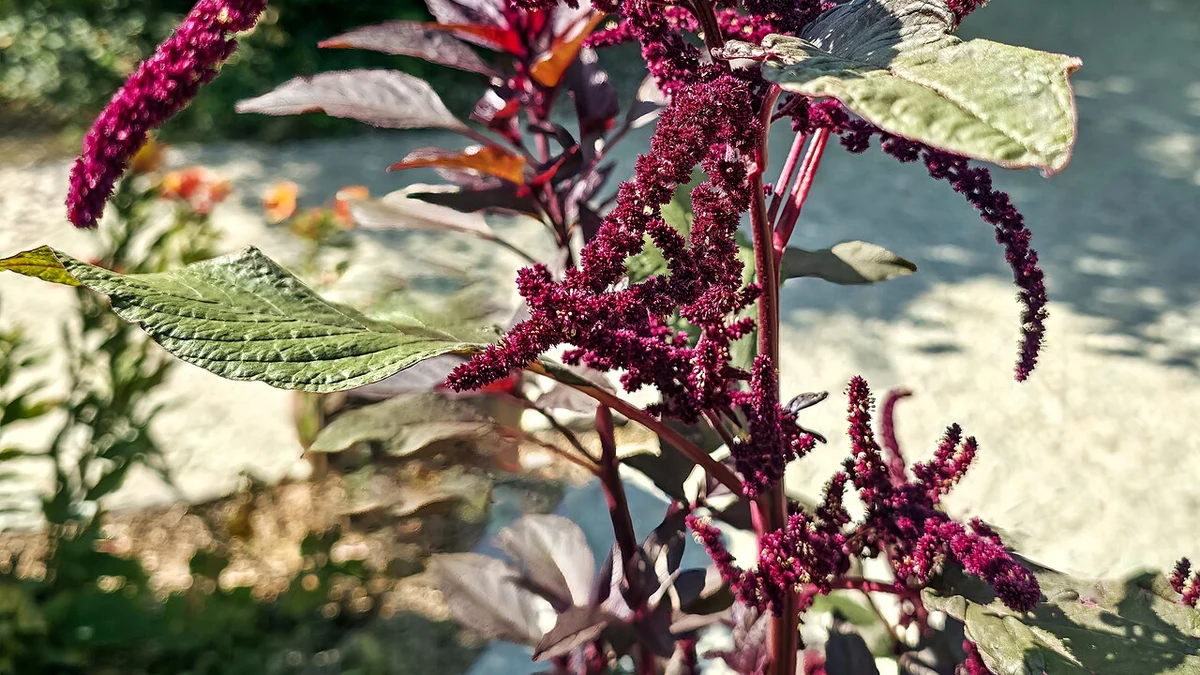
Amaranth (Amaranthus spp.), popularly known across India as Rajgira, Ramdana, Chaulai, or Thotakura, is one of humanity’s most ancient, climate-resilient pseudo-cereals. Cultivated for more than 8,000 years across the Americas and the Himalayan slopes of India, amaranth produces microscopic, nutrient-dense seeds celebrated for their complete protein profile, high lysine concentration, gluten-free properties, and exceptional squalene antioxidant content. In commercial Indian agriculture, amaranth is cultivated both as a high-value grain pseudo-cereal (primarily Amaranthus hypochondriacus and Amaranthus cruentus) and as a rapid-turnover leafy vegetable (such as red amaranth, Amaranthus tricolor).
With increasing global awareness of functional superfoods and the expansion of the international millets and pseudo-cereals movement backed by the Ministry of Agriculture (Department of Agriculture & Farmers Welfare) and APEDA, amaranth seed cultivation has evolved into a highly profitable crop diversification venture. Smallholder farmers can harvest 8 to 12 quintals of grain amaranth per acre within 90 to 120 days, requiring 40% less irrigation than wheat and zero synthetic nitrogen fertilizer when integrated into organic rotations. This master agronomic manual details certified grain and leafy amaranth seed varieties, scientific land preparation, low-density seed drill protocols, pest management, and post-harvest market economics across major APMC trading yards.
1. Types of Amaranth Seeds: Grain vs. Leafy Vegetable Cultivars
Botanically belonging to the family Amaranthaceae, the genus Amaranthus encompasses over 70 recognized species. In commercial Indian horticulture and agriculture, amaranth seeds fall into two distinct agronomic categories:
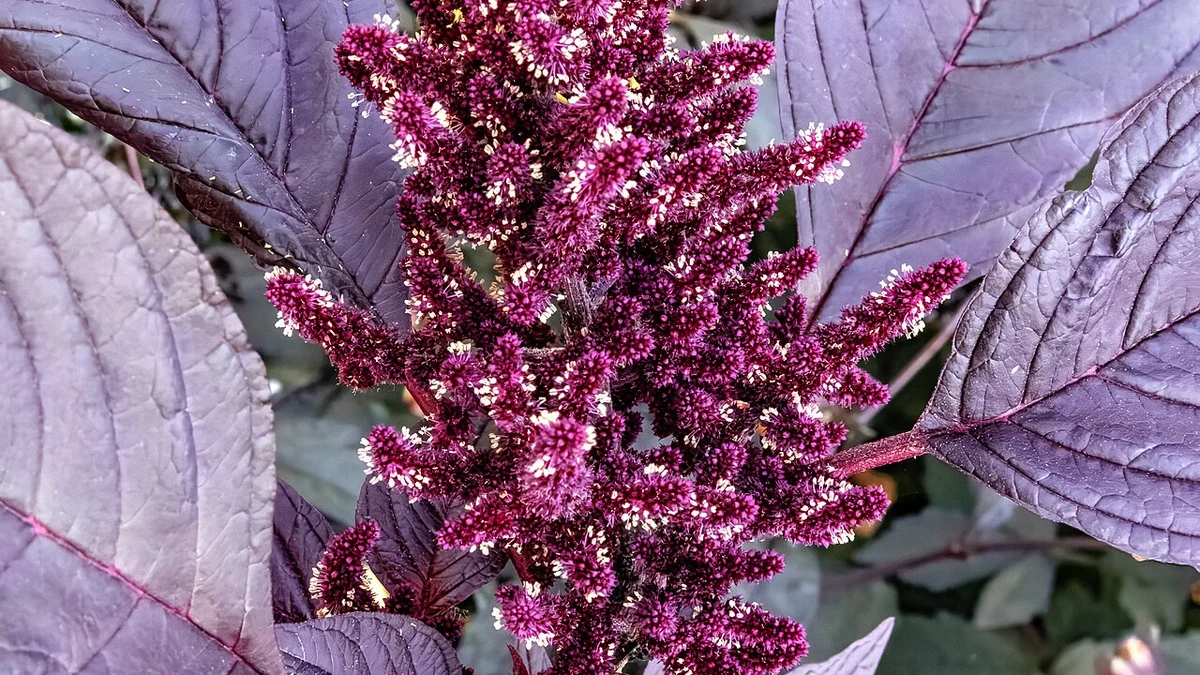
- Grain Amaranth (Rajgira / Ramdana): Grown primarily for its edible seed harvest. Major cultivated species include Amaranthus hypochondriacus, Amaranthus cruentus, and Amaranthus caudatus. Plants produce massive, dense terminal inflorescences (panicles) yielding thousands of pale-golden, white, or pinkish micro-seeds. The grains are puffed into Rajgira ladoos, ground into gluten-free flour, or cold-pressed for cosmetic squalene oil.
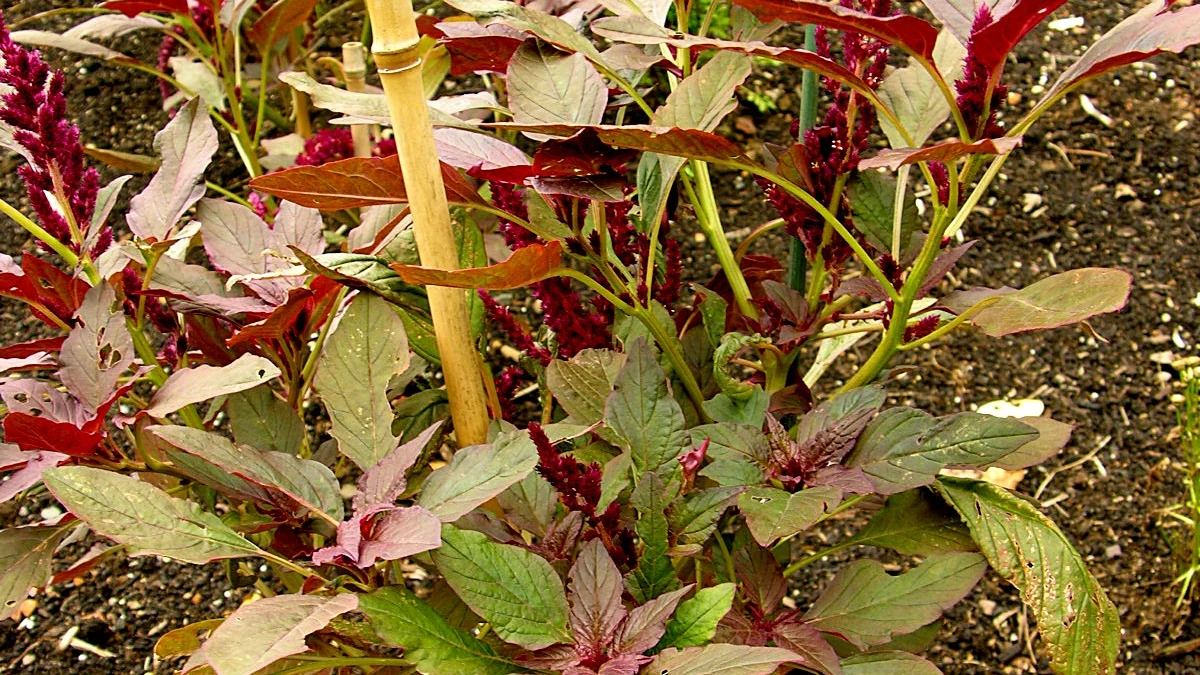
- Leafy Amaranth (Chaulai / Red Amaranth / Thotakura): Cultivated primarily for tender, nutrient-dense foliage rich in vitamins A, C, iron, and calcium. Major species include Amaranthus tricolor and Amaranthus blitum. Popular cultivars like Red Amaranth produce intense magenta foliage due to betalain and anthocyanin pigments. While leafy varieties produce seeds, their seeds are generally black or dark brown and have a thicker pericarp, making them less suited for puffed confectionery.
2. Top Certified Amaranth Seed Varieties in India (ICAR & SAUs)
Selecting region-adapted, high-yielding seed varieties certified by the Indian Council of Agricultural Research (ICAR) and state agricultural universities is crucial to securing uniform maturity, lodging resistance, and high seed recovery.
| Variety Name | Type / Primary Purpose | Maturity Duration (Days) | Potential Grain / Seed Yield | Key Agronomic Traits & Regional Suitability |
|---|---|---|---|---|
| Suvarna (IC-42258-1) | Grain (Rajgira) | 95 - 105 days | 8.0 - 10.5 q/acre | Released by UAS Bangalore; pale-cream bold seeds, erect sturdy stem resistant to lodging, ideal for southern and central plains. |
| BGA-2 (Bhima) | Grain (Rajgira) | 105 - 115 days | 9.0 - 12.0 q/acre | Bred by MPKV Rahuri; golden yellow seeds, compact non-shattering panicles, high drought tolerance across Maharashtra and MP. |
| PRA-1 (Peak) | Grain (Ramdana) | 115 - 125 days | 7.5 - 9.5 q/acre | Developed by GBPUAT Pantnagar; cold tolerant, exceptional performance in Himalayan foothill valleys of Uttarakhand and Himachal. |
| Annapurna (IC-38112) | Grain & Dual Purpose | 100 - 110 days | 8.5 - 11.0 q/acre | High grain protein content (14.8%), bold cream seeds, adaptable across northern alluvial belts in UP, Bihar, and Haryana. |
| Arka Arunima | Leafy Red Amaranth | Multi-cut (30-90 days) | 120 - 150 q/acre foliage | IIHR Bengaluru; dark purple-red leaves, rich in betalains and iron; multi-cut harvest potential yielding 4 to 6 pickings. |
| Pusa Lal Chaulai | Leafy Red Amaranth | Multi-cut (25-80 days) | 100 - 130 q/acre foliage | IARI New Delhi; prominent crimson-red foliage, quick vegetative regeneration, suited for round-the-year peri-urban farming. |
Source: ICAR-All India Coordinated Research Network on Underutilized Crops, IARI, and IIHR Varietal Release Compendium (2026).
3. Soil, Climate, and Land Preparation Guidelines
Amaranth is an efficient C4 photosynthetic plant with exceptional water-use efficiency and photothermal adaptation. It thrives across diverse agro-climatic zones ranging from sea level in coastal Tamil Nadu and Kerala to elevations exceeding 2,500 meters in the Garhwal Himalayas.
- Soil Texture & pH: Amaranth prefers well-drained sandy loam or alluvial soils rich in organic matter. A soil pH range of 6.0 to 7.5 is optimal. While it tolerates mild salinity (EC up to 4.0 dS/m), it cannot withstand waterlogging or heavy, compacted black clay soils during germination.
- Thermal Requirements: Optimal germination occurs between 20°C and 30°C. Vegetative growth thrives under daytime temperatures of 25°C to 35°C. Severe frost during seedling emergence halts growth, while unseasonal rain during grain maturation triggers grain discoloration and mold.
- Land Preparation: Because amaranth seeds are exceptionally tiny (1,000 seeds weigh barely 0.6 to 0.9 grams), an ultra-fine, weed-free seedbed is essential. Perform one deep ploughing with a mouldboard plough followed by two cross-harrowings and thorough planking to crush clods and firm the upper 3 cm soil surface.
For efficient field preparation and machinery requirements, review our guides to Swaraj 744, Swaraj 744 XT, Sonalika Tractor, and Kubota Tractor.
4. Scientific Sowing Protocols: Seed Rate, Spacing & Depth
The primary failure point in amaranth cultivation is improper seed placement. Sowing amaranth seeds deeper than 1.5 cm prevents embryonic emergence, leading to patchy, uneven crop stands.
- Seed Rate for Grain Amaranth: 1.0 to 1.5 kg per acre when line-sown; 2.0 kg per acre if broadcast. Because the seeds are tiny, mix them thoroughly with dry sieved sand or well-rotted vermicompost in a 1:10 ratio to achieve uniform field distribution.
- Seed Rate for Leafy Amaranth (Chaulai): 2.0 to 2.5 kg per acre for broadcast leafy greens; 1.5 kg per acre for ridge-and-furrow multi-cut production.
- Row & Plant Spacing: Maintain 45 cm between rows and thin seedlings to 15 to 20 cm between plants within 15 to 20 days after germination. For dwarf varieties or leafy production, a closer spacing of 30 cm x 10 cm is recommended.
- Sowing Depth: Broadcast or place seeds strictly at 0.5 to 1.0 cm depth. Cover lightly with a brush harrow or light plank. Sowing deeper than 1.5 cm leads to seedling mortality.
For comprehensive seed certification standards, explore our dedicated breakdown on Certified Seed Classes & Quality Testing.
5. Balanced Nutrient Management and Irrigation Schedules
Although amaranth is a low-input crop capable of surviving in marginal soils, commercial yields require balanced macro- and micronutrient supplementation. Over-application of synthetic chemical nitrogen must be avoided, as it causes severe stem succulent lodging and elevates toxic nitrate accumulation in leafy greens.
| Growth Stage | Nutrient Component | Standard Fertilizer Source | Quantity per Acre | Application Technique & Field Advice |
|---|---|---|---|---|
| Basal Dressing (Field Prep) | Organic Manure / FYM | Well-decomposed Cow Dung / Compost | 4 to 6 Tonnes | Incorporate evenly during last harrowing; improves soil crumb structure and moisture retention. |
| Basal Dressing (Sowing) | Phosphorus (P) & Potassium (K) | Single Super Phosphate (SSP) & MOP | 75 kg SSP + 25 kg MOP | Provides 12 kg P2O5 and 15 kg K2O; promotes deep root anchoring and early seedling vigor. |
| Basal Dressing (Sowing) | Nitrogen (N) - Split 1 | Urea or Complex NPK | 20 kg Urea (or 40 kg NPK 12:32:16) | Supplies initial starter nitrogen for rapid vegetative establishment. |
| Vegetative Stage (30 DAS) | Nitrogen (N) - Split 2 | Urea | 25 kg Urea | Top-dress along rows immediately following first weeding and thinning; irrigate right after. |
| Pre-Flowering Stage (55 DAS) | Nitrogen (N) - Split 3 | Urea | 15 kg Urea | Optional for high-biomass grain varieties; omit if soil is rich to prevent excessive vegetative growth. |
| Flowering & Panicle Initiation | Foliar Micronutrients | NPK 19:19:19 + Boron 20% | 1.0 kg NPK + 200 g Boron in 200L water | Enhances pollen fertility, minimizes floret abortion, and boosts seed test weight. |
Source: Directorate of Agriculture & State Agricultural Extension Packages of Practices (Indicative Norms, 2026).
To optimize fertilizer costs and calculate exact bulk weights, utilize our Fertilizer Dosage Calculator and read our comprehensive agronomic guides to NPK 19 19 19 Application and Organic Cow Dung Manure.
6. Pest and Disease Management: Organic and Chemical Protocols
Amaranth is naturally resilient to most conventional cereal diseases due to its unique secondary metabolite chemistry. However, under high humidity and dense planting, specific pests and fungal pathogens can emerge.
- Amaranth Leaf Webbers & Caterpillars (Hymenia recurvalis): The larvae web leaves together and feed within, skeletonizing foliage. Spray Neem seed kernel extract (NSKE 5%) or Bacillus thuringiensis (Bt) at 2 g/L during early instars. In severe outbreaks, spray Emamectin Benzoate 5% SG at 0.5 g/L.
- Stem Weevil (Hypolixus haerens): Adults lay eggs in stems; grubs bore through the pith, causing gall-like swellings and lodging during windy weather. Maintain clean field borders and treat seeds with Trichoderma viride (10 g/kg).
- Damping-off & Root Rot (Pythium / Rhizoctonia): Occurs in poorly drained nursery beds or wet soils. Treat certified seeds with Thiram (2 g/kg) or Trichoderma viride (10 g/kg) before sowing.
- White Rust (Albugo candida): Produces chalky white pustules on leaf undersides. Treat with Mancozeb 75% WP at 2 g/L or broad-spectrum formulations per CIB&RC norms. For detailed fungicide spray schedules, refer to our Saaf Fungicide Guide and Broad-Spectrum Fungicide Guide.
7. Harvesting, Seed Threshing, and Post-Harvest Processing
Timing the amaranth seed harvest is critical to prevent seed shattering losses, which can exceed 20% if crops remain overripe in dry field conditions.
- Maturity Indices: Grain amaranth is ready for harvest when leaves turn yellow, senesce, and drop, and seed panicles turn dry brownish-golden. A practical field test involves rubbing a panicle between your palms: if the seeds pop free easily and resist denting with a fingernail, harvesting should begin immediately.
- Harvesting Method: Cut the terminal seed panicles using sharp sickles during the early morning hours when dew dampens the seed heads, minimizing shattering. Transport heads on tarpaulins to concrete threshing floors.
- Sun Drying & Threshing: Sun-dry harvested heads for 3 to 5 days on clean tarpaulins until moisture falls below 12%. Thresh by light beating with sticks, running tractor tires slowly over dried panicles, or using small-grain mechanical threshers.
- Winnowing & Cleaning: Separate micro-seeds from chaff using gravity aspirators or traditional manual winnowing pans (soop). Screen through fine wire sieves to remove dust and sand particles.
- Storage Moisture: Dry cleaned Rajgira seeds to a safe moisture level of 10% to 11% before storing in hermetic bags or moisture-proof silos to prevent mold and storage beetle infestation.
8. Economics, Mandi Rates, and Export Potential in 2026
Grain amaranth offers compelling per-acre profitability compared to traditional rabi or kharif cereal crops. In prominent trading mandis across Gujarat (Patan, Unjha), Maharashtra (Baramati, Pune), and Madhya Pradesh (Neemuch, Mandsaur), wholesale Rajgira trades at substantial premiums over wheat and paddy.
| Mandi / Commercial Market | State | Product Grade / Quality | Indicative Wholesale Rate (Rs/Quintal) | Indicative Retail / Puffed Rate (Rs/kg) |
|---|---|---|---|---|
| Patan APMC Mandi | Gujarat | Clean Bold Pale-Cream Rajgira (FAQ Grade) | Rs 8,200 - Rs 9,800 | Rs 130 - Rs 160 |
| Unjha APMC Mandi | Gujarat | Export-Quality Machine Cleaned Seed (99.5% Purity) | Rs 9,500 - Rs 11,200 | Rs 160 - Rs 210 |
| Neemuch APMC Mandi | Madhya Pradesh | Standard Commercial Grain Amaranth | Rs 7,800 - Rs 9,200 | Rs 120 - Rs 150 |
| Pune APMC Mandi | Maharashtra | Local Cultivar / Navratri Fasting Grade | Rs 8,500 - Rs 10,000 | Rs 140 - Rs 175 |
| Azadpur Mandi / Delhi NCR | Delhi | Processed Wholesale Rajgira Seeds | Rs 9,000 - Rs 10,800 | Rs 150 - Rs 190 |
Source: Agmarknet Directorate of Marketing & Inspection and State APMC Daily Price Bulletins (Indicative Trends, November 2026).
For more daily commodity updates and mandi trends, check our dedicated market reports on Daily APMC Mandi Rates, Neemuch Mandi Bhav, Betul Mandi Bhav, Bhattu Mandi, and Muhana Mandi.
Frequently asked questions
- What are amaranth seeds called in Hindi and Indian regional languages?
- Amaranth seeds are widely known as Rajgira or Ramdana in Hindi and Gujarati, Chaulai ke beej in north India, Thotakura ginjalu in Telugu, Rajgira in Marathi, and Keerai vithai in Tamil.
- What is the seed rate for amaranth cultivation per acre?
- For grain amaranth (Rajgira), the recommended seed rate is 1.0 to 1.5 kg per acre when line-sown, and 2.0 kg per acre when broadcast. For leafy vegetable amaranth (Chaulai), 2.0 to 2.5 kg per acre is recommended.
- How many days does amaranth take to mature and harvest?
- Grain amaranth matures in 90 to 120 days depending on the variety and agro-climatic conditions. Leafy amaranth can be harvested within 25 to 30 days after sowing, with multiple cuttings possible every 10 to 15 days.
- What is the average yield of grain amaranth (Rajgira) per acre?
- Under scientific management with balanced fertilizers and 2 to 3 protective irrigations, improved grain varieties yield 8 to 12 quintals (800 to 1,200 kg) of clean dried seeds per acre.
- Can amaranth seeds be grown organically?
- Yes. Amaranth is an ideal organic crop because it has naturally low fertilizer requirements, high drought tolerance, and minimal pest pressure. Certified organic Rajgira aligned with APEDA organic export guidelines fetches a 20% to 35% price premium in domestic and export markets.
- What is the nutritional value of amaranth seeds?
- Amaranth seeds contain 13% to 15% complete protein with high concentrations of lysine, 6% to 9% healthy lipids, high dietary fiber, and zero gluten. They are also exceptionally rich in calcium, iron, magnesium, and squalene antioxidant.
- What is the difference between grain amaranth and red leafy amaranth?
- Grain amaranth (Amaranthus hypochondriacus) produces pale-golden edible seeds primarily used for puffed snacks and flour. Red amaranth (Amaranthus tricolor) is cultivated for its tender reddish-purple foliage rich in anthocyanins, producing darker seeds with a thicker seed coat.
- What is the current wholesale price of Rajgira seeds in Indian mandis?
- Indicative wholesale mandi prices for clean FAQ-grade Rajgira seeds in 2026 range between Rs 7,800 and Rs 10,500 per quintal; growers can verify daily quotes on the central Agmarknet portal and our daily mandi rates dashboard.
- What type of soil is best for amaranth seed germination?
- Amaranth grows best in well-drained sandy loam or fertile alluvial soils with a pH between 6.0 and 7.5, verified through a soil health card test. It requires a fine clod-free seedbed and cannot tolerate waterlogging or heavy clay soils during germination.
- How deep should amaranth seeds be sown?
- Because amaranth seeds are tiny, they should be sown shallowly at a depth of 0.5 to 1.0 cm. Sowing deeper than 1.5 cm prevents seedling emergence and results in poor crop establishment.
- Which government organizations support amaranth seed export from India?
- APEDA and the Ministry of Agriculture (AgriCoop) support amaranth farmers and commercial exporters through organic certification subsidies, export promotion, and international trade fairs.
- How should harvested amaranth seeds be stored to maintain quality?
- Cleaned amaranth seeds should be sun-dried to a moisture content of 10% to 11% and stored in airtight HDPE bags per certified seeds storage protocols in a cool, dry warehouse to prevent weevil infestation and lipid rancidity.
This article is for general information only and is not financial advice. Loan and scheme eligibility depends on partner and government criteria.