Roko Fungicide: Uses, Dosage & Thiophanate Methyl Guide
Fungal phytopathogens represent one of the most persistent and devastating biological threats to Indian agriculture, causing estimated annual harvest yield reductions exceeding 15% to 25% across cereals, pulses, commercial fruit orchards, and open-field vegetables. Among broad-spectrum systemic crop protection solutions trusted by progressive growers and agronomists, Roko fungicide (manufactured by Biostadt India Limited) holds an exceptional market reputation. Formulated with the active ingredient Thiophanate Methyl 70% WP (Wettable Powder), Roko provides potent preventive, curative, and systemic eradication capabilities against a wide spectrum of Ascomycetes, Basidiomycetes, and Deuteromycetes fungal groups.
Governed by technical purity standards and safety mandates overseen by the Central Insecticides Board & Registration Committee (CIB&RC Official Portal) and technical recommendations from the Directorate of Plant Protection, Quarantine & Storage (DPPQS Portal), Roko functions as a benzimidazole precursor that inhibits fungal microtubule polymerization. Whether deployed as a pre-sowing seed disinfectant, seedling root dip, soil drenching wash, or curative foliar spray, understanding the precise chemical composition, target pathogen spectra, crop-specific dosage rates, and pre-harvest intervals (PHI) ensures high return on investment (ROI) without chemical residue accumulation.
1. Chemical Composition & Mode of Action: How Thiophanate Methyl Works
Roko contains Thiophanate Methyl (1,2-bis(3-methoxycarbonyl-2-thioureido)benzene) formulated as a 70% wettable powder (WP). Once absorbed by the foliage, roots, or seed coat, the compound undergoes rapid biochemical conversion into carbendazim (MBC - Methyl Benzimidazole Carbamate). This systemic metabolite moves acropetally (upward) through the plant’s xylem vessels, providing complete protection to newly emerging leaves, shoots, and floral buds.
The primary biochemical mode of action belongs to FRAC Group 1 (Methyl Benzimidazole Carbamates / MBC fungicides):
- Mitotic Spindle Disruption: Thiophanate Methyl selectively binds to fungal beta-tubulin subunits, halting microtubule assembly during nuclear cell division (mitosis). Fungal germ tubes cannot elongate, and infectious hyphae collapse rapidly.
- Triple Protection Action: Roko combines preventive protection (inhibiting fungal spore germination on the leaf surface), curative action (penetrating infected epidermal plant cells to stop fungal mycelium spread), and systemic translaminar redistribution.
- Wound Healing & Plant Vigor: In addition to fungicidal toxicity, Thiophanate Methyl exhibits phyto-tonic properties that stimulate chlorophyll synthesis, accelerating callus formation and wound healing following hail damage, pruning, or graft cuts.
2. Major Target Crop Diseases & Recommended Application Dosage
Roko is registered and widely validated across field crops, horticultural plantations, and commercial floriculture. Applying the accurate dosage is crucial to prevent fungal resistance while maximizing curative efficacy:
| Target Crop | Target Disease / Pathogen | Foliar Spray Dosage (per Liter) | Foliar Dosage (per Acre / 200L) | Application Method & Timing |
|---|---|---|---|---|
| Paddy (Rice) | Sheath Blight (Rhizoctonia solani), Blast | 1.0 g to 1.5 g / Liter | 200 g to 300 g / Acre | Foliar spray at boot leaf stage or first symptom appearance |
| Grapes | Powdery Mildew, Anthracnose (Bird’s Eye Rot) | 1.0 g / Liter | 200 g to 250 g / Acre | Spray after pruning and before flowering bunch emergence |
| Papaya & Mango | Anthracnose, Powdery Mildew, Stem End Rot | 1.0 g to 1.5 g / Liter | 300 g to 400 g / Acre | Foliar spray during new flush development and fruit set |
| Chilli & Tomato | Damping Off, Anthracnose (Dieback), Leaf Spot | 1.0 g / Liter | 200 g / Acre | Seedling drenching and foliar spray at early flowering |
| Apple | Apple Scab (Venturia inaequalis), Canker | 0.75 g to 1.0 g / Liter | 350 g / Acre | Apply at green tip, pink bud, and petal fall stages |
| Soybean & Groundnut | Tikka Leaf Spot, Collar Rot, Rust | 1.0 g / Liter | 200 g / Acre | Foliar spray 30 to 45 days after sowing |
Source: Biostadt India Technical Product Data, CIB&RC Label Approvals, and ICAR Plant Protection Directorate Guidelines, 2025-2026. Always conduct a small compatibility jar test before tank mixing.
3. Application Techniques: Seed Treatment, Soil Drenching & Foliar Spray
Roko’s versatile formulation allows flexible application across diverse growth stages of the crop lifecycle:
- Pre-Sowing Seed Treatment (Beej Sanskar): Mix 2.0 to 2.5 grams of Roko powder per kilogram of agricultural seed (wheat, paddy, soybean, chickpea, cotton). Moisten seeds slightly with clean water to form a uniform protective coating. This shields vulnerable germinating sprouts against seed-borne bunts, smuts, and Pythium / Fusarium collar rot.
- Seedling Root Dip Treatment: In transplanted crops such as rice, tomato, onion, and brinjal, dissolve 1.5 grams of Roko per liter of water in a shallow tray. Submerge nursery seedling roots in the suspension for 15 to 20 minutes prior to field transplantation to eliminate transplant shock and soil-borne fungal entry.
- Soil Drenching: For orchard trees and nursery beds experiencing root rot or vascular wilt, dissolve 2.0 to 2.5 grams of Roko per liter of water. Drench the active root rhizosphere zone thoroughly (1 to 2 liters per vine/tree) to saturate soil pores.
- Pruning Cut Paste: In grapes, roses, pome fruits, and mangoes, mix Roko powder with linseed oil or water to form a thick paste. Paint freshly pruned stems, graft junctions, and trunk cuts to prevent canker and dieback fungal infection.
4. Packaging Sizes, Indicative Market Price & Anti-Counterfeit Verification
Biostadt Roko is commercially distributed in tamper-proof aluminum foil packs and canisters across standard sizes to accommodate smallholder farmers and large commercial estates alike:
| Pack Size | Indicative Retail Price Range (₹) | Coverage Area / Use Case | Formulation Type |
|---|---|---|---|
| 100 Grams Pack | ₹150 – ₹180 | Kitchen gardens, nursery seed beds & spot treatments | 70% WP Fine Powder |
| 250 Grams Pack | ₹340 – ₹390 | 1 to 1.25 Acres foliar spray coverage | 70% WP Fine Powder |
| 500 Grams Pack | ₹650 – ₹720 | 2 to 2.5 Acres field crop application | 70% WP Fine Powder |
| 1 Kilogram Pack | ₹1,250 – ₹1,400 | 4 to 5 Acres full orchard / estate treatment | 70% WP Commercial Pack |
Source: Indicative all-India retail agricultural pesticide market rates, November 2026. Always inspect the 3D security hologram and scan the Biostadt QR authentication code on the carton before purchasing.
5. Tank-Mix Compatibility, Safety Precautions & Resistance Management
Because Thiophanate Methyl belongs to FRAC Group 1, exclusive reliance on Roko across multiple consecutive seasons can accelerate fungal selection pressure and lead to chemical resistance. Agronomists recommend alternating Roko applications with contact fungicides from different chemical groups—such as Mancozeb 75 WP, Copper Oxychloride 50 WP, or Chlorothalonil. Roko is physically compatible with most commonly used insecticides (such as Imidacloprid, Thiamethoxam, and Chlorantraniliprole), but must NEVER be tank-mixed with highly alkaline compounds like Bordeaux mixture, Lime Sulphur, or caustic foliar fertilizers.
6. Environmental Safety, Pollinator Protection & Safe Storage Protocols
Agricultural sustainability requires that systemic chemical applications balance pest control efficacy with environmental stewardship. When deployed at recommended agronomic doses, Thiophanate Methyl demonstrates low acute toxicity to honeybees and beneficial predatory insects compared to broad-spectrum organophosphate insecticides. However, spray operations should be conducted during early morning or late afternoon hours when active pollinator foraging activity is at its minimum.
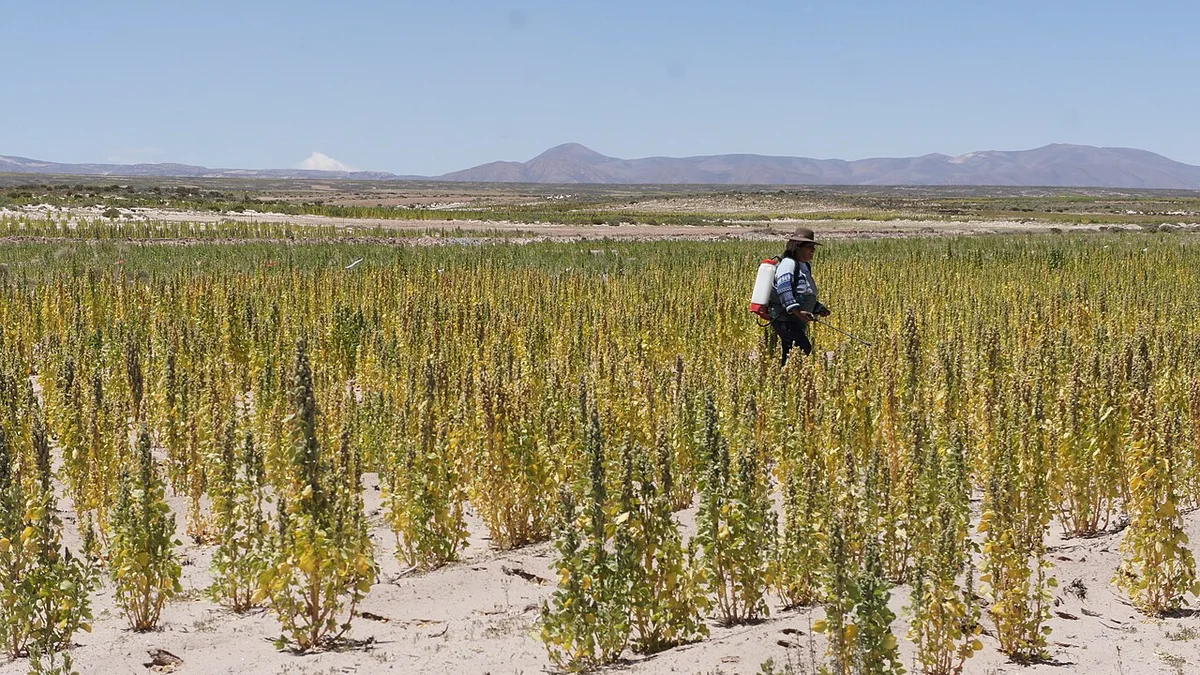
Farm applicators must wear comprehensive Personal Protective Equipment (PPE)—including nitrile gloves, eye goggles, particulate dust masks, and protective aprons—during chemical weighing, slurry preparation, and knapsack sprayer operation. Leftover spray washings must never be discharged into natural freshwater ponds, irrigation canals, or fish hatcheries, as aquatic organisms exhibit heightened sensitivity to benzimidazole residues. Unused powder packs must be stored in original manufacturer packaging on raised wooden pallets in locked, cool, and well-ventilated farm sheds out of reach of children and domestic livestock.
7. Integrated Pest & Disease Management (IPM) & Crop Protection Tools
While Roko fungicide (Thiophanate Methyl 70% WP) provides exceptional curative and preventive control against ascomycetes and basidiomycetes fungi, an effective crop protection regimen requires holistic Integrated Pest and Disease Management (IPM). Farmers frequently alternate benzimidazole fungicides with other chemistries such as triazoles, strobilurins, or contact protectants as detailed in our comprehensive broad spectrum fungicide guide to prevent the development of resistant fungal biotypes.
Simultaneous insect pressure—such as aphids, jassids, thrips, and whiteflies that transmit viral diseases or exacerbate fungal infection through feeding wounds—can be suppressed with targeted systemic insecticides including imidacloprid dosage formulations. Furthermore, plant disease resistance is heavily influenced by balanced soil nutrition verified through Soil Health Card soil testing, while efficient foliar uptake is enhanced when crops receive calibrated moisture via systems installed under the PM Krishi Sinchayee Yojana. Farmers can also explore the Farm Search agricultural equipment tool to find boom sprayers and calibration implements.
8. Agricultural Economics, Credit & Farm Mechanization Linkages
Protecting commercial cash crops from fungal blight safeguards farm profit margins across diverse farming enterprises. In horticultural and commercial crops, growers prevent anthracnose and collar rot in dragon fruit farming, control koleroga disease to protect daily Shivamogga adike rates and all-India arecanut price realizations, and curb inflorescence rot in raw cashew nut harvesting to maximize premium cashew kernel wholesale prices. In grain and oilseed cultivation, controlling leaf spot protects yields of rajgira amaranth seeds, while guarding against alternaria blight sustains mustard seed market prices and regional sarso mandi rates.
Input purchases of certified crop protection chemicals and fertilizers can be financed through low-interest working capital via the Kisan Credit Card (KCC) facility. Agricultural risk is cushioned by PMFBY crop insurance tracking against localized pest and disease outbreaks, complemented by direct transfers under PM Kisan status verification and regional programs like CM Kisan Odisha DBT. Farm laborers and spray operators can secure formal social coverage through UPLMIS shramik labour card registration.
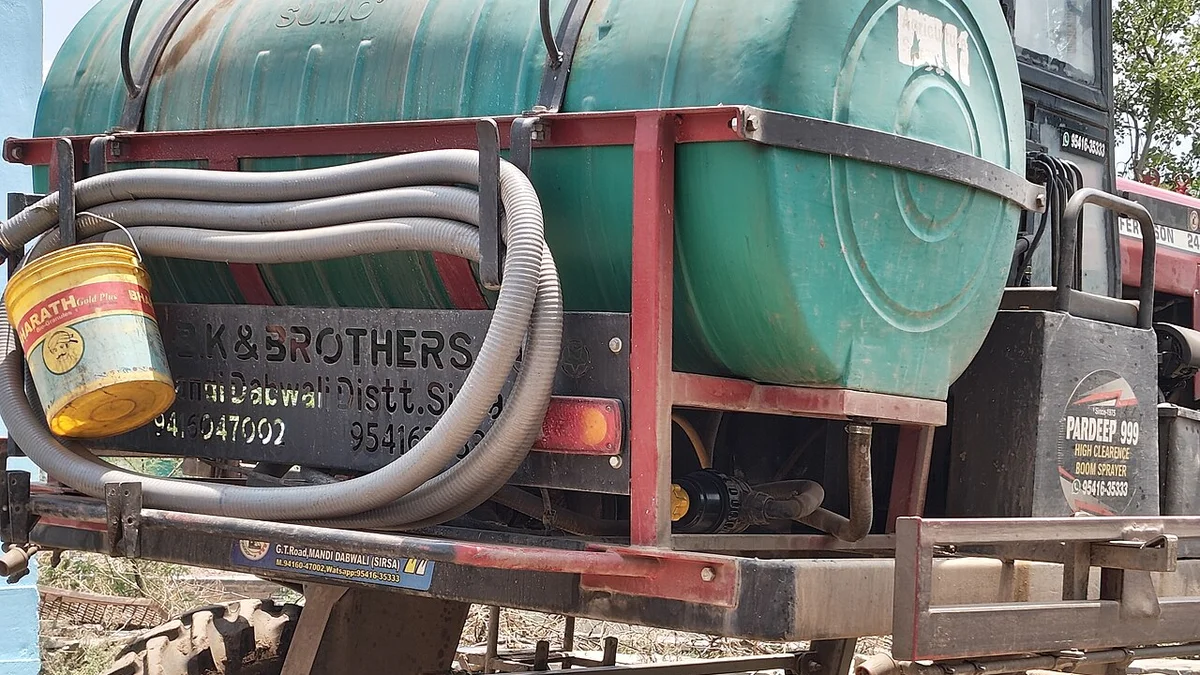
For efficient large-scale chemical application, tractor-mounted power sprayers can be paired with utility tractors like the Swaraj 744 FE tractor, the Mahindra 575 DI, the Eicher 380, or advanced John Deere tractors, subsidized under the PM Kisan tractor subsidy scheme alongside combine harvester price benchmarks. Transporting healthy harvest to market is made economical with mini trucks like the Mahindra Supro or clean commercial vehicles under the PM E-DRIVE electric vehicle subsidy, fetching top rates at Kisan Mandi direct trading points, Muhana Mandi Jaipur, daily onion mandi markets, or sugar mill collection centres. Cash flow can be further diversified through Gir cow dairy units, Murrah buffalo dairy farming, commercial goat farming, NECC egg market sales, and Barwala poultry belt operations.
Statutory pesticide regulations, safe handling directives, and label approval records are published by the Central Insecticides Board & Registration Committee (CIBRC), the Directorate of Plant Protection, Quarantine & Storage (PPQS), the Indian Council of Agricultural Research (ICAR), and the Ministry of Agriculture & Farmers Welfare.
Frequently asked questions
- What is the active chemical ingredient in Roko fungicide?
- Roko fungicide contains Thiophanate Methyl 70% WP (Wettable Powder), a systemic benzimidazole fungicide recognized by the CIBRC Central Insecticides Board & Registration Committee for broad-spectrum disease management.
- Which major crop diseases are controlled by Roko fungicide?
- Roko is highly effective against powdery mildew, anthracnose, leaf spots, blast, brown rot, scab, and root rot complexes across vegetables, fruits, pulses, and field crops. For broader comparative data, review our broad spectrum fungicide guide.
- What is the recommended dosage of Roko for foliar spray?
- The standard foliar spray dosage of Roko is 0.5 to 1.0 gram per liter of water (equivalent to 100 to 200 grams per 200 liters of water per acre), depending on crop maturity, disease intensity, and foliage canopy.
- Can Roko fungicide be mixed with chemical insecticides?
- Yes, Roko is compatible with most standard neutral insecticides such as imidacloprid insecticide, deltamethrin, and emamectin benzoate. However, it should never be tank-mixed with highly alkaline preparations like Bordeaux mixture or lime sulfur.
- How is Roko used for seed treatment and seedling root drenching?
- For dry seed treatment, mix 2 to 3 grams of Roko per kilogram of seed before sowing. For seedling drenching or bare-root dip, dissolve 1 to 2 grams per liter of water and immerse roots for 10 to 15 minutes before transplanting. Farmers can fund chemical inputs via the Kisan Credit Card (KCC) scheme.
- What is the mode of action of Thiophanate Methyl in plants?
- Thiophanate Methyl is absorbed by the roots and foliage and metabolized into carbendazim (MBC), which inhibits fungal beta-tubulin polymerization during cell division, arresting fungal hyphal growth and spore germination.
- What is the pre-harvest interval (PHI) for Roko fungicide?
- The pre-harvest interval (waiting period between last spray and harvest) generally ranges from 7 to 14 days depending on the crop. Soil and plant health can be continuously monitored using Soil Health Card recommendations.
- How many times can Roko be sprayed in a single crop season?
- To avoid the buildup of fungal resistance, do not apply Roko more than 2 to 3 times per season. Always rotate with fungicides featuring alternate modes of action like triazoles, strobilurins, or contact mancozeb.
- What is the price of Roko fungicide 100g, 250g, and 500g in 2026?
- Indicative retail prices for genuine Roko 70% WP are approximately ₹120 to ₹150 for 100g, ₹260 to ₹310 for 250g, and ₹500 to ₹580 for 500g packages, subject to local state taxes and dealer margins.
- How can farmers identify original Roko fungicide from counterfeit products?
- Original Biostadt Roko packages feature a tamper-evident holographic seal, unique QR verification code, batch manufacturing details registered with PPQS Plant Protection Directorate, and fine wettable white powder that dissolves without heavy sediment.
- Is Roko fungicide safe for honeybees and beneficial insects?
- When applied at recommended agricultural rates, Thiophanate Methyl poses low acute toxicity to adult honeybees. However, avoid spraying during peak active bee foraging hours in blooming orchards.
- What first-aid measures should be taken in case of accidental exposure to Roko?
- In case of skin contact, wash thoroughly with soap and clean water. If splashed in eyes, rinse with clean water for 15 minutes. If ingested accidentally, induce vomiting only if conscious and seek immediate medical attention with the product label.
This article is for general information only and is not financial advice. Loan and scheme eligibility depends on partner and government criteria.