Syngenta Isabion Price, Uses, Dose & Technical Content
Key takeaways
- Syngenta Isabion is an organic-origin biostimulant delivering 62.5% total free amino acids and short-chain peptides alongside 8.7% organic nitrogen and 24.5% organic carbon.
- Pre-synthesized L-alpha amino acids penetrate leaves within 2 to 4 hours, conserving crop metabolic energy during heatwaves, cold snaps, and transplanting shock.
- Standard foliar spray dosage across vegetables, paddy, cotton, and pulses is 2.0 to 2.5 ml per litre of water (400–500 ml in 200 litres per acre).
- Avoid tank-mixing Isabion with strongly alkaline copper fungicides, Bordeaux mixture, lime sulfur, or mineral oils to prevent phytotoxic leaf scorch.
- Always buy factory-sealed bottles (100 ml to 5 L) with valid GST invoices and FCO biostimulant batch markings from licensed agricultural input dealers.
Syngenta Isabion is one of India's most widely adopted organic-origin liquid biostimulants, formulated with naturally derived free amino acids and short-chain collagen peptides to improve flowering retention, fruit setting, and abiotic stress recovery across horticultural and field crops. Under India's Fertilizer Control Order (FCO 1985, amended for Biostimulants), protein hydrolysates and amino-acid biostimulants fall under regulatory oversight of the Department of Agriculture & Farmers Welfare (Agricoop), while horticultural crop nutrition and foliar physiology trials are validated across research centers of the Indian Council of Agricultural Research (ICAR) and the ICAR-Indian Institute of Horticultural Research (ICAR-IIHR). Growers combining biostimulants with balanced macronutrients can also explore our crop nutrition portal, humic acid soil conditioner guide, and water-soluble NPK 19:19:19 guide.
1. Agronomy & Biostimulant Overview for Syngenta Isabion
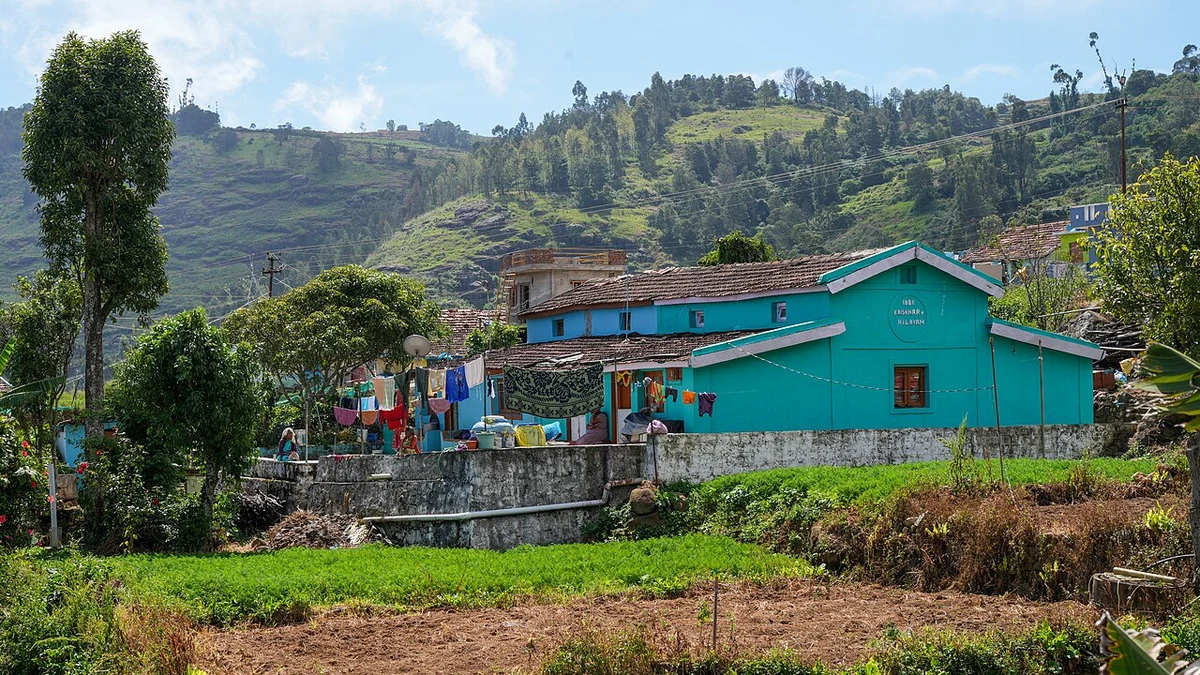
Unlike conventional nitrogenous fertilizers that require energy-intensive root uptake and enzymatic assimilation before plants can build proteins, Isabion delivers pre-synthesized L-alpha amino acids and low-molecular-weight peptides directly through foliar stomata and root hairs. Across high-intensity vegetable belts of Maharashtra, Karnataka, Andhra Pradesh, and Himachal Pradesh—as well as paddy, cotton, and pulse tracts of Punjab, Uttar Pradesh, and Madhya Pradesh—sudden heatwaves, cold snaps, transplanting shock, or waterlogging temporarily halt plant metabolism. Applying a calibrated amino acid biostimulant supplies ready-to-use carbon and nitrogen skeletons, helping crops conserve ATP energy and redirect photosynthates toward flower initiation and uniform pod or fruit development. Cultivators planning seasonal spray programs often integrate our crop calendar, fertilizer calculator, and AI crop health diagnostic tool.
2. Technical Composition & Physiological Mode of Action
Understanding the technical profile of Syngenta Isabion clarifies why it acts as a physiological growth regulator rather than a stand-alone bulk NPK source. Its balanced ratio of free amino acids to short-chain peptides enables both rapid immediate leaf absorption and sustained release on the cuticle, while maintaining a mildly acidic pH (5.5–6.5) compatible with standard tank-mix schedules. For basal soil fertility prior to foliar biostimulation, farmers balance phosphorus and potassium using DAP fertilizer, TSP fertilizer, single super phosphate (SSP), and complex NPK blends.
| Nutrient / Component | Concentration (w/w) | Physiological Mechanism in Plants | Agronomic Benefit |
|---|---|---|---|
| Total Free Amino Acids | 62.5% (High Purity Peptides) | Direct cellular uptake without enzymatic breakdown | Rapid recovery from cold, drought & hail stress |
| Short-Chain Collagen Peptides | 35.0% Low Molecular Weight | Penetrates leaf cuticle within 2 hours of foliar spray | Boosts enzymatic chlorophyll biosynthesis |
| Organic Nitrogen (N) | 8.7% Biologically Bound | Natural nitrogen supply without excessive succulent surge | Balanced vegetative & reproductive growth |
| Organic Carbon (C) | 24.5% Plant Active Carbon | Stimulates beneficial foliar and rhizosphere activity | Increases cellular sap Brix and stress tolerance |
| Trace Mineral Chelates | 1.5% Fe, Zn, Mn Bound | Cofactors in photosynthetic electron transport | Helps correct hidden micronutrient hunger |
| pH & Density Specification | 5.5 - 6.5 @ 1.25 g/ml | Neutral buffering compatible with most crop sprays | Stable droplet dispersion without leaf scorch risk |
Source: Biostimulant technical specifications compiled from Syngenta product label disclosures, Fertilizer Control Order (FCO) biostimulant norms (agricoop.gov.in), and ICAR horticultural physiology literature (icar.org.in), reviewed November 2026.
3. Foliar Spray Best Practices, Tank-Mix Compatibility & Equipment
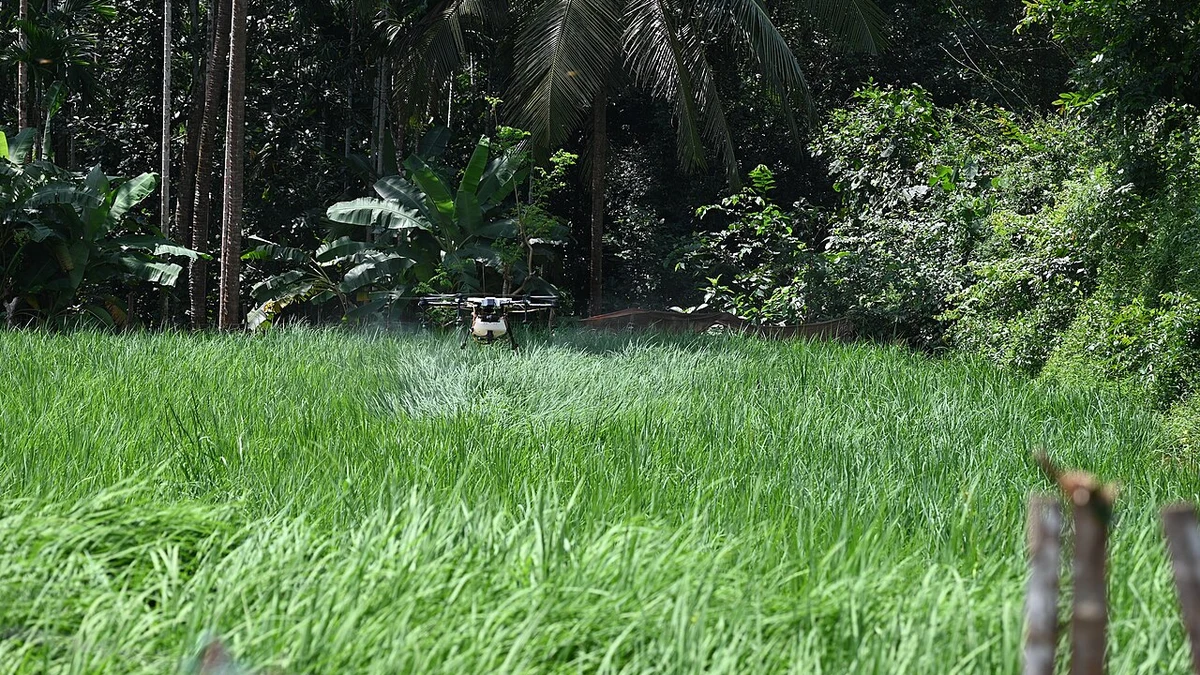
Achieving consistent field results from Isabion depends on application timing, water quality, and sprayer calibration. Foliar sprays should be scheduled during calm early-morning or late-afternoon hours when leaf stomata are open and evaporation is slow. Use clean, neutral water (pH 6.0–7.5) and select hollow-cone nozzles on battery or tractor sprayers reviewed in our agricultural spray machine guide to coat both upper and lower leaf surfaces. When co-applying crop protection chemicals registered with the Central Insecticides Board & Registration Committee (CIB&RC), always conduct a small jar compatibility test first and avoid mixing Isabion with strongly alkaline copper fungicides, sulfur, or mineral oils. For integrated pest and fungal protection across vegetable and field plots, review our guides on Saaf fungicide, Roko fungicide, Nativo fungicide, broad-spectrum fungicides, broad-spectrum insecticides, Imidacloprid, Coragen, Emamectin Benzoate, Bayer Solomon, and selective herbicides.
- Batch & Label Verification: Check intact manufacturer tamper seals, FCO biostimulant registration markings, batch numbers, and expiry dates using our AI pesticide label reader.
- Calibrated Dilution & Water Volume: Mix 2.0 to 2.5 ml per litre of clean water (400–500 ml in 200 litres per acre for knapsack or power sprayers) without exceeding label ceilings.
- Critical Growth-Stage Timing: Target pre-flowering (flower bud differentiation), petal fall / early fruit set, and immediate recovery within 24–48 hours after cold, drought, or transplanting stress.
- Tank-Mix Caution: Never combine amino-acid biostimulants in the same tank with fixed copper compounds, Bordeaux mixture, lime sulfur, or highly alkaline foliar sprays to prevent phytotoxicity.
4. Crop-Wise Dosage Schedule & Agronomic Impact Matrix
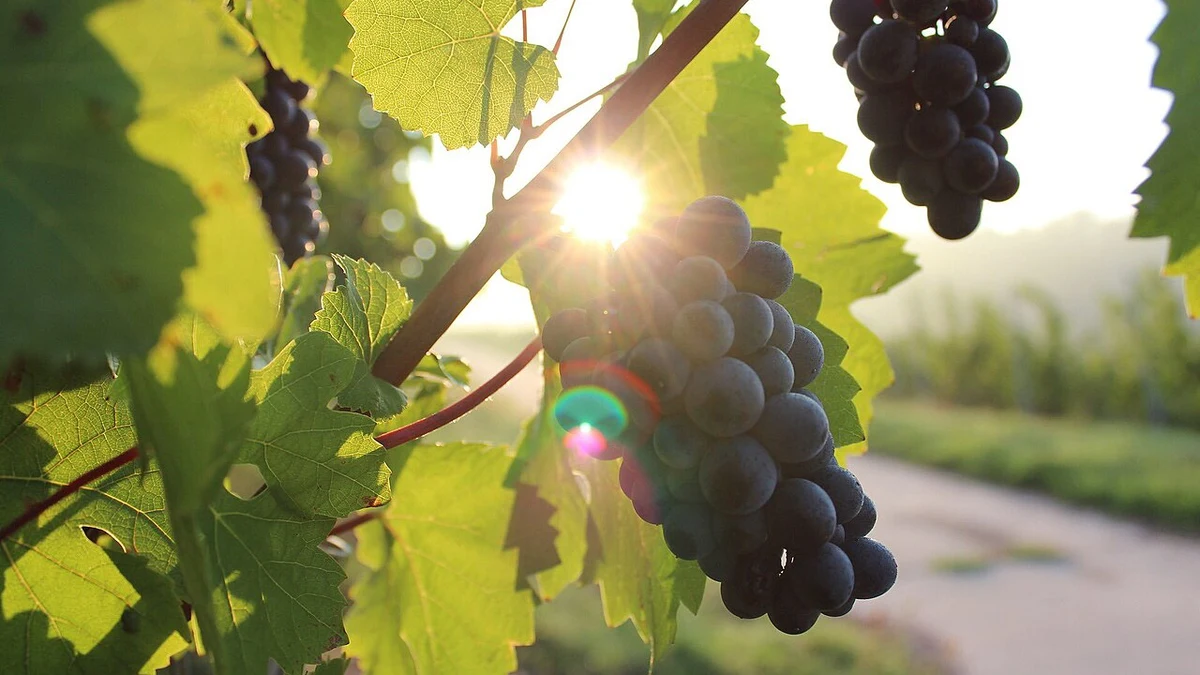
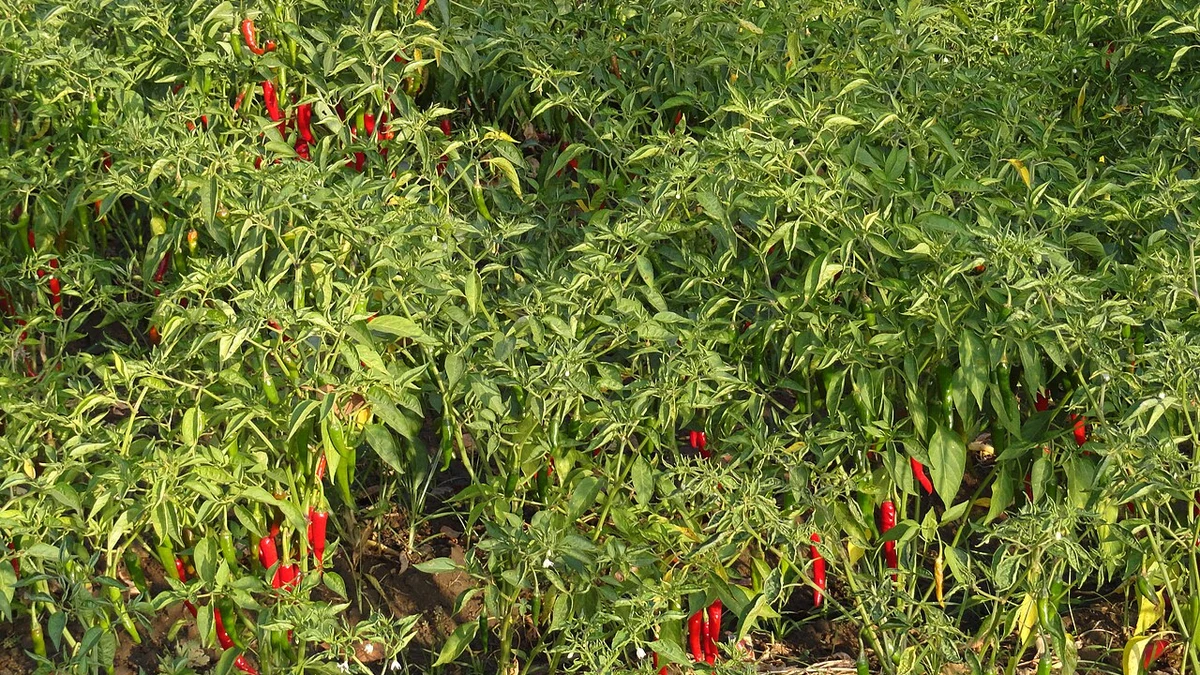
Field recommendations vary by crop architecture and physiological stress window. High-value horticultural crops—including tomatoes, Byadgi and green chillies, grapes, pomegranates, and watermelons and muskmelons—typically benefit from two to three split applications spanning vegetative establishment, pre-bloom, and fruit sizing. Field crops such as paddy, cotton, Bengal gram, and soyabean typically receive one to two sprays at active tillering/branching and panicle or pod initiation. Growers can calculate exact solution volumes using our spray dosage calculator, check label safety with the pesticide label reader, and explore disease protocols in our crop protection hub.
| Crop / Horticultural Category | Recommended Stage | Dosage per Litre Water | Dosage per Acre (200L Spray) | Expected Agronomic Impact |
|---|---|---|---|---|
| Tomato, Chilli & Capsicum | Vegetative & Pre-Flowering | 2.0 ml – 2.5 ml | 400 ml – 500 ml | Reduces flower drop, supports uniform fruit set |
| Paddy & Basmati Rice | Tillering & Panicle Emergence | 2.0 ml | 400 ml | Supports productive tillers, lowers chaffy grain rate |
| Cotton (Bt Hybrids) | Square Formation & Boll Development | 2.5 ml | 500 ml | Reduces square drop, supports boll retention |
| Pomegranate & Guava | Flower Induction & Fruit Setting | 2.0 ml – 3.0 ml | 500 ml – 600 ml | Supports rind gloss, uniform sizing, lower cracking |
| Soybean & Pulses (Tur/Chana) | Branching & Pod Formation | 2.0 ml | 400 ml | Supports branching vigor and pod grain filling |
| Grapes & Orchards | Pruning Spurt & Berry Thinning | 2.5 ml | 500 ml | Supports berry elongation and uniform bunch fill |
Source: Crop dosage ranges compiled from Syngenta technical label guidelines, ICAR-IIHR horticultural physiology bulletins (iihr.res.in), and CIB&RC / FCO safe spray protocols (cibrc.nic.in), reviewed November 2026.
5. Pack Sizes, Cost Planning & Farmer Credit Advisory
Syngenta distributes Isabion across authorized agri-input dealerships and FPO cooperative counters in 100 ml, 250 ml, 500 ml, 1 Litre, and 5 Litre HDPE bottles. Because dealer retail pricing varies by pack volume, GST billing, seasonal promotional schemes, and regional freight, cultivators should always obtain a stamped GST invoice and verify batch QR/barcode authenticity on the bottle rather than buying loose unsealed liquids. To maximize return on input spend, start fields with certified seeds, finance seasonal crop inputs via our KCC scale of finance calculator, farmer loans advisory, and government agricultural schemes, and monitor final harvest market prices on the KisanPe mandi rates portal.
6. Abiotic Stress Recovery Protocols & Drip Fertigation Scheduling
One of the highest-return applications of amino-acid biostimulants occurs immediately after abiotic weather setbacks. During sudden summer heatwaves above 40°C in northern and central vegetable belts, or following unexpected unseasonal hail and cold spells in winter tomato and chilli plots, plant stomatal closure halts natural nitrate assimilation and stalls cell division. Applying a foliar spray of Isabion at 2.0 ml per litre within 24 to 48 hours of stress onset provides directly usable proline, glycine, and glutamic acid molecules—helping restore cellular osmotic balance, prevent blossom abortion, and accelerate fresh shoot emergence.
For commercial drip-irrigated orchards (pomegranate, grapes, banana, and papaya) and protected polyhouse crops, soil drenching or drip fertigation offers an effective complement to foliar sprays. Apply 1.0 to 1.5 litres per acre through the venturi injector during the final 20 minutes of an irrigation cycle—after standard basal water-soluble fertilizers have flushed through the drippers—to concentrate organic carbon and amino peptides directly around active white feeder roots. Always flush drip laterals with clean water for 10 minutes afterward to keep emitters clear of organic biofilm accumulation.
Frequently asked questions
- What is Syngenta Isabion and what is its technical composition?
- Syngenta Isabion is an organic-origin liquid biostimulant containing 62.5% total free amino acids and short-chain peptides alongside 8.7% organic nitrogen and 24.5% organic carbon. Learn how biostimulants pair with soil conditioners in our humic acid guide.
- What factors determine Syngenta Isabion bottle prices in India?
- Retail prices depend on pack size (100 ml, 250 ml, 500 ml, 1 Litre, or 5 Litre), regional dealer discounts, and applicable GST. Always purchase sealed bottles with a GST invoice from licensed dealers and estimate seasonal input budgets via our KCC loan calculator.
- Which official government portals govern biostimulants and crop protection sprays in India?
- Biostimulants are regulated under the Fertilizer Control Order by the Department of Agriculture & Farmers Welfare, while tank-mix insecticides and fungicides are registered by CIB&RC.
- What is the recommended dosage of Isabion per litre and per acre?
- For most vegetable, fruit, paddy, and pulse crops, the standard foliar dosage is 2.0 to 2.5 ml per litre of water (400 to 500 ml in 200 litres per acre). Calculate exact spray quantities using our spray dosage calculator.
- Can Isabion be applied through drip irrigation as well as foliar spray?
- Yes. While foliar spraying provides rapid stomatal uptake during pre-flowering and heat stress, Isabion can also be applied via drip fertigation to support root-zone microbial activity and feeder root establishment.
- Which fungicides or chemicals should NOT be mixed with Isabion?
- Do not tank-mix Isabion with copper-based fungicides (copper oxychloride, Bordeaux mixture), sulfur formulations, or mineral oils, as strongly alkaline or heavy metal ions can react and cause leaf scorching.
- What is the best time of day and sprayer nozzle for applying Isabion?
- Spray during cool early morning or late evening hours using calibrated hollow-cone nozzles for uniform foliage wetting across upper and lower leaf surfaces.
- How does Isabion help prevent flower and fruit drop in tomato, chilli, and cotton?
- During heat stress or moisture fluctuations, free L-amino acids conserve metabolic energy and support auxin and chlorophyll synthesis, stabilizing flower retention and fruit set in crops validated by ICAR-IIHR research.
- Can Isabion replace NPK basal fertilizers like DAP or Urea?
- No. Isabion is a physiological biostimulant, not a substitute for primary macronutrients; crops still require balanced soil nutrition from basal DAP, potash, and water-soluble NPK schedules.
- How long does it take for crops to absorb foliar-applied Isabion?
- Low-molecular-weight amino acids and short-chain peptides penetrate the plant leaf cuticle within 2 to 4 hours after spraying when applied under moderate humidity.
- Is Isabion safe to combine with insecticides like Coragen or Imidacloprid?
- Isabion is generally compatible with most neutral-pH insecticides; however, always run a small clear-jar compatibility test with your local water source before filling the main sprayer tank.
- How should farmers store leftover Isabion bottles safely?
- Keep caps tightly sealed, store bottles upright in a cool, dry, shaded room away from direct sunlight and livestock feed, and use within the printed expiry date on the label.
This article is for general information only and is not financial advice. Loan and scheme eligibility depends on partner and government criteria.