Chana Dal Price per Kg Today: Wholesale & Retail Rates
Key takeaways
- As of November 2026, indicative wholesale unbranded chana dal ranges between ₹72 and ₹84 per kg across major milling terminals in Madhya Pradesh, Rajasthan, and Maharashtra.
- Government-subsidized Bharat Dal retails at ₹60 per kg (1 kg packs) and ₹55 per kg (30 kg bulk bags) through NAFED, NCCF, Kendriya Bhandar, and Safal outlets.
- The official Minimum Support Price (MSP) for raw Bengal gram (Desi Chana) recommended by CACP is ₹5,440 per quintal, backed by central PM-AASHA procurement.
- Commercial pulse mills recover roughly 75% to 78% finished chana dal from clean Desi chickpea grain, alongside 18% high-protein cattle feed chuni and husk.
- With 22.5 g plant protein, 15.3 g dietary fiber, and a low glycemic index of 28 per 100g, chana dal remains a staple nutritional pulse across India.
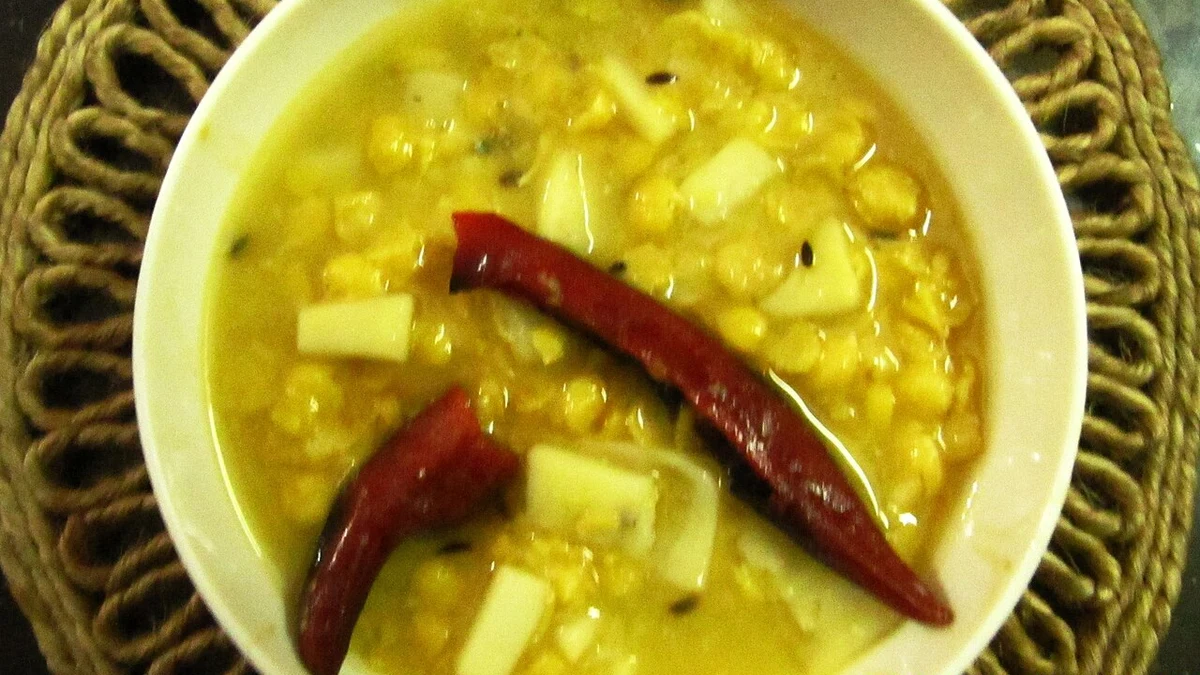
Chana Dal (Split Bengal Gram / Cicer arietinum) is the undisputed heavyweight anchor of India's pulse basket, accounting for nearly 50% of the country’s total pulse production and commercial consumption. Milled by dehulling and splitting whole Desi chickpea grains, chana dal is valued for its deep golden luster, low glycemic index, rich plant protein content, and culinary versatility—forming the raw material for besan (gram flour), everyday gravies, savory snacks, and festive sweets. Regulated under consumer price stabilization frameworks administered by the Ministry of Consumer Affairs (DoCA) and monitored dynamically through the central agricultural price portal (Agmarknet), wholesale and retail chana dal prices directly shape national food inflation. Growers and pulse traders can also monitor daily market shifts on the KisanPe mandi rates dashboard.
1. Indicative Chana Dal Price per Kg Across Major Indian Wholesale Mandis
Wholesale prices for chana dal fluctuate based on raw chickpea arrivals, processing yields, import parity of Australian and African chickpeas, and government buffer stock open-market sales. As of November 2026, indicative wholesale unbranded chana dal ranges between ₹72 and ₹84 per kilogram (₹7,200 to ₹8,400 per quintal) across primary milling centers in Madhya Pradesh, Rajasthan, and Maharashtra. In retail grocery stores, branded packaged chana dal (1 kg pouches) typically sells between ₹88 and ₹108 per kg, while the government-subsidized 'Bharat Dal' retail initiative supplies standardized split chana dal at a stabilized rate of ₹60 per kg for 1 kg packs and ₹55 per kg for 30 kg bulk bags. Pulse aggregators comparing protein staples often cross-check arhar dal price trends, urad dal wholesale prices, and moong dal market rates.
| Market Center / Packaging | Product Grade | Indicative Wholesale Rate (₹/kg) | Indicative Wholesale Rate (₹/Quintal) | Indicative Retail Price (₹/kg) |
|---|---|---|---|---|
| Indore Mandi (Madhya Pradesh) | Bold Desi Split Chana Dal | ₹74 - ₹82 / kg | ₹7,400 - ₹8,200 / Q | ₹88 - ₹98 / kg |
| Bikaner Mandi (Rajasthan) | Medium Split Machine Cleaned | ₹72 - ₹80 / kg | ₹7,200 - ₹8,000 / Q | ₹86 - ₹96 / kg |
| Akola Mandi (Maharashtra) | Sortex Cleaned Commercial Dal | ₹75 - ₹83 / kg | ₹7,500 - ₹8,300 / Q | ₹90 - ₹102 / kg |
| Delhi Wholesale Terminal (Naya Bazar) | Double Filtered Premium Dal | ₹78 - ₹86 / kg | ₹7,800 - ₹8,600 / Q | ₹94 - ₹108 / kg |
| Bharat Dal (Government Subsidized) | NAFED / NCCF Retail Pack | Subsidized Allocation | ₹5,500 / Q (Bulk) | ₹60 / kg (1 kg pack) |
| Branded Packaged FMCG Dal (Tata/Fortune) | Unpolished Sortex Grade | ₹86 - ₹94 / kg | ₹8,600 - ₹9,400 / Q | ₹105 - ₹120 / kg |
Source: Indicative price ranges, November 2026. Compiled from Agmarknet daily arrivals (agmarknet.gov.in), Department of Consumer Affairs retail monitoring (fcamin.nic.in), and State Agricultural Marketing Boards.
2. Production Belts: Madhya Pradesh, Rajasthan & Maharashtra
India is the world’s largest producer and consumer of chickpeas, harvesting over 12 million tonnes annually. The central black soil plains of Madhya Pradesh (Ujjain, Vidisha, Narsinghpur), Rajasthan (Bikaner, Churu, Hanumangarh), and Maharashtra (Latur, Akola) constitute the premier chickpea heartland. Milled in large cluster facilities in Bikaner and Indore, processed chana dal is dispatched across consuming urban centers in Uttar Pradesh, Bihar, West Bengal, and southern India. Cultivators managing winter Rabi rotations alongside Bengal gram regularly evaluate wheat mandi bhav, mustard seed market prices, and soyabean arrival rates, while tracking central Indian hubs like Neemuch Mandi, Mandsaur Mandi, Dhamnod Mandi, and Kalapipal Mandi.
3. The Bharat Dal Initiative: Affordable Protein for Every Household
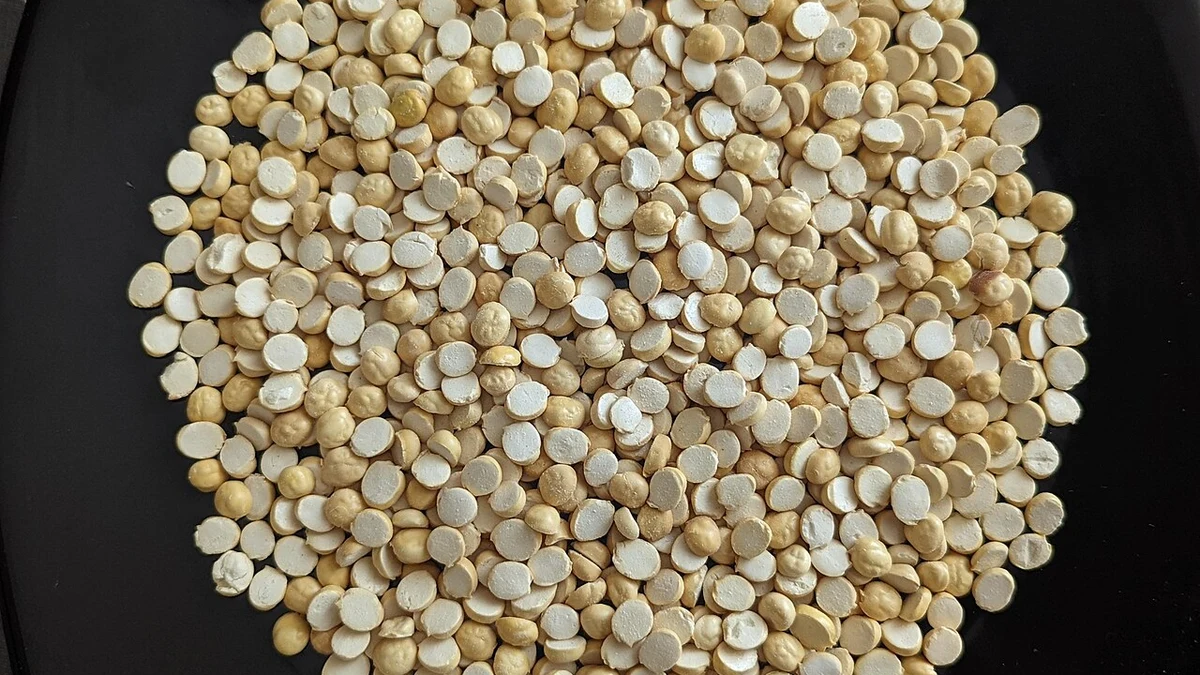
To curb speculative retail pulse inflation, the Ministry of Consumer Affairs, Food & Public Distribution launched the flagship Bharat Dal brand. Sourced from the central strategic pulse buffer maintained by NAFED and NCCF, raw chickpeas are milled and packaged into branded 1 kg and 30 kg bags. Retailing at an affordable subsidized price of ₹60 per kg (compared to open-market quotes of ₹95+), Bharat Dal is distributed through over 20,000 retail touchpoints, including Kendriya Bhandar, Safal, cooperative societies, and mobile delivery vans across the country. Consumers can also compare pulse economics across toor dal wholesale rates and national anaj mandi grain terminals.
| Nutrient Component | Amount per 100g Chana Dal | Daily Value (DV%) | Physiological Health Benefit |
|---|---|---|---|
| Plant Protein | 22.5 g | 45% | Muscle growth, tissue cellular repair, satiety |
| Dietary Fiber | 15.3 g | 61% | Low glycemic index (GI 28), regulates blood sugar |
| Complex Carbohydrates | 59.8 g | 20% | Slow-burning metabolic energy without insulin spikes |
| Dietary Iron (Fe) | 4.86 mg | 27% | Prevents anemia, supports active hemoglobin synthesis |
| Folate (Vitamin B9) | 437 mcg | 109% | Critical for prenatal cellular growth and DNA synthesis |
| Magnesium & Potassium | 115 mg + 718 mg | 28% + 15% | Cardiovascular heart health and blood pressure balance |
Source: Nutritional composition benchmarks referenced from ICAR-Indian Institute of Pulses Research and National Institute of Nutrition food composition tables (Reviewed November 2026).
4. Dal Mill Processing: From Raw Gram to Finished Besan
The industrial conversion of raw whole chickpea (Desi Chana) into finished chana dal involves multi-stage milling: 1. Pre-Cleaning & Grading: Removal of stones, straw, and immature grains. 2. Conditioning & Dehulling: Controlled water soaking and emery-roller friction dehusks the grain. 3. Splitting & Sortex Sorting: Cotyledons are split cleanly and passed through bichromatic optical sorters. Commercial recovery yields approximately 75% to 78% finished chana dal, with 18% recovered as cattle feed chuni and husk—widely utilized by indigenous dairy cattle farms and commercial dairy units. Furthermore, grinding broken chana dal produces commercial Besan (gram flour), the indispensable base for India's massive savory snack and sweets industry.
5. Minimum Support Price (MSP) & Government Buffer Stocks
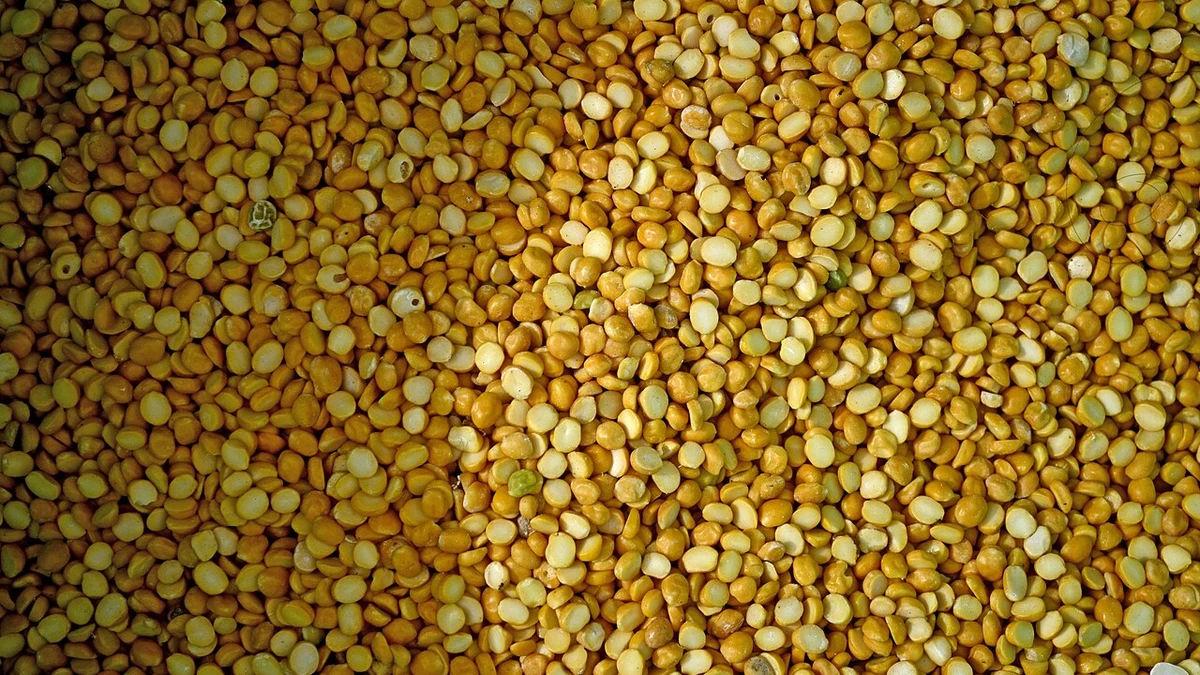
Under central agricultural policy coordinated by the Department of Agriculture & Farmers Welfare, the Commission for Agricultural Costs and Prices (CACP) recommends the MSP for raw Bengal gram annually. For the 2025-26 marketing season, the government MSP is fixed at ₹5,440 per quintal. State procurement agencies purchase millions of quintals under the PM-AASHA price support scheme whenever open auction rates dip, replenishing the central buffer stock that fuels the Bharat Dal scheme and armed forces rations. Farmers in Madhya Pradesh can integrate their land records on the MP Kisan SAARA portal, verify digital Farmer ID registration, or track crop insurance under PM Fasal Bima Yojana.
6. Safe Storage, Cultivation Inputs & Farm Mechanization
To achieve bold chickpea grains that yield premium chana dal recovery, growers start with quality certified seeds calibrated using our crop calendar and apply balanced basal phosphorus documented in our DAP fertilizer guide. Controlling early pod borer and wilt outbreaks relies on calibrated equipment from our spray machine buyer guide and protective treatments such as Saaf fungicide and broad-spectrum insecticides. Post-harvest, to prevent pulse beetle (bruchid) infestations and fungal mold in stored chana dal, store dal at moisture levels strictly below 10.0% in airtight stainless steel or food-grade HDPE containers. Traditional methods—such as mixing dry red chillies, bay leaves, or coating dal with edible mustard oil (3 ml per kg)—provide effective natural pest deterrence without chemical fumigation.
7. Packaging, Logistics & Agricultural Financing Support
Commercial dal mills utilize multi-layer laminated pouches and hermetically sealed corrugated boxes to pack finished chana dal for retail distribution, maintaining moisture strictly below 10.5% to prevent mold formation and lipid hydrolysis. In humid coastal regions, flushing bags with food-grade nitrogen gas extends shelf life to 18 months without chemical preservatives while preserving the bright golden color. Transporting bulk chickpea harvests from fields to milling clusters often employs hydraulic trailers reviewed in our tractor trolley guide paired with reliable tractors from our John Deere tractor price list and Mahindra tractor catalog. Growers financing seasonal inputs or warehouse receipts can estimate borrowing capacity via the KCC loan calculator, check machinery installments with the EMI calculator, review loan eligibility criteria, explore farmer loans, and track welfare programs in our government schemes directory and mandi intelligence platform.
8. Import Parity, Quality Grading & FPO Direct Marketing Strategies
Beyond domestic production trends in Madhya Pradesh and Rajasthan, Indian chana dal prices respond sensitively to central import-export policy and international pulse parity. Whenever domestic chickpea harvests face moisture stress during winter flowering, imports of Desi and Kabuli chickpeas from Australia, Tanzania, and Canada supplement milling inventories. Conversely, calibrated import duties and buffer-stock releases through NAFED and NCCF protect Indian cultivators from sudden harvest-time price crashes. Wholesale buyers assess raw chana lots at APMC auction gates based on three core grading metrics: grain count per 100 grams (bold Kantewala or Vishal varieties fetch higher premiums), admixture of foreign matter below 1.0%, and moisture percentage strictly under 12.0%. Clean, unbleached lots free of pod-borer damage consistently secure top auction bids from Indore and Akola sortex millers.
To capture a higher share of consumer value, Farmer Producer Organizations (FPOs) across central India are increasingly setting up mini dal mills (100 kg to 500 kg/hour capacity) at village cluster centers rather than selling raw whole chickpeas immediately at harvest. By cleaning, grading, dehulling, and packing chana dal and besan directly under FSSAI-compliant retail labels, FPOs convert a 25% processing spread into direct member income while supplying nutritious cattle feed husk locally to dairy cooperatives. Pairing community storage in accredited godowns with electronic Negotiable Warehouse Receipts (e-NWR) further enables growers to wait out March–April harvest arrivals and market stocks when summer and festive demand strengthens wholesale realizations.
Frequently asked questions
- What is the indicative wholesale price of chana dal per kg in India?
- As of November 2026, indicative wholesale chana dal ranges between ₹72 and ₹84 per kg across major milling hubs in Indore, Bikaner, and Maharashtra. Track real-time pulses arrivals via Agmarknet and the KisanPe mandi rates tracker.
- What is the retail price of Bharat Dal chana dal?
- Government-subsidized Bharat Dal distributed under the Department of Consumer Affairs price stabilization program retails at ₹60 per kg for 1 kg packs and ₹55 per kg for 30 kg bulk bags through cooperative stores.
- What is the Minimum Support Price (MSP) of raw chana for 2025-26?
- Based on CACP cost-of-production recommendations, the Government of India has declared the MSP for raw Bengal gram (chana) at ₹5,440 per quintal. Explore additional procurement support on our agricultural schemes hub.
- Which state in India produces the most chana (Bengal gram)?
- Madhya Pradesh and Rajasthan are the top chickpea producers, together accounting for over 50% of national output. Cultivators in MP can register crop sowing and MSP slots using the MP Kisan and e-Uparjan portal guide.
- What is the difference between Chana Dal and Besan?
- Chana dal is the split, dehulled Bengal gram pulse, while Besan is the fine flour milled from pure chana dal.
- Is chana dal beneficial for individuals with diabetes?
- Yes, chana dal has an exceptionally low glycemic index of 28 and high dietary fiber, preventing post-meal blood sugar spikes.
- What is the recovery rate of chana dal from raw chickpeas?
- Modern pulse mills achieve a dal recovery rate of 75% to 78%, with the remaining 22% sold as nutritious cattle feed husk and chuni.
- What is the protein content in 100g of chana dal?
- 100 grams of raw chana dal delivers approximately 22.5 grams of bioavailable plant protein.
- Where can consumers purchase subsidized Bharat Dal?
- Bharat Dal is available at Kendriya Bhandar, NAFED, NCCF outlets, Safal stores, and state mobile distribution vans.
- How can chana dal be stored safely at home without weevils?
- Keep dal in airtight containers in a dry pantry; add dried bay leaves, cloves, or a light coating of edible mustard oil to deter insects.
- Does India import chickpeas from other countries?
- Yes, India occasionally imports Desi and Kabuli chickpeas from Australia, Canada, and Tanzania to balance domestic buffer reserves.
- What is the difference between Desi Chana and Kabuli Chana?
- Desi chana has small, dark brown seeds milled into chana dal, while Kabuli chana has large, cream-colored seeds eaten whole as chole. For pulse crop sowing standards, review our certified seeds in India guide.
This article is for general information only and is not financial advice. Loan and scheme eligibility depends on partner and government criteria.