Urad Dal Price Today: Black Gram Mandi Rates & MSP Guide
Key takeaways
- As of November 2026, indicative wholesale raw whole black gram (urad) rates stand at ₹7,400–₹8,900 per quintal across Jabalpur, Guntur, Latur, and Madurai, while milled Urad Chilka wholesales at ₹98–₹108/kg and Urad Dhuli (white washed) clears ₹115–₹132/kg.
- Per official PIB & CACP announcements, the central Minimum Support Price for Kharif Urad is ₹7,800 per quintal (2025–26) and raised +₹400 to ₹8,200 per quintal for Kharif 2026–27.
- Whole urad converts into roughly 68%–73% clean split or washed dhuli dal inside modern mills alongside ~22% high-protein chuni & black seed-coat fodder by-product.
- Summer/Rabi paddy-fallow urad from Krishna–Guntur (Andhra Pradesh) and Madurai (Tamil Nadu) commands notable auction premiums among South Indian papad, idli, and dosa batter manufacturers.
- Growers track live APMC daily arrivals on Agmarknet and sell clean <=12% moisture lots through NAFED e-Samridhi MSP centers whenever harvest spots dip.
Monitoring the urad dal price (Black Gram / Vigna mungo / उड़द दाल का भाव) across wholesale APMC markets and kirana retail terminals connects Madhya Pradesh, Maharashtra, Uttar Pradesh, Andhra Pradesh, and Tamil Nadu farmers directly with South and North Indian batter, papad, and dal consumption hubs. Cultivated flexibly as an 80–90 day Kharif pulse, crisp Zaid/Summer crop, and coastal rice-fallow crop across nearly 4 million hectares, black urad transitions through automated emery dehusking into three distinct trade products: Black Whole (Kali Urad / Sabut Dal Makhani), Split Black-Skin Chilka, and Snow-White Washed Urad Dhuli (Gota) favored across idli-vada-dosa batters and papad factories. Regulated via statutory Kharif MSP recommendations from the Commission for Agricultural Costs and Prices (CACP), published through PIB India, and verified daily on Agmarknet, wholesale urad dal per kg price mirrors monsoon yield, Myanmar FAQ imports, and NAFED e-Samridhi buying. Growers and traders can cross-check companion pulse benchmarks inside toor dal prices, chana dal rates, and KisanPe mandi rates.
1. Indicative Urad Dal Price Per Kg Across Major Indian Mandis (November 2026)
Wholesale quotes for black gram separate sharply across raw farmer grain versus washed white dhuli dal in metros. As of November 2026, clean whole FAQ black gram trades around ₹7,400–₹8,350 per quintal in central hubs like Jabalpur and Latur and rises to ₹7,800–₹8,900 per quintal in coastal Andhra (Guntur) and Tamil Nadu (Madurai) where plump glossy Gota-making kernels command industrial papad-sector premiums. On the milled output side, Split Chilka wholesales near ₹9,800–₹10,800/quintal (₹98–₹108/kg), while washed white Urad Dhuli / Gota clears ₹11,500–₹13,200/quintal wholesale at Delhi Naya Bazar and retail grocery shelves across ₹135–₹165/kg. Compare seasonal pulse parity cleanly via our moong dal wholesale guide, arhar dal tracker, mandi price trend charts, and nearest mandi lookup.
| Mandi Center / Terminal | State | Primary Trade Grade | Indicative Min - Max (₹/Qtl) | Indicative Modal Per Kg |
|---|---|---|---|---|
| Jabalpur & Sagar Mandis | Madhya Pradesh | Raw Desi Black Urad FAQ Whole | ₹7,400 - ₹8,200 | ₹77.00 - ₹80.50 / kg |
| Latur & Akola APMC Yards | Maharashtra | Marathwada / Vidarbha Whole Urad | ₹7,500 - ₹8,350 | ₹78.50 - ₹81.50 / kg |
| Guntur APMC (Krishna Belt) | Andhra Pradesh | Polished Rice-Fallow Whole / Gota Grade | ₹7,800 - ₹8,650 | ₹81.00 - ₹84.50 / kg |
| Madurai Wholesale Yard | Tamil Nadu | Papad / Batter Premium Bold Urad | ₹8,100 - ₹8,900 | ₹83.50 - ₹87.00 / kg |
| Hapur & Kanpur Pulse Hubs | Uttar Pradesh | Milled Urad Chilka Split | ₹9,800 - ₹10,800 | ₹100.00 - ₹106.00 / kg |
| Naya Bazar Wholesale (Delhi) | Delhi NCR | Premium Milled Urad Dhuli / Gota | ₹11,500 - ₹13,200 | ₹118.00 - ₹130.00 / kg |
2. Official Kharif MSP for Urad: ₹7,800 (2025–26) & ₹8,200/Qtl (2026–27)
Supporting domestic kharif pulse farmers against harvest arrival slumps and heavy imported Burmese urad flows, the Central Government fixed the statutory Minimum Support Price for Urad per PIB India and CACP announcements at ₹7,800 per quintal for Kharif Marketing Season 2025–26, followed by a +₹400 per quintal increase to ₹8,200 per quintal for Kharif 2026–27 (targeting >=50% return over weighted cost of cultivation). Whenever local village traders offer steeply discounted rates during October–November kharif threshing peaks, central cooperative agencies led by NAFED and NCCF open direct procurement windows under the PM-AASHA Price Support Scheme, paying full MSP into Aadhaar-seeded accounts for clean Fair Average Quality stocks.
3. Milling Forms Explained: Whole Kali Urad vs Split Chilka vs White Dhuli / Gota
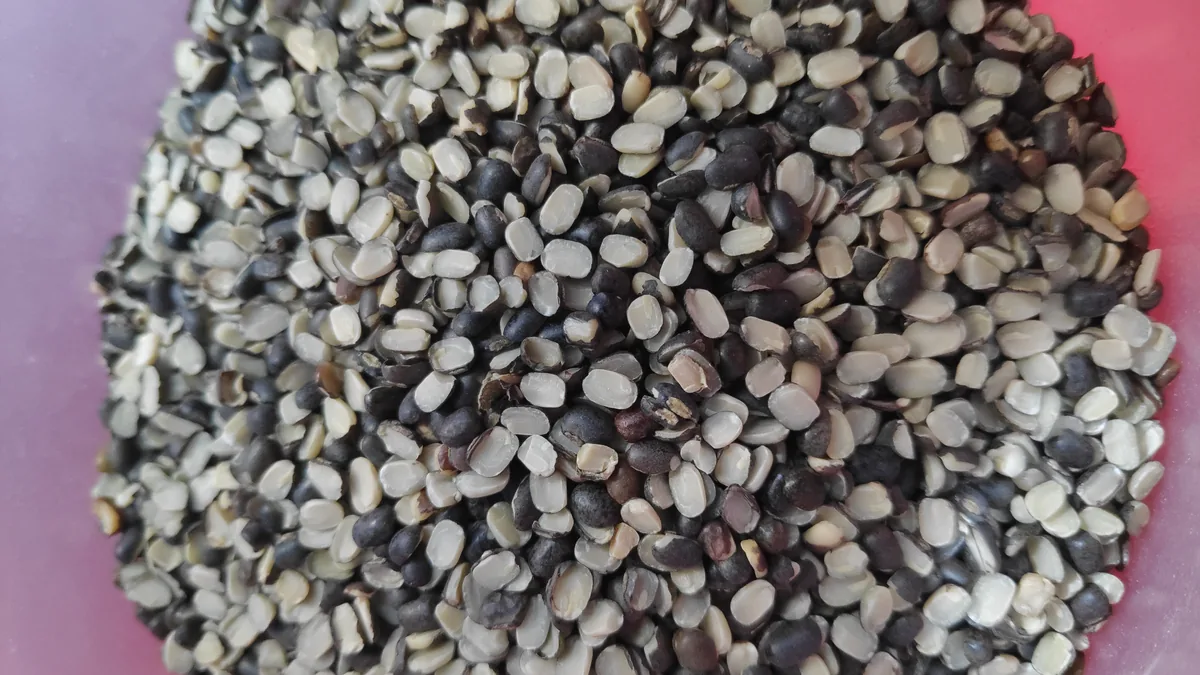
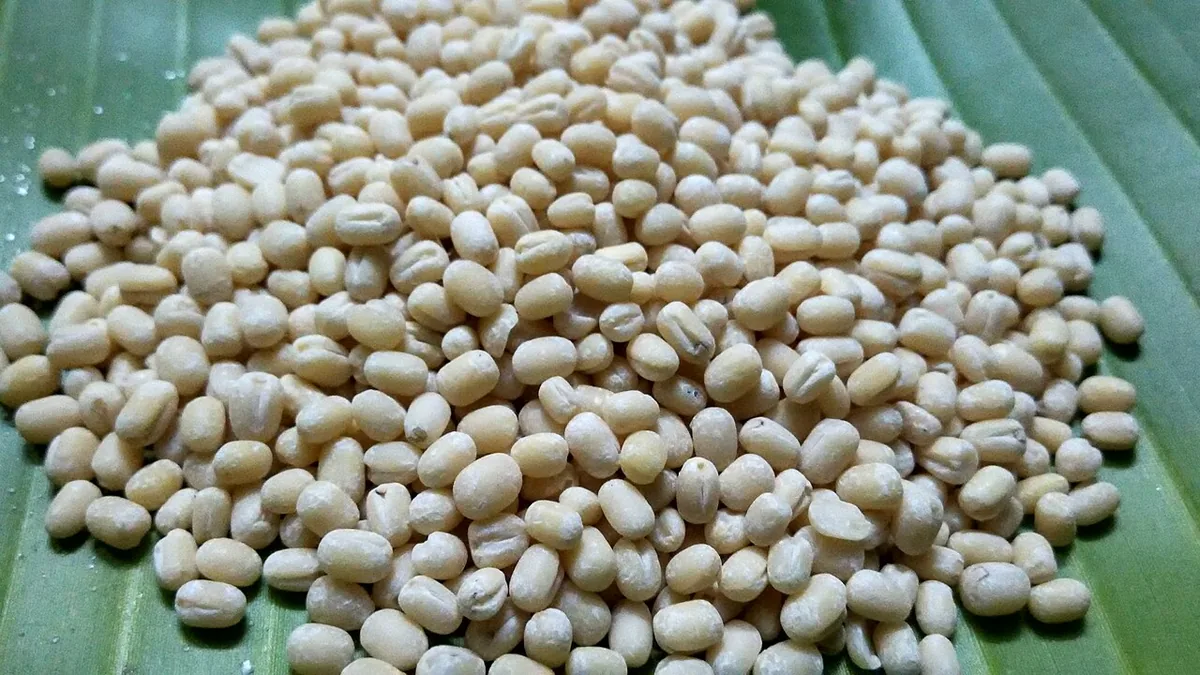
Consumers buying urad dal price per kg encounter four drastically different product tiers produced from the exact same field crop inside pulse mills (explore mill economics in our dal mill feasibility guide). Black Whole (Sabut Urad) retains its tough dark coat for slow-simmered Dal Makhani and exports; Urad Chilka cracks seeds into halves retaining split skins for crispy fritters and north Indian dal; Split White Dhuli abrades off the black coat completely in water-oiled emery rollers for light digestion; and Whole White Gota (Gota / Round Urad) shells intact round inner cotyledons without splitting them—delivering highest fluffiness fermentation for commercial idli-dosa batter brands! Across 100 kg raw black urad, processors yield ~68–73 kg clean dal/gota alongside ~22 kg high-protein cattle feed chuni and husk:
| Commercial Urad Grade | Milling Process & Appearance | Typical Conversion Yield | Primary End-Use & Demand Belt |
|---|---|---|---|
| Sabut Kali Urad (Whole Black) | Graded, Destoned & Light Oil-Brushed Whole Grain | 95% - 97% Cleaning Recovery | North Indian Hotels (Dal Makhani) & Export |
| Urad Chilka (Split Skin-On) | Pitted & Split Halves Retaining Black Hull | 80% - 84% Outturn | Household Split Dal, Vada & Pakora Batter |
| Urad Dhuli (Split White Washed) | Dehusked Emery-Polished Ivory Half Cotyledons | 68% - 72% Split Recovery | Everyday Cooking, Papad Flour & Namkeen |
| Urad Gota (Whole White Dehusked) | Whole Intact Dehusked White Round Kernel | 65% - 69% High-Precision Outturn | South Indian Idli/Dosa Wet Grinding & Export |
4. Kharif vs Summer/Zaid Agronomy Tips That Lift Mandi Grade
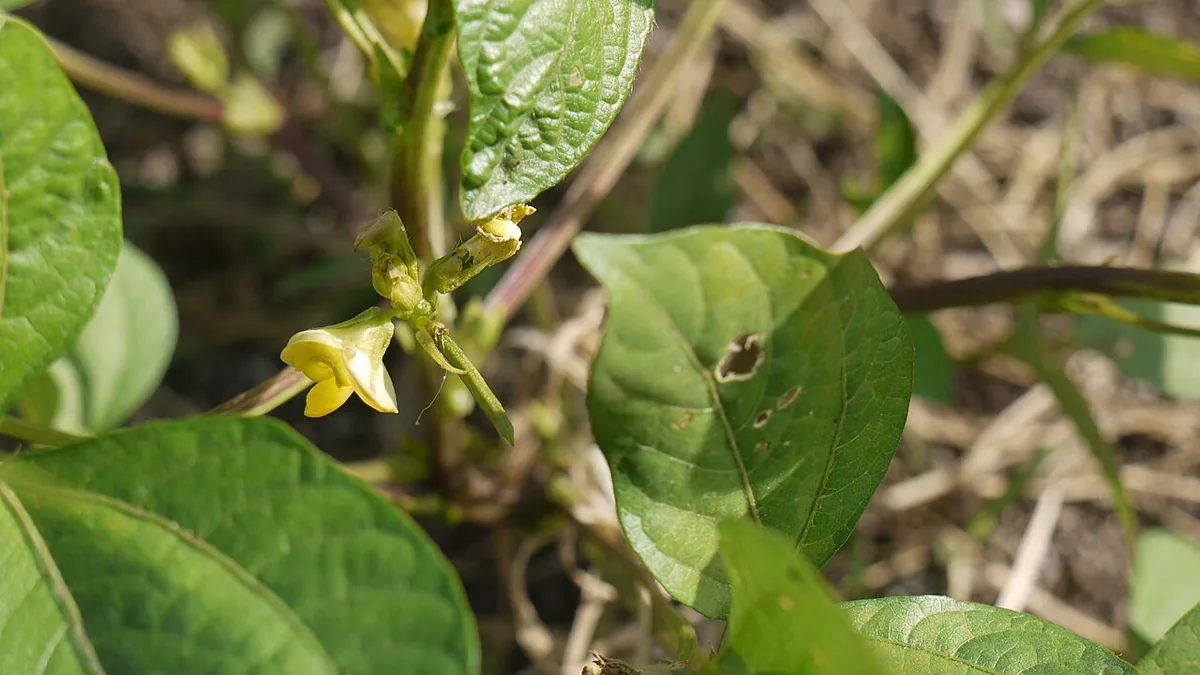
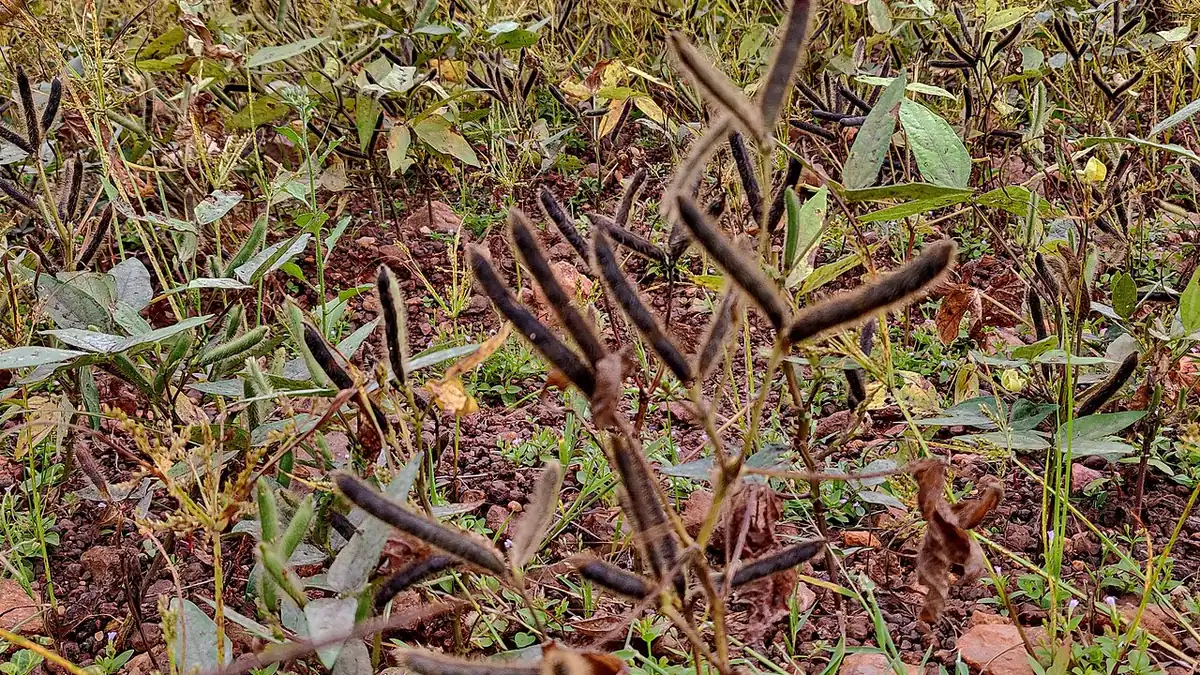
High rain during October harvest severely discolors black gram seeds with mold and weathering—the single biggest reason why MP and Bundelkhand kharif lots sometimes trade ₹500–₹800/qtl beneath clean summer harvests! Switching toward Yellow Mosaic Virus (YMV) resistant varieties detailed inside our urad cultivation guide and short-duration black gram manual lets growers harvest cleanly during sunny pre-monsoon Zaid windows or crisp rabi rice-fallows. Proper basal phosphorus plus rhizobium culture calculated via our fertilizer dosage calculator—paired with gentle multi-crop axial-flow threshing calibrated down to ~500 cylinder RPM so hard coats don't crack—maximizes intact Gota-grade realization and fetches top prices at auction.
5. Tracking Daily Agmarknet Arrivals & Holding Clean Stocks Safely
Because urad prices jump sharply during pre-monsoon months (May–August) whenever Burma container shipments stall or monsoon onset delays sowing, avoid selling well-cured <11% moisture harvests blindly at local village gates. Check previous-day APMC modal bids officially on Agmarknet using our mandi bhav guide, explore national buyer reach on e-NAM electronic yards, track weekly market spreads with our Mandi Intelligence engine and price watch dashboard, and utilize accredited warehouse receipts via rural godown schemes funded cheaply by a Kisan Credit Card.
Post-Harvest Storage: Guarding Against Pulse Beetles (Bruchids)
Holders storing clean raw black gram for 4 to 8 months to capture off-season May–August rallies must prioritize zero-insect storage, because even slight Callosobruchus bruchid boring slashes auction value below ₹7,000/qtl and triggers NAFED assay rejection. Dry threshed seed across clean tarpaulins until seed moisture drops under 10.5% to 11.0%, sieve out broken split hulls and plant debris completely, and store stock inside airtight hermetic triple-layer bags or fumigated central/state warehouse bays registered with the Warehousing Development and Regulatory Authority (WDRA). Issuing electronic negotiable warehouse receipts (e-NWRs) against WDRA-stored lots unlocks subsidized 7% crop pledge credit so farmers meet household and next-season Kharif crop cash needs immediately while waiting for stronger lean-month urad ka bhav.
6. Frequently Asked Questions About Urad Dal Prices & Quality
Explore direct answers below on current urad dal rates per kg, official ₹7,800–₹8,200/qtl MSP guarantees, black urad vs white dhuli price differences, Burmese imports, and safe storage practices.
Frequently asked questions
- What is the indicative urad dal price per kg in India as of November 2026?
- As of November 2026, raw black urad FAQ wholesales around ₹74–₹89/kg (₹7,400–₹8,900/quintal) across MP, Maharashtra, and southern mandis; milled Urad Chilka wholesales around ₹98–₹108/kg; and Urad Dhuli / White Gota wholesales at ₹115–₹132/kg (retailing ~₹135–₹165/kg). Check daily mandi auctions on Agmarknet and KisanPe mandi rates.
- What is the official Government MSP for Kharif Urad in 2025–26 and 2026–27?
- Per official PIB India and CACP price policy circulars, the Minimum Support Price for Kharif Black Gram (Urad) stands at ₹7,800 per quintal (KMS 2025–26) and climbs +₹400 to ₹8,200 per quintal for KMS 2026–27. Learn enrollment steps inside our PM-AASHA procurement guide.
- Why does South Indian Guntur/Madurai urad cost more than North Indian urad?
- Irrigated Krishna–Godavari and Tamil Nadu rice-fallow urad matures dry without late monsoon stains, yielding plump ivory cotyledons ideal for whole white Gota used by industrial idli-dosa batter and papad factories.
- What is the difference between Urad Chilka, Urad Dhuli, and Urad Gota?
- Urad Chilka is split black gram keeping its dark skin on (~₹100–₹106/kg wholesale), Urad Dhuli is skinless split white urad (~₹118–₹130/kg wholesale), and Urad Gota consists of whole intact round dehusked white kernels favored for South Indian fermentation batters.
- How many kg of washed white urad dal is recovered from 100 kg raw black gram?
- Commercial pulse mills recover roughly 68 to 73 kg of clean washed white dhuli/chilka dal alongside ~22 kg of nutritious cattle feed chuni and seed husk from 100 kg clean raw FAQ black urad—learn conversion budgets inside our dal mill setup guide.
- How do Myanmar FAQ imports affect black urad prices in India?
- Because India relies heavily on duty-free container imports from Myanmar to balance Kharif weather gaps, monthly Yangon/Chennai port container clearance volumes tracked under DoCA directly cap steep off-season domestic price rallies between April and September.
- What moisture level must farmers target before bringing urad to NAFED or mandis?
- Sun-dry threshed seed cleanly below 12.0% moisture (ideally 10.5%–11.5%) with minimal split coats and <2% bruchid damage so loads pass NAFED e-Samridhi FAQ assays without deduction.
- Which varieties protect farmers from Yellow Mosaic Virus (YMV) yield drops?
- Growing improved YMV-resistant varieties—highlighted in our urad cultivation manual and black gram best practices—prevents leaf chlorosis shrinkage and ensures heavier bold seed weights at threshing.
- How does urad dal price compare with toor dal and moong dal in 2026?
- Wholesale raw urad (~₹74–₹89/kg) typically runs marginally softer than milled toor dal (~₹126–₹142/kg Fatka wholesale) while moving broadly aligned with clean green moong dal prices depending on monsoon crop harvests.
- Can farmers avoid distress selling during October harvest surges?
- Yes—store clean sun-dried seed (<11% moisture) inside accredited facilities detailed in our rural godown scheme guide using electronic e-NWR warehouse financing or sell via electronic auctions at e-NAM mandis.
- Which thresher cylinder speed avoids cracking dry black urad seeds?
- Unlike wheat (which threshes at ~800+ RPM), black gram demands gentler ~450–550 cylinder RPM and wider sieves—check machine settings inside our multi-crop thresher guide to avoid split grain deductions.
- Where do farmers verify daily APMC modal prices across India?
- Confirm daily verified state and district auction arrivals at Agmarknet using our step-by-step mandi bhav guide.
This article is for general information only and is not financial advice. Loan and scheme eligibility depends on partner and government criteria.