Toor Dal Price Today: Arhar Mandi Rates, MSP & Wholesale
Key takeaways
- As of November 2026, indicative raw whole tur (pigeonpea) auctions span ₹8,200–₹9,550 per quintal across Latur, Akola, and Kalaburagi, while milled Fatka Toor Dal trades at ₹12,600–₹14,200 per quintal (₹126–₹142/kg) wholesale in Delhi and Kanpur.
- Under Government of India Kharif MSP announcements via PIB & CACP, the Minimum Support Price for Tur / Arhar stands at ₹8,000 per quintal (KMS 2025–26) and ₹8,450 per quintal (KMS 2026–27, up ₹450/quintal).
- Commercial dal mills recover roughly 68%–72% finished split arhar dal alongside 22%–26% high-value cattle feed chuni and husk—explaining the core spread between raw mandi tur and milled dal prices.
- Government-subsidized NAFED/NCCF Bharat Toor Dal stabilizes urban consumer prices via buffer sales and imported East African/Myanmar container supplies monitored by DoCA.
- Farmers verify real-time APMC mandi auctions via Agmarknet and access assured MSP procurement directly through e-Samridhi / NAFED registration.
Monitoring toor dal price (also widely searched across northern belts as arhar dal price today and across Maharashtra and Karnataka mandis as tur price today) tracks the economic pulse of India's most widely consumed everyday protein pulse. Cultivated as long-duration kharif pigeonpea (Cajanus cajan) across over 4.5 million hectares primarily in Maharashtra, Karnataka, Uttar Pradesh, Madhya Pradesh, Gujarat, and Telangana, raw whole tur funnels through giant APMC hubs in Latur, Akola, and Kalaburagi into automated dal mills that polish yellow split arhar dal for households from Chennai to Delhi. Governed by Minimum Support Price protection set via the Commission for Agricultural Costs and Prices (CACP) and Press Information Bureau (PIB India), consumer buffer monitoring under the Department of Consumer Affairs (DoCA), and daily auction filings on Agmarknet, wholesale prices react sharply to monsoon yield, imported cargo arrivals, and buffer releases. Traders and farmers tracking pulses can cross-check our detailed arhar dal buyer guide, compare urad dal wholesale benchmarks and chana dal rates, and monitor market moves on KisanPe mandi rates.
1. Indicative Toor & Arhar Dal Price in Delhi, Latur, Akola & Kalaburagi (Nov 2026)
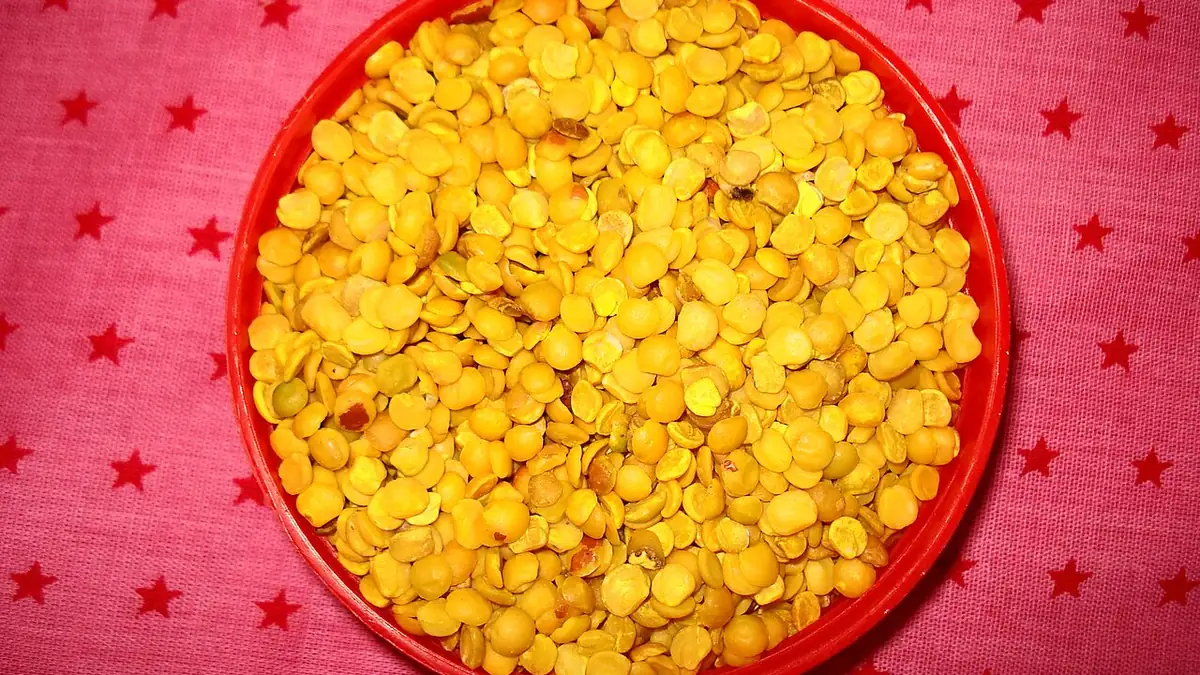
Across India's pulse supply chain, buyers track two distinct pricing levels simultaneously: Raw Whole Tur Seed (Red / White Maruti / Pink) traded in APMC auctions, and Finished Milled Fatka / Oily / Unpolished Toor Dal sold out of dal mills into urban grocery terminals such as Delhi's Naya Bazar and Kanpur's Dalganj. As of November 2026, clean whole tur trades across an indicative band of ₹8,200 to ₹9,550 per quintal depending on moisture and grain bold size, whereas milled Sortex-cleaned Fatka Toor Dal commands ₹12,600 to ₹14,200 per quintal wholesale (roughly ₹126–₹142/kg in 30–50 kg sacks) and ₹142–₹168 per kg in packaged 1 kg retail brands. Check live city movements on our mandi price trend charts, compare green and Bengal pulses via moong dal price benchmarks, and discover nearby yards using KisanPe nearby mandi search.
| Mandi Hub / Terminal | State | Dominant Grade Traded | Indicative Raw Whole Tur (₹/Qtl) | Indicative Milled Toor Dal Fatka (₹/Qtl) |
|---|---|---|---|---|
| Latur APMC (National Mill Benchmark) | Maharashtra | Red Tur / Bold Pink Milling | ₹8,400 - ₹9,350 | ₹12,700 - ₹13,600 |
| Kalaburagi (Gulbarga APMC) | Karnataka | GI Kalaburagi Red / Chapati White | ₹8,500 - ₹9,500 | ₹12,900 - ₹13,800 |
| Akola & Amravati Mandis | Maharashtra | Vidarbha Pink / Maruti Tur | ₹8,300 - ₹9,250 | ₹12,600 - ₹13,450 |
| Indore & Katni Mandis | Madhya Pradesh | Malwa / Mahakoshal Milled & Raw | ₹8,200 - ₹9,100 | ₹12,500 - ₹13,300 |
| Kanpur Dalganj Terminal | Uttar Pradesh | Bold Arhar Phool / Kanpur Spec | ₹8,450 - ₹9,300 | ₹12,800 - ₹13,700 |
| Naya Bazar Wholesale (Delhi) | Delhi NCR | Branded & Loose Fatka Arhar Dal | ₹8,700 - ₹9,550 | ₹13,100 - ₹14,200 (₹131–142/kg) |
2. Official CACP & PIB Kharif MSP for Tur (Arhar): ₹8,000 vs ₹8,450/Qtl
Under Government of India kharif procurement policy anchored by the Commission for Agricultural Costs and Prices (CACP) and officially released through the Press Information Bureau (PIB India), statutory Minimum Support Prices for raw Tur / Arhar were raised aggressively to drive pulse self-reliance—standing at ₹8,000 per quintal for Kharif Marketing Season (KMS) 2025–26 and increased by +₹450 per quintal to ₹8,450 per quintal for KMS 2026–27 (guaranteeing >=50% margin above all-India A2+FL cost). Whenever peak January–February arrival waves push rural mandis below MSP, the National Agricultural Cooperative Marketing Federation (NAFED) and NCCF purchase Fair Average Quality (≤12% moisture) whole tur directly from pre-registered growers through the e-Samridhi portal under our PM-AASHA Price Support Scheme guide and state DBT agricultural schemes.
3. Milling Recovery Math & Why Arhar Dal Trades 45% Above Raw Tur
Understanding why ₹90/kg raw mandi tur turns into ₹135–₹150/kg kitchen arhar dal clears up processor economics instantly. Raw pigeonpea seeds carry a tough seed-coat hull bonded tightly with mucilaginous gums, requiring multi-day oil/water conditioning, heated rollers, emery dehusking, and optical color-sorting inside automated mills (check plant setup economics in our commercial dal mill business guide). Out of 100 kg of clean raw tur, mills recover 68 to 72 kg of split finished Toor Dal (Grade-A Fatka + broken tiny Kani), 22 to 26 kg of nutritious pulse chuni & husk sold profitably to dairy cattle-feed plants, plus 3%–5% dust and moisture loss. Meanwhile, imports from Myanmar and East Africa (Mozambique, Tanzania, Malawi) tracked under DoCA duty-free pulse policies help bridge seasonal shortfalls alongside subsidised Bharat Dal retail interventions.
| Milling / Quality Metric | Benchmark Specification | Impact on Farmer Rate or Dal Price |
|---|---|---|
| Finished Toor Dal Recovery | 68% - 72% Split Golden Dal (Grade-A) | Primary determinant of processor conversion break-even |
| Chuni & Seed-Coat By-Product | 22% - 26% Cattle Feed Meal & Husk | Offsets ~₹8 - ₹11/kg of factory milling electricity & labor |
| NAFED FAQ Max Moisture Cap | <= 12.0% Clean Sun-Dried Seed | Lots above 12% attract automatic auction cuts or procurement rejection |
| Broken / Damaged Grain Limit | <= 2.0% Weevil / Pod-Borer Damage | Controlling pod borer early preserves premium Pink / Red auction parity |
| Oily vs Unpolished (Kora) Dal | Unpolished vs Slight Food-Grade Oil Coat | Oily shiny Fatka targets metro shelf appeal; dry Kora suits health buyers |
4. Agronomic Yield Boosters & NAFED e-Samridhi Procurement Strategy
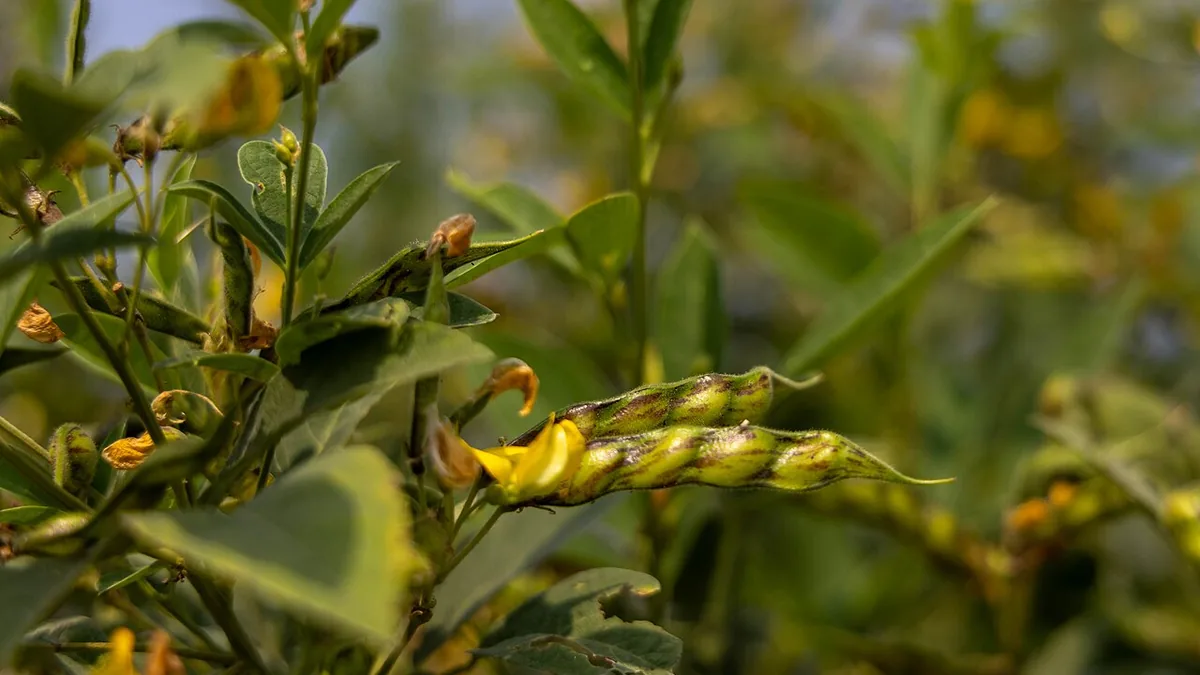
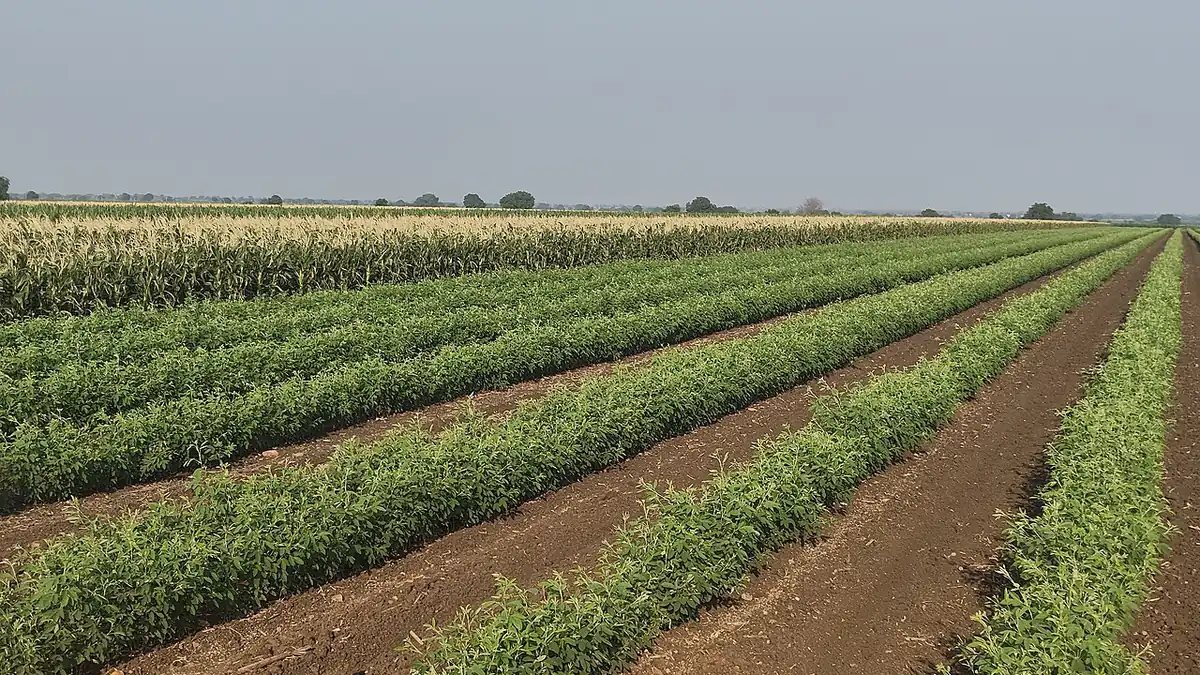
Pigeonpea yields suffer sharpest auction losses not from price swings, but from unchecked Helicoverpa pod borer and Maruca webber infestations turning crisp plump seeds into perforated lightweight chaff—cutting weight recovery from 72% down to <58%. Growers protecting pod fill by integrating resistant short/medium-duration cultivars from our best Indian tur varieties guide, full arhar agronomy schedules, timely tur pest manuals, and CIB&RC-calibrated Emamectin 5% SG sprays routinely earn ₹400–₹700/quintal better mandi bids. At harvest, sun-dry threshed lots cleanly to ≤11.5% moisture, register early on state/NAFED e-Samridhi procurement portals or store dry bags cleanly under e-NWR warehouse pledge loans detailed in our rural godown scheme guide and KCC short-term credit lines.
5. Checking Official Agmarknet Rates & Timing Your Seasonal Sales
Across typical harvest years, raw tur arrivals flood Latur, Akola, and Kalaburagi from late December through February—temporarily softening farmgate bids toward MSP floors—before mill demand and festive summer wedding buying push modal quotes noticeably firmer between May and October. Smart farmers avoid peak-week panic selling by checking verified previous-day closing modal prices on Agmarknet via our mandi bhav guide, comparing electronic buyer depth via our e-NAM vs local mandi analysis, monitoring live price gaps inside the KisanPe Mandi Intelligence hub and price watch portal, and keeping balanced sulphur-phosphorus soil fertility using the fertilizer dosage calculator.
6. Frequently Asked Questions About Toor & Arhar Dal Pricing
Find source-verified answers below covering indicative Delhi, Latur, and Kalaburagi toor dal rates, official Kharif MSP hikes (₹8,000 -> ₹8,450/qtl), dal mill conversion ratios, and NAFED procurement moisture limits.
Frequently asked questions
- What is the indicative arhar / toor dal price in Delhi and wholesale mandis in Nov 2026?
- As of November 2026, raw whole tur auctions at Latur, Akola, and Kalaburagi clear roughly ₹8,200–₹9,500 per quintal, while milled Grade-A Fatka Toor Dal wholesales around ₹13,100–₹14,200 per quintal (₹131–₹142/kg) at Delhi Naya Bazar and ₹142–₹168/kg in consumer retail packs. Verify daily updates on Agmarknet and our arhar dal tracker.
- What is the official Government MSP for Tur (Arhar) for 2025–26 and 2026–27?
- Per official PIB India and CACP MSP releases, the central Minimum Support Price for raw whole Tur / Arhar is ₹8,000 per quintal for Kharif 2025–26 and raised by ₹450 to ₹8,450 per quintal for Kharif 2026–27. Review procurement protocols inside our PM-AASHA guide.
- How does NAFED procure tur directly from farmers at 100% MSP?
- When market bids slip near or below MSP, NAFED and NCCF open pre-registered procurement on the e-Samridhi portal across Maharashtra, Karnataka, UP, and MP—weighing clean ≤12% moisture lots at APMC centers and transferring full MSP payouts directly into Aadhaar-linked bank accounts.
- Why is finished split toor dal priced ~45% higher per kg than raw mandi tur?
- Converting 100 kg of raw whole pigeonpea seed through conditioning, drying, roller dehusking, and Sortex polishing yields roughly 68–72 kg of clean split dal plus 22–26 kg of cattle feed chuni/husk and 3%–5% handling shrinkage—learn processing math inside our dal mill business guide.
- Which Indian mandi hubs set the benchmark for national tur prices?
- Latur and Akola (Maharashtra), Kalaburagi/Gulbarga (Karnataka), and Indore/Katni (Madhya Pradesh) set daily raw grain milling parity, while Kanpur (Dalganj) and Delhi (Naya Bazar) dictate northern milled Fatka arhar dal wholesale prices—track live arrivals via KisanPe mandi rates.
- How does Bharat Toor Dal affect commercial arhar prices?
- Subsidized Bharat Dal distributed through NAFED, NCCF, and Kendriya Bhandar outlets alongside open-market buffer sales monitored by DoCA caps extreme urban retail spikes and gives consumers affordable standardized split pulses during tight pre-harvest quarters.
- What is the difference between Oily Fatka Toor Dal and Unpolished Kora Dal?
- Oily Fatka receives a trace food-grade edible oil sheen after emery polishing to resist humidity storage weevils and enhance shelf gloss, whereas Unpolished (Kora) dal skips oil/water polishing to preserve natural rustic color and crisp skin texture preferred by health buyers.
- How do imports from Mozambique and Myanmar influence India's tur price?
- Because India consumes more pigeonpea annually than domestic monsoon rainfed farms sometimes produce, duty-free pulse import windows cleared via DoCA from East Africa and Myanmar add seasonal container supply between June and November, moderating steep price rallies.
- What moisture level must farmer tur seed meet to avoid mandi price deductions?
- Deliver clean sun-dried whole tur at or below 12.0% grain moisture and ≤2% weevil/pod-borer damaged grains; damp freshly threshed seeds above 14% moisture suffer steep auction cuts and fail e-Samridhi MSP procurement checks.
- Which months typically see lowest and highest mandi tur prices?
- Mandi spot rates soften between January and March during peak kharif harvesting arrivals in Maharashtra and Karnataka, then strengthen steadily from June through October ahead of monsoon sowing uncertainty and festival demand—store safely via accredited godowns.
- Which insects damage raw tur yield and auction grading worst before harvest?
- Pod borers (Helicoverpa armigera) and blister beetles chew directly through ripening pods, causing hollow grains and black splits; manage early hatchlings safely using thresholds in our tur pest control guide and Emamectin 5% SG guide.
- How can traders and farmers compare daily tur, urad, and chana dal price trends?
- Cross-check daily APMC modal curves on KisanPe mandi trends alongside our companion reports on urad dal wholesale prices and chana dal mandi benchmarks.
This article is for general information only and is not financial advice. Loan and scheme eligibility depends on partner and government criteria.