Arhar Dal Price Today: Tur Dal Wholesale & MSP Rates
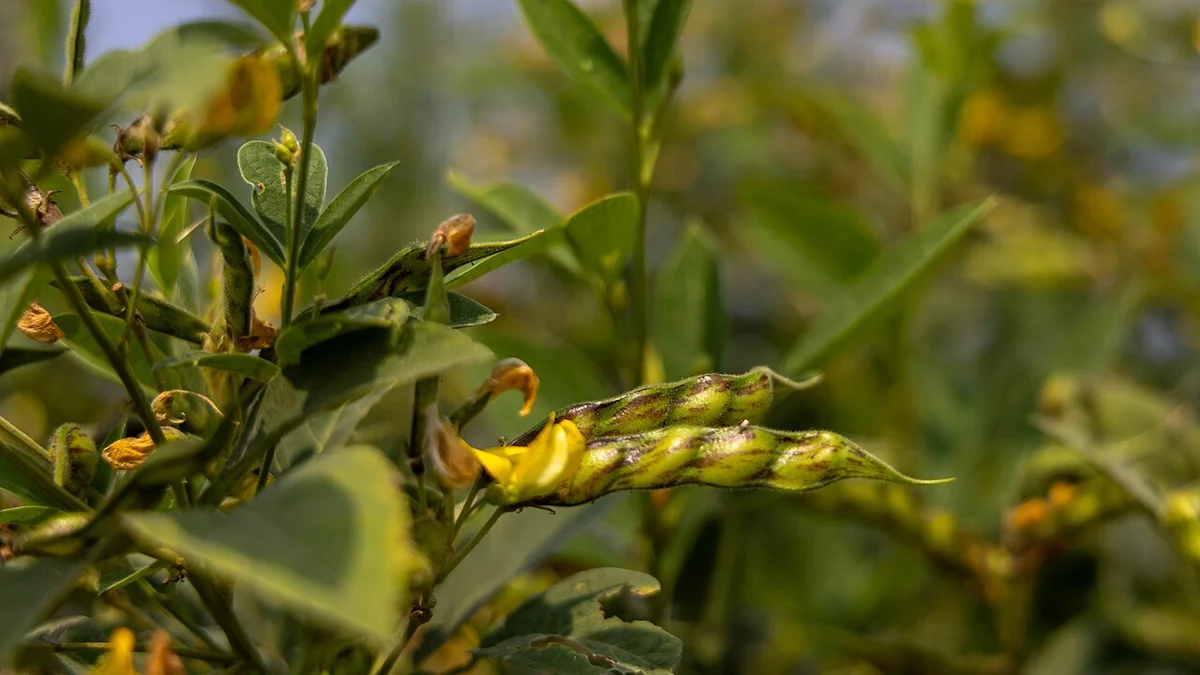
Arhar dal (tur dal or split pigeon pea, Cajanus cajan) serves as the primary protein cornerstone of the Indian diet, consumed daily across hundreds of millions of households in the form of traditional sambar, dal tadka, and regional lentil preparations. Wholesale auction prices for raw un-milled tur across benchmark agricultural produce market committee (APMC) yards—including Latur and Akola in Maharashtra alongside Kalaburagi (Gulbarga) in Karnataka—are monitored continuously by the Department of Consumer Affairs Price Monitoring Division (Consumer Affairs Portal), supported by dynamic buffer stock procurement conducted by the National Agricultural Cooperative Marketing Federation of India (NAFED Portal), agronomic breeding research led by the Indian Institute of Pulses Research (ICAR-IIPR Kanpur), and market arrivals tracked on Agmarknet (Agmarknet Agricultural Network). Price trends reflect domestic Kharif harvest volumes, monsoon distribution in the Deccan plateau, and bilateral import quotas from East Africa and Myanmar.
1. Indicative Arhar Dal & Raw Tur Price Benchmarks in India
Wholesale arhar dal prices in India reflect a multi-tiered value chain, spanning raw farm-gate pods at APMC auction yards, mill-gate ex-factory quotations for processed split dal, and terminal retail supermarket rates. Rates vary substantially between traditional unpolished Desi Fatka dal and modern water-polished varieties. The following table summarizes indicative modal wholesale benchmarks recorded during recent trading cycles:
| Market Center / Variety Grade | Physical Form & Packaging | Min Rate (Rs/Qtl) | Modal Rate (Rs/Qtl) | Max Rate (Rs/Qtl) | Consumer Price (Rs/Kg) |
|---|---|---|---|---|---|
| Latur APMC (Raw Desi Tur) | FAQ Whole Grain / Loose Auction | Rs 9,200 | Rs 9,850 | Rs 10,400 | N/A (Raw Whole Pulse) |
| Kalaburagi (Gulbarga Red Tur) | GI Tagged Bold Whole Pods | Rs 9,400 | Rs 10,100 | Rs 10,800 | N/A (Raw Whole Pulse) |
| Desi Fatka Tur Dal (Unpolished) | 50 Kg Jute Gunny Bags | Rs 14,500 | Rs 15,400 | Rs 16,500 | Rs 165 - Rs 190 / Kg |
| Water Polished Cleaned Dal | 25 Kg HDPE Lined Bags | Rs 13,800 | Rs 14,600 | Rs 15,500 | Rs 150 - Rs 175 / Kg |
| Imported Lemon Tur (Myanmar) | Machine Cleaned Split Dal | Rs 12,800 | Rs 13,500 | Rs 14,200 | Rs 140 - Rs 160 / Kg |
| Organic Certified Unpolished Dal | 1 Kg Retail Vacuum Pouch | Rs 17,200 | Rs 18,500 | Rs 20,200 | Rs 195 - Rs 230 / Kg |
2. Milling Technology: Desi Fatka vs Water Polished Processing
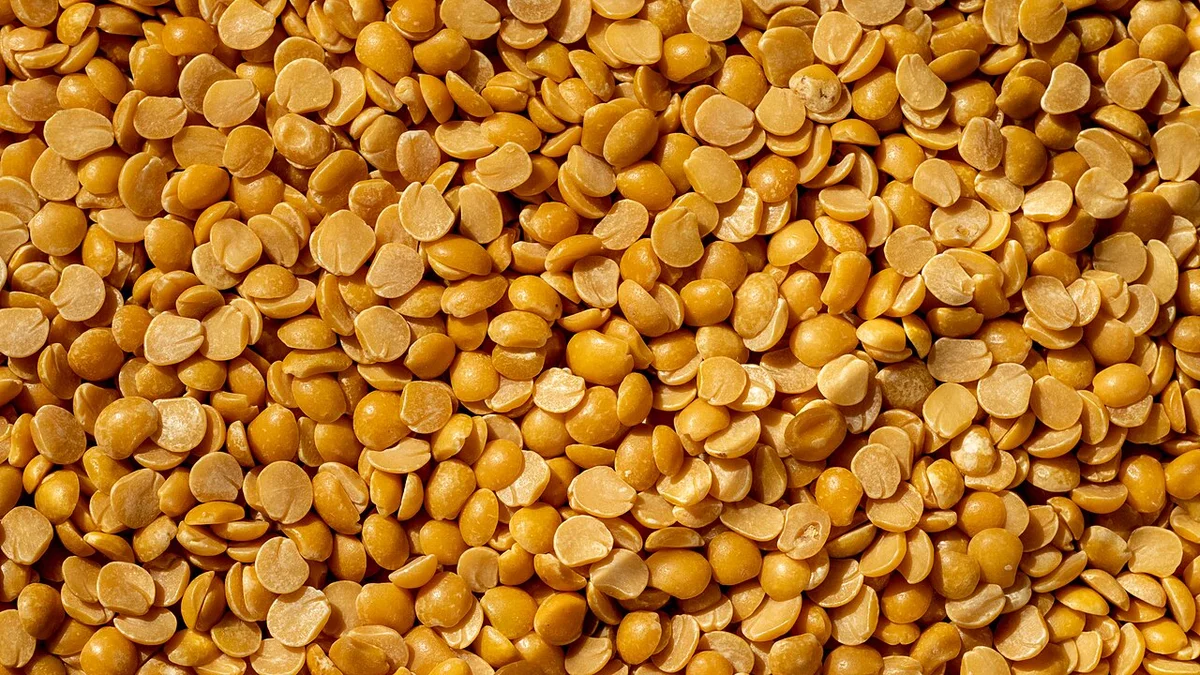
The conversion of raw whole pigeon pea into finished split dal involves sophisticated mechanical milling processes. In commercial pulse mills (dal mills), the outer fibrous seed coat (husk) is tightly bound to the cotyledons by a natural layer of gum. In traditional Desi Fatka milling—prized across Maharashtra, Madhya Pradesh, and Gujarat—the grains undergo repeated sun-drying followed by controlled edible oil conditioning (using mustard or sesame oil at 1.5 to 2.0 kg per ton of grain). This natural treatment softens the gum layer, allowing emery roller machines to de-husk and split the grain cleanly without water soaking, perfectly preserving natural dietary fibers, vitamins, and authentic nutty aroma.
Conversely, large-scale commercial roller mills frequently utilize water-polishing and leather finishing drums to produce shiny, uniformly round split dal. While water polishing improves visual aesthetic appeal on modern supermarket shelves, excessive friction can strip away the nutrient-rich outer cotyledon layer, reducing dietary protein concentration from the natural 22.3% down to 19.5%. Milling recovery yields typically range from 68% to 74% finished split dal, with the remaining 26% to 32% collected as protein-rich chuni (husk and germ powder) and broken dal bits (khanda), which are sold to commercial dairy and cattle feed compounders.
| Processing Attribute | Desi Fatka Dal (Oil Conditioned) | Water Polished Dal (Commercial) | Commercial By-Product (Chuni/Khanda) |
|---|---|---|---|
| De-husking Conditioning | Sun-Drying + 1.5% Edible Oil | Water Soaking + Mechanical Steam | Separated during abrasive hulling |
| Milling Recovery Percentage | 68% - 71% Clean Split | 72% - 75% Polished Split | 25% - 28% Husk & Broken Powder |
| Nutritional Protein Retention | 22.3% Natural Whole Protein | 19.5% - 20.5% (Abrasive Loss) | 16.0% Crude Cattle Protein Feed |
| Cooking Time & Texture | 20 - 25 Mins (Soft, Creamy Mash) | 15 - 18 Mins (Separate Grains) | Rapidly digested by livestock |
| Wholesale Market Preference | Premium Domestic Household Trade | Institutional Caterers & Hostels | Commercial Feed Compounders (Rs 28/Kg) |
3. Government MSP, Dynamic NAFED Procurement & Buffer Stocks
To safeguard domestic pulse cultivators from post-harvest price crashes while maintaining affordable retail rates for urban consumers, the Government of India implements a comprehensive price stabilization policy. The Commission for Agricultural Costs and Prices (CACP) establishes a national Minimum Support Price (MSP) for raw tur—currently pegged at ₹7,550 per quintal. When market prices threaten to slide below remunerative thresholds during peak harvest arrivals between December and February, NAFED and the National Cooperative Consumers’ Federation of India (NCCF) initiate direct procurement at farm gates.
Furthermore, to prevent speculative hoarding by large private pulse processors and import cartels, the Ministry of Consumer Affairs invokes statutory stock limits under the Essential Commodities Act. Wholesalers, millers, and big-chain retailers are legally mandated to declare their weekly pulse holdings on the central online portal. Concurrently, the central government maintains duty-free import corridors with major pulse-exporting nations including Myanmar, Mozambique, and Tanzania, ensuring that domestic supply deficits during drought years are balanced seamlessly without triggering runaway retail inflation.
4. Pigeon Pea Agronomy, Intercropping & Soil Fertility Benefits
From an agronomic perspective, arhar is an indispensable restorative legume in Indian rainfed agriculture. Equipped with a deep, vigorous taproot system extending up to two meters into the soil profile, pigeon pea plants extract subsoil moisture and nutrients from deep horizons, displaying exceptional tolerance to intermittent mid-season dry spells. Through symbiotic association with native Rhizobium bacteria, arhar nodules fix between 40 and 50 kilograms of atmospheric nitrogen per hectare, significantly enriching the soil and reducing synthetic urea fertilizer requirements for succeeding wheat or mustard crops.
Intercropping pigeon pea with cotton, soybean, or pearl millet (bajra) represents a time-tested risk-mitigation strategy across the semi-arid tropics. A standard 1:2 or 1:4 intercropping ratio enables farmers to harvest rapid cash flows from short-duration Kharif crops while the long-duration arhar continues vegetative growth, yielding high-value pulse grain in late winter when overall market commodity prices are buoyant.
5. Quality Assaying, Storage Guidelines & Consumer Purchase Advice
Ensuring post-harvest longevity and preserving arhar dal quality requires strict adherence to moisture and storage guidelines. Split dal must be thoroughly dried to a moisture content below 10.5% to 11.5% before bagging. In warehouses, produce is stacked on elevated wooden pallets inside multi-wall food-grade HDPE-lined jute bags. Regular fumigation with aluminum phosphide tablets under gas-tight tarpaulins eliminates pulse beetle (Callosobruchus chinensis) infestations, which can otherwise destroy grain viability within weeks.
For domestic consumers and retail buyers, verifying quality begins with checking for uniform golden-yellow cotyledons without greenish immature margins, insect boreholes, or synthetic chemical color coatings. Certified Agmark Grade I dal guarantees complete freedom from banned coloring agents (such as Metanil yellow) and ensures that consumers receive pure, wholesome plant-based protein with authentic culinary flavor.
Comprehensive Directory & Government Resource Links
6. Agricultural Inputs, Mechanization & Allied Farm Operations
Maximizing farm gate returns in arhar dal price begins with strong agronomic management, calibrated soil nutrition, clean irrigation, and efficient harvesting machinery. Growers systematically coordinate crop care through NPK fertilizer grade selection and NBS pricing, DAP 50 kg bag subsidy and application rates, Saaf systemic and contact fungicide dosage, Roko (Thiophanate Methyl) disease control schedule, Coragen stem borer and caterpillar control, selective and pre-emergent herbicide management, commercial flower seed varieties, certified seeds policy and germination standards, rajgira amaranth seed farming, sesame seed (ellu) agronomy and market rates. Modern field execution and transport rely heavily on comparing specs and subsidies across field tractor power testing and safety buying checks, Solis 4515 E Yanmar-tech tractor specifications, Swaraj 744 FE and XT torque and fuel economy, Swaraj 735 FE 39 HP utility tractor review, full Swaraj tractor HP lineup and pricing, Mahindra 575 DI 45 HP workhorse mileage guide, Mahindra 575 DI XP Plus 47 HP torque and review, New Holland 3630 TX Plus 4x4 55 HP tractor specs, Powertrac Euro diesel-saver tractor models and prices. For specialized tillage, haulage, and water distribution, cultivators also evaluate VST Shakti and Kubota 12-15 HP power tiller prices, Farmtrac heavy tractor series and diesel saver specs, sprinkler irrigation layout and PMKSY subsidy.
7. Regional Mandi Networks, Credit Schemes & Official Data Sources
Across India's regulated market ecosystem, farmers compare live realizations across state trading yards and tap formal welfare and institutional financing. Growers benchmark regional supply arrivals and MSP procurement across Narela Anaj Mandi paddy and wheat arrivals, Neemuch Mandi medicinal spice and grain rates, Piplia Mandi wholesale garlic auctions, Mandsaur APMC lahsun and soybean market rates, all-India APMC mandi bhav directory, Maharashtra sugar mill ex-factory and APMC rates, domestic S-30 and M-30 sugar mill pricing, sugar release quota and FRP economics, ethanol blending and sugar wholesale trends, retail and wholesale chini rate benchmarks, daily UP and Maharashtra sugar mill chini bhav, guar seed APMC & NCDEX prices. Key grain, oilseed, and pulse realization corridors additionally track castor seed GCH hybrid prices, cotton market CCI MSP rates, cold-pressed mustard oil economics, onion storage life and wholesale arrivals, Lasalgaon and metro onion mandi quotations, water-soluble NPK 19-19-19 foliar spray dosage. Agricultural diversification and specialty value chains spanning spices, plantation crops, dairy, and poultry offer steady cash flow—tracked via Shivalik mentha oil MCX and distillation yields, daily crude mentha oil spot rates, mentha herb agronomic cultivation and boiler distillation, Barabanki mint wholesale mandi and MCX benchmarks, Spices Board cardamom auction prices, small green cardamom e-auction grades, Kashmiri Mongra saffron prices and GI purity, raw cashew nut (RCN) processing realizations, processed cashew kernel export grades, W180 and W240 cashew wholesale pricing, California and Mamra almond wholesale rates, Kashmiri walnut giri and shell-out grades.
Other specialized horticulture and livestock enterprises include dried fig (anjeer) cultivation and mandi prices, Hass avocado commercial orchard economics, red and white dragon fruit per-kg realizations, Karnataka supari and arecanut auction prices, Rashi, Bette, and Chali arecanut grade pricing, Shivamogga and TUMCOS adike mandi rates, NCDEX Turmeric Price Today, daily NECC wholesale egg price movements, all-India NECC egg rate directory, Namakkal poultry belt NECC dispatch rates, Barwala layer farm paper rates and margins, Bangalore wholesale egg tray prices and retail spreads, commercial button and oyster mushroom cultivation, wholesale mushroom prices across urban mandis. Operational working capital, DBT cash transfers, and subsidized farm solar or e-KYC infrastructure can be accessed via CSC Aadhaar biometric e-KYC verification workflow, Kisan Credit Card 4% subvention loan and KRP application, PM-KISAN installment status and PFMS verification, PM-KUSUM solar irrigation pump capital subsidy. Primary regulatory notifications, technical bulletins, and statutory benchmark portals are published by National Agricultural Cooperative Marketing Federation of India (NAFED), Department of Consumer Affairs (Price Monitoring Cell), Indian Institute of Pulses Research (ICAR-IIPR Kanpur), and Agmarknet Agricultural Marketing Information Network.
Frequently asked questions
- What is the current indicative price of arhar dal in India?
- Wholesale processed arhar dal ranges between ₹140 and ₹165 per kilogram (₹14,000 to ₹16,500 per quintal), while packaged retail prices in grocery stores range from ₹150 to ₹195 per kilogram. Official regulatory guidelines can also be verified on the National Agricultural Cooperative Marketing Federation of India (NAFED).
- What is the difference between tur dal and arhar dal?
- Tur dal and arhar dal are identical; ‘Arhar’ is the common Hindi and northern Indian terminology, while ‘Tur’ or ‘Toor’ is widely used in Maharashtra, Gujarat, and southern India for split pigeon pea. Official regulatory guidelines can also be verified on the Department of Consumer Affairs (Price Monitoring Cell).
- What is Desi Fatka arhar dal?
- Desi Fatka dal is traditionally processed using sun-drying and light edible oil conditioning without water soaking or chemical polishing, preserving 100% of its natural nutrients, fibers, and rich taste. Explore related mandi benchmarks and farmer support guides in our Narela Anaj Mandi paddy and wheat arrivals.
- What is the government Minimum Support Price (MSP) for raw tur?
- The Central Government has established the MSP for raw tur (pigeon pea) at ₹7,550 per quintal for the Kharif marketing season to protect farmer incomes. Explore related mandi benchmarks and farmer support guides in our Neemuch Mandi medicinal spice and grain rates.
- Where are the biggest wholesale tur dal trading markets in India?
- The largest wholesale trading hubs for raw tur and processed dal are Latur, Akola, and Jalna in Maharashtra, alongside Kalaburagi (Gulbarga) in Karnataka and Indore in Madhya Pradesh. Explore related mandi benchmarks and farmer support guides in our Piplia Mandi wholesale garlic auctions.
- Why does arhar dal price fluctuate during the year?
- Prices typically bottom out during peak domestic harvest arrivals between December and February, and rise gradually during the monsoon season when pipeline stocks deplete. Explore related mandi benchmarks and farmer support guides in our Mandsaur APMC lahsun and soybean market rates.
- How much protein is present in 100 grams of arhar dal?
- Clean split arhar dal contains approximately 22.3 grams of plant-based dietary protein per 100 grams, along with rich concentrations of dietary fiber, folic acid, iron, and potassium.
- From which countries does India import tur dal?
- India primarily imports pigeon peas from Myanmar (Burma Lemon tur), Mozambique, Tanzania, Malawi, and Sudan to supplement domestic production and stabilize consumer prices.
- How should arhar dal be stored at home to avoid insect pests?
- Store dal in airtight food-grade steel or glass containers in a dry, dark pantry. Adding a few dried neem leaves or cloves provides safe, natural insect deterrence without chemical sprays.
- What is the milling recovery rate of raw pigeon pea into split dal?
- Modern dal mills achieve an average milling recovery of 68% to 74% finished split dal, with the remaining 26% to 32% recovered as cattle feed chuni and broken bits.
- What is Kalaburagi Red Gram and why does it have a GI tag?
- Kalaburagi Red Gram from Karnataka holds a prestigious Geographical Indication (GI) tag due to its unique high-calcium black soil origin, delivering superior protein and distinct cooking aroma.
- How can consumers detect adulteration in polished arhar dal?
- Metanil yellow dye adulteration can be detected by adding a few drops of concentrated hydrochloric acid to a water sample of dal; an intense pink or magenta color confirms artificial dye.
This article is for general information only and is not financial advice. Loan and scheme eligibility depends on partner and government criteria.