Anjeer Price: Fresh & Dry Fig Rates per Kg, Mandi Bhav
Key takeaways
- Anjeer (fig) prices in India operate in two distinct commercial channels: fresh table figs (commanding ₹60 to ₹160 per kg wholesale) and processed dried anjeer (trading between ₹650 and ₹1,800 per kg wholesale based on origin and size grade).
- Maharashtra is the epicenter of Indian commercial fresh fig cultivation, centered in Purandar taluka (Pune district), where the GI-tagged "Purandar Fig" is celebrated for its distinctive bell shape, deep purple-red blush, and high sweetness (18° to 20° Brix).
- Drying fresh figs requires a conversion ratio of 4.5 to 5.0 kg of fresh fruit to produce 1.0 kg of dried anjeer; modern solar tunnel drying combined with Potassium Metabisulphite (KMS) pre-treatment allows Indian growers to produce golden-amber dry figs competing with Afghan imports.
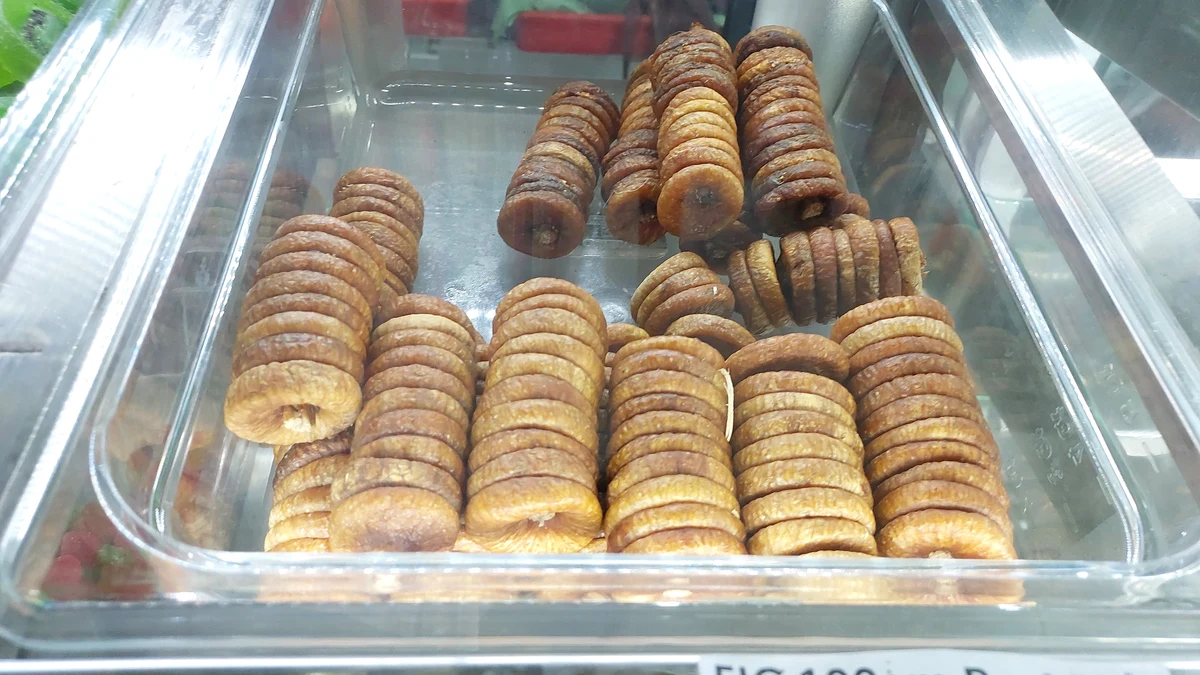
- Imported dry figs from Afghanistan (Kandahar) and Turkey dominate the premium dry fruit wholesale trade in Khari Baoli (Delhi) and APMC Vashi (Navi Mumbai), commanding ₹1,200 to ₹1,800 per kg for jumbo stringed discs (inchar).
- Commercial cultivation of Poona Fig on 1 acre of well-drained semi-arid soil generates 10 to 14 tonnes of fresh fruit from Year 4 onwards, delivering net annual profits of ₹4.5 to ₹8.0 lakh with National Horticulture Board (NHB) capital subsidies of up to 40% to 50%.
The commercial fig economy in India—known widely across agricultural mandis as anjeer (Ficus carica)—is experiencing unprecedented growth fueled by booming consumer demand for functional superfoods, dry fruits, and gourmet culinary products. Revered since antiquity for its dense concentration of dietary fiber, potassium, calcium, iron, and antioxidant polyphenols, anjeer is unique among commercial fruit crops because it serves two distinct, highly lucrative commercial sectors: the fresh table fruit market and the dried fruit processing sector.
At the heart of India’s domestic fig revolution lies Maharashtra, and specifically the rain-shadow valleys of Purandar taluka in Pune district. Cultivated across ancient volcanic soils under warm days and cool, dry nights, the famous "Purandar Fig" earned prestigious Geographical Indication (GI) status in 2016. Purandar alone accounts for over 75% of India’s fresh commercial fig output, supplying primary wholesale auctions across Pune (Gultekdi APMC), Navi Mumbai (Vashi APMC), and northern metropolitan terminals such as Delhi (Azadpur Mandi).
However, commodity pricing for anjeer is multifaceted. While fresh figs must be sold rapidly due to their extreme perishability, commanding between ₹60 and ₹140 per kg at farmgate assembly points, processed dry anjeer commands between ₹650 and ₹1,800 per kg depending on size grading, moisture content, and geographic origin. Furthermore, domestic dried fig processors compete directly with massive historical import flows from Afghanistan, Turkey, and Iran. This comprehensive market guide details wholesale mandi price benchmarks, analyzes fresh vs dry fig economics, explains scientific post-harvest solar drying protocols, and provides a complete one-acre orchard profitability blueprint.
Indicative Wholesale Anjeer Mandi Rates Across India
Wholesale prices for fresh figs and dried anjeer vary widely depending on grade, fruit firmness, sweetness (measured in degrees Brix), cosmetic blemish score, and transportation distance. The table below outlines prevailing indicative wholesale benchmark price ranges across major production hubs, assembly points, and terminal dry fruit mandis:
| Mandi / Assembly Hub | State / Geography | Product Category & Variety | Wholesale Indicative Range (₹/kg) | Primary Sourcing Origin |
|---|---|---|---|---|
| Saswad / Belsar Assembly Mandi | Purandar (Pune), Maharashtra | Fresh GI Purandar Fig (Grade A) | ₹65 – ₹130 | Direct Purandar Orchard Pickings |
| Gultekdi Market Yard (APMC) | Pune, Maharashtra | Fresh Table Figs (Jumbo & King) | ₹75 – ₹145 | Purandar, Shirur, Baramati |
| Vashi APMC (Turbhe Fruit Wing) | Navi Mumbai, Maharashtra | Fresh Crates & Corrugated Trays | ₹85 – ₹160 | Western Maharashtra Overnight Trucks |
| Azadpur Mandi (Fruit Wing) | New Delhi, NCT | Fresh Table Figs (Reefer Cargo) | ₹110 – ₹190 | Pune Air / Cold Chain Logistics |
| Binny Mill / Kalasipalyam APMC | Bengaluru, Karnataka | Fresh Bellary / Local Fig | ₹70 – ₹140 | Bellary, Kolar, Anantapur Belts |
| Khari Baoli Wholesale Market | Old Delhi, NCT | Dry Anjeer (Indian Solar Dried) | ₹650 – ₹1,050 | Maharashtra & Gujarat Processing Units |
| Khari Baoli Wholesale Market | Old Delhi, NCT | Dry Anjeer (Afghan Inchar / Jumbo) | ₹1,250 – ₹1,850 | Afghanistan (Kandahar / Herat Import) |
| Masjid Bunder Dry Fruit Market | Mumbai, Maharashtra | Dry Anjeer (Turkish Dried Strings) | ₹1,150 – ₹1,750 | Turkey (Izmir Calimyrna Import) |
| Ahmedabad Kalupur APMC | Gujarat | Fresh & Local Dry Fig Mixed | ₹80 – ₹150 (Fresh) / ₹700 (Dry) | Saurashtra & Maharashtra Orchards |
In metro supermarkets and quick-commerce retail apps, fresh GI-tagged Purandar figs retail in 250-gram punnets at ₹60 to ₹90 per pack (equivalent to ₹240 to ₹360 per kg). Meanwhile, packaged, stringed Afghan or Turkish dry anjeer retails between ₹1,600 and ₹2,400 per kg depending on disc diameter and moisture softness.
The Purandar Fig: Geographical Indication (GI) & Varietal Superiority
What champagne is to sparkling wine, the Purandar Fig is to Indian horticulture. Cultivated across the villages of Saswad, Rajewadi, Belsar, Gurroli, and Dive in the Sahyadri foothills, the Purandar fig possesses distinct physical and organoleptic characteristics protected under India’s GI registry (GI Certificate No. 248):
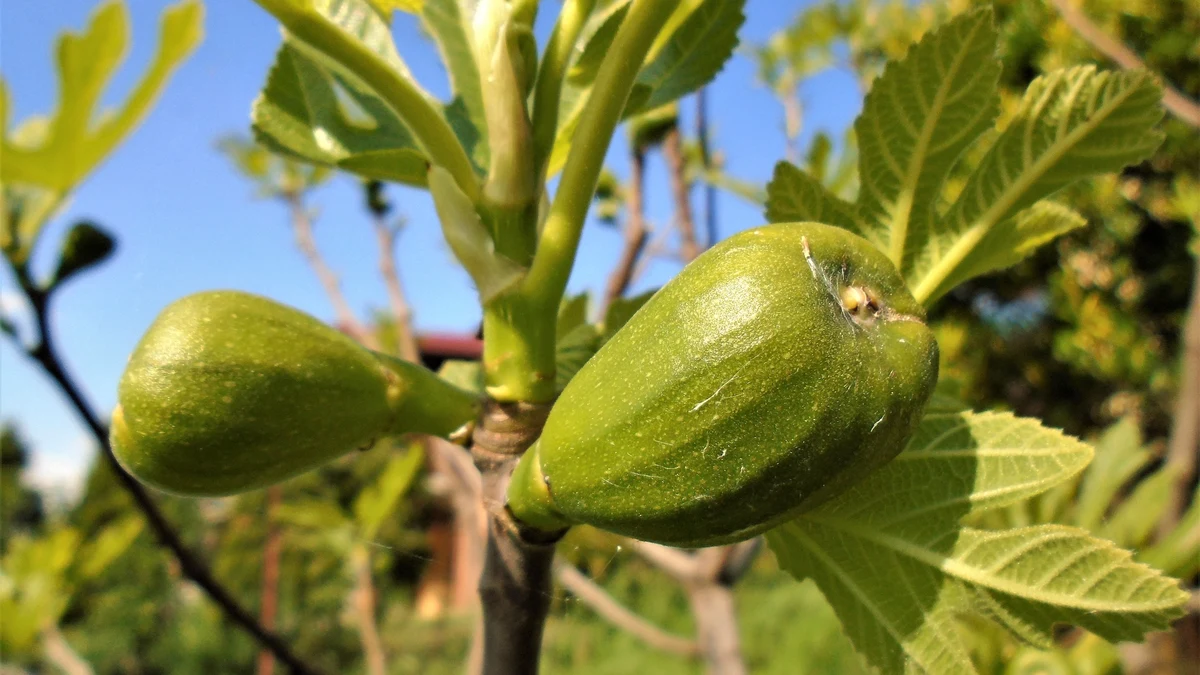
- Physical Morphology: Distinctive bell-shaped or pyriform fruit with an attractive violet-purple to reddish-bronze skin when fully ripe. Unlike pale green Mediterranean varieties, Purandar figs develop vibrant anthocyanin pigmentation.
- High Natural Sugar Profile: Reaches 18° to 22° Brix total soluble solids (TSS) at tree ripeness, delivering an intensely sweet, honey-like flavor with a pleasant aromatic pulp texture.
- Unique Edaphic & Climatic Terroir: Purandar lies in the rain-shadow belt receiving only 500 to 600 mm of annual rainfall, coupled with well-drained shallow medium-black volcanic soils rich in calcium carbonate nodules. This dry subtropical microclimate prevents fruit cracking and fungal souring during fruit maturation.
- Dominant Commercial Cultivar: The primary commercial variety grown is the "Poona Fig" (also known locally as Daulatabad or Rajewadi), selected for high fruit set, heavy bearing, and moderate transit firmness.
Commercial Fresh Fig Grading Standards and Market Pricing
Grading fresh figs immediately after harvest is essential to capture premium wholesale prices. In major APMC auctions, fresh figs are manually sorted by trained sorters into four primary commercial tiers based on fruit weight, diameter, and skin integrity:
| Commercial Grade | Individual Fruit Weight (g) | Fruit Diameter (mm) | Cosmetic Characteristics | Wholesale Price Range (₹/kg) |
|---|---|---|---|---|
| Jumbo / Grade 1 | 60g and above | 50 mm and above | Deep violet blush, perfectly intact skin, uniform bell shape, zero blemishes | ₹120 – ₹160 |
| King / Grade 2 | 45g to 59g | 42 mm to 49 mm | Medium-large fruit, slight green shoulder permitted, firm sweet pulp | ₹90 – ₹120 |
| Medium / Grade 3 | 35g to 44g | 35 mm to 41 mm | Standard commercial size, minor surface rubbing or netting marks | ₹65 – ₹90 |
| Small / Processing Grade | Under 35g | Under 35 mm | Overripe, undersized, or skin split; channeled directly to drying or jam units | ₹40 – ₹60 |
Fresh vs Dry Anjeer: Processing Economics & Conversion Ratios
A critical dilemma faced by fig farmers during peak harvest (March to May) is whether to sell fresh fruit at volatile mandi prices or convert their harvest into shelf-stable dried anjeer. Understanding the underlying processing physics and conversion economics reveals why value-added drying can double farm profitability:
- The 4.5:1 to 5:1 Conversion Ratio: Fresh ripe figs contain 80% to 82% water. Producing 1.0 kg of commercial dried anjeer requires approximately 4.5 to 5.0 kg of fresh Grade 2 or Grade 3 fruit, reducing final moisture content down to 18% to 20%.
- Cost of Production for 1 kg Dry Anjeer: At a fresh fruit opportunity cost of ₹60/kg, 4.5 kg of fresh figs equals ₹270. Adding labor for washing, blunting, chemical dipping, solar drying, flattening into discs, and vacuum packaging adds approximately ₹80 to ₹100 per kg. Total production cost benchmarks at ₹350 to ₹380 per kg.
- Market Realization & Margin: Wholesale Indian dry anjeer sells between ₹650 and ₹950 per kg, leaving a gross processing profit of ₹300 to ₹550 per kg—effectively providing insurance against fresh market price crashes when arrivals surge.
Scientific Solar Drying Protocol: Producing Golden Amber Dry Anjeer
Traditional open sun drying on bare ground results in dark, dust-contaminated, insect-infested figs that fetch dismal prices in wholesale dry fruit markets. To produce export-grade, golden-yellow dried anjeer that rivals Afghan imports, the National Research Centre on Pomegranate and ICAR recommend the following scientific protocol:
- Harvesting at Firm-Ripe Stage: Harvest figs early in the morning when fruits are fully mature (yellowish-purple) but still firm. Avoid soft, leaking, or overripe fruit, which darken and ferment during drying.
- Pre-Treatment Blanching & KMS Dipping: Wash fruit in clean water. Dip the whole fresh figs for 2 minutes in a boiling solution containing 0.2% Potassium Metabisulphite (KMS) and 0.1% Citric Acid. This treatment deactivates polyphenol oxidase enzymes (preventing enzymatic browning), sanitizes surface microbes, and preserves the vibrant golden-amber pulp color.
- Solar Tunnel Drying: Spread treated figs in a single layer on food-grade stainless steel wire mesh trays inside an active polycarbonate solar tunnel dryer. Maintain internal dryer temperatures strictly between 52°C and 58°C with forced-air exhaust fans to evacuate moisture. Complete drying within 3 to 4 days until moisture drops to 18–20%. Never exceed 62°C, which scorches natural sugars.
- Flattening and Disc Shaping: When figs reach a pliable, leather-like consistency (around 22% moisture), remove them from the dryer and press each fruit gently between clean wooden paddles or food-grade rollers into uniform flat discs. Thread flattened discs onto cotton strings or food-grade threads to create traditional commercial "inchar" wreaths.
- Fumigation & Vacuum Packaging: Fumigate dried discs with food-grade CO2 or vacuum-seal them in 500g oxygen-barrier laminate pouches with silica gel sachets. Store in a cool, dry warehouse at 10°C to 15°C to achieve a shelf life of 12 to 18 months without pest infestation.
Import Competition: Afghan vs Turkish vs Indian Dry Anjeer
India imports thousands of metric tonnes of dried figs annually to satisfy festive and everyday dry fruit demand. The table below compares the commercial attributes of imported vs domestic dry anjeer in Indian wholesale markets:
| Attribute / Origin | Afghan Dry Anjeer (Kandahar/Herat) | Turkish Dry Anjeer (Izmir / Aegean) | Indian Dry Anjeer (Purandar / Gujarat) |
|---|---|---|---|
| Market Form & Packing | Stringed flat discs ("Inchar" wreaths), jumbo size | Soft, plump whole round figs or pressed garlands | Flat circular discs, packed in 500g pouches or bulk boxes |
| Color & Visual Texture | Creamy white to light golden-yellow; visible sugar bloom | Golden-brown to amber; exceptionally soft and fleshy | Medium golden-amber to light brown; firm chewy texture |
| Seed Crunch & Fiber | High seed count; prominent crunchy mouthfeel | Fewer seeds; thin delicate skin with velvety pulp | Pronounced seed crunch; rich sweet honey flavor |
| Average Disc Diameter | 45 mm to 65 mm (Jumbo / King) | 50 mm to 70 mm (Calimyrna type) | 35 mm to 50 mm (Medium to Standard) |
| Wholesale Price (₹/kg) | ₹1,250 – ₹1,850 | ₹1,150 – ₹1,750 | ₹650 – ₹1,100 |
1-Acre Commercial Anjeer Orchard Economics & Financial Model
Commercial fig cultivation is ideally suited to semi-arid, water-scarce regions where traditional cash crops struggle. The table below presents a realistic, field-verified financial projection for establishing and managing a 1-acre commercial Poona Fig orchard (spacing 5m x 4m = 200 trees per acre) over a 5-year cycle:
| Development Phase / Year | Key Operations & Capital Outlay (₹) | Expected Yield (Fresh Fruit) | Gross Revenue @ ₹75/kg Farmgate (₹) | Net Cash Flow (₹) |
|---|---|---|---|---|
| Year 1 (Planting & Drip) | ₹1,85,000 (Pits, 200 grafted plants @ ₹120, drip irrigation, manure, fencing) | Vegetative canopy development | ₹0 | - ₹1,85,000 |
| Year 2 (Framework Training) | ₹45,000 (Fertigation, formative pruning, weeding, bio-pesticides) | Light maiden bearing (stripped to build wood) | ₹0 | - ₹45,000 |
| Year 3 (First Commercial Crop) | ₹65,000 (Pruning, fertigation, harvesting, crates) | 15 to 20 kg / tree (3,500 kg / acre) | ₹2,62,500 | + ₹1,97,500 (Initial Investment Recouped) |
| Year 4 (Established Bearing) | ₹85,000 (Bahar pruning treatment, organic manure, crop care) | 40 to 50 kg / tree (9,000 kg / acre) | ₹6,75,000 | + ₹5,90,000 |
| Year 5+ (Full Mature Yield) | ₹1,10,000 (Pruning, labor, nutrition, packing punnets) | 60 to 70 kg / tree (13,000 kg / acre) | ₹9,75,000 | + ₹8,65,000 Annual Net Profit |
Critical Agronomic Operations: Pruning and Bahar Treatment
Unlike mango or citrus trees, the fig bears fruit exclusively on newly emerging current-season vegetative shoots. Without rigorous, systematic annual pruning, fig trees develop chaotic leggy canopies, produce tiny astringent fruits, and suffer heavy fungal rust infestations:
- Ashvin (October) Pruning for Winter Crop: The most critical commercial operation in western India. Between September 25 and October 15, cut back all past season shoots, leaving only 1 to 2 basal buds per branch. This stimulates a massive flush of new fruiting shoots that develop during the dry winter and ripen into premium Grade A fruits between February and May.
- Withholding Irrigation Before Pruning: Stop irrigating the orchard 25 to 30 days prior to October pruning (root stress treatment). This forces the tree into a temporary dormant phase, shedding old senescent leaves and accumulating carbohydrate reserves in the trunk.
- Post-Pruning Manuring & Pasting: Immediately after pruning, apply 30 to 40 kg of well-rotted FYM, 1 kg neem cake, and 500g of 10-26-26 fertilizer per tree basin. Paint all cut wounds with 10% Bordeaux paste to prevent fungal die-back.
- Specialized Summer Bahar Pruning (May/June): In low-rainfall areas, light pinching or vegetative pruning in June promotes a rainy-season flush (Kharif bahar), but commercial growers generally avoid heavy Kharif crops because monsoon rains cause fruit cracking and fruit fly spoilage.
Official Regulatory Benchmarks & Horticulture Development Initiatives
Farmers and commercial orchard developers should benchmark their production and pricing strategies against certified government data. Official daily market prices and interstate terminal arrivals are tracked on the Directorate of Marketing & Inspection portal at Agmarknet (agmarknet.gov.in). Capital investment subsidies for high-density fruit orchards, micro-irrigation installations, and post-harvest pack-houses are administered nationwide by the National Horticulture Board (nhb.gov.in).
Furthermore, growers planning extensive horticultural investments can utilize our crop income calculator to project harvest returns, compare exotic fruit economics with our avocado price analysis, or evaluate commercial cash crops like rubber price benchmarks and mentha oil spot rates. High-value orchard operations can significantly cut recurring diesel irrigation expenses through subsidized solar pumps under the PM KUSUM solar scheme and secure low-interest seasonal working capital via a Kisan Credit Card (KCC).
Frequently asked questions
- What is the current wholesale anjeer price per kg in Indian mandis?
- Wholesale prices depend heavily on whether the fig is fresh or dried. Fresh Grade A Purandar figs trade between ₹65 and ₹140 per kg in primary wholesale mandis like Pune and Vashi (verified daily on our live mandi rates directory). Processed domestic dried anjeer trades between ₹650 and ₹1,100 per kg, while premium imported Afghan or Turkish dry anjeer commands ₹1,200 to ₹1,800 per kg.
- Why are Purandar figs famous and what makes them unique?
- Purandar figs, grown in Pune district (Maharashtra), hold a recognized Geographical Indication (GI) tag. They are prized for their distinctive bell shape, deep purple-red blush, exceptionally sweet honey flavor (18° to 22° Brix), and thick fleshy pulp resulting from the unique dry rain-shadow microclimate of the Deccan plateau.
- How many kilograms of fresh figs are needed to make 1 kg of dry anjeer?
- It takes approximately 4.5 to 5.0 kg of fresh ripe figs to produce 1.0 kg of commercial dried anjeer. Fresh figs contain around 80% moisture, which is reduced to 18% to 20% during controlled solar or dehydrator drying.
- How much profit can a farmer earn from 1 acre of anjeer cultivation?
- A mature 1-acre fig orchard (200 to 250 trees) yields 10 to 14 tonnes of fresh fruit annually from Year 4 onwards. At an average farmgate realization of ₹70 to ₹80 per kg, gross revenue reaches ₹7.0 to ₹10.5 lakh. Deducting operational costs of ₹1.5 to ₹2.0 lakh leaves a net annual profit of ₹5.5 to ₹8.5 lakh per acre, which growers can project using our crop income calculator.
- Why is October pruning mandatory for commercial fig farming in India?
- Fig trees bear fruit exclusively on newly emerging vegetative shoots. Pruning in October (Ashvin pruning) forces the tree to shed old leaves and generate a vigorous flush of new fruiting shoots that flower and ripen into high-value Grade A fruits between February and May, when market prices peak.
- What is the difference between Indian, Afghan, and Turkish dry anjeer?
- Afghan dry anjeer (from Kandahar) is known for large, flat, creamy-white to golden discs threaded on strings with high seed crunch. Turkish figs (from Izmir) are whole, exceptionally soft, and plump with delicate skin. Indian dry anjeer (from Purandar) is slightly smaller with a darker amber-brown color, chewy texture, and high sweetness, selling at a competitive price.
- What is the best way to dry fresh figs at the farm level?
- The scientific method involves: (1) Washing ripe, firm fruits; (2) Dipping them for 2 minutes in a boiling 0.2% Potassium Metabisulphite (KMS) solution to preserve color and prevent mold; (3) Drying them on mesh trays in a solar tunnel dryer at 52°C to 58°C for 3 to 4 days until moisture drops to 18–20%; and (4) Pressing them into flat circular discs.
- What type of soil and climate is ideal for anjeer farming?
- Anjeer thrives in semi-arid subtropical climates with warm summers and dry winters. It requires deep, well-drained, light to medium loam or volcanic soils with a pH between 7.0 and 8.5. It is sensitive to waterlogging, which quickly causes root rot and premature fruit dropping. Growers can confirm soil suitability through our soil testing guide.
- What government subsidies are available for planting an anjeer orchard?
- The National Horticulture Board (NHB) offers a 40% capital subsidy (up to ₹30 lakh) in general areas and 50% (up to ₹37.5 lakh) in hilly and tribal areas for commercial fruit orchards. State horticulture missions and the Agriculture Infrastructure Fund (AIF) provide additional subsidies for drip irrigation and solar infrastructure available through the PM KUSUM scheme.
- How long does a fresh fig stay good after harvest and how should it be stored?
- Fresh figs are highly perishable and last only 1 to 2 days at room temperature. When pre-cooled to 0°C to 2°C with 90% to 95% relative humidity within hours of harvest, fresh figs can be stored for 7 to 10 days, allowing cold chain transport to distant metro markets.
- What are the commercial grades of dried anjeer in wholesale markets?
- Wholesale dried anjeer is graded primarily by disc diameter and cosmetic appeal: (1) Inchar / Jumbo (discs larger than 50 mm); (2) King / Grade 1 (42–50 mm); (3) Medium (35–42 mm); and (4) Phool / Crumb (broken or undersized discs used in confectionery, barfi, and paste).
- Can anjeer be grown under drip irrigation in water-scarce areas?
- Yes. Anjeer is a drought-tolerant crop that responds exceptionally well to drip irrigation. A mature tree requires only 20 to 30 liters of water every 3 to 4 days during fruit development, making it one of the most water-efficient commercial fruit crops for dryland farming. Working capital for drip installation is easily accessible through a Kisan Credit Card (KCC).
This article is for general information only and is not financial advice. Loan and scheme eligibility depends on partner and government criteria.