Tractor Video Guide: Field Tests, Stunt Risks & Buying
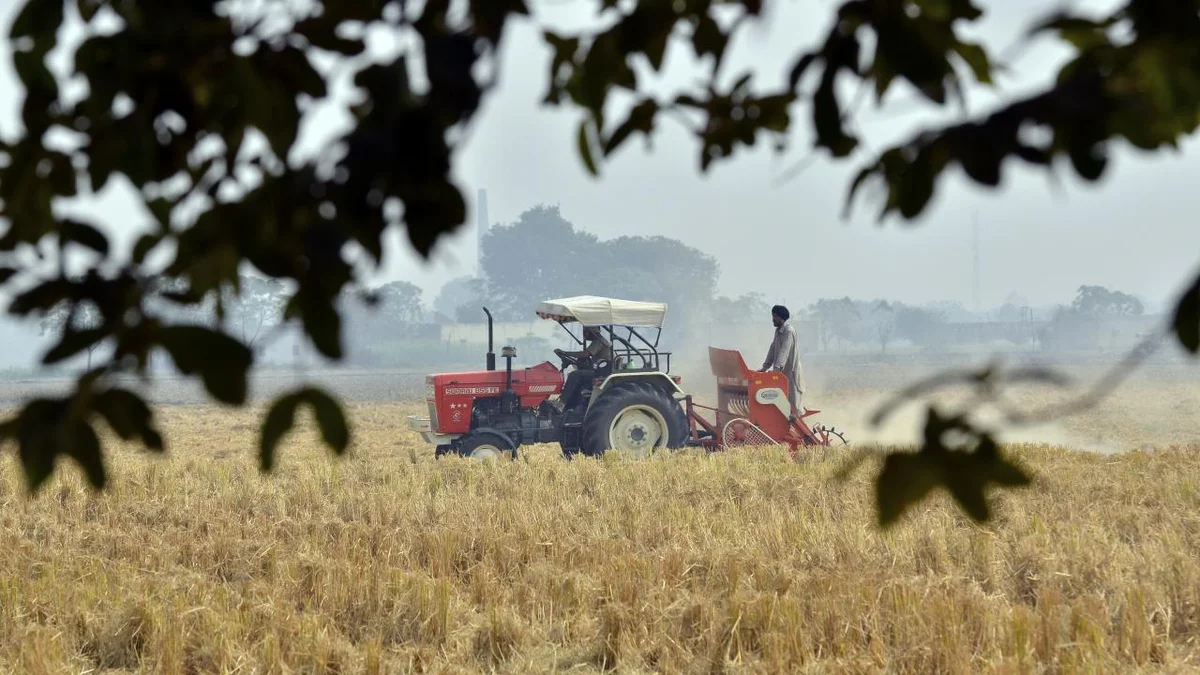
In the digital era, online video content has emerged as the single most influential medium shaping how Indian cultivating farmers, custom hiring center (CHC) entrepreneurs, and rural tractor enthusiasts evaluate agricultural machinery. Across platforms like YouTube and digital media channels, the term tractor video captures millions of monthly searches—ranging from rigorous agricultural engineering field demonstrations and implement matching comparisons to high-stakes tractor pulling contests (tochan) and viral stunt clips.
While video reviews offer invaluable real-world insights into tractor hydraulics, low-end torque back-up, and implement diesel consumption under actual field conditions, the viral spread of unregulated stunt culture poses catastrophic safety risks. Governed by technical safety testing overseen by the Central Farm Machinery Testing and Training Institute (CFMTTI Budni Testing) and public road vehicular regulations enforced through the Ministry of Road Transport and Highways (MoRTH Parivahan Portal), agricultural tractors are designed strictly as low-speed, high-torque industrial draft machines. Promoted through authorized manufacturer channels (Mahindra Farm Machinery Portal) and central mechanization directorates (DA&FW Mechanization Division), this comprehensive guide explores how to evaluate tractor demonstration videos critically, analyzes the life-threatening mechanics of tochan contests, outlines legal motor vehicle regulations, and provides a professional pre-delivery video inspection checklist.
1. What to Look for in Agricultural Tractor Demonstration Videos
With thousands of tractor review videos uploaded every week, discerning farmers must learn to separate authentic agronomic testing from commercial influencer marketing. Authentic, high-value tractor testing videos emphasize measurable engineering metrics:
- Real-Time Fuel Flow Calibration: Look for demonstrations utilizing transparent inline burettes or digital auxiliary fuel tanks rather than relying on tractor dashboard gauge needles. Accurate tests record exact milliliters consumed over a timed 1-acre rotavator or cultivator pass.
- Slippage & Wheel RPM Analysis: Professional field trials count rear wheel revolutions over a fixed 50-meter distance under load versus non-loaded travel. High slippage (>15%) indicates poor tractor-implement weight distribution rather than insufficient engine horsepower.
- Engine RPM Drop Under Sudden Load: Observe the tachometer needle when an implement enters heavy black cotton clay or hard dry soil. Engines with exceptional torque back-up (such as Swaraj, Mahindra, or John Deere) recover quickly without emitting thick black exhaust smoke or stalling.
- Three-Point Linkage Stability: High-quality implement demonstration videos film the rear category-II linkage up close, verifying whether the hydraulic draft sensing system maintains constant implement working depth automatically.
| Tractor Video Test Category | Standard Test Implement | Key Observation Parameter | Benchmark Standard Performance |
|---|---|---|---|
| Rotavator Tillage Test | 6-Foot to 7-Foot Multi-Speed Rotavator | Diesel liters consumed per hour & acre | 4.5 – 5.5 Liters / Hour @ 540 PTO RPM |
| Cultivator Deep Plowing | 9-Tyne / 11-Tyne Spring Loaded Cultivator | Wheel slip percentage in heavy clay soil | Under 10% to 12% slip with water ballasting |
| Super Seeder Direct Sowing | 6-Foot Super Seeder in Standing Paddy | PTO engine strain & straw shredding uniformity | Zero engine bog-down in Low-1st gear pass |
| Laser Land Leveler Demo | 7-Foot Bucket with Hydraulic Mast | Hydraulic response speed & oil overheating | Instant bucket leveling without pump whine |
| Commercial Haulage Test | Double-Axle Trolley with 10-Tonne Payload | Braking distance & highway hill climbing | Controlled descent using oil-immersed disc brakes |
Source: Central Farm Machinery Testing Institute (CFMTTI Budni) Standard Operational Test Protocols and Agronomic Engineering Benchmarks, November 2026.
2. The Reality of Viral Tochan & Stunt Videos: Physics & Catastrophic Risks
In agricultural rural belts across Punjab, Haryana, Rajasthan, and western Uttar Pradesh, "Tochan" (tractor pulling competitions where two tractors are tied back-to-back with heavy iron chains to see which machine drags the other) has gained massive social media virality. While sensationalized in short video reels, tochan is an extremely dangerous, mechanically destructive practice condemned by mechanical engineers and agronomy experts:
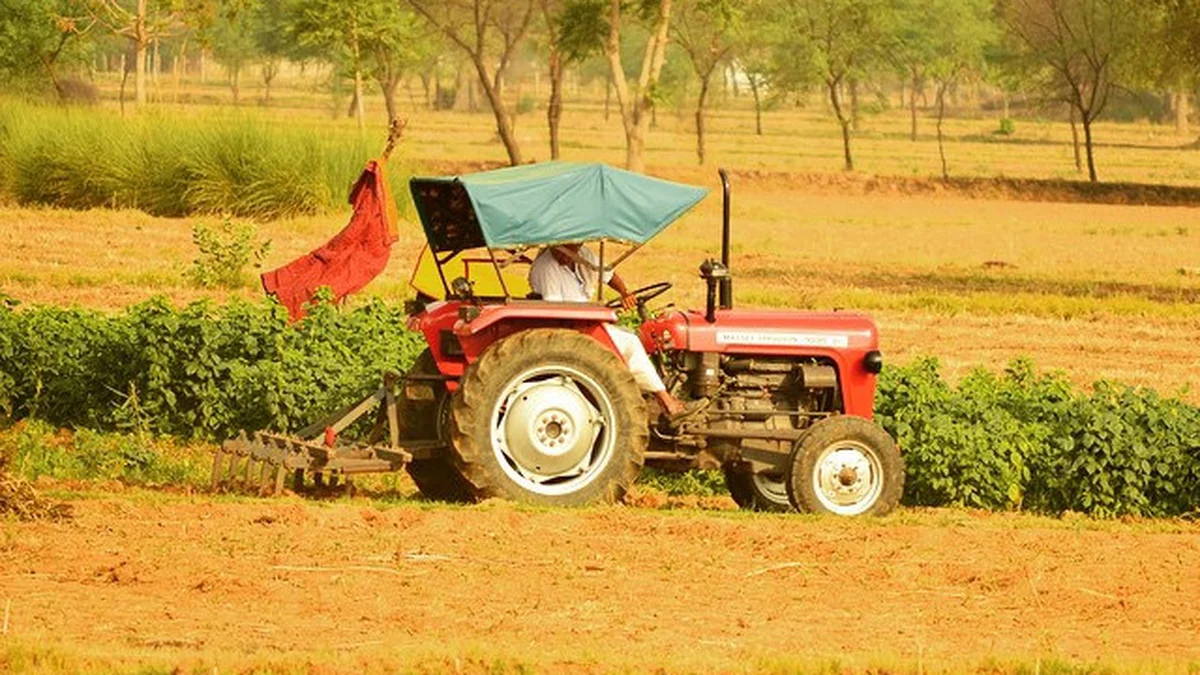
- Rearward Rollover Fatalities: When a pulling chain is hitched above the rear axle center line, tractor rear wheels lock against the ground and the entire chassis pivots upward around the rear axle. A tractor can flip 180 degrees backward in less than 0.75 seconds—faster than any human reflex—crushing the unstrapped operator beneath 2.5 tonnes of steel.
- Shattered Transmission & Differential Gears: Tractors are engineered for gradual draft load resistance, not violent shock loads. Sudden chain snaps or reverse jerks shear differential crown-wheel pinions, strip planetary final drives, and shatter bull-pinion gears, causing catastrophic mechanical failures exceeding ₹1 lakh in repairs.
- Clutch & Flywheel Thermal Burnout: Slipping heavy dual-clutch assemblies under maximum engine RPM during tochan generates extreme friction heat exceeding 400°C, warping pressure plates and shattering cerametallic clutch buttons.
- Severe Engine Bore Scuffing: Prolonged revving at peak redline RPM while the tractor remains stationary starves the rear cylinders of cooling airflow, resulting in thermal seizure and piston scuffing.
3. Legal Regulations: CMVR Rules on Tractor Modifications & Public Stunts
Under the Central Motor Vehicles Rules (CMVR) and Section 52 of the Motor Vehicles Act, 1988, altering the manufacturer structural design, chassis geometry, or powertrain of a tractor is strictly illegal across India. State transport police and district administrations have enacted stringent crackdowns:
| Illegal Tractor Modification | Statutory CMVR Violation | Legal Penalty / Enforcement Action | Safety Hazard Rationale |
|---|---|---|---|
| Public Road Stunts & Tochan | Sections 184 & 189 (Dangerous Driving / Racing) | Vehicle Seizure + ₹5,000 to ₹10,000 Fine + License Cancellation | Puts bystanders and rural motorists at fatal risk |
| Oversized DJ Sound Systems | Section 190(2) Noise Pollution & Weight Alteration | Immediate Confiscation of Sound Equipment + Mandated Stripping | Obscures driver rear visibility & deafens warning horns |
| Extreme Front Weighting / Low Bumpers | Section 52 (Unauthorized Structural Alteration) | Revocation of Vahan Fitness Certificate | Disrupts factory steering geometry & front axle integrity |
| High-Decibel Straight Exhaust Pipes | Section 190(2) & Environment Protection Act | Impounding of Vehicle + Mandatory Silencer Replacement | Violates statutory decibel noise & emission limits |
Source: Ministry of Road Transport and Highways (MoRTH) Central Motor Vehicles Rules and State Transport Department Notifications, November 2026.
4. Buyer Pre-Delivery Video Checklist: Auditing New & Used Tractors
When purchasing a brand-new tractor from an authorized showroom or buying a pre-owned machine from an agricultural market, recording a structured pre-delivery inspection (PDI) video serves as permanent legal proof of vehicle condition:
- Record Chassis & Engine Plates: Film the metallic chassis plate, engine number, and date of manufacture stamped into the casting. Match these against the dealer delivery challan and invoice.
- Cold Engine Exhaust Check: Start the engine from cold on camera. Check the exhaust manifold for blue smoke (oil burning) or white smoke (unburnt fuel / coolant leak). The engine should settle into a smooth, rhythmically balanced idle within 10 seconds.
- Hydraulic Drop Test: Attach a heavy 9-tyne cultivator, raise it to full height, shut off the tractor engine, and film for 15 minutes. If the implement sinks noticeably, the internal hydraulic cylinder seals or control valve O-rings are defective.
- Four-Wheel Drive & Differential Lock Engagement: Film the mechanical engagement of 4WD levers and foot differential locks while driving slowly in loose dirt to verify positive gear meshing.
5. Legitimate Farm YouTube Channels: Educating Rural Youth
Rather than engaging with dangerous viral stunt videos, progressive agriculturalists follow educational tractor content that teaches preventative maintenance, fuel conservation, and implement tuning. Verified channels featuring university agricultural engineers (such as PAU Ludhiana and ICAR extension scientists) provide masterclasses on calibrating laser levelers, setting reversible hydraulic MB plows, and maintaining common rail diesel injection (CRDI) electronic engines for long-term farm prosperity.
7. Modern Farm Mechanization, Implement Matching & Digital Testing
Online video reviews and digital field demonstrations have revolutionized how Indian farmers evaluate tractor performance, PTO torque delivery, and hydraulic responsiveness. When evaluating tractor models, cultivators compare verified field test benchmarks across popular workhorses—including the Mahindra 575 DI tractor, the Eicher 380 tractor, heavy-duty John Deere tractors, the rugged Swaraj 744 FE tractor, and the versatile Solis 4515 E tractor.
Beyond tractors, digital demonstrations assist farmers in assessing combine harvester price benchmarks and exploring capital subsidies under the SMAM tractor subsidy scheme. For quick on-road transport and light farm-to-market haulage, operating a dedicated mini truck like the Mahindra Supro commercial vehicle or exploring clean commercial transport through the PM E-DRIVE electric vehicle subsidy delivers superior fuel efficiency compared to running heavy tractor trolleys on highways. Growers can research equipment specifications on our Farm Search portal, coordinate micro-irrigation installations via the PM Krishi Sinchayee Yojana, and optimize deep tillage based on Soil Health Card recommendations.
8. Agri-Logistics, Farm Credit & Market Realization Linkages
Deploying reliable, properly calibrated farm tractors directly influences crop harvest speed and mandi realizations. Growers track real-time commodity movements including daily onion mandi rates, spot mustard seed prices, regional sarso mandi bhav, and wholesale sugar mill prices for sugarcane haulage alongside sugar today rate benchmarks. In southern plantation zones, farmers monitor the Shivamogga adike rate today, arecanut price today, wholesale cashew kernel price benchmarks, and raw cashew nut farm-gate rates.
Farmers can trade produce directly on Kisan Mandi trading platforms and major wholesale yards like Jaipur's Muhana Mandi auction terminal. Tractor purchases, implements, and seasonal operational expenses can be financed through concessional institutional credit via the Kisan Credit Card (KCC) scheme. Production risks are buffered by PMFBY crop insurance tracking, direct income assistance through PM Kisan beneficiary verification, state welfare under CM Kisan Odisha DBT, and labour registration on UPLMIS shramik labour card.
Tractor-mounted power sprayers help apply crop protection chemicals efficiently, including imidacloprid insecticide dosage, broad spectrum fungicides, and Roko fungicide treatments. In diversified agriculture, farmers generate year-round cash flow through indigenous Gir cow dairy units, Murrah buffalo dairy farming, commercial goat farming, NECC wholesale egg sales, the Barwala egg market, commercial dragon fruit cultivation, and amaranth seed production.
Official tractor testing reports, safety directives, and motor vehicle regulations are governed by the CFMTTI Budni Testing Institute (Ministry of Agriculture), the Sub-Mission on Agricultural Mechanization (SMAM), the Ministry of Road Transport and Highways (MoRTH), and NABARD Farm Mechanization Refinance.
Frequently asked questions
- Why are tractor demonstration videos helpful when buying a new tractor?
- Field demonstration videos allow farmers to observe actual drawbar pull, diesel consumption under load, hydraulic lifting stability with heavy implements like rotavators, and operator cabin comfort in real-world soil conditions before committing to a purchase.
- Are tractor stunt and tochan (pulling competition) videos legal on Indian roads?
- No. Tractor pulling contests (tochan), wheelies, and unauthorized modifications on public roads or open grounds violate Central Motor Vehicles Rules overseen by MoRTH, void manufacturer warranties, and risk severe penalties or tractor impoundment.
- Where can farmers find authentic, scientific test reports for Indian tractors?
- Official, unbiased technical test reports covering PTO power, specific fuel consumption, and drawbar pull are published by the CFMTTI Budni Testing Institute under the Ministry of Agriculture.
- What should a buyer check when inspecting a used tractor featured in a video?
- Check for engine oil leaks, blue/black exhaust smoke, steering backlash, tire tread wear, hydraulic hitch responsiveness, PTO spline condition, chassis welding cracks, and match Vahan registration records against physical chassis numbers.
- How does implement matching impact tractor fuel economy shown in demonstration videos?
- Matching implement width and weight to tractor PTO horsepower prevents engine lugging and wheel slippage, ensuring fuel efficiency remains within 4.0 to 5.5 liters per hour during heavy tillage as explained in our tractor subsidy guide.
- Can farmers apply for government subsidies after selecting a tractor model online?
- Yes, farmers can apply for 40% to 50% capital subsidies through state DBT agriculture mechanization portals under SMAM, using institutional financing via the Kisan Credit Card (KCC) scheme.
- What is the role of Roll-Over Protective Structures (ROPS) highlighted in safety videos?
- ROPS provides a rigid protective cage that maintains a critical survival space for the operator in the event of an accidental tractor rollover on steep bunds or highway inclines.
- How does 4WD improve tractor field performance compared to 2WD in wet soils?
- Four-wheel drive (4WD) distributes engine torque across all four wheels, increasing traction by 20% to 30%, minimizing wheel slip in puddled paddy fields, and reducing tyre wear.
- How does Swaraj 744 compare to Mahindra 575 in video performance trials?
- In independent field trials, the Mahindra 575 DI demonstrates high fuel economy in haulage and row-crop farming, while the Swaraj 744 offers higher torque backup during deep rotavation.
- What safety gear should operators wear when filming or conducting tractor demonstrations?
- Operators should wear steel-toed boots, snug-fitting clothing without loose ends, hearing protection earmuffs, and ensure bystanders remain at least 15 meters away from rotating PTO shafts.
- Where can farmers compare agricultural implements and tractor specs online?
- Farmers can use our dedicated Farm Search equipment tool to compare PTO ratings, implement compatibilities, and real-time dealer offers.
- What red flags indicate a staged or deceptive tractor demonstration video?
- Beware of videos demonstrating shallow tilling depth misrepresented as deep tillage, speeded-up video playback, hidden counterweights, or tractor models running without standard safety guards.
This article is for general information only and is not financial advice. Loan and scheme eligibility depends on partner and government criteria.