Mandi Bhav Today: Daily APMC Rates & Agmarknet Portal
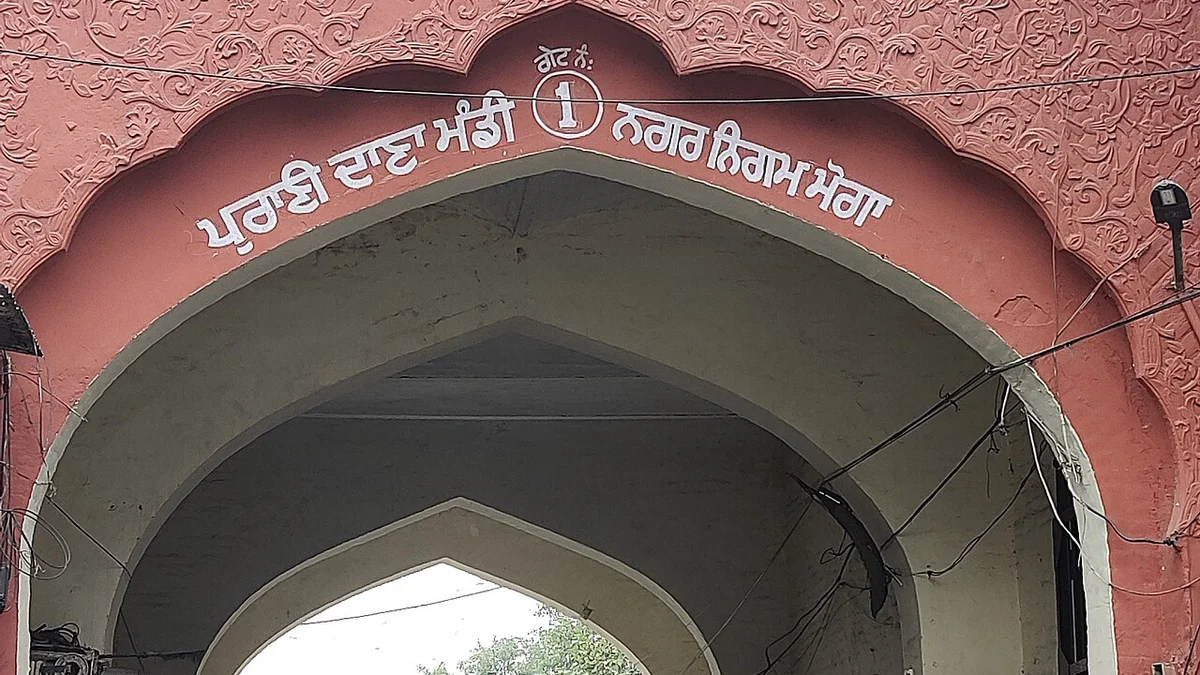
For India’s agrarian economy, Agricultural Produce Market Committee (APMC) mandis serve as the commercial heartbeat connecting millions of smallholder cultivating farmers to wholesale traders, millers, stockists, and retail food chains. Every morning, over 2,400 principal APMC mandis and nearly 5,000 sub-yards across Maharashtra, Madhya Pradesh, Uttar Pradesh, Rajasthan, Gujarat, Punjab, and Karnataka facilitate transparent open-outcry auctions and electronic bidding. Tracking an accurate Mandi Bhav today benchmark is the most critical commercial decision for farmers—dictating whether to transport harvested produce to local yards, hold stocks in accredited warehouses, or explore inter-state electronic sales.
Agricultural commodity prices fluctuate daily based on market arrival volumes, seasonal harvesting cycles, domestic buffer stocking levels, import-export tariffs, and weather disruptions. To democratize market transparency and eliminate traditional commission agent monopolies, the Ministry of Agriculture and Farmers Welfare operates the unified Agmarknet price reporting portal (Agmarknet Official Portal) alongside the pan-India electronic trading network National Agriculture Market (e-NAM Trading Platform). This definitive market guide explores indicative commodity rates across major crop clusters, details real-time digital tracking methods, outlines e-NAM electronic bidding mechanisms, and explains statutory rights protecting farmers from unfair deductions.
1. Major APMC Commodity Price Benchmarks Across India
Below is an indicative benchmark of prevailing wholesale commodity prices across key regional trading hubs in India. Mandi prices represent modal transaction rates per quintal (100 kg) recorded during peak auction sessions.
| Commodity | Leading Mandi Hubs & States | Indicative Modal Price (₹ / Quintal) | 1 Kg Indicative Equivalent (₹) | Quality Grade & Specifications |
|---|---|---|---|---|
| Wheat (Gehun) | Khanna (Punjab), Sehore (MP), Kota (Rajasthan) | ₹2,425 – ₹2,750 / qtl | ₹24.25 – ₹27.50 / kg | FAQ Mill Quality & Sharbati Grade |
| Paddy (Dhan - Basmati) | Karnal (Haryana), Amritsar (Punjab), Bareilly (UP) | ₹3,400 – ₹4,200 / qtl | ₹34.00 – ₹42.00 / kg | Pusa 1121 & 1509 Moisture < 14% |
| Soybean | Indore (MP), Latur (Maharashtra), Kota (Rajasthan) | ₹4,300 – ₹4,850 / qtl | ₹43.00 – ₹48.50 / kg | Yellow Soybean, Moisture < 10% |
| Mustard (Sarso) | Jaipur (Rajasthan), Morena (MP), Hisar (Haryana) | ₹5,400 – ₹5,950 / qtl | ₹54.00 – ₹59.50 / kg | 42% Oil Condition Certified |
| Onion (Pyaz) | Lasalgaon (Nashik), Pimpalgaon, Mahuva (Gujarat) | ₹1,400 – ₹2,800 / qtl | ₹14.00 – ₹28.00 / kg | Medium-Large Export & Summer Polish |
| Chana (Gram) | Bikaner (Rajasthan), Akola (Maharashtra), Gulbarga | ₹5,700 – ₹6,200 / qtl | ₹57.00 – ₹62.00 / kg | Desi Chana & Bold FAQ Grade |
| Cotton (Kapas) | Rajkot (Gujarat), Warangal (Telangana), Abohar | ₹6,800 – ₹7,550 / qtl | ₹68.00 – ₹75.50 / kg | Long Staple Shankar-6 Certified |
Source: Agmarknet (Directorate of Marketing & Inspection, DA&FW) and State APMC Daily Price Bulletins, November 2026. Indicative ranges reflect standard modal prices across benchmark markets.
2. How Real-Time Digital Mandi Tracking Functions: Agmarknet & e-NAM
Gone are the days when farmers had to rely on informal word-of-mouth or middleman estimates to discover market values. The Government of India has instituted digital platforms that deliver transparent market intelligence directly to farmer mobile devices:
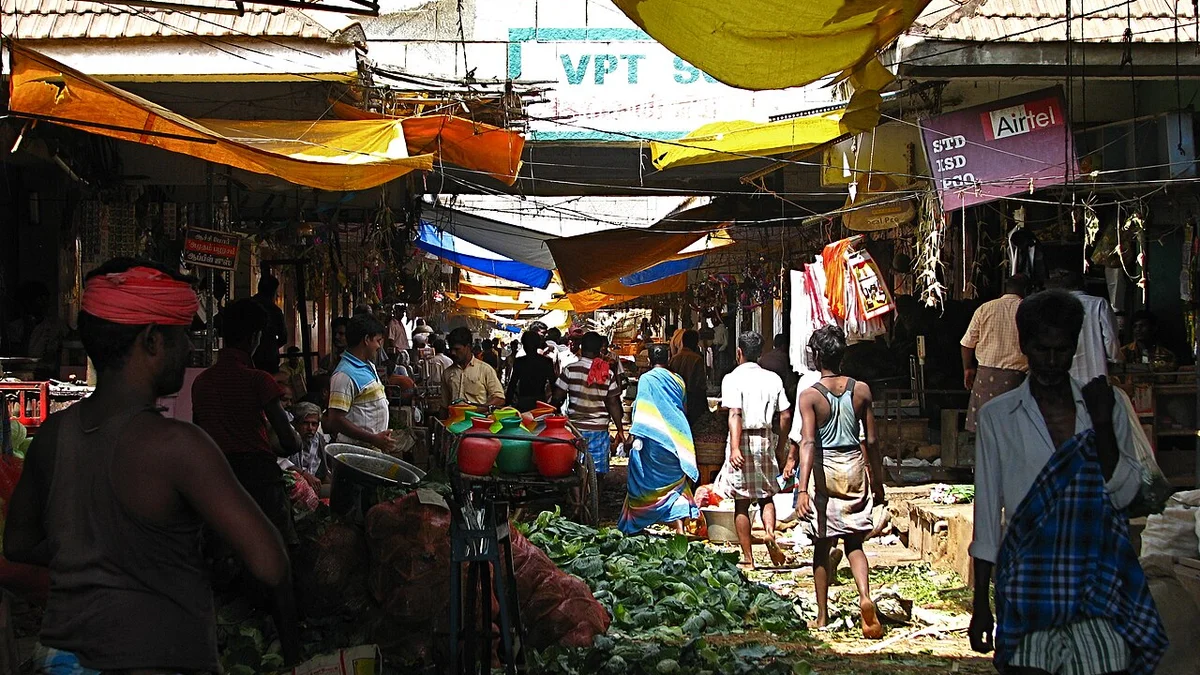
- Agmarknet Portal (agmarknet.gov.in): Maintained by the Directorate of Marketing and Inspection (DMI), this portal aggregates arrival volumes (in tonnes), minimum prices, maximum prices, and modal prices from over 3,200 registered wholesale markets nationwide by 1:00 PM every trading day.
- National Agriculture Market (e-NAM Portal): An interoperable electronic trading platform that integrates over 1,360 mandis across 23 states. e-NAM digitizes the entire supply chain—from gate entry and scientific quality assaying to transparent online bidding and instant digital bank payments directly into the seller’s account.
- Kisan Suvidha Mobile App: Developed by the Department of Agriculture, this mobile application allows farmers to set customized SMS price alerts for up to five commodities across three nearby mandi yards within a 50 km radius.
3. Factors Influencing Daily Mandi Price Fluctuations
Mandi pricing is an intricate balance between domestic farm supply fundamentals and macro-economic demand drivers. Progressive farmers time their market despatches by evaluating key determinants:
- Daily Arrival Volumes (Aavak): When harvest arrivals peak simultaneously across regional production belts (e.g., kharif soybean in October or rabi mustard in March), temporary mandi gluts depress prices below the statutory Minimum Support Price (MSP). Staggering sales over 60 to 90 days stabilizes realization.
- Moisture Content & Scientific Quality: Grain and oilseed buyers apply steep deductions (dami) for excessive moisture. For instance, paddy with moisture exceeding 17% or soybean above 12% suffers price penalties of ₹100 to ₹300 per quintal. Proper on-farm sun-drying enhances farm gate profits.
- Government Buffer Procurement (NAFED & FCI): Active state procurement operations under Price Support Schemes (PSS) create a firm market price floor, pulling open-market wholesale bids upward.
- International Commodity Trends & Edible Oil Tariffs: Changes in basic customs duties on imported crude palm or degummed soybean oil directly ripple into domestic mustard and soybean mandi rates within 24 hours.
4. Statutory Rights of Farmers Selling Produce in APMC Yards
Under State APMC Acts and national marketing reforms, cultivating farmers enjoy explicit legal protections designed to prevent exploitation by arhtiyas (commission agents) and wholesale traders:
- Zero Commission on Farmers: Commission charges (ranging from 1.5% to 2.5%) are strictly payable by the buyer/trader, NEVER deducted from the farmer’s sale proceeds.
- Mandatory Certified Electronic Weighing: Produce must be weighed using calibrated digital weighbridges or electronic platform scales certified by the Legal Metrology Department, eliminating manual manipulation.
- Same-Day Payment Mandate: APMC bylaws mandate that buyers or commission agents must issue payment to the farmer on the exact same day of sale, either in cash up to statutory limits or via instant RTGS/NEFT/UPI transfer.
- Right to Reject the Highest Bid: If the highest auction bid fails to meet the farmer’s minimum acceptable price, the seller retains the unconditional legal right to refuse sale and either re-auction next day or transport produce home.
5. Negotiable Warehouse Receipts (e-NWR) & Pledge Financing Pathways
One of the most effective strategies to avoid selling agricultural produce at depressed harvest-time mandi prices is post-harvest pledge financing. The Warehousing Development and Regulatory Authority (WDRA) regulates accredited agricultural warehouses across India, allowing farmers to deposit harvested grains, pulses, and oilseeds into certified storage facilities.
Upon deposit, farmers receive an Electronic Negotiable Warehouse Receipt (e-NWR). Commercial banks and regional rural banks extend post-harvest pledge credit up to 70% to 75% of the prevailing market value of the stored produce at subsidized interest rates (starting at 7% per annum under government interest subvention schemes). This liquidity enables farmers to meet immediate household and debt repayment obligations while waiting for seasonal mandi prices to recover over the subsequent three to six months before executing a profitable sale on e-NAM or regional APMC markets.
6. Major Commodity Mandi Networks, Daily Trends & Auction Hubs
Tracking real-time mandi prices enables farmers to capture peak seasonal demand and avoid distress sales at the farm gate. Commercial growers cross-reference daily market movements across diverse commodity segments—including onion rate today APMC benchmarks, spot mustard seed prices, regional sarso mandi bhav, and wholesale mill trends for chini ka rate today. In southern spice and plantation corridors, growers track the Shivamogga adike rate today, all-India arecanut price today, wholesale cashew kernel price grades, and raw cashew nut farm-gate rates.
To eliminate middleman deductions, cultivators participate in direct market models such as Kisan Mandi direct trading platforms or trade at premier state hubs like Jaipur's Muhana Mandi wholesale terminal. In poultry and alternative farming, growers track daily benchmarks including NECC wholesale egg rates, the Barwala egg market price, commercial dragon fruit cultivation returns, and amaranth seed grain prices.
7. Agri-Logistics, Farm Mechanization, Credit & Government Support
Efficient mandi realization depends heavily on reliable transport and access to working capital. Farmers can lower haulage expenses using commercial mini trucks such as the Mahindra Supro commercial vehicle or invest in zero-emission transport supported by the PM E-DRIVE electric vehicle subsidy. On the production front, high-efficiency tractors like the Swaraj 744 FE tractor, the Mahindra 575 DI, the Eicher 380, and heavy-duty John Deere tractors can be acquired with capital assistance from the PM Kisan tractor subsidy program and combine harvester price benchmarks.
To avoid post-harvest distress liquidation, farmers can store produce in certified warehouses and access pledge loans or working capital via the Kisan Credit Card (KCC) scheme. Financial resilience is further supported by PMFBY crop insurance tracking, direct income transfers via PM Kisan beneficiary verification, state-level assistance from CM Kisan Odisha DBT, and social security registration on UPLMIS shramik labour card.
Cultivators can discover modern implements and mandi tools via Farm Search, tailor fertilizer inputs with a Soil Health Card test, optimize irrigation with PM Krishi Sinchayee Yojana, protect crops using imidacloprid insecticide dosage and broad spectrum fungicides, and diversify income through Gir cow dairy units, Murrah buffalo dairy farming, or commercial goat farming.
Official real-time price feeds, auction bulletins, and e-trading infrastructure are administered by the Agmarknet Directorate of Marketing & Inspection, the National Agriculture Market (e-NAM), the Warehousing Development and Regulatory Authority (WDRA), and the Ministry of Agriculture & Farmers Welfare.
Frequently asked questions
- How can farmers check official mandi bhav today online?
- Farmers can check authenticated daily commodity prices on the official Agmarknet Portal by selecting their state, district, market, and commodity, or download the Kisan Suvidha and e-NAM mobile applications.
- What is the e-NAM portal and how does it help farmers get better prices?
- The National Agriculture Market (e-NAM) is a pan-India electronic trading portal that networks existing APMC mandis to create a unified national market, enabling competitive online bidding from traders nationwide.
- Are commission charges legally deducted from farmers in APMC mandis?
- No. Under statutory state APMC model acts, commission charges (arhatiya commission) and market fees must be borne strictly by the licensed buyer or trader, never deducted from the farmer's gross auction payout. Farmers can also explore direct selling options on Kisan Mandi.
- What is the difference between modal price, minimum price, and maximum price?
- The minimum and maximum prices represent the lowest and highest rates recorded during a day's auction, while the modal price is the weighted average price at which the largest volume of that commodity was traded.
- Why do mandi prices fluctuate sharply from day to day?
- Daily mandi bhav fluctuations are driven by daily truck arrival volumes, local harvest cycles, weather disruptions affecting transport, national festival demand, government export/import tariffs, and MSP buffer procurement.
- What statutory right does a farmer have if weighing at the mandi is faulty?
- Farmers have the legal right under the Legal Metrology Act and APMC bylaws to demand re-weighing on certified digital weighbridges inspected by the APMC market committee, free of cost before signing the sale slip.
- How does transporting produce with personal commercial vehicles improve net mandi realization?
- Owning or hiring versatile commercial haulers like the Mahindra Supro mini truck eliminates middleman transport surcharges and enables farmers to choose high-paying distant mandis over local distressed village buyers.
- What is an electronic Negotiable Warehouse Receipt (e-NWR)?
- An e-NWR is a digital title document issued by WDRA-accredited warehouses representing commodities deposited by a farmer, which can be traded on e-NAM or pledged for low-interest bank loans.
- Can farmers get loans against their harvested crop stored in mandis?
- Yes, farmers holding e-NWRs can access post-harvest pledge loans of up to 75% of produce value at subsidized interest rates through the Kisan Credit Card (KCC) scheme and WDRA-linked commercial banks.
- Which government authority regulates agricultural warehousing standards in India?
- The Warehousing Development and Regulatory Authority (WDRA) regulates accredited warehouses, ensuring scientific storage standards, insurance against pest damage, and dispute arbitration.
- Where can farmers find comprehensive tools for mandi search and equipment comparison?
- Cultivators can utilize our dedicated Farm Search equipment and mandi tool to evaluate local market trends, transport options, and implement specifications.
- What should a farmer do if a mandi trader delays payment beyond statutory limits?
- Under APMC regulations, payment must be settled on the same day or within 24 hours. If delayed, farmers should file an immediate written grievance with the APMC Secretary, who has statutory authority to recover funds with penal interest.
This article is for general information only and is not financial advice. Loan and scheme eligibility depends on partner and government criteria.