Mentha Oil Rate Today in Barabanki: Mandi Bhav & MCX
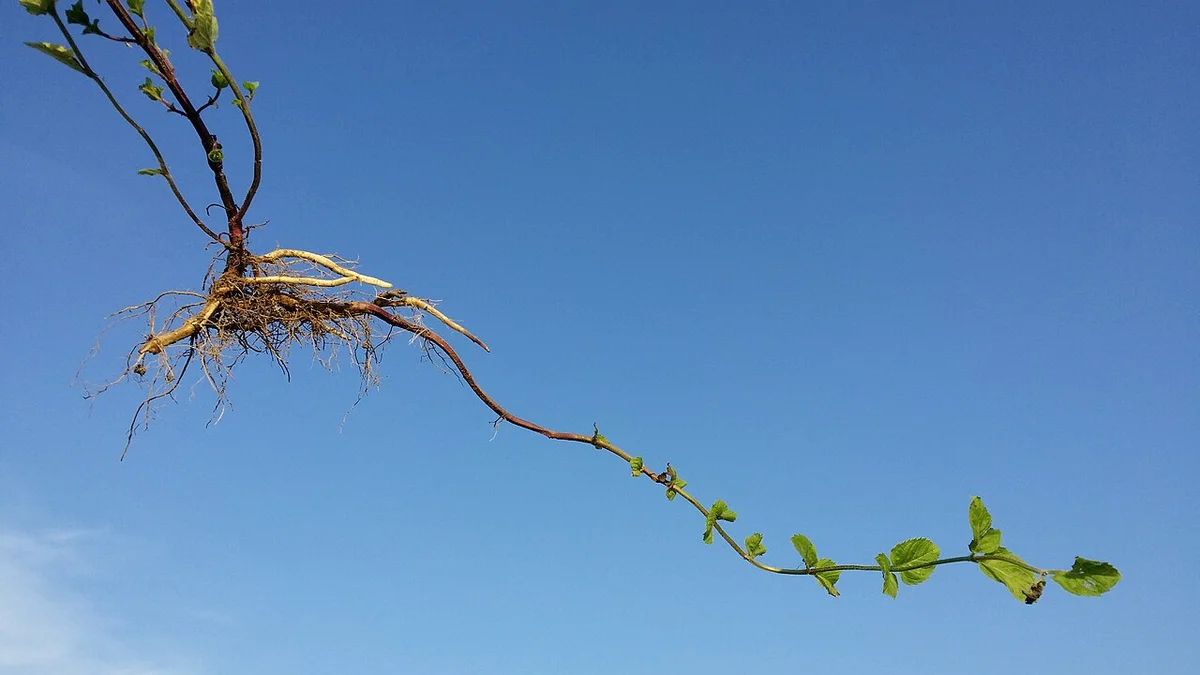
Barabanki district in Uttar Pradesh represents the undisputed epicentre of India’s essential oil economy, producing over 70% of the nation’s crude Mentha arvensis (cornmint) oil. Krishi Utpadan Mandi Samiti Barabanki, integrated with the Multi Commodity Exchange of India (MCX Portal) and guided by scientific benchmarks from the Central Institute of Medicinal and Aromatic Plants (CSIR-CIMAP Lucknow) alongside the Uttar Pradesh State Agricultural Marketing Board (UP Mandi Parishad) and Agmarknet (Agmarknet Agricultural Network), functions as the definitive price discovery platform for essential mint oil across northern India. Daily spot auction rates reflect industrial demand from major pharmaceutical conglomerates, oral care manufacturers, confectionery brands, and international chemical export houses.
1. Indicative Wholesale Mentha Oil Rate Benchmarks in Barabanki
Wholesale mentha oil rates in Barabanki fluctuate based on pure chemical assay metrics, specifically the percentage of total crystallizable L-menthol, optical rotation indices, and moisture dockage. Mandi rates are quoted in Rupees per kilogram for standard 180 kg galvanized iron (GI) drums. The following table summarizes indicative modal wholesale benchmarks across various trading hubs and qualities recorded during recent market sessions:
| Trading Hub & Quality Grade | Delivery Format | Min Rate (Rs/Kg) | Modal Rate (Rs/Kg) | Max Rate (Rs/Kg) | Peak Marketing Season |
|---|---|---|---|---|---|
| Barabanki Mandi (Crude Shivalik) | 180 Kg Epoxy GI Drums | Rs 920 | Rs 985 | Rs 1,040 | May – July (Zaid Harvest) |
| Chandausi Physical Market | Direct Commercial Delivery | Rs 940 | Rs 1,010 | Rs 1,065 | June – August (Post-Distillation) |
| Sambhal Spot Terminal | Standard Chemical Tested | Rs 930 | Rs 995 | Rs 1,050 | May – July (Peak Arrivals) |
| MCX Spot Benchmark | Warehouse Electronic Receipt | Rs 945 | Rs 1,020 | Rs 1,065 | Active Rolling Contract Months |
| Export Grade DMO (Dementholized) | Bulk Tanker / 200L Drum | Rs 740 | Rs 790 | Rs 840 | Year-Round Industrial Trade |
| Purified L-Menthol Bold Crystals | Corrugated Cartons / Tins | Rs 1,280 | Rs 1,360 | Rs 1,440 | Pharma & FMCG Processing Cycles |
2. Shivalik Mint Agronomy & Distillation Economics in Uttar Pradesh
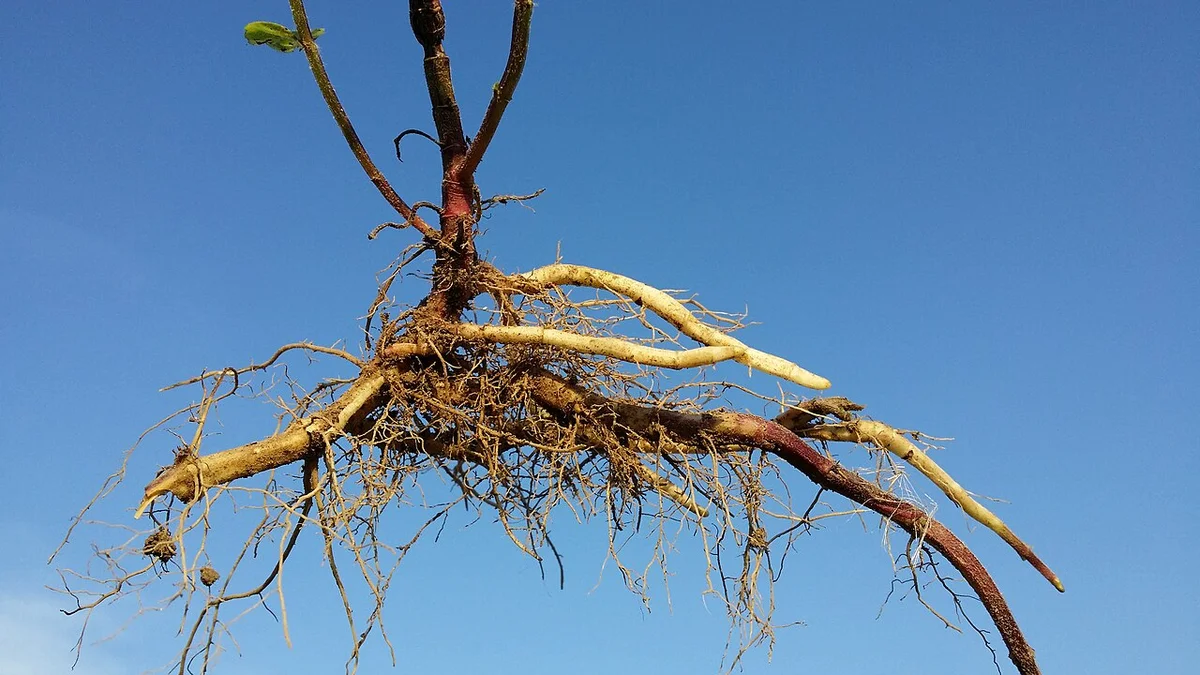
Mentha arvensis cultivation in the fertile alluvial plains of Barabanki is predominantly integrated into a tight three-crop annual rotation following late potato or mustard harvests and preceding Kharif transplanted paddy. The introduction of elite cultivars developed by CSIR-CIMAP—notably CIM-Saryu, CIM-Kranti, Kosi, and early-yielding Shivalik—has revolutionized per-hectare biomass tonnage and essential oil concentration. These cultivars yield an exceptional 0.7% to 0.9% oil content on a fresh-herb basis, allowing skilled growers to harvest between 50 and 65 kilograms of premium crude oil per acre in a single Zaid cycle of 90 to 110 days.
Distillation efficiency directly determines farmer profitability. Traditional direct-fired field distillation units have undergone massive technological modernization across Barabanki tehsils including Fatehpur, Ramnagar, and Haidergarh. Field-withered mint herb (withered in shade for 12 to 24 hours to reduce moisture without terpene loss) is packed tightly into stainless steel or mild steel distillation retorts. High-efficiency steam boilers utilize sun-dried spent mint biomass as the primary combustion fuel, slashing external firewood energy expenses to nearly zero. The condensed distillate passes through counter-current water-cooled serpentine coils, separating lighter-than-water aromatic oil cleanly from aromatic hydrosol (mint water).
| Agronomic / Distillation Parameter | Traditional Direct-Fired Unit | Modern Steam Boiler Unit (CIMAP Design) | Farmer Economic Impact |
|---|---|---|---|
| Herb Withering Duration | 0 - 6 Hours (Green Herb) | 12 - 24 Hours (Shade Withered) | Saves 35% steam energy and speeds extraction |
| Distillation Cycle Duration | 4.5 - 6.0 Hours / Charge | 2.5 - 3.5 Hours / Charge | Enables 3 batch charges daily per distillation plant |
| Essential Oil Recovery Rate | 0.60% - 0.70% | 0.80% - 0.95% | Extra 10 - 15 Kg pure oil recovered per acre |
| Boiler Fuel Source | External Hardwood Firewood | Sun-Dried Spent Mint Straw | Saves Rs 3,500 - Rs 5,000 per acre in processing cost |
| Condenser Water Temperature | 45°C - 55°C (Warm Coil) | 20°C - 28°C (Cooled Recirculation) | Eliminates volatile menthol terpene escape into air |
3. Multi Commodity Exchange (MCX) Mentha Futures & Spot Hedging
The Multi Commodity Exchange of India (MCX) operates standardized mentha oil futures contracts with designated delivery centres at Chandausi and Barabanki. The exchange contract acts as a critical price hedge for large-scale essential oil stockists, export traders, and menthol crystallization plants. During harvest surges between May and July, spot market arrivals at Barabanki can reach 600 to 1,000 drums daily, occasionally exerting downward pressure on cash prices. Savvy Farmer Producer Organizations (FPOs) and large cultivators utilize MCX near-month futures contracts to lock in viable profit margins well before harvesting the crop.
Price parity between MCX futures and Barabanki physical spot auctions is influenced by local warehouse carrying charges, finance interest rates, and transportation costs. Typically, MCX prices trade at a slight premium of ₹15 to ₹35 per kilogram over Barabanki spot prices, reflecting mandatory WDRA assay charges, GST compliance, and terminal delivery logistics. When physical spot rates in Barabanki dip below national cost-of-production thresholds, institutional buyers and chemical conglomerates aggressively accumulate physical inventory, establishing a robust floor price across the regional mandi ecosystem.
4. Quality Assaying, Menthol Crystallization & Purity Standards
Commercial valuation of crude mentha oil at Barabanki APMC is governed by rigorous laboratory testing adhering to Bureau of Indian Standards (BIS IS:528) specifications. Primary assay parameters include specific gravity at 25°C (standard range 0.890 to 0.912 g/cm³), optical rotation (-32° to -42°), and refractive index (1.455 to 1.465). A minimum total menthol content of 75.0% by gas chromatography is required for top-tier classification. Lots exhibiting lower menthol concentrations or showing traces of terpeneless fractions, mineral oil, or synthetic solvents face immediate market price discounts or outright auction rejection.
Upon arriving at the mandi yard, commission agents draw representative composite samples from top, middle, and bottom drum strata using stainless steel liquid thief samplers. Rapid chilling tests are frequently performed on-site: when cooled to 5°C, high-grade crude oil begins rapid crystallization, visually demonstrating high L-menthol concentration. Industrial crystallization units purchase this crude oil to produce USP-grade menthol flakes, bold crystals, and dementholized oil (DMO), which are widely utilized in toothpaste, cough syrups, medicinal balms, chewing gums, and cooling topical cosmetics.
5. Barabanki APMC Trading Mechanics, Warehouse Storage & Financing
Trading at Krishi Utpadan Mandi Samiti Barabanki operates under statutory UP Mandi Parishad guidelines. Mandi fees (1.5% market fee + 0.5% development cess) are payable by purchasing traders, ensuring that farmers receive full gross auction proceeds without unwarranted statutory deductions. To prevent distress sales during peak monsoon arrival troughs, accredited Central Warehousing Corporation (CWC) and UP State Warehousing Corporation (UPSWC) facilities in Barabanki offer scientific drum storage alongside Negotiable Warehouse Receipt (NWR) pledge financing.
Under WDRA guidelines, farmers and FPOs can deposit certified 180 kg drums in epoxy-coated steel drums with nitrogen blanketing, preventing oxidation and aroma decay for up to three years. Commercial banks and cooperative lenders disburse pledge loans up to 70% of the market value against electronic warehouse receipts at concessional agricultural interest rates. This empowers Barabanki growers to withhold inventory until winter and early spring, when pharmaceutical FMCG procurement pushes prices higher.
Comprehensive Directory & Government Resource Links
6. Agricultural Inputs, Mechanization & Allied Farm Operations
Maximizing farm gate returns in mentha oil rate today in barabanki begins with strong agronomic management, calibrated soil nutrition, clean irrigation, and efficient harvesting machinery. Growers systematically coordinate crop care through NPK fertilizer grade selection and NBS pricing, DAP 50 kg bag subsidy and application rates, Saaf systemic and contact fungicide dosage, Roko (Thiophanate Methyl) disease control schedule, Coragen stem borer and caterpillar control, selective and pre-emergent herbicide management, commercial flower seed varieties, certified seeds policy and germination standards, rajgira amaranth seed farming, sesame seed (ellu) agronomy and market rates. Modern field execution and transport rely heavily on comparing specs and subsidies across field tractor power testing and safety buying checks, Solis 4515 E Yanmar-tech tractor specifications, Swaraj 744 FE and XT torque and fuel economy, Swaraj 735 FE 39 HP utility tractor review, full Swaraj tractor HP lineup and pricing, Mahindra 575 DI 45 HP workhorse mileage guide, Mahindra 575 DI XP Plus 47 HP torque and review, New Holland 3630 TX Plus 4x4 55 HP tractor specs, Powertrac Euro diesel-saver tractor models and prices. For specialized tillage, haulage, and water distribution, cultivators also evaluate VST Shakti and Kubota 12-15 HP power tiller prices, Farmtrac heavy tractor series and diesel saver specs, sprinkler irrigation layout and PMKSY subsidy.
7. Regional Mandi Networks, Credit Schemes & Official Data Sources
Across India's regulated market ecosystem, farmers compare live realizations across state trading yards and tap formal welfare and institutional financing. Growers benchmark regional supply arrivals and MSP procurement across Narela Anaj Mandi paddy and wheat arrivals, Neemuch Mandi medicinal spice and grain rates, Piplia Mandi wholesale garlic auctions, Mandsaur APMC lahsun and soybean market rates, all-India APMC mandi bhav directory, Maharashtra sugar mill ex-factory and APMC rates, domestic S-30 and M-30 sugar mill pricing, sugar release quota and FRP economics, ethanol blending and sugar wholesale trends, retail and wholesale chini rate benchmarks, daily UP and Maharashtra sugar mill chini bhav, arhar (tur) dal wholesale and MSP realizations. Key grain, oilseed, and pulse realization corridors additionally track guar seed APMC & NCDEX prices, castor seed GCH hybrid prices, cotton market CCI MSP rates, cold-pressed mustard oil economics, onion storage life and wholesale arrivals, Lasalgaon and metro onion mandi quotations, water-soluble NPK 19-19-19 foliar spray dosage. Agricultural diversification and specialty value chains spanning spices, plantation crops, dairy, and poultry offer steady cash flow—tracked via Shivalik mentha oil MCX and distillation yields, daily crude mentha oil spot rates, mentha herb agronomic cultivation and boiler distillation, Spices Board cardamom auction prices, small green cardamom e-auction grades, Kashmiri Mongra saffron prices and GI purity, raw cashew nut (RCN) processing realizations, processed cashew kernel export grades, W180 and W240 cashew wholesale pricing, California and Mamra almond wholesale rates, Kashmiri walnut giri and shell-out grades, dried fig (anjeer) cultivation and mandi prices.
Other specialized horticulture and livestock enterprises include Hass avocado commercial orchard economics, red and white dragon fruit per-kg realizations, Karnataka supari and arecanut auction prices, Rashi, Bette, and Chali arecanut grade pricing, Shivamogga and TUMCOS adike mandi rates, NCDEX Turmeric Price Today, daily NECC wholesale egg price movements, all-India NECC egg rate directory, Namakkal poultry belt NECC dispatch rates, Barwala layer farm paper rates and margins, Bangalore wholesale egg tray prices and retail spreads, commercial button and oyster mushroom cultivation, wholesale mushroom prices across urban mandis. Operational working capital, DBT cash transfers, and subsidized farm solar or e-KYC infrastructure can be accessed via CSC Aadhaar biometric e-KYC verification workflow, Kisan Credit Card 4% subvention loan and KRP application, PM-KISAN installment status and PFMS verification, PM-KUSUM solar irrigation pump capital subsidy. Primary regulatory notifications, technical bulletins, and statutory benchmark portals are published by Multi Commodity Exchange of India (MCX), Central Institute of Medicinal and Aromatic Plants (CSIR-CIMAP), Uttar Pradesh State Agricultural Marketing Board, and Agmarknet Agricultural Marketing Information Network.
Frequently asked questions
- What is the current indicative mentha oil rate in Barabanki mandi?
- Indicative modal wholesale rates for crude Shivalik mentha oil at Barabanki Mandi range between ₹920 and ₹1,040 per kilogram, depending on total menthol purity and optical rotation parameters. Official regulatory guidelines can also be verified on the Central Institute of Medicinal and Aromatic Plants (CSIR-CIMAP).
- Why is Barabanki famous for mentha oil production in India?
- Barabanki produces over 70% of India’s crude mentha oil due to ideal alluvial soil, plentiful summer irrigation, expert farm knowledge, and high-yielding CIMAP cultivars like Kosi and CIM-Saryu. Explore related mandi benchmarks and farmer support guides in our Narela Anaj Mandi paddy and wheat arrivals.
- What is the difference between crude mentha oil and L-menthol crystals?
- Crude mentha oil is the raw steam-distilled essential oil containing 75-82% menthol. L-menthol crystals are pure, crystallized white flakes extracted from crude oil via controlled refrigeration and centrifugation. Explore related mandi benchmarks and farmer support guides in our Neemuch Mandi medicinal spice and grain rates.
- How much mentha oil is produced per acre in Barabanki?
- With improved CSIR-CIMAP cultivars and modern steam distillation, Barabanki farmers harvest between 50 and 65 kilograms of crude mentha oil per acre in a 90-110 day Zaid season. Explore related mandi benchmarks and farmer support guides in our Piplia Mandi wholesale garlic auctions.
- What official portals track daily mentha oil prices in India?
- Daily spot and futures prices can be monitored on the Multi Commodity Exchange (mcxindia.com), the UP Mandi Parishad portal, and the central Agmarknet network (agmarknet.gov.in).
- How does MCX futures trading impact Barabanki spot mandi prices?
- MCX acts as a national price discovery benchmark. When MCX futures rally, Barabanki spot rates follow closely, enabling FPOs and traders to hedge price risks effectively.
- What are the key quality testing parameters for mentha oil?
- Key parameters include total menthol percentage (minimum 75%), optical rotation (-32° to -42°), specific gravity (0.890 to 0.912), and gas chromatography purity clearance against solvent adulteration.
- What fuel is used in modern Barabanki mint distillation boilers?
- Modern units utilize sun-dried spent mint straw (biomass) as boiler fuel, reducing external firewood fuel costs to virtually zero while maintaining optimal steam temperatures.
- Can farmers store mentha oil drums in warehouses for pledge loans?
- Yes, WDRA-accredited warehouses in Barabanki store epoxy-lined 180 kg drums under nitrogen blanketing, allowing farmers to obtain up to 70% bank pledge loans against electronic receipts.
- What is Dementholized Oil (DMO) and how is it used?
- DMO is the aromatic essential oil byproduct remaining after crystallizing out pure menthol. It is widely used in soaps, household detergents, fragrance formulations, and industrial room fresheners.
- Who pays the APMC mandi tax on mentha oil in Uttar Pradesh?
- Under UP Mandi Parishad rules, statutory market fees and development cess are paid exclusively by registered purchasing traders, not deducted from the farmer’s auction payout.
- What is the best time to harvest mentha crop for maximum oil yield?
- Mentha should be harvested on bright sunny mornings when plants show 10-15% floral budding, followed by 12 to 24 hours of shade withering to maximize volatile oil recovery.
This article is for general information only and is not financial advice. Loan and scheme eligibility depends on partner and government criteria.