Sesame Seeds in Kannada: Ellu Farming, Price & Uses
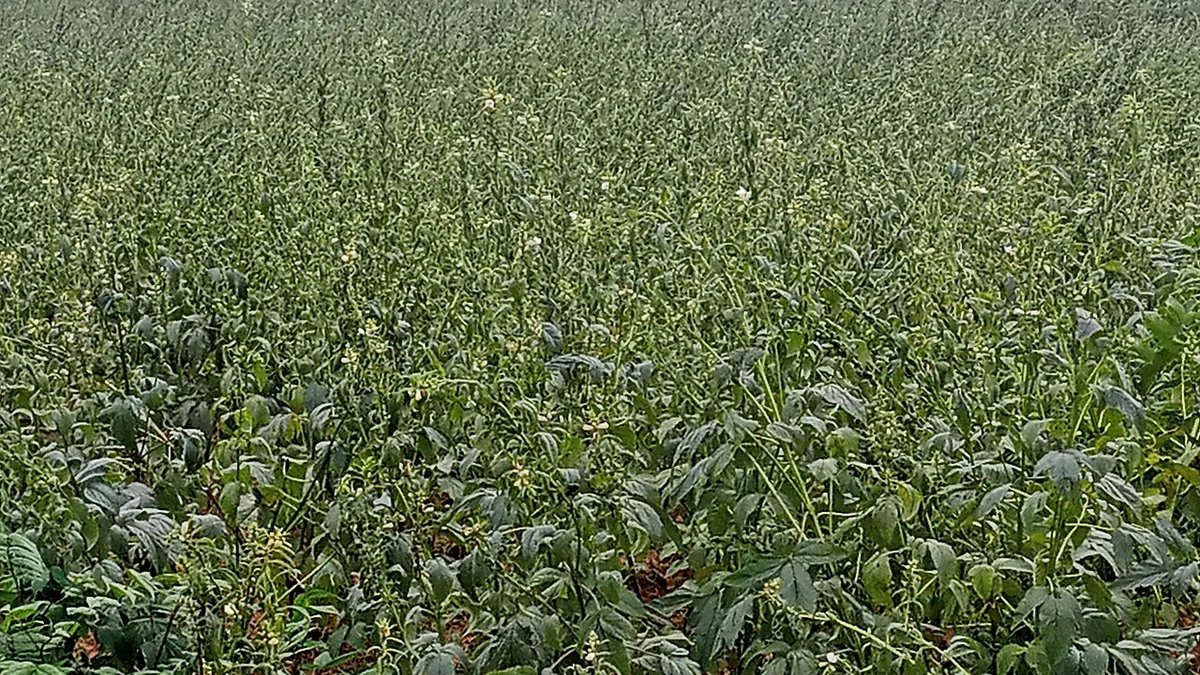
Sesame seeds—known universally in the Kannada language as ’Ellu’ (ಎಳ್ಳು)—represent one of Karnataka’s most ancient, culturally revered, and economically valuable oilseed crops. Cultivated across the semi-arid northern and central agro-climatic zones of Karnataka (notably Raichur, Ballari, Koppal, Haveri, and Kalaburagi), and marketed actively across regional Agricultural Produce Market Committee (APMC) yards tracked by the Karnataka State Agricultural Marketing Board (KSAMB Portal) under agronomic guidance from the University of Agricultural Sciences (UAS Bangalore) and the Indian Institute of Oilseeds Research (ICAR-IIOR Hyderabad) alongside daily transaction logs on Agmarknet (Agmarknet Network), sesame cultivation supports both the thriving domestic cold-pressed oil (Gingelly / Mara Chekku Enne) industry and lucrative overseas export trade.
1. Sesame Seeds in Kannada (Ellu): Cultural Significance & APMC Price Benchmarks
In Karnataka, commercial trade distinguishes between white sesame (Bili Ellu, ಬಿಳಿ ಎಳ್ಳು) valued for confectionery bakery items and export tahini paste, and black sesame (Kappu Ellu, ಕಪ್ಪು ಎಳ್ಳು) prized for Ayurvedic medicinal preparations, religious rituals, and rich cold-pressed hair and body massage oils. Prices fluctuate depending on Sortex purity clearance, oil content percentage, and moisture levels. The following table outlines indicative modal wholesale benchmarks recorded during recent trading cycles:
| Sesame Category / Grade (Kannada) | Physical Form & Purity Level | Min Rate (Rs/Kg) | Modal Rate (Rs/Kg) | Max Rate (Rs/Kg) | Primary Culinary & Commercial Use |
|---|---|---|---|---|---|
| White Sesame (Bili Ellu - ಬಿಳಿ ಎಳ್ಳು) | Machine Cleaned / 99% Sortex | Rs 135 | Rs 155 | Rs 175 | Bakery Toppings, Sweets & Tahini Paste |
| Black Sesame (Kappu Ellu - ಕಪ್ಪು ಎಳ್ಳು) | FAQ Bold Grain Cleaned | Rs 145 | Rs 168 | Rs 190 | Ayurvedic Oils, Chutney Powder & Rituals |
| Hulled White Sesame (Export Grade) | Mechanical Chemical-Free Hulling | Rs 165 | Rs 185 | Rs 210 | European Union & US Confectionery Export |
| Natural Brown Sesame (Kavadi Ellu) | Direct Farm Harvested Loose | Rs 120 | Rs 138 | Rs 150 | Traditional Cold-Pressed Oil Expelling |
| Cold-Pressed Sesame Oil (Mara Chekku) | Virgin Wood-Pressed Gingelly Oil | Rs 340 | Rs 385 | Rs 440 | South Indian Cooking & Ayurvedic Abhyanga |
| Sesame Oilcake (Ellu Hindikayi) | High Protein Flakes (38% Protein) | Rs 24 | Rs 28 | Rs 32 | Dairy Cow Butterfat Enrichment Feed |
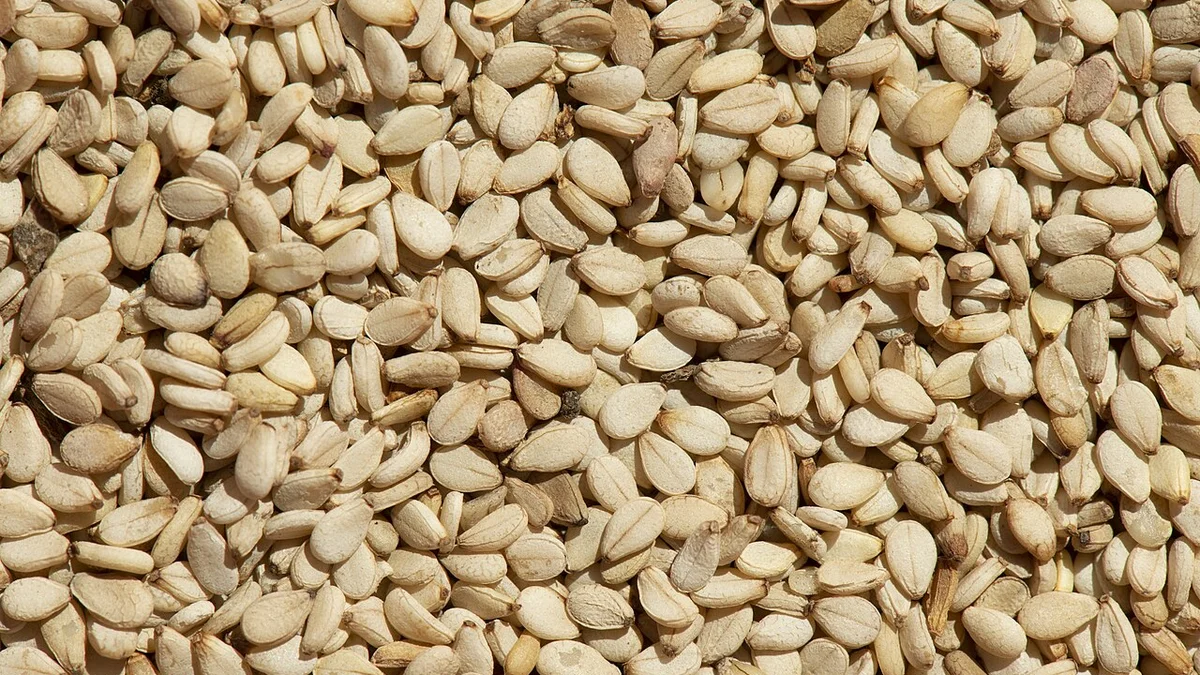
2. Varietal Distinctions: White Sesame (Bili Ellu) vs Black Sesame (Kappu Ellu)
Culturally and nutritionally, sesame occupies a place of profound significance in Karnataka. During the auspicious harvest festival of Makara Sankranti, every household prepares and distributes ’Ellu Bella’ (ಎಳ್ಳು ಬೆಲ್ಲ)—a sacred, nutritious blend of freshly harvested white sesame seeds, jaggery pieces (bella), roasted groundnuts, and dried coconut (kobri). This traditional food reflects ancient scientific wisdom: consumed in mid-January during peak winter, sesame’s exceptionally dense calcium content (providing approximately 975 mg of bioavailable calcium per 100g of seeds, nearly ten times that of milk) combined with high zinc, iron, and magnesium provides natural heat, bone nourishment, and immune resilience.
Commercially, sesame seeds contain between 48% and 52% of premium edible oil rich in natural polyunsaturated fatty acids and powerful lignan antioxidants—specifically sesamin and sesamolin. In Karnataka, traditional wooden cold press expellers (known locally as Mara Chekku, ಮರದ ಗಾಣ) extract unrefined gingelly oil at ambient temperatures below 45°C. These natural antioxidants endow cold-pressed sesame oil with remarkable oxidative stability, allowing it to be stored for up to two years without rancidity, synthetic preservatives, or hydrogenation.
| Nutritional / Agronomic Metric | White Sesame (Bili Ellu) | Black Sesame (Kappu Ellu) | Nutritional & Therapeutic Significance |
|---|---|---|---|
| Calcium Content (Per 100g) | 880 - 950 mg | 1,150 - 1,300 mg | Black sesame contains highest plant calcium for bone density |
| Natural Oil Concentration | 49% - 52% Lipid Profile | 46% - 48% Lipid Profile | High recovery in cold-pressed oil extraction units |
| Antioxidant Lignans | Sesamin, Sesamolin | Sesamin, Melanin Pigment | Melanin provides anti-aging hair and skin protection |
| Maturity Duration in Field | 80 - 90 Days (Kharif / Summer) | 85 - 95 Days (Kharif / Rabi) | Fast-growing catch crop between main seasonal rotations |
| Average Per-Acre Yield | 4.0 - 5.5 Quintals / Acre | 3.5 - 4.8 Quintals / Acre | Generates gross revenue of Rs 50,000 to Rs 80,000 per acre |
3. Cultivation Agronomy in Karnataka: Sowing Seasons, Soil & Water Management
Sesame is an extraordinarily resilient, drought-tolerant crop well-suited to Karnataka’s rainfed semi-arid zones. It thrives in well-drained fertile sandy loam to medium black clay soils with a pH ranging from 6.0 to 7.5. However, the crop is exceptionally sensitive to waterlogging: standing water for even 12 to 24 hours induces rapid root asphyxiation and fatal Phytophthora blight. As a result, farmers cultivate sesame either on gentle slopes, raised beds, or under broad-bed-and-furrow systems.
Karnataka farmers cultivate sesame across two major cropping windows: the Kharif season (sowing in June-July with monsoon rains) and the increasingly popular Summer season (sowing in January-February under supplemental furrow or drip irrigation). The summer crop produces cleaner, brighter seeds completely free from cloudy monsoon insect attacks, yielding up to 25% higher grain weight and commanding top export Sortex prices in regional mandis.
4. Post-Harvest Processing: Threshing, Sortex Grading & Hulling Technology
Post-harvest management is decisive in preserving the delicate culinary quality of Ellu. Harvesting begins when the lower leaves turn golden-yellow and lower capsule pods begin to split open. Plants are harvested in the early morning while morning dew prevents shattering losses, tied into small conical bundles (sheaves), and sun-cured upright on clean threshing floors for 7 to 10 days. Gentle inverted tapping with wooden sticks shakes out 95% of the clean seeds.
In commercial processing units, raw seeds undergo multi-stage pneumatic cleaning, destoning, and dual-camera optical color sorting (Sortex technology) to achieve 99.9% purity. For confectionery export, seeds undergo mechanical chemical-free hulling: gentle abrasion followed by brine flotation removes the bitter, oxalic-acid-rich outer epidermal seed skin, leaving pearlescent white kernels with a sweet, nutty taste that fetch premium prices across international markets.
5. Cold Pressed Oil (Ellu Enne), By-Product Oilcake & Nutritional Profile
The economic byproduct of sesame oil milling—sesame oilcake (known in Kannada as Ellu Hindikayi, ಎಳ್ಳು ಹಿಂಡಿಕಾಯಿ)—represents a high-value protein feed for Karnataka’s dairy sector. Containing 38% to 42% crude protein, rich methionine amino acids, and residual digestible fats, feeding 1.0 to 1.5 kg of sesame cake daily to lactating crossbred dairy cows increases daily milk yield by 1.2 to 1.8 liters while significantly boosting the milk’s butterfat percentage.
In Ayurvedic medicine, Kappu Ellu oil (Krishna Tila Taila) is revered as the finest of all plant oils. Used extensively in classical Panchakarma therapies—including Shirodhara, Abhyanga full-body massage, and Nasya—its ultra-fine molecular structure enables deep transdermal penetration, calming Vata dosha, soothing arthritic joint inflammation, and nourishing deep muscular tissues. With growing global awareness of holistic wellness, organic cold-pressed sesame oil from Karnataka commands premium export margins.
Comprehensive Directory & Government Resource Links
6. Agricultural Inputs, Mechanization & Allied Farm Operations
Maximizing farm gate returns in sesame seeds in kannada begins with strong agronomic management, calibrated soil nutrition, clean irrigation, and efficient harvesting machinery. Growers systematically coordinate crop care through NPK fertilizer grade selection and NBS pricing, DAP 50 kg bag subsidy and application rates, Saaf systemic and contact fungicide dosage, Roko (Thiophanate Methyl) disease control schedule, Coragen stem borer and caterpillar control, selective and pre-emergent herbicide management, commercial flower seed varieties, certified seeds policy and germination standards, rajgira amaranth seed farming. Modern field execution and transport rely heavily on comparing specs and subsidies across field tractor power testing and safety buying checks, Solis 4515 E Yanmar-tech tractor specifications, Swaraj 744 FE and XT torque and fuel economy, Swaraj 735 FE 39 HP utility tractor review, full Swaraj tractor HP lineup and pricing, Mahindra 575 DI 45 HP workhorse mileage guide, Mahindra 575 DI XP Plus 47 HP torque and review, New Holland 3630 TX Plus 4x4 55 HP tractor specs, Powertrac Euro diesel-saver tractor models and prices. For specialized tillage, haulage, and water distribution, cultivators also evaluate VST Shakti and Kubota 12-15 HP power tiller prices, Farmtrac heavy tractor series and diesel saver specs, sprinkler irrigation layout and PMKSY subsidy.
7. Regional Mandi Networks, Credit Schemes & Official Data Sources
Across India's regulated market ecosystem, farmers compare live realizations across state trading yards and tap formal welfare and institutional financing. Growers benchmark regional supply arrivals and MSP procurement across Narela Anaj Mandi paddy and wheat arrivals, Neemuch Mandi medicinal spice and grain rates, Piplia Mandi wholesale garlic auctions, Mandsaur APMC lahsun and soybean market rates, all-India APMC mandi bhav directory, Maharashtra sugar mill ex-factory and APMC rates, domestic S-30 and M-30 sugar mill pricing, sugar release quota and FRP economics, ethanol blending and sugar wholesale trends, retail and wholesale chini rate benchmarks, daily UP and Maharashtra sugar mill chini bhav, arhar (tur) dal wholesale and MSP realizations. Key grain, oilseed, and pulse realization corridors additionally track guar seed APMC & NCDEX prices, castor seed GCH hybrid prices, cotton market CCI MSP rates, cold-pressed mustard oil economics, onion storage life and wholesale arrivals, Lasalgaon and metro onion mandi quotations, water-soluble NPK 19-19-19 foliar spray dosage. Agricultural diversification and specialty value chains spanning spices, plantation crops, dairy, and poultry offer steady cash flow—tracked via Shivalik mentha oil MCX and distillation yields, daily crude mentha oil spot rates, mentha herb agronomic cultivation and boiler distillation, Barabanki mint wholesale mandi and MCX benchmarks, Spices Board cardamom auction prices, small green cardamom e-auction grades, Kashmiri Mongra saffron prices and GI purity, raw cashew nut (RCN) processing realizations, processed cashew kernel export grades, W180 and W240 cashew wholesale pricing, California and Mamra almond wholesale rates, Kashmiri walnut giri and shell-out grades.
Other specialized horticulture and livestock enterprises include dried fig (anjeer) cultivation and mandi prices, Hass avocado commercial orchard economics, red and white dragon fruit per-kg realizations, Karnataka supari and arecanut auction prices, Rashi, Bette, and Chali arecanut grade pricing, Shivamogga and TUMCOS adike mandi rates, NCDEX Turmeric Price Today, daily NECC wholesale egg price movements, all-India NECC egg rate directory, Namakkal poultry belt NECC dispatch rates, Barwala layer farm paper rates and margins, Bangalore wholesale egg tray prices and retail spreads, commercial button and oyster mushroom cultivation, wholesale mushroom prices across urban mandis. Operational working capital, DBT cash transfers, and subsidized farm solar or e-KYC infrastructure can be accessed via CSC Aadhaar biometric e-KYC verification workflow, Kisan Credit Card 4% subvention loan and KRP application, PM-KISAN installment status and PFMS verification, PM-KUSUM solar irrigation pump capital subsidy. Primary regulatory notifications, technical bulletins, and statutory benchmark portals are published by University of Agricultural Sciences Bangalore (UAS Bangalore), Indian Institute of Oilseeds Research (ICAR-IIOR Hyderabad), Karnataka State Agricultural Marketing Board (KSAMB), and Agmarknet Agricultural Marketing Information Network.
Frequently asked questions
- What are sesame seeds called in Kannada?
- Sesame seeds are called ‘Ellu’ (ಎಳ್ಳು) in Kannada. White sesame is called ‘Bili Ellu’ (ಬಿಳಿ ಎಳ್ಳು), and black sesame is called ‘Kappu Ellu’ (ಕಪ್ಪು ಎಳ್ಳು). Official regulatory guidelines can also be verified on the University of Agricultural Sciences Bangalore (UAS Bangalore).
- What is the current indicative price of sesame seeds (Ellu) in Karnataka?
- Wholesale prices in Karnataka mandis range between ₹135 and ₹175 per kg for white sesame (Bili Ellu), and ₹145 to ₹190 per kg for black sesame (Kappu Ellu). Official regulatory guidelines can also be verified on the Indian Institute of Oilseeds Research (ICAR-IIOR Hyderabad).
- Why is Ellu Bella significant in Karnataka during Sankranti?
- Ellu Bella is a sacred mixture of sesame, jaggery, roasted groundnuts, and dry coconut prepared for Makara Sankranti. It provides essential winter warmth, calcium, and good health. Explore related mandi benchmarks and farmer support guides in our Narela Anaj Mandi paddy and wheat arrivals.
- What is the difference between white and black sesame seeds?
- White sesame has a milder nutty flavor and is used in sweets, bakery toppings, and tahini. Black sesame has a richer flavor, higher calcium content, and is prized for Ayurvedic oils and medicines. Explore related mandi benchmarks and farmer support guides in our Neemuch Mandi medicinal spice and grain rates.
- How much oil is extracted from 1 kg of sesame seeds?
- Cold press (Mara Chekku) expelling yields approximately 450 to 500 ml of pure unrefined gingelly oil per kilogram of high-quality sesame seeds. Explore related mandi benchmarks and farmer support guides in our Piplia Mandi wholesale garlic auctions.
- Which districts in Karnataka produce the most sesame seeds?
- The leading sesame producing districts are Raichur, Ballari, Koppal, Haveri, Kalaburagi, and Gadag in the northern and central dry agricultural zones. Explore related mandi benchmarks and farmer support guides in our Mandsaur APMC lahsun and soybean market rates.
- What is the seed rate and maturity duration for sesame cultivation?
- Sesame requires a seed rate of 2.0 to 2.5 kg per acre and matures within 80 to 95 days, making it an excellent fast-duration catch crop.
- What is the health benefit of consuming sesame seeds daily?
- Sesame is one of the richest plant sources of calcium (approx 975 mg/100g), iron, magnesium, and lignans (sesamin), which support strong bones, heart health, and lower cholesterol.
- Can sesame be grown in the summer season in Karnataka?
- Yes, summer sesame sown in January-February under drip or furrow irrigation yields up to 25% higher than Kharif crops, producing clean, disease-free, bright seeds.
- What is sesame oilcake (Ellu Hindikayi) used for?
- Sesame oilcake is a high-protein (38-42%) livestock feed byproduct that significantly boosts milk yield and fat content in dairy cows.
- How should harvested sesame seeds be stored at home?
- Store cleaned, thoroughly dried sesame seeds (moisture below 8%) in airtight steel containers in a cool, dry pantry to prevent oil oxidation and insect pests.
- What is Mara Chekku sesame oil?
- Mara Chekku is traditional wood-pressed cold-extracted sesame oil processed without heat or chemical solvents, retaining 100% of its natural vitamins, antioxidants, and aroma.
This article is for general information only and is not financial advice. Loan and scheme eligibility depends on partner and government criteria.