Guar Seed Price Today: Mandi Bhav & NCDEX Gum Rates
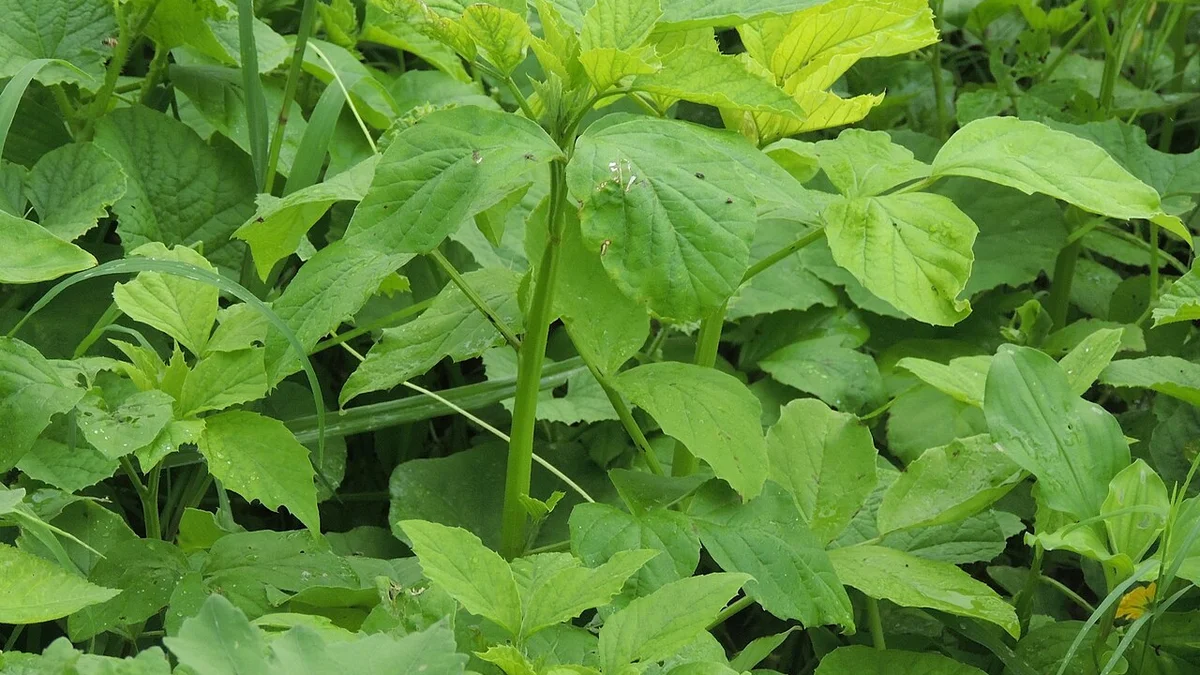
Guar seed (cluster bean, Cyamopsis tetragonoloba) represents one of India’s most strategic agro-industrial export commodities, with the arid and semi-arid tracts of western Rajasthan accounting for more than 75% of global production. Traded actively across major physical APMC mandis including Jodhpur, Bikaner, Sri Ganganagar, and Barmer, and tracked on the National Commodity & Derivatives Exchange (NCDEX Portal) under export guidelines administered by the Agricultural & Processed Food Products Export Development Authority (APEDA Official) with agronomic breeding support from the Central Arid Zone Research Institute (ICAR-CAZRI Jodhpur) and daily arrivals monitored via Agmarknet (Agmarknet Network), guar seed price dynamics are uniquely intertwined with international crude oil exploration, US shale gas hydraulic fracturing activity, and global food processing demand.
1. Indicative Guar Seed & Guar Gum Price Benchmarks in Rajasthan
Wholesale guar seed prices in Rajasthan reflect a complex pricing mechanism governed by daily arrivals, monsoon rainfall distribution in Thar desert districts, and futures contract trends on NCDEX. Raw cluster bean seeds are processed into refined splits and high-viscosity hydrocolloid gum powder. The following table summarizes indicative modal wholesale benchmarks recorded during recent trading cycles:
| Market Center / Product Tier | Physical Form & Packaging | Min Rate (Rs/Qtl) | Modal Rate (Rs/Qtl) | Max Rate (Rs/Qtl) | Industrial End-Use Market |
|---|---|---|---|---|---|
| Jodhpur APMC (Raw Guar Seed) | 50 Kg Jute Gunny Bags | Rs 5,100 | Rs 5,380 | Rs 5,650 | Primary Split Manufacturing Mills |
| Bikaner Mandi (Dry Bold Seed) | Loose Tractor / Bagged Auction | Rs 5,150 | Rs 5,420 | Rs 5,700 | High Galactomannan Extraction |
| Guar Gum Refined Splits | 50 Kg HDPE Lined Poly Bags | Rs 10,200 | Rs 10,950 | Rs 11,800 | Overseas Chemical & Food Processors |
| Fast Hydrating Guar Gum Powder | 25 Kg Paper Bags / Pallets | Rs 12,800 | Rs 13,800 | Rs 15,200 | US & North Sea Shale Gas Fracking |
| Guar Churi (38-40% Protein) | 50 Kg Commercial Feed Bags | Rs 2,800 | Rs 3,100 | Rs 3,400 | Cattle Feed Compounders |
| Guar Korma (48-52% Protein) | 50 Kg High Protein Bags | Rs 3,600 | Rs 3,950 | Rs 4,300 | Poultry & Aquafeed Formulations |
2. Industrial Processing: Splits, Hydrocolloid Powder & High-Protein By-Products
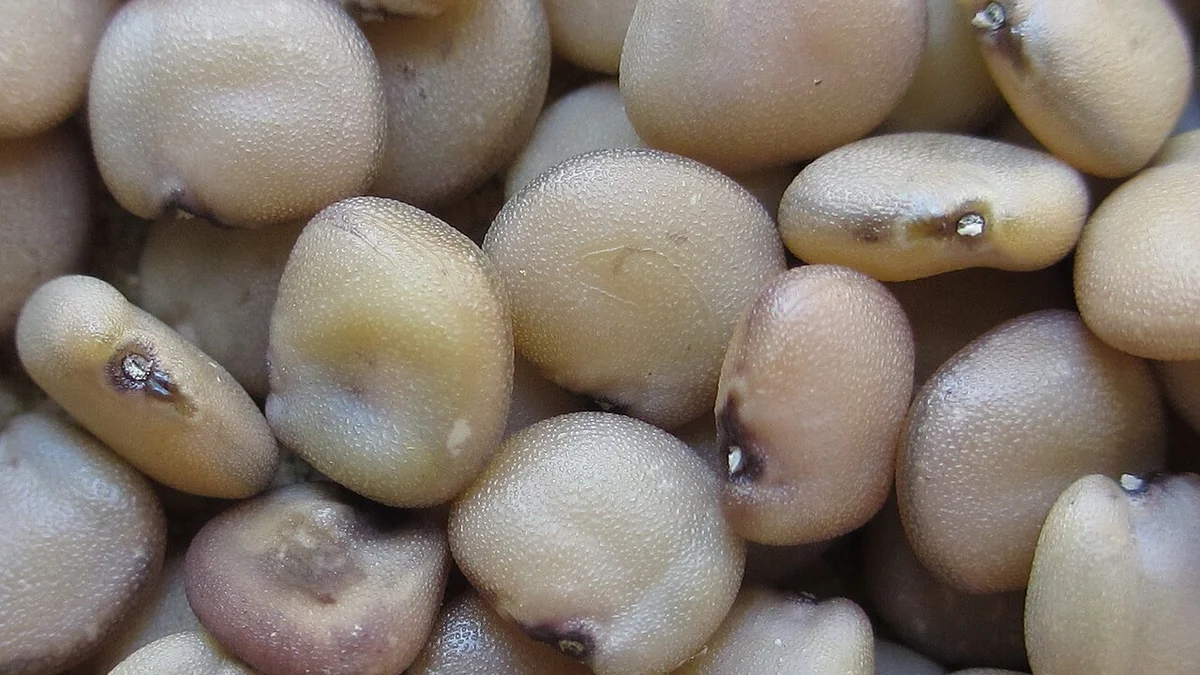
Guar seed processing represents a remarkable example of industrial agro-refining. The raw cluster bean seed consists of three primary components: the outer fibrous hull (14-17%), the protein-rich inner germ (43-47%), and the endosperm (35-42%). The endosperm contains galactomannan—a high-molecular-weight polysaccharide polymer composed of galactose and mannose units. In modern split manufacturing plants, whole seeds undergo gentle thermo-mechanical roasting followed by de-husking and mechanical splitting to separate pure endosperm halves (known as guar splits).
These refined splits are then pulverized into ultra-fine hydrocolloid powders exhibiting extraordinary water-binding properties: a mere 1% concentration of guar gum powder in water yields a highly viscous gel without heating. In the global petroleum sector, fast-hydrating guar gum acts as a crucial viscosifier in hydraulic fracturing (fracking) fluids, suspending and carrying millions of pounds of quartz sand proppants deep into horizontal shale rock fissures. In the food sector (coded as E412), guar gum stabilizes ice cream crystals, thickens bakery doughs, and prevents phase separation in commercial sauces.
| Fraction / By-Product | Seed Proportion (%) | Chemical & Physical Profile | Commercial Utilization & Economic Value |
|---|---|---|---|
| Refined Guar Splits (Endosperm) | 35% - 40% | 88% Galactomannan Polysaccharide | Intermediate for shale fracking & food stabilizer (Rs 11,000/Qtl) |
| Guar Korma (Inner Germ Fraction) | 42% - 46% | 48% - 52% Crude Protein, Balanced Amino Acids | High-value substitute for soybean meal in aquafeed (Rs 3,950/Qtl) |
| Guar Churi (Outer Hull Fraction) | 14% - 17% | 38% - 40% Crude Protein, Digestible Fiber | Dairy cattle concentrate boosting milk butterfat (Rs 3,100/Qtl) |
| Industrial Guar Gum Powder | Derived from Splits | 3,500 - 5,500 cP Viscosity Rating | Global oilfield exploration & FMCG export (Rs 13,800/Qtl) |
3. Global Demand Correlators: US Shale Gas Fracking & Food Industry Emulsifiers
The international price of guar seed is uniquely coupled with the global energy exploration cycle. When international crude oil prices (Brent and WTI benchmarks) trade above $75 to $80 per barrel, active oil and gas drilling rig counts in the Permian Basin and Eagle Ford shale plays in the United States surge. Because each hydraulic fracturing stage consumes thousands of pounds of guar slurry, surging US import orders immediately trigger physical buying sprees across Rajasthan mandis, elevating cash prices.
Conversely, during periods of global energy downturns or when crude prices dip, oilfield demand moderates. However, the rapidly expanding non-oil industrial sectors—including textile printing, paper manufacturing, pharmaceutical tablet binding, and plant-based dairy alternatives—provide a resilient baseline demand floor, preventing catastrophic price collapses even during international drilling slumps.
4. Arid Agronomy: Low Input Costs, Monsoon Dependency & Yield Optimization
Agronomically, guar is a miracle crop for the hyper-arid Thar desert ecosystem. Requiring merely 250 to 400 millimeters of seasonal rainfall across its entire 85 to 105 day growth cycle, cluster bean plants thrive in nutrient-poor sandy soils where virtually all other commercial Kharif crops wither. Elite drought-resistant cultivars developed by ICAR-CAZRI—notably RGC-936, RGC-1003, and RGC-1066—possess deep taproots that mine subsoil moisture from depth while foliage sheds water efficiently via waxy leaf cuticles.
Cultivation input costs for guar are remarkably modest, typically totaling just ₹6,000 to ₹8,000 per acre since the legume requires zero synthetic nitrogen fertilizer (fixing 45 kg N2/ha) and requires minimal crop protection sprays. Average rainfed yields range between 3.5 and 5.5 quintals per acre (rising to 7.0 quintals under supplemental drip irrigation), delivering robust net returns when mandi spot prices clear above ₹5,200 per quintal.
5. Trading Strategy: NCDEX Price Discovery, Hedging & Warehouse Finance
Price discovery and risk management in guar are anchored on the National Commodity & Derivatives Exchange (NCDEX), which trades active near-month and far-month futures contracts for both Guar Seed (10 MT contract) and Guar Gum Refined Splits (5 MT contract). Farmers Producer Organizations (FPOs) and processing split millers routinely use NCDEX to hedge against price volatility, locking in profitable sales during pre-harvest price rallies.
In addition, guar seed exhibits exceptional storage longevity: stored in WDRA-accredited dry concrete silos or multi-tier warehouses in Jodhpur and Bikaner, whole guar seeds can be safely preserved for 3 to 5 years without insect damage or loss of galactomannan viscosity. Electronic Negotiable Warehouse Receipts (e-NWRs) issued by accredited warehouses enable farmers to obtain instant 70% bank pledge financing at concessional interest rates, allowing them to withhold physical stocks until overseas demand cycles drive prices higher.
Comprehensive Directory & Government Resource Links
6. Agricultural Inputs, Mechanization & Allied Farm Operations
Maximizing farm gate returns in guar seed price begins with strong agronomic management, calibrated soil nutrition, clean irrigation, and efficient harvesting machinery. Growers systematically coordinate crop care through NPK fertilizer grade selection and NBS pricing, DAP 50 kg bag subsidy and application rates, Saaf systemic and contact fungicide dosage, Roko (Thiophanate Methyl) disease control schedule, Coragen stem borer and caterpillar control, selective and pre-emergent herbicide management, commercial flower seed varieties, certified seeds policy and germination standards, rajgira amaranth seed farming, sesame seed (ellu) agronomy and market rates. Modern field execution and transport rely heavily on comparing specs and subsidies across field tractor power testing and safety buying checks, Solis 4515 E Yanmar-tech tractor specifications, Swaraj 744 FE and XT torque and fuel economy, Swaraj 735 FE 39 HP utility tractor review, full Swaraj tractor HP lineup and pricing, Mahindra 575 DI 45 HP workhorse mileage guide, Mahindra 575 DI XP Plus 47 HP torque and review, New Holland 3630 TX Plus 4x4 55 HP tractor specs, Powertrac Euro diesel-saver tractor models and prices. For specialized tillage, haulage, and water distribution, cultivators also evaluate VST Shakti and Kubota 12-15 HP power tiller prices, Farmtrac heavy tractor series and diesel saver specs, sprinkler irrigation layout and PMKSY subsidy.
7. Regional Mandi Networks, Credit Schemes & Official Data Sources
Across India's regulated market ecosystem, farmers compare live realizations across state trading yards and tap formal welfare and institutional financing. Growers benchmark regional supply arrivals and MSP procurement across Narela Anaj Mandi paddy and wheat arrivals, Neemuch Mandi medicinal spice and grain rates, Piplia Mandi wholesale garlic auctions, Mandsaur APMC lahsun and soybean market rates, all-India APMC mandi bhav directory, Maharashtra sugar mill ex-factory and APMC rates, domestic S-30 and M-30 sugar mill pricing, sugar release quota and FRP economics, ethanol blending and sugar wholesale trends, retail and wholesale chini rate benchmarks, daily UP and Maharashtra sugar mill chini bhav, arhar (tur) dal wholesale and MSP realizations. Key grain, oilseed, and pulse realization corridors additionally track castor seed GCH hybrid prices, cotton market CCI MSP rates, cold-pressed mustard oil economics, onion storage life and wholesale arrivals, Lasalgaon and metro onion mandi quotations, water-soluble NPK 19-19-19 foliar spray dosage. Agricultural diversification and specialty value chains spanning spices, plantation crops, dairy, and poultry offer steady cash flow—tracked via Shivalik mentha oil MCX and distillation yields, daily crude mentha oil spot rates, mentha herb agronomic cultivation and boiler distillation, Barabanki mint wholesale mandi and MCX benchmarks, Spices Board cardamom auction prices, small green cardamom e-auction grades, Kashmiri Mongra saffron prices and GI purity, raw cashew nut (RCN) processing realizations, processed cashew kernel export grades, W180 and W240 cashew wholesale pricing, California and Mamra almond wholesale rates, Kashmiri walnut giri and shell-out grades.
Other specialized horticulture and livestock enterprises include dried fig (anjeer) cultivation and mandi prices, Hass avocado commercial orchard economics, red and white dragon fruit per-kg realizations, Karnataka supari and arecanut auction prices, Rashi, Bette, and Chali arecanut grade pricing, Shivamogga and TUMCOS adike mandi rates, NCDEX Turmeric Price Today, daily NECC wholesale egg price movements, all-India NECC egg rate directory, Namakkal poultry belt NECC dispatch rates, Barwala layer farm paper rates and margins, Bangalore wholesale egg tray prices and retail spreads, commercial button and oyster mushroom cultivation, wholesale mushroom prices across urban mandis. Operational working capital, DBT cash transfers, and subsidized farm solar or e-KYC infrastructure can be accessed via CSC Aadhaar biometric e-KYC verification workflow, Kisan Credit Card 4% subvention loan and KRP application, PM-KISAN installment status and PFMS verification, PM-KUSUM solar irrigation pump capital subsidy. Primary regulatory notifications, technical bulletins, and statutory benchmark portals are published by National Commodity & Derivatives Exchange (NCDEX), Agricultural & Processed Food Products Export Development Authority (APEDA), Central Arid Zone Research Institute (ICAR-CAZRI Jodhpur), and Agmarknet Agricultural Marketing Information Network.
Frequently asked questions
- What is the current indicative price of guar seed in Rajasthan mandis?
- Indicative modal wholesale rates for dry FAQ guar seed in Rajasthan APMC mandis (Jodhpur, Bikaner) range between ₹5,100 and ₹5,650 per quintal, while refined guar gum splits trade between ₹10,200 and ₹11,800 per quintal. Official regulatory guidelines can also be verified on the National Commodity & Derivatives Exchange (NCDEX).
- Why is Rajasthan the primary producer of guar in India?
- Rajasthan produces over 75% of India’s guar due to its arid sandy climate, low rainfall (250-400 mm), and extensive processing split infrastructure in Jodhpur and Bikaner. Official regulatory guidelines can also be verified on the Agricultural & Processed Food Products Export Development Authority (APEDA).
- What is guar gum used for in the oil industry?
- Guar gum is used as a natural viscosifier in hydraulic fracturing fluids for shale gas drilling, suspending heavy sand proppants and carrying them deep into rock fractures. Explore related mandi benchmarks and farmer support guides in our Narela Anaj Mandi paddy and wheat arrivals.
- What is the difference between guar churi and guar korma?
- Guar churi is the outer hull byproduct (38-40% protein) ideal for dairy cows, while guar korma is the inner germ fraction (48-52% protein) prized in poultry and aquafeed rations. Explore related mandi benchmarks and farmer support guides in our Neemuch Mandi medicinal spice and grain rates.
- How does NCDEX impact guar seed prices in India?
- NCDEX provides transparent real-time futures price discovery and hedging mechanisms, allowing millers, exporters, and FPOs to lock in prices and manage market volatility. Explore related mandi benchmarks and farmer support guides in our Piplia Mandi wholesale garlic auctions.
- What is the cost of cultivating guar per acre in Rajasthan?
- Guar has exceptionally low input costs, typically requiring ₹6,000 to ₹8,000 per acre due to zero nitrogen fertilizer requirements and high natural drought tolerance.
- What are the high-yielding guar varieties recommended by ICAR-CAZRI?
- Popular recommended varieties include RGC-936, RGC-1003, RGC-1066, and HG-365, known for high galactomannan content and drought resistance.
- Can guar seed be stored for multiple years without spoilage?
- Yes, when stored in dry moisture-proof warehouses, guar seeds can be preserved safely for 3 to 5 years without deterioration in gum viscosity or seed viability.
- What is food-grade guar gum (E412)?
- It is high-purity, odor-free guar gum powder used as an emulsifier, stabilizer, and thickener in dairy products, ice creams, gluten-free bakery items, and salad dressings.
- How does US crude oil drilling affect Indian guar seed prices?
- Rising US oil rig counts increase demand for hydraulic fracturing guar gum exports, triggering aggressive domestic buying that lifts Rajasthan mandi prices.
- What is the average yield of guar seed per acre?
- Average rainfed yields in western Rajasthan range from 3.5 to 5.5 quintals per acre, which can reach 6.5 to 8.0 quintals per acre under supplemental irrigation.
- How do farmers get pledge loans against stored guar seed?
- Farmers deposit certified guar in WDRA-accredited warehouses to receive electronic Negotiable Warehouse Receipts (e-NWR), against which banks lend up to 70% of crop value.
This article is for general information only and is not financial advice. Loan and scheme eligibility depends on partner and government criteria.