Herbicide Guide: Types, Weedicides & Crop Weed Control
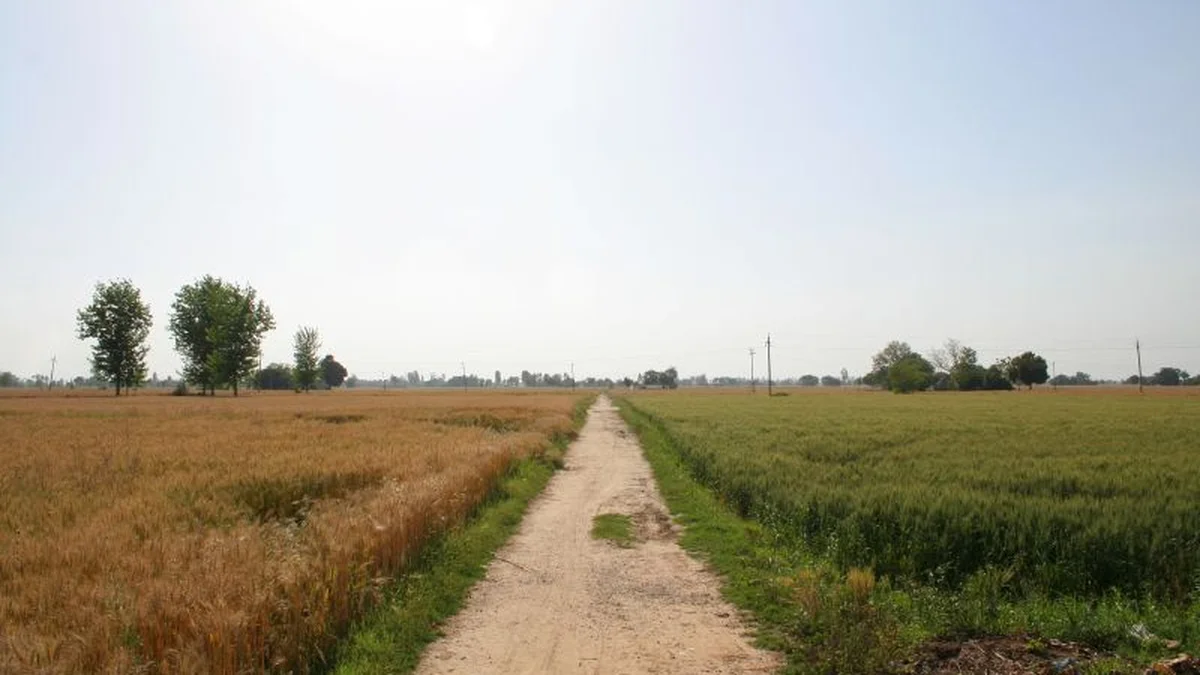
Weeds represent the single most silent, persistent, and economically damaging biotic constraint in Indian agriculture—robbing growing crops of moisture, sunlight, soil macronutrients, and physical root space. Agronomic surveys conducted by ICAR estimate that unmanaged weed infestations cause staggering annual crop yield losses ranging from 25% to over 50% in major staples including wheat, rice, soybean, maize, and pulses. In an era marked by acute rural labor shortages and escalating manual weeding wages, chemical herbicides (commonly called weedicides) provide indispensable, cost-effective, and rapid weed suppression across modern farming landscapes.
Governed by safety registrations and bio-efficacy standards administered through the Central Insecticides Board & Registration Committee (CIB&RC Official Portal) and monitored by the Directorate of Plant Protection, Quarantine & Storage (DPPQS Portal), agricultural herbicides span a diverse chemical spectrum. Formulations encompass pre-emergence soil barriers, selective post-emergence foliar eradicators, and broad-spectrum non-selective systemic clearing sprays. Developed in collaboration with research institutes like the Indian Council of Agricultural Research (ICAR Directorate of Weed Research) and central welfare authorities (DA&FW Crop Division), this definitive agronomic manual details herbicide classifications, popular chemical molecules, grass versus broadleaf weed targets, sprayer calibration protocols, and environmental safety measures.
1. Agricultural Herbicide Classification: Selective vs Non-Selective
To select the appropriate weedicide, growers must understand the two foundational classification pillars: selectivity and timing of application.
| Classification Dimension | Category Type | Primary Mechanism of Action | Common Commercial Examples & Uses |
|---|---|---|---|
| Selectivity Mechanism | Selective Herbicides | Kills specific target weeds while leaving the main crop completely unharmed | 2,4-D in wheat/sugarcane, Pendimethalin in pulses, Bispyribac-sodium in rice |
| Selectivity Mechanism | Non-Selective Herbicides | Eradicates all green plant vegetation indiscriminately upon contact or absorption | Glyphosate, Paraquat dichloride, Glufosinate ammonium (orchards & non-crop areas) |
| Application Timing | Pre-Plant Incorporation (PPI) | Incorporated mechanically into soil prior to sowing to stop weed seeds | Fluchloralin in groundnut and oilseeds |
| Application Timing | Pre-Emergence (PE) | Sprayed onto moist soil surface within 48 hours of sowing before weeds or crop sprout | Pendimethalin, Atrazine, Metribuzin, Pretilachlor |
| Application Timing | Post-Emergence (POE) | Sprayed directly onto actively growing weed foliage (2 to 4 weed leaf stage) | Bispyribac-sodium, Clodinafop-propargyl, Imazethapyr, Quizalofop-ethyl |
Source: ICAR Directorate of Weed Research (ICAR-DWR Jabalpur) and CIB&RC Technical Guidelines, November 2026.
2. Major Weedicide Molecules, Target Weeds & Crop Recommendations
Different agricultural crops host distinct weed flora, categorized broadly into Narrow-Leaf Grasses (monocots), Sedges (Cyperaceae), and Broadleaf Weeds (dicots). Below is an indicative reference of popular registered herbicide molecules used in Indian agriculture:

| Target Crop | Recommended Herbicide Chemical | Dosage per Acre | Application Timing | Target Weeds Controlled |
|---|---|---|---|---|
| Wheat (Gehun) | Clodinafop 15% + Metsulfuron 1% WP | 160 g / Acre | Post-Emergence (30-35 DAS) | Mandusi (Phalaris minor), Bathua (Chenopodium), जंगली जई |
| Wheat (Gehun) | Sulfosulfuron 75% + Metsulfuron 5% WG | 16 g / Acre | Post-Emergence (30-35 DAS) | Total weed control: Phalaris, wild oats & broadleaf weeds |
| Paddy (Dhan) | Pretilachlor 50% EC | 500 ml / Acre | Pre-Emergence (0-3 DAT) | Barnyard grass (Echinochloa), water weeds in transplanted rice |
| Paddy (Dhan) | Bispyribac-Sodium 10% SC (Nominee Gold) | 80 – 100 ml / Acre | Post-Emergence (15-20 DAT) | Echinochloa crus-galli, Cyperus sedges & broadleaf weeds |
| Soybean & Groundnut | Pendimethalin 30% EC (Stomp) | 1,000 – 1,200 ml / Acre | Pre-Emergence (within 48 hrs) | Annual grasses and small-seeded broadleaf weeds |
| Soybean & Pulses | Imazethapyr 10% SL (Pursuit) | 300 – 400 ml / Acre | Early Post-Emergence (15-20 DAS) | Motha (Cyperus), Sawank, Trianthema (Santhi) in pulses |
| Maize & Sugarcane | Atrazine 50% WP | 400 – 800 g / Acre | Pre-Emergence or Early Post | Broadleaf weeds and annual grasses in corn and cane furrows |
Source: Central Insecticides Board & Registration Committee (CIB&RC) Approved Weedicide Labels, November 2026. DAS = Days After Sowing; DAT = Days After Transplanting.
3. Weedicides for Grass: Controlling Narrow-Leaf Grassy Infestations
Grassy weeds—most notoriously Phalaris minor (Gullidanda / Canary Grass) in wheat and Echinochloa colona (Swank / Barnyard Grass) in paddy—share identical physiological and morphological features with cereal host crops, making manual hand-weeding virtually impossible during early vegetative stages. Specialized graminicides (grass weedicides) target the acetyl-CoA carboxylase (ACCase) enzyme in monocots, halting fatty acid synthesis in grasses without affecting broadleaf crops or tolerant cereals.
- Quizalofop-Ethyl 5% EC: Highly selective grass weedicide for broadleaf crops (soybean, cotton, groundnut, onion). Destroys annual and perennial grasses within 10 to 14 days without yellowing host crops.
- Fenoxaprop-p-Ethyl 9.3% EC: Widely used selective post-emergence grass killer in soybean and blackgram. Safeners in the formulation prevent crop injury while eradicating stubborn wild millet and barnyard grass.
- Clethodim 25% EC: Modern post-emergence graminicide offering superior control of tough perennial Bermuda grass (Cynodon dactylon / Doob) in cotton and pulses.
4. Application Equipment: Flat Fan Nozzles & Calibration Guidelines
Unlike insecticides or fungicides that require fine, swirling mist nozzles (hollow cone) to penetrate plant canopies, herbicides must be applied with Flat Fan or Floodjet nozzles that generate coarse, heavy droplets. Coarse droplets prevent airborne chemical drift from drifting onto neighboring susceptible crops, orchards, or vegetable gardens.
- Soil Moisture Mandate: Pre-emergence herbicides (like Pendimethalin) require adequate soil moisture at application. Spraying on bone-dry soil fails to activate the chemical barrier, leading to immediate weed escape.
- Uniform Water Volume: Never compromise on water volume. Standard knapsack spraying requires 150 to 200 liters of water per acre (10 to 13 pumps of 15 liters each) to ensure unbroken soil or foliar coverage.
- Use Protective Spray Hoods: When applying non-selective weedicides (such as Glyphosate) in orchard alleys or sugarcane rows, attach a plastic protective hood over the nozzle to prevent spray droplets from touching green crop stems or leaves.
5. Herbicide Resistance Management & Environmental Stewardship
Repeated, continuous use of identical herbicide chemistries across successive seasons induces rapid evolutionary selection for resistant weed biotypes. In Punjab and Haryana, Phalaris minor has developed documented cross-resistance to Isoproturon, Clodinafop, and Sulfosulfuron. To break resistance cycles, agronomists advocate integrated weed management: rotating herbicide modes of action (e.g., following an ACCase inhibitor with an ALS inhibitor), practicing zero-tillage with heavy residue mulch, crop rotation, and mechanical inter-row cultivation.
6. Storage Safety, Triple-Rinsing & Safe Container Disposal
Safe stewardship of agricultural weedicides extends beyond field spraying to proper chemical storage and post-application container disposal. Concentrated herbicides must always be stored in their original factory-sealed bottles or powder packets inside dedicated chemical cabinets, kept elevated on wooden racks in well-ventilated farm outbuildings away from grain sacks, animal feed rations, and potable water sources.
Upon emptying a herbicide container, applicators must immediately execute the statutory triple-rinse technique: fill the empty container one-fourth full with clean water, securely replace the cap, shake vigorously for 30 seconds, and pour the rinse water directly back into the spray tank. Puncture the base of rinsed plastic containers to prevent reuse for domestic or animal drinking purposes, and dispose of empty packaging through authorized agricultural pesticide waste collection channels.
7. Weed Resistance Management, Tank-Mixing & Application Machinery
The continuous, repeated application of single-mode-of-action herbicides poses severe risks of weed resistance evolution—a phenomenon already observed in resistant Phalaris minor (gullidanda) in northern wheat belts. Sustainable weed management requires rotating herbicide chemical groups (such as ACCase inhibitors, ALS inhibitors, and synthetic auxins) alongside mechanical cultivation and cover cropping. For comprehensive pest suppression, farmers integrate weed management with systemic insecticides like imidacloprid insecticide dosage and broad-spectrum crop protection using broad spectrum fungicides or Roko fungicide treatments.
Accurate weedicide application requires precision sprayer calibration to avoid under-dosing (which accelerates resistance) or over-dosing (which causes severe crop phytotoxicity). Utilizing flood-jet or flat-fan nozzles on tractor-mounted spray rigs ensures uniform droplet distribution. Farmers can research boom sprayers and calibration tools on Farm Search, optimize pre-emergent herbicide activation with micro-irrigation systems under the PM Krishi Sinchayee Yojana, and monitor soil organic matter and herbicide adsorption using Soil Health Card soil testing.
8. Farm Economics, Operational Credit & Allied Agri-Enterprises
Timely weed suppression directly protects crop yields and farm profitability across major agricultural commodities. In oilseed cultivation, effective weed control protects mustard seed market prices and regional sarso mandi rates from yield losses that can exceed 30% to 40%. In vegetable production, controlling broadleaf weeds sustains high returns in daily onion mandi markets. In sugarcane farming, early weed control secures sucrose levels that govern returns under chini ka rate today and wholesale benchmarks for sugar today rate. Specialty growers also control weeds in amaranth seed production and commercial dragon fruit cultivation.
In southern plantation belts, weed management is essential for sustaining Shivamogga adike mandi rates, Karnataka arecanut prices, wholesale cashew kernel rates, and raw cashew nut farm-gate pricing. Seasonal inputs including certified herbicides, sprayers, and fertilizers can be financed through low-interest institutional credit via the Kisan Credit Card (KCC) scheme. Farmers mitigate weather and yield risks through PMFBY crop insurance tracking, backed by direct income support through PM Kisan beneficiary verification, regional welfare via CM Kisan Odisha DBT, and labour registration on UPLMIS shramik labour card.
Tractor-mounted boom sprayers can be mounted on dependable utility tractors such as the Swaraj 744 FE tractor, the Mahindra 575 DI, the Eicher 380, or modern John Deere tractors, eligible for capital assistance under the PM Kisan tractor subsidy program and combine harvester price benchmarks. Produce transport can be managed with mini trucks like the Mahindra Supro or clean commercial vehicles under the PM E-DRIVE electric vehicle subsidy, trading directly on Kisan Mandi trading platforms and regional hubs like Muhana Mandi Jaipur. Year-round cash flow can be reinforced through Gir cow dairy units, Murrah buffalo milk production, commercial goat farming, NECC wholesale egg sales, and the Barwala poultry market.
Official herbicide technical approvals, maximum residue limits (MRLs), and weed management recommendations are published by the Central Insecticides Board & Registration Committee (CIBRC), the Directorate of Plant Protection, Quarantine & Storage (PPQS), the ICAR-Directorate of Weed Research (DWR), and the Ministry of Agriculture & Farmers Welfare.
Frequently asked questions
- What is the fundamental difference between pre-emergent and post-emergent herbicides?
- Pre-emergent herbicides (such as Pendimethalin and Atrazine) are applied to soil before weeds germinate to inhibit seed sprouting. Post-emergent herbicides (such as Glyphosate, 2,4-D, and Clodinafop) are sprayed directly onto actively growing weed foliage after germination. Guidelines are published by the CIBRC Central Insecticides Board.
- What is a selective herbicide versus a non-selective herbicide?
- Selective herbicides kill specific weed classes (e.g., broadleaf weeds or grasses) without harming the established crop, whereas non-selective herbicides (like Glyphosate or Paraquat) destroy all plant vegetation they contact. Review crop protection options in our broad spectrum fungicide guide.
- Which nozzle type is best suited for herbicide spraying on field crops?
- Flat-fan or flood-jet nozzles operating at low pressure (1.5 to 2.0 bar) are ideal for herbicide applications because they produce coarse, uniform droplets that minimize drift onto neighboring crops.
- Why is soil moisture critical when applying pre-emergent weedicides?
- Adequate soil moisture dissolves the herbicide active ingredient into the upper 2 to 3 cm soil profile where weed seeds germinate, forming an unbroken chemical barrier that inhibits sprouting.
- Can weedicides be safely mixed with foliar insecticides or fertilizers?
- Selective herbicides should generally not be tank-mixed with organophosphate insecticides like imidacloprid insecticide or concentrated fertilizers without prior compatibility testing, as combinations can induce severe crop leaf burning.
- How can farmers manage herbicide-resistant weeds like Phalaris minor in wheat?
- Manage resistant weeds by rotating herbicide chemical classes (e.g., alternating ACCase inhibitors with ALS inhibitors), adopting zero-tillage sowing, and financing mechanical weeders via the Kisan Credit Card (KCC) scheme.
- What is the statutory waiting period between herbicide spraying and sowing the next crop?
- Herbicides with long soil residual activity (such as Atrazine or Sulfosulfuron) require a rotational waiting period of 90 to 120 days before sensitive following crops are planted. Soil organic matter can be verified via Soil Health Card testing.
- How should spray equipment be cleaned after applying non-selective weedicides?
- Triple-rinse the sprayer tank, boom, hoses, and nozzles with clean water mixed with 1% household ammonia or detergent solution to deactivate residual herbicide traces before spraying other crops.
- What are the legal regulations surrounding the use of Glyphosate in India?
- Under notifications issued by the PPQS Plant Protection Directorate and Ministry of Agriculture, Glyphosate is officially restricted to non-crop areas and tea plantations, and must be applied exclusively through certified Pest Control Operators (PCOs).
- What are the main causes of crop injury (phytotoxicity) from herbicides?
- Phytotoxicity is commonly caused by excessive chemical dosage, overlapping spray swaths, high ambient temperatures exceeding 35°C, using the wrong nozzle type, or spraying during severe drought stress.
- How does water quality (pH and hardness) influence herbicide effectiveness?
- Hard water containing high calcium and magnesium ions deactivates weak-acid herbicides like Glyphosate and 2,4-D. Adding ammonium sulfate (AMS) conditioning agents buffers spray water for maximum efficacy.
- What first-aid protocol should be followed in case of accidental herbicide poisoning?
- Immediately remove contaminated clothing and wash exposed skin thoroughly with soap and copious clean water. Keep the patient calm, avoid inducing vomiting unless instructed, and transport to a hospital with the product label.
This article is for general information only and is not financial advice. Loan and scheme eligibility depends on partner and government criteria.