Piplia Mandi Bhav: Daily Garlic, Soybean & APMC Rates
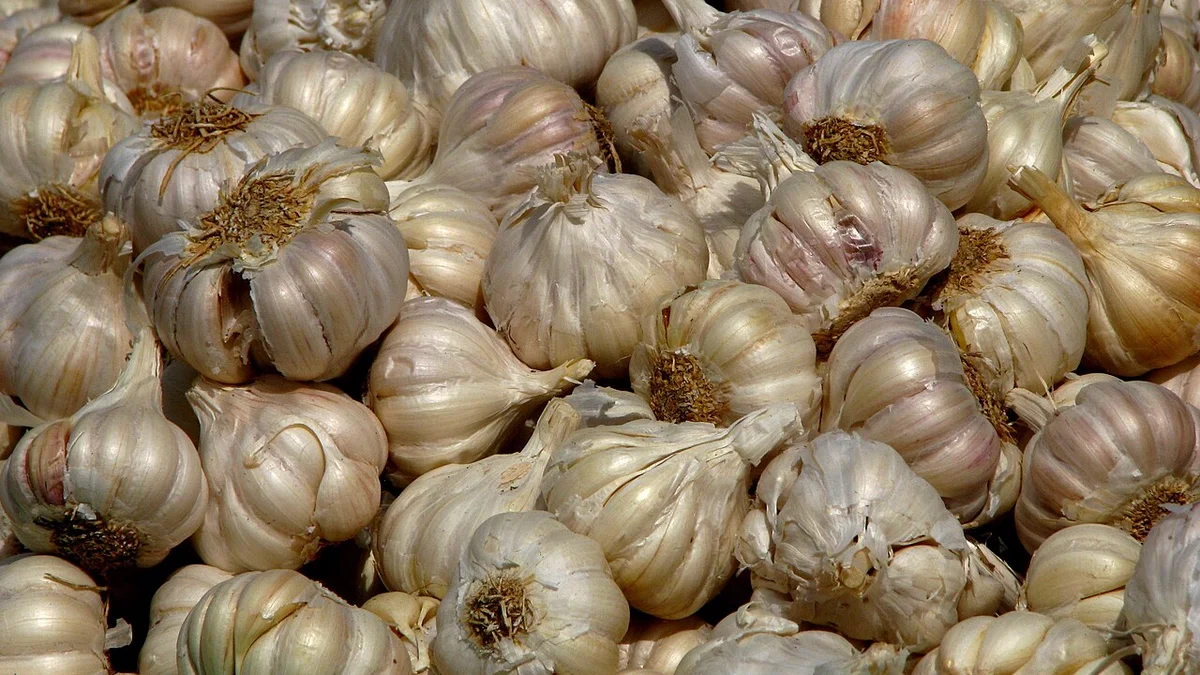
Piplia Mandi (Krishi Upaj Mandi Samiti Pipaliya), located in Mandsaur district of Madhya Pradesh, is internationally renowned as one of western India’s premier terminal wholesale markets for garlic (lahsun), soybean, mustard, and wheat. Situated along the fertile Malwa agro-climatic corridor on State Highway 31 between Mandsaur and Neemuch, the APMC yard connects thousands of progressive farmers from Madhya Pradesh and neighboring Rajasthan districts with nationwide commercial spice processors, oilseed mills, and export packhouses. Officially regulated under the Madhya Pradesh State Agricultural Marketing Board (MP Mandi Board) and integrated with the National Agriculture Market (e-NAM Portal) and the Directorate of Marketing and Inspection (Agmarknet Agricultural Marketing), Pipaliya Mandi serves as a national price-discovery benchmark for high-pungency spice crops and commercial oilseeds.
1. Indicative Commodity Price Benchmarks at Piplia Mandi
Wholesale prices at Piplia Mandi fluctuate daily based on regional arrival volumes, moisture percentage, bulb caliper size, and buyer participation from major consumption metros like Delhi, Mumbai, Kolkata, and Hyderabad. The following table details indicative modal wholesale benchmarks recorded during recent trading cycles under official Mandi Board supervision.
| Commodity & Variety | Arrival Volume (Bags/Qtl) | Min Rate (Rs/Qtl) | Modal Rate (Rs/Qtl) | Max Rate (Rs/Qtl) | Primary Season |
|---|---|---|---|---|---|
| Garlic (Lahsun - Ooty / G2) | 12,000 Bags | Rs 9,500 | Rs 14,800 | Rs 22,500 | Rabi / Post-Harvest |
| Garlic (Desi / Medium Box) | 18,500 Bags | Rs 5,200 | Rs 8,600 | Rs 12,000 | Year-Round |
| Soybean (Yellow / Seed Grade) | 8,400 Bags | Rs 4,100 | Rs 4,680 | Rs 5,120 | Kharif Post-Harvest |
| Mustard (Sarson - High Oil) | 3,200 Bags | Rs 5,100 | Rs 5,650 | Rs 6,100 | Rabi (Feb - May) |
| Wheat (Lokwan / Sharbati) | 6,500 Bags | Rs 2,350 | Rs 2,740 | Rs 3,180 | Rabi Post-Harvest |
| Methi (Fenugreek / Machine Clean) | 1,800 Bags | Rs 5,400 | Rs 6,250 | Rs 7,300 | Rabi Peak |
| Isabgol (Psyllium Husk) | 950 Bags | Rs 11,200 | Rs 14,600 | Rs 18,200 | Summer / Rabi |
| Coriander (Dhaniya / Green Badami) | 2,100 Bags | Rs 6,200 | Rs 7,100 | Rs 8,400 | Spring Harvest |
2. Overview of Piplia Mandi (Mandsaur District, MP)
Piplia Mandi functions under the regulatory governance of the Madhya Pradesh State Agricultural Marketing Board (Madhya Pradesh Mandi Board, Bhopal). Positioned strategically on State Highway 31 between Mandsaur and Neemuch, the Pipaliya APMC operates modern e-NAM electronic auction platforms alongside traditional open outcry vocal bidding sheds. The regional soil of Mandsaur district, enriched with deep black clay and fertile alluvial loam, fosters ideal agro-climatic conditions for high-pungency spice crops and robust oilseeds.
Alongside Neemuch Mandi and Mandsaur Mandi, Piplia Mandi forms the golden commercial triangle of India’s domestic garlic trade. During the peak harvest season between February and May, daily garlic arrivals across these three interconnected markets frequently exceed 60,000 to 80,000 bags (each weighing 50 kilograms), establishing baseline export and domestic pricing across metro centers such as Azadpur Mandi in Delhi, Vashi APMC in Navi Mumbai, and Koyambedu Market in Chennai.
3. Garlic (Lahsun) Grades and Valuation Dynamics in Piplia
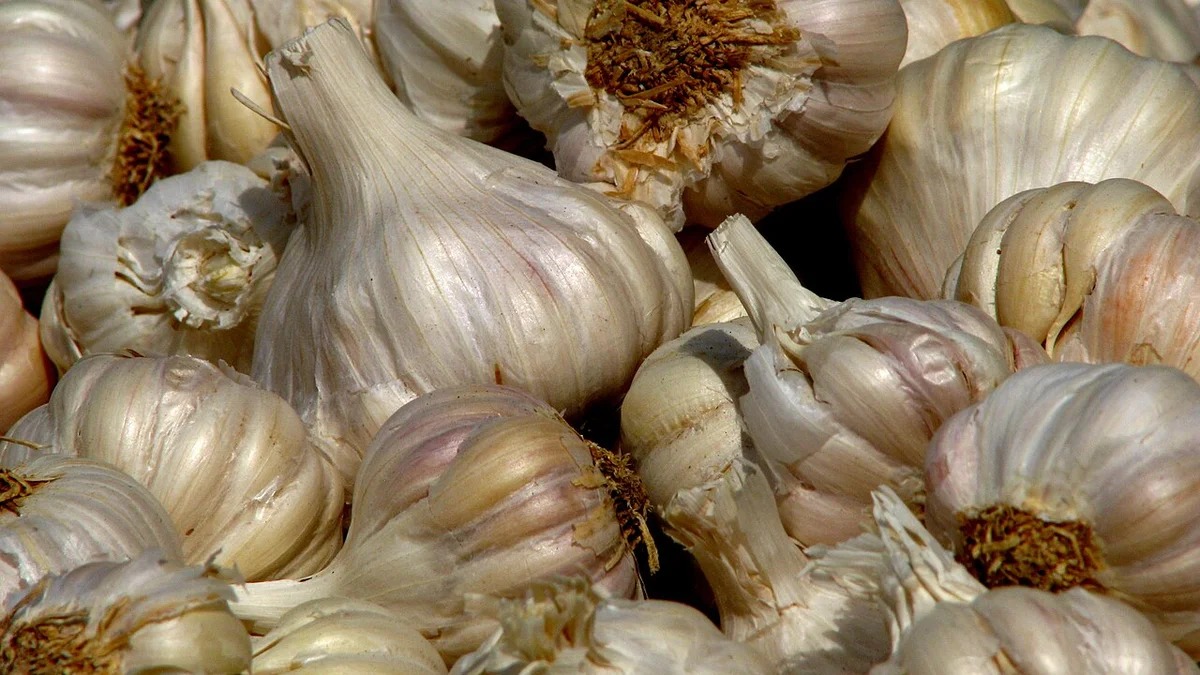
Garlic valuation in Piplia Mandi is governed by rigorous visual grading, bulb caliper size, solid dry matter content, and moisture retention. Unlike standard field crops sold in bulk trucks, farmers in the Malwa belt invest intensive manual labor into curing, root-trimming, cleaning, and sorting garlic bulbs into standardized commercial grades before dispatching them to the auction platform:
- Super Box / Special Ooty Grade: Characterized by extra-large single-bulb diameters exceeding 45 mm, spotless ivory skin, and solid clove compaction. Commanded primarily by premium supermarket chains, hotel chains, and overseas export packhouses in the Gulf and Southeast Asia.
- Medium Box (Laddu / Bam Grade): Caliper sizes between 30 mm and 42 mm. Highly favored by regional domestic wholesalers across Uttar Pradesh, Bihar, West Bengal, and southern consuming centers due to superior shelf-life and balanced culinary pungency.
- Chharra / Chhoti Patti (Small Grade): Bulbs measuring below 28 mm. Sold at moderate discounts, these small-clove lots serve as prime raw materials for industrial dehydration factories, curry powder manufacturers, garlic paste processors, and oleoresin extractors.
- Desi Malwa Native Garlic: Cherished for intense pungent allicin concentration and medicinal essential oil yields, despite smaller bulb morphology compared to Nilgiris or Ooty seed strains.
Moisture assessment remains the single most critical price determinant during the post-harvest arrival wave. Immature green garlic with elevated neck moisture undergoes substantial transport weight loss and fungal rot during multi-day container transit, leading commission agents (Kachha Arhatiyas) to impose 10% to 25% moisture discounts against standard dry cured lots.
4. Seasonal Calendar & Arrival Patterns for Major Commodities
Piplia Mandi exhibits distinct seasonal inflow waves aligned with India’s multi-season cropping cycles. Understanding these delivery peaks empowers agricultural growers to avoid distressed floor prices during temporary yard congestion:
- Garlic (Lahsun): Main harvest arrivals surge from late February, peaking in March, April, and early May. Controlled cold storage arrivals continue steady distributions from June through December.
- Soybean (Pili Soybean): Peak marketing window runs from late September through December following the Southwest monsoon retreat. Timely harvest prevents pod-shattering and seed discoloration.
- Mustard (Rabi Sarson): Winter harvest reaches sheds between February and April. Oil content typically averages between 38% and 42% depending on winter frost incidence.
- Wheat (Lokwan & Sharbati): Post-Rabi arrivals peak from mid-March to late May, aligning with national procurement under Food Corporation of India (FCI) MSP support programs.
- Spices & Minor Crops (Fenugreek, Isabgol, Coriander, Ajwain): Harvested from February to April, commanding specialized bidding platforms within the auxiliary commodity sheds.
5. Step-by-Step Selling Process for Farmers at Piplia Mandi
The Madhya Pradesh Krishi Upaj Mandi Adhiniyam mandates transparent weighing, standardized yard ticketing, and fair open competition. Every cultivator visiting Piplia Mandi progresses through standardized procedural stages:
- Gate Entry & Entry Slip Generation: The gate operator records the farmer’s name, village, Aadhaar or Kisan Credit Card number, vehicle registration, commodity type, and estimated bag count, issuing a digital entry slip.
- Lot Display in Auction Sheds: The vehicle is guided into allocated covered sheds where bags are unloaded or vehicle tailgates opened for trader inspection, visual quality check, and electronic lot numbering.
- Competitive Open Outcry Auction: Mandi Board licensed commission agents (Arhatiyas) and registered corporate buyers gather around the lot. The auctioneer calls out bids until the hammer falls on the highest bid per quintal.
- Farmer Acceptance or Rejection: Under APMC regulations, the farmer reserves complete legal right to accept the final bid or decline the sale if the clearing price falls below their minimum economic threshold.
- Electronic Weighment (Tulawati): Upon acceptance, licensed weighmen (tula-dharaks) weigh the produce on certified computerized electronic weighbridges or calibrated platform scales in the presence of the grower.
- Settlement Bill (J-Form / Bikri Parcha) & Payment: The purchasing commission merchant issues an official Bikri Parcha specifying gross weight, deductions for tare bag weight, final rate, and net payable amount. Payment must be transferred via RTGS/NEFT to the farmer’s bank account or paid in cash within statutory time limits without unapproved broker deductions.
6. Cold Storage Infrastructure and Value Addition
A major technological strength of the Mandsaur-Piplia agro-industrial belt is the dense network of multi-chamber controlled atmosphere (CA) and specialized refrigerated cold storage facilities. Over 45 private and cooperative cold stores operate within a 25-kilometer perimeter of Piplia Mandi, capable of preserving garlic bulbs at temperatures of 0°C to 2°C with 65% to 70% relative humidity.
By depositing graded garlic lots in certified cold warehouses against Negotiable Warehouse Receipts (NWR) issued under Warehousing Development and Regulatory Authority (WDRA) guidelines, growers secure pledge loans from nationalized commercial banks at subsidized interest rates. This financial mechanism allows farmers to bypass harvest-time price collapses and release inventory into retail hubs when festive demand drives market prices upward during Diwali and winter wedding seasons.
7. Quality Assaying, Moisture Testing & Fair Trade Protocols
To eliminate subjective visual disputes between commission merchants and agricultural sellers, Krishi Upaj Mandi Pipaliya houses a dedicated agricultural assaying testing laboratory operated under the National Agriculture Market (e-NAM) mandate. Technicians examine random composite samples drawn from arrival lots to quantify moisture levels via halogen moisture analyzers, seed purity indices, foreign matter percentages, and insect damage ratios.
Transparent digital assay certificates uploaded directly onto the central e-NAM cloud portal enable institutional spice processors in Karnataka, Gujarat, and Maharashtra to participate in remote e-auctions with absolute confidence in physical lot specifications, effectively democratizing wholesale market access for smallholder cultivators across Madhya Pradesh.
8. Transport Connectivity and Export Logistics from Malwa
Piplia Mandi benefits from superior multi-modal transport logistics. Situated on the Delhi-Mumbai Industrial Corridor (DMIC) catchment, the township connects smoothly via National Highway 52 and the newly developed Delhi-Mumbai Expressway access spurs in western Madhya Pradesh and eastern Rajasthan. Express container trucks reach Kandla, Mundra, and JNPT ports within 24 to 36 hours, facilitating rapid transit for high-value agricultural shipments.
Pipaliya railway station, situated on the Western Railway Ratlam-Chittorgarh broad gauge route, supports bulk rake loading for non-perishable oilseed meals, de-oiled soybean cakes (DOC), and buffer foodgrain stocks dispatched by state civil supplies corporations.
9. Comparing Piplia Mandi with Neighboring Agricultural Hubs
While Neemuch Mandi is widely celebrated as Asia’s largest medicinal herb and poppy seed (Khas Khas) trading center, Piplia Mandi maintains distinct competitive advantages in customized open lot garlic handling, rapid gate turnaround times, and flexible merchant warehousing. Growers frequently evaluate price spreads across Piplia, Neemuch, Mandsaur, and Jaora markets to decide optimum destination routing based on current truck freight rates and variety-specific price premiums.
7. Malwa Garlic Belt Economics, Allied Cash Crops & Mandi Networks
Piplia Mandi in Mandsaur district stands as Madhya Pradesh's preeminent wholesale garlic (lahsun) trading platform, drawing bulk buyers and exporters nationwide. Tracking real-time mandi prices enables farmers to capture peak seasonal demand and avoid distress sales at the farm gate. Commercial growers cross-reference daily market movements across diverse commodity segments—including mandi bhav today APMC rates, onion rate today APMC benchmarks, spot mustard seed prices, regional sarso mandi bhav, and wholesale mill trends for chini ka rate today alongside sugar today rate benchmarks.
In southern spice and plantation corridors, growers track the Shivamogga adike rate today, all-India arecanut price today, wholesale cashew kernel price grades, and raw cashew nut farm-gate rates. To eliminate middleman deductions, cultivators participate in direct market models such as Kisan Mandi direct trading platforms or trade at premier state hubs like Jaipur's Muhana Mandi wholesale terminal. In poultry and alternative farming, growers track daily benchmarks including NECC wholesale egg rates, the Barwala egg market price, commercial dragon fruit cultivation returns, and amaranth seed grain prices.
8. Agri-Logistics, Farm Mechanization, Credit & Government Support
Efficient mandi realization depends heavily on reliable transport and access to working capital. Farmers can lower haulage expenses using commercial mini trucks such as the Mahindra Supro commercial vehicle or invest in zero-emission transport supported by the PM E-DRIVE electric vehicle subsidy. On the production front, high-efficiency tractors like the Swaraj 744 FE tractor, the Mahindra 575 DI, the Eicher 380, and heavy-duty John Deere tractors can be acquired with capital assistance from the PM Kisan tractor subsidy program and combine harvester price benchmarks.
To avoid post-harvest distress liquidation, farmers can store garlic produce in certified warehouses and access pledge loans or working capital via the Kisan Credit Card (KCC) scheme. Financial resilience is further supported by PMFBY crop insurance tracking, direct income transfers via PM Kisan beneficiary verification, state-level assistance from CM Kisan Odisha DBT, and social security registration on UPLMIS shramik labour card.
Cultivators can discover modern implements and mandi tools via Farm Search, tailor fertilizer inputs with a Soil Health Card test, optimize irrigation with PM Krishi Sinchayee Yojana, protect crops using imidacloprid insecticide dosage, broad spectrum fungicides, and Roko fungicide treatments, and diversify income through Gir cow dairy units, Murrah buffalo dairy farming, or commercial goat farming.
Official real-time price feeds, auction bulletins, and e-trading infrastructure are administered by the Agmarknet Directorate of Marketing & Inspection, the National Agriculture Market (e-NAM), the MP State Agricultural Marketing Board (Mandi Board), and the Ministry of Agriculture & Farmers Welfare.
Frequently asked questions
- Where is Piplia Mandi located and why is it famous across India?
- Piplia Mandi is located in the Mandsaur district of Madhya Pradesh along the Malwa agricultural corridor. It is renowned as one of Asia's largest wholesale spot auction markets for white garlic (lahsun), soybean, wheat, and opium-belt spices, with daily price feeds on Agmarknet.
- How can farmers check real-time Piplia Mandi bhav today online?
- Farmers can check official auction rates on the MP Mandi Board Portal, Agmarknet, or the e-NAM mobile application by selecting Piplia Mandi under Mandsaur district.
- What are the main quality grades of garlic traded at Piplia Mandi?
- Garlic is graded into Box Quality (extra-large bulbs above 50mm diameter), Ooty/Desi Super (40mm to 50mm), Medium (30mm to 40mm), and Gulla/Chanti (below 30mm), with Box Quality commanding a substantial price premium.
- Are commission charges legally deducted from farmers selling at Piplia Mandi?
- No. Under statutory MP Krishi Upaj Mandi regulations, arhatiya commission charges must be paid strictly by licensed buyers and traders, never deducted from farmer gross payouts. Farmers can also explore direct selling options on Kisan Mandi.
- What is the e-NAM trading procedure followed at Piplia Mandi?
- Farmers receive an electronic gate pass upon entry. Produce is sampled and assayed for moisture and bulb diameter, followed by competitive electronic bidding on the e-NAM National Agriculture Market before direct bank account settlement.
- Can farmers get loans against harvested garlic stored in mandi warehouses?
- Yes, farmers holding electronic Negotiable Warehouse Receipts (e-NWRs) can access post-harvest pledge loans up to 75% of produce value at subsidized interest rates through the Kisan Credit Card (KCC) scheme.
- How does personal commercial transport improve garlic profit margins?
- Transporting graded garlic in versatile mini trucks like the Mahindra Supro commercial vehicle eliminates local village middleman commissions and allows growers to choose the highest-bidding regional auction yard.
- What is the statutory timeline for payment settlement to farmers at Piplia Mandi?
- Under MP Mandi bylaws, licensed traders must settle 100% of the sale payment to the farmer on the same day via electronic bank transfer or cash up to statutory limits before produce is loaded for dispatch.
- Which months witness the highest garlic arrivals at Piplia Mandi?
- Peak garlic arrivals occur from February through May during the fresh rabi harvest, with daily volumes frequently exceeding 15,000 to 25,000 bags.
- Where can farmers find comprehensive tools for equipment and mandi search?
- Cultivators can utilize our dedicated Farm Search equipment and mandi tool to evaluate local market trends, transport options, and implement specifications.
- What dispute resolution mechanism exists if a farmer disputes auction weighing?
- Farmers can immediately request an official re-weighing by the Mandi Committee Inspector at the central digital weighbridge, free of charge, prior to signing the final auction sale slip.
- What facilities are available for visiting farmers at Piplia Mandi?
- Piplia Mandi provides subsidized farmer canteens (Kisan Thali), free farmer rest sheds (Kisan Vishram Grah), clean drinking water stations, and overnight tractor parking facilities.
This article is for general information only and is not financial advice. Loan and scheme eligibility depends on partner and government criteria.