Castor Seed Guide: Farming, APMC Prices & High-Yield Seeds
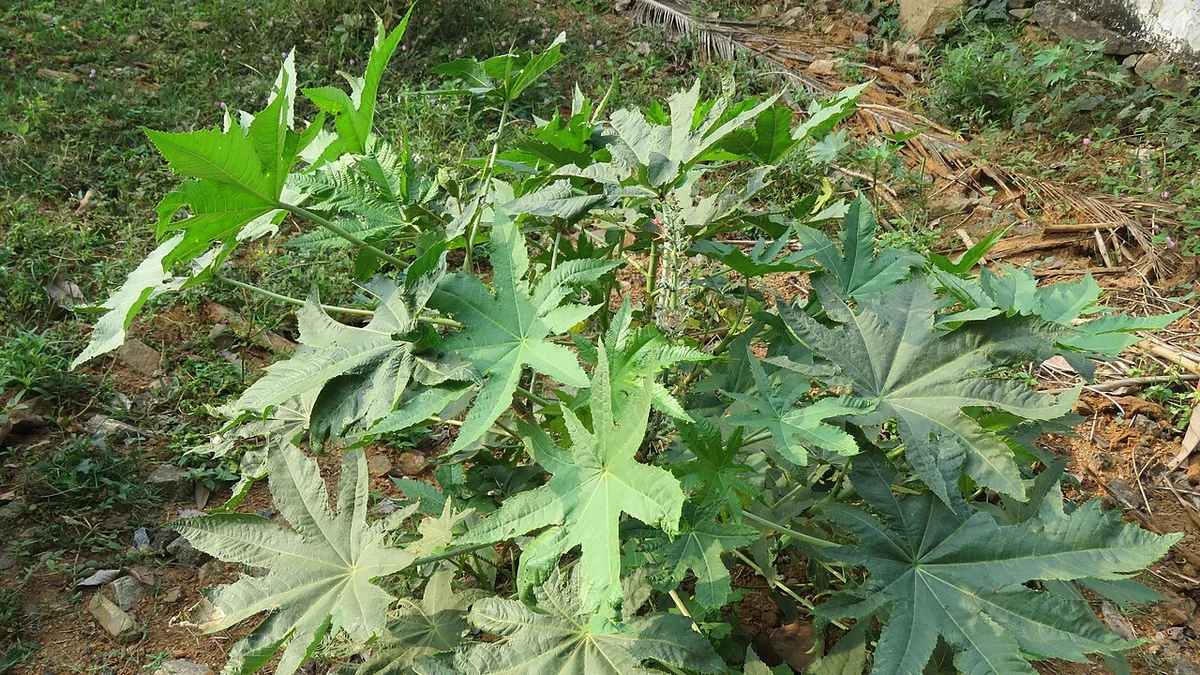
Castor seed (Ricinus communis L.) occupies a paramount position in India’s commercial agricultural economy. As the world’s undisputed leader in castor production, India supplies more than 85% of the international export trade for castor oil, generating over ₹10,000 crore ($1.2 billion) in foreign exchange earnings annually. Cultivated predominantly across the arid and semi-arid tracts of Gujarat, Rajasthan, Telangana, and Andhra Pradesh, castor is a resilient, drought-hardy non-edible oilseed crop. Developed in collaboration with the ICAR Indian Institute of Oilseeds Research (ICAR-IIOR Hyderabad) and tracked by the Solvent Extractors’ Association of India (SEA Official Trade Association) alongside the Ministry of Agriculture (Department of Agriculture & Farmers Welfare), modern hybrid castor varieties deliver exceptional oil content and remarkable farm profitability.
1. Elite Castor Hybrids and High-Yielding Varieties in India
The advent of indigenous pistillate line-based hybrids developed by State Agricultural Universities (SAUs) and ICAR has revolutionized castor seed productivity in India. Yield potentials have climbed from a historical 800 kg per hectare under rainfed conditions to over 3,500 to 4,200 kg per hectare under irrigated intensive management:
- GCH-7 (Gujarat Castor Hybrid 7): Developed by Sardar Krushinagar Dantiwada Agricultural University (SDAU), GCH-7 is the benchmark commercial hybrid across Gujarat and Rajasthan. It boasts 49.5% oil content, strong resistance to Fusarium wilt and root rot diseases, robust tertiary branching, and an average farm yield of 3,500 to 4,000 kg/ha under drip irrigation.
- GCH-8 & GCH-9: Released for specialized high-density planting and mechanical harvesting adaptability. Featuring a compact dwarf canopy architecture, synchronized capsule maturity, and oil content ranging between 50.0% and 50.8%, these varieties minimize labor costs during multiple harvest passes.
- DCH-519 (DOR Castor Hybrid 519): Bred by ICAR-IIOR, DCH-519 is specifically adapted to rainfed and low-rainfall environments across Telangana, Andhra Pradesh, and Karnataka. Maturing within 160 to 180 days, it offers superior drought tolerance and 49.0% oil recovery.
- YRCH-1 & YRCH-2: Released by Tamil Nadu Agricultural University (TNAU) for southern Indian soil conditions, yielding high per-hectare biomass and excellent resistance to leaf miner and capsule borer infestations.
| Castor Hybrid / Variety | Recommended Zone / State | Maturity Duration (Days) | Oil Content (%) | Average Irrigated Yield (Kg/Ha) | Certified Seed Price (Rs/Kg) |
|---|---|---|---|---|---|
| GCH-7 (SDAU Gujarat) | Gujarat, Rajasthan & MP | 180 – 210 Days | 49.5% | 3,600 – 4,000 | Rs 280 – Rs 340 / Kg |
| GCH-8 (Dwarf Architecture) | North Gujarat & Saurashtra | 170 – 195 Days | 50.2% | 3,800 – 4,200 | Rs 310 – Rs 360 / Kg |
| GCH-9 (High-Oil Elite) | All Commercial Belts | 180 – 205 Days | 50.6% | 3,700 – 4,150 | Rs 320 – Rs 380 / Kg |
| DCH-519 (ICAR-IIOR) | Telangana, AP & Karnataka | 160 – 180 Days | 49.0% | 2,800 – 3,400 | Rs 260 – Rs 310 / Kg |
| YRCH-1 (TNAU Certified) | Tamil Nadu & Southern Zone | 150 – 170 Days | 48.5% | 2,600 – 3,100 | Rs 250 – Rs 300 / Kg |
| Commercial Grain APMC Rate | Spot Delivery Mandis | Wholesale Benchmark | Standard Basis 47% | Rs 5,800 – Rs 6,650 / Qtl | Rs 58 – Rs 67 / Kg |
2. Commercial Value Chain: Castor Oil, De-Oiled Cake & By-Products
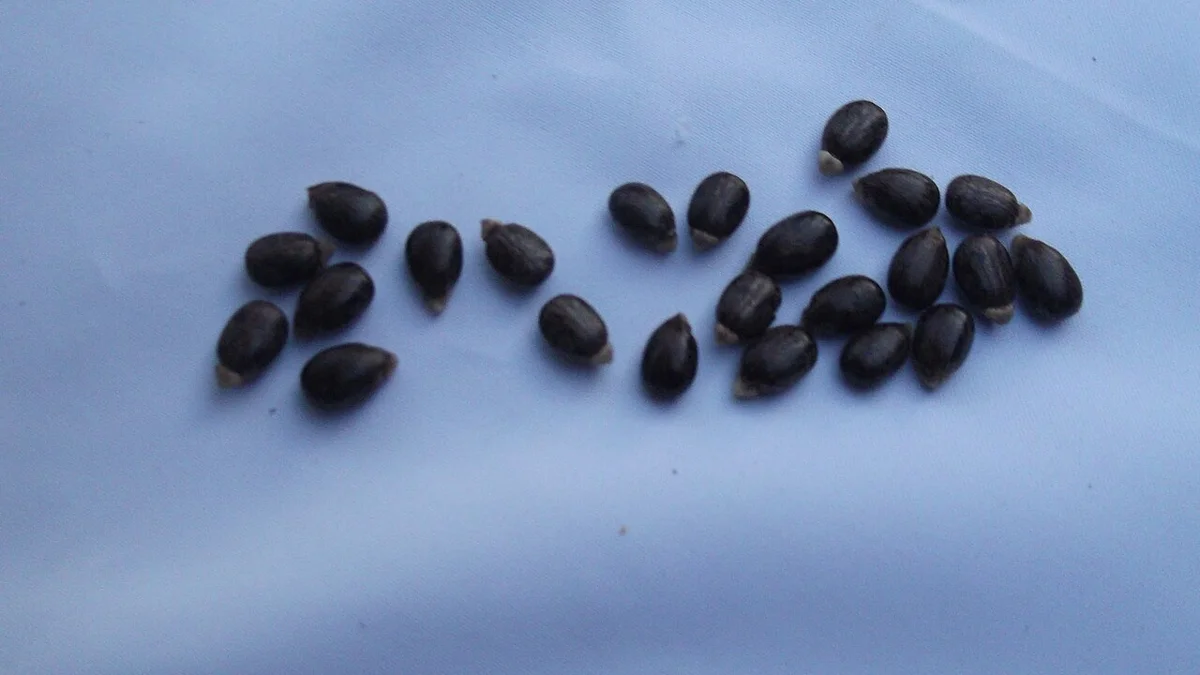
Castor seed is prized globally not for direct food consumption, but for its unique ricinoleic acid fatty acid profile (comprising 85% to 90% of total oil composition). This hydroxylated unsaturated fatty acid provides exceptional viscosity, thermal stability, and lubricating properties across a vast array of high-technology industrial applications:
- Commercial Castor Oil (FSG - First Special Grade): Extracted via mechanical screw expellers followed by chemical solvent extraction. Yields range from 46% to 48% commercial oil per quintal of seed. Used extensively in aerospace lubricants, synthetic hydraulic brake fluids, engineering polyamides (Nylon-11 and Nylon-6,10), polyurethane resins, paints, and specialty cosmetics.
- De-Oiled Castor Cake (DOC): The solid residual meal left after oil extraction constitutes roughly 50% to 52% of processed seed weight. Although toxic to livestock due to the protein ricin and allergen CB-1A, castor DOC is an outstanding organic nitrogen fertilizer (containing 4.5% N, 1.8% P2O5, and 1.2% K2O). It acts as a powerful natural nematicide when incorporated into sugarcane, banana, turmeric, and vegetable soil beds.
- Castor Stalks & Briquettes: The woody, fibrous stems produce high-calorific biomass fuel briquettes (3,800 to 4,200 kcal/kg) and provide raw material for paper pulp and particle board manufacturing.
3. Agronomy, Sowing Density and Irrigation Management
Maximizing castor seed yield requires careful spatial management and moisture regulation. Because indeterminate hybrid castor plants develop extensive lateral branch canopies, overcrowding severely curtails secondary and tertiary spike production:
- Sowing Window: Kharif sowing extends from late July to mid-August with the onset of monsoon rains. Rabi/Summer sowing under assured irrigation occurs in September-October in Gujarat and southern states.
- Spacing Geometry: Under drip fertigation, recommended spacing is 120 cm to 150 cm between rows and 60 cm to 90 cm between plants. For paired-row configurations (180 cm x 90 cm x 60 cm), planting density stabilizes at approximately 9,000 to 11,000 plants per hectare, requiring a seed rate of 5.0 to 6.0 kg per hectare.
- Seed Treatment: Prior to sowing, seeds must be treated with Thiram or Carbendazim @ 2 g/kg of seed, followed by Trichoderma viride @ 5 g/kg seed to protect emerging seedlings from damping-off and seed-borne root rot fungi.
- Nutrient Requirement: Soil application of 80 kg Nitrogen, 40 kg Phosphorus (P2O5), 30 kg Potash (K2O), and 20 kg Sulphur per hectare. Nitrogen is applied in three split doses: 25% basal, 50% at 35–45 days after sowing (primary spike initiation), and 25% at 70–80 days.
4. Sequential Spike Harvesting and Mechanized Threshing
Because castor is an indeterminate crop, spikes do not mature simultaneously. A typical hybrid crop requires 3 to 4 sequential pickings spaced over 30 to 45 days:
- Primary Spike Picking (100–120 days): Harvested when 80% to 90% of capsules on the central main spike turn yellowish-brown and show slight drying cracks.
- Secondary & Tertiary Spike Pickings (135–180 days): Subsequent harvest waves capture secondary branch spikes, which often contribute over 50% of the total cumulative yield.
- Threshing & Moisture Management: Harvested spikes are sun-dried on clean concrete threshing floors for 3 to 5 days until moisture drops below 9%. Modern tractor PTO-operated spike-tooth threshers achieve 98% clean seed recovery without cracking the seed coats, which preserves embryo viability and prevents premature FFA (free fatty acid) oil degradation.
5. Mandi Price Dynamics and Commodity Marketing in Gujarat
Gujarat accounts for roughly 75% of India’s total castor seed production and commands primary wholesale price discovery. Key terminal trading yards include Kadi Mandi, Patan Mandi, Deesa Mandi, Bhabhar Mandi, and Visnagar Mandi in North Gujarat, alongside Gondal and Rajkot in Saurashtra. Trading quotes are benchmarked daily on the National Commodity & Derivatives Exchange (Agmarknet Agricultural Portal) based on a standard delivery basis of 47% oil content and maximum 8% moisture.
Wholesale auction prices typically fluctuate between ₹5,800 and ₹6,650 per quintal (equivalent to ₹58 to ₹67 per kg for bulk farm lots). Lots with verified oil content above 49% receive a quality premium from solvent extraction millers, whereas lots carrying excessive dockage, broken hulls, or moisture above 9% face standard APMC deductions.
6. Agricultural Inputs, Mechanization & Allied Farm Operations
Maximizing farm gate returns in castor seed begins with strong agronomic management, calibrated soil nutrition, clean irrigation, and efficient harvesting machinery. Growers systematically coordinate crop care through certified seeds policy and germination standards, commercial flower seed varieties, rajgira amaranth seed farming, DAP 50 kg bag subsidy and application rates, Saaf systemic and contact fungicide dosage, Roko (Thiophanate Methyl) disease control schedule, Coragen stem borer and caterpillar control, selective and pre-emergent herbicide management. Modern field execution and transport rely heavily on comparing specs and subsidies across field tractor power testing and safety buying checks, Solis 4515 E Yanmar-tech tractor specifications, Swaraj 744 FE and XT torque and fuel economy.
7. Regional Mandi Networks, Credit Schemes & Official Data Sources
Across India's regulated market ecosystem, farmers compare live realizations across state trading yards and tap formal welfare and institutional financing. Growers benchmark regional supply arrivals and MSP procurement across sarso ka bhav APMC updates, regional sarso mandi rates, mustard seed wholesale benchmarks, cold-pressed mustard oil economics, all-India APMC mandi bhav directory, Piplia Mandi wholesale garlic auctions, Neemuch Mandi posta dana and ashwagandha benchmarks, Ramganj Mandi coriander trading yard, Bhawani Mandi Rajasthan commodity rates, Betul Mandi oilseed and maize auctions, Bhattu Mandi Haryana mustard and wheat auctions, water-soluble NPK 19-19-19 foliar spray dosage. Key grain, oilseed, and pulse realization corridors additionally track Maharashtra sugar mill ex-factory and APMC rates, domestic S-30 and M-30 sugar mill pricing, sugar release quota and FRP economics, ethanol blending and sugar wholesale trends, retail and wholesale chini rate benchmarks, cotton market CCI MSP rates. Agricultural diversification and specialty value chains spanning spices, plantation crops, dairy, and poultry offer steady cash flow—tracked via commercial button and oyster mushroom cultivation, Spices Board cardamom auction prices, small green cardamom e-auction grades, Kashmiri Mongra saffron prices and GI purity, Shivalik mentha oil MCX and distillation yields, daily crude mentha oil spot rates, mentha herb agronomic cultivation and boiler distillation, Rubber Board RSS-4 sheet quotations, Kottayam natural rubber spot rates, Arabica and Robusta coffee curing benchmarks, raw cashew nut (RCN) processing realizations, processed cashew kernel export grades.
Other specialized horticulture and livestock enterprises include W180 and W240 cashew wholesale pricing, California and Mamra almond wholesale rates, Kashmiri walnut giri and shell-out grades, dried fig (anjeer) cultivation and mandi prices, Hass avocado commercial orchard economics, red and white dragon fruit per-kg realizations, Karnataka supari and arecanut auction prices, Shivamogga and TUMCOS adike mandi rates, daily NECC wholesale egg price movements, all-India NECC egg rate directory, Namakkal poultry belt NECC dispatch rates, Barwala layer farm paper rates and margins. Operational working capital, DBT cash transfers, and subsidized farm solar or e-KYC infrastructure can be accessed via Kisan Credit Card 4% subvention loan and KRP application, PM-KISAN installment status and PFMS verification, PM-KUSUM solar irrigation pump capital subsidy. Primary regulatory notifications, technical bulletins, and statutory benchmark portals are published by ICAR Indian Institute of Oilseeds Research (IIOR), Solvent Extractors Association of India (SEA), Department of Agriculture & Farmers Welfare, and Agmarknet Agricultural Marketing Information Network.
Frequently asked questions
- Which state in India produces the most castor seed?
- Gujarat is India’s largest castor seed producer, accounting for roughly 75% to 80% of total national output, followed by Rajasthan, Telangana, and Andhra Pradesh. Leading mandi centers include Kadi, Patan, Deesa, and Bhabhar. Official regulatory guidelines can also be verified on the ICAR Indian Institute of Oilseeds Research (IIOR).
- What is the average wholesale market price of castor seed in India?
- In major APMC markets across Gujarat and Rajasthan, commercial grade castor seed trades at an indicative wholesale price between ₹5,800 and ₹6,650 per quintal (₹58 to ₹67 per kg), benchmarked against 47% oil content. Official regulatory guidelines can also be verified on the Solvent Extractors Association of India (SEA).
- What is the certified seed rate required for 1 hectare of hybrid castor?
- For commercial hybrid castor varieties like GCH-7 or GCH-8, the recommended seed rate is 5.0 to 6.0 kg per hectare (approximately 2.0 to 2.5 kg per acre) under spaced planting of 120 cm x 60 cm. Explore related mandi benchmarks and farmer support guides in our sarso ka bhav APMC updates.
- What percentage of oil is extracted from commercial castor seeds?
- Modern commercial castor hybrids yield 48% to 50% oil content by weight. Mechanical expellers followed by chemical solvent extraction recover approximately 46% to 48% commercial grade castor oil per quintal of processed seed. Explore related mandi benchmarks and farmer support guides in our regional sarso mandi rates.
- What are the main industrial uses of non-edible castor oil?
- Castor oil is rich in ricinoleic acid and serves as an essential raw material in aviation lubricants, high-grade hydraulic fluids, nylon polymers (Nylon-11), bio-resins, paints, varnishes, cosmetics, and pharmaceuticals. Explore related mandi benchmarks and farmer support guides in our mustard seed wholesale benchmarks.
- How many times can castor spikes be harvested in one season?
- Because hybrid castor is an indeterminate crop, spikes mature progressively. Farmers typically conduct 3 to 4 sequential pickings over a 60-day period, starting with the primary spike around 100–120 days after sowing.
- Can de-oiled castor cake (DOC) be fed to cattle or poultry?
- No. De-oiled castor cake contains the potent phytotoxin ricin and cannot be fed to livestock. However, it is an exceptional organic nitrogen fertilizer and natural soil nematicide used in horticulture and cash crops.
- What is the best sowing time for hybrid castor in India?
- For rainfed and irrigated Kharif crops, sowing from late July to mid-August with monsoon onset is optimal. For winter/summer irrigated crops in Gujarat, sowing from mid-August to September produces high yields.
- What are the distinguishing features of the GCH-7 castor hybrid?
- GCH-7 features strong resistance to Fusarium wilt, high oil content of 49.5%, prolific secondary branching, and high yield potential reaching 3,500 to 4,000 kg per hectare under irrigated cultivation.
- What moisture level is required for safe commercial storage of castor seed?
- Castor seeds should be dried to below 8.0% to 9.0% moisture before bagging. Higher moisture accelerates fungal molding, raises free fatty acid (FFA) levels, and causes price dockage at APMC auction yards.
- How does India dominate global castor oil exports?
- India commands over 85% to 90% of the world’s castor oil exports due to specialized agro-climatic conditions in western India, extensive hybrid seed adoption, and advanced solvent extraction processing capacity.
- Where can farmers verify official daily castor seed mandi bhav?
- Daily wholesale castor seed auction rates and arrivals can be verified on the Agmarknet portal (agmarknet.gov.in), Gujarat State Agricultural Marketing Board, and NCDEX commodity exchange trade feeds.
This article is for general information only and is not financial advice. Loan and scheme eligibility depends on partner and government criteria.