Kalapipal Mandi Bhav Today: Onion & Grain Market Rates
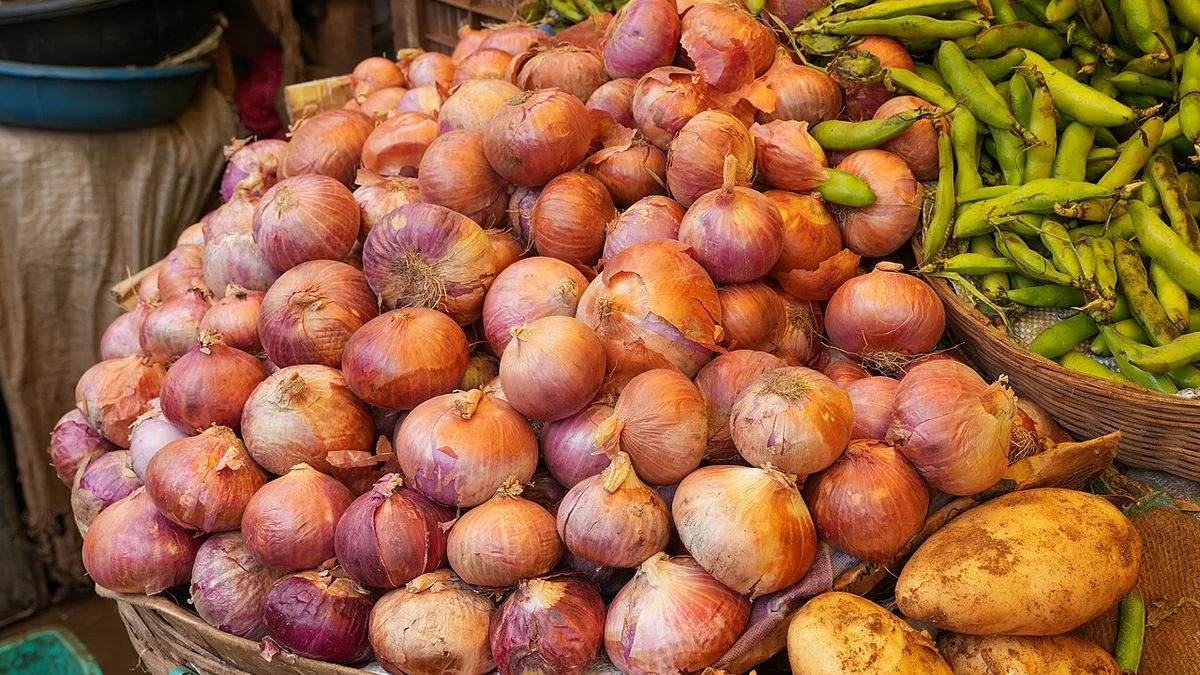
Kalapipal Mandi (Krishi Upaj Mandi Samiti Kalapipal), located in the Shajapur district of Madhya Pradesh, is one of central India's most renowned wholesale agricultural trading terminals, celebrated particularly as a major regional epicenter for onion (pyaj), garlic (lahsun), yellow soyabean, and wheat. Governed by the Madhya Pradesh State Agricultural Marketing Board (MP Mandi Board) and integrated with the national market portal (Agmarknet), Kalapipal Mandi serves thousands of progressive horticulturists and grain farmers across Shajapur, Sehore, Rajgarh, and Dewas districts.
1. Kalapipal Mandi Bhav Today: Onion, Garlic & Grain Rates (2026)
Wholesale prices at Kalapipal Mandi are determined daily through open-outcry and electronic auctioning. Rates reflect visual grading, bulb size, skin firmness, moisture levels, and prevailing demand from consumption hubs in Delhi, Uttar Pradesh, and Bihar. Below is the comprehensive daily rate table across major crops traded at Kalapipal Mandi for the current marketing season.
| Commodity / Produce Variety | Daily Arrival Volume | Minimum Price (₹/Q) | Modal / Average Bhav (₹/Q) | Maximum Price (₹/Q) |
|---|---|---|---|---|
| Onion (Red Pyaj - Super Bold) | 8,000 - 15,000 Bags | ₹1,400 | ₹1,850 - ₹2,250 | ₹2,650 / Quintal |
| Onion (Medium / Golta Quality) | 5,000 - 9,000 Bags | ₹1,000 | ₹1,350 - ₹1,650 | ₹1,800 / Quintal |
| Garlic (Desi Lahsun - Bold) | 1,200 - 2,500 Bags | ₹6,500 | ₹8,500 - ₹11,000 | ₹14,500 / Quintal |
| Garlic (Laddu / Medium Grade) | 1,500 - 3,000 Bags | ₹4,500 | ₹6,000 - ₹7,800 | ₹9,200 / Quintal |
| Soyabean (Yellow - Mill FAQ) | 4,000 - 8,000 Bags | ₹4,200 | ₹4,650 - ₹4,800 | ₹5,020 / Quintal |
| Wheat (Lokwan / Mill Quality) | 2,500 - 5,500 Bags | ₹2,275 (MSP) | ₹2,400 - ₹2,520 | ₹2,650 / Quintal |
| Chana (Gram / Desi) | 800 - 1,800 Bags | ₹5,440 (MSP) | ₹5,600 - ₹5,800 | ₹6,050 / Quintal |
Source: Official benchmark data compiled from Ministry of Agriculture & Farmers Welfare, ICAR research bulletins, State Agricultural Marketing Boards, and Agmarknet official market records (Updated 2026).
2. Onion Capital of Malwa: Production, Sizing & Grading Norms
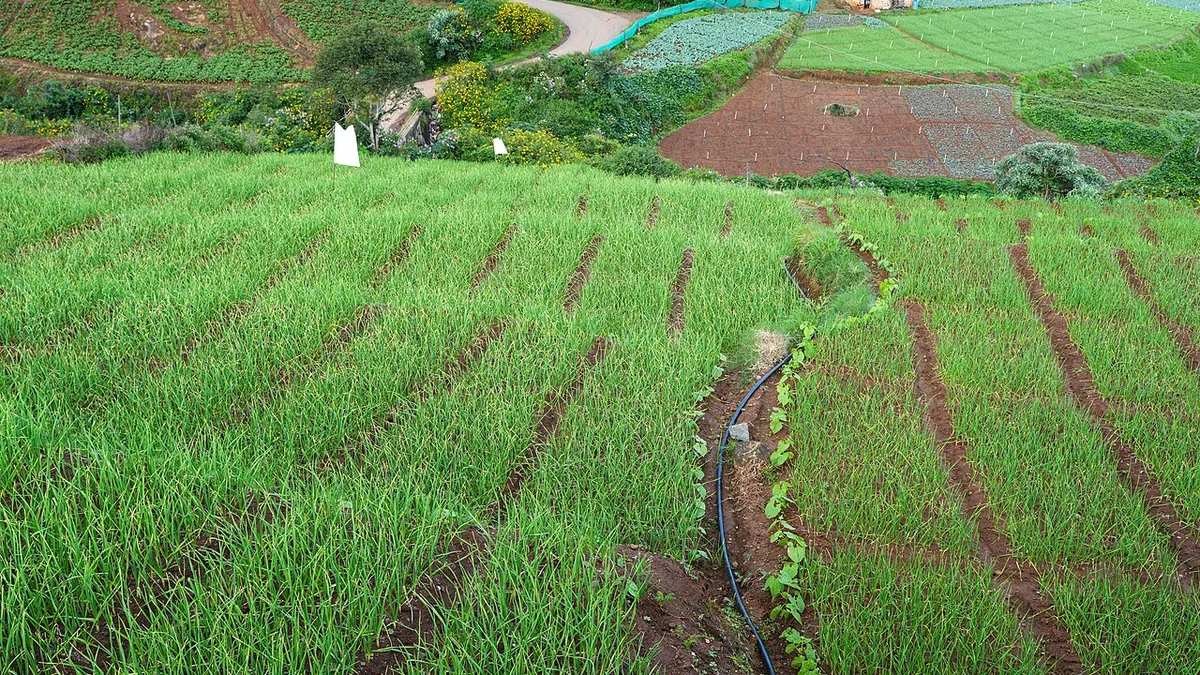
The fertile soils of Shajapur and neighboring Sehore produce exceptional red and pink onion crops across both Rabi (harvested April-May) and Kharif/Late-Kharif seasons (harvested October-December). At Kalapipal Mandi, onions are sorted into three primary commercial grades: 1. Super Bold: Large bulbs (>55mm diameter) with tight outer skins, commanding top prices from urban wholesalers. 2. Medium / Golta: Bulbs measuring 40mm to 55mm, preferred for household retail consumption. 3. Golti / Chhata: Small bulbs (<40mm) sold for pickling or food processing plants.
3. Garlic Trading & Value-Chain Integration
Alongside Mandsaur and Neemuch, Kalapipal is an important secondary garlic trading market in western Madhya Pradesh. Local cultivators produce high-pungency Desi garlic characterized by high dry matter content and strong allicin oil reserves. White, well-cured garlic bulbs with intact outer peels fetch premium prices from commercial spice extractors, dehydration factories, and multi-state vegetable traders.
| Commodity | Peak Season Months | Key Quality Focus | Primary Market Destinations | Storage Method |
|---|---|---|---|---|
| Onion (Rabi Crop) | April - June | Thin neck, tight dry skin, >50mm size | Delhi, Kanpur, Patna, Kolkata | Traditional ventilated wooden chawls |
| Onion (Kharif Crop) | November - January | Fresh harvest, quick dispatch needed | Local MP markets, Gujarat, Maharashtra | Direct sale (low shelf life) |
| Garlic (Desi / Ooty) | February - April | Cured bulbs, white skin, no sprouting | South India, spice processors, export | Ventilated mesh bags in dry shade |
| Soyabean | October - December | Moisture under 10%, clean yellow grain | Indore solvent extraction mills | Warehouse gunny bags on pallets |
| Wheat (Rabi) | March - May | Luster, low moisture, high test weight | Flour mills, government procurement | Grain godowns, Silos |
4. Modern Infrastructure, e-NAM Integration & Farmer Amenities
Kalapipal Mandi has undergone extensive modernization under MP Mandi Board development grants: 1. Automated Weighbridges: Electronic weighment eliminates scale discrepancies. 2. e-NAM Integration: Electronic National Agriculture Market connectivity allows out-of-state traders to bid remotely. 3. Farmer Welfare: Subsidized canteen facilities, clean drinking water, and farmer rest sheds provide round-the-clock convenience.
5. Strategic Selling Guidelines for Horticultural Growers
To maximize profit margins when selling onions and garlic at Kalapipal Mandi: First, thoroughly field-cure harvested onions for 5 to 7 days under shade to dry the neck tissues, preventing bacterial soft rot during transport. Second, sort produce by size before packing into breathable red mesh bags (50 kg capacity); mixed-size lots are penalized with lower average bids. Third, monitor regional rainfall and supply trends in Nashik (Maharashtra) to time your mandi arrivals ahead of anticipated supply shortfalls.
6. Rail & Road Logistics: Connecting Shajapur to North India
Kalapipal’s location on the Bhopal-Ujjain railway section provides exceptional rail freight loading access. During peak onion harvest windows, dedicated agricultural parcel express trains (Kisan Rail) transport thousands of tonnes of fresh produce directly to consuming mega-cities in northern and northeastern India, reducing transit spoilage and sustaining strong floor prices for local growers.
7. Traditional Onion Storage Structures (Chawls) & Loss Prevention
Because onions are highly perishable and prone to post-harvest sprouting, weight loss, and bacterial soft rot during the humid monsoon months, farmers in Shajapur rely heavily on traditional naturally ventilated storage structures known as Kanda Chawls. Constructed with elevated bamboo-slat floors, thatched or insulated roofs, and open-wire mesh sides, a well-engineered chawl allows continuous ambient air circulation around stored onion heaps.
Under the Mission for Integrated Development of Horticulture (MIDH) administered by the MP Horticulture Department, farmers receive 50% capital subsidies (up to ₹87,500 for a standard 25-tonne unit) to construct scientific low-cost onion storage structures. Storing rabi onions in subsidized chawls allows growers to avoid selling during the May post-harvest price glut and hold inventory until August or October when market rates at Kalapipal Mandi frequently double.
8. Agricultural Inputs, Mechanization & Allied Farm Operations
Maximizing farm gate returns in kalapipal mandi begins with strong agronomic management, calibrated soil nutrition, clean irrigation, and efficient harvesting machinery. Growers systematically coordinate crop care through Triple Super Phosphate (TSP) root nutrition guide, Bayer Solomon broad-spectrum insect control, cumin seed (jeerige) pricing and grading, Single Super Phosphate (SSP) sulphur and phosphorus nutrition, melon seed (magaz) wholesale market trends, sesame seed (ellu) agronomy and market rates. Modern field execution and transport rely heavily on comparing specs and subsidies across hydraulic tipping and non-tipping tractor trolley prices, Agrimachinery DBT SMAM tractor and implement portal, John Deere 5310 4x4 55 HP CRDi tractor specs, Farmtrac 45 Classic Supermaxx tractor review, Swaraj 855 FE 4x4 heavy-duty 52 HP specs, dual-purpose tractor gadi haulage models, John Deere India tractor lineup and pricing, Swaraj 735 FE 39 HP utility tractor review, full Swaraj tractor HP lineup and pricing. For specialized tillage, haulage, and water distribution, cultivators also evaluate Swaraj 744 FE and XT torque and fuel economy, Mahindra 575 DI 45 HP workhorse mileage guide, Mahindra 575 DI XP Plus 47 HP torque and review, New Holland 3630 TX Plus 4x4 55 HP tractor specs, Powertrac Euro diesel-saver tractor models and prices, VST Shakti and Kubota 12-15 HP power tiller prices, Farmtrac heavy tractor series and diesel saver specs, Solis 4515 E Yanmar-tech tractor specifications, field tractor power testing and safety buying checks, sprinkler irrigation layout and PMKSY subsidy.
9. Regional Mandi Networks, Credit Schemes & Official Data Sources
Across India's regulated market ecosystem, farmers compare live realizations across state trading yards and tap formal welfare and institutional financing. Growers benchmark regional supply arrivals and MSP procurement across Jakhal Mandi Fatehabad grain auction rates, soyabean mandi bhav and MSP rates, Mangoli & Sangli regional fruit mandi bhav, Dhamnod Mandi cotton and soyabean arrivals, wheat (gehu) cultivation varieties and grain nomenclature, moong dal wholesale and split green gram rates, daily Neemuch Krishi Upaj Mandi garlic and herb prices, live APMC Krishi Upaj mandi auction trends, chana dal procurement and wholesale market rates, wheat (gehu) mandi auction and FCI procurement rates, Mandsaur APMC lahsun and soybean market rates, Neemuch Mandi medicinal spice and grain rates. Key grain, oilseed, and pulse realization corridors additionally track Piplia Mandi wholesale garlic auctions, Narela Anaj Mandi paddy and wheat arrivals, daily UP and Maharashtra sugar mill chini bhav, guar seed APMC & NCDEX prices, arhar (tur) dal wholesale and MSP realizations.
Agricultural diversification and specialty value chains spanning spices, plantation crops, dairy, and poultry offer steady cash flow—tracked via Byadgi red chilli oleoresin grading and APMC rates, Sangli and Nashik golden kismis (raisin) rates, copra milling and coconut oil wholesale rates, Arunachal Pradesh organic kiwi and Azadpur rates, dairy butter fat economics and Amul retail prices, Barabanki mint wholesale mandi and MCX benchmarks, wholesale mushroom prices across urban mandis, NCDEX Turmeric Price Today, Rashi, Bette, and Chali arecanut grade pricing, Bangalore wholesale egg tray prices and retail spreads, all-India NECC egg rate directory. Operational working capital, DBT cash transfers, and subsidized farm solar or e-KYC infrastructure can be accessed via Haryana Meri Fasal Mera Byora MSP procurement registration, Madhya Pradesh e-Uparjan and Kisan Kalyan portal, CSC Aadhaar biometric e-KYC verification workflow. Primary regulatory notifications, technical bulletins, and statutory benchmark portals are published by Ministry of Agriculture & Farmers Welfare, Agmarknet Mandi Price Portal, Ministry of Consumer Affairs, Food & Public Distribution, Central Farm Machinery Training & Testing Institute (CFMTTI), and MP Mandi Board.
Frequently asked questions
- Where is Kalapipal Mandi situated in Madhya Pradesh?
- Kalapipal Mandi is located in the Shajapur district of Madhya Pradesh, along the major railway route between Bhopal and Ujjain. Official regulatory guidelines can also be verified on the Ministry of Agriculture & Farmers Welfare.
- What is the today onion (pyaj) rate in Kalapipal Mandi?
- Super bold red onions trade between ₹1,850 and ₹2,250 per quintal, while medium/Golta grades range from ₹1,350 to ₹1,650 per quintal. Official regulatory guidelines can also be verified on the Agmarknet Mandi Price Portal.
- What are the peak arrival months for onions in Kalapipal?
- Peak arrivals occur between April and June for the rabi crop and November to January for the kharif/late-kharif crop. Explore related mandi benchmarks and farmer support guides in our Byadgi red chilli oleoresin grading and APMC rates.
- What is the garlic rate in Kalapipal Mandi today?
- Bold Desi garlic trades between ₹8,500 and ₹11,000 per quintal, with super-quality lots reaching up to ₹14,500 per quintal. Explore related mandi benchmarks and farmer support guides in our Haryana Meri Fasal Mera Byora MSP procurement registration.
- What are the operating hours of Kalapipal Mandi?
- Auctions typically start at 9:00 AM on weekdays (Monday through Saturday) across designated perishable and grain auction yards.
- How does Kalapipal Mandi handle payment to farmers?
- Under MP Mandi Board protocols, payments are credited directly into farmers' verified bank accounts via online RTGS/NEFT transfer.
- Can farmers store onions in Kalapipal Mandi warehouses?
- Yes, licensed warehouse facilities and traditional ventilated storage structures (chawls) are available in the surrounding area.
- What causes onion prices to fluctuate rapidly in Kalapipal?
- Prices are highly sensitive to daily arrival volumes, weather disruptions, and supply flushes from competitor markets like Lasalgaon (Nashik).
- What is the wheat price per quintal in Kalapipal Mandi?
- Standard mill quality wheat trades between ₹2,400 and ₹2,520 per quintal in daily commercial trading.
- Who manages the market administration of Kalapipal Mandi?
- The market is administered by the Krishi Upaj Mandi Samiti Kalapipal under the supervision of the MP Mandi Board.
- How should onions be packed for sale at Kalapipal Mandi?
- Onions should be sorted by size and packed in breathable red open-mesh plastic bags (45-50 kg) to maintain ventilation and prevent rotting.
- Is Kalapipal Mandi connected with the e-NAM portal?
- Yes, Kalapipal is registered on e-NAM, enabling transparent national price discovery and electronic trading.
This article is for general information only and is not financial advice. Loan and scheme eligibility depends on partner and government criteria.