Mangoli & Sangli Mandi Bhav: Fruit & Produce Rates 2026
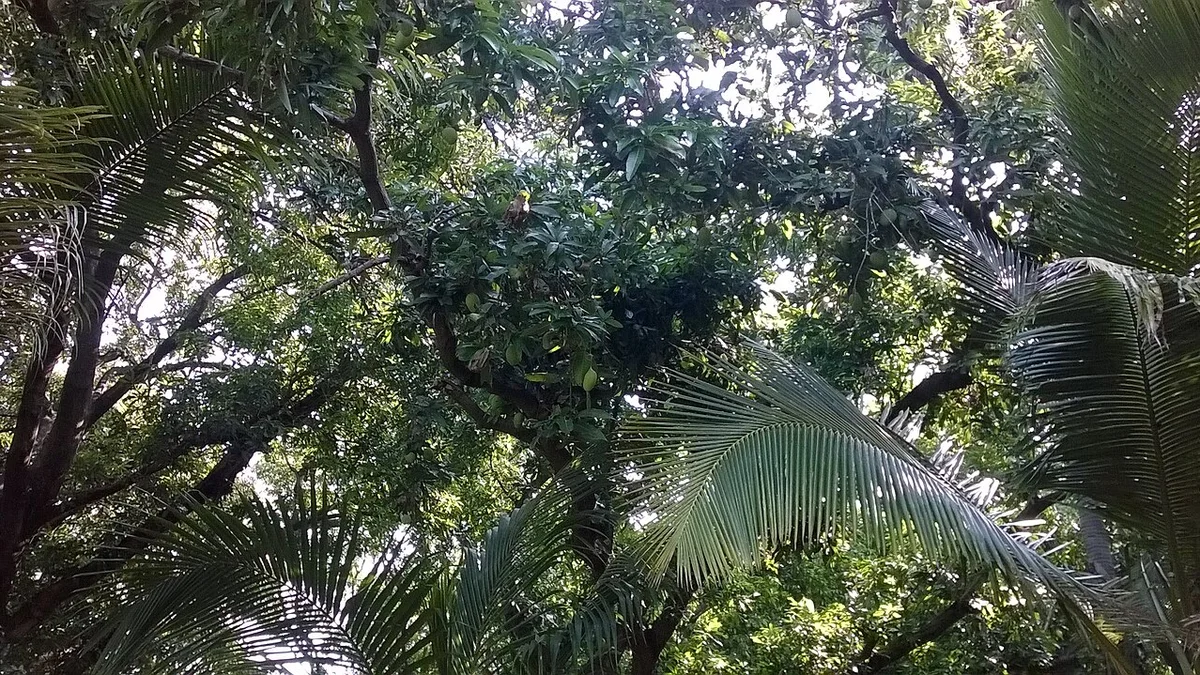
Mangoli and the greater Sangli agricultural trade corridor—anchored by the prominent Sangli Phale, Bhajipura Market Yard (Fruits and Vegetables APMC)—stand as vital horticultural distribution centers in southern Maharashtra and the northern Karnataka border region. Regulated by the Maharashtra State Agricultural Marketing Board (MSAMB) and tracked systematically on the central agricultural portal (Agmarknet), this dynamic regional market handles immense volumes of fresh seasonal fruits (notably Alphonso, Kesar, and Langra mangoes), high-value grapes, pomegranates, and daily fresh vegetables supplied by farmers from Sangli, Kolhapur, Solapur, and neighboring Belagavi.
1. Mangoli & Sangli Mandi Bhav Today: Fruit & Vegetable Auction Rates
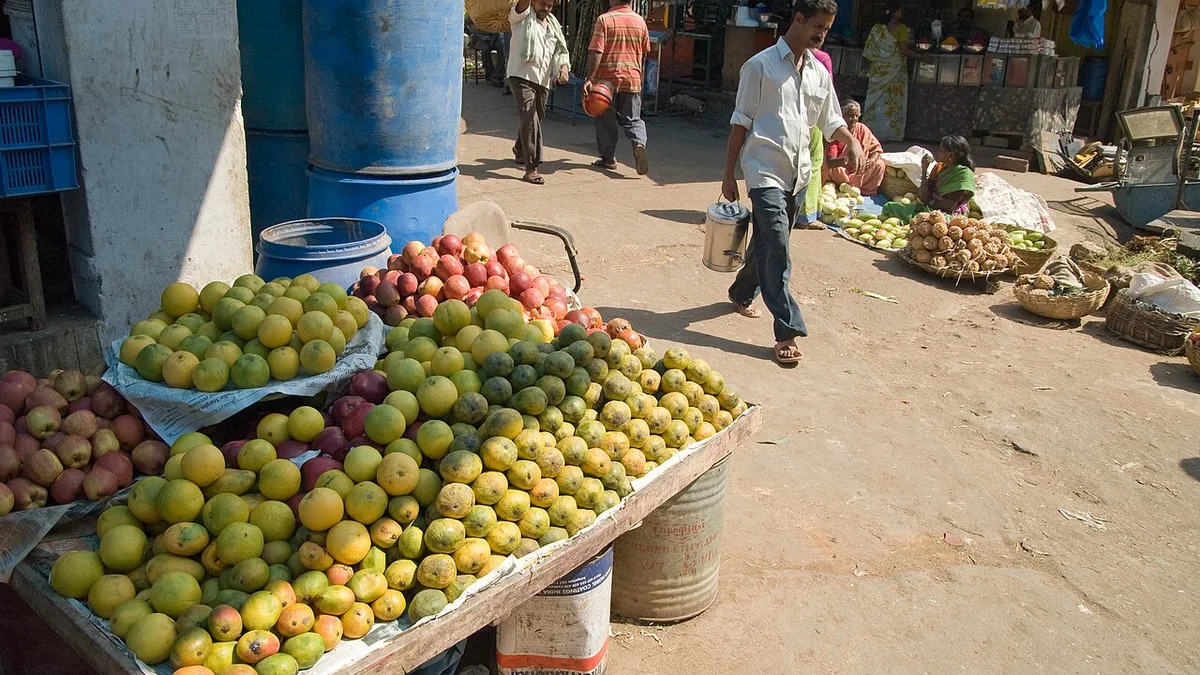
Wholesale prices at the Sangli Phale Bhajipura market yard fluctuate based on morning arrivals, visual quality grading, fruit sizing, and inter-state demand from Mumbai, Pune, and Bengaluru. Today, seasonal mango wholesale quotes range from ₹650 to ₹1,400 per crate (approximately ₹65 to ₹140 per kg) for premium Kesar and Ratnagiri-sourced Alphonso grades, while local table varieties trade between ₹35 and ₹65 per kg. Below is the comprehensive wholesale rate table across prominent horticultural commodities traded in the Sangli-Mangoli market belt.
| Produce / Fruit Variety | Packaging / Unit | Minimum Price (₹) | Modal / Average Bhav (₹) | Maximum Price (₹) |
|---|---|---|---|---|
| Alphonso Mango (Hapus - Grade A) | Crate (12 - 14 kg) | ₹1,200 | ₹1,550 - ₹1,850 | ₹2,200 / Crate |
| Kesar Mango (Commercial Grade) | Crate (14 - 16 kg) | ₹850 | ₹1,100 - ₹1,350 | ₹1,650 / Crate |
| Local Table Mango (Goti / Totapuri) | Quintal (100 kg) | ₹2,800 | ₹3,400 - ₹3,850 | ₹4,200 / Quintal |
| Pomegranate (Bhagwa - Export Grade) | Box (10 kg) | ₹900 | ₹1,250 - ₹1,450 | ₹1,750 / Box |
| Table Grapes (Sonaka / Thompson) | Crate (10 kg) | ₹450 | ₹620 - ₹780 | ₹920 / Crate |
| Tomato (Hybrid Red) | Crate (20 kg) | ₹280 | ₹380 - ₹460 | ₹560 / Crate |
| Green Chilli (Local) | Quintal (100 kg) | ₹3,200 | ₹3,800 - ₹4,400 | ₹5,100 / Quintal |
Source: Official benchmark data compiled from Ministry of Agriculture & Farmers Welfare, ICAR research bulletins, State Agricultural Marketing Boards, and Agmarknet official market records (Updated 2026).
2. Regional Trade Integration: Sangli, Miraj & Northern Karnataka
Geographically situated along the fertile Krishna River basin, Sangli and its peri-urban trading nodes like Mangoli benefit from exceptional road and rail connectivity. Early morning consignments arrive from surrounding talukas (Walwa, Miraj, Tasgaon, and Palus) as well as cross-border farming clusters in Athani and Jamkhandi (Karnataka). Because Sangli functions as an expansive multi-commodity hub—famous for turmeric, raisins, and fresh produce—wholesalers from Goa and coastal Konkan source their daily fruit supplies directly from this terminal.
3. Mango Trading Cycles: From Summer Flushes to Off-Season Rates
The mango marketing season in southern Maharashtra follows distinct seasonal flushes: Early arrivals commence in mid-March with southern supplies (Totapuri and Banganapalli from Karnataka and Andhra Pradesh), transitioning into peak April-May flushes of local Ratnagiri Hapus and western Maharashtra Kesar. During peak arrivals in May, daily inflows exceed 4,000 to 6,000 crates daily, stabilizing consumer prices before tapering off by mid-June with late-season Langra and Dasheri flushes.
| Season / Month | Predominant Arrivals | Average Daily Volume | Price Trajectory | Primary Buyer Segments |
|---|---|---|---|---|
| Early Season (March) | Early Hapus, Raw Pickling Mangoes | 1,500 - 2,500 Crates | Premium High Pricing | Luxury urban retail, early gift packs |
| Peak Season (April - May) | Alphonso (Hapus), Kesar, Totapuri | 5,000 - 8,000 Crates | Modal Stable Pricing | Household consumers, pulp processors |
| Late Season (June) | Late Kesar, Chausa, Langra | 2,000 - 3,500 Crates | Gradual Softening | Local markets, domestic pulp canning |
| Off-Season (July - Feb) | Cold Stored Produce, Citrus, Pomegranates | Regular Produce Flow | Consistent Market Rates | Year-round retail vendors & juice shops |
4. Quality Grading, Fruit Maturation & Packaging Standards
Horticultural produce at the Sangli Phale Bhajipura market is graded according to standard commercial parameters: 1. Fruit Weight & Sizing: Grade A Alphonso mangoes must weigh between 220 and 280 grams per fruit with zero black spotting or sap burn. 2. Maturation Level: Harvested at 80% to 85% physiological maturity to ensure natural ripening during transit without artificial calcium carbide gas treatments (strictly banned under FSSAI regulations). 3. Packaging: Premium consignments utilize well-ventilated 3-ply and 5-ply corrugated fiberboard (CFB) boxes fitted with individual fruit foam netting to prevent mechanical vibration bruising during transit.
5. Farmer Guidelines for Maximizing Market Realization
Orchard growers visiting the Sangli market yard are advised to follow key post-harvest handling practices: First, harvest mangoes in early morning hours using specialized mechanical pole clippers leaving a 1 cm pedicel stem attached to prevent acidic sap leakage onto the fruit skin. Second, wash harvested fruit in clean water baths to remove dust and latex exudate, followed by shade drying before packing into uniform crates. Third, arrive at the APMC yard before 6:00 AM to participate in primary open auction rounds when metropolitan institutional buyers and retail aggregators place their highest competitive bids.
6. Infrastructure Modernization & Cold Chain Logistics
To reduce post-harvest horticultural losses (which historically claimed 15% to 20% of perishable fruit volumes), the Sangli APMC and state marketing authorities have invested in integrated pack-house facilities, pre-cooling chambers, and cold storage warehouses under the National Horticulture Mission (NHB). Utilizing modern reefers (refrigerated transport trucks) maintained at 12°C to 14°C allows Sangli growers to export fresh mangoes and pomegranates directly to Mumbai international air terminals and Gulf seaport consignments.
7. Organic Certification & Export Quality Fruit Marketing
In response to rising international export standards and lucrative urban retail demand, fruit growers in the Sangli and Mangoli production clusters are increasingly transitioning toward certified organic orchard management. By eliminating synthetic chemical pesticides and utilizing neem-based biopesticides, enriched vermicompost, and liquid biofertilizers, orchardists cultivate chemical-residue-free Alphonso and Kesar mangoes that achieve zero-rejection rates during European and Gulf quarantine inspections.
Farmer Producer Organizations (FPOs) in the region have established direct commercial tie-ups with modern agricultural export aggregators and premium supermarket chains in Mumbai and Bengaluru. By utilizing electronic sorting, barcode-based field traceability, and refrigerated cold-chain dispatch, organic growers command price premiums of 25% to 40% over standard APMC wholesale bids, establishing Sangli as a premier hub for sustainable horticulture.
8. Agricultural Inputs, Mechanization & Allied Farm Operations
Maximizing farm gate returns in mangoli begins with strong agronomic management, calibrated soil nutrition, clean irrigation, and efficient harvesting machinery. Growers systematically coordinate crop care through Triple Super Phosphate (TSP) root nutrition guide, Bayer Solomon broad-spectrum insect control, cumin seed (jeerige) pricing and grading, Single Super Phosphate (SSP) sulphur and phosphorus nutrition, melon seed (magaz) wholesale market trends, sesame seed (ellu) agronomy and market rates. Modern field execution and transport rely heavily on comparing specs and subsidies across hydraulic tipping and non-tipping tractor trolley prices, Agrimachinery DBT SMAM tractor and implement portal, John Deere 5310 4x4 55 HP CRDi tractor specs, Farmtrac 45 Classic Supermaxx tractor review, Swaraj 855 FE 4x4 heavy-duty 52 HP specs, dual-purpose tractor gadi haulage models, John Deere India tractor lineup and pricing, Swaraj 735 FE 39 HP utility tractor review, full Swaraj tractor HP lineup and pricing. For specialized tillage, haulage, and water distribution, cultivators also evaluate Swaraj 744 FE and XT torque and fuel economy, Mahindra 575 DI 45 HP workhorse mileage guide, Mahindra 575 DI XP Plus 47 HP torque and review, New Holland 3630 TX Plus 4x4 55 HP tractor specs, Powertrac Euro diesel-saver tractor models and prices, VST Shakti and Kubota 12-15 HP power tiller prices, Farmtrac heavy tractor series and diesel saver specs, Solis 4515 E Yanmar-tech tractor specifications, field tractor power testing and safety buying checks, sprinkler irrigation layout and PMKSY subsidy.
9. Regional Mandi Networks, Credit Schemes & Official Data Sources
Across India's regulated market ecosystem, farmers compare live realizations across state trading yards and tap formal welfare and institutional financing. Growers benchmark regional supply arrivals and MSP procurement across Jakhal Mandi Fatehabad grain auction rates, soyabean mandi bhav and MSP rates, Dhamnod Mandi cotton and soyabean arrivals, Kalapipal Mandi onion and garlic auction rates, wheat (gehu) cultivation varieties and grain nomenclature, moong dal wholesale and split green gram rates, daily Neemuch Krishi Upaj Mandi garlic and herb prices, live APMC Krishi Upaj mandi auction trends, chana dal procurement and wholesale market rates, wheat (gehu) mandi auction and FCI procurement rates, Mandsaur APMC lahsun and soybean market rates, Neemuch Mandi medicinal spice and grain rates. Key grain, oilseed, and pulse realization corridors additionally track Piplia Mandi wholesale garlic auctions, Narela Anaj Mandi paddy and wheat arrivals, daily UP and Maharashtra sugar mill chini bhav, guar seed APMC & NCDEX prices, arhar (tur) dal wholesale and MSP realizations.
Agricultural diversification and specialty value chains spanning spices, plantation crops, dairy, and poultry offer steady cash flow—tracked via Byadgi red chilli oleoresin grading and APMC rates, Sangli and Nashik golden kismis (raisin) rates, copra milling and coconut oil wholesale rates, Arunachal Pradesh organic kiwi and Azadpur rates, dairy butter fat economics and Amul retail prices, Barabanki mint wholesale mandi and MCX benchmarks, wholesale mushroom prices across urban mandis, NCDEX Turmeric Price Today, Rashi, Bette, and Chali arecanut grade pricing, Bangalore wholesale egg tray prices and retail spreads, all-India NECC egg rate directory. Operational working capital, DBT cash transfers, and subsidized farm solar or e-KYC infrastructure can be accessed via Haryana Meri Fasal Mera Byora MSP procurement registration, Madhya Pradesh e-Uparjan and Kisan Kalyan portal, CSC Aadhaar biometric e-KYC verification workflow. Primary regulatory notifications, technical bulletins, and statutory benchmark portals are published by Ministry of Agriculture & Farmers Welfare, Agmarknet Mandi Price Portal, Ministry of Consumer Affairs, Food & Public Distribution, Central Farm Machinery Training & Testing Institute (CFMTTI), MSAMB, and NHB.
Frequently asked questions
- Where is the main fruit and vegetable market located in Sangli?
- The primary market is the Sangli Phale Bhajipura Market Yard (APMC Sangli), situated in the central market yard area of Sangli, Maharashtra. Official regulatory guidelines can also be verified on the Ministry of Agriculture & Farmers Welfare.
- What is the average wholesale price of Alphonso mango in Sangli?
- Wholesale Alphonso (Hapus) crates (12-14 kg) typically trade between ₹1,200 and ₹1,850 depending on fruit size and seasonal arrivals. Explore related mandi benchmarks and farmer support guides in our Byadgi red chilli oleoresin grading and APMC rates.
- When does the mango season peak in the Sangli-Mangoli region?
- Peak arrivals occur from mid-April through late May, featuring heavy volumes of Kesar, Alphonso, and Totapuri varieties. Explore related mandi benchmarks and farmer support guides in our Haryana Meri Fasal Mera Byora MSP procurement registration.
- Are retail buyers allowed to purchase at the Sangli Phale Bhajipura market?
- Yes, while primary trading occurs in wholesale crates and quintals during early morning hours, retail lots are available throughout the day. Explore related mandi benchmarks and farmer support guides in our Sangli and Nashik golden kismis (raisin) rates.
- What other fruits are traded heavily in Sangli APMC?
- Beyond mangoes, Sangli is a massive trading hub for table grapes, Bhagwa pomegranates, bananas, guavas, and papayas.
- Is artificial ripening with calcium carbide permitted in the mandi?
- No, calcium carbide is strictly prohibited under FSSAI laws; mandis encourage natural ripening or approved ethylene gas ripening chambers.
- What packaging is recommended for transporting mangoes to Sangli mandi?
- Well-ventilated corrugated fiberboard (CFB) boxes with individual foam net sleeves prevent fruit rubbing and transit bruising.
- What time do daily fruit auctions begin at the market yard?
- Wholesale fruit and vegetable auctions commence early at 6:00 AM to allow rapid dispatch to urban distribution centers.
- How can farmers check daily rates at Sangli APMC?
- Farmers can check real-time modal rates on the MSAMB portal (msamb.com) or the central Agmarknet portal under Sangli market records.
- Can farmers from northern Karnataka sell produce at Sangli mandi?
- Yes, many farmers from border districts like Belagavi and Vijayapura regularly sell fresh produce at Sangli APMC.
- What facilities are available for overnight farmer stays at Sangli mandi?
- The market committee operates a subsidized Kisan Rest House (Kisan Bhawan) providing clean accommodation and canteen services.
- Are cold storage facilities available near the fruit market?
- Yes, modern pre-cooling and cold storage chambers operated under NHB schemes are available within the market yard complex.
This article is for general information only and is not financial advice. Loan and scheme eligibility depends on partner and government criteria.