Wheat Meaning in Hindi: Gehu Definition & Crop Guide
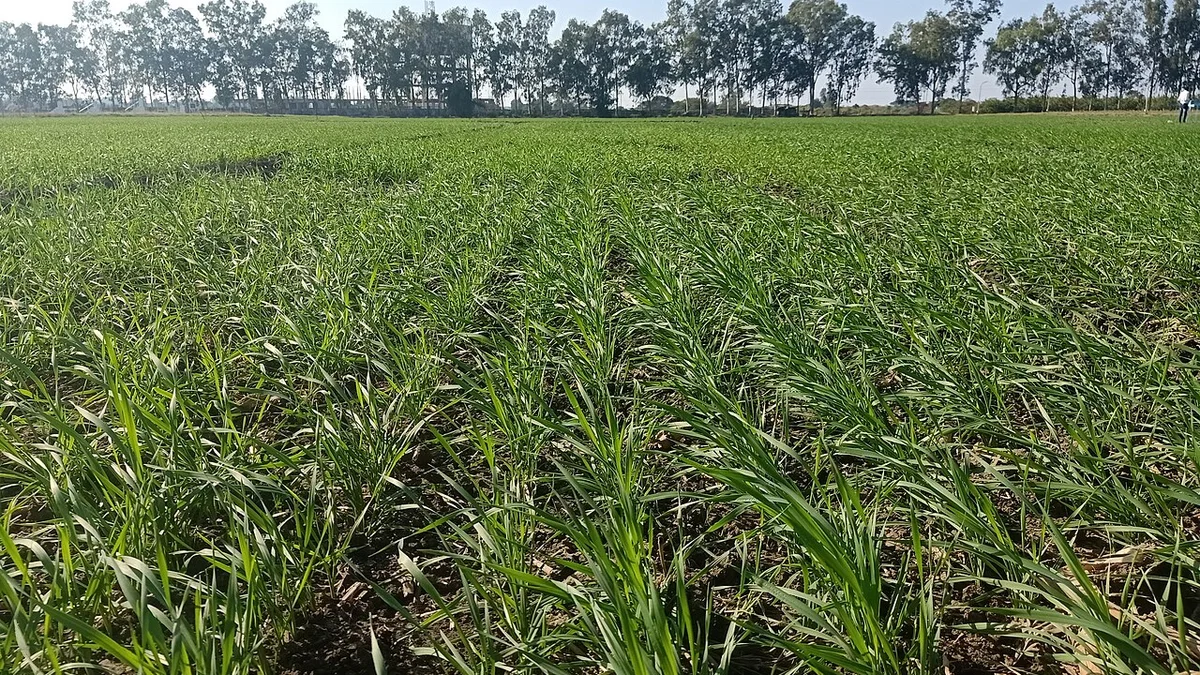
In the Hindi language and across Indian agricultural traditions, the English word Wheat translates directly to गेहूं (Gehu). Botanically classified as Triticum aestivum (bread wheat) and Triticum durum (macaroni / pasta wheat), gehu is the primary rabi cereal crop that underpins national food security, public distribution systems (PDS), and everyday dietary life throughout the Indian subcontinent. Monitored scientifically by the Indian Institute of Wheat and Barley Research (ICAR-IIWBR Karnal) and governed economically by the Commission for Agricultural Costs and Prices (CACP), wheat cultivation covers over 31 million hectares of fertile irrigated land across Punjab, Haryana, Uttar Pradesh, Madhya Pradesh, and Rajasthan.
1. Linguistic Breakdown & Hindi Agricultural Terminology
In Hindi grammatical usage, 'गेहूं' (Gehu) is a masculine noun referring both to the standing plant and the harvested cereal grain. Depending on the processing stage and regional culinary usage, several related terms are integral to rural and household vocabularies: 1. आटा (Atta): Whole wheat flour including bran, germ, and endosperm, used universally for making rotis, chapatis, and parathas. 2. मैदा (Maida): Refined wheat flour milled without bran, used in bakery goods and flatbreads like naan. 3. सूजी / रवा (Suji / Rawa): Coarsely granulated wheat endosperm used for halwa, upma, and pasta. 4. दलिया (Daliya): Cracked raw wheat groats prized as a high-fiber nutritious porridge.
| English Term | Hindi Term (हिंदी) | Botanical / Agronomic Role | Primary Culinary / Commercial Use |
|---|---|---|---|
| Wheat (Bread Wheat) | गेहूं (Gehu) | Triticum aestivum (Hexaploid cereal) | Whole grain flour (Atta) for daily rotis |
| Durum Wheat | कठिया गेहूं / मालवी गेहूं | Triticum durum (Tetraploid hard grain) | Semolina, pasta, macaroni, vermicelli (Sev) |
| Wheat Ear / Spike | गेहूं की बाली (Baali) | Inflorescence containing 30-50 grains | Flowering, grain filling & harvest assessment |
| Wheat Straw / Stover | भूसा / तूड़ी (Bhusa / Toodi) | Dry stalks crushed by threshers | Essential nutritious roughage for cattle feed |
| Wheat Bran | चोकर (Chokar) | Fibrous outer pericarp shell | Dietary fiber, digestive health, cattle feed |
| Wheat Germ | गेहूं का अंकुर (Ankur) | Nutrient-dense reproductive embryo | Vitamin E, specialty health oils & supplements |
Source: Official benchmark data compiled from Ministry of Agriculture & Farmers Welfare, ICAR research bulletins, State Agricultural Marketing Boards, and Agmarknet official market records (Updated 2026).
2. Top High-Yielding Wheat Varieties Developed by ICAR-IIWBR
India’s agricultural triumph in wheat production—growing from a ship-to-mouth deficit nation in the 1960s to the world’s second largest producer yielding over 112 million tonnes annually—is the direct result of advanced genetic plant breeding. Premier research institutions such as ICAR-IIWBR Karnal and the Indian Agricultural Research Institute (ICAR-IARI Pusa) have bred climate-resilient, disease-resistant dwarf cultivars tailored to specific agro-climatic zones across northern and central India.
| Variety Name | Breeding Institute | Recommended Zone | Potential Yield (Q/Acre) | Key Agronomic Feature |
|---|---|---|---|---|
| HD-2967 (Pusa Wheat) | ICAR - IARI, New Delhi | North Western Plains (NWPIZ) | 22 - 25 Q/Acre | Universal adaptability, excellent chapati making quality |
| HD-3086 (Pusa Gautami) | ICAR - IARI, New Delhi | Punjab, Haryana, West UP | 24 - 27 Q/Acre | Resistant to yellow rust, high protein content (12.5%) |
| DBW-187 (Karan Vandana) | ICAR - IIWBR, Karnal | North Eastern & NWPZ | 26 - 30 Q/Acre | Biofortified with iron (43.1 ppm) and zinc (40.5 ppm) |
| DBW-222 (Karan Narendra) | ICAR - IIWBR, Karnal | Punjab, Haryana, Rajasthan | 25 - 28 Q/Acre | Terminal heat tolerance, strong lodging resistance |
| HI-8663 (Poshan - Durum) | IARI Regional Station, Indore | Central Zone (MP, Gujarat) | 22 - 26 Q/Acre | High beta-carotene, perfect for pasta and suji |
| Sharbati Sehore (C-306) | Traditional Clonal Line | Sehore, Vidisha (MP) | 14 - 18 Q/Acre | Golden lustrous grain, naturally sweet taste, premium price |
3. Gehu Ki Kheti: Core Agronomic Steps for Maximum Yield
Achieving bumper wheat harvests requires systematic adherence to scientific package of practices: 1. Sowing Window: Optimal sowing across the northern plains runs between November 1 and November 20. Sowing beyond November 25 causes yield penalties of 15 to 20 kg per acre per day of delay due to terminal heat stress during grain filling. 2. Seed Treatment: Treat certified seeds with Carboxin + Thiram (2.5 g/kg seed) to prevent loose smut, followed by Azotobacter and PSB biofertilizer inoculation. 3. Critical Irrigation Stages: Wheat requires 4 to 6 irrigations, with Crown Root Initiation (CRI stage at 20-25 days post-sowing) being the most non-negotiable stage to establish productive tillers.
4. Nutritional Composition & Health Benefits of Wheat
Whole grain wheat is an exceptional nutritional powerhouse delivering sustained complex carbohydrate energy alongside essential dietary fiber, plant proteins, and B-complex vitamins. Unlike polished white rice, whole wheat atta retains the nutrient-dense aleurone layer and wheat germ, providing bioavailable magnesium, iron, zinc, and selenium. Incorporating whole wheat into daily diets aids in regulating blood sugar spikes, maintaining cardiovascular arterial elasticity, and supporting optimal gastrointestinal peristalsis.
| Nutrient Component | Amount per 100g Whole Wheat | Daily Recommended Value (DV%) | Physiological Function |
|---|---|---|---|
| Energy (Calories) | 340 kcal | 17% | Primary sustained daily metabolic energy source |
| Carbohydrates (Starch) | 71.2 g | 24% | Complex slow-digesting fuel for brain and muscles |
| Dietary Fiber | 10.7 g | 43% | Promotes bowel regularity and healthy gut microbiome |
| Protein (Gluten Complex) | 13.2 g | 26% | Tissue repair and muscle maintenance |
| Iron (Fe) | 3.6 mg | 20% | Hemoglobin synthesis and cellular oxygen transport |
| Magnesium (Mg) | 126 mg | 30% | Enzymatic function, nerve impulse and muscle relaxation |
| Vitamin B1 (Thiamine) | 0.38 mg | 32% | Carbohydrate energy conversion and cognitive health |
5. Minimum Support Price (MSP) & Government Procurement Architecture
To protect farmers from post-harvest price crashes, the Government of India announces the Minimum Support Price (MSP) for wheat ahead of every rabi sowing season based on comprehensive CACP cost studies. For the 2025-26 marketing season, the wheat MSP stands at ₹2,275 to ₹2,425 per quintal, offering over 100% return over the baseline cost of production (A2+FL). Through the Food Corporation of India (FCI) and state procurement agencies like HAFED in Haryana, Markfed in Punjab, and MP Civil Supplies, the government procures 25 to 35 million tonnes annually at full MSP.
6. Climate Change Challenges & Terminal Heat Management
In recent rabi seasons, premature temperature spikes during February and March have posed severe challenges to wheat grain filling, causing forced maturity and shrivelled kernels. Agronomists recommend planting climate-smart, early-sown varieties (such as DBW-327 and HD-3226) paired with Zero-Tillage Super Seeders in October. Spraying potassium nitrate (13:0:45 @ 1.0%) or salicylic acid during the booting and flag-leaf stages provides cellular thermal protection, preserving high test weight and grain luster under adverse late-season heatwaves.
7. Agricultural Inputs, Mechanization & Allied Farm Operations
Maximizing farm gate returns in wheat meaning in hindi begins with strong agronomic management, calibrated soil nutrition, clean irrigation, and efficient harvesting machinery. Growers systematically coordinate crop care through Triple Super Phosphate (TSP) root nutrition guide, Bayer Solomon broad-spectrum insect control, cumin seed (jeerige) pricing and grading, Single Super Phosphate (SSP) sulphur and phosphorus nutrition, melon seed (magaz) wholesale market trends, sesame seed (ellu) agronomy and market rates. Modern field execution and transport rely heavily on comparing specs and subsidies across hydraulic tipping and non-tipping tractor trolley prices, Agrimachinery DBT SMAM tractor and implement portal, John Deere 5310 4x4 55 HP CRDi tractor specs, Farmtrac 45 Classic Supermaxx tractor review, Swaraj 855 FE 4x4 heavy-duty 52 HP specs, dual-purpose tractor gadi haulage models, John Deere India tractor lineup and pricing, Swaraj 735 FE 39 HP utility tractor review, full Swaraj tractor HP lineup and pricing. For specialized tillage, haulage, and water distribution, cultivators also evaluate Swaraj 744 FE and XT torque and fuel economy, Mahindra 575 DI 45 HP workhorse mileage guide, Mahindra 575 DI XP Plus 47 HP torque and review, New Holland 3630 TX Plus 4x4 55 HP tractor specs, Powertrac Euro diesel-saver tractor models and prices, VST Shakti and Kubota 12-15 HP power tiller prices, Farmtrac heavy tractor series and diesel saver specs, Solis 4515 E Yanmar-tech tractor specifications, field tractor power testing and safety buying checks, sprinkler irrigation layout and PMKSY subsidy.
8. Regional Mandi Networks, Credit Schemes & Official Data Sources
Across India's regulated market ecosystem, farmers compare live realizations across state trading yards and tap formal welfare and institutional financing. Growers benchmark regional supply arrivals and MSP procurement across Jakhal Mandi Fatehabad grain auction rates, soyabean mandi bhav and MSP rates, Mangoli & Sangli regional fruit mandi bhav, Dhamnod Mandi cotton and soyabean arrivals, Kalapipal Mandi onion and garlic auction rates, moong dal wholesale and split green gram rates, daily Neemuch Krishi Upaj Mandi garlic and herb prices, live APMC Krishi Upaj mandi auction trends, chana dal procurement and wholesale market rates, wheat (gehu) mandi auction and FCI procurement rates, Mandsaur APMC lahsun and soybean market rates, Neemuch Mandi medicinal spice and grain rates. Key grain, oilseed, and pulse realization corridors additionally track Piplia Mandi wholesale garlic auctions, Narela Anaj Mandi paddy and wheat arrivals, daily UP and Maharashtra sugar mill chini bhav, guar seed APMC & NCDEX prices, arhar (tur) dal wholesale and MSP realizations.
Agricultural diversification and specialty value chains spanning spices, plantation crops, dairy, and poultry offer steady cash flow—tracked via Byadgi red chilli oleoresin grading and APMC rates, Sangli and Nashik golden kismis (raisin) rates, copra milling and coconut oil wholesale rates, Arunachal Pradesh organic kiwi and Azadpur rates, dairy butter fat economics and Amul retail prices, Barabanki mint wholesale mandi and MCX benchmarks, wholesale mushroom prices across urban mandis, NCDEX Turmeric Price Today, Rashi, Bette, and Chali arecanut grade pricing, Bangalore wholesale egg tray prices and retail spreads, all-India NECC egg rate directory. Operational working capital, DBT cash transfers, and subsidized farm solar or e-KYC infrastructure can be accessed via Haryana Meri Fasal Mera Byora MSP procurement registration, Madhya Pradesh e-Uparjan and Kisan Kalyan portal, CSC Aadhaar biometric e-KYC verification workflow. Primary regulatory notifications, technical bulletins, and statutory benchmark portals are published by Ministry of Agriculture & Farmers Welfare, Agmarknet Mandi Price Portal, Ministry of Consumer Affairs, Food & Public Distribution, Central Farm Machinery Training & Testing Institute (CFMTTI), ICAR-IIWBR Karnal, CACP, ICAR-IARI Pusa, and FCI.
Frequently asked questions
- What is the meaning of wheat in Hindi?
- Wheat means 'गेहूं' (Gehu) in Hindi, referring to India's most important rabi cereal grain (Triticum aestivum).
- What is the difference between Atta, Maida, and Suji?
- Atta is whole wheat flour with bran, Maida is refined wheat flour without bran, and Suji is coarsely ground wheat endosperm semolina. Official regulatory guidelines can also be verified on the Ministry of Agriculture & Farmers Welfare.
- What are the top high-yielding wheat varieties in India?
- Popular high-yielding ICAR varieties include HD-2967, HD-3086, DBW-187 (Karan Vandana), DBW-222, and premium Sharbati C-306. Official regulatory guidelines can also be verified on the Agmarknet Mandi Price Portal.
- What is the government MSP for wheat in 2025-26?
- The central Minimum Support Price (MSP) for wheat is set between ₹2,275 and ₹2,425 per quintal for rabi procurement. Explore related mandi benchmarks and farmer support guides in our Byadgi red chilli oleoresin grading and APMC rates.
- What is the optimal sowing time for wheat in northern India?
- The best sowing window is between November 1 and November 20; sowing later causes yield reduction due to spring heat stress. Explore related mandi benchmarks and farmer support guides in our Haryana Meri Fasal Mera Byora MSP procurement registration.
- What is Crown Root Initiation (CRI) stage in wheat?
- CRI occurs 20 to 25 days after sowing and is the most critical irrigation stage to promote crown roots and productive tillering. Explore related mandi benchmarks and farmer support guides in our Sangli and Nashik golden kismis (raisin) rates.
- How many quintals of wheat can be harvested per acre?
- With high-yielding varieties and scientific management, farmers harvest 22 to 28 quintals per acre in irrigated plains.
- What is Sharbati wheat, and why is it expensive?
- Sharbati wheat, grown predominantly in Sehore (MP), features golden, translucent, sweet grains that command high market premiums (₹3,000+ per quintal).
- What is the protein content in whole wheat flour?
- Whole wheat flour typically contains 11.5% to 13.5% protein, primarily composed of glutenin and gliadin (gluten complex).
- What is yellow rust disease in wheat, and how is it managed?
- Yellow rust is a fungal disease causing yellow stripe pustules on leaves; it is managed by planting resistant varieties like HD-3086 or spraying propiconazole.
- How much water does a wheat crop require during its life cycle?
- Wheat typically requires 4 to 6 irrigations, consuming approximately 400 to 450 mm of total water over its 120-140 day growing cycle.
- Can wheat be sown without tilling the soil?
- Yes, zero-tillage seed drills and Super Seeders allow direct wheat sowing directly into standing paddy stubble, saving time and fuel.
This article is for general information only and is not financial advice. Loan and scheme eligibility depends on partner and government criteria.