Butter Price in India 2026: Amul & White Butter Rates
Key takeaways
- As of November 2026, Amul Pasteurised Salted Butter carries an indicative retail MRP of ₹285 per 500g carton and ₹60 per 100g tablet pack.
- Bulk B2B unsalted white butter (82% milkfat) trades at indicative wholesale rates of ₹380 to ₹440 per kg (₹5,700 to ₹6,600 per 15 kg box) across major dairy centers.
- Under FSSAI regulations, pasteurized table butter requires at least 80% milkfat and maximum 16% moisture, while unsalted white butter requires 82% minimum milkfat.
- Winter milk flush (November–February) softens wholesale milkfat rates, whereas summer lean months (April–July) tighten butter reserves and lift B2B prices by 15%–25%.
- Commercial bulk white butter must remain stored in deep-freeze cold chains at -18°C to prevent hydrolytic and oxidative rancidity.
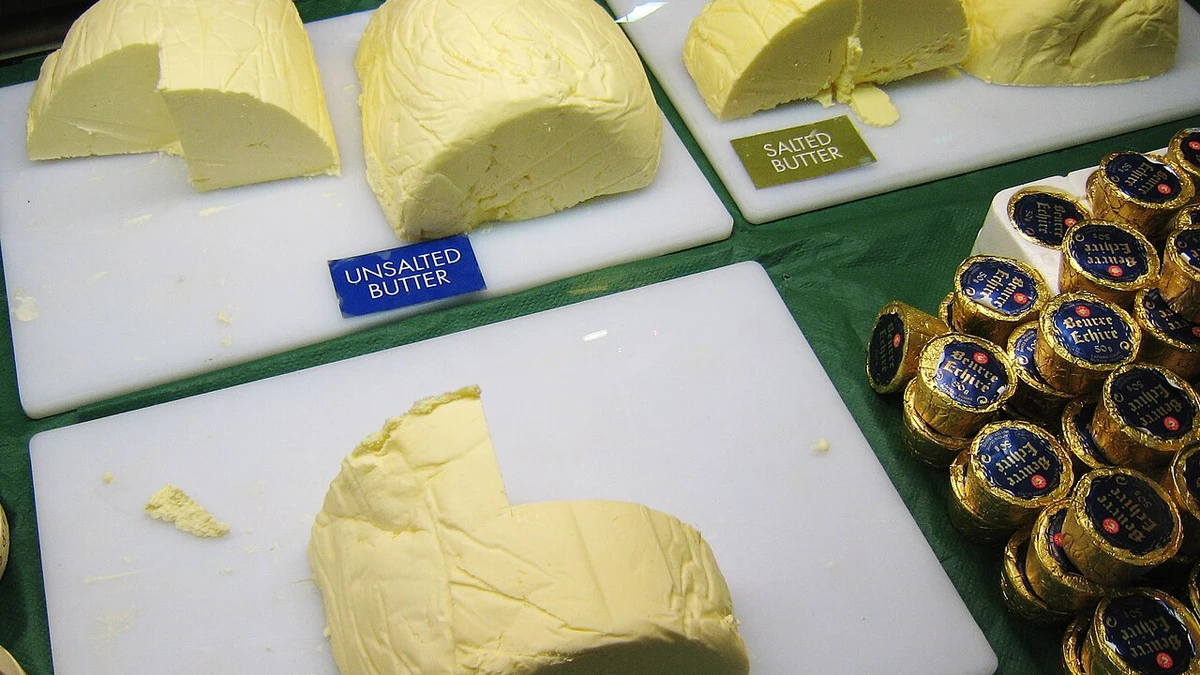
Butter (मक्खन / Makhan) holds a foundational place in Indian culinary traditions and the national dairy economy. Supported by the world's largest bovine herd, India leads global milk and milkfat production. Manufactured by churning cultured or fresh cream separated from buffalo or cow milk, butter is traded across two major commercial segments: pasteurized salted yellow table butter (led by dairy cooperatives including Amul, Mother Dairy, Nandini, and Verka) and unsalted traditional white butter (Makhan), which serves as the primary feedstock for making clarified Desi Ghee. Governed under statutory standards enforced by the Food Safety and Standards Authority of India (FSSAI) and backed by dairy programs of the Department of Animal Husbandry and Dairying (DAHD) and the National Dairy Development Board (NDDB), butter prices closely reflect seasonal milk flushes, cattle feed costs, and consumer dairy demand. Dairy entrepreneurs tracking milkfat realizations can also consult our commercial dairy farming guide and dairy profit calculator.
1. Indicative Butter Price in India (November 2026): Amul & Bulk White Butter
Retail consumer prices for packaged pasteurized salted table butter are largely benchmarked by the Gujarat Co-operative Milk Marketing Federation (GCMMF / Amul), which commands over 85% of India's branded table butter market. As of November 2026, the indicative retail Maximum Retail Price (MRP) for an Amul Salted Butter 500-gram carton is ₹285, while a 100-gram pack retails at ₹60. In wholesale B2B trade, bulk commercial White Butter (Makhan) with 82% milkfat trades in 15-kg or 20-kg food-grade poly-lined cartons at an indicative range of ₹380 to ₹440 per kilogram (₹5,700 to ₹6,600 per 15 kg carton) across dairy hubs in Gujarat, Punjab, Haryana, and Maharashtra. Dairy producers also track adjacent edible fat and livestock commodities such as mustard oil rates, coconut oil prices, indigenous A2 dairy breeds, and Gir cow milk economics.
| Butter Brand / Product Grade | Pack Size / Format | Fat Content (% Min) | Indicative Retail MRP (₹) | Indicative Wholesale Commercial Rate (₹) |
|---|---|---|---|---|
| Amul Pasteurised Butter (Salted) | 500g Carton Pack | 80.0% Milkfat | ₹285 / Pack | ₹270 / Pack (Case of 20) |
| Amul Pasteurised Butter (Salted) | 100g Tablet Pack | 80.0% Milkfat | ₹60 / Pack | ₹56 / Pack (Case of 50) |
| Amul Unsalted Cooking Butter | 500g Block Pack | 82.0% Milkfat | ₹295 / Pack | ₹278 / Pack (Case of 20) |
| Mother Dairy Table Butter | 500g Carton Pack | 80.0% Milkfat | ₹280 / Pack | ₹265 / Pack (Bulk) |
| Nandini Butter (KMF Karnataka) | 500g Carton Pack | 80.0% Milkfat | ₹265 / Pack | ₹250 / Pack (Subsidized Co-op) |
| Wholesale White Butter (Bulk B2B) | 15 kg Cardboard Box | 82.0% Milkfat (Unsalted) | N/A (Wholesale Trade) | ₹380 - ₹440 / kg (₹5,700 - ₹6,600/Box) |
| Pure Desi Cow Makhan (A2 Artisanal) | 500g Glass Jar | 80.0% Milkfat (Bilona) | ₹450 - ₹750 / Jar | ₹850 - ₹1,400 / kg (Artisanal) |
Source: Indicative retail MRPs and bulk B2B ranges, November 2026. Compiled from cooperative dairy federation price lists, FSSAI dairy product regulations (fssai.gov.in), NDDB dairy monitoring (nddb.coop), and Department of Consumer Affairs price bulletins (fcamin.nic.in).
2. White Butter (Makhan) vs. Table Butter: Composition & FSSAI Norms
In the commercial and culinary trade, butter is divided into two distinct formulations governed by FSSAI quality standards: 1. Pasteurised Table Butter: Manufactured from pasteurized sweet or cultured cream, containing at least 80.0% milkfat by weight, at most 16.0% moisture, and up to 3.0% common salt (NaCl), with natural annatto or beta-carotene added for a yellow hue. 2. White Butter (Cooking / Makhan): Unsalted butter containing at least 82.0% milkfat, zero added color, and zero salt. White butter is used by sweet confectioneries (often paired with wholesale sugar and chini mill rates), bakeries, and ghee processors—yielding roughly 80% to 82% pure clarified ghee by weight. Dairy farmers supplying milk to cooperative creameries also monetize farm residues through our cow dung manure guide and improve milk solids by growing nutritious green fodder covered in our jowar grass guide.
3. The Dairy Milkfat Cycle: Winter Flush vs. Summer Lean Seasons
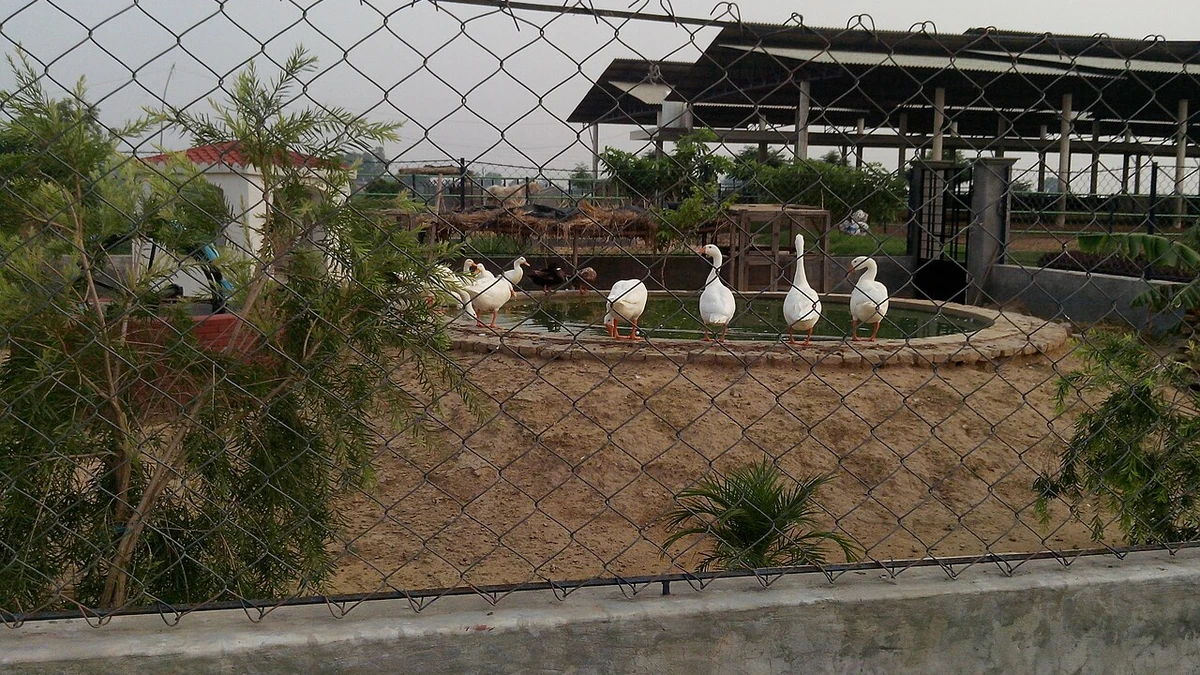
Wholesale butter and milkfat prices in India follow a predictable biological seasonality driven by the lactation cycle of buffaloes and cows: 1. Winter Flush Season (November to February): Cool temperatures, abundant green fodder (berseem, oats, and mustard stover), and peak buffalo calving raise national milk procurement by 30% to 40% above summer lows. Cooperative dairy plants run continuous butter churners at peak capacity, packing bulk white butter into cold storage and softening wholesale rates to ₹350–₹390 per kg. 2. Summer Lean Season (April to July): Heat stress and dry fodder reduce milk output while demand for ice cream and cold dairy drinks climbs, tightening butterfat stocks and lifting wholesale white butter prices by 15% to 25%. Dairy operators diversifying into allied enterprises also track commercial goat farming, poultry farming, and NECC egg rates alongside daily egg market bulletins.
| Dairy Parameter | Cow Milk Butter | Buffalo Milk Butter | Regulatory FSSAI Standard |
|---|---|---|---|
| Natural Color | Golden / Pale Yellow (Natural Carotene) | Pure Snow White (Zero Carotene conversion) | No artificial colors in white butter |
| Milkfat Content | 80.0% - 82.0% Milkfat | 82.0% - 84.0% Milkfat | Minimum 80% (Salted) / 82% (Unsalted) |
| Melting Point | 32°C - 34°C (Softer at room temp) | 35°C - 38°C (Higher firmness & body) | Completely liquid at 40°C |
| Ghee Yield Efficiency | 78% - 80% Finished Ghee | 82% - 84% Finished Ghee | 100 kg butter yields 80-82 kg ghee |
| Fatty Acid Profile | Higher Short-Chain Fatty Acids (Butyric) | Higher Saturated Fatty Acids (Stearic) | Pure dairy milkfat (Zero vegetable oil) |
Source: Statutory milkfat composition and purity standards defined by the Food Safety and Standards Authority of India (fssai.gov.in) and NDDB dairy processing specifications (nddb.coop), reviewed November 2026.
4. Goods and Services Tax (GST) & Dairy Cooperative Economics
Under the Goods and Services Tax (GST) framework overseen alongside consumer food policies by the Ministry of Consumer Affairs, branded packaged butter and dairy spreads attract a 12% GST rate, whereas fresh unbranded curd and buttermilk remain at 0% GST and skimmed milk powder (SMP) sits at 5% GST. Livestock cooperatives under DAHD and NDDB regularly channel dairy earnings back to millions of rural smallholder households. Dairy farmers expanding herds or purchasing milking equipment and chaff cutters can evaluate working capital with our Pashu KCC credit calculator, check livestock financing options, verify loan eligibility, calculate repayments via the EMI calculator, and browse subsidies in our government schemes directory.
5. Cold Chain Logistics, Feed Inputs & Preventing Butter Rancidity
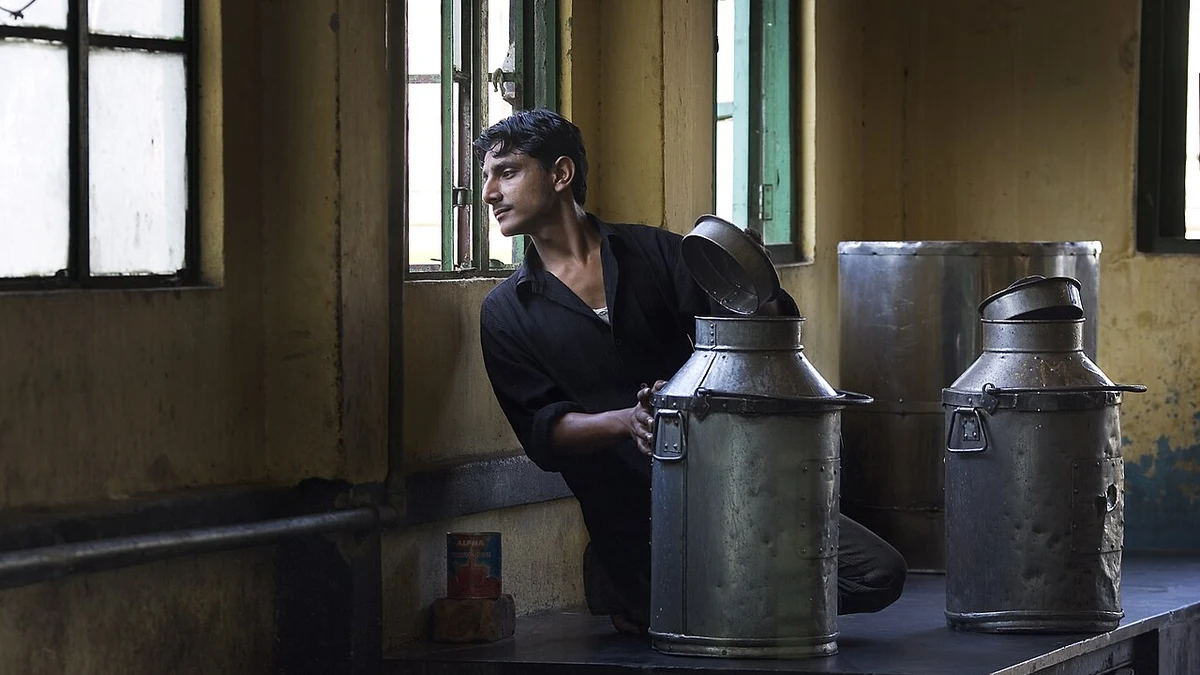
Because butter contains up to 16% water emulsified inside sensitive dairy triglycerides, temperature spikes trigger hydrolytic and oxidative rancidity, producing sour off-flavors. Commercial white butter cartons must remain in deep-freeze cold rooms at -18°C to -20°C to retain freshness for up to 12 months. Meanwhile, dairy feed prices closely follow grain and oilseed markets—check feed grain benchmarks across our KisanPe mandi rates tracker, mandi intelligence platform, wheat mandi bhav, chana dal & husk prices, NECC poultry feed markets, Kisan mobile tools, and Farmer ID registration guide.
6. Purity Testing: How to Detect Adulteration with Starch or Palm Oil
Consumers and procurement buyers can screen butter samples with two quick household checks: 1. Iodine Test for Starch: Boil a spoonful of melted butter in water, cool it, and add drops of tincture iodine; a blue or deep purple tint signals boiled potato or wheat starch adulteration. 2. Melt Heat Test: Heat butter gently in a pan. Pure butter melts swiftly and browns evenly with a rich nutty aroma, whereas fat adulterated with hydrogenated vegetable oil (Vanaspati) or palm stearin melts slowly and separates into a clear oily film with minimal browning.
7. Cooperative Milk Fat Payouts & Value-Added Artisanal Bilona Economics
For rural dairy farmers supplying village milk collection societies affiliated with Amul, Mother Dairy, Verka, or Nandini, butter market strength directly governs farmgate raw milk payout rates. Milk testing analyzers at village collection centers measure both Butterfat Percentage (typically 3.8%–4.5% for cow milk and 6.5%–8.0% for buffalo milk) and Solids-Not-Fat (SNF). When commercial demand for white butter, skimmed milk powder, and ghee rises ahead of festive seasons, dairy federations revise per-kg-fat procurement charts upward—rewarding farmers who supply high-fat buffalo milk and balanced-ration green fodder.
Small-scale dairy entrepreneurs and women self-help groups (SHGs) increasingly improve profit margins by churning cultured curd into artisanal A2 Bilona makhan and clarified Bilona ghee rather than selling raw liquid milk alone. Roughly 25 to 30 litres of native Gir or Sahiwal cow milk cultured into curd yields 1.1 to 1.25 kg of aromatic white makhan, which clarifies into approximately 1 kilogram of golden A2 ghee commanding strong direct-to-consumer retail premiums.
Frequently asked questions
- What is the price of Amul Butter 500g in India in 2026?
- As of November 2026, the indicative Maximum Retail Price (MRP) for an Amul Salted Butter 500-gram pack is ₹285 across retail stores in India. Check related cooperative dairy economics in our dairy farm business guide.
- What is the price of Amul Butter 100g pack?
- A 100-gram tablet of Amul Pasteurized Salted Butter carries an indicative retail MRP of ₹60.
- What is the wholesale price of white butter (makhan) per kg?
- Indicative wholesale commercial white butter (82% fat) in 15-kg cartons ranges between ₹380 and ₹440 per kg across major dairy hubs. Dairy operators can model farm margins using our dairy profit calculator.
- What is the difference between white butter and yellow table butter?
- Under FSSAI quality rules, white butter is unsalted with zero added color (minimum 82% milkfat), while yellow table butter contains at least 80% milkfat, up to 3% salt, and natural annatto or carotene coloring.
- How much pure Desi Ghee can be made from 1 kg of white butter?
- One kilogram of white butter (80–82% milkfat) yields roughly 800 to 820 grams of pure clarified Desi Ghee after evaporating moisture.
- Why is cow butter yellow while buffalo butter is pure white?
- Indigenous cows retain dietary beta-carotene in milkfat (imparting a natural golden tint), whereas buffaloes convert carotene fully into colorless vitamin A. Learn more in our Indian cow breeds guide.
- What is the GST rate applicable on butter in India?
- Packaged branded butter and dairy milkfats attract a 12% Goods and Services Tax (GST) rate across India.
- What is the ideal storage temperature for commercial butter?
- Household table butter should be refrigerated at 4°C, while bulk wholesale white butter requires deep-freeze storage at -18°C to prevent hydrolytic rancidity.
- How can one test if butter is adulterated with starch or potato?
- Add a few drops of iodine solution to cooled melted butter mixed with water; if it turns blue or purple, starch or boiled potato has been added.
- Why do white butter prices fall during the winter season?
- Winter is the peak milk 'flush season' tracked by NDDB when buffaloes yield 30–40% more milk, creating a milkfat surplus that lowers wholesale butter rates.
- What is Traditional Bilona Butter?
- Bilona butter is artisanal white makhan churned slowly from cultured whole curd (dahi) rather than raw cream, prized for traditional aroma and Desi A2 ghee production.
- Which government body promotes cooperative dairy farming and butter processing in India?
- National dairy infrastructure and breed development are supported by the Department of Animal Husbandry and Dairying (DAHD) alongside Pashu KCC credit schemes.
This article is for general information only and is not financial advice. Loan and scheme eligibility depends on partner and government criteria.