Cumin Seeds in Kannada (Jeerige): Uses, Price & Guide
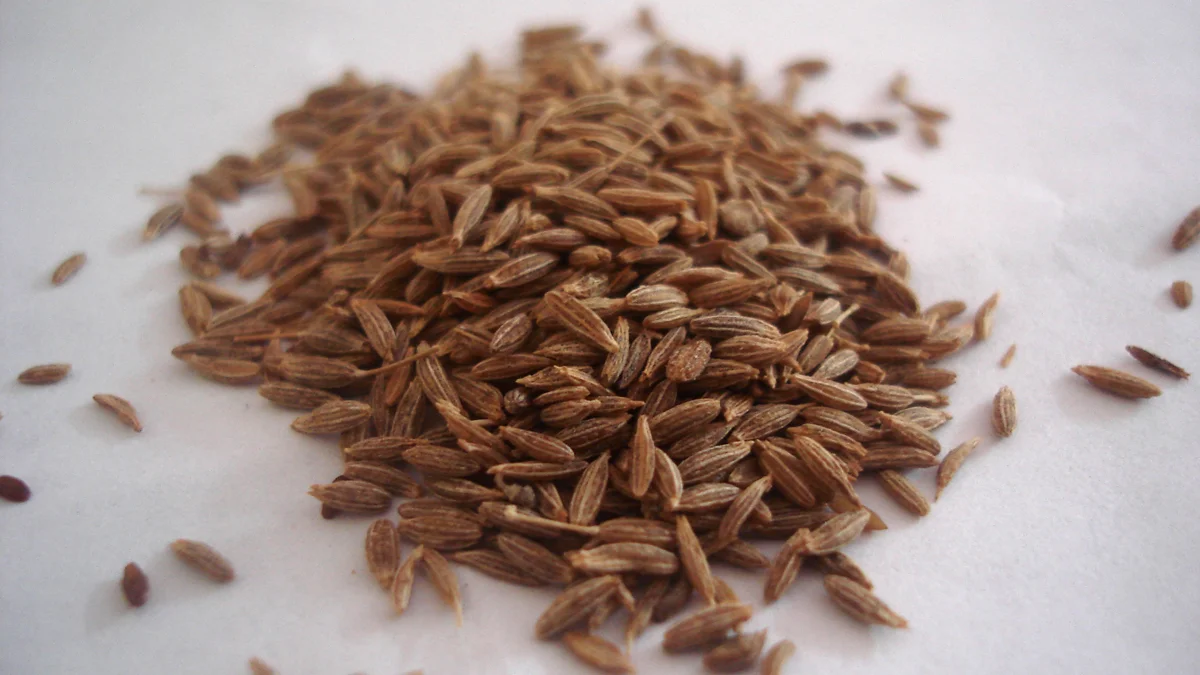
In the Kannada language and across the culinary and Ayurvedic traditions of Karnataka, the English term Cumin Seeds translates directly to ಜೀರಿಗೆ (Jeerige) (pronounced Jee-ri-ge). Botanically designated as Cuminum cyminum and belonging to the Apiaceae family, jeerige is an indispensable fragrant spice that holds pride of place in South Indian kitchens, temple prasadam preparations, and classical Ayurvedic wellness formulations. Monitored systematically by the Spices Board of India (Spices Board) and traded actively on Karnataka agricultural market portals (Agmarknet), cumin seeds are celebrated for their distinctive warm aromatic fragrance, digestive carminative properties, and high concentration of the active essential oil cuminaldehyde.
1. Linguistic Context & Meaning of Cumin Seeds in Kannada
In Kannada literature, traditional medicinal texts, and everyday household parlance, 'ಜೀರಿಗೆ' (Jeerige) refers to the slender, elongated, ridged seed-like fruits of the cumin herb. The word itself is rooted in ancient Sanskrit etymology (जीरण / Jeerna), meaning that which aids and digests food. Across Karnataka, related linguistic terms include: 1. ಜೀರಿಗೆ ಪುಡಿ (Jeerige Pudi): Roasted and finely ground cumin powder. 2. ಜೀರಿಗೆ ನೀರು (Jeerige Neeru): Warm cumin-infused boiled water consumed daily for metabolic and digestive wellness. 3. ಕಾಳು ಜೀರಿಗೆ (Kalu Jeerige / Krishna Jeerige): Black cumin seeds (Nigella sativa or Bunium persicum). 4. ಜೀರಿಗೆ ಸಾಂಬಾರು / ಸಾರು (Jeerige Saaru): Traditional spiced aromatic digestive soup brewed with tamarind, pepper, and freshly crushed cumin.
| English Spice Name | Kannada Name (ಕನ್ನಡ) | Botanical Classification | Key Culinary & Ayurvedic Function |
|---|---|---|---|
| Cumin Seeds | ಜೀರಿಗೆ (Jeerige) | Cuminum cyminum | Essential seasoning, digestive carminative, aroma |
| Black Cumin Seeds | ಕಾಳು ಜೀರಿಗೆ (Kalu Jeerige / ಕಪ್ಪು ಜೀರಿಗೆ) | Nigella sativa / Bunium persicum | Immunity enhancer, respiratory relief, Ayurvedic medicine |
| Fennel Seeds | ಸೋಂಪು (Sompu / ಬಡಿಸೋಂಪು) | Foeniculum vulgare | Sweet mouth freshener, digestive coolant, post-meal chew |
| Fenugreek Seeds | ಮೆಂತ್ಯ (Menthya) | Trigonella foenum-graecum | Bitter digestive spice, regulates blood glucose |
| Mustard Seeds | ಸಾಸಿವೆ (Sasive) | Brassica nigra / juncea | Hot popping tempering for sambar, chutneys & curries |
| Coriander Seeds | ಕೊತ್ತಂಬರಿ ಬೀಜ / ಧನಿಯಾ (Kothambari) | Coriandrum sativum | Aromatic cooling base for spice powders and curries |
Source: Official benchmark data compiled from Ministry of Agriculture & Farmers Welfare, ICAR research bulletins, State Agricultural Marketing Boards, and Agmarknet official market records (Updated 2026).
2. Culinary Uses in Karnataka Cuisine & Temple Traditions
Jeerige is the bedrock of coastal and inland Karnataka culinary arts. In the traditional tempering (ಒಗ್ಗರಣೆ / Oggarane), cumin seeds are crackled in hot cold-pressed coconut oil or cow ghee alongside mustard seeds, curry leaves, and green chillies, releasing volatile aromatic oils that define dishes like Bisi Bele Bath, Udupi Rasam (Saaru), Ven Pongal, and Majjige (spiced buttermilk). In sacred temple offerings—such as the famous Puliyogare and Pongal prepared at Tirupati and Melukote—freshly roasted, stone-ground jeerige is added as a preservative and digestive balance against rich ghee and lentils.
3. Health Benefits & Ayurvedic Wellness Applications (ಜೀರಿಗೆಯ ಆರೋಗ್ಯ ಪ್ರಯೋಜನಗಳು)
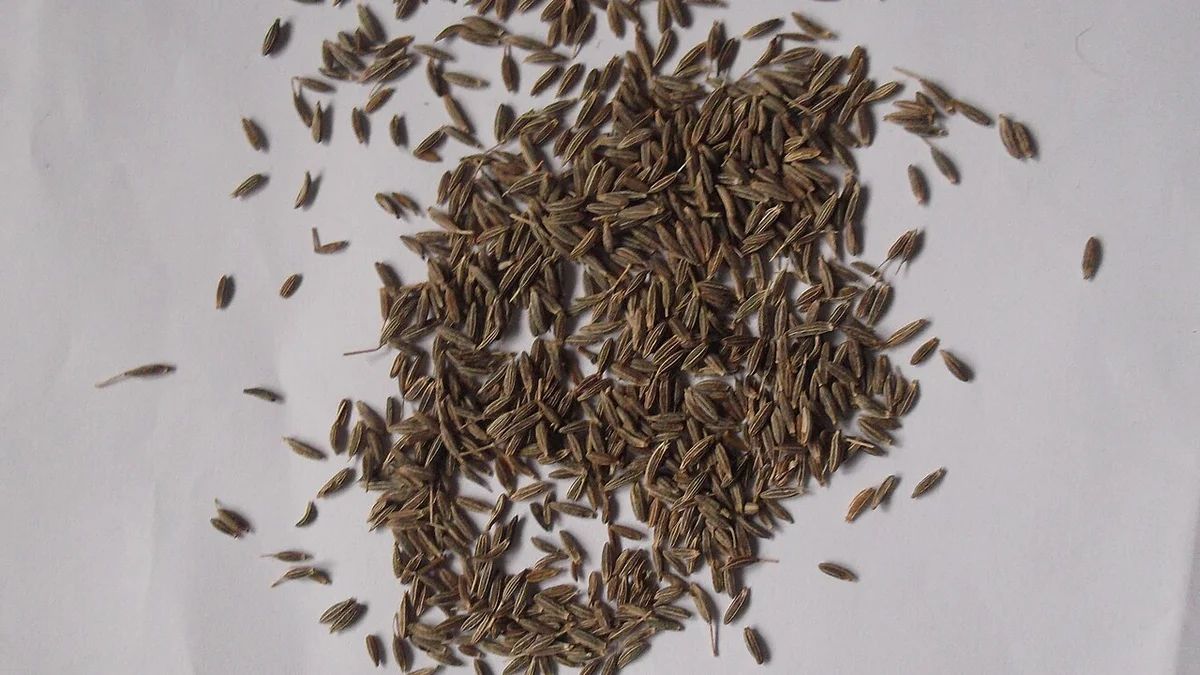
In classical Ayurvedic pharmacology, Jeerige is categorized as Deepana (appetite stimulant), Pachana (digestive fire activator), and Grahi (intestinal absorption enhancer). Clinical nutritional analysis confirms that cumin seeds contain 2.5% to 4.5% volatile essential oils rich in cuminaldehyde, cymene, and terpenoids. Drinking boiled cumin water (Jeerige Neeru) first thing in the morning stimulates the secretion of pancreatic digestive enzymes (amylase, lipase, and protease), speeding up carbohydrate breakdown and relieving flatulence, bloating, and acid reflux. Furthermore, cumin seeds are naturally packed with non-heme dietary iron, supporting red blood cell formation and combating fatigue in women and adolescent children.
| Nutrient / Bioactive | Amount per 100g Cumin Seeds | Daily Value (DV%) | Therapeutic Health Benefit |
|---|---|---|---|
| Dietary Iron (Fe) | 66.4 mg | 368% | Prevents iron-deficiency anemia, boosts hemoglobin |
| Essential Oil (Cuminaldehyde) | 2.5% - 4.5% w/w | Bioactive | Stimulates pancreatic enzymes, accelerates digestion |
| Calcium (Ca) | 931 mg | 93% | Strengthens bone density and dental enamel |
| Magnesium (Mg) | 366 mg | 91% | Relaxes arterial muscles, regulates blood pressure |
| Dietary Fiber | 10.5 g | 42% | Promotes healthy bowel motility and gut microbiome |
| Antioxidants (Flavonoids) | High Polyphenol Index | Free Radical Scavenger | Protects cellular DNA from oxidative damage |
4. Wholesale Market Rates in Karnataka APMC Mandis (2026)
While western India (Gujarat's Unjha mandi and Rajasthan's Jodhpur/Nagaur mandis) produces over 90% of India's total cumin crop, Karnataka is one of the largest consuming and secondary wholesale redistributing markets in South India. In major Karnataka APMC market yards—including Yeshwanthpur (Bengaluru), Hubballi, Belagavi, and Mysuru—wholesale cumin seed prices in 2026 range from ₹26,000 to ₹38,000 per quintal (₹260 to ₹380 per kg) for standard commercial grades, and ₹40,000 to ₹48,000 per quintal for machine-cleaned, bold export-grade lots (Singapore/Europe quality, 99.5% purity). In local retail stores, packaged 100g to 500g pouches sell between ₹45 and ₹260.
5. Quality Identification & How to Avoid Adulteration
Consumers and commercial procurement agents should be vigilant against common cumin seed adulterants in retail markets: 1. Exhausted Cumin Seeds: Seeds from which volatile aroma oils have been industrially extracted, leaving behind flavorless gray husks. Test by rubbing seeds between fingers; genuine jeerige releases a pungent, lingering spicy aroma. 2. Grass / Caraway Seeds Dyed with Charcoal: Artificial dyeing of wild grass seeds or spent caraway seeds. Test by dropping a spoonful of seeds into a glass of clean water; if the water turns black or dark gray, the seeds are artificially colored with coal tar or carbon black.
6. Agronomic Requirements for Cumin Cultivation in India
Cultivating cumin requires a dry, moderately cool rabi climate with zero rain during flowering and seed maturation. Humid weather or winter rainfall triggers severe fungal blight (Alternaria burnii) and powdery mildew. The crop thrives in well-drained sandy loam soils with a pH of 7.0 to 8.0, requiring 100 to 115 days from sowing to harvest. Yields average 4 to 6 quintals per acre under optimal scientific management.
7. Organic Cumin Cultivation & Direct Farmer Marketing
With growing global consumer preference for chemical-free spices, organic cumin cultivation has expanded significantly across arid farming belts. By substituting synthetic chemical fertilizers with well-rotted farmyard manure, jeevamrutha, and neem cake, organic cumin growers preserve volatile oil concentrations while achieving zero pesticide residue status. Certified organic cumin seeds command export premiums of 30% to 50% in European, North American, and Japanese specialty food markets.
In Karnataka, organic retail cooperatives and direct-to-consumer digital platforms allow certified farmers to package stone-cleaned jeerige directly into retail pouches, bypassing intermediary wholesale mandi brokers. This farm-to-fork supply chain delivers pure, unadulterated spices to urban households while returning up to 80% of consumer spend directly to cultivating farming families.
8. Agricultural Inputs, Mechanization & Allied Farm Operations
Maximizing farm gate returns in cumin seeds in kannada begins with strong agronomic management, calibrated soil nutrition, clean irrigation, and efficient harvesting machinery. Growers systematically coordinate crop care through Triple Super Phosphate (TSP) root nutrition guide, Bayer Solomon broad-spectrum insect control, Single Super Phosphate (SSP) sulphur and phosphorus nutrition, melon seed (magaz) wholesale market trends, sesame seed (ellu) agronomy and market rates. Modern field execution and transport rely heavily on comparing specs and subsidies across hydraulic tipping and non-tipping tractor trolley prices, Agrimachinery DBT SMAM tractor and implement portal, John Deere 5310 4x4 55 HP CRDi tractor specs, Farmtrac 45 Classic Supermaxx tractor review, Swaraj 855 FE 4x4 heavy-duty 52 HP specs, dual-purpose tractor gadi haulage models, John Deere India tractor lineup and pricing, Swaraj 735 FE 39 HP utility tractor review, full Swaraj tractor HP lineup and pricing. For specialized tillage, haulage, and water distribution, cultivators also evaluate Swaraj 744 FE and XT torque and fuel economy, Mahindra 575 DI 45 HP workhorse mileage guide, Mahindra 575 DI XP Plus 47 HP torque and review, New Holland 3630 TX Plus 4x4 55 HP tractor specs, Powertrac Euro diesel-saver tractor models and prices, VST Shakti and Kubota 12-15 HP power tiller prices, Farmtrac heavy tractor series and diesel saver specs, Solis 4515 E Yanmar-tech tractor specifications, field tractor power testing and safety buying checks, sprinkler irrigation layout and PMKSY subsidy.
9. Regional Mandi Networks, Credit Schemes & Official Data Sources
Across India's regulated market ecosystem, farmers compare live realizations across state trading yards and tap formal welfare and institutional financing. Growers benchmark regional supply arrivals and MSP procurement across Jakhal Mandi Fatehabad grain auction rates, soyabean mandi bhav and MSP rates, Mangoli & Sangli regional fruit mandi bhav, Dhamnod Mandi cotton and soyabean arrivals, Kalapipal Mandi onion and garlic auction rates, wheat (gehu) cultivation varieties and grain nomenclature, moong dal wholesale and split green gram rates, daily Neemuch Krishi Upaj Mandi garlic and herb prices, live APMC Krishi Upaj mandi auction trends, chana dal procurement and wholesale market rates, wheat (gehu) mandi auction and FCI procurement rates, Mandsaur APMC lahsun and soybean market rates. Key grain, oilseed, and pulse realization corridors additionally track Neemuch Mandi medicinal spice and grain rates, Piplia Mandi wholesale garlic auctions, Narela Anaj Mandi paddy and wheat arrivals, daily UP and Maharashtra sugar mill chini bhav, guar seed APMC & NCDEX prices, arhar (tur) dal wholesale and MSP realizations.
Agricultural diversification and specialty value chains spanning spices, plantation crops, dairy, and poultry offer steady cash flow—tracked via Byadgi red chilli oleoresin grading and APMC rates, Sangli and Nashik golden kismis (raisin) rates, copra milling and coconut oil wholesale rates, Arunachal Pradesh organic kiwi and Azadpur rates, dairy butter fat economics and Amul retail prices, Barabanki mint wholesale mandi and MCX benchmarks, wholesale mushroom prices across urban mandis, NCDEX Turmeric Price Today, Rashi, Bette, and Chali arecanut grade pricing, Bangalore wholesale egg tray prices and retail spreads, all-India NECC egg rate directory. Operational working capital, DBT cash transfers, and subsidized farm solar or e-KYC infrastructure can be accessed via Haryana Meri Fasal Mera Byora MSP procurement registration, Madhya Pradesh e-Uparjan and Kisan Kalyan portal, CSC Aadhaar biometric e-KYC verification workflow. Primary regulatory notifications, technical bulletins, and statutory benchmark portals are published by Ministry of Agriculture & Farmers Welfare, Agmarknet Mandi Price Portal, Ministry of Consumer Affairs, Food & Public Distribution, Central Farm Machinery Training & Testing Institute (CFMTTI), and Spices Board.
Frequently asked questions
- What is cumin seeds called in Kannada?
- Cumin seeds are called 'ಜೀರಿಗೆ' (Jeerige) in the Kannada language. Official regulatory guidelines can also be verified on the Ministry of Agriculture & Farmers Welfare.
- What is the difference between Jeerige and Sompu in Kannada?
- Jeerige refers to pungent, aromatic cumin seeds (Cuminum cyminum), whereas Sompu refers to sweet fennel seeds (Foeniculum vulgare). Official regulatory guidelines can also be verified on the Agmarknet Mandi Price Portal.
- What are the health benefits of drinking Jeerige Neeru (cumin water)?
- Drinking boiled cumin water improves digestion, boosts metabolic rate, relieves acid reflux and bloating, and provides dietary iron. Explore related mandi benchmarks and farmer support guides in our Byadgi red chilli oleoresin grading and APMC rates.
- What is the wholesale price of cumin seeds (jeerige) per kg in Karnataka?
- Wholesale rates in Bengaluru and Hubballi APMC mandis range between ₹260 and ₹380 per kg for standard grades, and up to ₹480 per kg for bold export grades. Explore related mandi benchmarks and farmer support guides in our Haryana Meri Fasal Mera Byora MSP procurement registration.
- How can one test for adulteration in cumin seeds?
- Rub seeds between palms to test for authentic strong aroma; drop seeds in water to check for synthetic black dye bleed from fake charcoal-coated seeds. Explore related mandi benchmarks and farmer support guides in our Sangli and Nashik golden kismis (raisin) rates.
- Which state in India produces the most cumin seeds?
- Gujarat and Rajasthan together produce over 90% of India's total cumin output, with Unjha in Gujarat being the global trading capital. Explore related mandi benchmarks and farmer support guides in our Jakhal Mandi Fatehabad grain auction rates.
- What is black cumin called in Kannada?
- Black cumin is known as 'ಕಾಳು ಜೀರಿಗೆ' (Kalu Jeerige) or 'ಕಪ್ಪು ಜೀರಿಗೆ' (Kappu Jeerige) in Kannada.
- Why is cumin added to traditional South Indian rasam?
- Cumin provides a warm, earthy flavor and works synergistically with black pepper to stimulate gastric digestive juices and enhance immunity.
- What essential oil gives cumin its distinctive smell?
- Cuminaldehyde (cumene) is the primary volatile organic compound responsible for cumin's characteristic pungent, spicy aroma.
- Is cumin high in iron?
- Yes, cumin seeds are exceptionally rich in non-heme dietary iron, containing over 66 mg of iron per 100 grams.
- Can cumin seeds be stored for a long time without losing flavor?
- When stored in airtight glass or stainless steel containers in a cool, dry pantry, whole cumin seeds retain aroma for up to 2 years.
- What is Jeerige Pudi?
- Jeerige Pudi is roasted cumin powder, widely sprinkled over curd rice, salads, chaats, and gravies for instant digestive flavor.
This article is for general information only and is not financial advice. Loan and scheme eligibility depends on partner and government criteria.