Wheat Rate Today 2026: Mandi Bhav, MSP & Grain Price Guide
Key takeaways
- For the 2026-27 Rabi Marketing Season (RMS), the Cabinet Committee on Economic Affairs (CCEA) approved the Minimum Support Price (MSP) for Wheat at ₹2,425 per quintal, an increment of ₹150 over the previous cycle, providing a statutory procurement safety floor across India.
- Wholesale wheat rate today in primary agricultural producing belts hovers between ₹2,460 and ₹2,620 per quintal for commercial mill-quality wheat (such as HD 2967, DBW 187, and PBW 550), while premium grain like MP Sharbati commands ₹3,200 to ₹4,100 per quintal.
- Under statutory Food Corporation of India (FCI) Fair Average Quality (FAQ) norms, grain presented for government procurement must strictly satisfy quality thresholds: maximum moisture content of 12.0%, foreign matter capped at 0.75%, and damaged or discolored grains under 2.0%.
- Electronic auction platforms through e-NAM (National Agriculture Market) now connect over 1,400 APMC mandis, enabling direct mill bidding, electronic assaying, and direct RTGS/NEFT settlement without deduction of unauthorized arhatiya commission charges from farmers.
- Scientific post-harvest grain management utilizing WDRA-registered warehouses allows farmers to access Negotiable Warehouse Receipts (e-NWRs) and low-interest pledge financing up to 75% of stock value, preventing distress sales during peak harvest glut.
Wheat (Triticum aestivum) represents the vital cornerstone of India’s food security system, agricultural economy, and rural livelihood framework. Grown across more than 31 million hectares during the cool winter Rabi season across the vast fertile alluvial plains of Uttar Pradesh, Punjab, Madhya Pradesh, Haryana, Rajasthan, and Bihar, wheat accounts for over half of the national cereal intake. Every trading morning, millions of agrarian producers, commission agents (arhatiyas), commercial flour millers, livestock feed processors, and retail commodity traders scrutinize wholesale market boards to track the prevailing wheat rate today across key Agricultural Produce Market Committee (APMC) mandis.
With the formal arrival of the 2026-27 marketing window, domestic grain exchanges are operating in a well-balanced equilibrium shaped by statutory government procurement targets, Food Corporation of India (FCI) reserve buffers, open-market flour mill purchase competition, and regional yield variations. Whether your business operations focus on tracking western Uttar Pradesh grain arrivals in Bulandshahar, Hapur, and Aligarh, evaluating northern milling wheat in Khanna and Karnal, or trading golden-luster Sharbati wheat in Sehore and Vidisha, having real-time pricing intelligence, quality assaying clarity, and logistics cost awareness is fundamental to maximizing your agricultural enterprise profitability.
Today wheat rate across major state APMC mandis
Wholesale grain prices at APMC market yards fluctuate continuously according to daily truckload arrival volumes, test weight (hectolitre weight), physical grain luster, moisture percentages, and distance to high-consumption urban flour milling clusters. In major north and central Indian mandis, wheat lots are transacted either via open manual outcry auctions or electronic bidding on the e-NAM platform.
| State & Region | Major APMC Mandis | Modal Wheat Rate (₹/Quintal) | Daily Price Range (₹/Quintal) | Dominant Varieties & Trade Grades |
|---|---|---|---|---|
| Uttar Pradesh (West) | Bulandshahar, Hapur, Aligarh, Meerut | ₹2,510 | ₹2,460 – ₹2,580 | HD 2967, PBW 502, Mill Quality FAQ |
| Uttar Pradesh (Central/East) | Kanpur, Bareilly, Lakhimpur, Shahjahanpur | ₹2,480 | ₹2,430 – ₹2,540 | PBW 343, DBW 187, Standard Mill Grain |
| Punjab (Central) | Khanna, Rajpura, Jalandhar, Ludhiana | ₹2,475 | ₹2,425 – ₹2,520 | HD 3086, DBW 222, PBW 824 (FCI Procured) |
| Haryana (G.T. Road Belt) | Karnal, Kurukshetra, Ambala, Panipat | ₹2,490 | ₹2,430 – ₹2,540 | WH 1105, DBW 187, Seed & Flour Quality |
| Madhya Pradesh (Malwa) | Indore, Ujjain, Dewas, Dhar | ₹2,720 | ₹2,550 – ₹3,450 | Lok-1, Malavraj (Durum), Poshan |
| Madhya Pradesh (Bhopal/Vindhya) | Sehore, Vidisha, Hoshangabad, Raisen | ₹3,450 | ₹3,100 – ₹4,200 | Sharbati C-306, Sujata, Premium Atta Grade |
| Rajasthan (Hadoti/Shekhawati) | Kota, Baran, Sri Ganganagar, Alwar | ₹2,530 | ₹2,470 – ₹2,750 | Raj 4037, HI 1544, HD 3226 |
| Gujarat (Saurashtra/Central) | Rajkot, Gondal, Ahmedabad, Dahod | ₹2,780 | ₹2,580 – ₹3,300 | GW 496, Tukdi, Premium Bhalia Durum |
| Bihar (North/South) | Gulabbagh (Purnia), Buxar, Sasaram | ₹2,450 | ₹2,400 – ₹2,520 | K 9107, Sabour Nirjal, Commercial Local |
As highlighted in Table 1, commercial milling wheat in primary surplus zones like Uttar Pradesh and Punjab trades within a tight spread of ₹2,450 to ₹2,580 per quintal, closely anchored around the central government’s procurement baseline. Conversely, premium indigenous and high-protein varieties traded across Madhya Pradesh and Gujarat command significant market markups of ₹500 to ₹1,600 per quintal due to high industrial and packaged flour mill demand.
Minimum Support Price (MSP) 2026-27: procurement rules & safety floor
The Minimum Support Price serves as the statutory pricing anchor for Indian agriculture. For the 2026-27 Rabi Marketing Season, the central government approved the wheat MSP at ₹2,425 per quintal, representing a ₹150 hike over the RMS 2025-26 benchmark of ₹2,275 per quintal. This price fixation is calculated on recommendations from the Commission for Agricultural Costs and Prices (CACP) under the formula of at least 1.5 times the all-India weighted average cost of production (A2 + FL).
The projected comprehensive cost of cultivation for wheat for RMS 2026-27 stands at approximately ₹1,128 per quintal on an A2 + FL basis (encompassing paid-out expenses on certified seeds, chemical and bio-fertilizers, canal and tubewell irrigation charges, diesel fuel, machine leasing, hired labor, and the imputed value of unpaid family labor). Consequently, the MSP of ₹2,425 guarantees farmers a healthy net profit margin exceeding 115% over actual operational input costs.
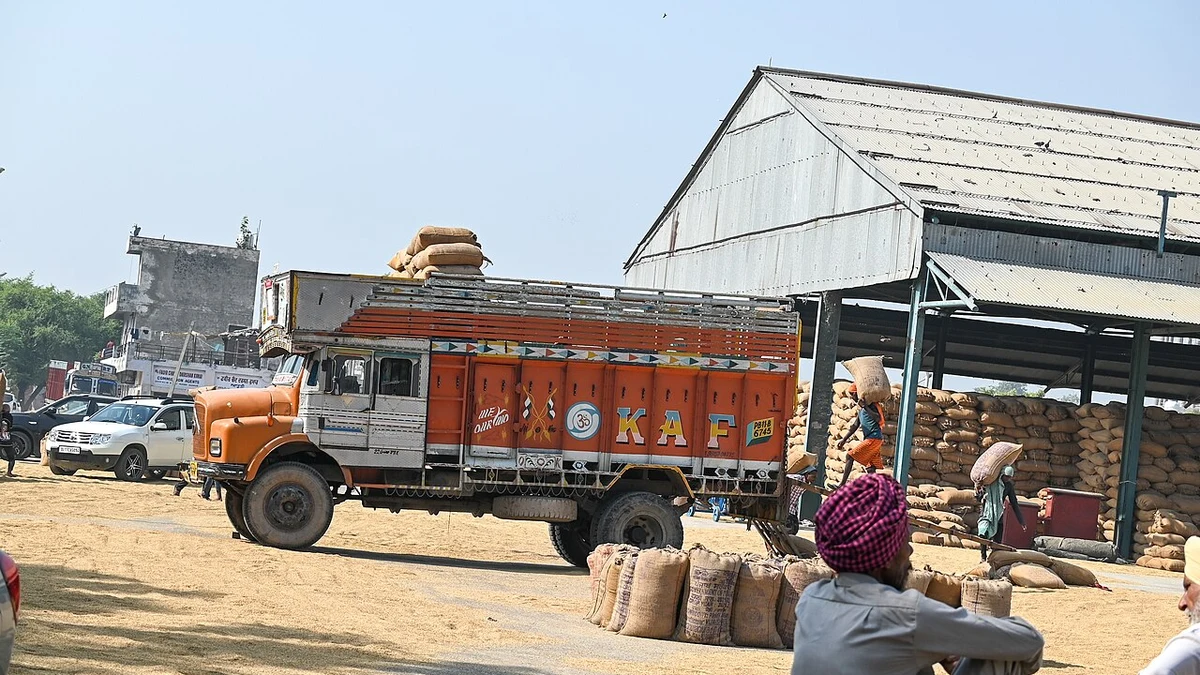
During the official RMS procurement window—running annually between March 15 and June 30 across designated state agency centers (including HAFED in Haryana, PUNSUP/Markfed in Punjab, PCF in Uttar Pradesh, and MP State Civil Supplies Corporation in Madhya Pradesh)—farmers are guaranteed prompt direct procurement without distress discounts, provided their grain meets the official Uniform Specifications.
FCI Fair Average Quality (FAQ) grading & quality standards
Whenever agricultural produce is unloaded at government purchase centers or corporate agro-processing silos, specialized grain quality assayers draw representative samples from multiple bags across the lot using standard hollow brass triers (parkhis). The grain is then tested against statutory Fair Average Quality (FAQ) tolerance schedules mandated by the Department of Food and Public Distribution (DFPD).
| Quality Parameter | Statutory FAQ Tolerance Limit | Impact of Exceeding Threshold | Preventative On-Farm Best Practice |
|---|---|---|---|
| Moisture Content | Maximum 12.0% (Relaxed up to 14.0% with value cut) | Price discount proportional to weight; rejection above 14% | Sun-dry grain on clean tarpaulins for 24-48 hours before market transit |
| Foreign Matter (Inorganic) | Maximum 0.75% (Sand, stones, silica particles) | Mandatory machine aspiration; direct weight deduction | Run harvested grain through double-screen mechanical seed cleaners |
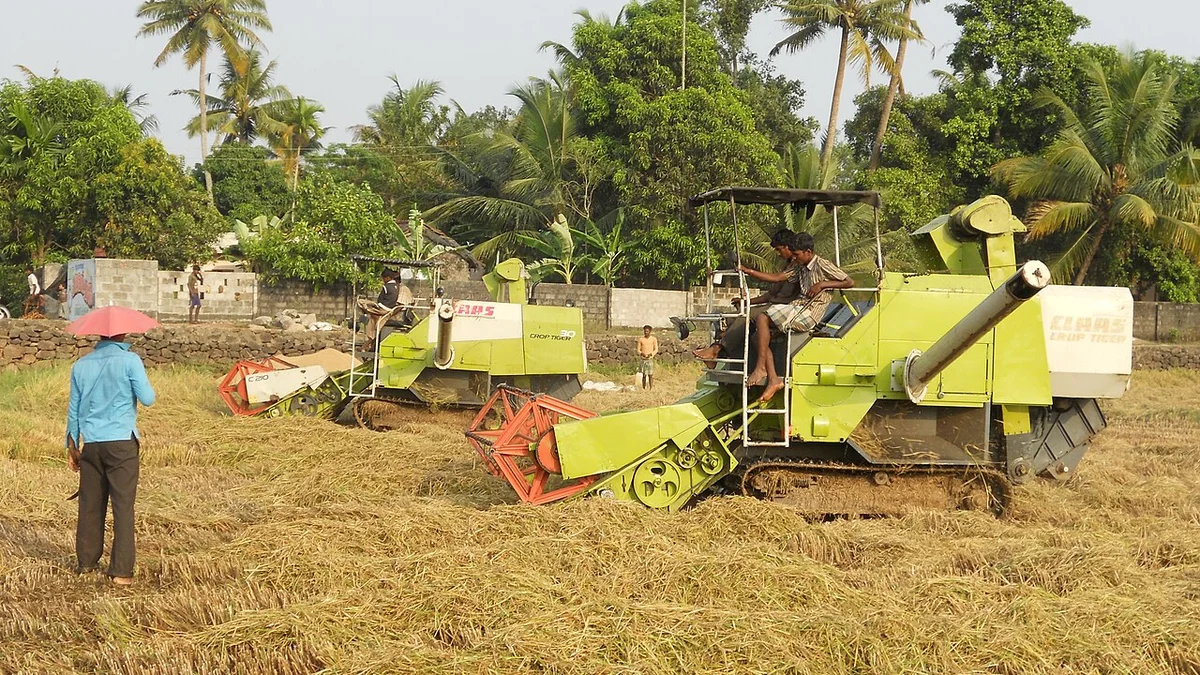
| Foreign Matter (Organic) | Maximum 1.00% (Straw, chaff, weed seeds, stalks) | Quality grade downgrade; processor mill price discount | Fine-tune combine harvester blower fan speed and sieve clearance |
| Other Food Grains | Maximum 2.00% (Barley, gram, mustard mix) | Loss of single-commodity premium classification | Maintain clean crop boundaries and clean threshing yards |
| Damaged / Discolored Grains | Maximum 2.00% (Fungal attack, sprout damage, karnal bunt) | Direct rejection if toxic mould or rot is detected | Timely harvesting before pre-monsoon showers; prevent wet field heaps |
| Slightly Damaged Grains | Maximum 4.00% (Minor insect pinholes, shrivelled) | Value cut imposed on procurement purchase vouchers | Store grain in hermetic bags; apply neem or aluminum phosphide fumigation |
| Weeviled Grains | Maximum 1.00% (Sitophilus oryzae, Rhyzopertha) | Rejection by commercial flour millers and FCI inspectors | Fumigate storage bins; clean warehouses prior to filling new crop |
Commercial wheat varieties & price premium breakdown
Not all wheat grain is evaluated equally in domestic food trading channels. Indian wheat cultivars are categorised under three botanical and commercial classifications: bread wheat (Triticum aestivum), durum pasta wheat (Triticum durum), and emmer wheat (Triticum dicoccum / Khapli). Each classification fulfills distinct culinary and industrial manufacturing purposes, directly impacting the daily wheat rate today.
1. Sharbati Wheat (C-306, Sujata): Revered as the "Golden Grain" of central India, Sharbati wheat is cultivated predominantly in the rainfed black cotton soils of Sehore, Vidisha, Raisen, and Hoshangabad in Madhya Pradesh. Its grains are exceptionally heavy, uniform, golden-amber in color, and boast high natural sweetness and water absorption capacity. Because it produces softer, sweeter rotis that remain tender for hours, branded packaged atta companies (such as Aashirvaad Select, Fortune, and Nature Fresh) purchase Sharbati at wholesale premiums of ₹3,200 to ₹4,200 per quintal.
2. High-Yielding Bread Wheat (HD 2967, HD 3086, DBW 187, DBW 303): Developed by the Indian Agricultural Research Institute (IARI) and the Indian Institute of Wheat and Barley Research (IIWBR, Karnal), these modern semi-dwarf varieties constitute over 70% of northern India’s total production. Offering staggering yields of 22 to 26 quintals per acre, these varieties form the backbone of commercial bulk flour milling for standard chakki atta, maida, and suji, trading right at the prevailing market baseline of ₹2,460 to ₹2,580 per quintal.
3. Durum / Malvi Wheat (Malavraj, HI 8498, PDW 233): Grown in the drier agro-ecological zones of Malwa (MP), Rajasthan, and Gujarat, durum wheat features an extremely hard, vitreous, translucent grain with high gluten strength and yellow carotenoid pigmentation. It is the premier raw material demanded by macaroni, spaghetti, vermicelli, and instant noodle manufacturers, commanding steady prices of ₹2,650 to ₹2,950 per quintal.
4. Khapli / Emmer Wheat: Grown traditionally in parts of Maharashtra, Karnataka, and southern Gujarat, Khapli wheat possesses a low glycemic index, dense dietary fiber, and easily digestible gluten peptides. Because of its rising popularity among diabetic and health-conscious urban consumers, retail and wholesale Khapli grain trades at steep premiums between ₹4,500 and ₹7,500 per quintal.
Understanding APMC trading mechanisms & e-NAM digital auctions
For decades, Indian farmers selling wheat at physical APMC yards were subjected to opaque manual auctions, arbitrary grain deduction for dirt (katta-dhara), delayed cash payouts, and steep commission cuts. The progressive implementation of the National Agriculture Market (e-NAM) has revolutionized this workflow across more than 1,400 linked mandis across 23 states and union territories.
When a farmer arrives at an e-NAM integrated APMC yard with a tractor trolley of wheat:
- Gate Entry & Electronic Weighing: An electronic gate pass is generated linking the farmer’s Aadhaar number and land record database. The loaded tractor trolley passes over an electronic weighbridge with zero manual calibration tampering.
- Digital Assay Laboratory Sampling: A representative sample of the lot is tested in the mandi’s on-site assaying laboratory for moisture, hectolitre weight, foreign matter, and gluten content within 25 minutes. The quality parameters are uploaded directly to the e-NAM bidding portal.
- Competitive Pan-India Online Bidding: Instead of being restricted to the 10-15 physical traders present in the yard, buyers, millers, and corporate procurement agents across the state or country can view the certified assay report and place competitive electronic bids.
- Electronic Acceptance & Instant Bank Settlement: If the highest bid meets or exceeds the farmer’s expectation, the farmer accepts the price via the mobile app or auction hall terminal. Net payment is credited directly into the farmer’s bank account via NEFT/RTGS within 24 hours.
- Zero Farmer Commission Fee Mandate: Under statutory APMC rules in states like Uttar Pradesh, Haryana, and Punjab, all market fees, handling expenses, and mandi cess are legally chargeable strictly to the commercial buyer, safeguarding the farmer against illegal deductions.
Scientific storage, warehouse receipt financing & post-harvest economics
A common pitfall for small and marginal wheat growers is selling their entire harvest immediately during the peak arrival months of April and May, when mandi arrivals surge and market prices typically dip to the statutory MSP floor. By June and July, once state procurement centers wind down operations and private stockists consolidate holdings, open-market wholesale prices routinely appreciate by 8% to 15%.
Farmers equipped with scientific grain storage can capture this off-season price appreciation without risking pest damage or moisture spoilage:
Under the Warehousing Development and Regulatory Authority (WDRA), farmers can store their cleaned wheat in registered commercial warehouses managed by the Central Warehousing Corporation (CWC) or State Warehousing Corporations (SWC). Upon deposit, the warehouse manager issues an electronic Negotiable Warehouse Receipt (e-NWR).
| Storage Method | Capacity Range | Estimated Cost (₹/Qtl/Month) | Storage Life & Quality Retention | Risk Factors |
|---|---|---|---|---|
| Modern CWC / SWC Warehouse | 5,000 – 50,000 MT | ₹7 – ₹12 | 12 – 24 months (Full insurance & pest control) | Requires transport to institutional warehouse facility |
| Galvanized Steel Bins (Pusa Kothar) | 10 – 50 Quintals | ₹2 – ₹4 (Amortized) | 8 – 12 months (Excellent rodent & moisture seal) | Upfront capital expense for steel sheet fabrication |
| Hermetic Grain Storage Bags (PICS) | 50 – 100 Kg bags | ₹4 – ₹6 (Re-usable) | 12 – 18 months (Zero chemical fumigants needed) | Susceptible to mechanical tears if handled roughly |
| Traditional Mud / Bamboo Kuthla | 5 – 20 Quintals | ₹1 – ₹2 | 3 – 6 months (Moderate protection) | High vulnerability to termites, moisture absorption, and weevils |
Crucially, farmers holding an e-NWR can pledge the receipt with nationalized or regional rural banks to obtain pledge credit financing up to 75% of the current market value of their stored wheat at concessional agricultural interest rates (typically 7% per annum, with 3% interest subvention for timely repayment). This liquidity allows families to pay off seasonal harvest labor, purchase Kharif seeds and fertilizers, and wait until September or October when the wheat rate today reaches its seasonal high.
Flour milling demand, OMSS tenders & government market intervention
India’s domestic wheat consumption is driven primarily by the organized roller flour milling industry (producing maida, suji, and commercial atta for bakeries, confectioneries, and noodle manufacturers) and thousands of decentralized local chakki flour mills catering to daily household consumption. The roller flour mill sector processes approximately 28 to 30 million metric tonnes of wheat annually.
To prevent speculative price spikes in retail flour markets during festive winter quarters, the central government executes the Open Market Sale Scheme (Domestic) [OMSS-D]. Under OMSS, the Food Corporation of India offloads surplus central pool wheat stocks via electronic weekly tenders on the NCDEX or m-Junction bidding platforms to private flour millers at predetermined reserve prices (generally set close to the prevailing MSP plus transportation adjustments).
When OMSS tender releases are robust, open-market wholesale wheat rates in consuming urban metros stabilize rapidly. Conversely, when FCI reserve stock levels approach the statutory buffer norm threshold, private traders bid aggressively in regional APMC mandis, pushing the local wheat rate today above ₹2,600 per quintal.
Western Uttar Pradesh deep dive: Bulandshahar & NCR wheat price trends
The western agricultural heartland of Uttar Pradesh—anchored by the prominent grain trading centers of Bulandshahar, Hapur, Aligarh, Khurja, and Jahangirabad—serves as the primary grain funnel supplying the massive National Capital Region (NCR) and western consumption belt. In mandis like Bulandshahar, daily wheat arrivals during the peak season easily exceed 1,500 to 2,500 metric tonnes per day.
Because of Bulandshahar’s immediate proximity to major road expressways (such as the Eastern Peripheral Expressway and NH-34), local mandi rates tend to trade at a premium of ₹30 to ₹60 per quintal compared to more distant eastern UP trading centers like Gorakhpur or Basti. Commercial flour mills located in Ghaziabad, Noida, Delhi, and Faridabad dispatch daily truck fleets to Bulandshahar and Hapur mandis to procure consistent, clean FAQ lots, maintaining firm demand throughout the post-monsoon period.
Actionable tips for farmers to secure maximum wheat prices
- Avoid Early Morning De-Dewing Harvest: Harvesting when morning dew clings to standing wheat plants elevates grain moisture above 14%, triggering automatic price cuts at the mandi weighbridge. Begin combine harvesting only after 10:30 AM when the crop canopy is completely dry.
- Grade and Winnow Before Loading: Passing wheat through a simple tractor-operated PTO winnowing fan removes 95% of lightweight chaff, weed seeds, and dust. Spending ₹15 per quintal on pre-cleaning regularly yields a ₹40 to ₹70 per quintal higher auction bid.
- Monitor Multiple Mandi Prices on e-NAM and KisanPe: Before loading a 10-tonne truck, compare modal rates across adjacent APMCs. In western UP, a distance of only 25 km between Bulandshahar and Sikandrabad can exhibit price differentials of ₹35 per quintal, more than covering additional diesel haulage.
- Never Accept Unofficial Commission Deductions: Arhatiyas in certain unregulated areas attempt to deduct 1.5% to 2.5% "commission" or "labor cess" from the farmer’s sale bill. By law, seller-side commissions are completely prohibited in government mandis. Always demand an official J-Form (Punjab/Haryana) or e-Kisaan auction receipt.
- Utilize Kisan Credit Card (KCC) for Working Capital: Rather than selling grain under distress immediately after threshing to settle seasonal debts, use flexible low-interest KCC crop loans (net 4% interest rate with prompt repayment incentive) to bridge household cash flow.
Official regulatory portals and verified market references
To cross-verify daily arrivals, auction rates, and moisture deductions across major grain terminals, cultivators should track official portals. The Agmarknet Official Agricultural Mandi Prices Portal provides real-time arrivals across regulated markets, while electronic interstate trading takes place through the National Agriculture Market (e-NAM) Government Portal. Statutory grain procurement specifications are maintained by the Department of Food and Public Distribution (DFPD) and executed nationally by the Food Corporation of India (FCI) based on statutory pricing formulas evaluated by the Commission for Agricultural Costs and Prices (CACP).
Related mandi rates, farmer schemes, and agricultural machinery guides
Growers comparing regional wholesale price dynamics can review comprehensive commodity guides including our gehu rate today & UP mandi bhav guide, dedicated KisanPe wheat crop production & advisory hub, and prominent terminal reviews such as Neemuch mandi bhav, Ramganj mandi bhav, Bhawani Mandi Rajasthan daily rates, Gazipur sabji mandi guide, anaj mandi wholesale trading systems, and Kottur APMC profile. For winter crop diversification, explore market trends on sarson ka bhav and commercial cash crop pricing in the cotton market rate today guide.
Field productivity relies heavily on high-grade farm inputs and modern mechanization. Review standard agronomic requirements in our DAP fertilizer subsidy & price guide, certified seed classification & quality testing guide, and specialized equipment manuals including the sugarcane juice machine commercial guide. For mechanization investments, examine current market models in the Mahindra tractor price list, Sonalika tractor models & price guide, John Deere tractor models guide, and versatile mini tractor price guide.
Farmers can also maximize family farm returns through agricultural diversification and government subsidies. Explore commercial feasibility in our commercial mushroom farming project report, indigenous cattle management in the Indian cow breeds guide, and high-value dairy returns in the Gir cow farming & A2 dairy guide. Ensure complete entitlement access by checking details on PM Kisan status check, the MP Kisan portal registration, Raj Kisan portal schemes, state income support through Kisan Bandhu scheme, unified digital identity via the farmer ID registration guide, and green energy irrigation through the PM Kusum solar pump subsidy. Track government programs spearheaded by the Agriculture Minister of India and download top kisan mobile apps for weather and mandi advisory.
Frequently asked questions
- What is the current Minimum Support Price (MSP) for wheat in the 2026-27 season?
- The central government approved the wheat Minimum Support Price (MSP) for the 2026-27 Rabi Marketing Season (RMS) at ₹2,425 per quintal based on pricing recommendations from the Commission for Agricultural Costs and Prices (CACP). This represents a statutory ₹150 increase per quintal over the previous season’s benchmark of ₹2,275, ensuring a protected profit margin exceeding 115% over the national weighted cost of production (A2+FL).
- Why does wheat rate today vary so significantly between Uttar Pradesh and Madhya Pradesh?
- Price differences reflect grain varieties and regional end-use demand. Uttar Pradesh mandis predominantly trade high-yielding semi-dwarf bread wheat (HD 2967, DBW 187) intended for bulk chakki flour milling, which trades closely around ₹2,460 to ₹2,550/qtl. Madhya Pradesh mandis trade prized rainfed Sharbati wheat (C-306) and Durum pasta grains that command high market premiums from branded flour mills, pushing prices to ₹3,200–₹4,200/qtl.
- What is the maximum permissible moisture limit for wheat during FCI government procurement?
- Under statutory Uniform Specifications framed by the Department of Food and Public Distribution (DFPD) and executed by the Food Corporation of India (FCI), the maximum permissible moisture content for wheat procurement at the full MSP of ₹2,425/qtl is 12.0%. Wheat containing between 12.0% and 14.0% moisture may be accepted subject to proportionate value deductions, but lots exceeding 14.0% moisture are rejected outright to prevent fungal contamination and storage spoilage.
- How can a farmer sell wheat directly to the government under MSP procurement?
- Farmers must register on their state’s procurement portal (such as e-Uparjan in MP (see our MP Kisan portal registration guide), Meri Fasal Mera Byora in Haryana, Anaaj Kharid in Punjab, or through a verified farmer ID registration) prior to harvest. Registration requires land ownership records (Khasra/Khatauni), bank account details, and Aadhaar verification. Once registered, farmers receive an SMS slot notifying them of their scheduled date and designated procurement center.
- What is the difference between bread wheat and durum wheat in terms of market price?
- Bread wheat (Triticum aestivum) has medium grain hardness and gluten structure optimized for soft rotis, sliced bread, and standard flour, typically trading between ₹2,430 and ₹2,600/qtl. Durum wheat (Triticum durum) has extremely hard, glassy, high-protein grains utilized for manufacturing pasta, suji, and noodles, commanding a price premium of ₹150 to ₹400 per quintal over bread wheat in western and central markets.
- Are farmers required to pay commission charges to arhatiyas in APMC mandis?
- No. Under reformed APMC acts and statutory marketing rules across major states including Uttar Pradesh, Haryana, and Punjab, commission fees (arhatiya charges), weighment fees, and handling expenses are legally mandated to be paid entirely by the commercial buyer. No commission deductions can legally be taken from the farmer’s sale proceeds.
- What documents are required to receive payment for wheat sold at an APMC mandi?
- Farmers need their Aadhaar card, bank passbook or cancelled cheque (with clear IFSC and account numbers), farmer registration ID or land revenue document (Khasra), and the official electronic auction slip or J-Form issued by the mandi board. Farmers using the National Agriculture Market (e-NAM) or the KisanPe mobile app can directly track digital settlement receipts.
- How does the Open Market Sale Scheme (OMSS) affect wholesale wheat rate today?
- Under OMSS, the Food Corporation of India releases wheat from central government buffer reserves into the open market via weekly e-auctions to private flour millers. When OMSS releases increase, open-market wholesale prices usually soften and stabilize near the reserve price floor, preventing inflationary price surges for consumers.
- What is an electronic Negotiable Warehouse Receipt (e-NWR) and how does it help wheat farmers?
- An e-NWR is a digital title document issued when a farmer deposits grain in a warehouse accredited by the Warehousing Development and Regulatory Authority (WDRA). Farmers can use the e-NWR as collateral with commercial and regional rural banks to secure low-interest pledge loans of up to 75% of the grain’s value, allowing them to hold stock and avoid selling during harvest-time price slumps.
- What are the best methods to protect stored wheat from pest attacks like weevils?
- Ensure the grain is dried to below 10-11% moisture before storage. Clean bins thoroughly and remove all residual old grain. For household storage, use airtight galvanized iron bins or hermetic triple-layer storage bags (such as PICS bags) which suffocate insects naturally without chemicals. For bulk farm storage, apply approved aluminum phosphide tablets under airtight tarpaulin sheets strictly following safety guidelines.
- Can farmers check daily live wheat mandi rates on their smartphones?
- Yes. Farmers can check daily commodity rates using the central government’s e-NAM mobile app, the Agmarknet portal, state APMC portals, and the comprehensive KisanPe Mandi Bhav intelligence platform, which aggregates verified real-time modal prices and volume arrivals across hundreds of district mandis.
- Why does Bulandshahar mandi serve as a benchmark for wheat prices in northern India?
- Bulandshahar is situated in the fertile Upper Doab canal-irrigated plain of western Uttar Pradesh, generating heavy surplus volumes of high-test-weight milling wheat. Its direct expressway connectivity to the massive National Capital Region flour milling clusters makes it an early price-setter for north Indian grain trade.
This article is for general information only and is not financial advice. Loan and scheme eligibility depends on partner and government criteria.